REVIEW · GOA
Full Day Private Guided Goa Tour
Book on GetYourGuide →Operated by Apollo Voyages (India) · Bookable on GetYourGuide
One day, two eras of Goa. You’ll move between Fontainhas’ Portuguese-style streets and Old Goa’s big church sites, all guided in English with a driver who speaks Hindi and English. I like that the route is organized enough to cover a lot without feeling rushed. One note to plan for: monument entrance fees are not included.
I also like the Sahakar Spice Farm stop. It turns the day from pure looking into something you can use later, since you learn what spices are, how they grow, and why Goan cooking leans the way it does. The best part is how the guide connects the flavors to the bigger story of Goa.
In This Review
- Key things I’d circle on your plan
- How this 8-hour private Goa route saves time (and energy)
- Fontainhas in Panjim: Portugal-flavored streets you can walk through
- Old Goa: where Portuguese rule still shows in stone
- Basilica of Bom Jesus: baroque details and St. Francis Xavier
- Sé Cathedral and the Church of St. Francis of Assisi: Portuguese-Gothic size meets museum time
- Sahakar Spice Farm: a smart break from stone churches
- Shri Mangueshi Temple: a calm start with Shiva devotion
- Shri Shantadurga Temple: Indo-Portuguese meets Hindu design
- What the car, the private guide, and timing really mean
- Price and value: what $98 per person covers (and what it doesn’t)
- Practical rules: small constraints that keep the visit smooth
- Who this private Goa tour fits best
- Final call: should you book this full-day private tour?
- FAQ
- How long is the Full Day Private Guided Goa Tour?
- Is this tour private or shared?
- Where does the tour start and end?
- What’s included in the price?
- Are monument entrance fees included?
- What language is the tour guide?
- Do I need to pay extra if I arrive by cruise ship?
- Is it suitable for mobility impairments or very elderly visitors?
Key things I’d circle on your plan
- Fontainhas on foot: colorful lanes in Panjim that feel like a small European town inside India
- Old Goa’s UNESCO church cluster: Portuguese-era Christian landmarks in one logical loop
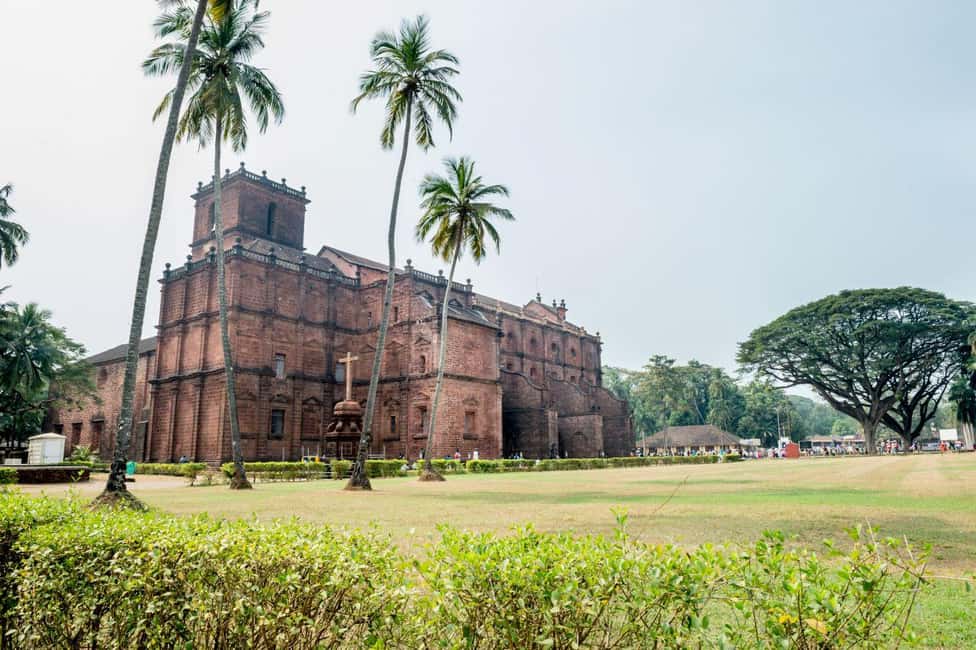
- Basilica of Bom Jesus: baroque details plus the revered remains of St. Francis Xavier
- Se Cathedral and nearby Francis of Assisi church: Portuguese-Gothic size, plus Manueline style and a museum
- Temples early in the day: Shri Mangueshi and Shri Shantadurga give Goa’s Hindu side equal space
- Private transport from North Goa: air-conditioned car makes a full day actually doable
How this 8-hour private Goa route saves time (and energy)
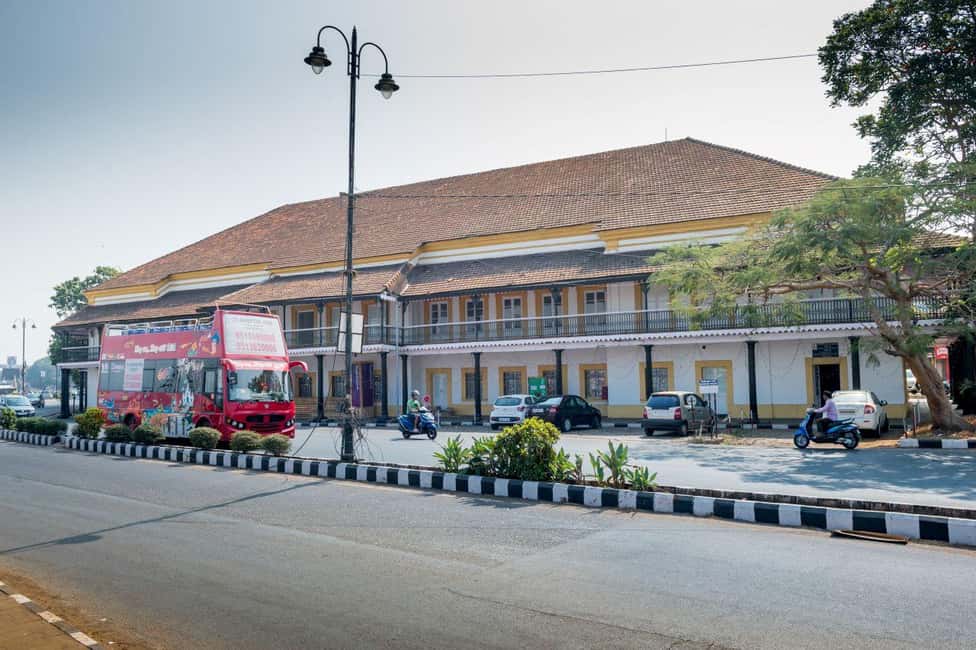
This is a full-day, private setup built for people who don’t want to piece together multiple taxis and opening hours. Pick-up is from North Goa hotels, and you ride in an air-conditioned car (an AC sedan for 1–2 people, or an AC SUV for 3–5). That matters because Goa’s sights are spread out, and a day like this lives or dies on transport efficiency.
The itinerary order can shift based on where your hotel is located. That’s normal for a private tour, and it’s helpful—your driver can route you to reduce dead time.
What makes this day work is the mix. You’re not only doing churches. You also get a real temple segment, plus a spice farm stop that adds texture to the story of the region. If you only visit the headline attractions, you end up with photos but less understanding. This approach aims for both.
You can also read our reviews of more tours and experiences in Goa.



Fontainhas in Panjim: Portugal-flavored streets you can walk through
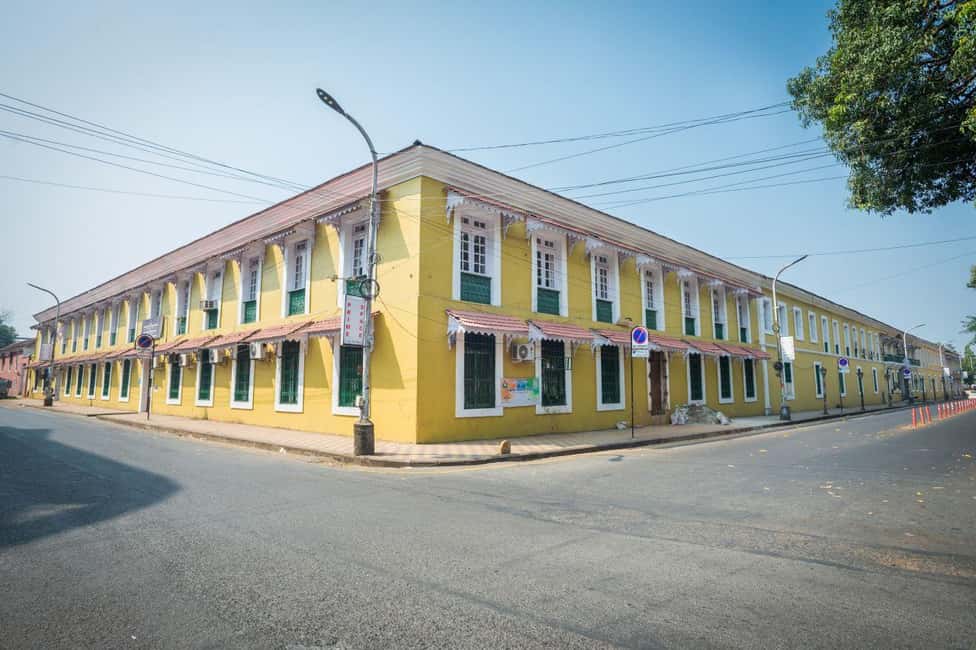
Fontainhas is the old Latin Quarter of Panjim, and it’s one of the best parts of Goa to slow down for a bit. You’ll walk narrow lanes lined with Portuguese-style houses, pastel colors, tiled roofs, and balconies with bougainvillaea. It’s the kind of place where every turn looks like a photo you’ll want to recreate later.
This isn’t just scenery. As you go, you can spot small art galleries, heritage homes, and even a traditional bakery. The point isn’t shopping hard. It’s seeing how urban Goa carries its European influence while still feeling local in daily rhythm.
If you like street-level travel—small side streets, simple neighborhood details—Fontainhas gives you that without needing an extra day trip.
Old Goa: where Portuguese rule still shows in stone
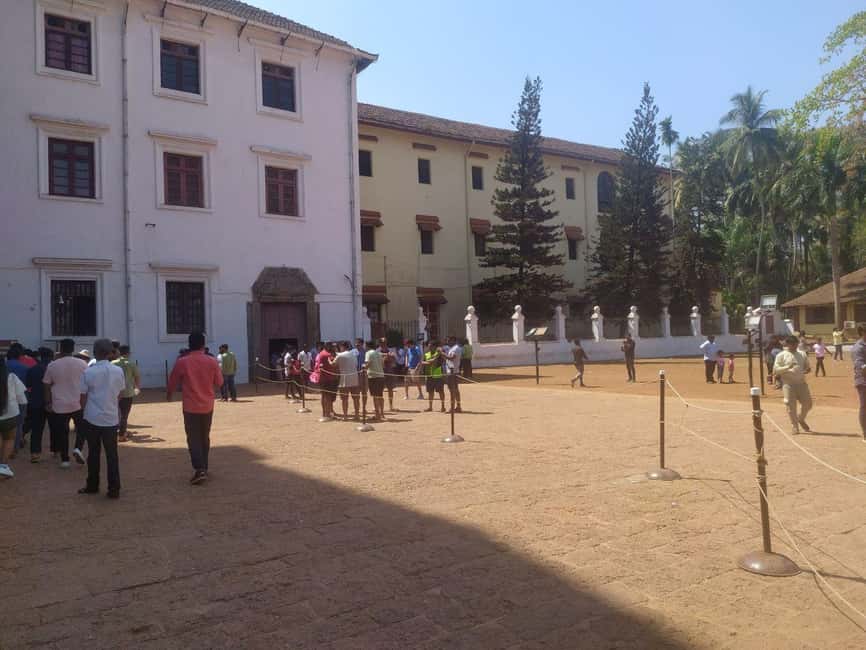
After Fontainhas, the atmosphere shifts as you head to Old Goa. This area is a UNESCO World Heritage Site and a major reason Portugal mattered here. It was once the capital of Portuguese India, so you’ll feel that colonial imprint in the architecture and in the Christian landmarks you’re visiting.
The big advantage of doing Old Goa with a guide is context. Without that, you can still admire buildings—but you miss why certain churches are famous, what’s inside them, and how the styles developed. With a good English-speaking guide, you’re not just reading plaques; you’re getting the story in plain language.
Be prepared for a concentrated church circuit. You’ll want comfy shoes. Even if the walking isn’t long, you’ll be moving from one landmark to the next in the same area.
Basilica of Bom Jesus: baroque details and St. Francis Xavier
The Basilica of Bom Jesus is one of the most important religious landmarks in Goa. It’s built in the 16th century, and it’s famous for its baroque architecture and gilded altars. This is also where the mortal remains of St. Francis Xavier are housed, and it draws visitors who come in a mix of spiritual and historical moods.
What I like about including Bom Jesus early in the sequence is that it sets a tone. The moment you see the scale and ornamentation, you understand why Old Goa became a major Christian center.
Even if you’re not big on religious sites, Bom Jesus works as an art-and-history stop because the building itself carries the attention. Just remember: there are religious spaces where you’ll want to dress respectfully and keep your voice down.
Sé Cathedral and the Church of St. Francis of Assisi: Portuguese-Gothic size meets museum time
Next you’ll visit the Se Cathedral, described as the largest church in Asia. It’s dedicated to St. Catherine and built with Portuguese-Gothic architecture. You’ll also find chapels and a tranquil courtyard, which helps balance out the scale of the main structure.
Nearby is the Church of St. Francis of Assisi, known for Portuguese-Manueline style. There’s also an attached museum with religious art and artifacts. If you’ve ever wished church visits came with more meaning than a quick look around, this museum component can help. It turns the stop into a real mini lesson rather than a photo sprint.
The only practical consideration here: since these are religious heritage sites, rules can be stricter than you’d expect at casual sightseeing spots. The guide helps you pace it, but you’ll still want patience and quiet attention.
You can also read our reviews of more private tours in Goa

Sahakar Spice Farm: a smart break from stone churches
Sahakar Spice Farm is one of the highlights, and the reason is simple: it changes the senses. While churches focus on architecture, the spice farm focuses on smell, texture, and everyday plant knowledge tied to local life.
This is where the tour becomes more than sightseeing. A good guide explains what spices are used for and what makes Goan flavor different. Based on guide feedback you’ll actually hear in the field, this is often the highlight because it feels hands-on and practical—especially if you cook at home.
If you’re the type who wants to bring back more than photos, this is your stop. Even if you don’t buy anything, you’ll leave with a clearer sense of how Goa’s agriculture connects to Portuguese-era trade routes and local markets.
Shri Mangueshi Temple: a calm start with Shiva devotion
After the Old Goa and church portion, you’ll head to Shri Mangueshi Temple in Mangeshi near Ponda. This is dedicated to Lord Shiva and is one of the prominent and sacred Hindu sites in Goa.
The temple’s white tower and octagonal lamp tower (deepastambha) are distinctive features, and the surroundings tend to feel calm. That quiet atmosphere matters because it resets the day. After churches and museums, you’re shifting from baroque details to devotional space—different visual language, different pace.
You’ll also see traditional Goan temple architecture reflected in the design and layout. Even if you’re not Hindu, you can still appreciate the craftsmanship and the way the place functions as a living religious center.
Shri Shantadurga Temple: Indo-Portuguese meets Hindu design
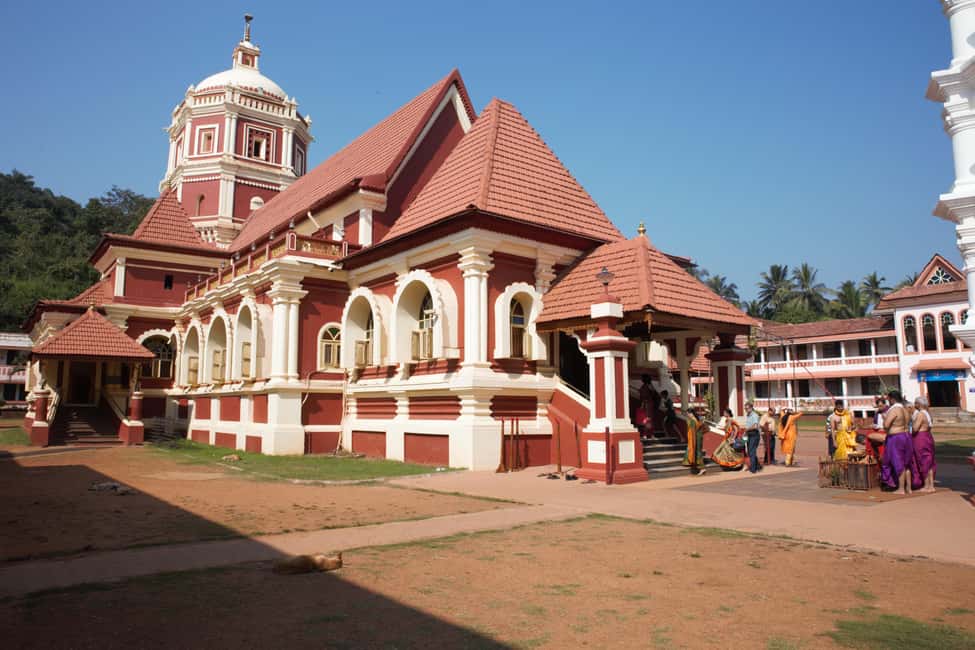
Next is Shri Shantadurga Temple in Kavlem, dedicated to the goddess Durga in her peaceful form as a mediator between Vishnu and Shiva. The complex is expansive and well maintained, and the architectural blend is part of what makes it memorable.
You’ll notice the red-colored facade, pillars, and surrounding gardens. The style described for this temple blends Indo-Portuguese and Hindu architectural elements, so it fits the bigger theme of the day: Goa as a meeting point of cultures, not just one influence.
If you like temples that aren’t just quick stops, Shantadurga gives you space to look slowly. It also feels like a cultural landmark for Goans, not a tourist set piece.
What the car, the private guide, and timing really mean
This tour runs for 8 hours and stays private the whole time. That privacy affects everything: your guide can adjust pace, you can ask follow-up questions, and you don’t have to match someone else’s schedule.
Your driver handles logistics—parking, fuel, and taxes are included—and you get a bottle of mineral water per person during the activity. That sounds small, but on a full day it helps you avoid the classic mid-afternoon slump.
Capacity matters too. If you’re traveling as a small group, you’ll be in the right vehicle size for comfort. If you’re 3–5 people, the AC SUV keeps the group together instead of splitting up.
Order changes may happen depending on your starting point in North Goa. So don’t fixate on a single minute-by-minute plan. Use your time for what matters most: asking questions at the stops that interest you.
Price and value: what $98 per person covers (and what it doesn’t)
At $98 per person for a private guided day, you’re paying for four main things: transport, a professional guide, and time with priority access to context. You’re not paying for a shared bus and random drop-offs. You’re paying to be moved efficiently between major sites while learning what you’re seeing.
What’s included:
- Private professional English-speaking tour guide
- Transportation by private air-conditioned car within city limit
- Driver who speaks good Hindi & English
- All parking, fuel, taxes, and service charge
- One bottle mineral water per person during the activity
- Government service tax
- Private group
What’s not included:
- Monuments entrance fees
That last line is the one that can change your real budget. If you want to avoid surprises, plan a bit of extra cash for tickets at church and temple sites. The guide can usually tell you what to expect, but the key point is: entrance fees are not rolled into the $98.
There are also two possible supplements mentioned for specific situations:
- A $30 per person supplement if you arrive by cruise ship at the port
- A $10 per person supplement if you need a guide speaking a language other than English
Practical rules: small constraints that keep the visit smooth
This tour has some clear no-go rules: no smoking in the vehicle, no drinks in the vehicle, and no alcohol (including no alcoholic drinks in the vehicle). Smoking indoors is also not allowed, and bikes are not included in the allowed items list.
Mobility scooters are not allowed, and the tour is not suitable for people with mobility impairments. It also isn’t suitable for people over 95 years old.
If you’re healthy and mobile, the rules mostly mean you should pack like a visitor to sacred sites: respect dress and behavior, and keep the day calm. It also means your ride stays cleaner and distraction-free.
Who this private Goa tour fits best
Book this if you want:
- A structured day that links Portuguese-era history with Goa’s Hindu temple side
- English guidance that explains what you’re looking at, not just where to stand for photos
- A spice farm stop that gives you something practical to remember after the trip
- Private transport from North Goa so you’re not hopping between multiple vendors
You might skip it if you only want beach time and you don’t care much about churches, temples, and heritage neighborhoods. This day is built around history and culture, not lounging.
Final call: should you book this full-day private tour?
I’d recommend booking if you’re doing Goa for the first time and you want maximum understanding per hour. The strongest parts are the guided explanations, the tight private organization, and the inclusion of the spice farm along with big-name Old Goa churches and major temples.
If you hate paying entrance fees on top of a tour price, then budget carefully or ask upfront what fees you’ll face. Other than that, this is a solid choice for people who want a clear route, comfortable transport, and a guide who can connect the dots across Goa’s Portuguese and Indian influences.
FAQ
How long is the Full Day Private Guided Goa Tour?
The duration is 8 hours.
Is this tour private or shared?
It’s a private group tour.
Where does the tour start and end?
Pick-up is from North Goa hotels, and the tour ends back at North Goa.
What’s included in the price?
Included are private air-conditioned transportation within city limits, a professional driver (Hindi and English), a private professional English-speaking tour guide, parking/fuel/taxes/service charge, one bottle of mineral water per person, and government service tax.
Are monument entrance fees included?
No. Monument entrance fees are not included.
What language is the tour guide?
The tour guide is English-speaking.
Do I need to pay extra if I arrive by cruise ship?
Yes. There’s a $30 per person supplement payable directly if you arrive by cruise ship at the port.
Is it suitable for mobility impairments or very elderly visitors?
No. It’s not suitable for people with mobility impairments, and it’s not suitable for people over 95 years old.