REVIEW · GOA
Divar Island: Local Goan Village Tour with Traditional Lunch
Book on GetYourGuide →Operated by Make It Happen · Bookable on GetYourGuide
Life on Divar Island feels slower.
You’ll get a guided walk-through of the Goan village world—colorful lanes, old worship sites, and the Portuguese influence that still shows up in houses and daily life. Two things I really like are the storyteller-led history (with a standout, energetic guide named Pritam in the mix) and the lunch setup: you eat traditional Goan food in a local Portuguese house or a riverside resort, not a generic restaurant. One consideration: this is not a pure walking trail, and you’ll need transportation to reach the sites from the ferry.
The best part is the small, everyday details. From people fishing along the Mandovi River with rods, to watching local bread being baked, the tour gives you context for how the island works, not just a checklist of monuments. If you want only big-ticket landmarks or a fully strollable itinerary from stop to stop, this may feel a bit more vehicle-dependent than you’d like.
In This Review
- Key Things That Make This Divar Tour Worth Your Time
- Where Divar Island Fits in Goa (And Why It Feels Different)
- Starting at the Ferry: Meet Your Guide and Get Your Bearings Fast
- The Non-Heritage-Walk Reality: Transportation Is Part of the Plan
- Village Lanes and Portuguese-Era Houses: What You’re Really Seeing
- Mandovi River Fishing Moment: Learning Before You Look
- St. Mathias Church and Other Key Worship Sites
- 16th-century St. Mathias Church
- Our Lady of Candelaria Chapel
- Saptakoteshwar Temple
- The Bakery Stop: Bread-Making and Recipe Notes
- Lunch in a Portuguese House or Riverside Resort: Why the Meal Matters
- The Hillside View Backdrop: Old Churches of Goa and the River Below
- How Long It Really Takes (And Who This Tour Suits)
- Price and Value: Getting More Than a Quick Photo Stop
- Small Details That Make Your Day Go Smoothly
- Should You Book This Divar Island Village Tour?
- FAQ
- Where is the meeting point?
- How long is the tour?
- Is this tour a walking trail?
- What’s included in the price?
- What religion sites will I visit?
- Do I need to remove my shoes?
- What food is provided?
- Is the guide available in English?
- What should I bring?
- Is there hotel pickup and drop-off?
Key Things That Make This Divar Tour Worth Your Time
- A real storyteller, with English narration and a knack for making history click (Pritam is repeatedly praised for energy and clear explanations)
- Portuguese-influenced village lunch served at a traditional Portuguese house or riverside resort
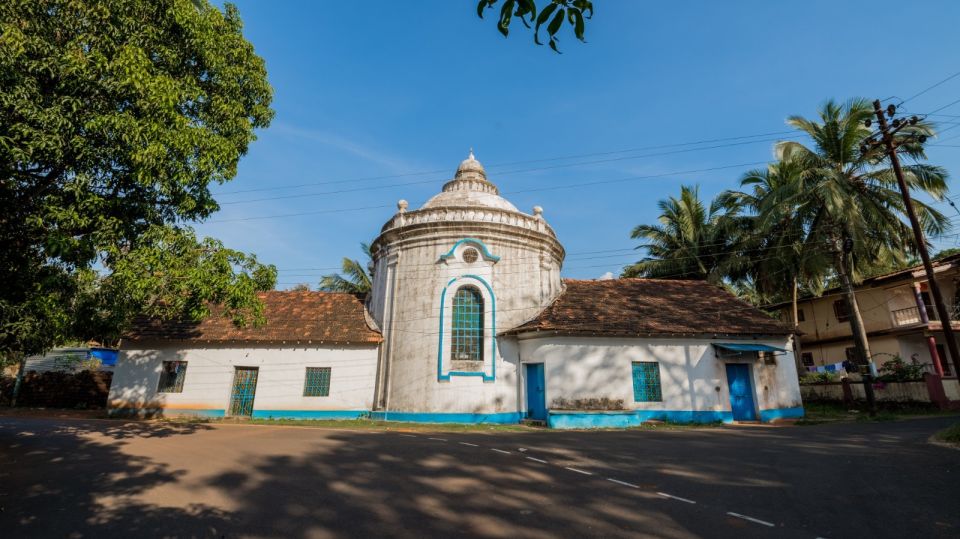
- Ancient temple + baroque church mix, including St. Mathias Church and Saptakoteshwar Temple
- Bakery stop for local bread, with a chance to pick up recipes
- Scenery at the end, when you head into the hills for views over the river and the Old Churches of Goa
Where Divar Island Fits in Goa (And Why It Feels Different)
Divar Island is one of those places that makes you understand Goa beyond beaches. Think paddy fields, lanes that twist more than they run straight, and village life that’s shaped by waves of culture over centuries. The tour is built around that idea: you’re not just hopping from point to point, you’re seeing how the landscape and history sit side by side.
You also get a practical, local-feeling start: when you arrive by ferry, you’ll meet locals by the Mandovi River—some sitting with fishing rods already cast. That moment matters, because it frames the day with everyday work and routine, not just sightseeing.
You can also read our reviews of more tours and experiences in Goa

Starting at the Ferry: Meet Your Guide and Get Your Bearings Fast
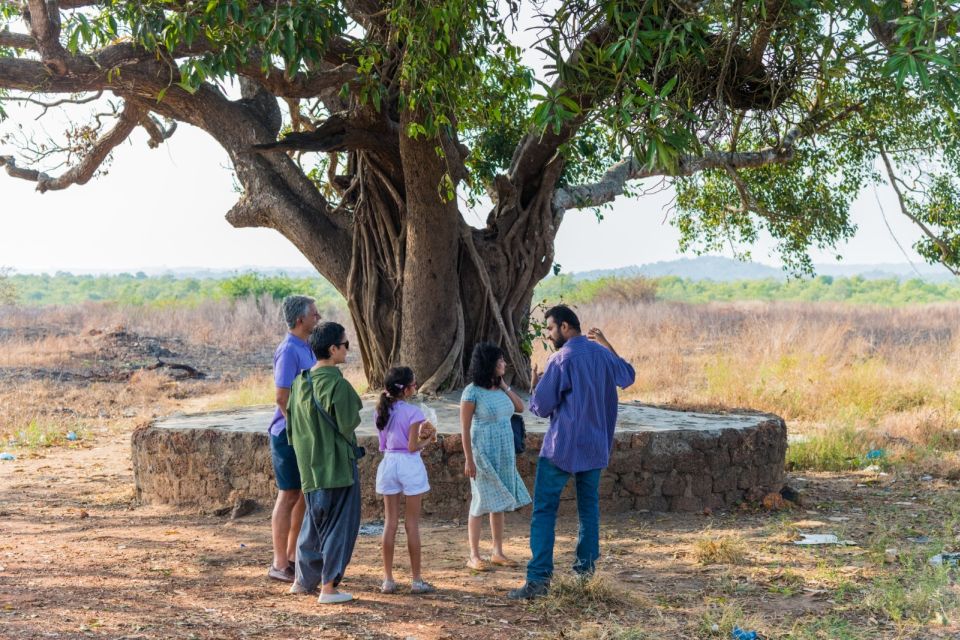
You’ll meet at the Ribandar side of the ferry terminal area (the tour emphasizes that you should not cross the river on your own first). The key is simple: meet the storyteller at the designated meeting point, then go as a group.
This is where you’ll want to be ready with the basics. Comfortable shoes help, because even when the driving handles the longer gaps, the village portions still involve walking. Also, carry sunglasses and water—Divar can feel bright and warm, especially if the sun is high.
And yes, you should plan for a slightly more structured flow than a free-form explore day. This is a guided route with heritage stops, so once you’re with your guide, the timing follows their lead.
The Non-Heritage-Walk Reality: Transportation Is Part of the Plan
Here’s the honest expectation: this is not a walking trail tour. Transport is required to move around the island and reach the various sites. The experience even notes that you can explore using your own vehicle or the vehicle arranged by you to reach the meeting point.
Why this matters: Divar’s charm comes from roads and small routes that don’t always connect neatly on foot. If you show up expecting an all-walking, anywhere-you-want vibe, you’ll end up frustrated. If you’re okay with short walks plus vehicle hops, you’ll enjoy it more—especially when you get the hilltop views at the end.
A practical note: the tour price includes heritage access and the guided portion, but it does not include a hotel pickup/drop-off or a vehicle for the Divar Island tour itself. So, if you’re budgeting, factor that in rather than treating it like a purely included cost.
Village Lanes and Portuguese-Era Houses: What You’re Really Seeing
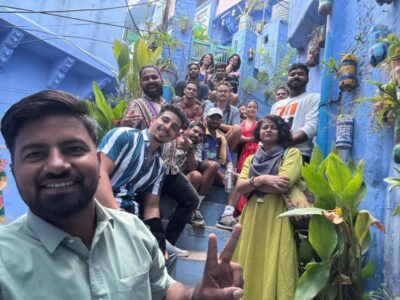
Once you step into the village, the tour shifts from riverfront energy to neighborhood texture. You’ll move through streets lined with colorful houses—this isn’t just pretty scenery. It’s a visible reminder of how the Portuguese occupation influenced daily life and architecture for centuries.
You’ll also get a guided explanation of the island’s multicultural way of life—how different communities and traditions shaped the patterns of work, worship, and home design. The goal isn’t to overwhelm you with names and dates. It’s to help you read what you see: why the village looks the way it does, and why the cultural blend is still part of the atmosphere.
If you like history that you can point to, this part delivers. You’re not staring at a plaque; you’re walking in the place where those influences show up.
Mandovi River Fishing Moment: Learning Before You Look
Right after you disembark, you’ll see people fishing from the river edge with rods already out. Your guide will explain the methods they use to catch fish.
Even if fishing isn’t your thing, I like this early stop because it grounds the day. It’s a reminder that Divar is lived-in. The guide also helps you connect water, work, and settlement—useful context for everything you’ll see next, from temples to churches.
For families or anyone who likes local color, this is one of those quick moments that makes the tour feel human instead of staged.





St. Mathias Church and Other Key Worship Sites
This tour’s heritage stops focus on religious architecture and the island’s layered past. Expect both older temples and Portuguese-era churches, which gives you a clear sense of how cultures overlapped.
16th-century St. Mathias Church
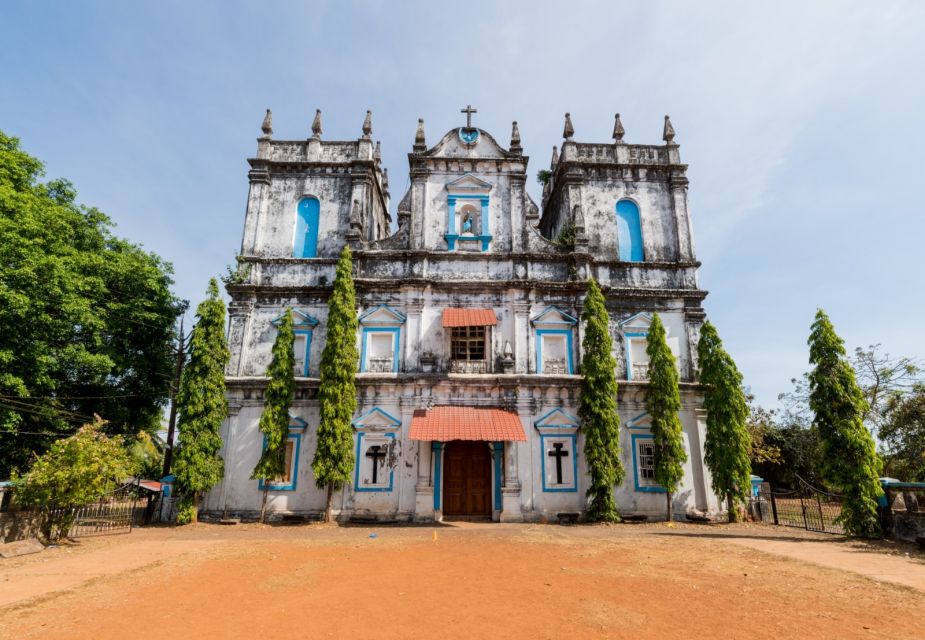
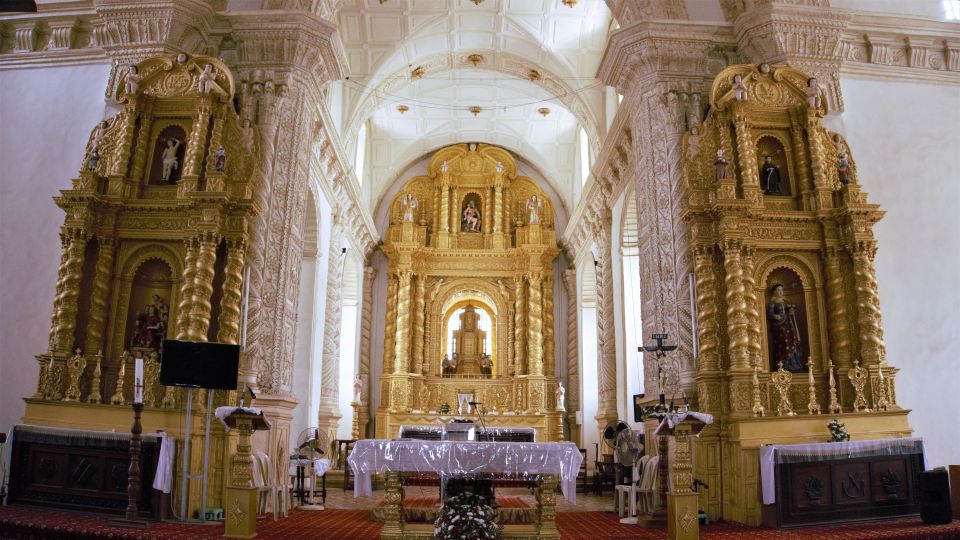
You’ll visit St. Mathias Church, described as dating to the 16th century. This is one of the anchor points for the church side of the story. You’ll get explanations around the Portuguese influence and why baroque-style churches became part of Goa’s built landscape.
Practical tip: plan for temple/church rules. The experience notes you must remove your shoes in temples and places of worship. Comfortable shoes are great—but keep them easy to slip on and off.
Our Lady of Candelaria Chapel
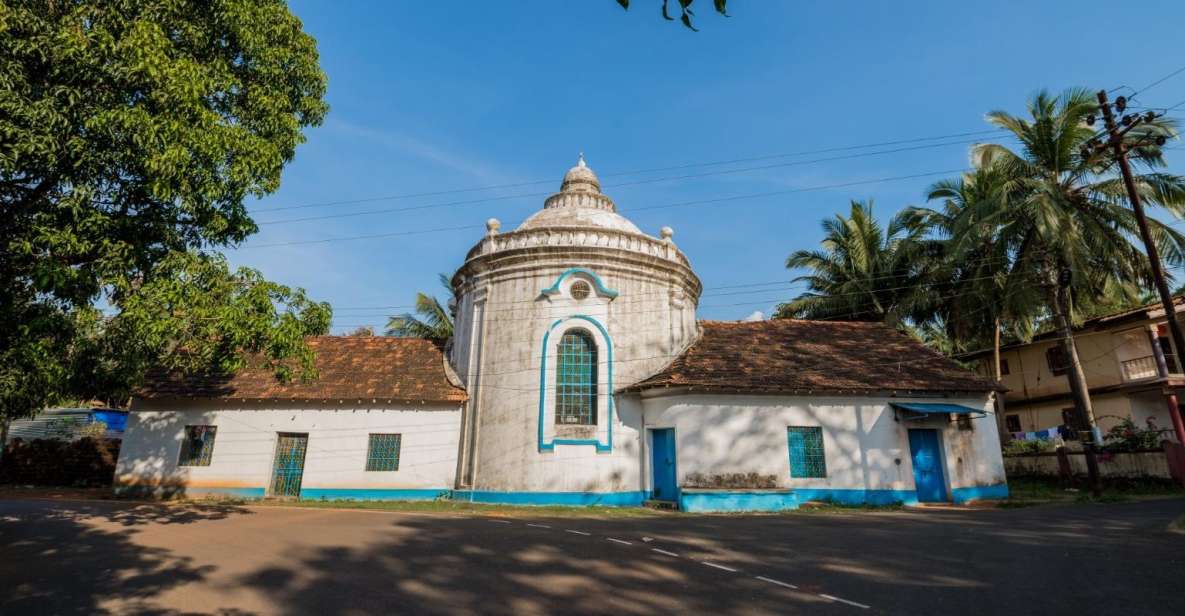
Next comes the Our Lady of Candelaria Chapel. It’s a quieter, more intimate stop that balances the larger church. These smaller chapels are often where the character feels most personal—simple, local, and tied to everyday religious life.
Saptakoteshwar Temple
Then you’ll visit the Saptakoteshwar Temple, described as ancient. This part is important because it completes the picture: Divar isn’t only Portuguese-era heritage. You’ll see the older temple tradition that adds depth and complexity to the island’s story.
If you’re the kind of traveler who enjoys comparing different religious styles in one day, you’ll appreciate how the tour places them side by side instead of keeping them in separate boxes.
The Bakery Stop: Bread-Making and Recipe Notes
One of the most enjoyable breaks in the route is a stop in a traditional Goan bakery. You’ll see how local bread is baked, and the chef may share recipes.
This is the kind of stop I always try to keep in my travel plans because it’s not just watching. It’s a hands-on cultural detail—food methods that reflect local ingredients, routine, and the rhythm of village life.
If you like bringing home practical knowledge (instead of just a fridge magnet), this part can pay off for weeks. Even if you don’t cook immediately, you’ll likely remember what you saw.
Lunch in a Portuguese House or Riverside Resort: Why the Meal Matters
After the village touring, you’ll enjoy a delicious traditional Goan lunch served at a Portuguese house or a riverside resort. This is a big part of the value because it’s integrated into the day’s theme of Portuguese influence on local life.
What makes this lunch feel like more than a refuel stop is the setting: a home-style or locally positioned environment, not a random tourist restaurant. The meal is also repeatedly praised as a highlight, including for being well-organized and memorable.
If you’re sensitive to timing, note the meal comes after the main sight sequence. You won’t be stuck waiting around at the end of the day with empty stomach energy.
The Hillside View Backdrop: Old Churches of Goa and the River Below
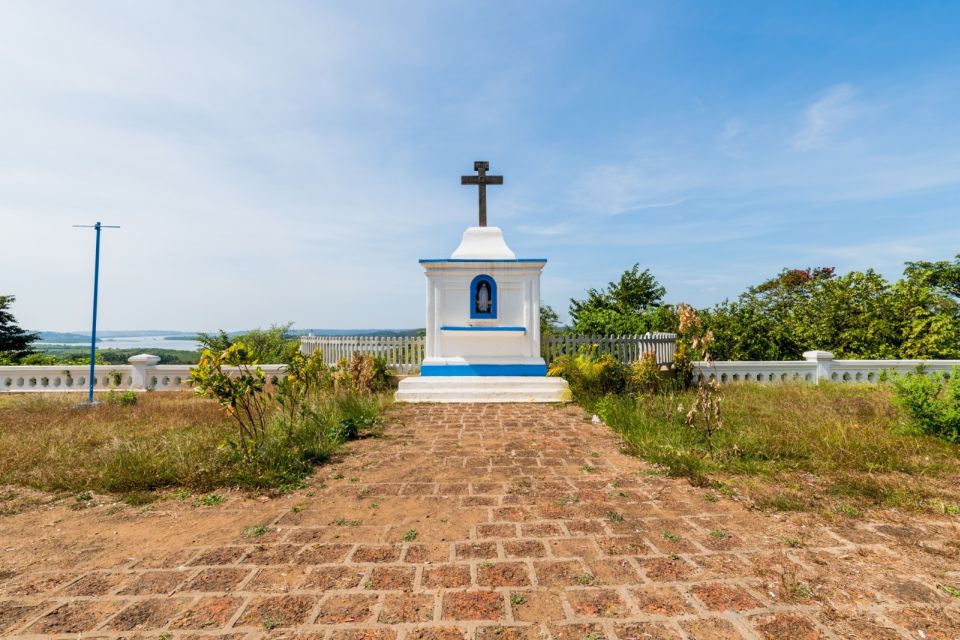
Near the end, you head up into the island hills for a magnificent view of the Old Churches of Goa and the river below before taking the ferry back to the mainland.
This is where the tour feels like it finishes with a wide-angle lens. Up until then, you’ve been reading the island at street level—houses, churches, temples, bakery details. Then you get the payoff: the geography of Goa, layered with heritage from above.
It’s also a good time to check you’re packed and ready, because the ferry return ends the guided portion. Bring a light umbrella if you have one; the day can shift quickly.
How Long It Really Takes (And Who This Tour Suits)
The full tour runs about 3.5 hours. That’s a sweet spot for seeing a lot without turning your day into a marathon.
This tour tends to suit:
- People who like guided context (story-led explanations rather than self-navigation)
- Travelers interested in how Portuguese culture shaped Goa
- Anyone who wants heritage plus village life, including food and everyday scenes
- Shoppers of time: you’ll leave with a strong sense of Divar without needing a full day
It may be less ideal if:
- You want a long, continuous walk (because it’s not a walking trail)
- You hate dealing with shoes-on/shoes-off rules in worship spaces
- You’re expecting a strictly included transport package from your hotel (pickup/drop-off and vehicle aren’t included)
Price and Value: Getting More Than a Quick Photo Stop
At $24 per person for a 3.5-hour guided experience, the price lands in the middle for Goa. The real question is what you get for it, and here the value is in three places.
First, you get a professional English-speaking storyteller with a history knack that turns stops into a connected narrative (Pritam’s name comes up for enthusiasm and energy). Second, lunch is included, and it’s served in a setting tied to the theme—Portuguese-style local hospitality. Third, heritage site access is included, so you’re not paying extra at each stop.
The one thing you should account for is transport. The vehicle for island movement isn’t included, and there’s no hotel pickup/drop-off. If you already have a way to get to the meeting area and you’re comfortable arranging or using a vehicle for the island, this is a solid deal. If not, your out-of-pocket total may creep up.
Small Details That Make Your Day Go Smoothly
This is the practical stuff that prevents annoyance.
Bring:
- Comfortable shoes you can remove easily for worship sites
- Sunglasses and a sun hat
- Umbrella (helpful in Goa)
- Reusable water bottle
Respect:
- You must remove shoes in temples and places of worship.
Pack smart:
- If you’re buying or receiving anything (like recipe notes), keep your hands free for photos and temple/shoes handling.
And most importantly: follow the meeting rules. Don’t cross the river without meeting the storyteller first—this is specifically called out for the experience.
Should You Book This Divar Island Village Tour?
I think you should book it if you want a short, story-driven slice of Goa that mixes village life, Portuguese influence, and real worship-site visits. The lunch component and the guided explanations are what make it feel complete, not just scenic.
Skip it (or at least reconsider) if you dislike transport planning, or you want an all-walking day. Also, if your main goal is major, famous heritage monuments only, this may feel more intimate and village-focused than you expect.
If you’re a careful planner who values food, local rhythm, and history that connects to what you see, this tour is an easy yes.
FAQ
Where is the meeting point?
You meet at the Ribandar side of the ferry terminal area. Please do not take the ferry across on your own without meeting the storyteller.
How long is the tour?
The tour lasts about 3.5 hours.
Is this tour a walking trail?
No. It is not a walking trail and requires transportation to explore the island and reach the sites.
What’s included in the price?
The experience includes an English-speaking guided storyteller, a traditional Goan lunch, and access to heritage sites.
What religion sites will I visit?
You’ll visit St. Mathias Church, Our Lady of Candelaria Chapel, and the Saptakoteshwar Temple.
Do I need to remove my shoes?
Yes. You must remove your shoes in temples and places of worship.
What food is provided?
Lunch is included and is described as a delicious traditional Goan meal served at a Portuguese house or a riverside resort.
Is the guide available in English?
Yes, the live tour guide provides narration in English.
What should I bring?
Bring comfortable shoes, sunglasses, a sun hat, an umbrella, comfortable clothes, and a reusable water bottle.
Is there hotel pickup and drop-off?
No. Hotel pickup and drop-off are not included.