REVIEW · UDAIPUR
Farm to Table: With a local farmer family
Book on GetYourGuide →Operated by Strode Experiences · Bookable on GetYourGuide
Cooking under neem trees beats Udaipur bustle; this farm-to-table visit mixes a field walk to temples/devras with hands-on Rajasthani cooking and chaas. I love the way you work alongside the farmers, not just watch them. One possible drawback: this is a very village, open-air setup, so if you expect a polished restaurant kitchen, you’ll need to adjust your expectations.
It’s about 2 hours near the outskirts of Udaipur in Rajasthan, and the ticket price ($21 per person) includes the food. Your host will meet you at the meeting point, and communication is in English and Hindi through Strode Experiences.
In This Review
- Key things that make this experience worth your time
- A Farm-to-Table Evening on the Outskirts of Udaipur
- The 2-Hour Rhythm: Fields, Temples, Kitchen Work, and Dinner
- Walking the Crops: Mustard Greens, Chickpeas, and Devras
- Spice Lesson: How Masalas Become Flavor, Not Just Powder
- Dal Bati, Churma, and Gatte Ka Saag: The Real Hands-On Part
- The Meal Under a Neem Tree: Dal Bati Churma Plus Saag and Chaas
- Village Culture in the Background: Artisans, Musicians, and Local Sights
- Price and Logistics: Getting There Without Losing Your Evening
- Who This Is Best For (and Who Might Skip)
- Should You Book This Farm-to-Table Experience?
- FAQ
- How long is the experience?
- How much does it cost?
- What’s included in the price?
- What is not included?
- Where does the activity take place?
- Where do we meet the host?
- What languages are used by the host or greeter?
- What food and drinks will we have?
- Can I get a refund if I cancel?
- Can I arrange transportation to reach the venue?
Key things that make this experience worth your time
- Field walk to temples and devras: you connect farming with everyday village belief.
- Plucking fresh veggies with local farmers: it’s practical and hands-on, not a photo stop.
- Spice lesson you actually use while cooking: learn how masalas fit into real dishes.
- Wood-fired clay oven cooking: Dal batis come out from a traditional heat source.
- A proper Rajasthani group meal under a neem tree: Dal Bati Churma plus saag dishes and chaas.
- Village culture add-ons: artisans and musicians may join, depending on the night’s program.
A Farm-to-Table Evening on the Outskirts of Udaipur
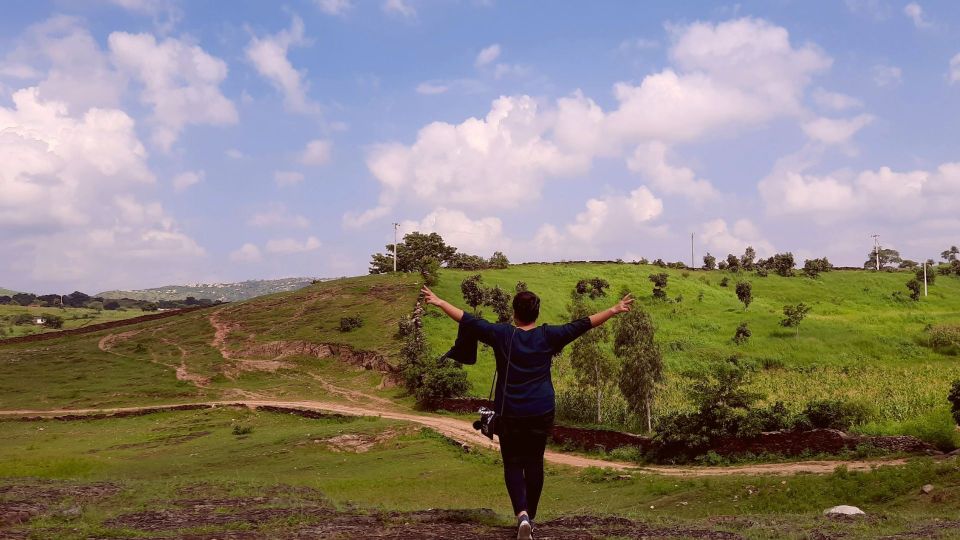
If your Udaipur time is all lakes, palaces, and polished courtyards, this is the counterweight. This farm-to-table experience takes you out to the countryside where the day’s smell is earth, plants, and wood smoke. The pace is slow. The activities are real. And at the end, you eat what you helped make and what the local kitchen knows how to do.
I also like how the tour is built around three things that travel can’t fake: land, people, and food. You walk through growing fields, you talk with farmers, and then you cook Rajasthani staples that match the ingredients grown nearby. That link is the whole point here.
The ticket is $21 and includes the meal, which matters. Paying for a cooking lesson and then buying food later can get pricey fast. Here, the food is part of the deal—so you’re not hunting for dinner plans after.
One note before you go: this activity is on the outskirts, and conveyance isn’t included. The venue isn’t described as walk-up easy from the city. If you’re staying in central Udaipur, plan to use a vehicle (the provider can help arrange one, with separate charges).
You can also read our reviews of more tours and experiences in Udaipur.



The 2-Hour Rhythm: Fields, Temples, Kitchen Work, and Dinner
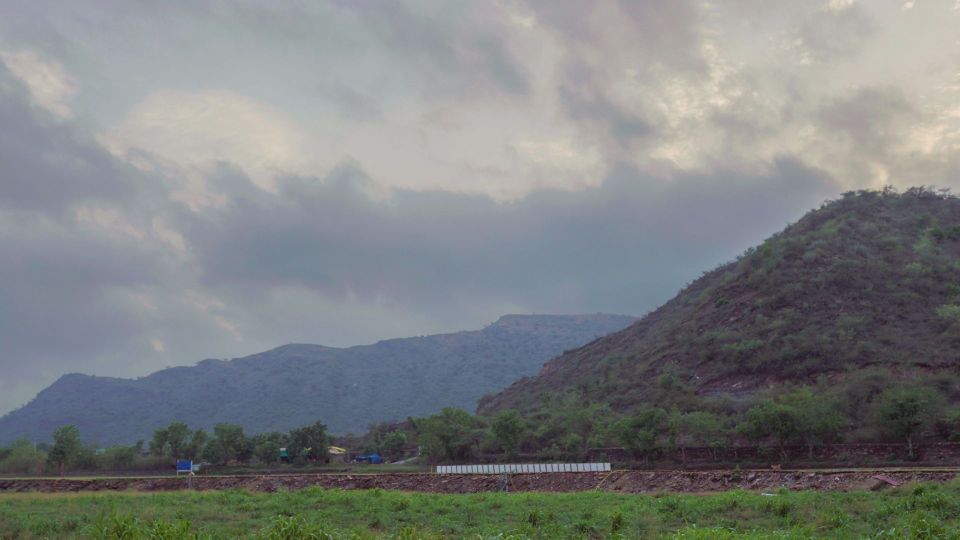
The whole experience is designed to fit into a compact window—about 2 hours—so it feels like an efficient evening program rather than a half-day excursion. Expect a steady flow: arrival, short walking tour, farm interaction, spice and cooking time, then the group meal.
Here’s the shape of your time:
First, you arrive in the village and get a warm welcome from local villagers and farmers. From there, you do a short walking tour that includes temples and devras (small rural shrines). It’s not a long hike. It’s a quick way to understand what’s right in front of you.
Then you shift into the food side of the day. You’ll learn how spices are used, help with food prep, and get involved in cooking steps. Dishes planned for the kitchen session include Dal Bati, Churma, and Gatte Ka Saag. During the meal, you’ll also enjoy Sarson Ka Saag along with the chaas (buttermilk) drink.
Finally, you eat together outdoors—often under a neem tree—while local artisans and musicians may add to the atmosphere.
In short: walk a bit, cook a lot, eat happily. That’s the deal.
Walking the Crops: Mustard Greens, Chickpeas, and Devras
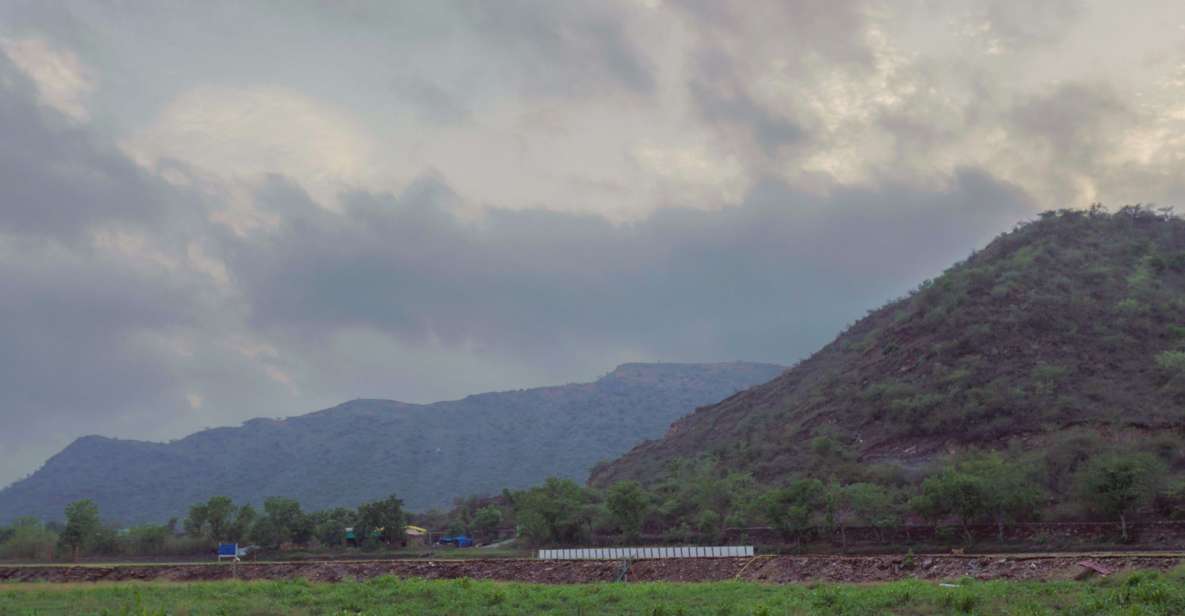
The field section is more than scenery. You’re learning what’s grown and how it connects to local dishes.
The tour’s walk starts through lush fields, where crops like mustard greens and chickpea-based ingredients are part of the picture. You’ll hear about traditional farming methods. Even if you don’t remember every farming term, you’ll get the practical idea: local cooking isn’t built from supermarket shortcuts—it’s built from what people grow and what the season gives.
As you walk, you also visit local temples and devras. For me, this is one of the best parts because it adds meaning to the countryside. You’re not just seeing land; you’re seeing how belief, daily life, and food production sit side by side.
If you’re the type who likes to ask questions, this part pays off. Farmers can explain why certain crops matter and how they fit into household meals. And since your group is small enough for conversation, you’ll likely get answers instead of being rushed along.
Practical tip: wear comfortable shoes. The tour is described as a walking tour, and village ground can be uneven.
Spice Lesson: How Masalas Become Flavor, Not Just Powder
Before you start cooking, you get an informative cooking lesson that includes learning how spices work in real Rajasthani food.
This is where many cooking experiences fall short—they treat spice as a show-and-tell ingredient. Here, the goal is closer to competence. You learn about native masalas and how they’re used in the dishes you’ll prepare and eat.
I like this step because it helps you eat better even after the tour ends. Once you understand the spice logic, dishes like dal curry, saag, and dumpling sauces make more sense on the plate. You stop thinking of them as a single blended flavor and start tasting the roles different spices play.
One extra value: this spice work is paired with cooking time, not separated from it. That means your brain stays in cooking mode. You don’t just hear the lesson and then wait around.
Dal Bati, Churma, and Gatte Ka Saag: The Real Hands-On Part
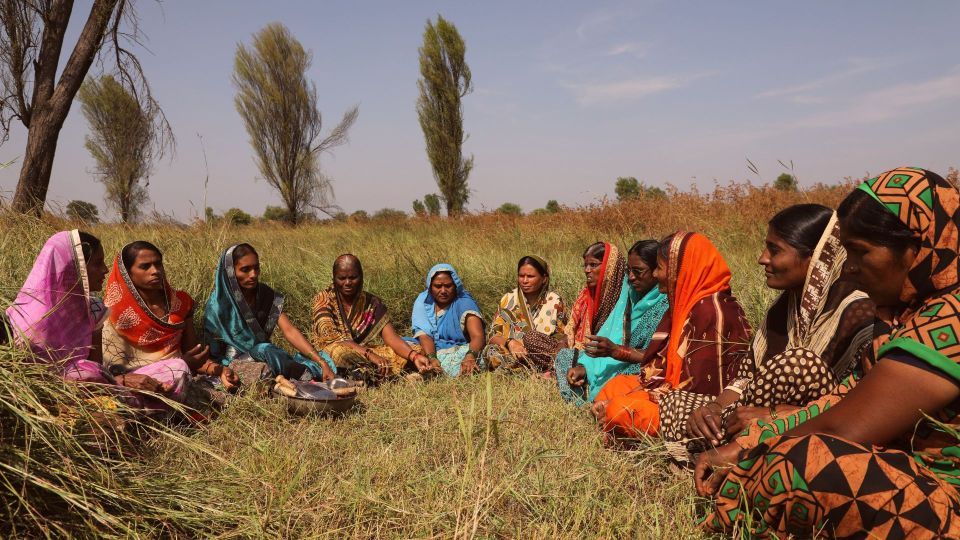
Now for the kitchen work.
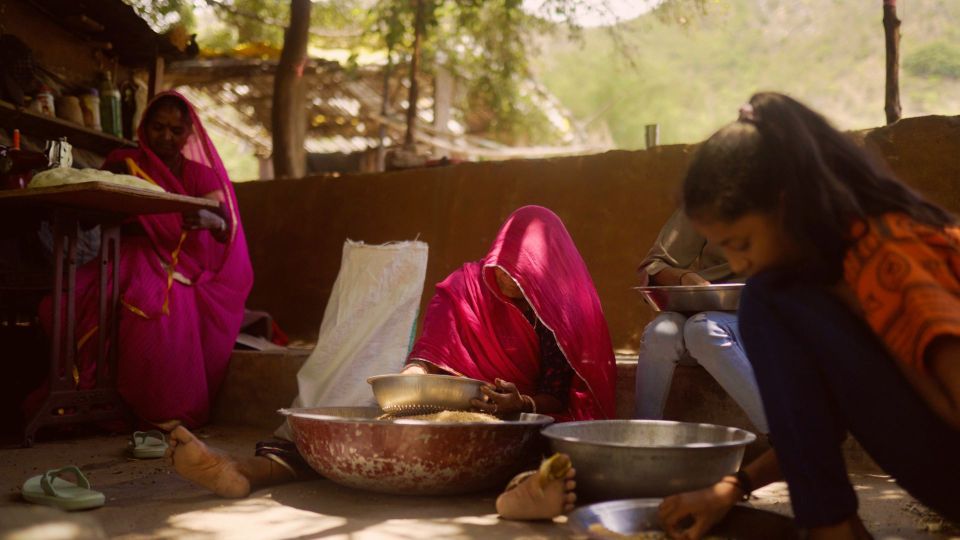
Your open-air kitchen session is built around classic Rajasthani dishes. You’ll prepare food including:
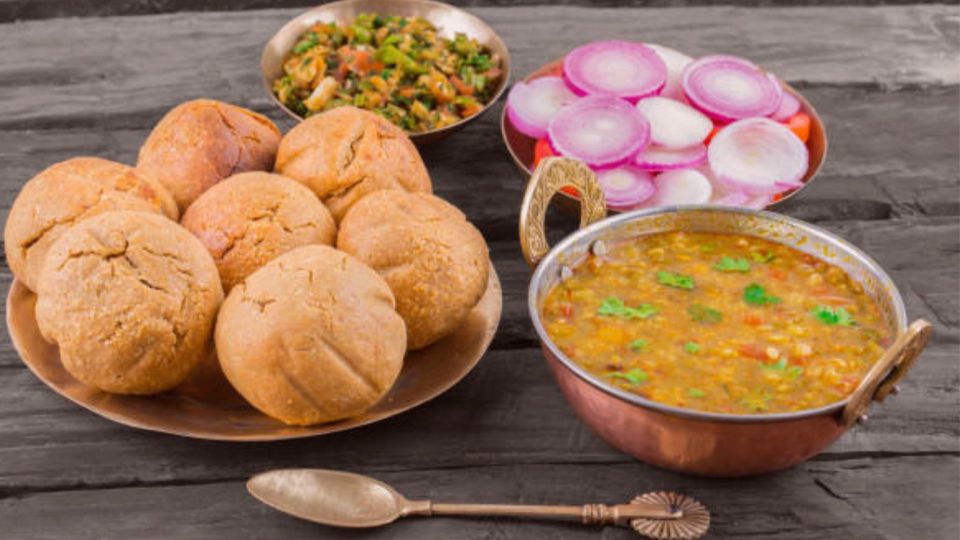
- Dal Bati: you craft dough for batis. They’re baked in a wood-fired clay oven, then served with a flavorful lentil curry spiced with local masalas.
- Churma: a sweet mix made from crushed batis with ghee and local jaggery.
- Gatte Ka Saag: chickpea flour dumplings cooked in a rich, spicy curry.
In a village cooking setup, you learn the textures first: dough that’s rolled and shaped, batis that bake until firm and golden, dumplings that set in sauce. The instructions are part culinary and part “watch, then do.” That’s where the experience becomes more than a meal.
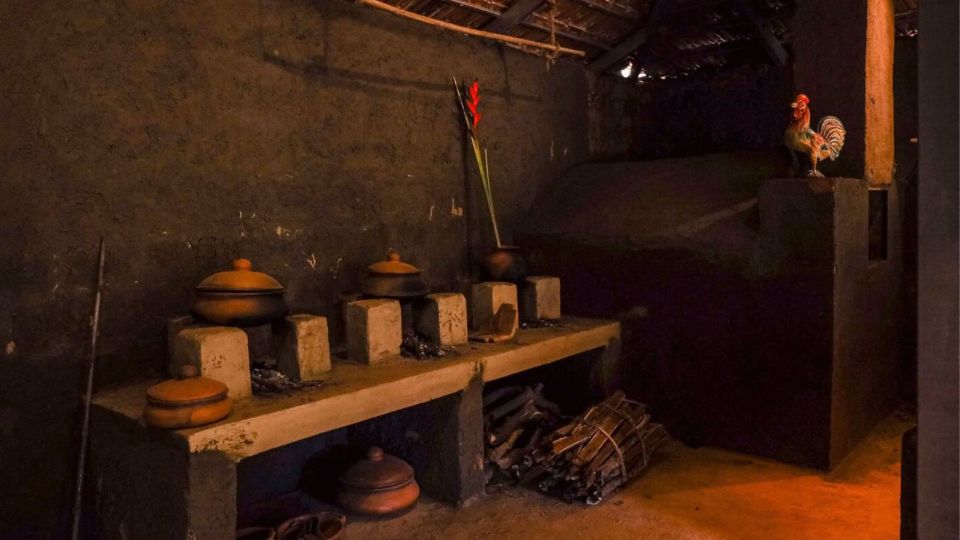
Also, expect some rustic kitchen reality. One review described the stove as a manmade mudclay setup with a clay fire stove. So yes, it’s traditional. And yes, that can mean the cooking environment feels less like a polished classroom and more like a working home kitchen. If that excites you, you’ll have a great time. If you need climate-controlled surroundings, you might find it uncomfortable.
A small planning tip: bring patience. Hands-on cooking takes time, and you’ll want to slow down and follow the process.




The Meal Under a Neem Tree: Dal Bati Churma Plus Saag and Chaas
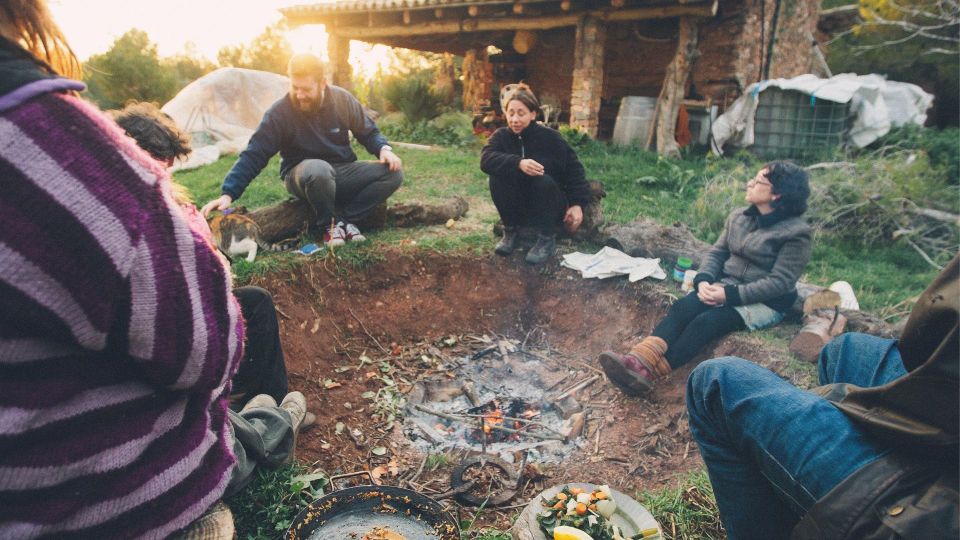
After cooking, you sit down and eat what you made and what’s been simmering.
The planned feast includes Dal Bati Churma, Sarson Ka Saag, Gatte Ka Saag, and chaas. Cha as is the traditional buttermilk drink made with yogurt. It’s served to cool the palate, and it’s also a smart choice with spicy food.
The meal format matters. It’s a group dining experience outdoors, and you’re not just receiving food—you’re sharing it with the people running the kitchen and the cultural side of the day. That makes it easier to ask questions about what you’re eating and why it’s made this way.
One more thing I appreciate: the saag component. Sarson Ka Saag (mustard greens) isn’t just a garnish. It’s a dish with character and heat, and it ties right back to the field crops you saw earlier.
And if you’re wondering about portion size: you’re paying for food included, and the menu is clearly planned as a full sit-down meal (not a tiny snack service).
Village Culture in the Background: Artisans, Musicians, and Local Sights
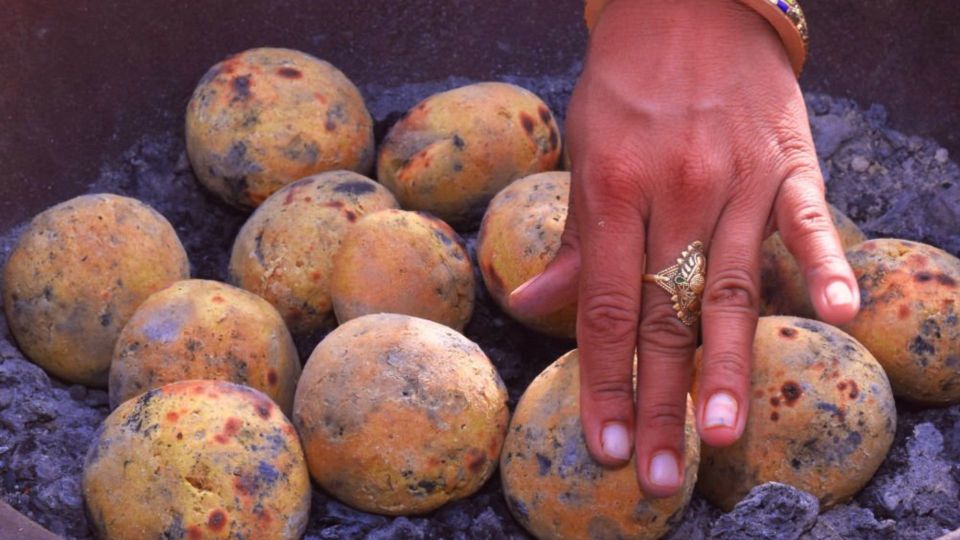
Food is the main event, but the experience also tries to show a slice of village culture.
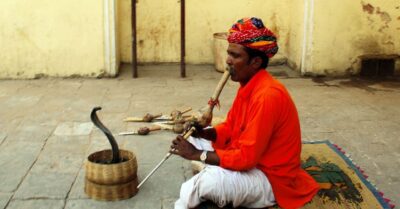
Local artisans and musicians may be part of the program. You get more context for daily life than you’d get from a quick market stop or a museum visit. It’s the kind of atmosphere that makes the meal feel like a community event, not a staged performance.
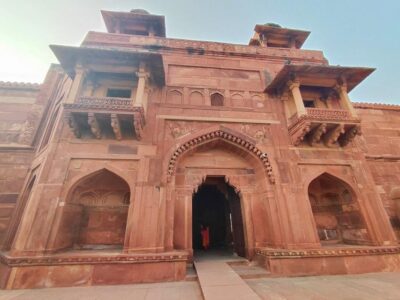
There’s also the possibility of adding extra village stops when transportation is available. One review mentioned being taken to a nearby local village where they encountered sights like a Jain temple, a haveli being renovated, and a step well—made possible because they had a car and driver. So if you arrange transport, you might get extra context beyond the core farm-to-table program.
That said, these added sights aren’t guaranteed as a fixed schedule detail. Treat them as a potential bonus rather than a promise.
Price and Logistics: Getting There Without Losing Your Evening
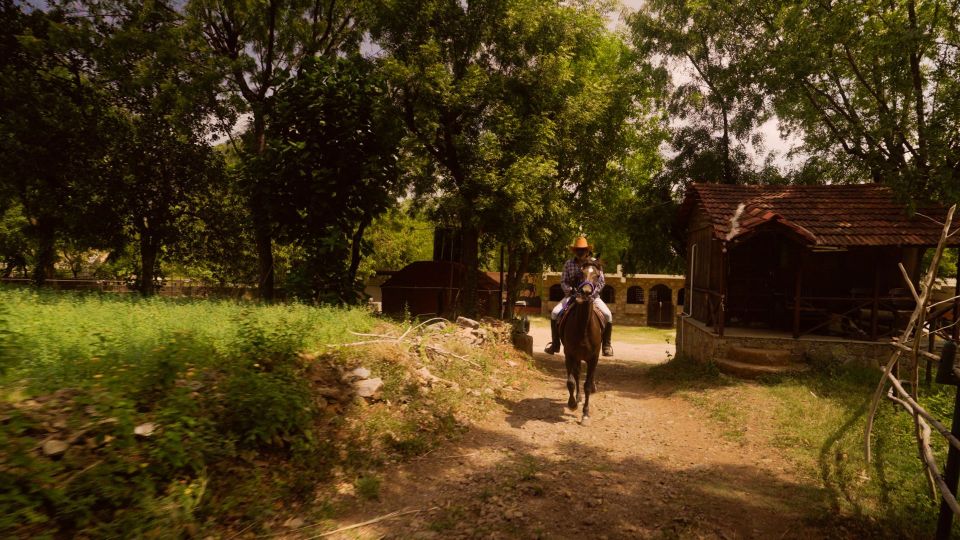
Here’s the practical reality: you’re going to the countryside on the outskirts of Udaipur. That’s half the charm—and half the logistics.
- Price: $21 per person.
- Duration: 2 hours.
- Included: food.
- Not included: conveyance (transport).
Because conveyance isn’t included, your success depends on how you handle the ride. The provider notes that you may need assistance or transportation to reach the venue, and they can help arrange a vehicle with charges handled separately.
So if you’re traveling on a tight timetable, factor in the transfer time. Leaving Udaipur and returning takes some effort, even if the main activity is only 2 hours.
Language is also a plus: your host or greeter speaks English and Hindi, so you won’t be stuck in a silent food show.
Finally, keep expectations realistic. This is a working rural experience. It may not look like a glossy studio set. But if you come for the food process and village connection, it’s exactly what it promises.
Who This Is Best For (and Who Might Skip)
This tour is a great fit if you want one solid, local experience that covers more than just eating.
You’ll likely love it if you:
- enjoy hands-on cooking and want to learn how the dishes are built
- like farm life context—fields, crops, and how food begins
- want a break from Udaipur city sights without a long day trip
- enjoy asking questions and spending time with farmers and hosts
You might skip or think twice if you:
- need a modern, indoor setting with consistent comfort
- dislike rustic kitchens or outdoor meals
- aren’t willing to arrange transportation from central Udaipur
Also, it helps to like spice and greens. The menu includes saag and spicy curry components, and chaas is there to help, but it’s still a flavor-forward meal.
Should You Book This Farm-to-Table Experience?
I’d book this if your ideal Udaipur day includes more than sightseeing photos. It’s good value because food is included, and it’s practical because you do real cooking steps rather than just watching.
Here’s my decision checklist for you:
- If you’re excited by Dal Bati Churma, saag dishes, and chaas, you’ll probably enjoy the meal a lot more than a standard group dinner.
- If you like meeting farmers and walking through fields, the morning-or-late-afternoon vibe (depending on the start time) will feel meaningful.
- If you’re comfortable with a rural, open-air kitchen and you’re willing to handle transport to the outskirts, it’s an easy yes.
If you want a guarantee of a polished setting, then don’t. But if you want the kind of experience that connects food to land and people in a way most tours can’t, this one makes a strong case.
FAQ
How long is the experience?
The duration is 2 hours.
How much does it cost?
It costs $21 per person.
What’s included in the price?
Food is included.
What is not included?
Conveyance/transportation is not included.
Where does the activity take place?
It’s located on the outskirts of Udaipur, in Rajasthan, India.
Where do we meet the host?
Your host will be waiting for you at the meeting point.
What languages are used by the host or greeter?
The host or greeter speaks English and Hindi.
What food and drinks will we have?
You can expect Rajasthani dishes including Dal Bati Churma, Sarson Ka Saag, Gatte Ka Saag, plus chaas (buttermilk) and local snacks.
Can I get a refund if I cancel?
Yes. There is free cancellation up to 24 hours in advance for a full refund.
Can I arrange transportation to reach the venue?
You may need assistance, since conveyance isn’t included. If required, the provider can help arrange a vehicle, with charges handled separately.