REVIEW · UDAIPUR
Heritage Walk, Local Markets & Food Tasting – Non Touristy
Book on GetYourGuide →Operated by Harsh Mundra · Bookable on GetYourGuide
Old Udaipur tastes better on foot. This is a non-touristy heritage walk that mixes old-city streets, temples, and markets with vegetarian food tastings you can actually picture yourself eating. I love how the guide ties the sights to everyday life, from glass inlay work and haveli architecture to temple legends, and I love the food pace: you’re not just sampling, you’re learning what you’re eating and why it matters. The only real catch is that it’s still a ~3 km walk, so comfy shoes matter.
If you want a perfectly relaxing sit-down tour, this one may feel a little active. You’ll cover enough ground that you’ll want to dress for walking (cotton fabrics help), and you’ll be on the move most of the 2.5–3 hour experience before finishing back near Jagdish Temple.
In This Review
- Key highlights worth your time
- A non-touristy Udaipur that feels like real daily life
- Price and value: why $24 can make sense here
- Where it starts: Ganesh Art Emporium near Jagdish Temple
- The walking pace and the “2.5 to 3 hour” feel
- Rao Ji ka Hata Road: tea, breakfast bites, and the first wow
- Ghanta Ghar and the clock tower stop: quick hit, big context
- Temples, step well, and haveli architecture you can actually see
- Markets that smell like the city: fruits, spices, and grains
- Crafts and architecture details: glass inlay, clock tower, and community makers
- Food tastings: the menu you’ll want to remember
- Cows, Ganesha, and the kinds of questions your guide encourages
- Guide style: storytelling, interaction, and smart recommendations
- What to wear and how to set yourself up for comfort
- Who this walk suits best (and who should reconsider)
- Should you book this Udaipur heritage walk?
- FAQ
- How long is the Heritage Walk, Local Markets & Food Tasting experience?
- What is the price per person?
- Where do we meet?
- What time does the tour start?
- How far will we walk?
- Is the food tasting vegetarian?
- What food and drinks are included?
- Are alcoholic beverages included?
- What languages is the guide?
- Is there free cancellation and can I reserve without paying right away?
Key highlights worth your time
- 7+ tasting stops across markets, street-food corners, and sweet shops
- Jagdish Chowk, Ghanta Ghar, and temple lanes with local context
- Old-city crafts like bamboo art, pottery work, and glass inlay details
- Step well and haveli architecture explained in a way you can see
- Masala chai plus classic sweets like gulab jamun, with savory bites too
A non-touristy Udaipur that feels like real daily life
Udaipur is famous for lakes and landmark views, but this walk goes after the stuff you’d miss if you only stick to the main sights. What I like about it is the balance: you get history and architecture, yes, but it’s always tied to how the city functions. You’ll move through local lanes where glass inlay work, crafts, and community spaces show up in the background, not as a staged performance.
The temple-and-market rhythm is the heart of it. One minute you’re near a busy old-city chowk, and the next you’re looking at smaller religious spaces like the Jain temple, then back into commerce: spice-and-grain areas, fruit and vegetable markets, and craft communities. It’s the kind of route where you start recognizing patterns in the city instead of treating every stop like a separate tourist photo.
And the guide doesn’t just recite facts. The conversation is built around everyday questions: why cows are holy and why you see them on the streets, why Ganesha is seen as a good-luck symbol, and how social systems, politics, and topics like education, karma, and even historical practices can shape people’s lives. It’s not lecture mode. It’s Q-and-A friendly, and it’s part of what makes the walk feel personal.
You can also read our reviews of more walking tours in Udaipur


Price and value: why $24 can make sense here
At $24 per person for about 2.5 hours, the value comes from what you actually receive, not just the “guided walk” label. This isn’t a tour where food is optional or where you’ll pay extra at every corner. The essentials are included: mineral bottled water, all food tastings, and 5+ dishes plus sweets and tea.
Then you add the food volume and variety. You’re tasting from 7+ food shops, and the menu style is classic and local: samosa, kachori, poha, lassi or chai/juices, and desserts like gulab jamun. Even if you’re not a super adventurous eater, you get enough mix of savory and sweet that you’ll leave satisfied. And because the street food described is vegetarian and framed as tried-and-tested with safety in mind, you’re not left guessing.
What’s not included is mostly what you’d expect: transportation to reach the meeting point and alcoholic beverages. If you’re staying in Udaipur’s old center, you’ll often be able to manage the “get there” part with a short ride or walking plan. The meal value is the main reason this price works.
Where it starts: Ganesh Art Emporium near Jagdish Temple
The meeting point is Ganesh Art Emporium, diagonally opposite Jagdish Temple in Jagdish Chowk (towards the clock tower). That location matters because it’s already in the old-city flow. You start in a place that anchors your sense of direction: you’re not meeting somewhere random and then getting dropped into a different part of the city.
By default, the tour starts at 10:00 am, and the pace is designed for a morning appetite. The route is short enough to feel doable—around 3 km—but full enough that you’re constantly switching between food, architecture, and market atmosphere.
Another small detail worth noting: the start time and dates can be flexible if you message ahead. If your day is shaped by temple visiting or local schedules, this flexibility can help you avoid forcing everything into a single narrow time slot.
The walking pace and the “2.5 to 3 hour” feel
The tour is listed as 2.5 to 3 hours. In practice, that means the group pace can change depending on curiosity and questions, and you’ll finish around Jagdish Temple at the same point you started.
Three things help you enjoy this pacing:
- You’ll be moving between areas rather than sitting through long explanations.
- Food tastings give natural breaks, so you’re not just walking for the sake of walking.
- The route is compact enough that you won’t feel like you’re losing your whole day to transit.
Still, keep expectations realistic. It’s a walk, not a drive. If your legs get cranky, bring patience and plan your footwear around comfort first.
Rao Ji ka Hata Road: tea, breakfast bites, and the first wow
One of the best ways to read a food tour is by what happens early, and here the early stop matters. You begin with an area visit on Rao Ji ka Hata Road, where the tone shifts immediately from “meeting point” to “local morning routine.”
Expect tea, plus breakfast and dessert, and then street-food tastings right in the flow of the neighborhood. The tour style here is hands-on and explanatory. You’re not only tasting a samosa or kachori; you’re learning the basic ingredients and a simple sense of preparation. That makes your second and third bite more meaningful because you can spot what’s distinctive in each item.
This is also where you’ll likely see crafts and market activity tied to everyday commerce—helpful if you want Udaipur beyond the classic postcard spots.






Ghanta Ghar and the clock tower stop: quick hit, big context
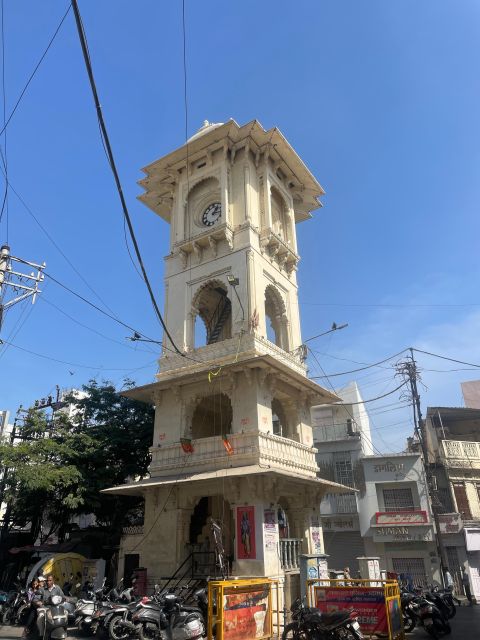
A short stop near Ghanta Ghar (clock tower) is built into the route, with about 15 minutes focused on street-food tasting. It’s not long, but it’s timed to catch you at a point where you’re ready for another flavor shift.
Ghanta Ghar helps the walk feel anchored in old-city geography. You get a strong sense of where people pass daily, and the food tasting here gives a contrast to earlier bites. If you’ve been shopping or sighting all morning, this short segment keeps the tour from dragging.
Temples, step well, and haveli architecture you can actually see
The tour’s old-Udaipur “sight stops” aren’t just random checkmarks. You’ll pass key religious and architectural features that give you a sense of why this city looks the way it does.
Key experiences included:
- Jagdish Chowk as a central old-city hub
- A tinker street segment, where craft and street life overlap
- A step well stop, which helps you understand how practical water systems shaped city form
- Havelis and their architecture, explained in detail
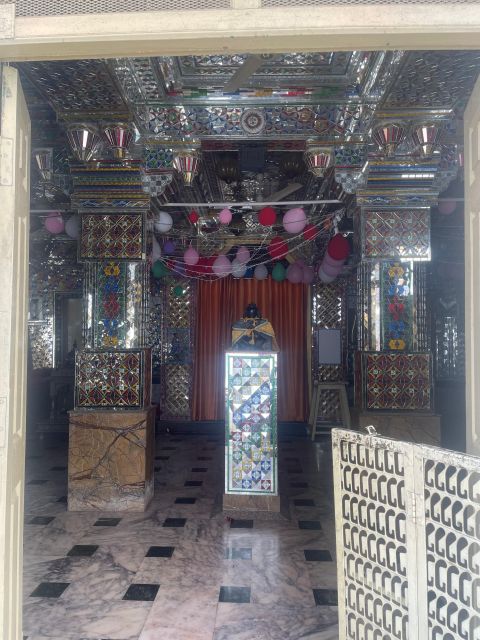
- A historic Jain temple, with learning built around the temple and its significance
This is also where the guide’s storytelling style becomes useful. When someone explains art and architecture in relationship to daily life, the buildings stop looking like background texture. You start to notice materials and patterns, including glass inlay work and related decorative traditions that are part of Udaipur’s identity.
One practical consideration: temple lanes can get visually packed fast. Bring your eyes, not your expectations of wide-open spaces.
Markets that smell like the city: fruits, spices, and grains
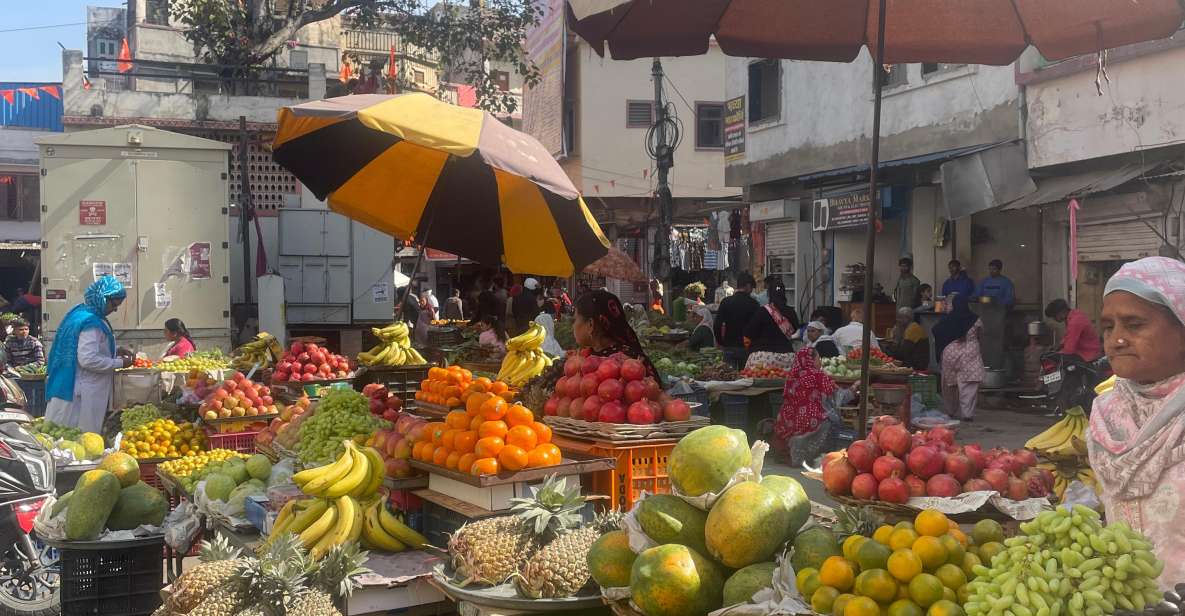
A big reason this walk feels “local” is that it doesn’t treat markets like photo props. You’ll visit sections like:
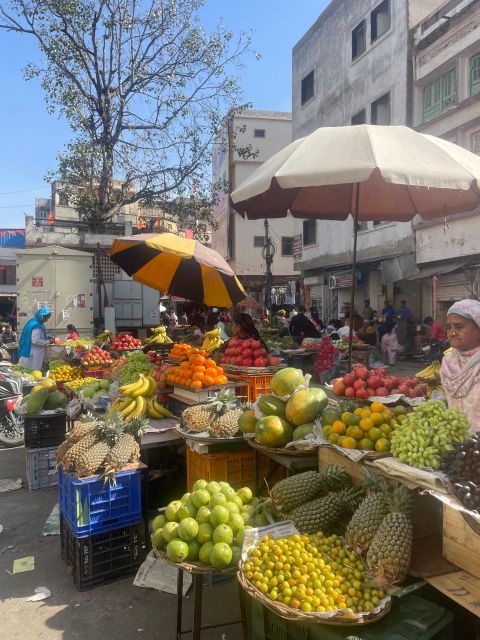
- Fruits & vegetable market
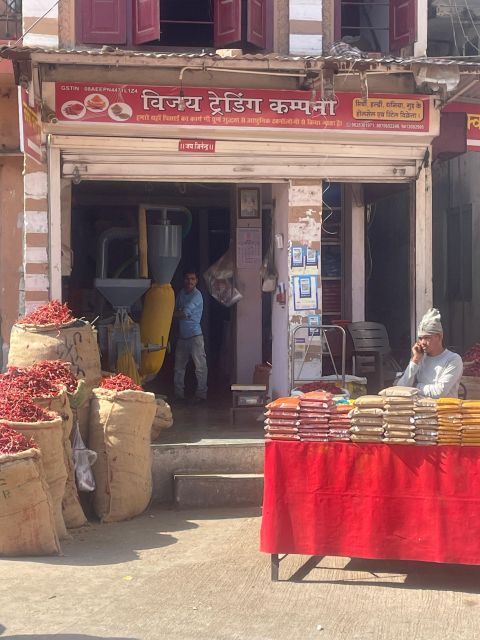
- Spice & grains market
- Areas connected with potters community and bamboo art community
- Shops connected to makers of biodegradable bowls and plates
Even if you’re not shopping, the value is in seeing how products move through the city. You’ll understand what people buy daily, what flavors likely show up in the food tastings, and how crafts link to households and street commerce.
This is also where conversations about local spices and food ingredients make sense. If you want to learn why Udaipur food tastes like Udaipur, spice-and-grain context during the walk is one of the best times to ask questions.
Crafts and architecture details: glass inlay, clock tower, and community makers
You’ll see Udaipur’s craft identity through multiple stops. The highlights include:
- Glass inlay work and related art/history/culture stories
- Clock tower area context
- Bamboo art community and potters community
- A closer look at craft areas tied to everyday needs (like plates and bowls)
Why this matters: crafts aren’t only souvenirs here. They’re part of how people build livelihoods and fill city routines. When you connect craft work to where street food happens and where markets operate, the whole city starts clicking into place.
Also, you’ll get the kind of photo moments you can post later. The experience is specifically designed for photos, and it makes sense because the old city has textures—doorways, inlay details, market signage, and temple-focused views.
Food tastings: the menu you’ll want to remember
This tour is built around trying a set of safe and hygienic vegetarian street foods, with explanations that help you understand the ingredients and preparation. The tastings listed include:
- Samosa with mint and coriander chutney
- Kachori with mango and tamarind chutney
- Snacks that include the traditional local making process (you’ll see how items are presented and discussed)
- Masala tea tasting and making
- Gulab jamun among the sweets
- Poha
- Lassi / chai / juices
That’s a satisfying spread because it covers more than one flavor style. You get crisp savory bites (samosa, kachori), tangy-sweet chutney combinations, warming tea flavors, and classic desserts that feel like a true Udaipur sweet-bite choice.
One more theme: the tour ties food to culture and festivals. If you’re the type who likes to know why something is eaten when it is eaten, this format gives you a story layer, not just a snack lineup.
Cows, Ganesha, and the kinds of questions your guide encourages
Not every city walk makes room for the real questions people wonder about. Here, the tour explicitly opens the door to topics like:
- Why cows are holy and why you see cows on the streets
- Cow-related experiences like cow cuddling (included in the experience highlights)
- Why Ganesha is considered a symbol of good luck
- Talking about cast system, sati, child marriages, education, karma, and Indian politics
- What modern Udaipur looks like through local eyes
This can be surprisingly useful if you’re trying to understand India beyond headlines. It’s also a reminder that Udaipur life has spiritual and social layers that show up in ordinary street corners.
If you’re expecting pure food facts only, don’t book this. Book it if you want the food to sit in the bigger cultural picture.
Guide style: storytelling, interaction, and smart recommendations
The experience provider listed is Harsh Mundra, and in recent bookings the guides have also been called by names like Happy, Vishal, and Harsh. What stays consistent is the style: interactive, story-driven, and practical with local guidance.
A pattern that really matters for your trip: after the walk ends, the guide can help you with next steps. Several people mention receiving recommendations for restaurants and shopping or places to visit around Udaipur. That turns the walk from a single event into a useful starting point for the rest of your days.
If you want an off-the-beaten-track route but still want safety and common sense, guide-guidance is a big part of the value.
What to wear and how to set yourself up for comfort
This tour is best when you travel like you’re actually walking through a real neighborhood. The recommendations are simple and practical:
- Comfortable shoes
- Cotton fabrics for the weather and long walk feel
You’ll cover about 3 km, and you’ll be outside through multiple stop points. Dress for walking, and you’ll enjoy the sights more instead of thinking about your feet.
Food-wise, it’s described as vegetarian and designed to be tried & tested, safe and hygienic, which helps if you’re cautious with street food. Still, if you have dietary restrictions beyond vegetarian, you’ll want to clarify ahead of time.
Who this walk suits best (and who should reconsider)
This heritage walk fits best if:
- You want local markets and old-city lanes, not only the major tourist circuit
- You’re hungry for street food tastings with explanations
- You like conversations about how people live, including culture and social history topics
- You’re a first-time visitor who wants helpful tips for India and an informed local guide
You might reconsider if:
- You’re looking for a mostly seated, low-walking experience
- You want an alcohol-included food crawl (alcohol isn’t part of what’s included)
- You’re only interested in monument photos and don’t care about crafts, market systems, and temple context
Should you book this Udaipur heritage walk?
I’d book it if you want Udaipur that feels lived-in: markets, crafts, temple lanes, and a steady stream of vegetarian tastes that come with ingredient and culture context. The price is reasonable because the tour includes all food tastings, tea, sweets, and mineral water, and the route covers enough ground to feel like you actually learned the old city instead of just passing through it.
If you’re the type who gets cranky from heat and long walking days, bring extra comfort planning. Choose it if you can enjoy a morning walk and let the guide steer you into places you wouldn’t find alone.
FAQ
How long is the Heritage Walk, Local Markets & Food Tasting experience?
The experience runs about 2.5 hours, with an overall duration listed as 2.5 to 3 hours depending on the group.
What is the price per person?
The price is $24 per person.
Where do we meet?
You meet at Ganesh Art Emporium, diagonally opposite Jagdish Temple in Jagdish Chowk, towards the clock tower.
What time does the tour start?
By default, it starts at 10:00 am. The time and date are flexible if you message ahead.
How far will we walk?
The walk is around 3 km.
Is the food tasting vegetarian?
Yes. The street food tastings are described as vegetarian.
What food and drinks are included?
You get all food tasting (5+ dishes), including sweets, tea, and items such as samosa, kachori, poha, gulab jamun, and lassi or chai/juices. Mineral bottled water is also included.
Are alcoholic beverages included?
No. Alcoholic beverages are not included.
What languages is the guide?
The guide works in English and Hindi.
Is there free cancellation and can I reserve without paying right away?
Yes. You can cancel up to 24 hours in advance for a full refund, and there is a reserve & pay later option (you can book without paying today).