REVIEW · NEW DELHI
From Delhi: Taj Mahal & Agra City Tour By Gatiman Train
Book on GetYourGuide →Operated by Fame India Tours · Bookable on GetYourGuide
That fast train turns Agra into a quick win. I like Gatiman Express for making a full sightseeing day feel realistic, and I like the private guide who keeps the sights organized and meaningful at the Taj Mahal and Agra Fort. One thing to consider: it’s a packed schedule, so you’ll want to be ready for a long day of moving between monuments, especially in warm weather.
You also get a smooth door-to-station plan: a driver picks you up in Delhi, you ride the high-speed train to Agra, then a guide and driver meet you on arrival. In the hands of guides like Kaleem and Danish, the pace can feel tailored, with extra time where it counts and helpful stops when the day gets tough, including for families with kids who need breaks and space to move.
In This Review
- Key points that make this Agra tour work
- How the Delhi to Agra Gatiman Express day works
- Breakfast and dinner on the train: built-in meal timing
- First stop: the Taj Mahal with a guide who sets the rhythm
- Agra Fort: red sandstone grandeur and the palace feel
- Baby Taj via Etimad Ud Daulah: marble elegance without the chaos
- The lunch break at a 5-star hotel (and the small catch)
- Transfers in a private sedan/SUV: less waiting, more control
- Express security and e-tickets: saving time where it matters
- Price and value: why $34 can cover a lot
- Who this Agra sprint is best for
- Language support: guides who match your pace
- Should you book this tour?
- FAQ
- FAQ
- How long is the Taj Mahal & Agra city tour?
- What train do you take from Delhi to Agra?
- Where are you picked up in Delhi?
- How do you get back to Delhi?
- What monuments are included in the sightseeing plan?
- Are meals included?
- Are drinks with lunch included?
- Is there a live tour guide?
- Is the tour wheelchair accessible?
- What do I need to bring, and is anything not allowed?
Key points that make this Agra tour work
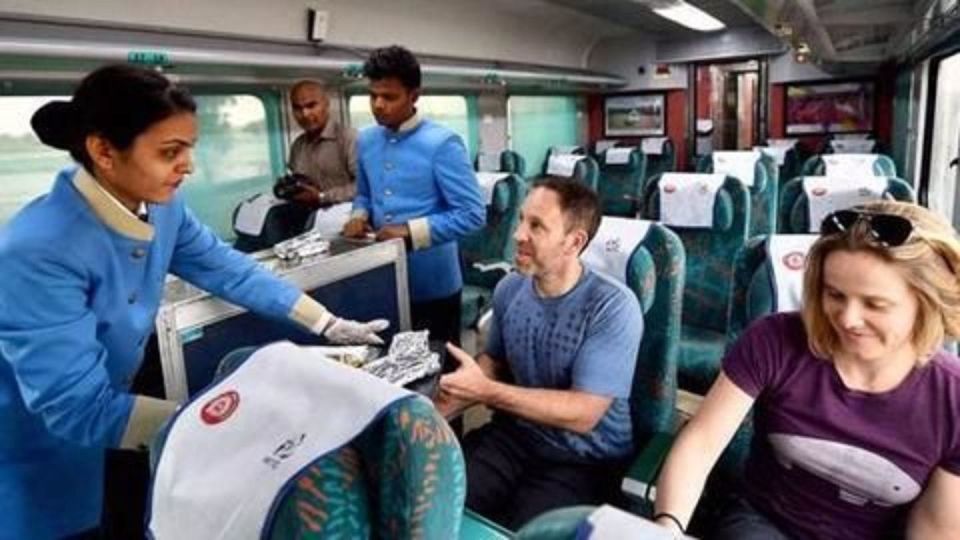
- Gatiman Express roundtrip cuts down travel stress and keeps the day tight but manageable
- Private guide + private car means less waiting and more focus at the monuments
- Taj Mahal, Agra Fort, and Baby Taj (Etimad Ud Daulah) in one full-day plan
- Train meals included: breakfast and dinner are built into the ride
- Guides handle the real world—from heat to schedule issues—so you stay on track
- Express security check + e-tickets help you get through quickly
How the Delhi to Agra Gatiman Express day works
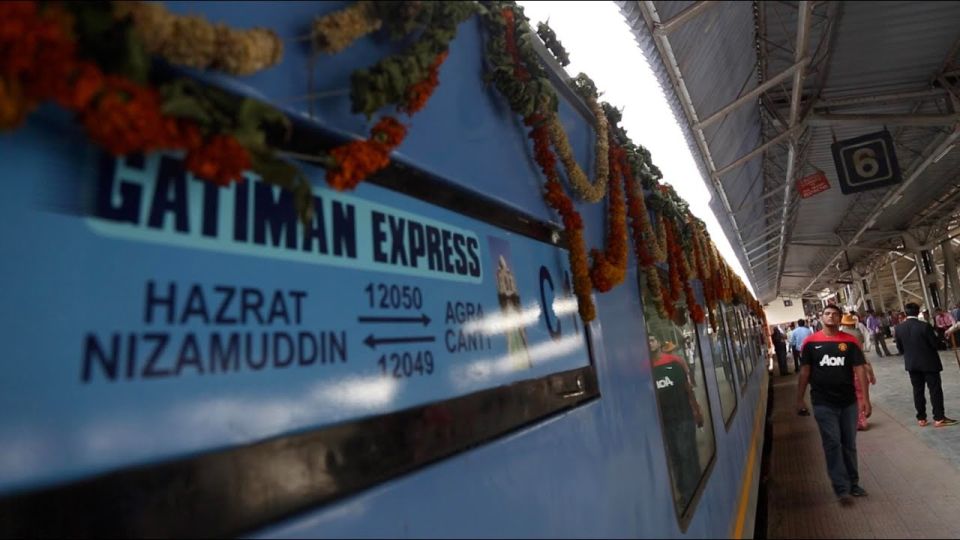
This is a one-day tour designed for people who want the big Agra hits without spending days on logistics. You start in Delhi with pickup from your chosen location, then head to Hazrat Nizamuddin Railway Station. From there, you board Gatiman Express toward Agra using your provided e-tickets.
Once you arrive in Agra, your guide and driver are there to meet you at the exit. From that moment, it becomes a sightseeing day built around three main monuments: the Taj Mahal, Agra Fort, and Etimad Ud Daulah (often called Baby Taj). After the tour stops, you go back to Agra Cantt Railway Station, board the return train, and finish with dinner on the train.
The biggest practical upside is that the train handles the long distance. Your sightseeing time stays concentrated in Agra, which matters because these monuments take energy, not just cameras.
You can also read our reviews of more city tours in New Delhi



Breakfast and dinner on the train: built-in meal timing
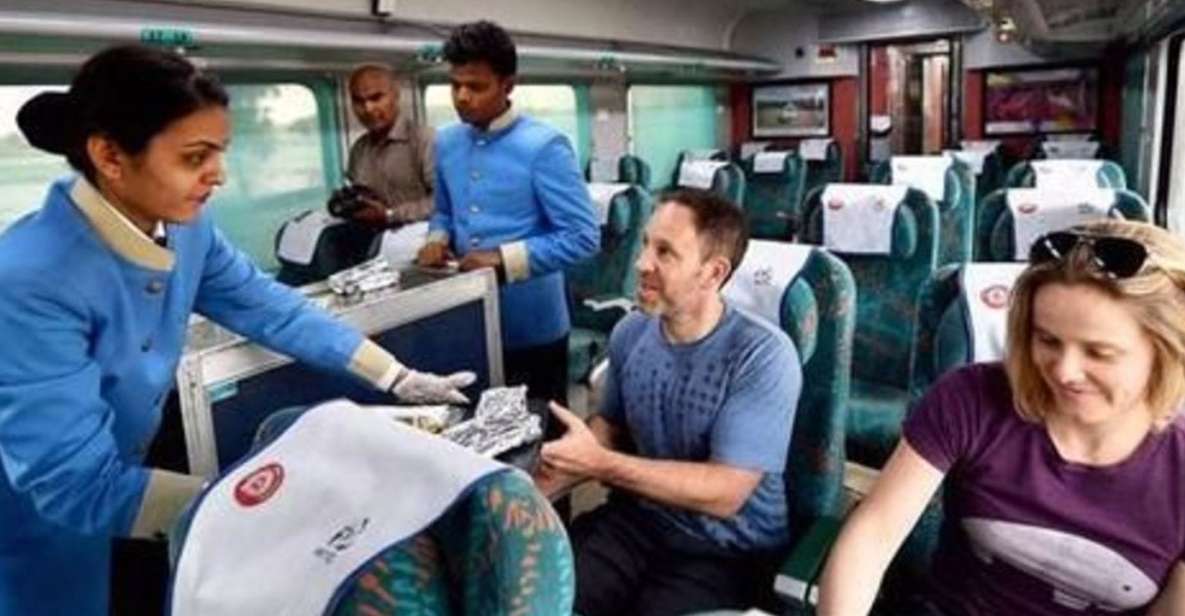
One reason this itinerary feels doable is that breakfast is served on the train as you travel to Agra. That keeps you from hunting for food right at the station at the start of the day, and it helps you start monument time with fuel instead of searching.
Lunch is handled later (more on that below), and then you’re back on the train for dinner. Mineral water bottles are included, which is a small thing that matters on a long day.
A quick thing to watch: drinks with lunch aren’t included. If you’re the type who likes cold drinks with meals, plan to pay for those separately.
First stop: the Taj Mahal with a guide who sets the rhythm
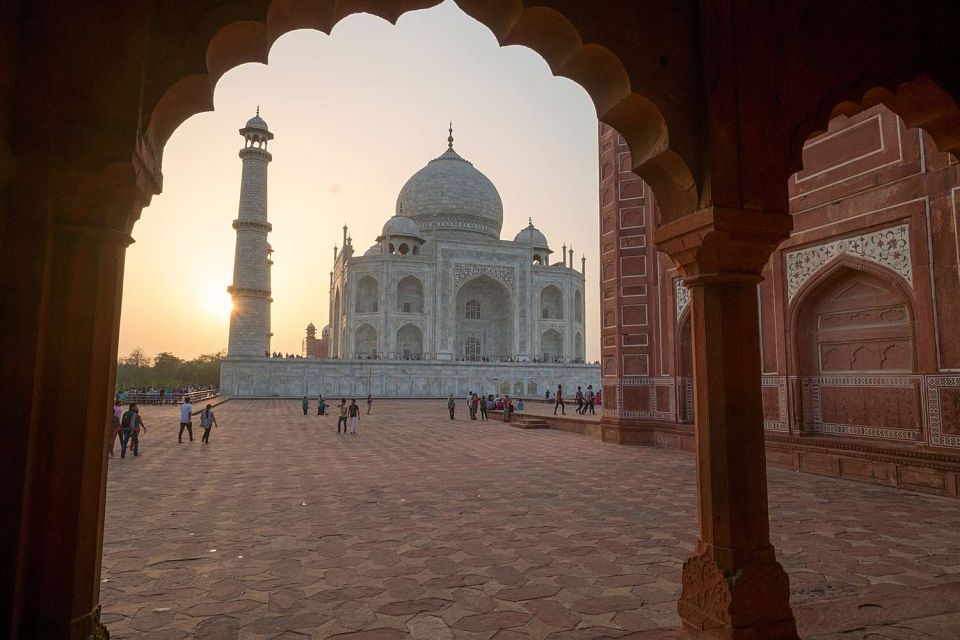
The Taj Mahal is the headline, and the tour treats it like the centerpiece it is. You’ll visit the monument built by Emperor Shah Jahan for his wife Mumtaz Mahal in the 17th century. That context is more than trivia here. A good guide connects design choices and symbolism so the building doesn’t feel like just another photo stop.
Timing matters, and this tour is set up so your guide can assign time at each major site. In past tours run by guides such as Kaleem and Zameer, the schedule has been kept balanced enough that you don’t feel like you’re getting rushed through the Taj.
It can also be a day with weather changes. One experience highlighted cloudy conditions, and the guide still made the visit feel fun and informative, not like a forced march. Another guide made sure cold water was available when it felt very hot.
Practical tips for your visit:
- Wear comfortable clothes you can move in. You’ll spend real time outdoors.
- Plan on coming in with questions. If you want the meaning behind the symmetry, domes, and marble work, a live guide is the difference between seeing and understanding.
Agra Fort: red sandstone grandeur and the palace feel
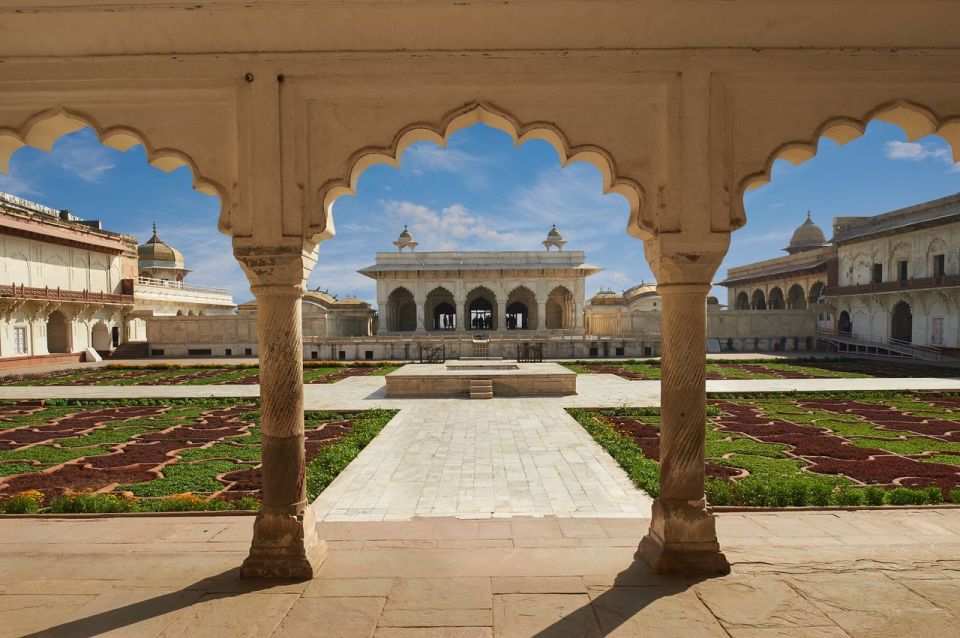
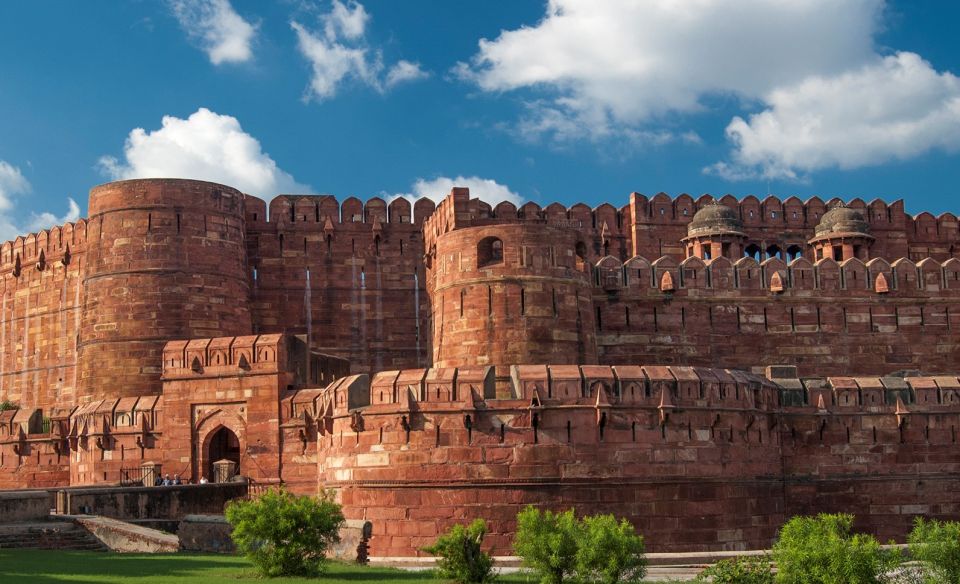
After the Taj Mahal, you head to Agra Fort, one of India’s best-preserved forts. It’s known for its palaces built from red sandstone and white marble, and that mix gives the fort a look that feels both solid and refined.
This stop works best when you treat it like more than scenery. The fort isn’t just walls. It’s a complex site where the architecture helps you imagine how power, daily life, and ceremony were organized.
One strong theme from guide feedback is that people didn’t feel bored; explanations were paced so even kids stayed engaged. If you’re traveling with family, this is one of the reasons this tour can be a smoother fit than a long, unguided fort walk.
Baby Taj via Etimad Ud Daulah: marble elegance without the chaos
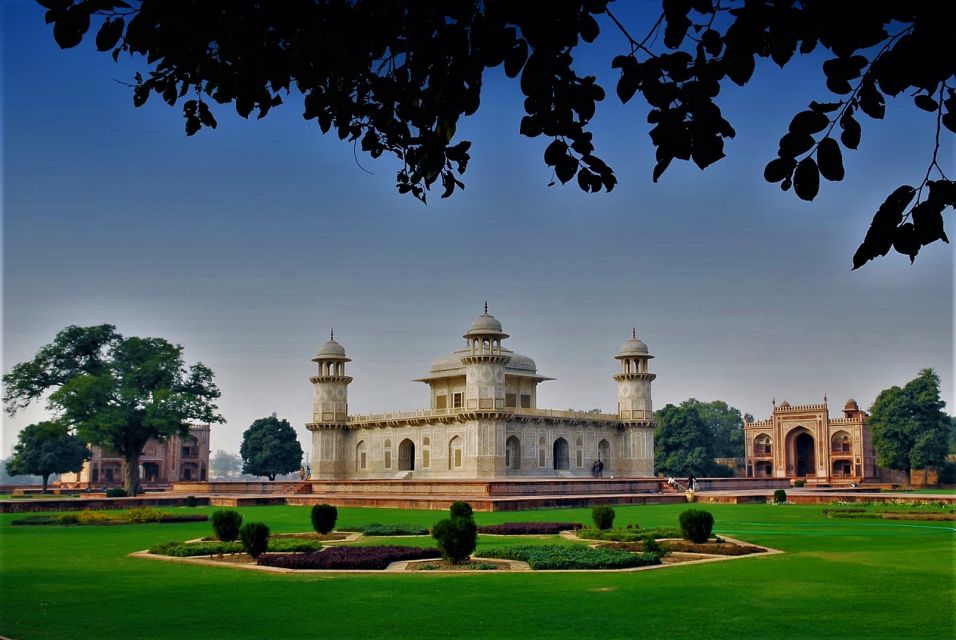
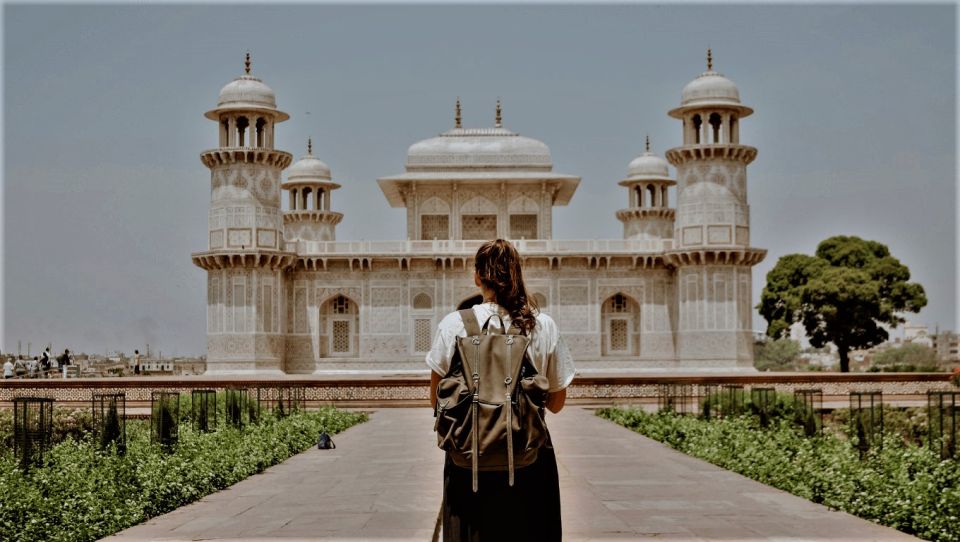
Next comes Etimad Ud Daulah, a 17th-century mausoleum built by Empress Nurjahan as a tribute to her father. It’s often called Baby Taj, and the nickname makes sense if you compare its white marble look and refined detailing to the Taj Mahal.
What I like about placing this stop after Agra Fort and the Taj is that it shifts the focus. The emotional thunder of the Taj can wear people out. Etimad Ud Daulah gives a quieter, more intricate viewing experience, where marble work and layout details stand out if you slow down a little.
One practical note: this is still a major heritage site, so treat it as part of the same monument rhythm. Don’t rush. A private guide helps here because they can steer you toward what to notice.




The lunch break at a 5-star hotel (and the small catch)

Lunch is included in the tour plan if the option is selected, and it happens at a 5-star hotel. That’s not just about comfort—it’s about keeping the day predictable. You sit down in a proper setting, eat without timing pressure, and then get back on the road for the next heritage stop.
The only clear downside is also simple: drinks with lunch aren’t included. If you want bottled water, soda, or other drinks beyond what’s already included, you’ll need to budget for that.
If you care about food variety, try leaning into local Agra flavors during lunch. Some guide-led experiences included authentic Agra cuisine that people called out as a highlight.
Transfers in a private sedan/SUV: less waiting, more control
Between stations and monuments, you’ll travel by private Sedan/SUV with an included driver and tour guide support. This is one of the best parts of a Delhi–Agra day trip format, because it prevents you from juggling local transport while you’re already on a tight clock.
There’s also real comfort in having a team that knows what it’s doing. One experience described a driver handling a tire issue in Delhi and still getting the traveler to the train on time. That kind of problem-solving matters because the tour is built around train schedules, not flexible sightseeing time.
In practice, the private transport means:
- You can keep your day moving without extra lineups.
- Your guide can adjust the pace based on the group’s needs.
- You avoid the stress of figuring out directions after a long train ride.
Express security and e-tickets: saving time where it matters
A day like this lives or dies on timing. The good news: the tour includes express security check to help you skip the line, and you’re given e-tickets for the train journey. Your passport or ID is something you’ll need to bring, since you’ll travel using identification requirements for entry and rail procedures.
This is one of those small “invisible” inclusions that make the difference. If you’ve ever spent extra time at a transport checkpoint, you know why.
For your own sanity:
- Bring your passport or ID card.
- Wear comfortable clothes that work well for both train time and monument walking.
- Keep a photo of your e-tickets details handy in your phone, even if you don’t think you’ll need it.
Price and value: why $34 can cover a lot
At around $34 per person, this tour is aiming at strong value for a full-day Agra plan. The price isn’t just for the train. What you’re really paying for is the combination of:
- Roundtrip air-conditioned train transport between Delhi and Agra
- Pickup and drop-off in Delhi
- Private car transfers during the day in Agra
- A live tour guide
- Breakfast and dinner on the train
- Mineral water bottles
- Monument entrance fees if the option is selected
- Lunch at a 5-star hotel if the lunch option is selected
If you were to book transport, guide time, and entrance fees separately, the total often climbs quickly. Here, the tour bundles the biggest cost drivers into one package. The result is that you can spend more of your time actually at the monuments and less time negotiating plans.
The only value caution is to check whether entrance fees and lunch are included in your selected option, since those are listed as option-based.
Who this Agra sprint is best for
This tour is a good match if you want the headline Agra sites in one day and you don’t want to manage every transition yourself. It suits:
- First-timers to Agra who want a guided explanation for Taj Mahal and the forts
- People who prefer comfort—private transport and meal structure help a lot
- Families, since guides have shown flexibility for kids who need a little extra movement and break time
- Travelers who like photo guidance and practical viewpoints, since guides have helped visitors find good spots and angle opportunities
If you’re someone who hates tight timing or wants a slow, hours-long museum-like pace at each site, you might find this schedule intense. It’s also not suitable for pregnant women, so plan accordingly.
Language support: guides who match your pace
The live guide is available in multiple languages: English, Spanish, Russian, French, and German. That matters because heritage sites like the Taj Mahal are much more satisfying when you can follow the details.
In real-world experiences tied to this tour, different guides brought different styles—some focused on history explanations, some emphasized helpful picture spots, and others were especially tuned into keeping the day comfortable and fun even when it felt hot.
The guide is also key to how the day flows. A plan that lists three monuments can still feel rushed. A good guide can keep it balanced, so you don’t feel like you’re losing one site to another.
Should you book this tour?
If your goal is a smooth, one-day Delhi to Agra day trip with minimal logistics, I’d say yes—especially if you value having a private guide and a team that coordinates the train timing for you. The combination of Gatiman Express, private car transfers, and meals included on the train makes this one of the more practical ways to hit the Taj Mahal and Agra Fort without turning the trip into a planning project.
Before you book, use this quick decision checklist:
- Are you comfortable with a packed day? If not, consider a longer Agra stay.
- Do you want guided context at the Taj Mahal and forts? If yes, this tour structure helps.
- Are you traveling on a tight schedule and want to avoid extra transport planning? This is the package for that.
- Will you choose options for entrance fees and lunch if you want them included?
FAQ
FAQ
How long is the Taj Mahal & Agra city tour?
The tour runs for 1 day.
What train do you take from Delhi to Agra?
You travel by Gatiman Express, a high-speed train, using your provided e-tickets.
Where are you picked up in Delhi?
Pickup is included from your desired location in Delhi, and you’re driven to Hazrat Nizamuddin Railway Station.
How do you get back to Delhi?
After the sightseeing in Agra, you return to Agra Cantt Railway Station, board the Gatiman Express again, and finish with dinner on the train.
What monuments are included in the sightseeing plan?
The tour includes the Taj Mahal, Agra Fort, and Etimad Ud Daulah (called Baby Taj).
Are meals included?
Breakfast and dinner are included on the train. Lunch at a 5-star hotel is included only if you select that option.
Are drinks with lunch included?
No. Drinks with lunch are not included.
Is there a live tour guide?
Yes. You get a live tour guide, with options in English, Spanish, Russian, French, and German.
Is the tour wheelchair accessible?
Yes, the tour is wheelchair accessible.
What do I need to bring, and is anything not allowed?
Bring comfortable clothes and your passport or ID card. Pets are not allowed, and the tour is not suitable for pregnant women.