REVIEW · NEW DELHI
From Delhi: Taj Mahal Sunrise and Elephant Wildlife SOS Tour
Book on GetYourGuide →Operated by Classic Tours India · Bookable on GetYourGuide
Waking up at 3:00 AM feels extreme, until you see the Taj before the rush. This tour pairs a true sunrise Taj Mahal morning with a calmer afternoon at Wildlife SOS elephant care, so the day has both drama and meaning. I especially like the smooth, organized flow from Delhi to Agra, and how guides such as Ravi and Nazim focus on what you’re actually looking at, not just facts dumped fast. One thing to consider: you’ll be on your feet for much of the morning, and it’s a long day with a very early pickup.
The main drawback is timing. That first arrival and the mausoleum visit are tightly scheduled, and you may also hit a short selling-shop stop along the route, where you’ll need to say no firmly if you don’t want it. If you’re easily tired by early mornings, it can feel like a grind before it turns magical.
In This Review
- Key things to know before you go
- The 3:00 AM start: the timing that makes the whole day work
- Sunrise at the Taj Mahal: what you’ll actually do there
- Agra Fort right after: Akbar’s red-sandstone fortress perspective
- Breakfast breaks and the lunch option: how to plan your fuel
- Wildlife SOS Elephant Conservation and Care Centre: a gentler kind of morning
- What you pay for: value, inclusions, and the one thing to confirm
- Tour flow in plain terms: the schedule you’ll feel in real life
- Who this tour suits best (and who should rethink it)
- The small stuff that can make or break your day
- Should you book this Taj Mahal sunrise + elephants day tour?
- FAQ
- What time is pickup in Delhi for the sunrise Taj Mahal?
- How long do you spend at the Taj Mahal?
- Is the Taj Mahal open every day?
- How much time do you get at the Wildlife SOS Elephant Conservation and Care Centre?
- Are entrance fees and lunch included in the price?
- Do I need an ID or passport for this tour?
Key things to know before you go
- 3:00 AM pickup from Delhi keeps you on track for sunrise viewing in Agra
- Taj Mahal access with guided time plus time for photos and a slow look around the mausoleum
- Agra Fort after Taj gives you a very different look at Mughal-era architecture
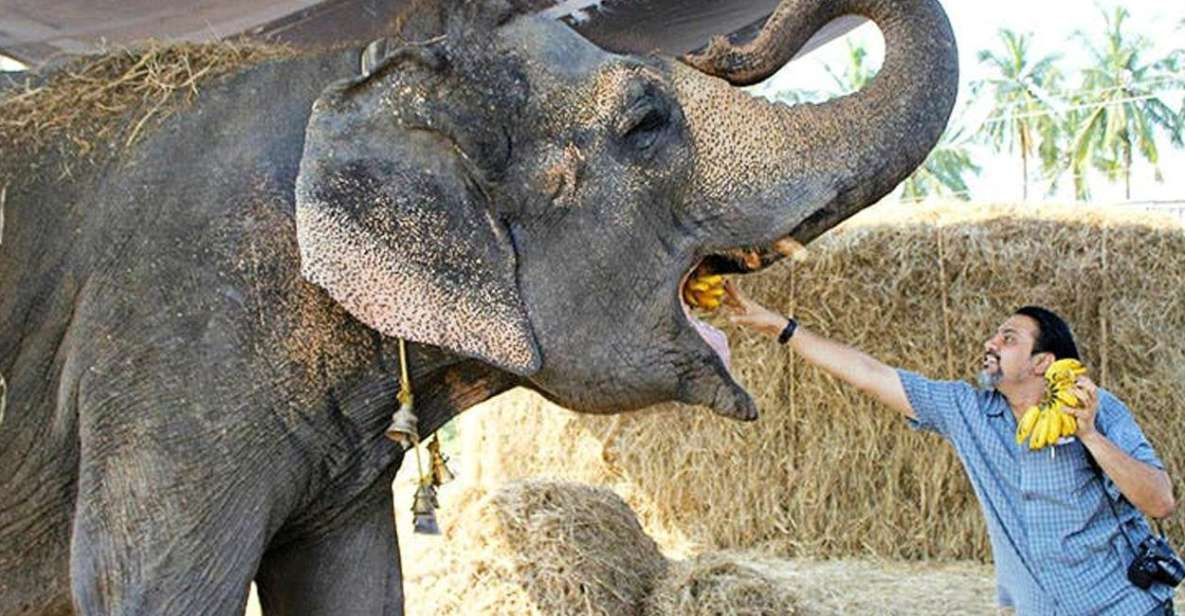
- Wildlife SOS focus on observation at the Elephant Conservation and Care Centre, with recovery-centered care
- Lunch and entrance fees depend on your option, so check what’s included in your booking
- Agra extension possible on request if you want a slower, less rushed Agra day
The 3:00 AM start: the timing that makes the whole day work
This is one of those trips where the early hour is the point. You get picked up around 3:00 AM from Delhi, Gurgaon, Noida, or the airport, then you ride about 3 hours to Agra in a private AC vehicle with a driver. It’s early, but you’re buying yourself daylight when most people are still waking up.
The payoff is simple: you’re in the Taj area at a time when the experience feels less crowded and more focused. You also get a day rhythm that doesn’t feel like you’re rushing forever between stops—once you’re at the monuments, the schedule settles into a pattern: Taj first, then Agra Fort, then elephants, then the drive back.
You can also read our reviews of more tours and experiences in New Delhi.



Sunrise at the Taj Mahal: what you’ll actually do there

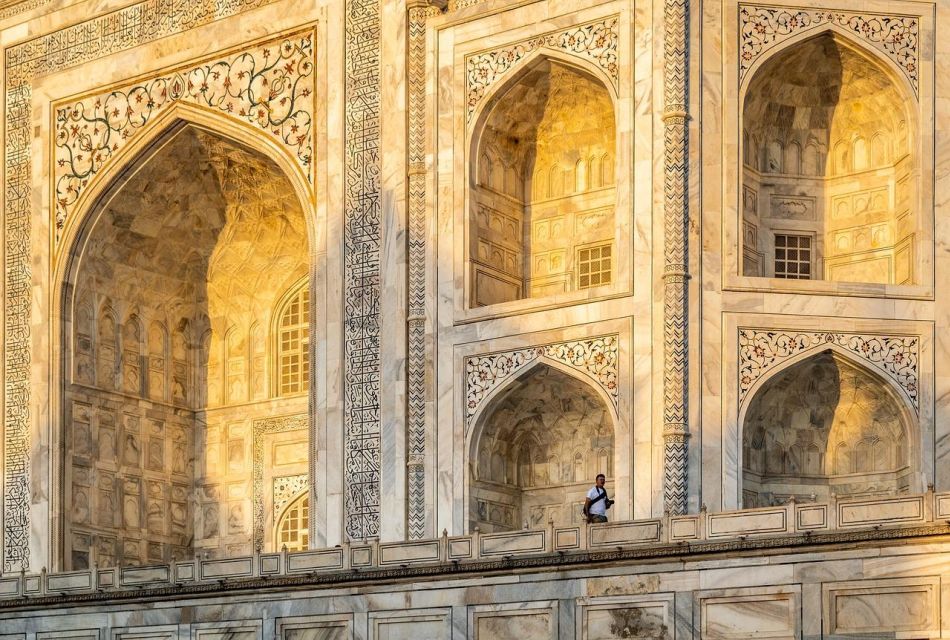
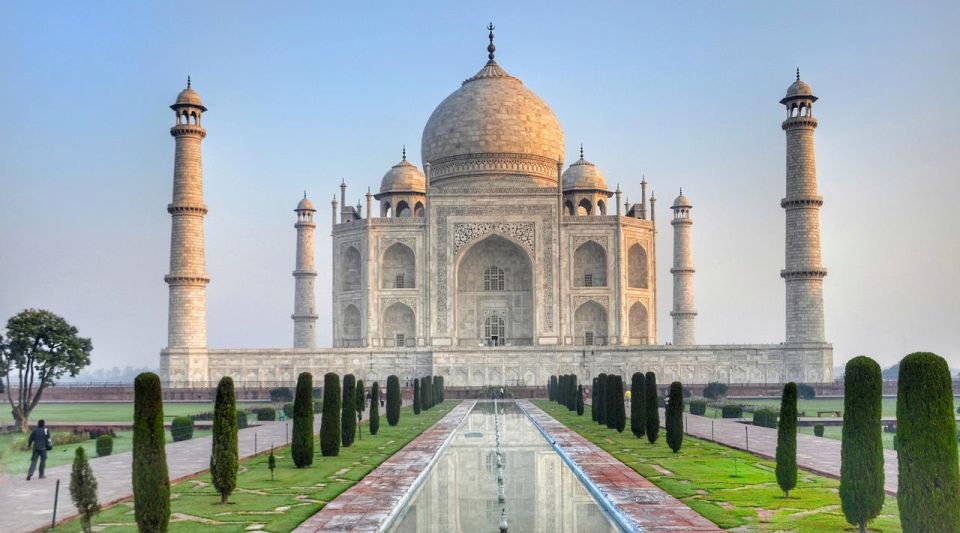
You arrive in Agra around 6:00 AM, meet your guide, and head straight into the Taj Mahal experience. The visit typically includes a guided tour plus time to look around and take photos. Plan on roughly 2 to 3 hours for the mausoleum and its surrounding areas.
I like that the guide gives you a structure for what matters visually, especially during sunrise. With names like Ravi and Nazim showing up in real-world feedback, the common thread is clear explanations that help you connect what you’re seeing with why it was built the way it was. That turns the Taj from a “seen-it” checkbox into something you can actually read.
A practical note: the Taj Mahal is closed every Friday, so if your dates land on Friday, don’t count on this exact plan. Also, you’ll want to dress smart for cool morning air—Agra mornings can feel chilly even when the day later warms up.
Agra Fort right after: Akbar’s red-sandstone fortress perspective

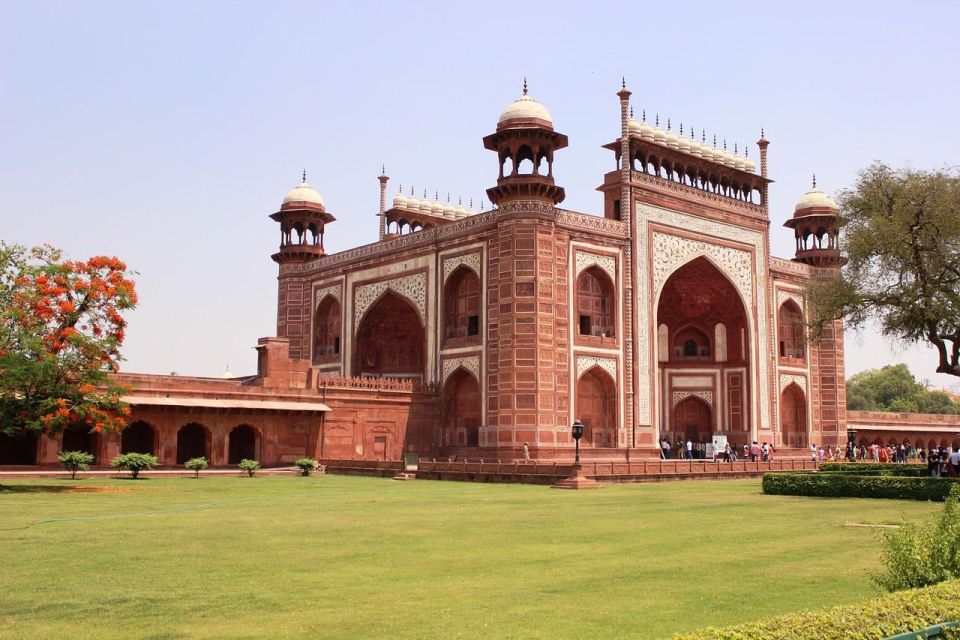
After the Taj, the schedule shifts to Agra Fort, built by the Mughal emperor Akbar in 1565 AD. You’ll usually have about 1.5 hours here, with time for photos, a guided visit, and some sightseeing.
This stop works well because it changes the mood. The Taj is marble and symmetry; Agra Fort is stone, scale, and strategic power. You’ll get a chance to notice the architecture’s blend of styles—textured red sandstone plus elements influenced by Hindu and Central Asian design traditions. It’s the kind of contrast that makes a single morning-and-early-afternoon trip feel richer.
If you’re the type who likes learning while walking, this is a good pairing. A guide can point out details quickly, and you can still keep time for your own wandering without feeling lost.
Breakfast breaks and the lunch option: how to plan your fuel
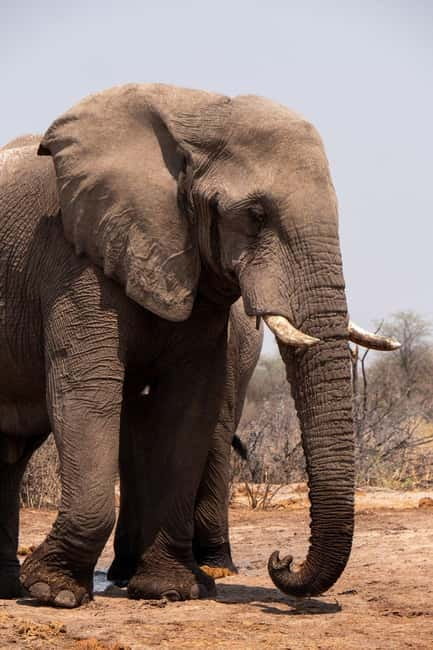
In the Agra stretch, you’ll stop for breakfast (about 1 hour), and you may also choose a buffet lunch option. The lunch, if selected, is at an Agra restaurant and is described as offering both local and international flavors. Drinks at lunch aren’t included, so bring cash or plan your budget for that.
I find this matters because sunrise days can drain you. You’ll be awake early, then moving through the Taj and Agra Fort. A real meal break helps you enjoy the elephant centre later instead of running on coffee and willpower.
If you’re sensitive to long sits or crowded meal rooms, aim for a quick, efficient lunch. You don’t want your day’s best part—elephants—feeling like an afterthought.
Wildlife SOS Elephant Conservation and Care Centre: a gentler kind of morning
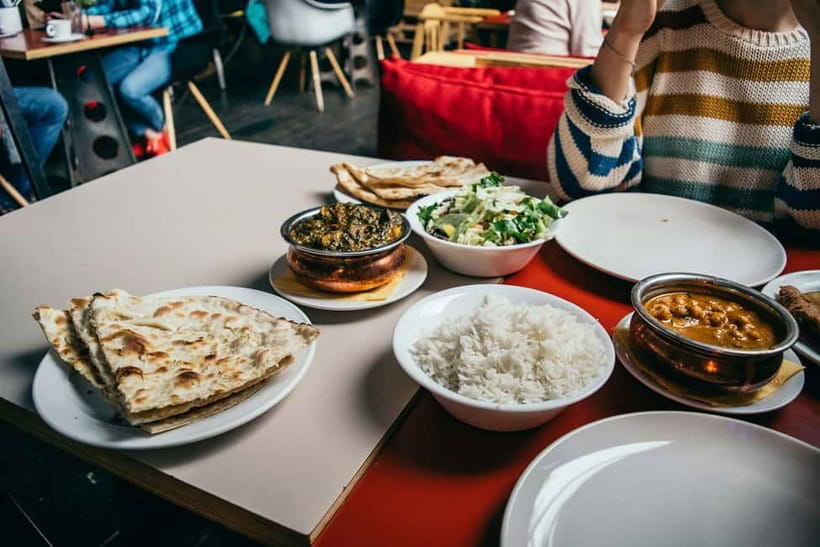
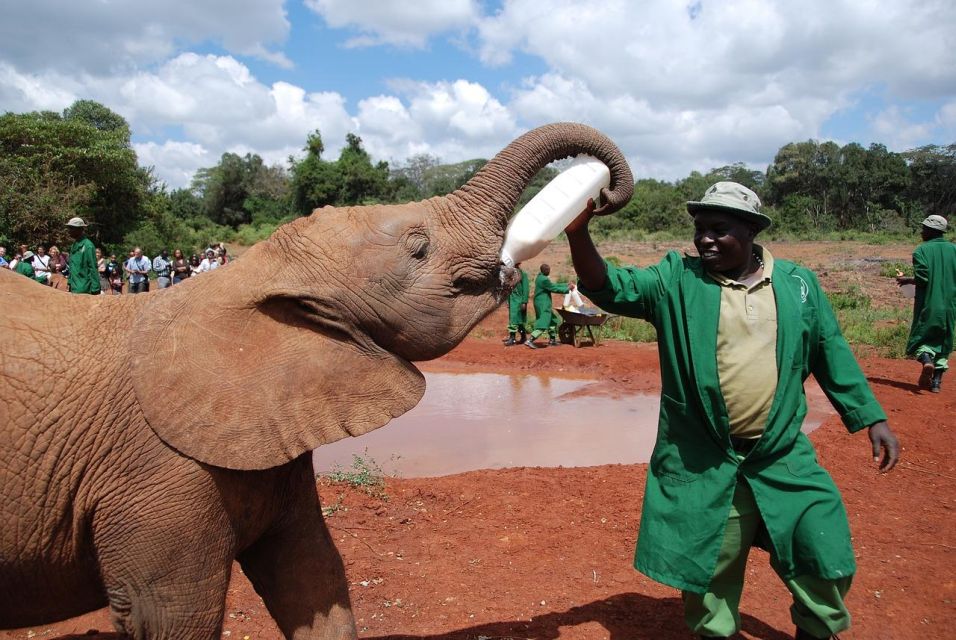
This is the emotional anchor of the trip. After Agra, you go to the Wildlife SOS Elephant Conservation and Care Centre. You’ll spend up to about 2 hours there for a guided experience and wildlife viewing, learning about the centre’s work to care for elephants.
What I like about this kind of visit is the emphasis on observation, not showmanship. You’re there to understand the elephants’ recovery and the care process, and the experience is designed so you watch from a respectful distance. In feedback from a past visitor, the centre was described as more low-key and less tourist-driven than other spots—while still taking a firm approach to observing rather than interacting.
You should also expect that the drive to the centre can involve some rougher patches along the way. It doesn’t break the day, but it’s good to know so you’re not surprised by an uneven road.
Ethical check: the elephant centre experience you’re booking here is specifically about care and conservation, and the trip’s structure reflects that. If your main goal is learning about elephants with a respectful approach, this stop is why the itinerary is worth it.
You can also read our reviews of more tours and experiences in New Delhi






What you pay for: value, inclusions, and the one thing to confirm
Pricing is listed at about $10 per person, and the big value isn’t just “cheap.” It’s that you’re stacking three major stops with a private AC vehicle and a guide for the Taj visit. The tour also includes a water bottle in the car, plus tolls, taxes, parking, and fuel.
Here’s the part you should confirm when booking: entrance fees and lunch are only included if you chose the all-inclusive option. If you didn’t pick that, you may need to pay for monument entry and (depending on your selection) potentially lunch separately. Entrance fees to Taj Mahal and Agra Fort, and to the elephant centre, are listed as included only under the all-inclusive choice.
So even if the headline price looks low, the true value depends on what your option covers. My practical advice: before you lock it in, make sure you know whether your booking includes monument entry, and whether lunch is included or optional.
Tour flow in plain terms: the schedule you’ll feel in real life
This is how the day usually lands in your body clock.
- You start with a 3:00 AM pickup and a smooth drive into Agra.
- You arrive around 6:00 AM and get going quickly so you can enjoy the Taj at sunrise.
- You spend around 2–3 hours at the mausoleum area, then head to Agra Fort for about 1.5 hours.
- You take breakfast (about an hour), and if you chose it, you have buffet lunch afterward.
- You then head to Wildlife SOS for about 1.5–2 hours, with guided time and elephant viewing.
- You return to Delhi and typically arrive back around 18:00 hrs, with drop-off at your chosen place (hotel or airport).
If you want more time in Agra, there’s an option to extend your stay on request, usually with an additional cost. That’s a nice safety valve if you find yourself wishing you had time to wander beyond the scheduled route.
Who this tour suits best (and who should rethink it)
This tour is a strong fit if you want three hits in one day: an iconic sunrise monument, a real Mughal-era fortress, and a meaningful wildlife conservation visit. It also suits first-timers who don’t want to manage timing across multiple locations in Agra.
It might not be a good fit if you’re dealing with mobility limits or health constraints. The information you’re working with lists it as not suitable for pregnant women and people with pre-existing medical conditions. Also, it’s a long day with early hours, so if you know you crash hard after early mornings, consider a later-start alternative.
On the positive side, it does say the experience is wheelchair accessible, and pickup can be arranged from your Delhi hotel or the airport without extra cost.
The small stuff that can make or break your day
Two details can affect your mood more than you’d expect.
First: the Taj Mahal visit is designed for sunrise. That means you might have limited patience for slow starters—so come ready. Having your ID/passport with you is also necessary, since the tour notes you should bring it.
Second: expect some commercial stops. One past visitor mentioned an obligatory selling-shop stop. The practical move is simple: if you don’t want it, say no firmly and keep walking. If you do want to browse, keep it quick so it doesn’t steal time from monuments and elephants.
Should you book this Taj Mahal sunrise + elephants day tour?
Book it if you want a well-timed, organized day that hits the Taj when it’s at its most atmospheric, then pivots to conservation work at Wildlife SOS. The combination is rare: many tours focus only on monuments, and many “elephant” tours focus on spectacle. This one is built around observation and care, and the rest of the schedule is practical.
Don’t book it if early mornings are a hard no for you, or if your health situation makes a long, early drive and long walking uncomfortable. And if you’re picky about what’s included, double-check whether your choice covers entrance fees and lunch, because those inclusions depend on the option you select.
If you’re traveling with a flexible attitude and you can handle the 3:00 AM start, this is the kind of day-trip structure that tends to pay off fast: one unforgettable sunrise, one strong Agra Fort contrast, and one conservation visit that feels like it has purpose.
FAQ
What time is pickup in Delhi for the sunrise Taj Mahal?
Pickup is listed at around 3:00 AM from your hotel in Delhi, Gurgaon, Noida, or the airport.
How long do you spend at the Taj Mahal?
You’ll typically spend about 2–3 hours at the Taj Mahal, including guided time and sunrise viewing.
Is the Taj Mahal open every day?
No. The Taj Mahal is closed every Friday.
How much time do you get at the Wildlife SOS Elephant Conservation and Care Centre?
You’ll spend about 1.5 hours in the centre based on the itinerary, with the experience described as allowing up to 2 hours.
Are entrance fees and lunch included in the price?
Entrance fees to the Taj Mahal and Agra Fort, and entrance to the Wildlife Elephant Conservation Centre, are included only if you choose the all-inclusive option. Buffet lunch at an Agra restaurant is also included only if you select the all-inclusive option.
Do I need an ID or passport for this tour?
Yes. You should bring a passport or an ID card.