REVIEW · JODHPUR
Bishnoi Village Safari Private Half Day Tour
Book on GetYourGuide →Operated by Balaji Forex Tours And Travels · Bookable on GetYourGuide
A Bishnoi safari feels like a small adventure you can breathe. You get a private Jeep drive, an English-speaking guide, and a village-to-village route that turns Rajasthan into something more personal than postcards.
I especially like how the stops mix daily life with real nature moments. You’re set up for wildlife viewing in and around Bishnoi areas, and then you shift into hands-on village crafts like block printing and pottery. One possible drawback: the tour time is tight (about 3 hours), so if you prefer long walks and lots of story time on culture, you may wish the stops included a bit more walking and less Jeep time.
In This Review
- Key Things I’d Plan Around
- Why This Bishnoi Half-Day Safari Works (and Who It’s For)
- The 3-Hour Jeep Rhythm: Picking Up in Jodhpur and Timing Your Expectations
- Guda Bishnoiyan: Wildlife Viewing Meets Bishnoi Family Life
- Kankani Block Printers Village: How Handprints Become Patterns
- The Potter’s Village Stop: Watching Clay Become Useable Art
- Salawas and Interlock Carpet Weaving: A Craft Worth Looking at Closely
- The Guide Makes or Breaks It: English Comfort and Local Insight
- Price and Value: Is $20 a Good Deal for a Private Jeep Safari?
- What to Bring (and What to Skip) for a Comfortable Day in Rajasthan
- Should You Book the Bishnoi Village Safari Private Half Day Tour?
- FAQ
- How long is the Bishnoi Village Safari Private Half Day Tour?
- Where does the tour start and end?
- Is the tour private?
- Which villages are visited?
- Does the tour have an English speaking guide?
- Are entrance fees included?
- Are food and drinks included?
- Are pets allowed?
- Is the tour suitable for wheelchair users or pregnant women?
Key Things I’d Plan Around
- Wildlife chances near Bishnoi villages, including reports of blackbuck sightings
- English guide time that can make cultural context feel real, especially when the guide is locally rooted
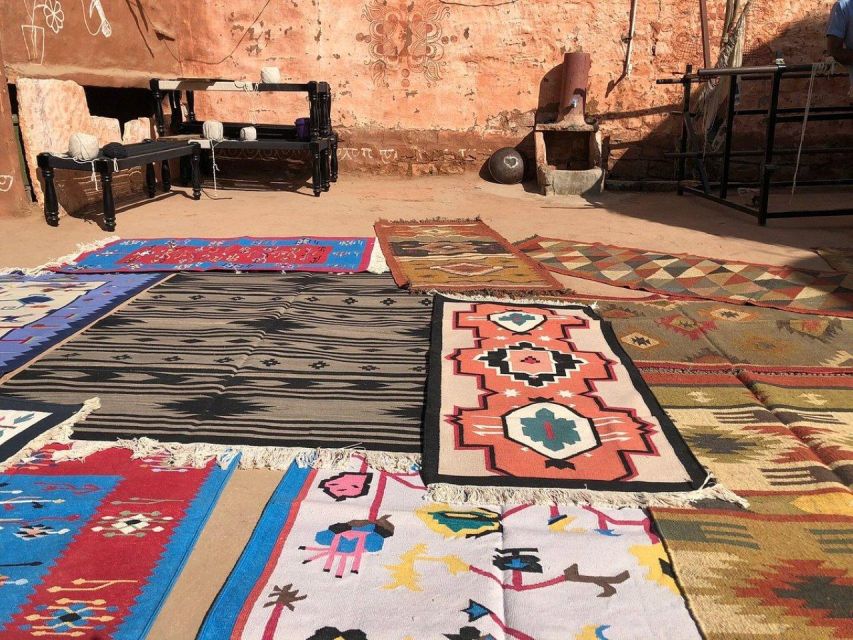
- Craft-focused stops: block printing, pottery work, and interlock carpet weaving in Salawas
- Private Jeep pace: efficient route, but limited time means fewer extended village walks
- Entrance fees and meals not included, so budget a little extra for food
Why This Bishnoi Half-Day Safari Works (and Who It’s For)
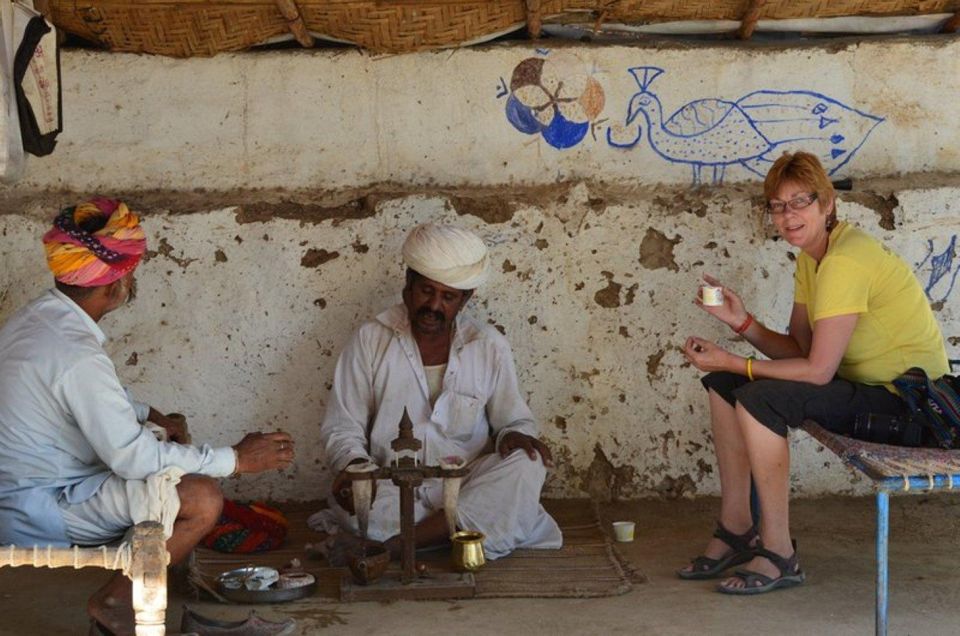
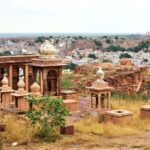
This tour is built for the sweet spot between city logistics and rural life. You start in Jodhpur, then head out toward Bishnoi villages where conservation is not just an idea. It’s part of how people live, and it shows up in how guides explain animals, land, and daily routines.
If you like experiences that feel grounded—real homes, real work, real crafts—this fits well. It’s also a good choice if you don’t want a full-day commitment. The duration is about 3 hours, so it’s the kind of outing that leaves the rest of your day for forts, markets, or a slow dinner.
Who should book? I’d point you here if you:
- Want a private route instead of being shuffled in a large group
- Care about meeting people and learning how crafts are made
- Are interested in wildlife, even if you’re not expecting a guarantee like a reserve with fixed game drives
Who might not love it? If you’re the type who wants long walking tours, deep museum-style explanations, or lots of meal time with families, the half-day format can feel a bit rushed.
You can also read our reviews of more private tours in Jodhpur

The 3-Hour Jeep Rhythm: Picking Up in Jodhpur and Timing Your Expectations
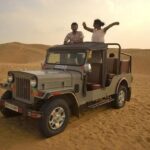
The tour runs for around 3 hours (often described as 3 to 4 hours). You’ll get pickup and drop-off in Jodhpur, and you travel by private Jeep. That private vehicle detail matters. It usually means less waiting and more straightforward movement between stops.
The rhythm usually looks like this:
- You’re picked up in/around Jodhpur.
- You drive out toward the first Bishnoi village stop.
- You spend time at each village or craft location.
- You return to Jodhpur for drop-off.
Because the overall window is short, your time on-site matters. Some guides run the day with quick, informative stops. Others lean more into conversations. The difference is noticeable. One review experience described the guide as friendly but more like a driver than a storyteller, with much of the time spent in the Jeep. That’s the main timing risk to keep in mind: you want enough culture, not just transit.
Bring this mindset: treat the villages as short chapters, not a whole book. If you want deeper follow-ups, plan to ask your guide questions at each stop and be ready to move on.
Guda Bishnoiyan: Wildlife Viewing Meets Bishnoi Family Life
Your first major stop is Guda Bishnoiyan (often described as Gudha village). This is the part that gives the tour its name and personality. The idea is simple: you see how Bishnoi communities live alongside wildlife, and you get chances to spot animals in the surrounding area.
You should expect:
- A guided visit with chances to see a range of desert wildlife
- Time to interact with Bishnoi families and learn about living conditions
- A more emotional, human-scale understanding of why conservation matters there
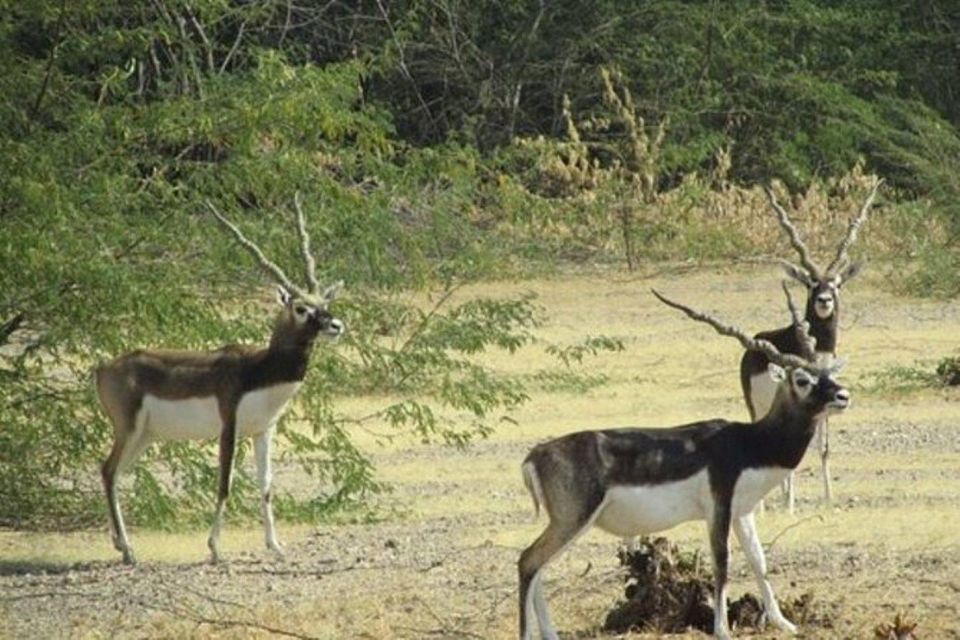
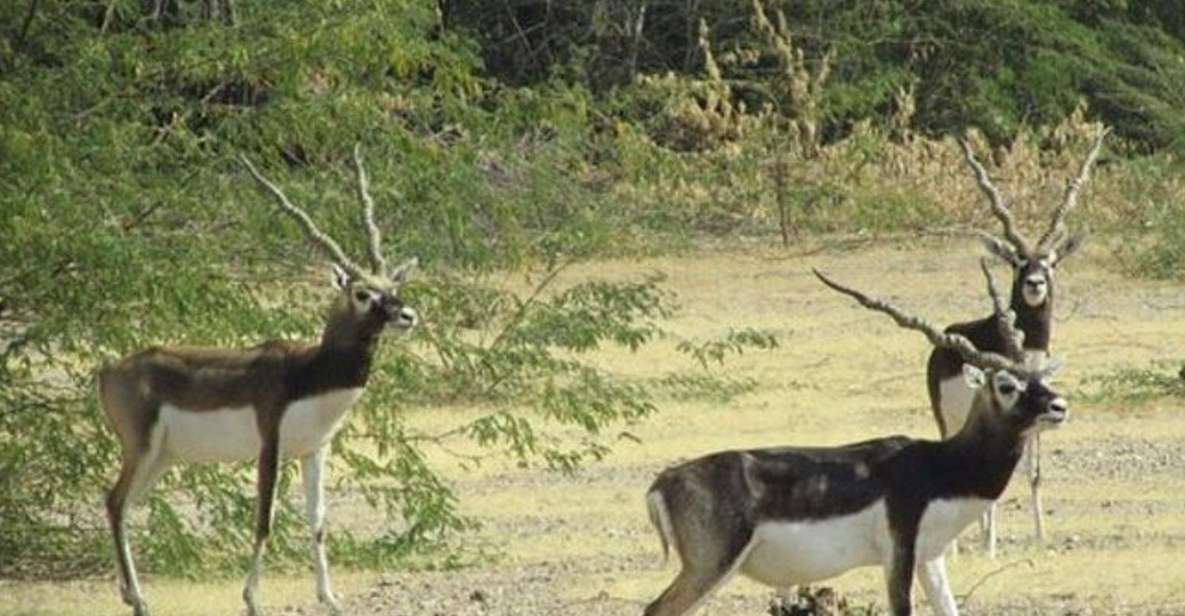
One of the most praised parts of this safari is the wildlife opportunity. In particular, a booking from Germany specifically mentioned seeing a lot of animals, including blackbuck. That doesn’t mean you’ll see the exact same list on every outing, but it does suggest these areas can deliver real sightings when conditions cooperate.
Practical note: village interactions can feel personal. If you’re offered a look into a family’s home or a small ceremony, keep it respectful and curious. Be ready for the possibility that something might be more private than tourist-friendly. The more your questions stay gentle and your camera habits stay polite, the smoother the experience tends to be.
Kankani Block Printers Village: How Handprints Become Patterns
Next comes Kankani, a block-printers village. This stop is for anyone who likes crafts that you can actually visualize. Block printing isn’t just about pretty fabric; it’s about tools, steps, and patience.
Here’s what you can typically expect:
- Watching how people create designs using hand processes on fabric
- Learning what makes the block method different from other printing styles
- Getting a chance to connect craft work to real village life
If you’re a souvenir shopper, this is the place where you can buy with understanding. You’ll know why some prints take longer, and why certain patterns look the way they do. Even if you don’t buy, it’s a strong cultural break from wildlife watching.
One thing to watch: time. Since the tour is short, you may get a demo and conversation rather than an extended workshop. If you want hands-on printing, ask the guide early whether you’ll get any participation.
The Potter’s Village Stop: Watching Clay Become Useable Art
After Kankani, the route typically includes the Potter stop, a village known for pottery work. This is another practical, tactile experience. Instead of only watching wildlife from a distance, you shift into something you can almost feel with your fingertips.
Expect:
- A pottery demonstration showing how work moves from raw material to formed items
- Interaction with local potters while they explain what they’re doing
- The chance to try your hands at pottery, if time and the family’s schedule allow
This stop tends to resonate with people because it’s visual and process-based. You can see the logic of the craft as you watch. Also, it’s easy to ask questions: what steps happen first, what tools are used, and how firing or drying works.
A helpful mindset: watch how careful the potter is. That attention is the point. If you rush the moment, you’ll miss the best part—how craftsmanship turns small movements into something solid.
You can also read our reviews of more tours and experiences in Jodhpur


Salawas and Interlock Carpet Weaving: A Craft Worth Looking at Closely
The final village area is Salawas, where you can see interlock carpet weaving. If you’ve ever wondered how a carpet’s structure affects the look of the final pattern, this is where you get those answers with your eyes.
This stop is focused on:
- Watching weaving techniques that create durable patterns
- Learning from local workers about how the work is organized
- Observing the rhythm of interlocking strands and the time it takes
It’s also a good wrap-up to the safari. You’ve moved from wildlife and family life into craft work. Now you end on a product that people often associate with export markets, but here it’s shown as daily labor and skill.
If you plan to buy something, give yourself enough time to compare styles across what the weavers show you. Because the tour is half-day, you don’t want to wait until the last minutes to decide.
The Guide Makes or Breaks It: English Comfort and Local Insight
The tour is described as having an English live guide, and that’s a big deal for this kind of experience. Wildlife and village life both require context, and English helps you catch the meaning behind what you’re seeing.
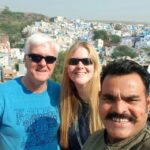
One review highlighted a guide named Om, described as coming from generations living in the village, making him well positioned to explain life there. That’s the kind of guide impact you’ll feel: you’re not just hearing facts, you’re hearing how someone interprets those facts day to day.
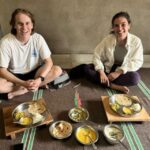
In that same experience, Om’s sister-in-law cooked an amazing meal at their home. You should treat that as a possibility rather than a guarantee, because your tour may or may not include the same kind of family-hosted moment. Still, it points to something important: when the guide is locally rooted, village interactions can turn more personal and informative.
So what should you do? Ask your guide direct questions early:
- Why do the Bishnoi treat animals the way they do?
- What do people do day-to-day in the village?
- How did the craft traditions start and change over time?
A good guide will adjust the answers to your curiosity, not just recite a script.
Price and Value: Is $20 a Good Deal for a Private Jeep Safari?
At about $20 per person, this tour can represent solid value—especially because it includes:
- Hotel pickup and drop-off in Jodhpur
- Transport by a private Jeep
- All taxes, fees, and fuel surcharge
- An English live guide
What isn’t included matters for your budget:
- Entrance fees
- Food and drinks, unless specifically arranged
So the best way to judge value is simple. If you were paying for private transport out to rural areas plus a guide to translate and explain, you’d likely spend more than $20 on the transport-and-language portion alone. This tour bundles that into a short outing, which is why it can be a bargain.
Where value can slip is if you’re the type who expects long time in each village. If your day feels heavy on vehicle time and light on walking or storytelling, you may feel like the price bought you access but not enough depth. That’s not a pricing problem; it’s a fit problem. If you want depth, ask for what you care about when you confirm details with the provider.
Also note: the tour provider is listed as Balaji Forex Tours And Travels. If you’re booking through a platform, I’d still verify the exact villages in your route and what’s included for meals before you go.
What to Bring (and What to Skip) for a Comfortable Day in Rajasthan
You’ll be outside much of the time, so plan for sun and dust. The tour lists these as recommended:
- Comfortable shoes (you’ll want grip)
- Sunglasses
- Sun hat
- Sunscreen
Also, keep your plans light on extra gear. You don’t want to wrestle a camera bag while people are showing you fabric work or pottery steps.
What’s not allowed:
- Pets
On suitability, the tour is marked as not suitable for:
- Pregnant women
- People with mobility impairments
- Wheelchair users
Even if you can manage the Jeep and uneven ground in good weather, the official guidance says no for these categories. I’d respect that and choose a different format that better matches your needs.
Should You Book the Bishnoi Village Safari Private Half Day Tour?
If your goal is a short, private, people-focused Rajasthan experience with a real chance to see wildlife, I think this is a good bet. The biggest strengths are the Bishnoi village interactions, the craft stops (Kankani block printing, pottery, and interlock carpet weaving), and the fact that you get an English guide who can connect the dots.
I’d especially recommend booking if you:
- Want private transport from Jodhpur
- Enjoy craft demonstrations more than big-ticket attractions
- Prefer a tight route you can finish and still have your evening free
I’d think twice if you:
- Want a long walk-based village trek
- Need lots of time for meals or extended cultural discussion
- Are highly sensitive to vehicle time in a half-day itinerary
My practical suggestion: when you book, message ahead with one or two questions you care about most (wildlife, Bishnoi conservation, craft process). A good guide will shape the day around your curiosity, and that’s when this tour really pays off.
FAQ
How long is the Bishnoi Village Safari Private Half Day Tour?
The duration is listed as 3 hours (described as a 3 to 4 hour tour depending on timing).
Where does the tour start and end?
Pickup and drop-off are included in Jodhpur, and the tour returns you to Jodhpur after the village stops.
Is the tour private?
Yes, it uses a private vehicle (a Jeep), and the tour is described as a private half-day safari.
Which villages are visited?
The itinerary includes Guda Bishnoiyan, Kankani (Block Printers Village), the Potter village, and Salawas.
Does the tour have an English speaking guide?
Yes, there is a live English tour guide.
Are entrance fees included?
No. Entrance fees are not included.
Are food and drinks included?
No. Food and drinks are not included unless specified.
Are pets allowed?
No, pets are not allowed.
Is the tour suitable for wheelchair users or pregnant women?
No. It is not suitable for wheelchair users and people with mobility impairments, and it is also not suitable for pregnant women.
If you want, tell me your travel month and whether wildlife sightings are your top priority. I can suggest the best way to time the day and what to emphasize with your guide.