REVIEW · AMER INDIA
Jaipur: Half Day Tour (Amber Fort, Panna Meena, Jal Mahal)
Book on GetYourGuide →Operated by Hii-Stories · Bookable on GetYourGuide
Jaipur can feel like a lot fast. This half-day plan is built for easy pacing with a private AC car and a licensed English guide who keeps the stories straight, not sold. I like that you get the big sights—Hawa Mahal, Amer Fort, Jal Mahal—without the usual rushed, cattle-car energy. One thing to consider: entry tickets aren’t included, so you’ll pay the exact costs in cash to your guide at the end.
What makes it work is the rhythm. You start with iconic photo stops, then move into places where you’ll actually notice details—stepwell symmetry at Panna Meena, palace-and-fort architecture at Amber, and the lake view stillness of Jal Mahal. Optional add-ons (like block printing and a walk through the old-city markets) are there if you want more color, not if you’re forced to buy anything.
From the guide names I saw in past bookings—Pawan, Naveen, Gaurav, Bobby, Ikram, and Nawal—there’s a pattern: they focus on clear explanations and good photo spots, and they’ll often ask if you want a bit more time at a stop.
In This Review
- Key highlights at a glance
- Why this 4-hour Jaipur mix works
- Pickup and transport: clean AC, your own driver, your own pace
- Hawa Mahal windows: the Palace of Winds, explained like it’s personal
- Panna Meena ka Kund: symmetry, shade, and stepwell calm
- Amber Fort: the walk feels like royalty when your guide connects it
- Gaitor Ki Chhatriyan: the quiet stop that makes the fort feel bigger
- Jal Mahal at lake level: serenity with a view, not a rushed photo
- Lunch, markets, and block printing: culture that’s optional, not forced
- Price and entry tickets: what you’re really paying for
- What to bring and the simple rules that keep it smooth
- Who should book this half-day Jaipur tour
- Should you book it? My take on the decision
- FAQ
- How long is the Jaipur half-day tour?
- What’s included in the price?
- Are entry tickets included?
- Do we skip ticket lines?
- What vehicle will I ride in?
- Is lunch included?
- What optional activities can I add?
- What should I bring?
- Is it suitable for kids or wheelchair users?
Key highlights at a glance
- Private car pickup anywhere in Jaipur with an AC ride that’s not the old taxi shuffle
- Licensed English language guides who share real stories and help with photos
- Relaxed timing across Hawa Mahal, Amer Fort, Gaitor Ki Chhatriyan, and Jal Mahal
- Panna Meena ka Kund for a calm, architectural break from the main crowds
- Optional block printing demo and old-city market walk if you want culture beyond monuments
- No pushy detours like the carpet-and-jewelry sales trap
Why this 4-hour Jaipur mix works
Four hours is short in Jaipur. That’s why the order matters. You begin with the most recognizable landmark—Hawa Mahal—when the light and attention span are usually best, then you shift into the quieter, more architectural stops.
Amer Fort usually takes the most energy, so it lands after the first two sights. Then you finish with Jal Mahal, where you can slow down and simply take in the lake views. If you try to cram everything on your own, you’ll lose time in traffic and between locations. This route saves you that headache.
Also, the guide’s style is part of the value. In past tours, guides like Pawan and Naveen were praised for being considerate with timing—checking whether you want more time—and for pointing out where to stand for photos. That means you’re not just “walking through,” you’re learning what you’re seeing.
The main trade-off is that you won’t cover the entire city in four hours. If City Palace or Jantar Mantar is a must for you, it’s worth talking to your guide about swapping or adding time, since the team is flexible with the schedule.
You can also read our reviews of more tours and experiences in Amer India.

Pickup and transport: clean AC, your own driver, your own pace
You’ll get picked up from your chosen spot in Jaipur—hotel, airport, railway station, or anywhere else in the city. That alone can save you a big chunk of stress, especially if you’re coordinating with traffic and a tight schedule.
Your vehicle depends on group size:
- 1–2 people: 4-seater sedan
- 3 people: Kia Carens SUV
- 4–5 people: new 8-seater Toyota Crysta SUV
- 6–10 people: 10-seater traveler with Maharaja seats
A clean, private car matters more than it sounds. Jaipur is busy, and the “quick taxi hop” can turn into a slow, uncomfortable wait. With a private chauffeur, you stay in control of timing, comfort, and where you stop for photos.
You’ll also have water bottles during the tour, which is practical when you’re walking in sun or climbing uneven paths. And because it’s private, you’re not negotiating pace with strangers who want to sprint ahead.
Hawa Mahal windows: the Palace of Winds, explained like it’s personal
Most people photograph Hawa Mahal from outside and call it done. This stop is more useful. You’ll have time for the famous exterior photo viewpoints, but you also get a guided visit where the guide can explain what’s going on behind the windows.
Why that matters: Hawa Mahal isn’t just a pretty façade. The design is meant for ventilation and for structured views. When you understand the “why,” the building becomes more than an Instagram backdrop.
Timing here is short—about 20 minutes for photo stop and guided visit—so you need to use that time well. Bring your camera and keep your eyes up; the best details are often in the patterns and small architectural choices rather than in the biggest banners.
If you’re the kind of person who loves learning a place’s purpose, this first stop sets the tone for the rest of the morning. If you’re more of a “show me the view” person, you’ll still leave with photos and the basic story stitched together.
Panna Meena ka Kund: symmetry, shade, and stepwell calm
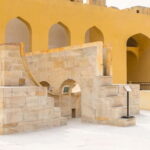
After Hawa Mahal, you’ll head to Panna Meena ka Kund, the step well. This is one of my favorite parts of the half-day format because it’s a mental reset from palaces and crowds.
The guide-focused visit and walk—about 1 hour—lets you actually slow down. You’ll see the staricase-style geometry and notice how the structure creates order and rhythm. It’s not just a descent for a photo; it’s a different kind of Jaipur, quieter and more about design.
The best time to explore a stepwell is when you’re not rushing. The relaxed structure of this tour helps here. You’ll have enough time to look closely and get the guide’s explanation without feeling like you’re being ushered along.
Practical note: wear comfortable shoes. Stepwells mean steps, uneven surfaces, and the occasional “careful, that corner is slick” moment. Bring a hat if the sun is strong, and you’ll be happier.
Amber Fort: the walk feels like royalty when your guide connects it
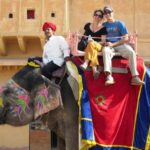
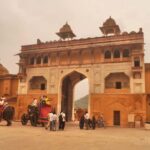
Then comes Amer Fort (Amber Fort), the big one. You’ll spend about 1.5 hours here with a guided tour. This is the point where Jaipur can start to feel like a story—palace design, power, and daily life patterns layered into the same stone.
What makes this stop valuable is the way the guide can connect architecture to the period. In past experiences, guides like Bobby and Ikram were praised for explaining history and context clearly, not just listing facts. That difference changes how you experience the fort.
You’ll have time to walk through and also to browse. Shopping is listed during this block, so if you want small souvenirs or artisan items, this is often where you can fit that in without derailing the whole day.
What could be a drawback: forts take stamina. Expect uneven ground and stairs. If you’re traveling with someone who moves slowly, it’s smart to mention it to the guide early so they can pace the visit.
Also, if you’re sensitive to heat, try to think of Amer Fort as your “mid-morning work” rather than your “late-day stroll.” The earlier you go within your booked start time, the easier it usually is on your energy.


Gaitor Ki Chhatriyan: the quiet stop that makes the fort feel bigger
Next is Gaitor Ki Chhatriyan, about 40 minutes. This is a photo stop plus guided visit, with some shopping time as well. It’s not as famous as Amer Fort, but that’s exactly why it’s useful.
This stop can help you understand the wider landscape of royal life—how memory and power were displayed. The chhatriyan (cenotaphs) create a calmer mood, and it breaks up the physical effort of Amer.
Look for how the guide frames the site in relation to the larger Amber area. When you connect the dots, the fort isn’t isolated; it feels like part of a system.
If you like photography, this is a strong moment for taking a breather and getting shots without the same intensity as the fort’s main crowds. You’ll also have time to shop, but keep an eye on your time buffer for Jal Mahal.
Jal Mahal at lake level: serenity with a view, not a rushed photo
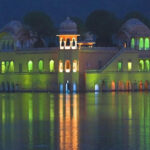
Finish with Jal Mahal, the “Water Palace,” with about 30 minutes including photo stop and guided visit. This is the easiest win in the whole itinerary because the place naturally slows people down.
You’re looking at a palace-like structure rising out of a lake setting. The best experience here is letting your brain switch gears from “tour mode” to “view mode.” Even if you don’t love forts, Jal Mahal gives you a different Jaipur image.
Why it works at the end: by then you’ve already learned enough that the view feels meaningful, not random. You also get time to take photos without feeling like you’re sprinting between locations.
Practical tip: bring sunglasses if you have them. Lake-area light can be bright, and a hat helps if the sun is strong. If you’re photographing, avoid flash—flash photography is listed as not allowed.
Lunch, markets, and block printing: culture that’s optional, not forced
Lunch isn’t included, but the tour builds in the time for it. The guide will suggest a safe, well-known restaurant with food that fits what most visitors want—no guessing, no “where should we eat” scramble. The provided note even points to a 5 star lunch experience vibe, so you can expect a step up from casual snack stops.
If you want to stretch the culture side of the day, two options are offered:
- Jaipur market walking tour (optional): a walk through old-city markets for color and everyday local life
- Block printing activity demo (optional): a chance to see traditional block printing, and possibly try it if the guide lines it up
One of the biggest “quality of life” perks from past experiences is that you’re not sent on a hard push toward carpet or jewelry sales. That matters because Jaipur has enough shopping opportunities built into the normal flow of visiting sites.
If you do add block printing, it’s a great way to bring home something you actually understand. And if you’re short on time or just don’t want extra stops, you can keep it monument-only and still feel like you got good value.
And remember: if you have time and want extra monuments, the team is flexible. You can ask about adding places like City Palace or Jantar Mantar.
Price and entry tickets: what you’re really paying for
At about $27 per person, the headline price is about the whole “logistics + people” package. You’re paying for a private guide, a private AC vehicle, pickup and drop-off, water bottles, and transport with taxes included.
Entry tickets are separate. The tour notes that total entrance fees are about Rs. 700/adult, but it also lists entrance fees of Rs. 500/adult for Indians and Rs. 1750/adult for non-Indians. The key practical takeaway is this: the guide arranges tickets in advance so you have no waiting in lines, then you pay the exact ticket cost in cash at the end.
That structure is smart value. The time you save on lines in peak areas is worth real money, especially when you only have four hours.
If you’re comparing options, don’t just compare the lowest listing price. Compare what you get for the time you have: private transport, English live guide, and line-skipping ticket handling.
What to bring and the simple rules that keep it smooth
This is the kind of tour where a few small items make a big difference:
- Comfortable shoes (steps and uneven ground)
- Hat and sunscreen for sun protection
- Camera if you love details and photo angles
- Water (you’ll also get water bottles during the tour)
You should also know the practical rules:
- Smoking is not allowed.
- Flash photography is not allowed.
If you bring these basics, you’ll spend less time adjusting and more time looking at what you came for.
Who should book this half-day Jaipur tour
This format is ideal if you want the best of Jaipur in a short window without feeling like you’re on a factory schedule.
It’s a great fit for:
- Solo female travelers who want safe, reliable pickup and a private car
- Couples who like sightseeing with space to breathe
- Families who want clear guidance and don’t want to wrangle transport between sites
Private tours also help you match your own pace. If you want more time at a viewpoint, you can ask. In past experiences, guides such as Pawan were praised for being considerate and offering the best photo opportunities.
One caution: the tour isn’t suitable for children under 6 years. Also, the information includes a conflict around wheelchair use—one place lists wheelchair accessible, while another notes it’s not suitable for wheelchair users and people with mobility impairments. If you have mobility needs, I’d contact the operator directly before booking and confirm what routes and steps are involved.
Should you book it? My take on the decision
If you’re in Jaipur for a short stop and want Amer Fort plus two major photo-and-story stops in one smooth half day, I think this is a strong booking. The biggest value is the private, clean AC transport plus a licensed English guide who helps you see more than just the postcard versions.
Book it if:
- you want a relaxed pace
- you care about understanding what you’re seeing
- you’d rather pay extra for comfort than lose time figuring out transport
Consider another option if:
- you need wheelchair-friendly routes confirmed in writing
- you’re traveling with very young kids under 6
- you want a slower, all-day deep exploration with multiple major sites beyond Amer Fort
If your goal is smart sightseeing without chaos, this half-day route is a practical win.
FAQ
How long is the Jaipur half-day tour?
It lasts about 4 hours.
What’s included in the price?
You get hotel pickup and drop-off, a private English-speaking guide, water bottles, and a private air-conditioned vehicle. Taxes and related fees are included too.
Are entry tickets included?
No. Entry tickets are not included. The guide arranges entrance tickets ahead of time to avoid waiting in line, and you pay the exact ticket cost in cash at the end.
Do we skip ticket lines?
Yes. The tour includes skip the ticket line through the guide’s advance ticket arrangement.
What vehicle will I ride in?
Car type depends on group size: a 4-seater sedan for 1–2 people, Kia Carens SUV for 3 people, new 8-seater Toyota Crysta SUV for 4–5 people, and a 10-seater traveler with Maharaja seats for 6–10 people.
Is lunch included?
Lunch is not included, but the guide gives time to take a break and will suggest a famous, safe restaurant.
What optional activities can I add?
You can optionally add a block printing activity demo and/or a walk through Jaipur’s markets in the old city.
What should I bring?
Bring comfortable shoes, a hat, sunscreen, a camera, and water (you’ll also have water bottles during the tour).
Is it suitable for kids or wheelchair users?
It’s not suitable for children under 6 years. For wheelchair users, the information is mixed: it lists wheelchair accessibility, but it also says it’s not suitable for wheelchair users and people with mobility impairments. Check with the operator before booking to confirm what you can manage on site.