REVIEW · AMER INDIA
Jaipur Half Day Tour By Tuk Tuk With Local Chaiwala
Book on GetYourGuide →Operated by JAIPUR CITY TUK TUK TOUR · Bookable on GetYourGuide
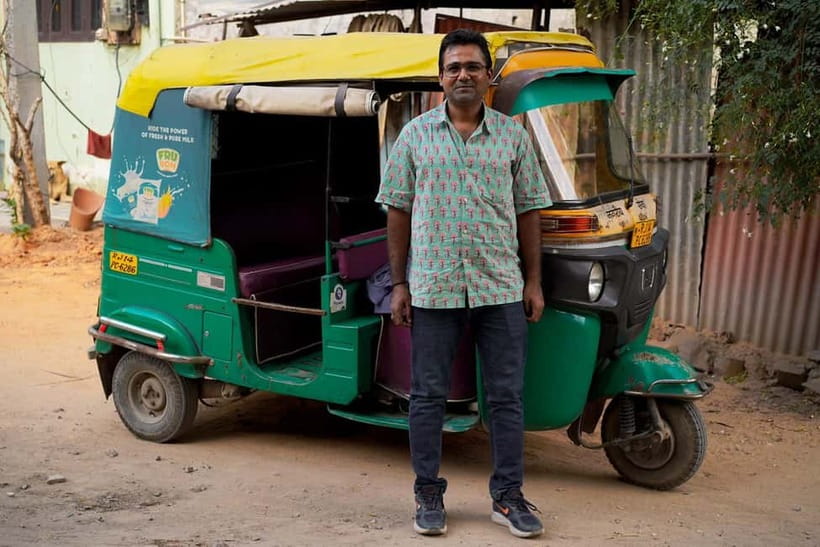
Half a day in Jaipur can still feel like a complete day if you plan it right, and this private tuk-tuk loop does that. I especially like the pairing of big-photo landmarks with low-key culture, like sharing masala chai with a local chaiwala. The other standout for me is how the route hits both the royal sights (Hawa Mahal, Amer Fort, City Palace) and the UNESCO stop that most people skip (Jantar Mantar). One drawback to keep in mind: you’ll walk a fair bit on uneven surfaces, so comfortable shoes matter, and it’s not ideal for back problems.
You also get a driver who isn’t just a driver. In past bookings, guides like Iqbal and Ali have adjusted the plan on the fly based on your pace and priorities, including rerouting around road disruptions during big public events. That flexibility is a big deal in Jaipur, where timing can get messy fast.
For me, the best value is the mix: you get a private ride, hotel pickup/drop-off, and a guide across the main sights, all for a price that’s easy to justify. Just remember entrance fees and food/drinks aren’t included, so budgeting for those helps you avoid surprises.
In This Review
- Key moments you’ll remember
- How the tuk-tuk half-day tour actually fits together
- Hawa Mahal: the iconic façade, plus smart street views
- Amer Fort (Amber Fort): where the walking pays off
- Jagat Shiromani ji Temple: a calmer stop in the middle
- Jal Mahal on Man Sagar Lake: the quick stop that hits hardest
- Jaipur shopping and arts: markets where your guide can help you choose
- Jantar Mantar: ancient instruments that still make sense
- City Palace: museums, courtyards, and the Mughal–Rajput mix
- The chai finale: why this stop is more than a sweet ending
- Price and logistics: does the $7 per person value really hold up?
- Who this Jaipur half-day tuk-tuk tour suits best
- Should you book this tuk-tuk tour of Jaipur?
- FAQ
- What is the duration of the Jaipur half-day tuk-tuk tour?
- What does the tour cost?
- Is this a private tour?
- What is included in the price?
- What is not included?
- Which places are visited during the tour?
- How long do the main stops take?
- What languages are available for the driver/guide?
- What should I bring, and what should I avoid?
- Is wheelchair access available?
- When should I cancel if I want a full refund?
Key moments you’ll remember
- Chai with a chaiwala: a simple stop that feels distinctly Jaipur, not just another photo op
- Hawa Mahal views: lattice façade first, plus a street-side look if your guide suggests it
- Amer Fort time well used: long enough to see courtyards and Sheesh Mahal without feeling rushed
- Jal Mahal on Man Sagar Lake: a quick pause where photos often beat words
- UNESCO Jantar Mantar: ancient instruments for studying celestial phenomena, with your guide’s help
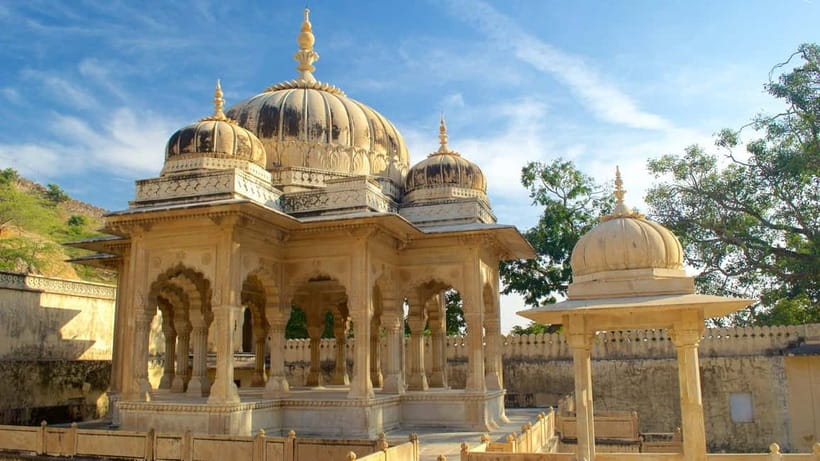
- City Palace blend: Mughal-Rajput design across museums and courtyards
How the tuk-tuk half-day tour actually fits together
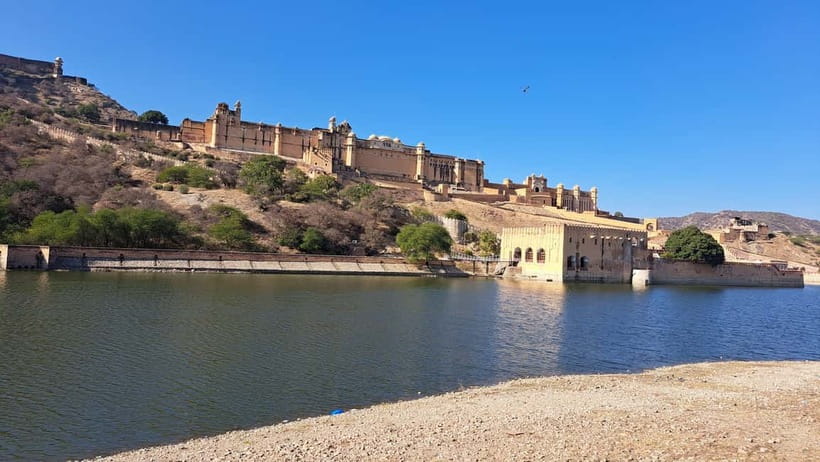
This is a private half-day format, designed to cover the classic Jaipur highlights without turning your afternoon into a sprint. You start with hotel pickup and end back in Jaipur, with a driver handling the in-between driving. That matters because Jaipur’s sights are spread out, and local traffic can change the plan quickly.
You should expect a mix of short walks and longer stretches. Some stops are mostly “arrive, see, take photos, move on.” Others are time sinks—especially Amer Fort and City Palace. The best strategy is to treat each site like a mini lesson: don’t try to read everything, just get your bearings, look for the standout features your guide points out, and keep moving.
Comfort note: the tour is great for active people who like being outside in the sun. It’s not wheelchair accessible, and it may be uncomfortable if you have back problems, mainly because you’ll be getting in and out of the tuk-tuk and walking on uneven ground.
You can also read our reviews of more tours and experiences in Amer India.

Hawa Mahal: the iconic façade, plus smart street views
You’ll begin at Hawa Mahal, the “Palace of Winds.” Even if you’ve only seen pictures, seeing the pink sandstone façade in person does something to your sense of scale. The real wow factor is the lattice windows—made for the royal women inside to observe street life while remaining private.
Your visit is about 30 minutes, which is the right amount of time for this stop. You can admire the façade, grab photos, and still keep energy for the next heavy hitter. One practical tip: wear sunscreen and keep your hat ready. The morning light can be forgiving, but Jaipur sun doesn’t negotiate.
A nice bonus from some guide plans: you may also view Hawa Mahal from the street level on the way through the area. That changes the feel from “grand postcard” to “working city around a landmark,” and it gives you different angles that photos alone often miss.
Amer Fort (Amber Fort): where the walking pays off
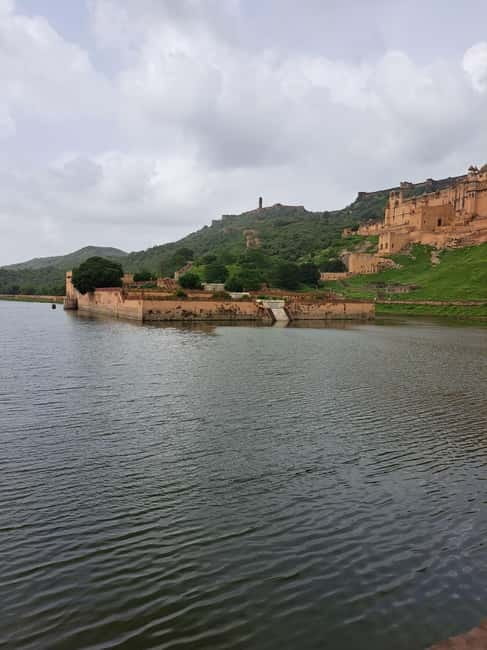
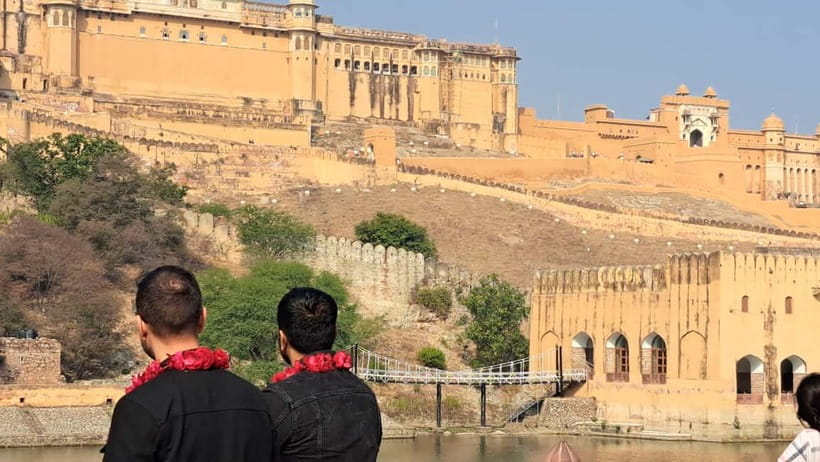
Amer Fort is the centerpiece. Expect about 1.5 hours, which lets you see more than the headline rooms. You’ll move through opulent courtyards and get time for major interior highlights, including the Sheesh Mahal. This is one of those places where you start noticing details the longer you stay—reflections, patterns, and the way everything is arranged to impress.
You’ll also get panoramic views toward Maota Lake, which is one reason the fort format works so well. Jaipur’s hill-and-lake geography makes the photos better than they look in your head.
What to watch: Amer Fort involves uneven ground and some steps. Plan to slow down when you need to, and don’t save all your photos for the last minute. If you rush, you miss the fun part—standing in a courtyard and realizing how the site design controls movement and sightlines.
Jagat Shiromani ji Temple: a calmer stop in the middle
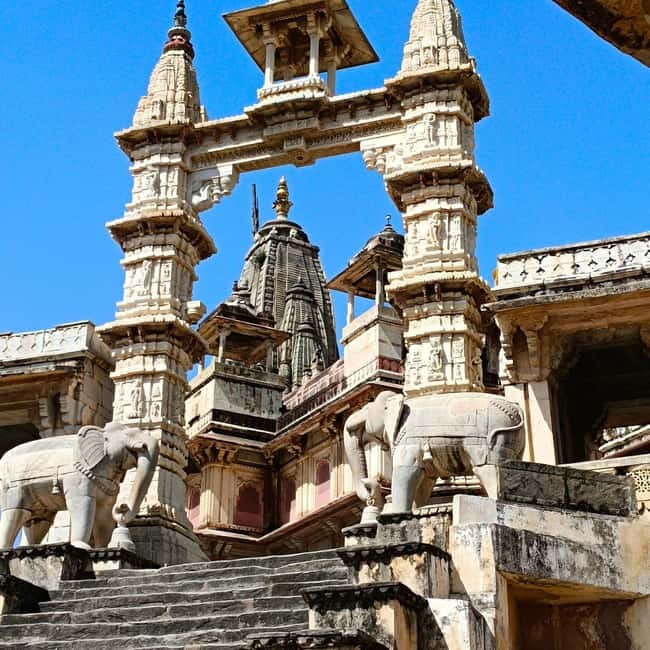
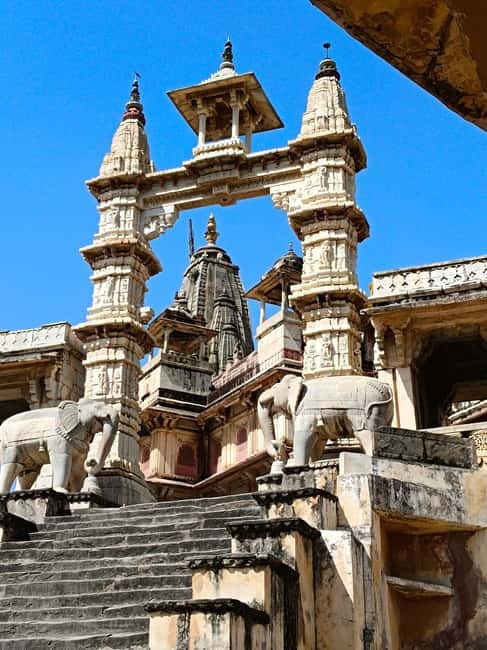
In the middle of the royal-sight run, you’ll stop at the Shri Jagat Shiromani ji Temple for about 30 minutes. This is a nice change of pace when the fort crowds and big palaces start to blend together.
Temple visits are also where your guide can add context quickly: what you should notice, how to behave respectfully, and what not to photograph (the tour rules include no flash photography). You’ll likely find that even a shorter temple stop adds balance to the overall day—more quiet, more local rhythm, less “ticket line energy.”
Jal Mahal on Man Sagar Lake: the quick stop that hits hardest
Next up is Jal Mahal, the “Water Palace,” set in Man Sagar Lake. Your time here is short, about 15 minutes, which is exactly right. You’re not here to tour a museum—you’re here to see the water-and-stone contrast and take a few photos while the scene feels calm.
This stop works best if you slow your expectations. Don’t look for long explanations. Instead, notice the reflection effect when the light cooperates, and appreciate how the architecture sits half-visible from the surrounding viewpoints. The water setting turns it into a “pause and breathe” moment in a day packed with monuments.
Practical note: it can get hot even in shorter stops, so keep your hat and sunscreen handy. Also, avoid flash photography—your tour rules keep things respectful and more comfortable for everyone around you.



Jaipur shopping and arts: markets where your guide can help you choose
After you’ve seen the major sights, you’ll have about 1 hour for shopping in Jaipur’s arts & crafts market area. This is where your guide’s judgment matters, because Jaipur has lots of shops and you don’t want to waste time hunting for a place that actually suits your taste.
You might also be routed through short craft stops along the way, such as a wood-block printing/textiles place or a gemstone-cutting stop—depending on what your guide thinks fits your day. Those are good “in-between” experiences because they explain what you’re looking at while keeping you moving.
How to get value from this hour:
- Focus on one or two categories (textiles, small crafts, maybe gemstones) so you don’t get decision fatigue.
- Ask basic questions about what you’re buying (materials, process, what makes it different).
- Keep cash or card ready, and don’t assume every shop will be quick.
Important: food and drinks aren’t included, so if you want something while shopping, you’ll need to buy it yourself.
Jantar Mantar: ancient instruments that still make sense
Then you’ll head to Jantar Mantar, a UNESCO-listed astronomical observatory, for about 45 minutes. The big idea is simple: these instruments were built to study celestial phenomena. That might sound dry, but with a guide and your attention, it becomes visual.
Your best move is to treat this stop like a walk-through of “tools for measuring the sky.” Notice how the instruments are arranged and how different parts relate to tracking time, angles, and the movement of objects overhead. You don’t need a physics degree. You just need a guide to point out what to look for first.
This stop also gives you a mental break. After palaces and forts, it’s refreshing to shift from decoration to function. If you’re the type who likes “how it works,” you’ll likely find Jantar Mantar one of the most memorable places on the route.
City Palace: museums, courtyards, and the Mughal–Rajput mix
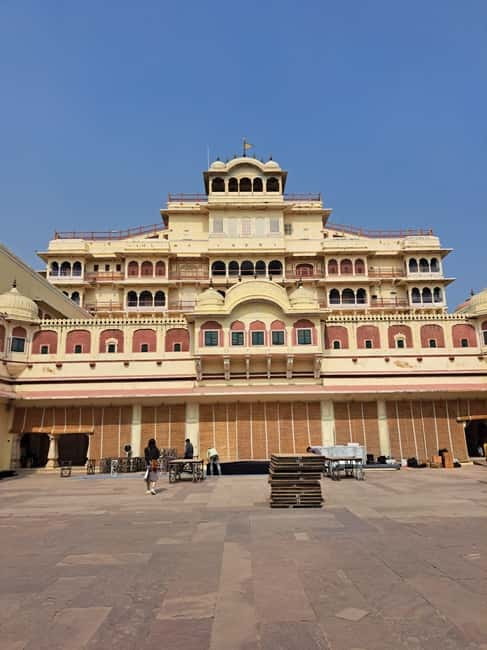
City Palace comes next, with about 1 hour to explore. This is not just a single building; it’s a royal residence area blending Mughal and Rajput architecture, with museums and courtyards that help connect the dots.
You’ll get time to walk through sections at your own pace, with your guide offering pointers. The trick here is to decide what you want from the hour: a quick overview of highlights, or a slower look that focuses on fewer rooms. Either way, courtyards can be a lifesaver for your photos—open spaces give you light and better sightlines than tight interiors.
One caution: City Palace can feel crowded during peak hours. If you want photos without stress, time them during breaks in foot traffic and keep your patience for the best angles.
The chai finale: why this stop is more than a sweet ending
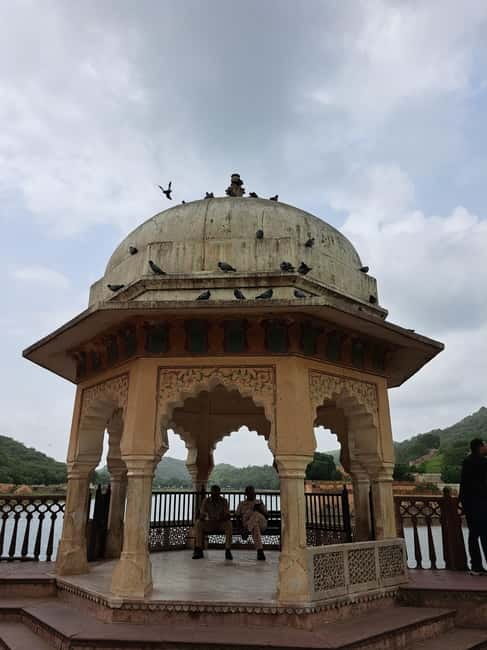
You’ll wrap up with a visit to a local chaiwala, where you can try freshly brewed masala chai. This isn’t a random add-on. It’s the cultural glue that turns a monument-heavy day into something that feels like Jaipur beyond the postcard landmarks.
In at least a couple of past days, guides started the day by talking plans over chai and then kept adjusting based on what you wanted to see next. That’s a smart approach, because your first priorities often change once you’re actually in the city.
If you’re traveling with kids, this chai stop can also be a welcome reset. It’s an easy moment to sit, hydrate, and let the day slow down for five minutes—especially if you’ve been walking in the sun.
Price and logistics: does the $7 per person value really hold up?
At about $7 per person, this tour can be a strong deal—mainly because you’re paying for a private tuk-tuk, hotel pickup/drop-off, and a guide across a set of major sites. In many places, “private transport plus a guide” costs far more than the sight tickets alone, so the value here is mostly in the logistics.
But be honest about the missing pieces:
- Entrance fees are not included, so you’ll need to budget for tickets on-site.
- Food and drinks aren’t included, and you’ll likely want water beyond what you get in the tour pack.
- A water bottle is provided, which helps, but you’ll still feel the sun.
Also, your comfort depends on expectations. If you want wheelchair access, this tour isn’t built for it. If your back is sensitive, you might find the ride and walking tiring.
The good news: the private format gives you flexibility. If the plan needs to shift for energy, timing, or road conditions, your driver can help rework the route.
Who this Jaipur half-day tuk-tuk tour suits best
This is a great choice if you:
- Want a tight, high-impact Jaipur day without hiring separate transport for each sight
- Like being guided through key features, not just wandering
- Prefer a plan you can adjust in real time (guides have done route changes when needed)
It may be a poor fit if you:
- Need wheelchair accessibility
- Have back problems and know uneven walking and getting in and out of a vehicle will be hard
- Hate walking in heat, even if stops are scheduled to keep the pace reasonable
Families can do well too. One past booking specifically called out that the guide adapted to the needs of young children, which is exactly how you want a private day to feel—practical, not rigid.
Should you book this tuk-tuk tour of Jaipur?
If you want a half-day that feels efficient but not soulless, this is a solid bet. The mix of Hawa Mahal, Amer Fort, Jal Mahal, Jantar Mantar, and City Palace covers the biggest “Jaipur checklist” items without spending your whole day on one place. And the chai with a local chaiwala adds the kind of local texture that many landmark-only tours miss.
Book it if you’re comfortable walking, you can handle a sun-filled schedule, and you want a private driver who can adjust the route. Skip it if accessibility is a requirement or if you know your back won’t tolerate the walking and uneven ground.
FAQ
What is the duration of the Jaipur half-day tuk-tuk tour?
The tour runs for about 1 day, and the itinerary is built as a half-day style route through multiple sights.
What does the tour cost?
The price is listed at $7 per person.
Is this a private tour?
Yes, it’s a private tuk-tuk tour, and a private group option is available.
What is included in the price?
Included items are the private tuk-tuk tour, hotel pickup and drop-off, and a water bottle.
What is not included?
Entrance fees and food and drinks are not included.
Which places are visited during the tour?
The tour includes Hawa Mahal, Amer Fort (Amber Fort), Shri Jagat Shiromani ji Temple, Jal Mahal, Jantar Mantar, and City Palace, plus shopping in Jaipur and a chai stop.
How long do the main stops take?
Time estimates provided include 30 minutes at Hawa Mahal, 1.5 hours at Amer Fort, 30 minutes at Shri Jagat Shiromani ji Temple, 15 minutes at Jal Mahal, 1 hour for shopping, 45 minutes at Jantar Mantar, and 1 hour at City Palace.
What languages are available for the driver/guide?
Drivers are listed as available in English, French, Hindi, Italian, Japanese, and Spanish.
What should I bring, and what should I avoid?
Bring comfortable shoes, a hat, a camera, and sunscreen. Smoking is not allowed, and flash photography and eating during the tour are not allowed.
Is wheelchair access available?
No, wheelchair access is not available, and the tour is not suitable for wheelchair users.
When should I cancel if I want a full refund?
You can cancel up to 24 hours in advance for a full refund.