REVIEW · KOCHI
Kochi: Backwater Exploration in Village: Free Pickup & Drop
Book on GetYourGuide →Operated by Excel India Tours · Bookable on GetYourGuide
Backwaters here feel like Kerala’s slow-motion still life. You’ll glide on a shikara punted with long bamboo poles, then meet village women working on weaving and coir crafts in everyday settings. It’s one of those trips where the pace stays calm, and the scenery does the talking.
I like how the day mixes real village work with a proper meal—especially the Sadya served as a vegetarian spread. One heads-up: much of the experience is outdoors (boat + short walks), so plan for sun, and remember that drinks aren’t included.
In This Review
- Key highlights worth your time
- Kochi Backwaters by Shikara: What Makes It Feel Quiet
- Village Craft Stops: Weaving, Coir, and the Work Behind the Scenery
- A Village Home Sadya Lunch: Why the Meal Is More Than a Break
- Boat Stops and Photo Moments: The Route’s Texture
- Half-Day (5-hour) vs Full-Day (7–8 hours): What Changes
- Price and Value: Is $63 a Fair Deal?
- Pickup, Timing, and What You’ll Actually Do
- What to Bring (and What to Skip)
- Who This Tour Suits Best
- Should You Book This Kochi Backwater + Village Day?
Key highlights worth your time
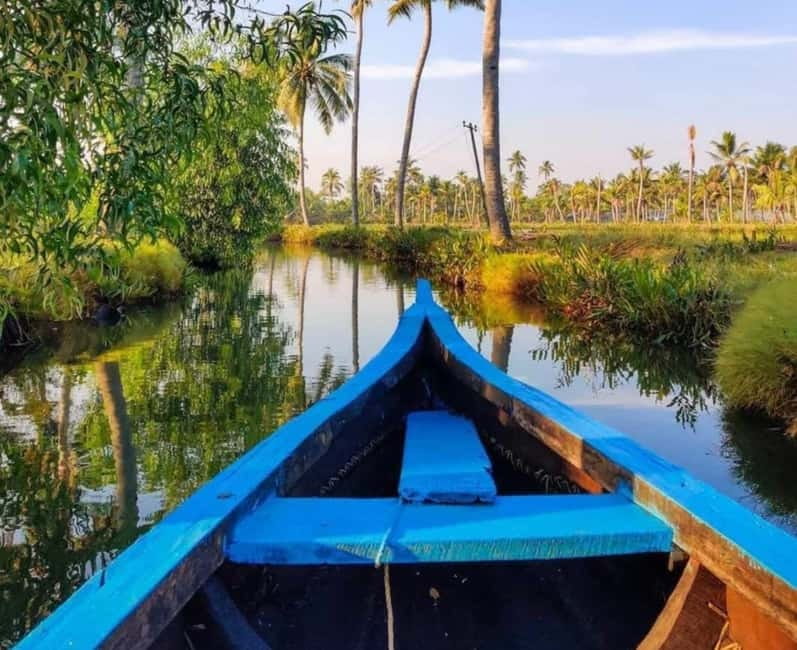
- Bamboo-pole shikara ride with near-silent waters and bird calls in the background
- Coir and mat making you can actually watch, including fiber extraction and rope work
- Hands-on village life: weaving, spinning, and small-scale processing work
- Tender coconut stops from the harvester during the cruise
- Kerala Sadya lunch (vegetarian) at a village home or a selected mess
- Optional extra stops like narrow canal exploring and a small cloth weaving center (time permitting)
Kochi Backwaters by Shikara: What Makes It Feel Quiet
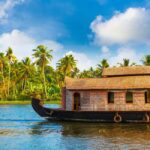
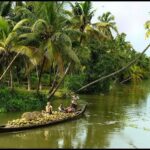
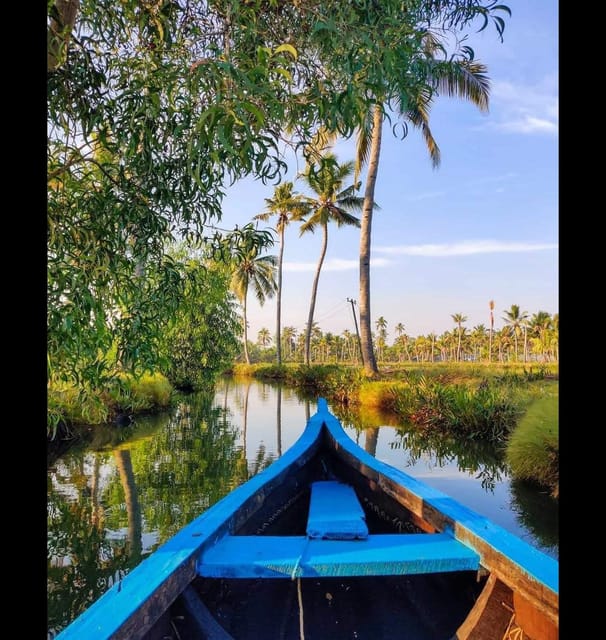
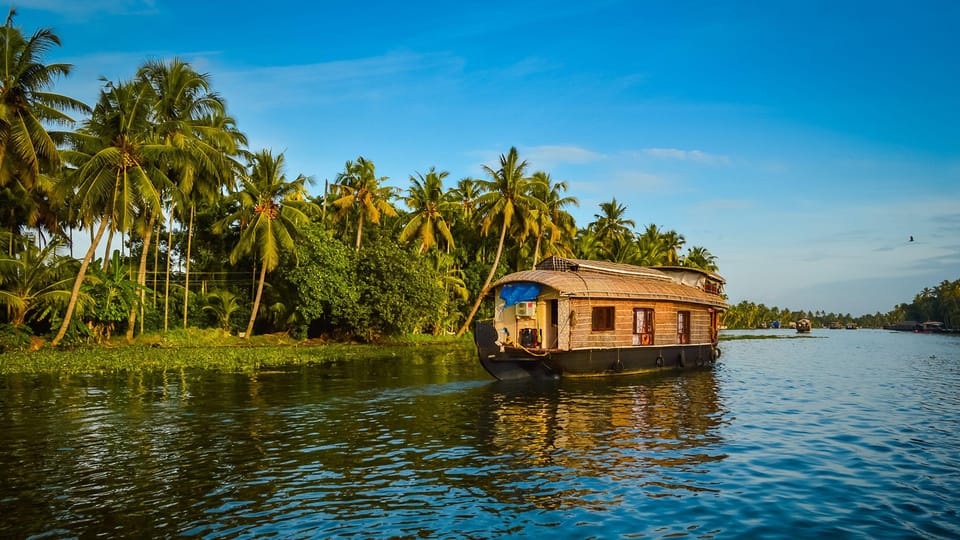
This is a backwater cruise done the traditional way: you ride in a shikara (also described with a bamboo roof on some runs) and the boat moves via bamboo poles pushed/punted by the men in the water. That method matters. You get slower movement, less engine noise, and a calmer rhythm that lets you notice details—plants along the banks, small birds, and the way life stays close to the waterline.
The boat experience also comes with a special kind of stillness. In the stretches where nothing interrupts, the main sounds can be bird calls (like myna or koal) rather than traffic or engines. If you’re craving a Kochi day that feels away from crowds, this setup is a big part of the appeal.
Your time on the water isn’t just “sit and look.” Along the way, the boat operators stop at points tied to village work—so the trip functions like a moving classroom, not just sightseeing. You might even see how coconut harvesting happens up close when they bring down tender coconuts mid-cruise.
You can also read our reviews of more tours and experiences in Kochi.

Village Craft Stops: Weaving, Coir, and the Work Behind the Scenery
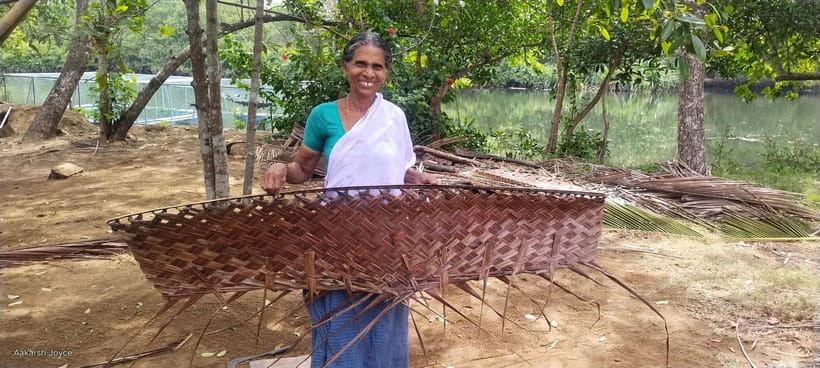
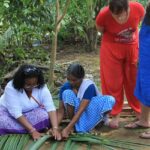
The heart of the experience is village craft. You’ll visit areas where people make materials that are used in everyday Kerala life—especially items from coconut husk and weaving fibers. This is where the day stops being only pretty and starts becoming meaningful.
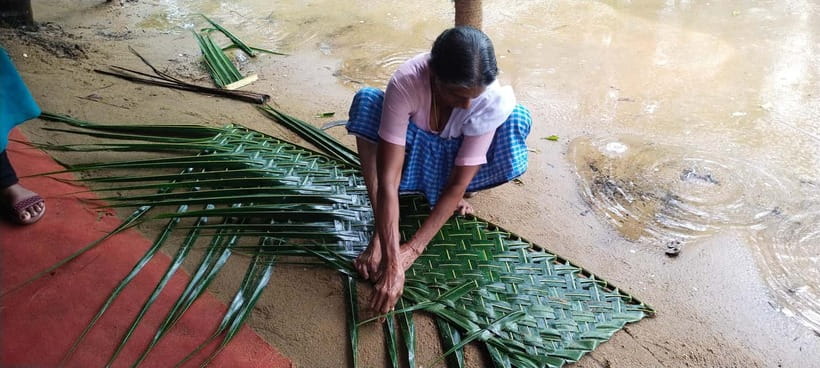
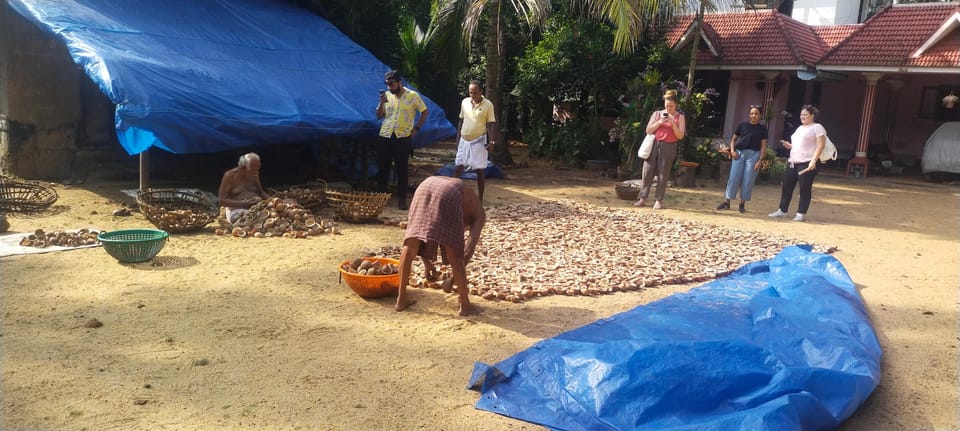
On the coir side, you can expect to see the process from fiber extraction to spinning yarn and making rope. You may also come across mat weaving types tied to local materials—there are references to sleeping-mat weaving (made from screwpine/coastal plants) as part of the craft stops. Even if you don’t remember every step, you’ll understand the flow: raw plant material becomes workable fiber, then becomes household or construction items.
On the weaving side, you’ll spend time with women working on cloth spinning and weaving—cotton cloth comes up, and on some routes you may also get a look at a small weaving center where cotton sarees are made on handlooms (if timing allows). Watching someone work at handloom pace changes how you see “souvenirs.” These are not factory products; it’s active skill passed through generations.
Cottage industry is also a “why” in this experience. The way the tour frames it is clear: these activities support local livelihoods, and women often lead the craft work. That’s not a slogan—it’s visible in how the work stations are arranged and how the day is structured around watching and learning.
You may also see village men engaged in clam collection and processing. In one described route, this can include a small clams-to-calcium powder style of setup. It’s an unusual stop, but that’s the point: Kerala’s backwaters don’t just produce views; they also shape small industries.
A Village Home Sadya Lunch: Why the Meal Is More Than a Break
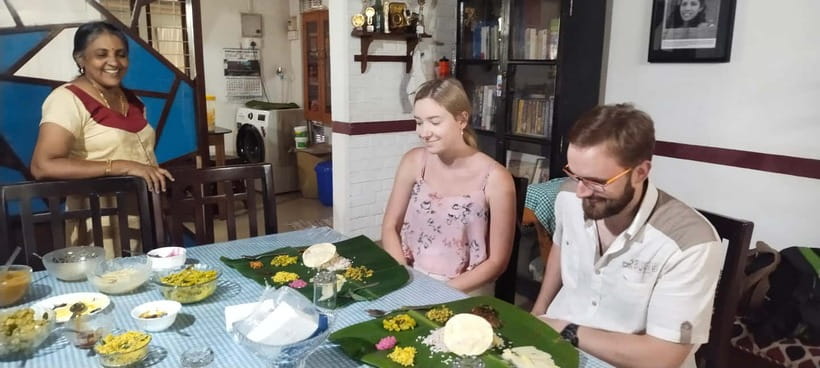
After the morning or main cruising segment, lunch is built into the day as a core experience, not a quick stop. You’ll eat Sadya, which is Kerala’s traditional vegetarian feast served as a set of dishes.
The best part for most people is how varied it feels. Even if you’re not normally excited about vegetarian meals, Sadya tends to surprise you with different textures and flavors across the spread. You’ll also be eating in a village setting—either a home lunch setup or a selected mess, depending on the program version—so you’re not just fed, you’re socially placed inside local food culture.
Timing can affect how the day feels here. One note from the tour description: if the village craft workers’ lunch break doesn’t line up with your schedule, the weaving/spinning viewing portion may happen before the meal, or you might see the craft work earlier/later rather than mid-meal. Either way, the meal still anchors the day in local routine.
A practical reminder: since drinks aren’t included, it’s smart to plan water for the boat segments. Heat and sun are real on open boats and during walks, and you’ll feel the difference if you show up prepared.
Boat Stops and Photo Moments: The Route’s Texture
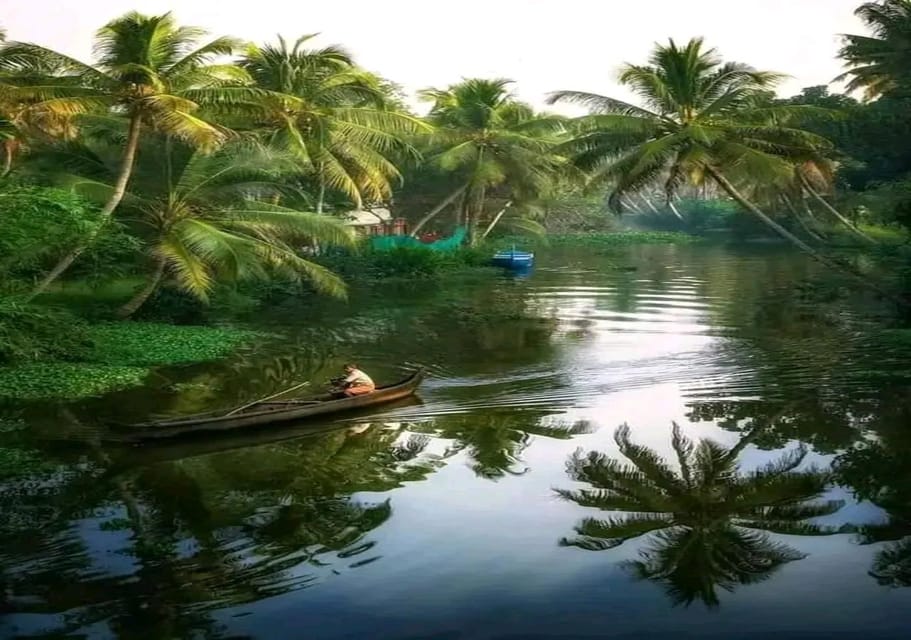
Part of why this tour works is the rhythm: cruise, brief stops, walk-through viewing, then lunch, then more narrow-water exploring. Your day gets built with different “textures,” so it doesn’t feel monotonous.
One version includes time focused on a fishing village—you get a guided look and some walking time framed around local life. These segments tend to be short enough to stay manageable, but long enough to give you more than one photo angle.
There’s also a Vaikom photo stop on the full-day flow (about an hour). Vaikom is included as a snapshot rather than a long deep-dive, so treat it as a pause to see another familiar Kerala riverside face.
After lunch, the full-day option can add narrow canal exploring on an open country boat. This is a good choice if you want the backwater feeling to continue after the main shikara portion. Narrow canals often feel tighter and more “local”—less open water, more bank-side detail.
If you choose the half-day program, you still get the main village craft viewing and the Sadya lunch, but your “extra time” comes off the schedule. You’ll keep things compact, which is great if you’re juggling Fort Kochi sightseeing or other plans the same day.
Half-Day (5-hour) vs Full-Day (7–8 hours): What Changes
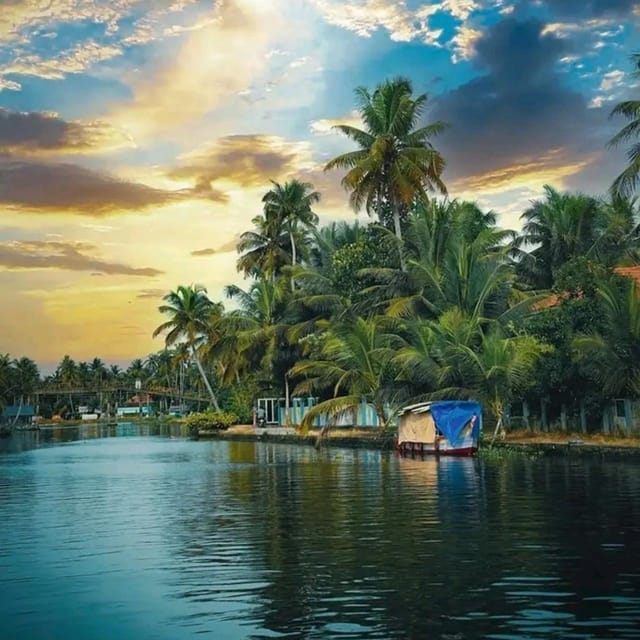
The biggest difference between the 5-hour and 7–8 hour options is how much boat time you get after the first cruise segment, and how many craft themes fit into your route.
On the half-day (about 5 hours) version, you’re looking at a tighter sequence: village craft viewing, the Sadya lunch, plus a narrow canal boating segment described on an open-roof country boat punted by bamboo poles. The half-day craft stops are also described with a wider variety of topics, like coir-making-related work, copra processing for coconut oil extraction, thatching roof mat weaving, arrowroot making, and even a herbal and spices garden visit.
The full-day (about 7–8 hours) version keeps the morning’s backwater cruise and village viewing, then extends the water experience after lunch with narrow canal exploring. It may also include an additional stop at a small cloth weaving center if time permits. If you love watching processes (rather than just seeing finished products), the full-day option usually gives you more breathing room.
If you want my simple rule: choose the half-day if you’re new to Kerala and want a “taste of the backwaters” without losing the rest of your Kochi day. Choose full-day if you want a calmer, longer rhythm where the route has space to feel like a real day in village time.

Price and Value: Is $63 a Fair Deal?
At around $63 per person for 5–8 hours, this trip lands in the “reasonable and structured” category. You’re not just paying for a boat ticket. Your money covers transportation, the gondola/shikara hire, guide time, lunch, entrances/fees, and the basic logistics that usually make day tours painless.
The value part is the combination:
- Boat time using traditional bamboo-pole movement
- Multiple village craft stops tied to coconut fiber, weaving, and related work
- Sadya lunch included (a full meal, not a snack)
- Hotel pickup and drop-off from a long list of Kochi-area locations, plus the option to arrange pickup from nearby towns
Also, the transport piece is highlighted as a strong point. For your day, that matters because poor timing ruins boat tours. When pickup and drop-off run smoothly, you get more time where it counts—on the water and in the village.
Two cost realities to factor in yourself: drinks aren’t included, and you’ll want comfortable shoes for outdoor walking. Bring your own water habits and you’ll feel better throughout the day.
Pickup, Timing, and What You’ll Actually Do
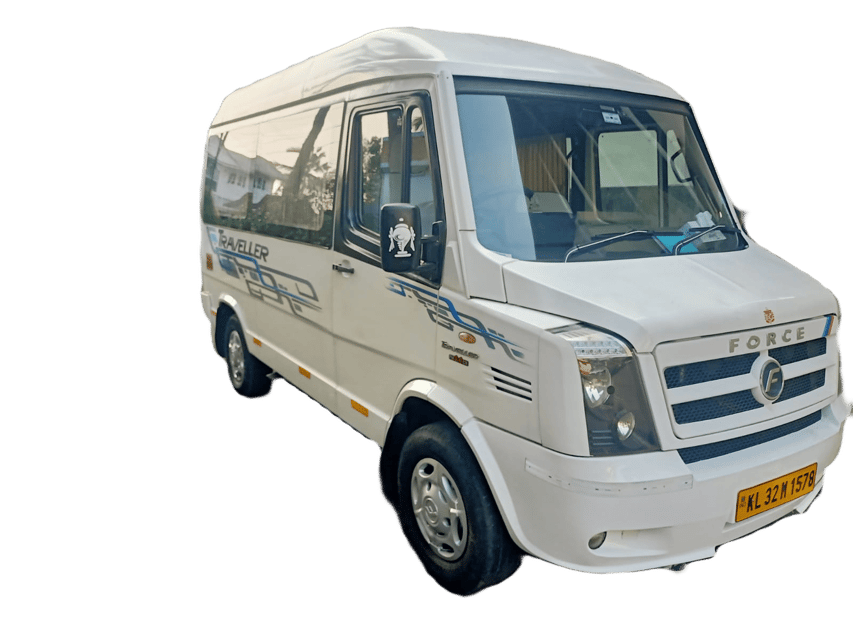
Pickup is one of the most practical strengths here. The operator lists many pick-up points across Kochi, including well-known hotel areas around Fort Kochi, MG Road, Vytilla, and similar zones. The tour is run with transport in a car or van, and the driver is English-speaking.
If you’re staying outside Kochi, pickup can be arranged from nearby areas like Kottayam, Alappuzha (Alleppey), or Kumarakom. This is helpful if you’re doing a Kerala circuit and don’t want to coordinate a separate transfer to Kochi’s backwater access points.
Once you’re onboard, your schedule is built around brief guided explanations at stops. In the field, you’ll be watching how people work: spinning, weaving, coir preparation, and small-scale processing. This is also where you’ll notice the human side—like the coconut stops where a harvester brings down tender coconut water, or how the boat is handled by men using long bamboo poles for movement.
One small note from a described experience: boat operators can work in hot sun conditions. That’s not your job, but it’s a reminder to dress for heat and keep the focus on respectful viewing.
What to Bring (and What to Skip)
The tour info keeps it simple, and I agree with the approach. Bring your passport and any required visa documents if you’re traveling from outside India.
Also, you can’t bring alcohol or drugs on this tour. If you’re traveling with those items, leave them behind.
For comfort, pack like you’re doing a relaxed day outdoors:
- sun protection
- comfortable footwear for short walks and boat boarding
- a plan to stay hydrated since drinks aren’t included
Who This Tour Suits Best
This is a strong pick if you want:
- authentic village craft viewing (weaving, coir, coconut-based processing)
- a quiet backwater feeling, not a loud party boat day
- a real included lunch experience with Sadya
- English-speaking guidance and a well-structured route
You might prefer something else if you dislike outdoor time or you need a very rigid “no walking” plan. The experience includes boat rides plus guided walking and stop-and-look segments.
Age limits matter too. It isn’t suitable for children under 3, and it’s not intended for people over 95.
Should You Book This Kochi Backwater + Village Day?
Book it if you want Kochi’s backwaters with the craft-and-lunch side attached. The best reason is the pairing: a calm shikara ride plus a village route built around working skills—coir spinning, mat weaving, coconut processing, and cloth making—then capped with a proper Kerala Sadya meal.
I’d also book it if you like guides who bring the details to life. In one described day, Arya is credited with clear explanations about local history and the plants and fauna you’ll see around the water. That’s the kind of added value that turns a boat ride into something you remember.
Skip it if you’re only looking for a simple boat trip with no interest in village work. This tour is built around watching real production and everyday life, so it will feel more meaningful to you if that’s your style.