REVIEW · NEW DELHI
Delhi: Private 3-Day Golden Triangle Tour with Hotel
Book on GetYourGuide →Operated by Golden Triangle Holidays · Bookable on GetYourGuide
Three days. Three icons. Zero hassles. This private Golden Triangle route stitches together Delhi, Agra, and Jaipur with an English-speaking driver and guided time at the big-name sights, so you can focus on seeing, not sorting. I particularly like the comfortable private car with pickup in Delhi, Gurugram, or Noida, and I like that the Taj Mahal visit includes the battery bus ride. One thing to plan for: monument entry tickets and meals aren’t included unless you choose the add-on, so your total cost can creep up on arrival.
The schedule is tight in a good way, but it is still three long days of driving plus walking. Keep an eye on closures: the Taj Mahal shuts every Friday, and the Lotus Temple shuts on Mondays, which can change what you can see on those specific days.
In This Review
- Quick hits before you go
- Why this Golden Triangle works better as a private tour
- Day 1 in Delhi: Qutub Minar, India Gate, and Chandni Chowk in one sweep
- Agra at night: arrival strategy and what to plan for
- Day 2: Taj Mahal sunrise, Agra Fort, then Fatehpur Sikri and Abhaneri
- Day 3 Jaipur: Amer Fort, City Palace, Jantar Mantar, then back to Delhi
- Hotel options, rooms, and what the star levels usually mean
- The guide and driver: where the experience gets personal
- Taj Mahal logistics and closures you should not ignore
- Price and value: is $31 a fair deal for a private 3-day circuit?
- Who this tour suits best (and who should rethink it)
- Should you book this Golden Triangle?
- FAQ
- What does the tour include?
- Is hotel accommodation included?
- Are monument entry tickets included?
- What are the Taj Mahal and Lotus Temple closure days?
- What vehicle do I ride in?
- Where can the tour pick you up and drop you off?
- What are the room arrangements like?
- What languages are available for the tour?
- Is the tour suitable for pregnant travelers or people with medical conditions?
Quick hits before you go
- Door-to-door pickup from Delhi, Gurugram, or Noida, plus hotel or airport drop-off
- Private guide + private vehicle, so you’re not stuck with slow group pacing
- Taj Mahal sunrise timing plus an included battery bus ride
- Fatehpur Sikri and Abhaneri stops that add variety beyond the main triangle cities
- Jaipur’s forts and palaces in one day, including Amer Fort and City Palace
- Hotel options from 3 to 5 stars, with daily breakfast when accommodation is selected
Why this Golden Triangle works better as a private tour

Golden Triangle tours can feel like a highlight reel: busloads of people, long waits, and you spending more time negotiating tickets than experiencing places. This one is built around the opposite idea: you get a private air-conditioned vehicle and a private tour guide for sightseeing, with pickup and drop-off tied to your hotel or preferred location.
The biggest value is control. When your day runs slightly ahead or behind, a private guide can often adjust the order of stops or the time you spend at each site. That matters on routes like this, where one traffic jam can otherwise steal an hour.
Another practical win: the tour includes daily breakfast when you select hotel accommodation, and it also provides mineral water bottles. Small stuff, but on a three-day loop that covers a lot of ground, small stuff adds up to less stress.
You can also read our reviews of more private tours in New Delhi


Day 1 in Delhi: Qutub Minar, India Gate, and Chandni Chowk in one sweep
Day 1 sets the tone with a classic mix of Delhi’s monuments and everyday city texture, all in a single guided block before you head for Agra. You’ll be met at Delhi Airport or your hotel, then start with landmarks that represent different sides of the city, not just one era.
Here’s what you can expect, and why it’s worth it:
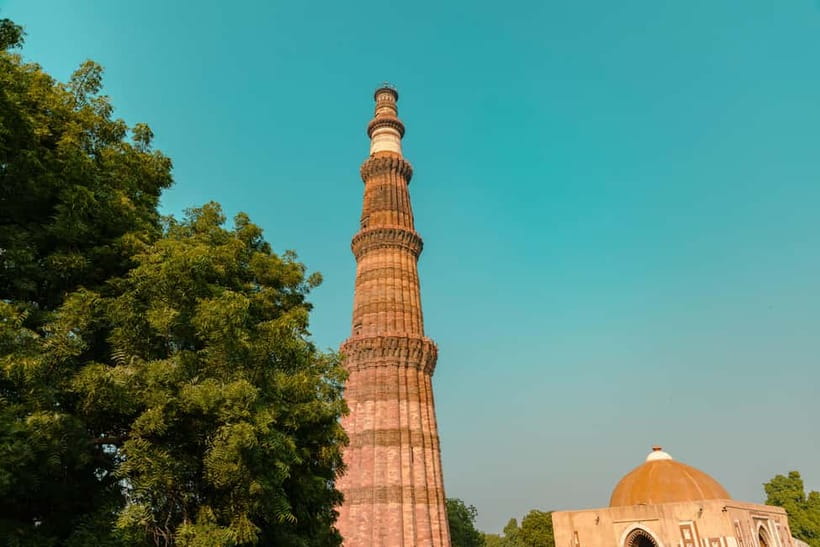
- Qutub Minar: a major historic monument that’s hard to fully “get” from photos. In person, the scale lands fast.
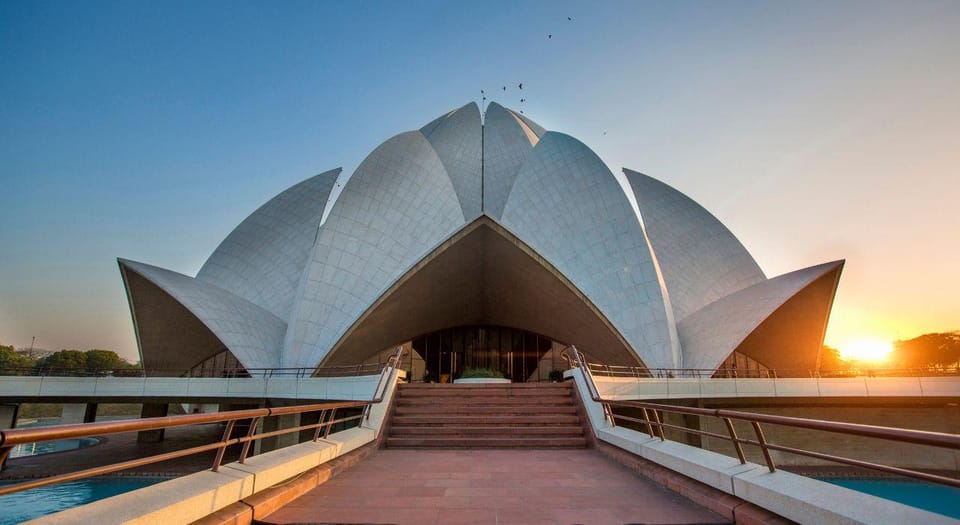
- Lotus Temple: calm and geometric, a nice reset from the more intense street scenes.
- Raj Ghat: a quieter stop that gives the day a reflective pause.
- Chandni Chowk: a busy old-market zone where you’ll feel the city’s energy. The guide time helps you navigate what to look at and where to move next.
- Rashtrapati Bhavan and India Gate: big, formal landmarks that help you understand Delhi’s planned grandeur.
After the sightseeing chunk, you’ll enjoy a local meal (not included in the tour price as a set package, but the day includes a meal break), then drive about 210 km to Agra via the Yamuna Expressway. That expressway routing is exactly the kind of planning detail that keeps the day from dragging.
One practical tip: wear comfortable shoes for Delhi. The walk segments can be short, but the surfaces can vary, especially around market areas.
Agra at night: arrival strategy and what to plan for
Agra is the pivot point of the triangle, and Day 1 keeps it simple: you drive in, check in for the night, and prepare for a very early morning. If you select hotels, you’ll typically have two nights of accommodation across the tour, with rooms usually set up on a twin/double-sharing basis.
This is also where you’ll want to think about your pace and energy. Sunrise at the Taj Mahal is the star of the entire trip, so Day 1 isn’t the day to force extra sightseeing. You’ll already have several major Delhi stops behind you, and you’ll want a good night’s sleep so you don’t feel rushed at the next day’s highlights.
If you’re choosing a higher-end hotel option, you’re paying for comfort and a smoother setup for mornings. Based on past stays arranged for this itinerary, you might see names like Jaypee Palace in Agra as part of a higher-star selection.
Day 2: Taj Mahal sunrise, Agra Fort, then Fatehpur Sikri and Abhaneri
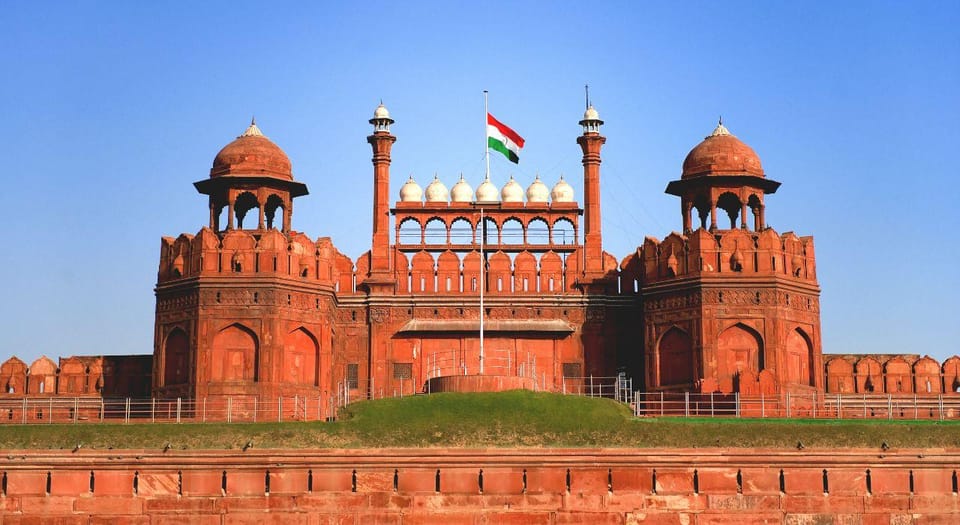
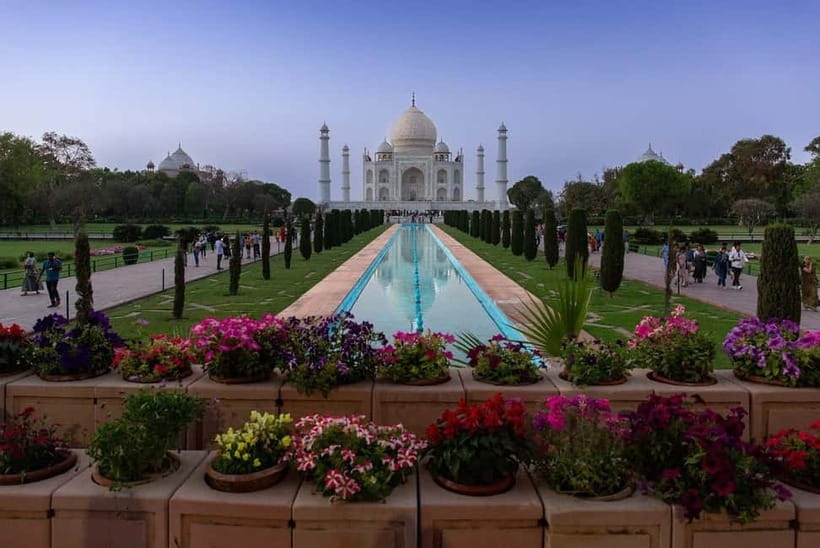
Day 2 is the engine of the whole tour. You’ll meet the day at sunrise at the Taj Mahal, which is the best time to see it at its most photogenic and atmospheric. The included battery bus ride at the Taj Mahal also helps you spend your time where it matters, instead of turning the visit into a long transfer.
What to look for at the Taj Mahal (and why it feels different at sunrise):
- The light changes quickly on the white marble surfaces.
- The crowds tend to be more manageable than later in the day, which helps you focus on details.
- Seeing the symmetry in person is striking, especially when you’re guided to the right viewpoints.
After breakfast, the tour moves to Agra Fort (Red Fort). This stop pairs well with the Taj Mahal because it shows the city’s power and politics, not just its romance. Agra Fort gives context for how these monuments relate to the people and rulers who shaped the region.
Then the day turns toward Jaipur, covering around 250 km, with two high-value detours:
- Fatehpur Sikri: a former Mughal capital that gives you a completely different feel from the Taj Mahal. Even if you’re not a “history person,” the scale and planning of the site can impress.
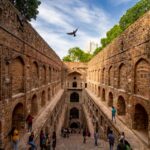
- Abhaneri stepwells: you’ll get to see impressive, older water-structure engineering. It’s one of those stops that can feel like a change of pace from the more obvious palace-and-mosque circuit.
By evening, you’ll reach Jaipur, stopping overnight in the Pink City area.
A drawback to consider on Day 2: the driving plus sightseeing mix can feel like a lot in one day. If you’re sensitive to long days, plan an early bedtime in Agra and keep your water intake steady.
Day 3 Jaipur: Amer Fort, City Palace, Jantar Mantar, then back to Delhi
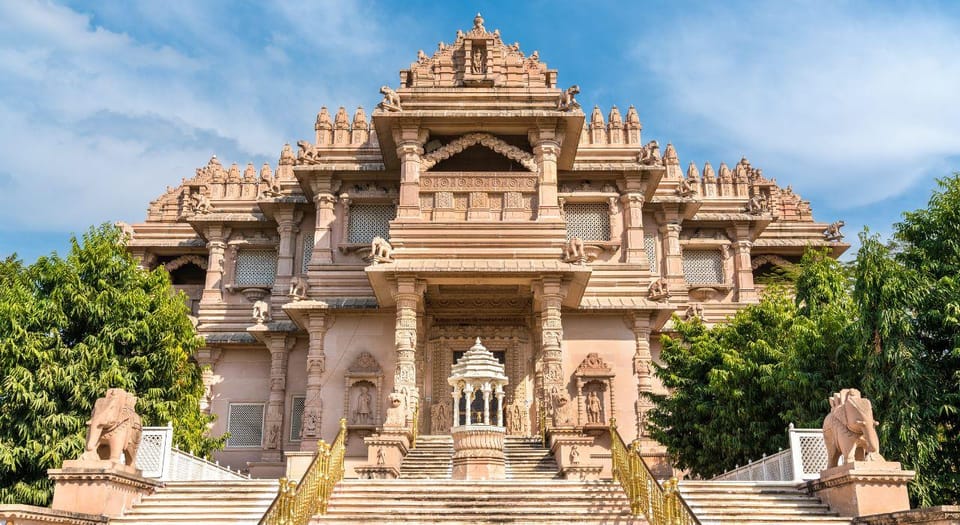
Day 3 is all about Jaipur’s showpieces and the feeling of a city that looks like it was designed to be walked through. After breakfast, your guided route can include:
- Jantar Mantar: iconic stone instruments for measuring time and the sky. It’s unusual and fun to look at with a guide who can explain what you’re seeing.
- Hawa Mahal: the famous facade that’s instantly recognizable, even if you only catch it briefly.
- Jal Mahal: a lakeside palace view that adds a softer, scenic angle to the day.
- City Palace: the big official center, where you can connect Jaipur’s identity to its ruling history.
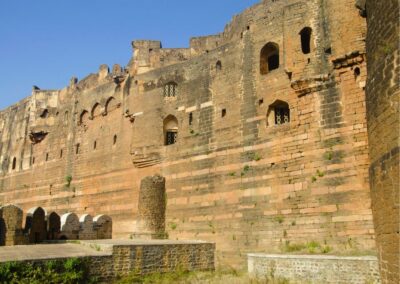
- Amer Fort: the main fortress experience. This is where Jaipur turns from pretty views to serious architecture.
The tour then begins the return drive to Delhi, about 260 km, with drop-off at your hotel or Delhi airport by evening.
The practical upside of finishing here is simple: you end with a “big day,” but you don’t have to fight another overnight logistics step. You can pack, recharge, and then transition to your next plans.
You can also read our reviews of more tours and experiences in New Delhi






Hotel options, rooms, and what the star levels usually mean
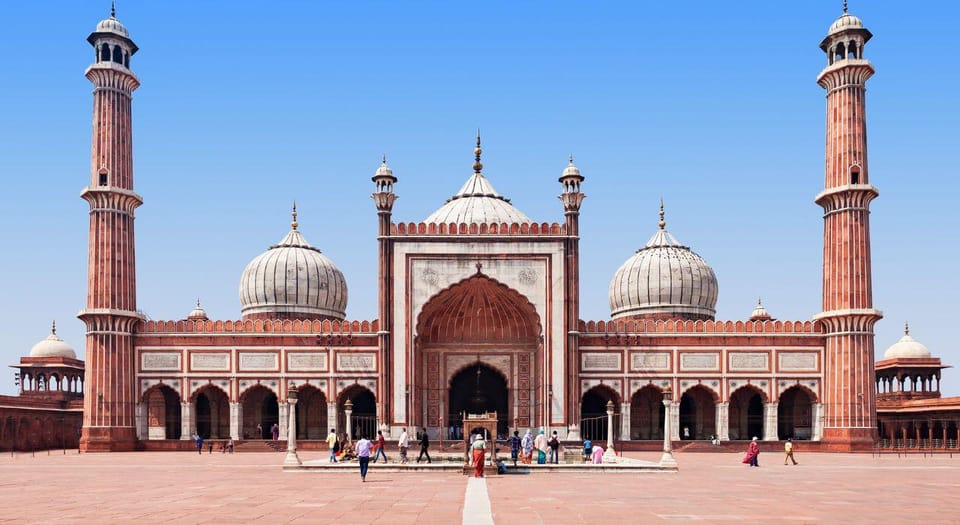
This tour offers hotel selections across 3-, 4-, and 5-star categories, and breakfast is included each day when hotel accommodation is selected. Rooms are typically organized as twin/double-sharing, which is standard for group-friendly private tours.
One detail that matters for families or small groups: if you book for three people, the standard setup is usually a triple-sharing room. If the third person wants a separate room, there can be an additional charge. If that’s relevant for you, it’s worth confirming early so you don’t arrive to a room arrangement surprise.
In the higher-end category, some past arrangements have included hotels such as Novotel in Jaipur, alongside Jaypee Palace in Agra. Even when exact properties vary, the star-category choice mostly changes what you get in comfort: sleep quality, location convenience, and morning ease.
The guide and driver: where the experience gets personal
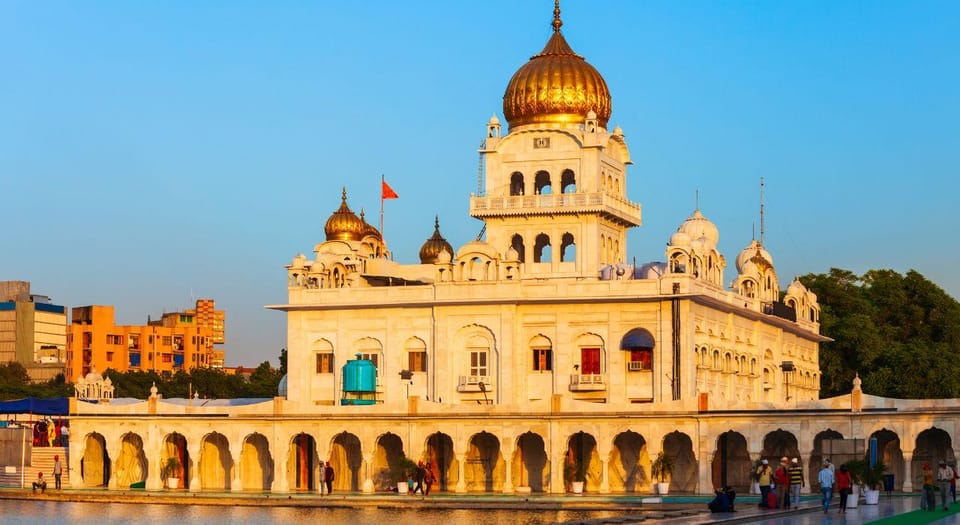
In a private Golden Triangle, the guide can make the difference between “I saw the sights” and “I understood what I saw.” The strongest feedback connected to this kind of tour tends to highlight two things: guides who give clear explanations and drivers who keep your day moving without creating stress.
This itinerary is offered with an English-speaking driver, and guides can operate in several languages such as English, Spanish, German, French, and Italian. Past bookings tied to this tour have also named guides like Maliq, who’s described as thoughtful, responsive to needs, and able to adapt quickly if plans change. Another driver name you may see associated with this route is Nizam, mentioned as kind and understanding, with a strong focus on making the visits feel comfortable.
What you should care about as a reader is the practical impact:
- If you want photo help and good timing, a guide who knows where to stand matters.
- If you want local shopping recommendations, having a guide who can point out reasonable stops helps you avoid tourist traps.
- If you need flexibility because someone feels off that day, an adaptive guide can reduce the sense of schedule failure.
Taj Mahal logistics and closures you should not ignore
A tour can be “perfect” on paper and still fall apart if you hit a closure day. Here are the specific closure rules you should plan around:
- Taj Mahal is closed every Friday.
- Lotus Temple is closed on Mondays.
Because the route is fixed across three days, the easiest way to avoid disappointment is to pick your start day so your key stops don’t land on closed days. If your travel dates include a Friday or Monday, ask for the planned swap options (or adjust your trip days) before you commit.
Another Taj Mahal reality check: monument entry tickets aren’t included unless you choose an option that bundles them. The included battery bus ride helps with internal movement, but it does not replace the ticket requirement.
Also bring your passport or ID card. It’s a basic requirement and it prevents last-minute headaches at security lines.
Price and value: is $31 a fair deal for a private 3-day circuit?
At $31 per person, this price can look almost too good to be true—until you look closely at what’s included. The value comes from the fact that the tour bundles several major costs that often surprise people later: private air-conditioned vehicle, English-speaking driver, private guide sightseeing, pickup and drop-off, mineral water, and all taxes, fuel, parking charges, and driver allowances.
The parts that can affect your final total are also clear:
- Monument entry tickets are not included unless you pick the ticket option.
- Meals beyond what’s built into the day are not included as a packaged set.
So the real question is whether the total you pay is still cheaper than building your own plan with a driver, guides, and hotels. For many people, especially families or groups, private logistics in India can be expensive when you piece it together. Here, the structure is built for you, which reduces the time cost and the coordination risk.
My rule of thumb: if you’re comfortable adding tickets and your preferred meals, the base price can be a strong value. If you want everything fully wrapped with no extras, confirm exactly which option includes entries and which doesn’t.
Who this tour suits best (and who should rethink it)
This is a great fit for:
- People who want a private route with an actual guide, not just a driver
- Families and couples who value comfort and a predictable pace
- Travelers who like seeing Delhi, Agra, and Jaipur without spending days on transportation planning
This may be less ideal for:
- Anyone who needs slower days. The itinerary is packed, and driving days are real.
- Anyone pregnant or with pre-existing medical conditions, since the tour is marked as not suitable for these situations.
- People who rely on alcohol being available on tour. Alcohol and drugs aren’t allowed.
Also note: pets aren’t allowed. If you’re traveling with animals, you’ll need separate arrangements.
Should you book this Golden Triangle?
If you want the classic Golden Triangle with less hassle, I’d say this is worth serious consideration. The combination of private car + private guide, hotel options with breakfast, and the included Taj Mahal battery bus ride makes the trip feel designed for day-to-day comfort.
Book it if:
- You want clear guided time at the big sights
- You’re okay planning for monument tickets as an extra cost
- You want a smooth schedule that still includes meaningful detours like Fatehpur Sikri and Abhaneri
Skip or adjust if:
- Your dates fall on Friday or Monday and you can’t shift them for closure conflicts
- You prefer slow, unhurried sightseeing where each place gets your full day
FAQ
What does the tour include?
The tour includes a private air-conditioned vehicle with an English-speaking driver, comprehensive city sightseeing with a private tour guide, mineral water bottles, pickup and drop-off from your location in Delhi, Gurugram, or Noida, daily breakfast at the selected hotel accommodation, and a battery bus ride at the Taj Mahal.
Is hotel accommodation included?
Hotel accommodation is included only if you select it. The tour provides 2 nights of accommodation when that option is chosen.
Are monument entry tickets included?
Monument entry tickets are not included unless you select an option that includes them.
What are the Taj Mahal and Lotus Temple closure days?
The Taj Mahal is closed every Friday. The Lotus Temple is closed on Mondays.
What vehicle do I ride in?
Vehicle type depends on group size: 1 to 2 people use an AC sedan car (5-seater), 3 to 5 people use an AC Innova Crysta car (7-seater), and 6 to 10 people use an AC mini bus or tempo traveller (12-seater).
Where can the tour pick you up and drop you off?
Pickup and drop-off are available from your hotel, airport, or any location in Delhi, Gurugram, or Noida.
What are the room arrangements like?
Rooms are typically provided on a twin/double-sharing basis. For 3 people, a triple-sharing room is provided, and an extra charge may apply if the third person wants a separate room.
What languages are available for the tour?
Languages offered include English, Spanish, German, French, and Italian.
Is the tour suitable for pregnant travelers or people with medical conditions?
The tour is not suitable for pregnant women and it is not suitable for people with pre-existing medical conditions.