REVIEW · RISHIKESH
3 Days Haridwar Rishikesh Tour From Delhi By Train
Book on GetYourGuide →Operated by Taj Mahal Tourism · Bookable on GetYourGuide
Waking up to the Ganges rhythm is the real draw. This 3 Days Haridwar Rishikesh Tour from Delhi by train strings together the big spiritual hits in a tight, practical loop: Har Ki Pauri at night for Ganga Aarti, then classic Rishikesh bridges and ashram stops during the day, all guided in a private group with a live English-speaking guide. I especially like how it mixes the emotional pull of prayer with straightforward sightseeing that helps you get your bearings fast. One other plus I appreciate is the small “buffer” in the schedule, so you’re not rushing every five minutes.
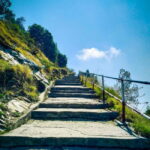
The one drawback to weigh is physical effort. Haridwar’s ghats and temple areas can involve stairs and walking on uneven ground, so this is not a good match if you have mobility limits.
In This Review
- Key highlights worth your attention
- Trains, timing, and how this tour actually runs
- Entering the Ganges world at Har Ki Pauri
- Shantikunj, Pawan Dham, and Bharat Mata Mandir: spiritual stops with variety
- Cable-car temple views: Mansa Devi and Chandi Devi on Day 3
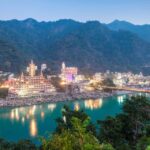
- Rishikesh in a day: bridges, ashrams, and Ganges scenes
- The guide matters more than you think
- Price and value: where $151 really lands
- Who this tour suits best (and who should skip it)
- Quick practical tips before you go
- Should you book this Haridwar-Rishikesh tour from Delhi by train?
- FAQ
- What train does the tour use between Delhi and Haridwar?
- How long is the tour?
- Is the group private?
- What languages are available for the live tour guide?
- Do you need to pay an entrance fee at Beatles Ashram?
- What are the main spiritual stops in Haridwar?
- How do you reach Mansa Devi Temple?
- How do you reach Chandi Devi Temple?
- Is the tour suitable for people with mobility impairments?
Key highlights worth your attention
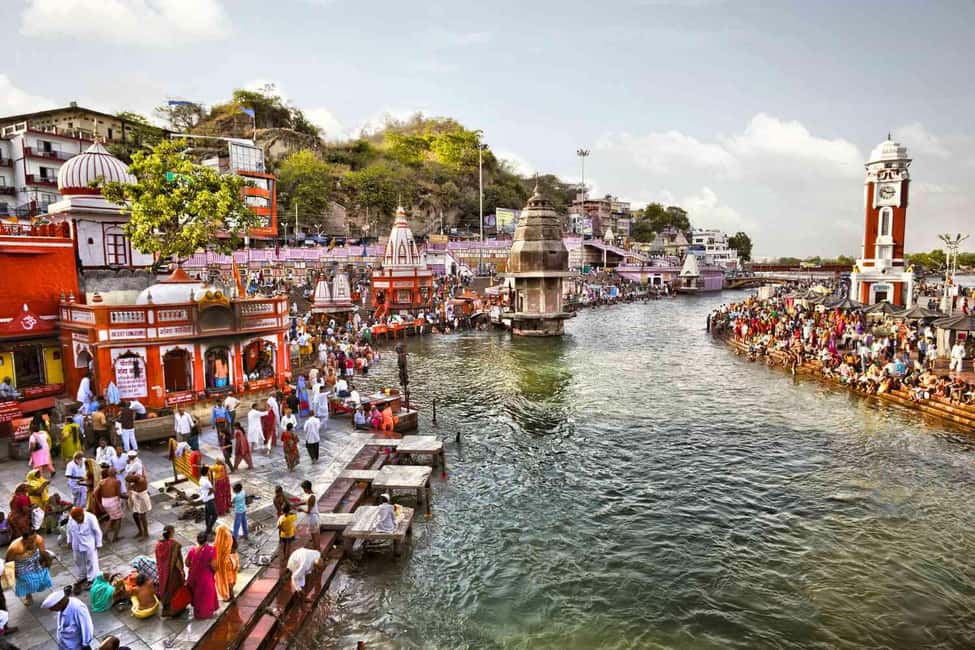
- Har Ki Pauri Ganga Aarti: evening chanting and floating lamps right by the water.
- Mansa Devi Temple by cable car: easier ascent for high views over Haridwar.
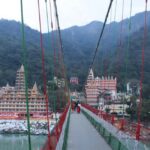
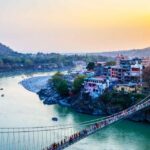
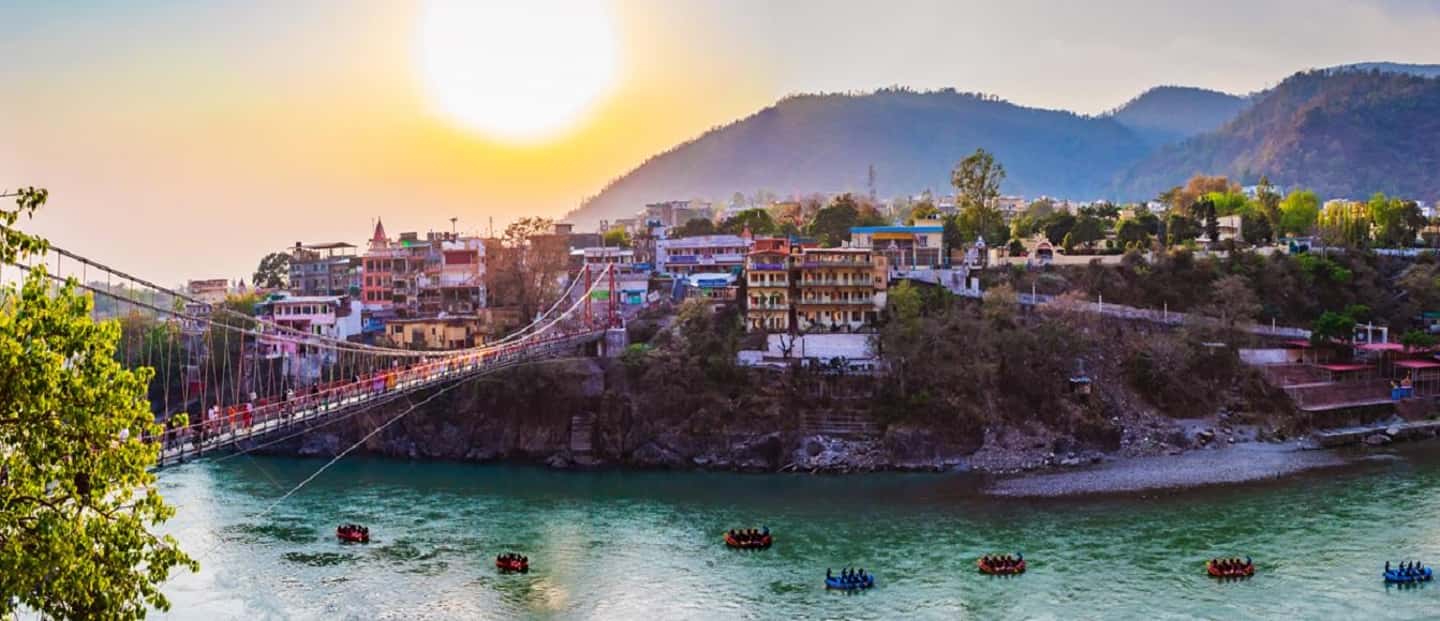
- Rishikesh bridge hopping: Janki Jhula and Ram Jhula give great Ganges sightlines.
- Beatles Ashram stop (Chaurasi Kutia): you’ll see where The Beatles stayed in 1968, with an entrance fee you pay on the spot.
- Guides like Rajeev and Ayush: people are singled out for calm organization and tailoring the experience.
- Private group pace: you move as a group with a live guide instead of guessing on your own.
Trains, timing, and how this tour actually runs
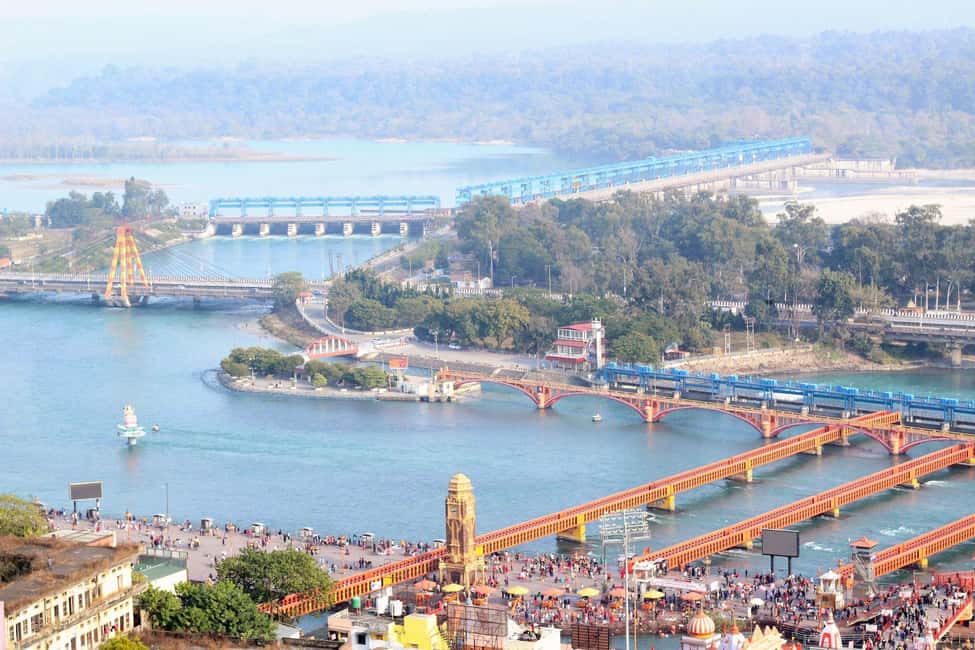
This is a rail-based plan that keeps the stress low. You depart Delhi early on the Shatabdi Express (around 6:45 AM) and reach Haridwar about late morning (around 11:30 AM). That timing matters. You start your sightseeing the same day, rather than losing a full day to transit.
On the return day, you leave Haridwar in the early evening (around 6:00 PM) and arrive back in Delhi around 10:30 PM. In practical terms, it’s long enough to squeeze in a full final temple circuit, but not so late that you’re dropped back in Delhi in the middle of the night.
It’s also worth noting the tour is built around a private group. That helps when you want photos, want the guide to pace you, or you’re traveling solo. A busy, public group can feel like you’re being herded; a private setup usually feels more “you’re with a person, not a crowd.” In the feedback I saw reflected in how the operation is run, guides such as Rajeev and Ayush are praised for staying on top of details and adjusting the feel to the group.
You can also read our reviews of more tours and experiences in Rishikesh
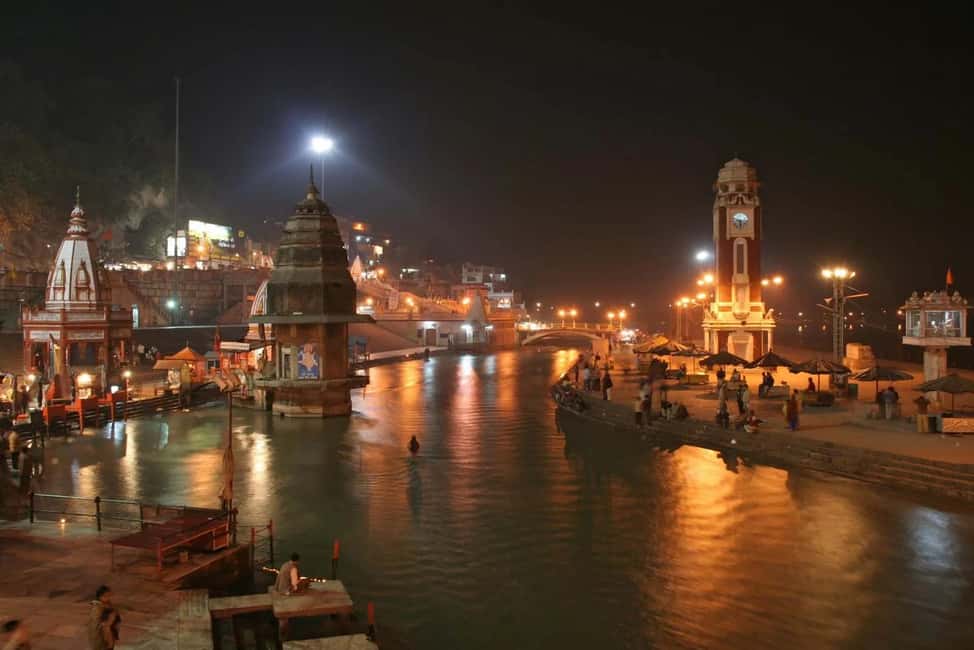
Entering the Ganges world at Har Ki Pauri
Haridwar’s Har Ki Pauri is the centerpiece, especially in the evening. This is where the Ganga Aarti happens—chants, lamps, and a crowd that turns the whole riverside into a slow-moving ceremony. Even if you’re not fluent in local rituals, you don’t need to “get it” intellectually to feel the atmosphere. The sights and sounds do the work.
What I like about this kind of stop is that it’s not just sightseeing. It’s a lived tradition, on the river, in real time. You’ll see people performing the evening worship and floating lamps as part of the ceremony. The key practical tip here is timing: go with enough patience to let the evening unfold. For photography, you’ll want to stand where you can see the lamps without blocking people’s view of the ritual.
If you’re sensitive to crowds, Har Ki Pauri can feel packed at the peak moments. Still, the tour’s guided structure helps you get the right vantage and timing instead of wandering in the wrong direction.
Shantikunj, Pawan Dham, and Bharat Mata Mandir: spiritual stops with variety
After arriving in Haridwar, the tour doesn’t just jump straight to the ghats. You also visit several places that give a wider picture of the region’s spiritual life.
Shantikunj is described as a spiritual and educational center known for peace and calm. In a place where you might expect only temple bustle, this kind of stop offers a quieter tempo. It’s also useful if you want a mental reset after a train journey.
Then there’s Pawan Dham, known for intricate glasswork. If you’ve ever felt temples blur together, this is a strong “texture stop.” The focus on visual detail gives you something concrete to pay attention to while you’re moving from site to site.
The Bharat Mata Mandir is dedicated to Mother India. That may sound symbolic, but temples like this often help you understand how faith and identity show up in public spaces—beyond the usual deity icons.
A fair consideration: these stops are powerful, but they’re also “cultural sightseeing.” If your whole goal is only the Ganga Aarti and you’re not into temple interiors or spiritual campuses, you may wish you had more free time. That said, the mix gives your first day structure and keeps you from feeling like you arrived and just chased one highlight.
Cable-car temple views: Mansa Devi and Chandi Devi on Day 3
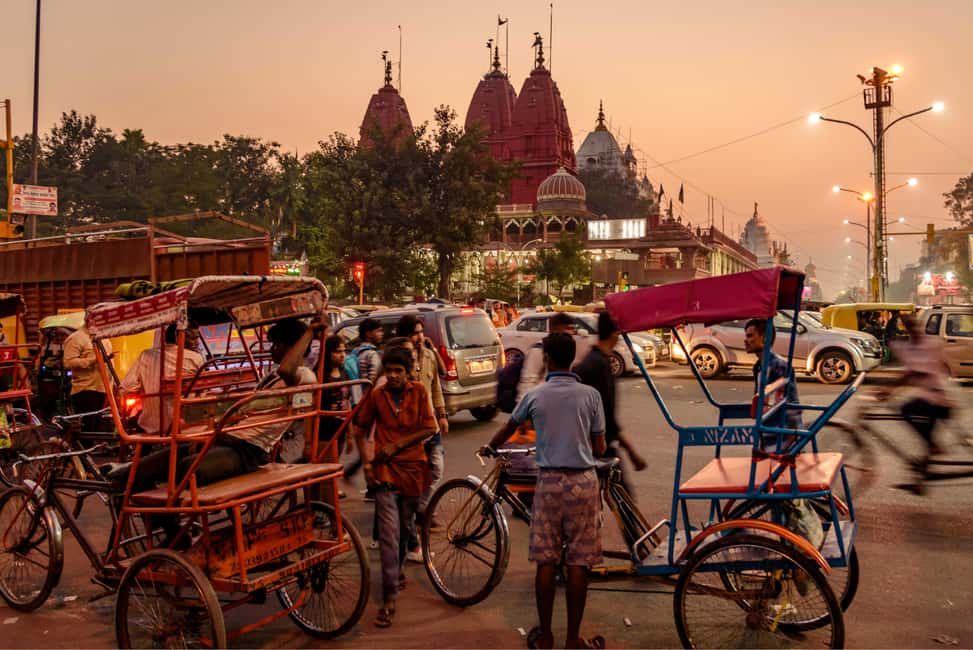
Day 3 leans into heights and viewpoints. You visit Mansa Devi Temple using the cable car. That single detail matters. Instead of burning energy on a steep climb (especially if you’re walking a lot from the previous days), you get an efficient route upward. At the top, you’ll get the panoramic feel that temple-hill sites in Uttarakhand are known for.
Next is Chandi Devi Temple, also reached by cable car or trekking. This is where the tour gives options. If you want an easier day, cable car makes it realistic. If you’re comfortable with a trek, the climb can be part of the experience—just be smart about pace and footing.
Then you round out with additional temple stops: Daksh Mahadev Temple, noted for a peaceful ambiance, and Maya Devi Temple, identified as one of the ancient Shakti Peethas in Haridwar. This is a good pairing because it shifts you from viewpoint worship back to the calmer, devotional feel of smaller circuits.
Practical note: even with cable cars, temple areas usually mean walking, stairs, and time standing around. If you’re traveling with knee issues or balance problems, this is where you’ll feel it most.
Rishikesh in a day: bridges, ashrams, and Ganges scenes
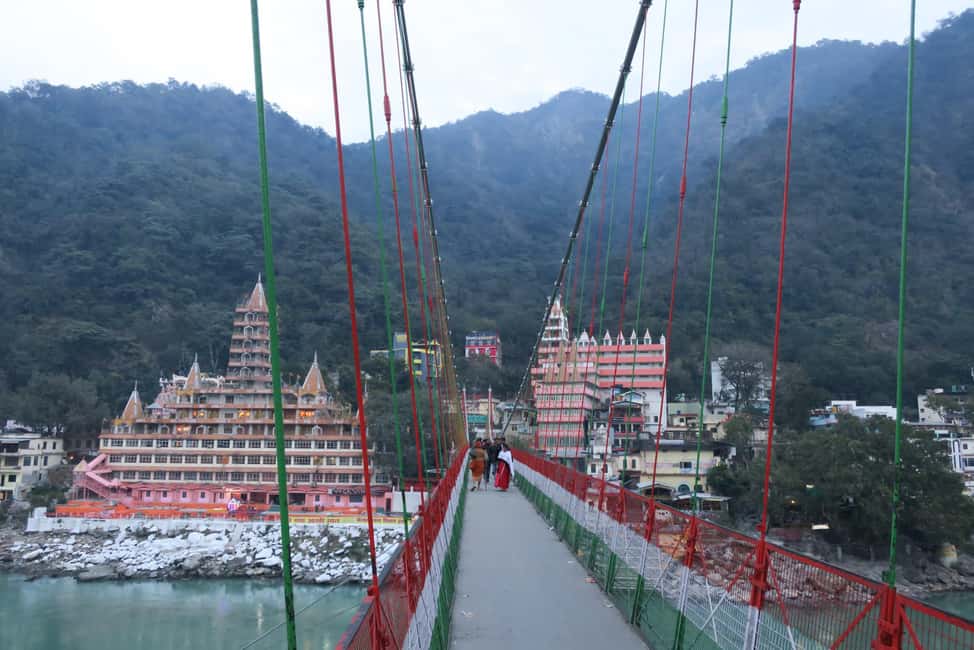
Rishikesh is a different mood from Haridwar. You drive from Haridwar to Rishikesh in about 30 minutes, so the change of scenery happens quickly. That short transfer keeps your schedule intact.
The tour focuses on iconic Rishikesh visuals, especially suspension bridges over the river.
You start with Janki Jhula, a pedestrian bridge with picturesque views of the Ganges. Then you spend time with spirituality-shaped landmarks, including Beatles Ashram (Chaurasi Kutia). This is famous for being connected to The Beatles in 1968. There’s one extra practical detail: the entrance fee is ₹1200 per person, paid by the guest. If you don’t plan for it, it can surprise you—so factor it into your budget.
You also visit Parmarth Niketan, a large spiritual ashram on the banks of the Ganges. That “on the river” location matters: you’re not only inside a campus, you’re part of the river rhythm outside too.
Then comes Geeta Bhawan, described as a complex filled with spiritual teachings and a large bookstore. This is where the tour gives you something grounded. A bookstore stop isn’t flashy, but it’s practical if you want to take home ideas, not just photos.
After that, you visit Ram Jhula, another famous suspension bridge. By then, you start to notice patterns: where the river curves, where light hits the water, and how the bridges frame daily life on both sides.
One consideration: Rishikesh can feel “active” during the day—people, cafés, and frequent movement around the bridges and ashrams. A private guide helps you keep your bearings and avoids wandering into the wrong crowds at the wrong time.

The guide matters more than you think
This kind of spiritual trip can either feel guided and calm—or chaotic and confusing. The difference is how well your guide handles timing, explains what you’re looking at, and keeps the group together.
In the feedback tied to this operator, two guide names stand out: Rajeev for organizing the trip so solo travelers feel safe and relaxed, and Ayush for tailoring the experience to interests. That tailoring is more than a nice touch. It can change how long you spend at places like Geeta Bhawan or how your time gets allocated between bridges versus ashrams.
Also, the tour offers live guiding in multiple languages: English, French, German, Japanese, Russian, and Spanish. If your language is one of those, it reduces a lot of the usual frustration in India tours where you end up translating everything in your head.
Price and value: where $151 really lands
At about $151 per person, this is a mid-range short trip. For 3 days, the value depends on what you compare it to.
What you’re paying for:
- Train travel between Delhi and Haridwar (Shatabdi Express on both ends)
- A guided, private flow through major spiritual stops
- Day-time transportation between Haridwar and Rishikesh
- Skip-the-ticket-line support (so you’re not stuck waiting)
What could add cost:
- The Beatles Ashram entrance fee (₹1200 per person) is paid by you
So is it worth it? If you want a structured spiritual highlights route without planning logistics, then yes. If you only care about one or two sites, the full package might feel like overkill. But most people booking this kind of trip want the full emotional arc: arrival, ceremony at the river, temple circuits, then Rishikesh bridges and ashrams.
One more thing: budget for a few small purchases. Even if the tour handles entry management, you’ll likely want water, snacks, and small offerings depending on your interests.
Who this tour suits best (and who should skip it)
This tour fits best if you want:
- A tight 3-day window with major spiritual stops
- A guided route that helps you avoid dead ends
- A private-group experience with a live guide
- The evening Ganga Aarti at Har Ki Pauri as a must-see
It’s less suitable if you:
- Have mobility impairments, because temple areas and ghats can involve stairs and uneven surfaces
- Want lots of free time to wander independently (this is structured, not slow travel)
For solo travelers, the private setup and the emphasis on safety and organization are major strengths. If you’re traveling as a couple or friends, it’s also ideal because you all move together and don’t spend the day arguing about which bridge or which ashram to prioritize.
Quick practical tips before you go
- Dress for temple visits and evening ceremonies. Bring clothing that covers appropriately and shoes that work on uneven ground.
- If you’re sensitive to crowds, aim to arrive a bit earlier around Har Ki Pauri so you can find your space calmly.
- Keep some cash aside for the Beatles Ashram entrance fee (₹1200 per person).
- For cable car days, wear comfortable footwear. The view is great, but you still walk on temple grounds once you’re up.
Should you book this Haridwar-Rishikesh tour from Delhi by train?
Book it if you want the core spiritual sights of Haridwar and Rishikesh without turning your trip into logistics homework. The combination of Har Ki Pauri’s Ganga Aarti, classic bridge views in Rishikesh, and cable-car temple access makes this a strong “high impact, low confusion” short trip.
Skip it if mobility is a concern or if you prefer unguided travel with lots of downtime. This tour is structured for maximum spiritual sightseeing in three days. If that matches your style, it’s an efficient way to experience Uttarakhand’s Ganges country.
FAQ
What train does the tour use between Delhi and Haridwar?
The tour uses the Shatabdi Express. You depart Delhi around 6:45 AM and arrive in Haridwar around 11:30 AM, then depart Haridwar around 6:00 PM and arrive back in Delhi around 10:30 PM.
How long is the tour?
It runs for 3 days.
Is the group private?
Yes. It’s listed as a private group.
What languages are available for the live tour guide?
The live guide is available in English, French, German, Japanese, Russian, and Spanish.
Do you need to pay an entrance fee at Beatles Ashram?
Yes. The Beatles Ashram (Chaurasi Kutia) stop has an entrance fee of ₹1200 per person, paid by the guest.
What are the main spiritual stops in Haridwar?
Key stops include Shantikunj, Pawan Dham, Bharat Mata Mandir, and the evening Ganga Aarti at Har Ki Pauri. The tour also includes Mansa Devi Temple and Chandi Devi Temple on the final day.
How do you reach Mansa Devi Temple?
Mansa Devi Temple is accessible via cable car.
How do you reach Chandi Devi Temple?
Chandi Devi Temple can be reached by cable car or by trekking.
Is the tour suitable for people with mobility impairments?
No. It’s noted as not suitable for people with mobility impairments.
If you want, tell me your travel month and your walking comfort level, and I’ll help you decide whether this exact pace fits you.