REVIEW · VARANASI
All Inclusive : Private Guided Tour of Varanasi and Sarnath
Book on GetYourGuide →Operated by Limra Holiday · Bookable on GetYourGuide
The Ganges at sunrise changes your day. A private guided sweep through Varanasi and Sarnath pairs that early river calm with major spiritual stops, from Kashi Vishwanath to the Ganga Aarti. I especially like the chance to see the hand-rowed boat ride from the water and the way your guide connects what you’re seeing to the city’s religious meaning.
One note to plan around: the boat engine can make parts of the narration harder to catch, so you may need to lean in when your guide speaks.
In This Review
- Key Highlights You’ll Actually Care About
- A 5:30 AM Start That Makes Varanasi Feel Like Varanasi
- Ganges River by Hand-Rowed Boat: Sunrise Views Without the Usual Guesswork
- Manikarnika Ghat and Assi Ghat: Short Stops That Set the Tone
- Shri Kashi Vishwanath Temple: Why This One Temple Pulls Focus
- Banaras Hindu University (BHU): A Break That Still Feels Connected
- Bharat Mata Mandir and the Marble Map: A Different Kind of Meaning
- A Quick Note on Silk Weaving and Lunch Timing
- Sarnath: The First Sermon Place After Enlightenment
- The Archaeological Museum and the Friday Closure Check
- Dashashwamedh Ghat Ganga Aarti: Fire Ritual at Dusk
- Price and Value: Is $31 a Good Deal for This Much Day?
- Who This Private Varanasi and Sarnath Tour Suits Best
- Should You Book This Private Varanasi and Sarnath Tour?
- FAQ
- What’s the total duration of the tour?
- What time do you get picked up?
- Where can I be picked up and dropped off?
- Is the boat ride included?
- Does the tour include air-conditioning?
- Are monument entry fees included?
- Is food included?
- Where do you watch the Ganga Aarti?
- What language options are available for the guide?
- Is there anything I should bring or avoid?
Key Highlights You’ll Actually Care About
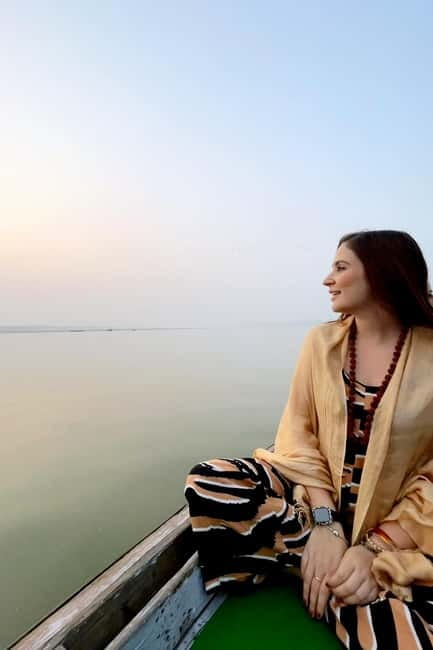
- Early 5:30 AM start so you reach the river at sunrise, when Varanasi feels most cinematic and calm
- Hand-rowed boat on the Ganges to view the bathing ghats and cremation areas from the water
- Kashi Vishwanath Temple + Sarnath sermon site with guided context that helps the sights click
- BHU and the Birla Vishwanath (new Vishwanath Temple) for architecture and museum time without getting dragged
- Bharat Mata Mandir’s marble map of undivided India, a striking change of pace
- Ganga Aarti at Dashashwamedh Ghat at dusk, plus respectful guidance for watching fire ritual near the river
A 5:30 AM Start That Makes Varanasi Feel Like Varanasi
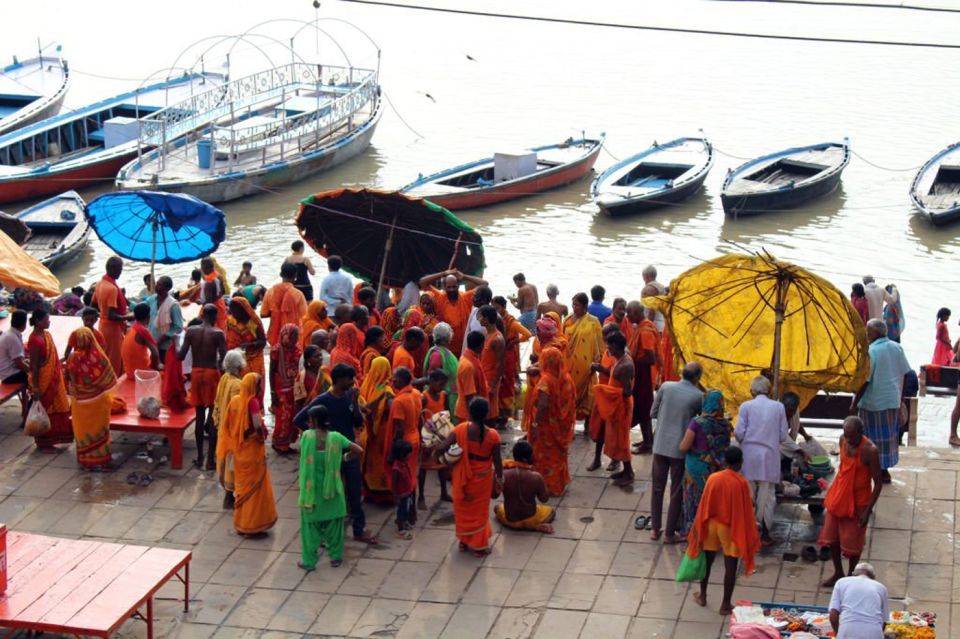
This tour is built around an early departure, with pickup starting at 5:30 AM from your hotel or chosen meeting point. That matters because Varanasi is not a place where the best moments always happen at 11 AM. The day is timed so you can catch the Ganges when the light is soft and the river feels alive without the later crowds taking over.
The trip is private and runs in an AC vehicle for the whole day, which is a real comfort upgrade in Uttar Pradesh, especially after morning travel. You also get a live guide in multiple languages, including English, Spanish, German, French, Russian, Japanese, and Italian, so you can actually follow what you’re seeing.
And yes, the tour ends back at your selected drop-off in Varanasi cantonment, Sarnath, or Varanasi. That makes it easier to keep the rest of your day (or night) flexible.
You can also read our reviews of more guided tours in Varanasi

Ganges River by Hand-Rowed Boat: Sunrise Views Without the Usual Guesswork
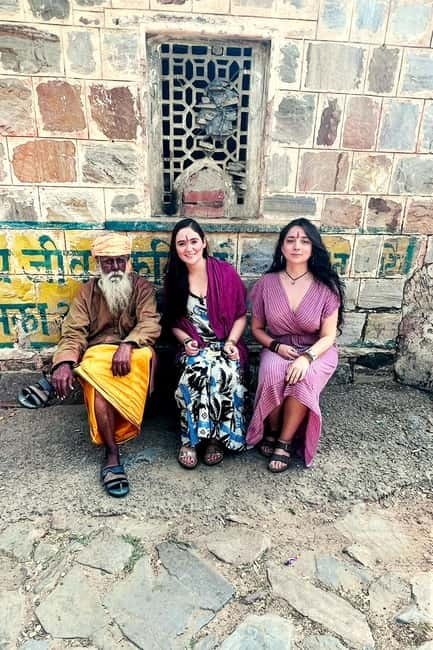
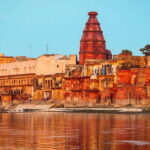
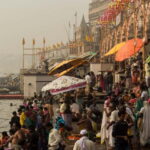
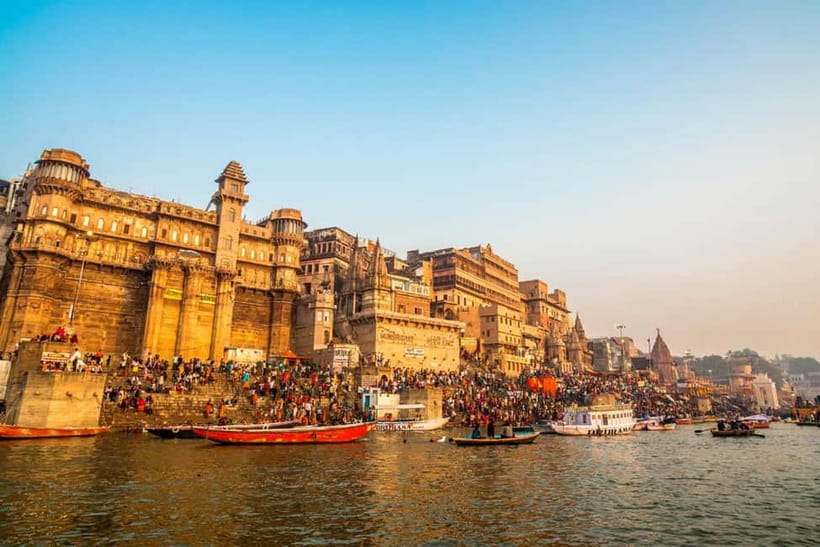
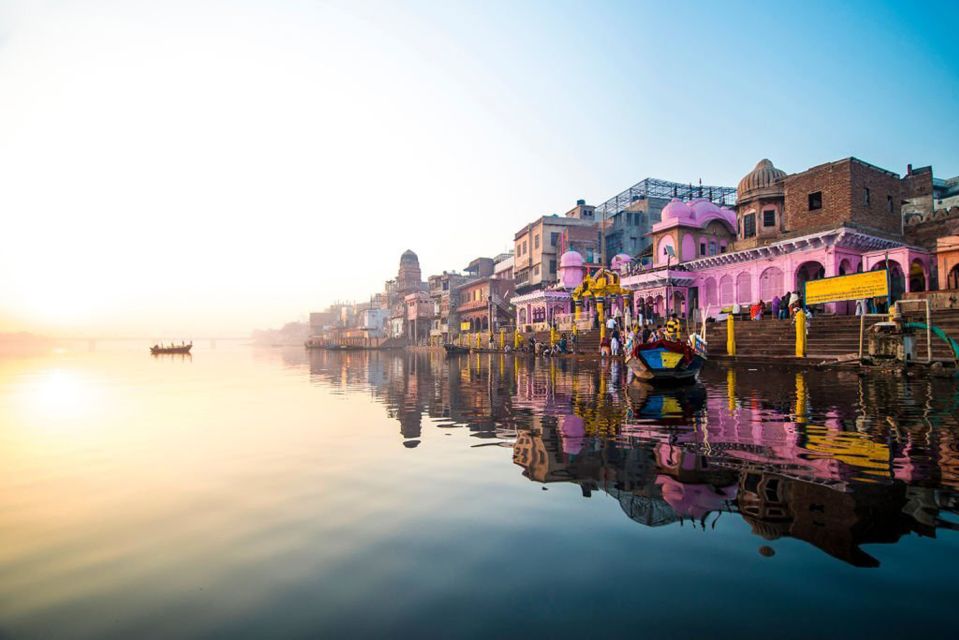
The day begins on the water. After pickup, you head out for a boat ride in a hand-rowed boat on the Ganges. This is where the tour’s value becomes obvious: you’re not just walking past ghats and hoping you’re noticing the right things. From the river, you get a different angle on daily life—bath routines along the ghats, the riverfront activity, and the spread of buildings and temples along the banks.
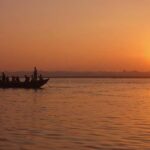
The experience is planned as a sunrise moment from the water, and that timing is exactly why people remember Varanasi. The light is gentler, faces and rituals are clearer, and the river feels less like scenery and more like a living system.
One practical consideration: the boat portion is weather permitting, so if conditions aren’t right, the boat ride may not run. Also, one review mentioned that the guide was a little hard to hear because of the boat engine noise. That’s a small realism check. If you’re trying to follow details, sit where you can hear best and don’t be shy about asking your guide to repeat key points.
Manikarnika Ghat and Assi Ghat: Short Stops That Set the Tone
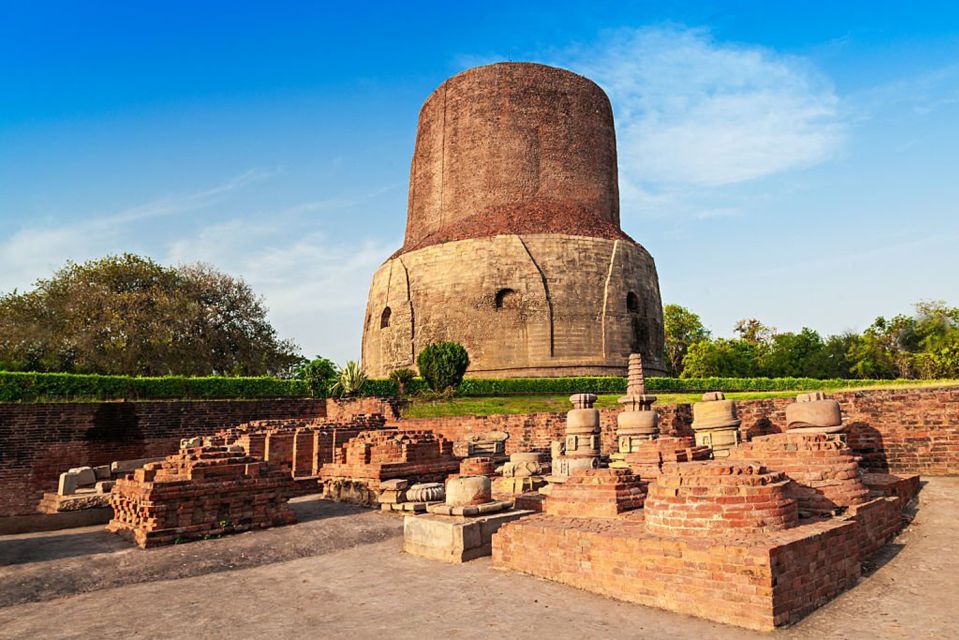
After the morning water time, you’ll make quick photo-and-walk style stops at Manikarnika Ghat and then Assi ghat. Each stop is only about 15 minutes, so the goal isn’t long wandering. It’s more like getting your bearings fast: where you are, what kind of activity you’re seeing, and how these places connect to Varanasi’s spiritual rhythm.
Manikarnika Ghat is strongly associated with cremation along the river. If that topic feels heavy, plan mentally for what you might see. Assi ghat, by contrast, often feels more like a working human river edge, where people gather and the day’s routines take shape.
Even with the short timing, having a guide helps because you’re not left to interpret signs and rituals on your own. You’ll understand what you’re looking at, not just glance at it.
Shri Kashi Vishwanath Temple: Why This One Temple Pulls Focus
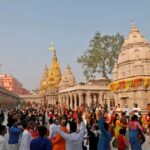
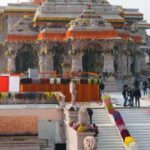
Next comes the Shri Kashi Vishwanath Temple, dedicated to Vishveswara (Shiva). Your guide provides the kind of context that makes this temple more than a “pretty stop.” The temple sits on the western bank of the Ganga and is one of the twelve Jyotirlingas, which are among the holiest Shiva sites in Hindu tradition.
You’ll get roughly 30 minutes here for photo stops and a guided visit. In that time, it’s not about doing everything perfectly. It’s about understanding what matters: who the main deity represents, why this city has such a long spiritual gravity, and how the temple’s location near the Ganga shapes its meaning.
Practical tip: this is the kind of place where you’ll want comfortable shoes and a calm pace. The tour keeps moving, but you still want to be able to pause when something catches your eye.
Banaras Hindu University (BHU): A Break That Still Feels Connected
After temple time, you head to Banaras Hindu University (BHU) for about 15 minutes. BHU was established in 1916, and it’s described as the largest university campus in Asia. On a tour like this, it’s refreshing to step into a different kind of Varanasi than the ghats and temple lanes.
You’ll tour the campus and visit the Bharat Kala Bhavan museum, plus the new Vishwanath Temple (Birla Temple). The Birla Temple is noted as an exact replica of the original Vishwanath Temple. That’s a fascinating contrast: same spiritual idea, different setting and modern context.
If you like seeing how faith, education, and local identity overlap, this stop hits a good note. It’s brief, but it gives your day variety.
You can also read our reviews of more private tours in Varanasi
Bharat Mata Mandir and the Marble Map: A Different Kind of Meaning
Then it’s on to the Bharat Mata Mandir (Bharat Mata Temple), dedicated to the goddess who represents all Indian goddesses and personifies India as a mother figure. Instead of typical statues, you’ll see a huge marble map of undivided India.
This is one of those stops that changes the mood. After temples focused on personal devotion and the river’s rituals, Bharat Mata Mandir brings a national-symbol angle to the day. You’ll spend about 15 minutes, including time for photo stops and guided explanations.
It’s a great “mental reset” between Sarnath and the evening river ritual. And it’s also a reminder that Varanasi’s spiritual world isn’t only about one faith tradition or one type of building.
A Quick Note on Silk Weaving and Lunch Timing
The schedule includes learning about silk weaving traditions of Varanasi, then a break for lunch with own expense. That means you control what you eat, and your guide can point you toward a practical lunch option if you ask.
I like this structure for two reasons. First, it prevents a long food delay from ruining your timing. Second, it lets you choose based on your comfort level with local options.
If you have dietary needs, think ahead. Since food isn’t included, you’ll want to plan your lunch stop carefully rather than assuming the tour will handle it.
Sarnath: The First Sermon Place After Enlightenment
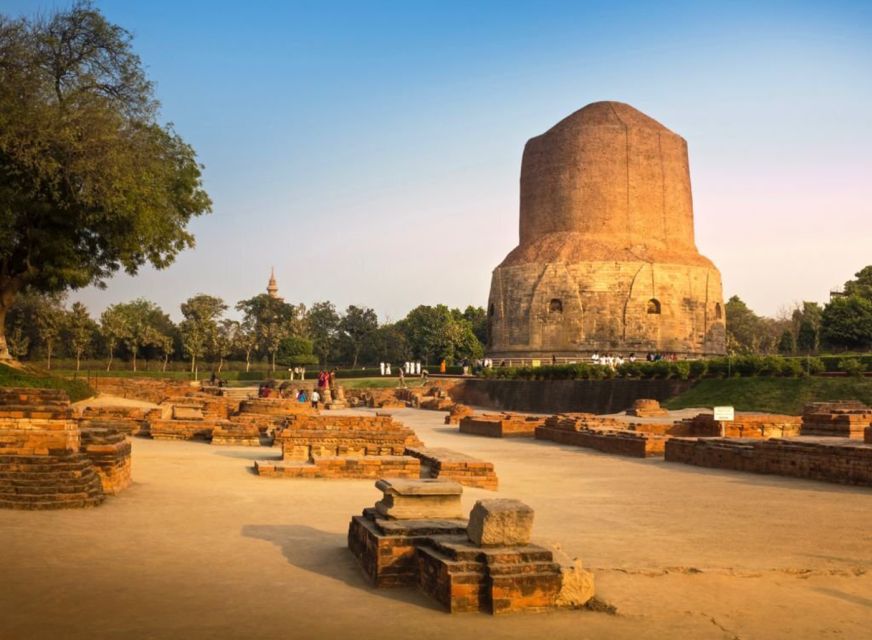
From Varanasi you head to Sarnath, one of the most revered Buddhist pilgrimage centers. The key idea here is simple and powerful: after attaining enlightenment at Bodh Gaya, the Buddha delivered his first discourse here, sanctified as Maha Dharm Chakra Pravartan.
Your Sarnath time is about 1.5 hours, including guided sightseeing. You’ll visit the Dhamekh Stupa and several other structures that show why the site mattered so much at the time.
What I like about this stop on a private tour is pacing. Sarnath can feel big if you’re scanning alone. With a guide, you get the “why” behind each structure, so you’re not just walking between monuments.
The Archaeological Museum and the Friday Closure Check
You’ll also visit the Archaeological Museum at Sarnath. The museum contains treasures dating back to the 3rd-century BC, though it’s noted as closed Fridays.
This is worth highlighting because it changes what you’ll experience depending on the day. If your tour happens on a Friday, your visit may focus more on the outdoor sites. If it’s any other day, you get that extra layer of physical evidence: artifacts that help anchor the religious storytelling to older material.
If you care about details and objects, you’ll appreciate the museum time here more than you might expect, because it turns “place in history” into something you can actually see and point to.
Dashashwamedh Ghat Ganga Aarti: Fire Ritual at Dusk
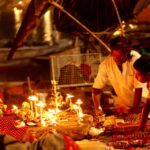
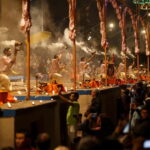
The tour ends with a return to Dashashwamedh Ghat to watch the evening Ganga Aarti ceremony. The Aarti is a devotional Hindu ritual performed at dusk using fire as an offering to Maa Ganga, described as the goddess of the holy river.
Your tour includes about 1 hour here for photo stops and guided explanation. This is where Varanasi feels intensely alive in a way that’s hard to replicate anywhere else. The river is the stage, the people are the participants, and the ritual moves with a kind of steady rhythm.
Two practical points. First, dress and behavior matter around religious ceremonies. Wear shoes you can stand in comfortably if you’re watching for a while. Second, respect the space of people who are there for worship, not sightseeing. If you treat it like you’re joining a meaningful moment, the experience lands much better.
Price and Value: Is $31 a Good Deal for This Much Day?
At $31 per person for a 7-hour private guided tour, the value is strong on paper, especially because you get: AC transport, pickup and drop-off from major points, a private live guide, and a morning boat ride if selected and weather allows it. That’s a lot of services packed into one set day.
What you should double-check is how the “included” details apply to you. Monuments entry fees are included only if the option is selected, and food and drinks are not included. Those two lines can change your total cost depending on your choices and whether you plan a modest or bigger lunch.
For most people, though, the pricing still makes sense because you’re paying for time, logistics, and guidance. In Varanasi, guidance isn’t a luxury. It helps you interpret what you’re seeing at ghats, inside a major temple, and at Sarnath without wasting hours figuring it out.
Who This Private Varanasi and Sarnath Tour Suits Best
This is a strong fit if you want a structured day with an expert guide and you like spiritual sites plus city context. It’s especially good for first-time visitors who don’t want to piece together transport and timing on their own.
It’s also a good match if you appreciate a mix of stops: the river by boat, temple visits, a university/museum interlude at BHU, then the Buddhist core at Sarnath, and finally the evening river ceremony.
However, it may not suit everyone. The tour is listed as not suitable for pregnant women, and the day includes early morning travel plus standing and walking in religious settings. If you have mobility limitations, this is worth thinking through in advance.
Should You Book This Private Varanasi and Sarnath Tour?
If your dream Varanasi day includes sunrise on the Ganges, Kashi Vishwanath, Sarnath’s sermon sites, and the Ganga Aarti at dusk, I’d say this tour is an easy yes. The private guide factor is the glue that makes the stops feel connected, not random.
My only caution is the morning boat audio. If you’re the type who wants to catch every word, sit where you can hear best, and be ready for some engine-noise interference. Also, if you want the Sarnath museum specifically, check whether your date falls on a Friday since it’s noted as closed then.
Overall, for the time you get and the number of major locations covered, this feels like good value, as long as you’re comfortable with an early start and spending your lunch on your own.
FAQ
What’s the total duration of the tour?
The tour runs for 7 hours.
What time do you get picked up?
Pickup starts at 5:30 AM from your hotel or your chosen location in Varanasi.
Where can I be picked up and dropped off?
You can choose pickup from Varanasi, Sarnath, or Varanasi cantonment, and you can be dropped off at Varanasi cantonment, Sarnath, or Varanasi.
Is the boat ride included?
The morning boat ride is included if you select that option and it runs weather permitting.
Does the tour include air-conditioning?
Yes. You travel in an AC vehicle for the entire day.
Are monument entry fees included?
Monuments entry fees are included if the option is selected.
Is food included?
No. Food and drinks are not included, though the schedule includes a break for lunch (own expense).
Where do you watch the Ganga Aarti?
You return to Dashashwamedh Ghat to watch the evening Ganga Aarti ceremony.
What language options are available for the guide?
The live guide is available in English, Spanish, German, French, Russian, Japanese, and Italian.
Is there anything I should bring or avoid?
Bring comfortable shoes. The tour notes no alcohol and drugs, and it is not suitable for pregnant women. Also, the Sarnath museum is closed Fridays.