REVIEW · RISHIKESH
Guided Ashram Walk Tour in Rishikesh with a local
Book on GetYourGuide →Operated by Yo Tours · Bookable on GetYourGuide
Rishikesh runs on devotion and street chatter. In this 2-hour local-guided ashram walk, you move through major spiritual stops and end with the Ganga Aarti on the Ganga’s banks, with a local guide translating the meaning behind what you’re seeing.
I also like how the route is short but packed: Beatles Ashram, Sivananda Ashram, and the big-name Parmarth Niketan scene, plus time to get a feel for everyday Rishikesh life.
One consideration: the experience can be uneven in execution, so you’ll want to confirm meeting details and any entrance-fee expectations ahead of time.
In This Review
- Key Things I’d Watch for (Before You Go)
- Rishikesh in Two Hours: What This Walk Actually Feels Like
- The Ganga Aarti: Where the Tour Becomes a Memory
- Parmarth Niketan: Big Ashram, Real Daily Life
- Beatles Ashram: 1960s Myth Meets Present Reality
- Sivananda Ashram: Slower Energy in the Same Town
- Beyond Ashrams: Streets, Markets, and Local Flavor
- The Guide Factor: Stories in English and Hindi, with Mixed Results
- Private Car Transportation: Helpful for a Short Window
- Price and Value: When $18 Makes Sense (and When to Be Careful)
- Practical Tips So Your Tour Goes Smoothly
- Who This Is Best For
- Should You Book This Ashram Walk Tour in Rishikesh?
- FAQ
- How long is the guided ashram walk tour?
- How much does it cost?
- What languages does the guide speak?
- Is this tour private or shared?
- Is entrance to the historical sites included in the price?
- Is food or drinks included?
- Does the tour include transportation?
- What should I bring?
- Is there free cancellation?
- Can I reserve now and pay later?
Key Things I’d Watch for (Before You Go)

- Ganga Aarti timing matters: plan for a sunset-to-early-evening feel where the riverfront gets the focus
- Entrance fees aren’t included: you may pay at at least some ashram sites like Beatles Ashram
- English level can vary: one guide was light on English for some bookings, so clarify language needs
- Meeting point clarity: a few bookings reported confusion, including wrong hotel pickup details
- Short tour, big contrast: quiet meditation spaces, then lively streets and river ceremonies
Rishikesh in Two Hours: What This Walk Actually Feels Like
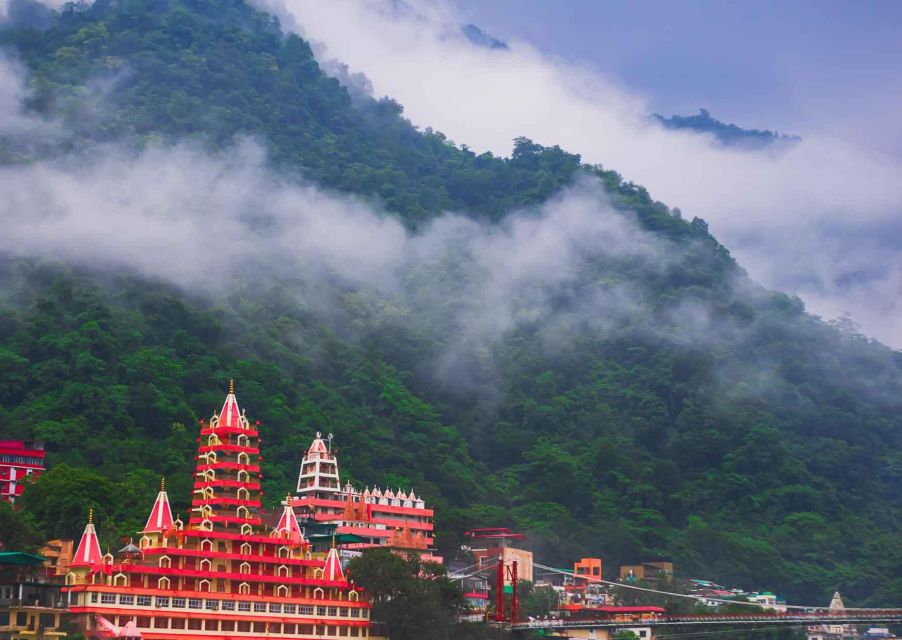
Rishikesh is the kind of place where silence and chaos share the same sidewalk. One minute you’re near chanting and incense; the next you’re watching people weave through storefronts and street snacks. That’s why I like a tight 2-hour format here: you get the emotional highlights without losing the plot to long transit.
This walk is built around ashrams and temples—plus the riverfront moment that pulls it all together. You’re not just ticking off famous names. A good part of the value is the local storytelling: you hear what these places mean to people who live with yoga and devotion in their daily rhythm, not just as a tourist theme.
That said, the “private group” promise means your experience depends heavily on the guide showing up on time and matching the plan you expected. With a small window like two hours, it’s worth staying alert about logistics.
You can also read our reviews of more walking tours in Rishikesh

The Ganga Aarti: Where the Tour Becomes a Memory
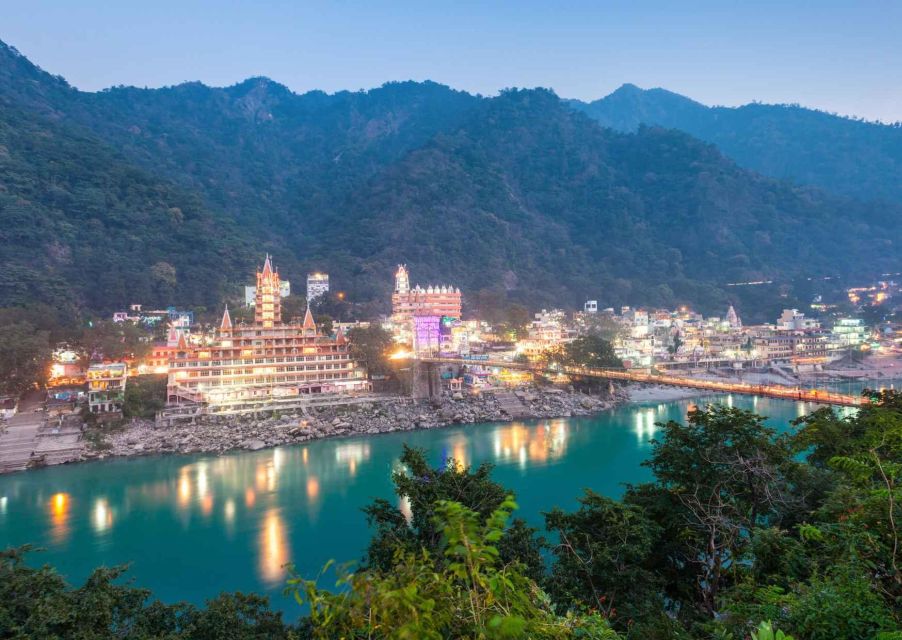
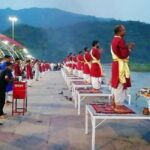
If you only remember one moment from Rishikesh, it should probably be Ganga Aarti. This is the ceremony along the banks of the Ganga where lamps and prayers create a moving pattern on the water and the crowd. Even if you’re not sure what every chant means, you feel the structure: call-and-response, breath, and the slow tightening of attention.
On this tour style, the ceremony is treated like the emotional climax. You’ll typically arrive with enough time to settle in, then watch as the atmosphere builds. I’d suggest you pay attention to details that tourists often skip: how people stand, where they face, and how the riverfront energy changes as the ceremony continues. That’s where the “spiritual heart” becomes real instead of theoretical.
Also, keep in mind that riverfront areas can get crowded fast. Comfortable shoes help, and if you’re sensitive to crowds, try to keep your phone use respectful and your space flexible.
Parmarth Niketan: Big Ashram, Real Daily Life
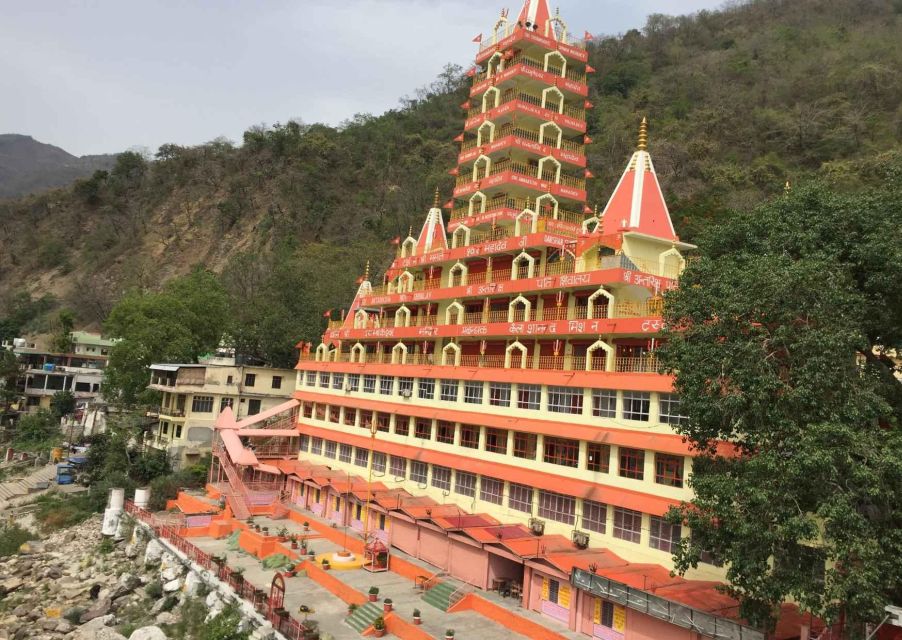
Parmarth Niketan is one of the most recognized spiritual centers in Rishikesh, and it’s the kind of place where scale changes the vibe. Smaller ashrams can feel like a quiet room you step into. Parmarth feels more like a living campus where devotion, community routines, and visitors coexist.
This is a great stop if you want to understand the difference between a place that holds tradition and a place that sustains a schedule. You’ll likely get context from your guide about why Parmarth matters and how it fits into Rishikesh’s reputation as the Yoga Capital of the World.
One practical benefit: because it’s so prominent, you’ll usually see enough activity to keep the visit from feeling like a photo stop. If your guide is strong, you’ll come away with a clearer sense of how yoga and meditation culture functions here today, not just how it used to exist.
Beatles Ashram: 1960s Myth Meets Present Reality
The Beatles Ashram connection is part history, part legend, and part real spiritual curiosity from the 1960s. It’s where Western pop culture overlaps with India’s search for meaning. That collision is exactly why this stop can feel fascinating—even if you’re not a Beatles fan.
Do expect a possible cost issue: entrance fees to historical sites are not included, and one booking specifically noted additional payment at the Beatles Ashram. Before you go, ask your guide (or confirm through the provider) whether you should bring cash for entry at this specific site.
If you want to make the most of it, don’t treat it like a museum. Watch how people behave there: who bows, who quietly reads, who simply walks through with calm attention. That’s the clue that the place isn’t only about fame—it’s about what visitors are seeking.
Sivananda Ashram: Slower Energy in the Same Town
Where some parts of Rishikesh can feel like a spiritual theme park, an ashram like Sivananda Ashram can feel more grounded and quiet. That contrast matters. It helps you see that Rishikesh isn’t one single style of devotion—it’s multiple approaches living side-by-side.
Even in a short walk, this kind of stop gives you a chance to slow down. You’ll likely notice differences in the atmosphere: how people sit, the way courtyards are used, and how the space encourages mindful movement. If you’re the type who enjoys observing rather than just collecting facts, you’ll get more out of Sivananda than you might expect.
The key is pacing yourself. Two hours goes fast, so when you reach a quieter area, let your eyes adjust and don’t rush the moment just to “fit everything in.”
You can also read our reviews of more guided tours in Rishikesh

Beyond Ashrams: Streets, Markets, and Local Flavor
A big part of what makes Rishikesh feel like a real destination is what’s happening outside the gates. This tour includes time to wander Rishikesh streets—where you can see the market rhythm, local artisans, and the street-food scene.
This is not a food tour, and drinks/food other than what’s mentioned are not included. But even without a formal tasting plan, street browsing helps you understand why so many people come here. You’ll see yoga gear and spiritual books next to everyday basics, and that mix tells you something important: the spiritual economy here is practical, not just poetic.
If you’re hungry, keep a small cash buffer and choose snacks that match your comfort level. If you’re sensitive to spice, you’ll have a better time planning for mild options.
The Guide Factor: Stories in English and Hindi, with Mixed Results
A huge part of your experience is the guide’s storytelling. The tour includes a friendly Storyteller/Guide who speaks English and Hindi, and that translation layer can turn a set of buildings into a coherent picture.
In a couple of bookings, the guide wasn’t very strong in English, and in one case the experience didn’t match what was described. That’s why I’d treat language expectations as something to clarify before you commit your time.
If you care about detail—names, meanings, and context—send a quick message or ask on the spot about how the explanation will be delivered. You’ll still benefit even with partial translation, but knowing what to expect helps you avoid frustration.
Private Car Transportation: Helpful for a Short Window
Even though it’s called a walk tour, the plan includes private car transportation so you’re not spending your whole two hours stuck in local transit. That’s smart in Rishikesh, where distances feel longer than they look on a map.
In practice, this means the day is shaped around short, high-impact stops rather than long travel segments. You’ll get more time at ashrams and the Ganga Aarti, which is exactly what you want with a limited duration.
Just keep in mind that some past experiences reported pickup or meeting-point confusion. Before you depart, double-check the exact meeting location. When the timing is tight, a wrong hotel detail can eat up precious minutes.
Price and Value: When $18 Makes Sense (and When to Be Careful)

At $18 per person for about two hours, this can be a good value if you get the full flow: smooth guide guidance, proper arrival at the listed stops, and the ceremony timing working out well.
But the “value” depends on what else you pay for on-site. Entrance fees to historical sites are not included, and at least one booking noted extra payment at Beatles Ashram. So the real cost can rise a bit depending on your route and the fees assessed at specific locations.
Also, the overall rating for this kind of booking is low (2.3 across 7 reviews). That doesn’t mean every tour is a disaster, but it does signal that reliability can be hit-or-miss. If you’re the type who gets stressed when plans change, make your call carefully.
Practical Tips So Your Tour Goes Smoothly
Here’s how I’d set yourself up for a better experience in Rishikesh:
- Bring comfortable shoes that handle uneven temple paths and riverfront areas
- Carry some cash for possible entrance fees, especially for Beatles Ashram
- Confirm meeting point details in advance—especially the exact hotel name and area
- If you prefer English, ask your guide (or the provider) what the explanation style will be like in English
- Keep your phone charged. You’ll want to remember the Ganga Aarti mood, not fight with a dead battery during the best moment
One more thing: if your visit overlaps with major festivals, double-check timing. One booking involved a Diwali-related change request, and the tour was later canceled. That’s a reminder that schedules can shift around religious calendars.
Who This Is Best For
This tour is a strong fit if you want:
- A compact introduction to Rishikesh’s ashrams and devotional culture
- A guide-led story layer, not just random sightseeing
- The Ganga Aarti as a centerpiece moment
- A private-group experience with local conversation in English or Hindi
It might not be the best fit if:
- You need ultra-reliable meeting logistics with zero ambiguity
- You’re very sensitive to schedule changes in a short timeframe
- You expect everything to be fully inclusive (entrance fees are not included)
Should You Book This Ashram Walk Tour in Rishikesh?
I’d book it if you’re flexible, you’re okay with paying small entrance fees on-site, and you treat confirmation as part of the fun (send a quick message, verify the meeting point, and have Plan B for transport timing). At $18, the upside is real: multiple ashram stops, local context, and the Ganga Aarti moment.
Skip it or choose a different option if you can’t tolerate uncertainty. With a low overall rating and reported issues like missing or late guide coordination, it’s the kind of booking where preparation really matters.
If you do book, go in with the right mindset: you’re buying access to stories and sacred atmosphere, not guaranteed perfection. That’s often the difference between a tour that feels meaningful and one that feels like it rushed past you.
FAQ
How long is the guided ashram walk tour?
The tour lasts 2 hours.
How much does it cost?
The price is $18 per person.
What languages does the guide speak?
The guide speaks English and Hindi.
Is this tour private or shared?
It’s listed as a private group.
Is entrance to the historical sites included in the price?
No. Entrance fees to historical sites are not included.
Is food or drinks included?
Drinks and food other than what’s mentioned are not included.
Does the tour include transportation?
Yes, private car transportation is included for a comfortable journey.
What should I bring?
Comfortable shoes.
Is there free cancellation?
Yes. You can cancel up to 24 hours in advance for a full refund.
Can I reserve now and pay later?
Yes. You can reserve now and pay later.