REVIEW · CHENNAI
Chennai: Mylapore Walk for an immersive cultural experience
Book on GetYourGuide →Operated by 5 Senses Tours · Bookable on GetYourGuide
Four faiths, one walk in Chennai. I like how this guided Mylapore walk turns temple rituals into understandable stories, and you get to see St Thomas’s relic shrine at San Thome Cathedral within a tight 2.5 to 3 hours. It’s one of those experiences where you don’t just look at old buildings—you learn what people are doing and why, as you move from one sacred tradition to the next.
Plan for temple rules before you go. The tour requires a dress code (cover knees and shoulders, no shorts/sleeveless tops) and you’ll need to remove footwear before entering places of worship, so pack accordingly if you’re in warm weather.
In This Review
- Key highlights to know before you book
- A Mylapore walk that makes religion make sense
- Starting at Ramakrishna Math: history, philosophy, and a calmer pace
- The universal temple experience: what you’ll actually see
- Kapaleeswarar Temple: Dravidian architecture and ritual with reasons
- The Jain temple stop: Vasupujya Swami and plural worship
- San Thome Cathedral Basilica: St Thomas relics in neo-Gothic style
- How the guide handles the many-gods question
- Price and value: is $49 worth 2.5 to 3 hours?
- Pacing and group size: small and manageable
- Practical matters: dress code, shoes, and what to wear
- Who should book this Mylapore cultural walk?
- Should you book this Mylapore walk?
- FAQ
- FAQ
- How long does the Chennai Mylapore walk take?
- Where do we meet the guide?
- What are the main places included on the walk?
- Is the tour guide available in English?
- What does the price include?
- Is food included?
- What should I wear?
- Do I have to remove my shoes?
- Can I get a refund if my plans change?
- Can I pay later?
Key highlights to know before you book
- Ritual logic, explained simply: you’re guided through the meaning behind what you see at each temple
- San Thome Basilica relic stop: the visit includes the shrine connected to Apostle St Thomas
- Ramakrishna Math as a starting point: you begin at a monastic organization with a “universal temple” focus
- Four distinct sites, close together: a fast route that fits limited time in Chennai
- Guides who stay human and flexible: guides like Kannan/Kennan, Kalpana, Jaunth, and Harish are described as engaging, and Harish is noted for responding when kids needed a quick break for coffee and snacks
A Mylapore walk that makes religion make sense
Chennai can feel big and spread out, so I like tours that work like a guided map for how the city thinks. This walk in Mylapore does that by grouping four major spiritual stops into one route, all within a few hours, with an English live guide.
The value here isn’t just access—it’s interpretation. You’re not expected to guess your way through rituals, architecture, or symbolism. The guide’s job is to connect the dots so what looks repetitive or confusing becomes logical.
And the subject matter is right there in the route: a Hindu monastic center, a Shiva temple with towering Dravidian architecture, a Shwetambara Jain temple honoring Mahavira and the Tirtankaras, and a Portuguese-built neo-Gothic Catholic cathedral tied to St Thomas.
You can also read our reviews of more walking tours in Chennai



Starting at Ramakrishna Math: history, philosophy, and a calmer pace
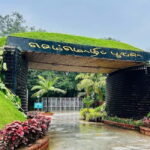
Most walks start at a random street corner. This one starts at Ramakrishna Math, the monastic organization dedicated to Sri Ramakrishna, the 19th-century saint. It’s a smart opening choice because it sets a tone: you’re about to see multiple faiths, so the guide frames them with a broader lens.
Before you go into the next sites, the walk traces Mylapore’s past in a way that helps you picture why the neighborhood looks the way it does. You’ll hear how it was linked to Roman-era trade (pepper and fine cloth traded with Rome for gold), later occupied by the Portuguese in the 16th century, and eventually under British control until India’s independence in 1947.
Why I like that history intro: it changes how you see the buildings. You stop thinking of them as isolated monuments and start seeing them as layers—Portuguese influence in the cathedral style, long-standing South Indian temple design in the Hindu sites, and the Jain community’s presence.
The universal temple experience: what you’ll actually see
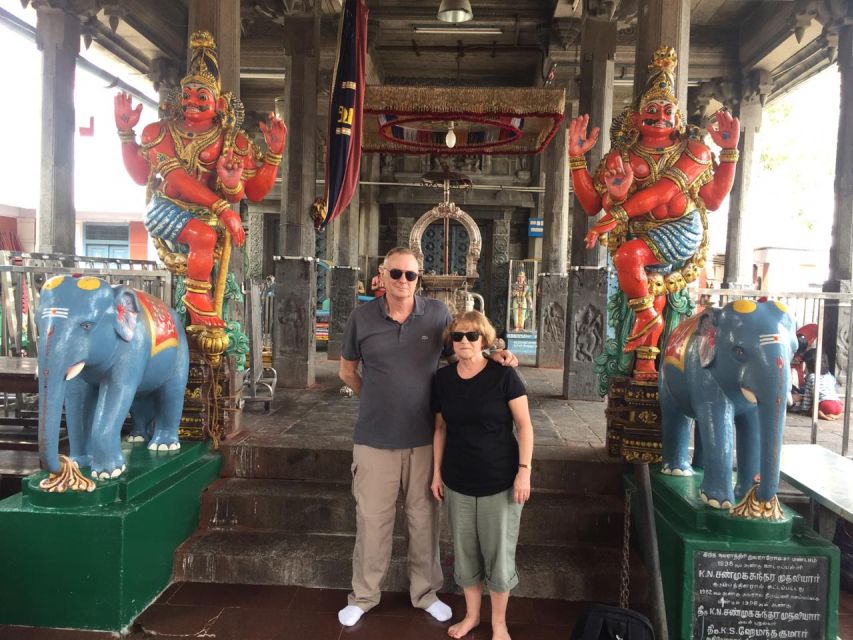
At Ramakrishna Math, you get more than a quick look at a doorway. The tour includes time at a “universal temple” area plus a shrine, a beautiful mantapam, and supporting spaces like a multimedia museum and a library.
This part matters because it gives you a way to understand the tour theme. Ramakrishna is often associated with teachings that cross religious boundaries, and here that idea is presented through spaces designed for reflection. Even if you’re not a “museum person,” a multimedia museum can be a fast way to get context without turning the tour into a lecture.
Also, there’s a practical benefit: this is a gentle start before you hit high-energy temple rituals. It’s easier to get your bearings fast when the first stop explains the approach.
Kapaleeswarar Temple: Dravidian architecture and ritual with reasons
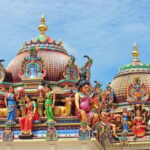
Kapaleeswarar Temple is the kind of place you understand immediately from the outside. You’re looking at a Shiva temple built in the 7th century in classic Dravidian style, with a towering gopuram dominating the skyline.
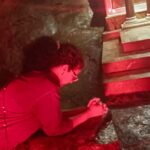
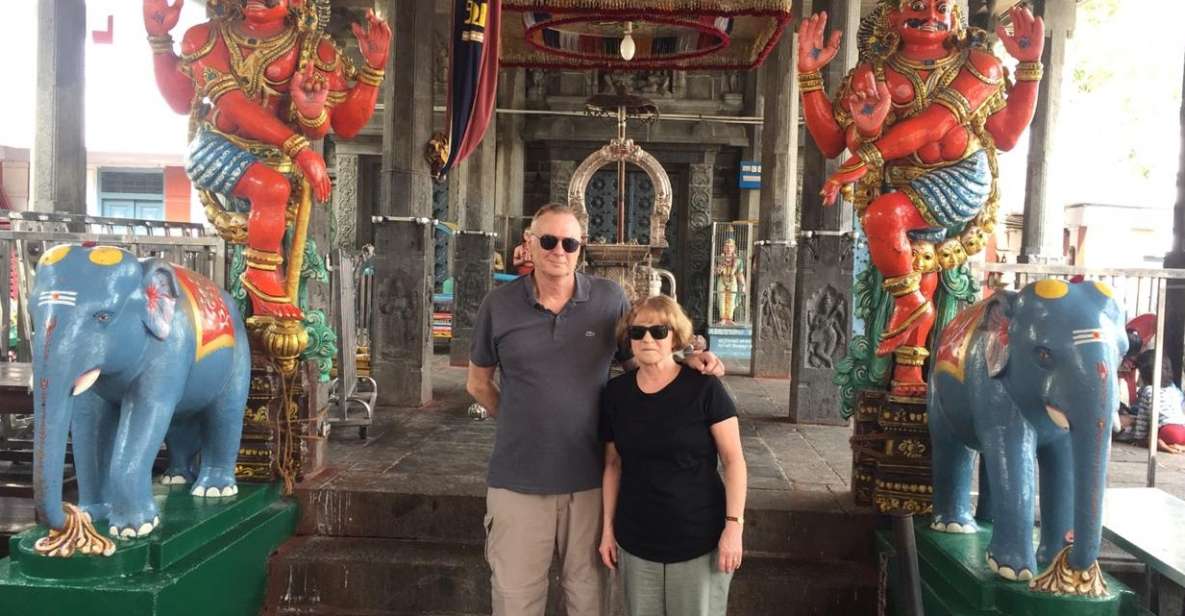
Once you’re inside, the experience shifts from architecture to practice. The guide helps you watch rituals without feeling lost. That’s one of the biggest reasons this tour earns strong scores: the guide focuses on the logic behind temple rituals, not just the description.
Expect a mix of serenity and activity. The inside can feel quiet even while ceremonies are happening, and the guide’s explanations help you notice details you might otherwise miss—like how the ritual rhythm fits into the temple’s purpose and visitors’ expectations.
One caution: this stop can require patience. You’re moving on a walk schedule, so you’ll want to accept that you might not see every corner. The upside is that you’ll leave with a much clearer mental map of what you saw.
The Jain temple stop: Vasupujya Swami and plural worship
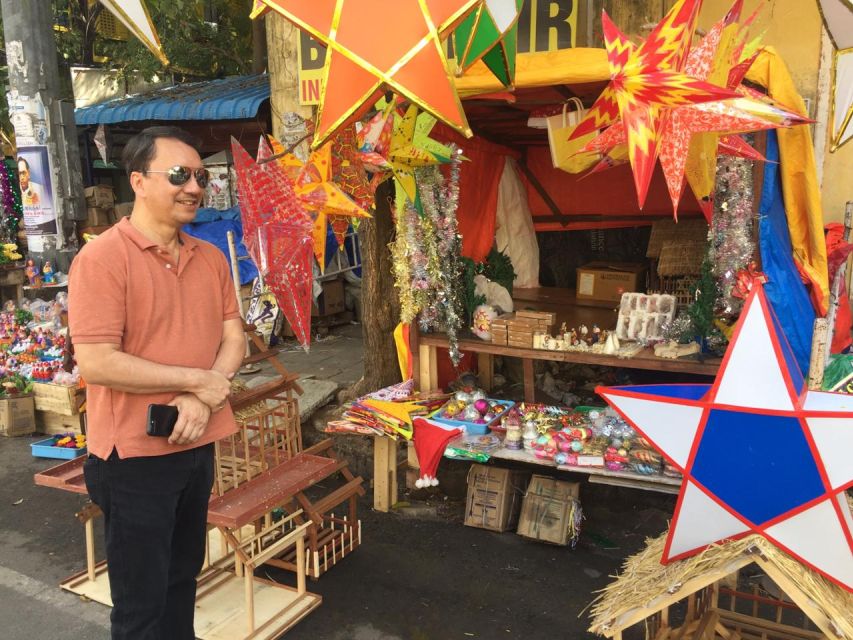
Next you walk to Vasupujya Swami temple, a Shwetambara Jain temple dedicated to Mahavira and the 24 Tirtankaras (spiritual teachers). It’s built with strong architectural presence, and the ambience is often described as spell-binding.
I like this stop because it changes the way you think about “temple diversity.” The tour doesn’t just stack four religious buildings back-to-back. The guide helps you notice how worship looks different when it’s rooted in different teachings—even when visitors are standing in similar places, looking at symbols, and following patterned movements.
If you’ve only seen one major religion’s sacred architecture in India, this is a useful corrective. You see that South India’s spiritual landscape isn’t one-note, and Mylapore gives you that lesson in a concentrated way.

San Thome Cathedral Basilica: St Thomas relics in neo-Gothic style
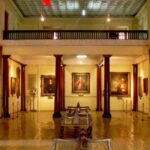
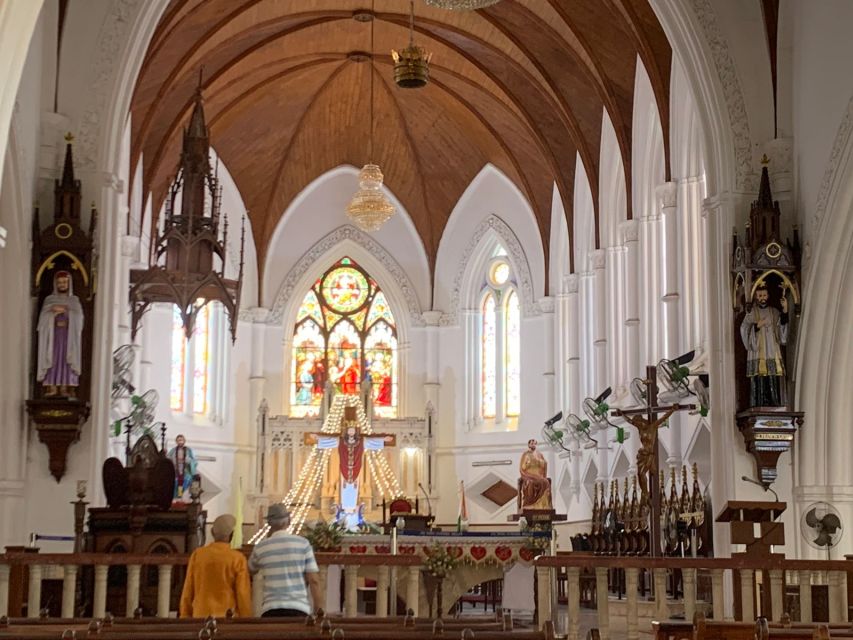
Then you reach the St Thomas Cathedral Basilica, also known as St. Thomas Cathedral Basilica of Madras and Mylapore. This is the principal church of the Roman Catholic Archdiocese of Madras and Mylapore.
Here’s what makes it special for this specific tour: the basilica was built in neo-Gothic style by Portuguese explorers in the 16th century, and the stop includes the shrine connected with Apostle St Thomas, who came here about 2000 years ago. Seeing relics is a powerful reality check that this isn’t only about architecture or sightseeing.
The scale and style are different from what you’ve already seen. Earlier stops are steeped in Dravidian temple design; here you’ll feel the cathedral rhythm—space, light, and the “grand church” feeling that comes from neo-Gothic planning.
Practical point: treat it as a worship space. Keep your voice down, follow instructions from your guide, and remember that this is one of the most visually impressive parts of the walk.
How the guide handles the many-gods question
One of the tour’s stated goals is to demystify why there are so many Gods and what rituals are trying to do. In practice, that means you get help interpreting patterns.
When you’re standing inside a temple, your brain wants shortcuts: Why is this repeated? Why so many images? Why this specific offering or sequence? A good guide keeps you from chasing confusion.
This tour’s guides are often described as enthusiastic and professional, with a warm sense of humor. Names that come up include Kennan/Kannan, Kalpana, Jaunth, and Harish. That matters because when you’re walking between four faiths, you need a guide who can shift tone quickly and still keep the thread of the story clear.
If you’re traveling with kids, Harish is noted for noticing when children were tiring and arranging a quick break for coffee and snacks. That’s exactly the kind of practical adjustment that makes a short tour feel comfortable instead of rushed.
Price and value: is $49 worth 2.5 to 3 hours?
At $49 per person, you’re paying for three main things: an English live guide, entrance charges, and a tight routing plan that strings together four high-demand religious sites.
Is it cheap? No. But it’s also not an overpriced “walk past monuments” situation. Entrance charges are included, and the guide explanation is the whole point. In places like Mylapore, entry rules and context can make self-guided wandering slower and more confusing, especially if you’re trying to understand religious symbolism while also staying respectful about rules.
Food isn’t included, so if you’re doing this during a meal window, you’ll want to plan your own snack stop outside the temples. The tour duration is short enough that you can add food before or after without losing the day.
Overall: it’s good value if your goal is learning. If your goal is only photos and no interpretation, you might find the price less satisfying.
Pacing and group size: small and manageable
The walk runs about 2.5 to 3 hours. That’s a sweet spot. It’s long enough to cover meaningful time at each stop, but short enough that you’re not stuck in one place for hours.
The tour offers private or small groups. That matters because when you’re in active worship spaces, you don’t want to feel trapped in a big crowd. A smaller group also makes it easier to hear the guide and ask questions, especially if you’re the type who stops, watches, and then wants an explanation.
There’s also some flexibility in pickups and drop-offs. Hotel lobby pickup is optional, and the walk ends with drop-off options in Chennai, including Chennai Lighthouse, depending on what you choose.
Practical matters: dress code, shoes, and what to wear
This tour has clear rules for a reason: you’ll move between active worship spaces, and you need to be respectful in how you dress and carry yourself.
Not allowed:
- Shorts
- Short skirts
- Sleeveless shirts
Dress code requirement:
- Cover knees and shoulders
Footwear rule:
- You remove shoes before entering temples
So my practical advice is simple: wear lightweight pants or a long skirt, bring a light shawl or scarf if your shoulders need coverage, and wear slip-on footwear you can take off quickly. If you arrive in complicated shoes or clothes, you’ll spend your first minutes managing your outfit instead of listening to the guide.
Who should book this Mylapore cultural walk?
This works best for:
- First-time visitors to Chennai who want a focused cultural route
- People who like architecture plus explanations, not just sightseeing
- Anyone curious about how different faiths coexist in one neighborhood
- Families who want a route that stays short and guided (and where a guide is described as responsive)
It’s less ideal if:
- You need total freedom to wander without structure
- You’re not comfortable with dress code and shoe-removal rules
- You want a long, slow pace at just one site
Should you book this Mylapore walk?
If you want a quick, meaningful way to understand Mylapore, I’d book it. The best part isn’t the list of places—it’s the way the guide connects ritual, architecture, and religious practice so you leave with understanding, not just images.
The $49 price makes sense if you value guided context and included entrance charges. If you’re the sort of traveler who reads your surroundings, asks why things happen, and enjoys moving between traditions with respect, this is a strong choice for a half-morning or afternoon in Chennai.
FAQ
FAQ
How long does the Chennai Mylapore walk take?
It lasts about 2.5 to 3 hours.
Where do we meet the guide?
You meet the guide at the entrance of Ramakrishna Mutt Temple in Mylapore. Your guide’s phone number and picture are shared a day earlier.
What are the main places included on the walk?
You’ll visit Ramakrishna Math, Kapaleeswar Temple, a Jain temple (Vasupujya Swami temple), and St. Thomas Cathedral Basilica.
Is the tour guide available in English?
Yes, the live tour guide speaks English.
What does the price include?
The price includes the guide and entrance charges.
Is food included?
No, food is not included.
What should I wear?
You must cover your knees and shoulders. Shorts, short skirts, and sleeveless shirts are not allowed.
Do I have to remove my shoes?
Yes. Footwear needs to be removed before entering temples.
Can I get a refund if my plans change?
Yes. There is free cancellation up to 24 hours in advance for a full refund.
Can I pay later?
Yes. The option is reserve now & pay later, so you can book your spot without paying today.