REVIEW · CHENNAI
Chennai Walk of Divinity (2 Hours Guided Walking Tour)
Book on GetYourGuide →Operated by Yo Tours · Bookable on GetYourGuide
Spiritual Chennai, on foot and close. I like the Marundeeswarar Temple stop with Shiva as Aushadeeswarar, tied to curative worship, and I like the way the walk leads you through hidden lanes into living, everyday faith. One drawback to keep in mind: the experience can swing a lot depending on how prepared your guide is that day, and some people want a stronger thread connecting religion and science than they got.
For $18 and a 2-hour guided circuit, this is a focused way to see multiple Tamil Nadu temples without feeling rushed through ticket lines. The guide speaks English and Hindi, and you’ll get helpful local pointers for things like negotiating and buying essentials on the street. Just note that water isn’t included, so plan to bring some or be ready to buy.
In This Review
- Key Highlights You’ll Actually Care About
- A 2-Hour Spiritual Walk Through Chennai’s Temple Circuit
- Marundeeswarar Temple: Shiva as Aushadeeswarar and Curative Worship
- Pamban Swami Temple: The Scholar Behind Devotion
- Ashtalakshmi Temple: Lakshmi’s Prosperity Story in Stone
- Connecting Religion and Science Without Getting Lost
- Guide Style Matters: From Kavin to Manikanda Perumal
- Practical Value: Price, What’s Included, and What to Bring
- Should You Book the Chennai Walk of Divinity?
- FAQ
- How long is the Chennai Walk of Divinity tour?
- What temples are visited on this guided walk?
- What language is the live tour guide?
- Is hotel pickup or drop-off included?
- Is a water bottle included in the price?
- What should I bring, and is the tour cancellable?
Key Highlights You’ll Actually Care About

- Marundeeswarar Temple as Aushadeeswarar: Shiva framed as the God of Medicines, with worship linked to healing traditions
- A Dravidian architecture temple visit where you can slow down and look at the sacred design language
- Pamban Swami Temple: a stop centered on a well-known Hindu religious scholar, not just a generic temple photo
- Ashtalakshmi Temple: an easy-to-follow emotional payoff because Lakshmi’s theme is clear and memorable
- Hidden lanes experience: you’re not just walking from landmark to landmark
- Guide-driven value: some guides are great at answering questions patiently and helping with practical errands
A 2-Hour Spiritual Walk Through Chennai’s Temple Circuit
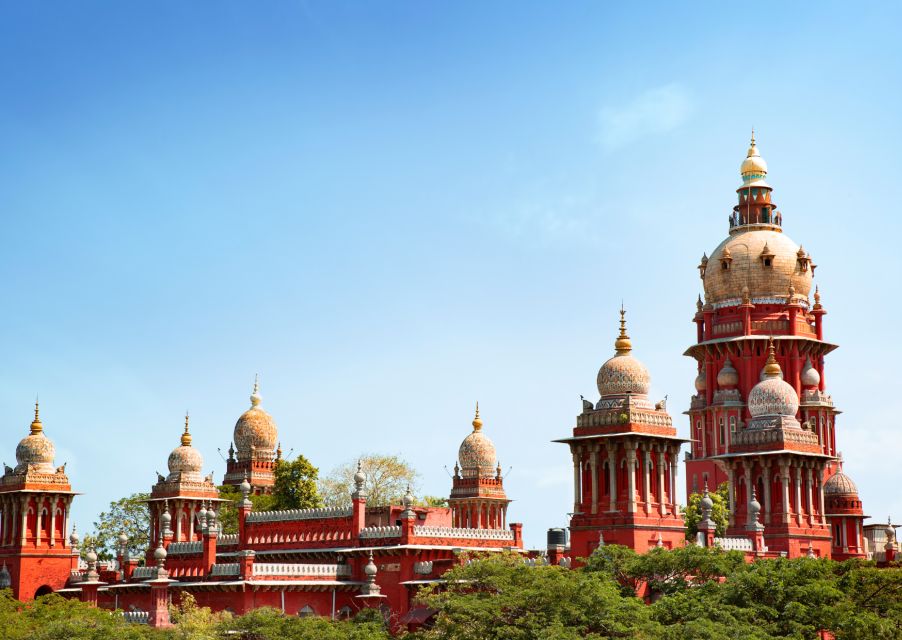
This isn’t the kind of tour where you collect “sights” like souvenirs. Instead, you’re nudged toward a more inward style of travel: temples, stories, and symbols as a way to think about how people explain health, hope, and meaning in daily life.
You’ll walk between three temple stops—Marundeeswarar Temple, Pamban Swami Temple, and Ashtalakshmi Temple—and along the way you’ll move through side streets and quieter connections that feel more like neighborhood fabric than a sightseeing strip. That small shift matters. It makes the places you see feel less staged, and it makes it easier to understand why locals treat these buildings like active parts of life, not just monuments.
At $18 for about two hours, it’s also a value play. You’re paying mainly for a storytelling guide who can connect the symbols to human questions: illness and healing, learning and devotion, prosperity and daily gratitude. If you’re the type who likes hearing what a place “means” rather than only what it “looks like,” this tour fits.
One practical note: you’ll be on your feet. Wear comfortable shoes. And because water bottle isn’t included, either bring your own or budget a quick purchase during the walk.
You can also read our reviews of more walking tours in Chennai



Marundeeswarar Temple: Shiva as Aushadeeswarar and Curative Worship
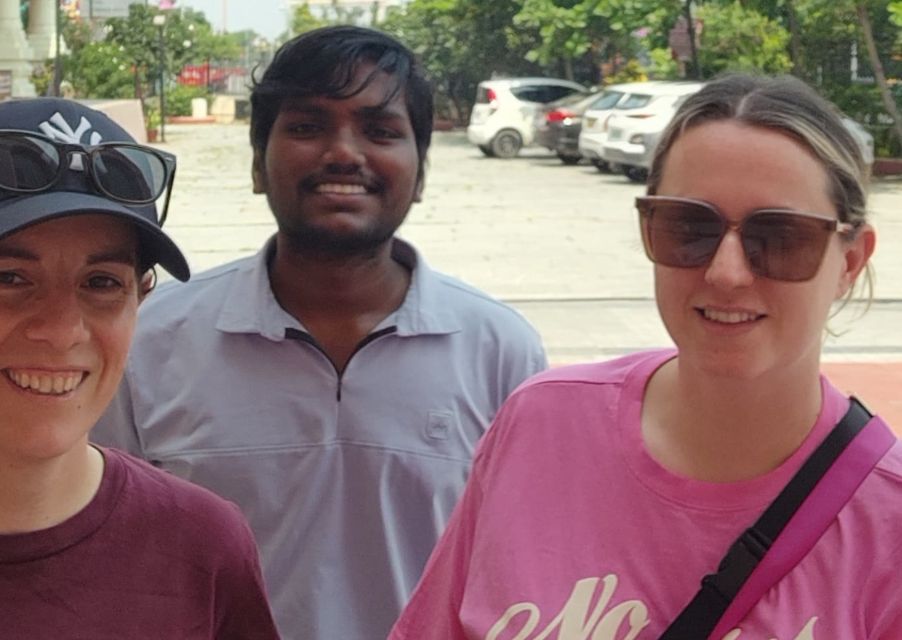
The first big anchor is Marundeeswarar Temple, dedicated to Shiva in the form of Aushadeeswarar, the God of Medicines. The standout detail here is the temple’s long association with curative worship—people coming for help when they’re dealing with sickness or chronic conditions.
That’s not a “medical advice” situation, of course. But it is a powerful cultural idea: in this tradition, healing isn’t only about what’s outside the body. It’s also about faith, ritual, and community belief—how people steady themselves, ask for relief, and turn a painful problem into something they can face.
You’ll also get to experience the temple’s Dravidian architecture. Even without being an architecture nerd, you can notice the logic of the design: layered sacred spaces, stone forms that guide your eye, and a feel of order that supports ritual time. When a tour gives you context, you start looking differently—less like you’re scanning for Instagram angles and more like you’re reading the building as a language.
What I’d watch for as you arrive: how you’re invited to see Shiva here. If the guide is strong that day, the conversation tends to make the “medicine” idea feel specific and grounded. If your guide is weak, the stop can shrink into a quick look. Either way, this temple is the one most likely to leave you with a clear idea of why people return again and again.
Pamban Swami Temple: The Scholar Behind Devotion
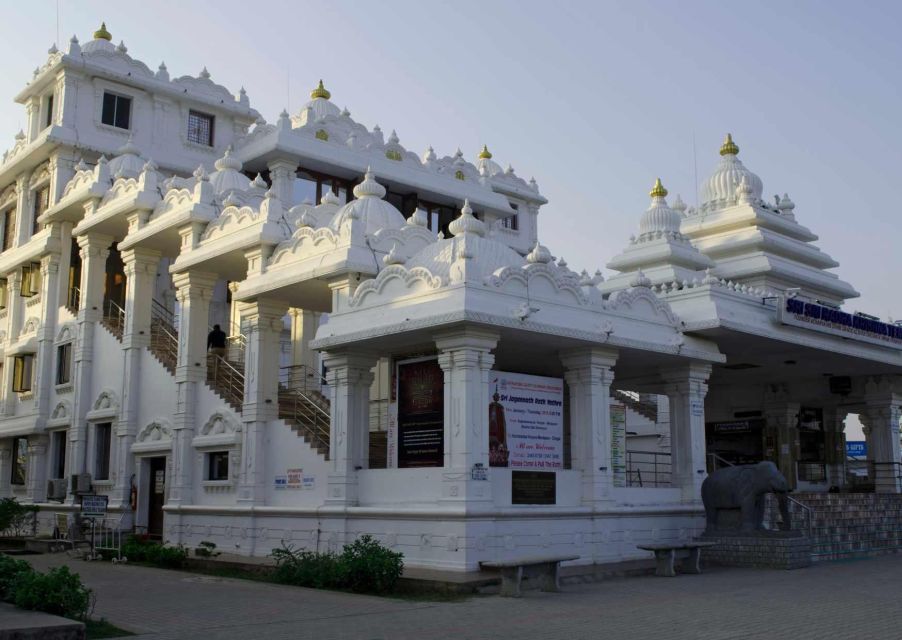
Next comes Pamban Swami Temple, dedicated to Pamban Swamigal, a Hindu religious scholar. This is a helpful contrast after the medicine-and-healing theme at Marundeeswarar. Instead of focusing on a physical problem, you’re stepping into a space where the emphasis shifts toward learning, interpretation, and the way scholarship shapes devotion.
A temple dedicated to a scholar can feel less about spectacle and more about ideas. The experience works best if you let the guide translate the symbolism into plain human terms: how teachings influence beliefs, how reading and reflection turn into a lived spiritual habit, and how reverence can come through study as much as through prayer.
This stop is also a good time to ask questions. If your guide answers patiently—especially in English or Hindi—you’ll likely get more out of this portion than you expect. One of the practical joys of this tour is that you’re not stuck with silent observation; you’re meant to talk. If your guide is switched on, the conversation can make the temple’s purpose easier to understand in a way that sticks after the tour ends.
Ashtalakshmi Temple: Lakshmi’s Prosperity Story in Stone
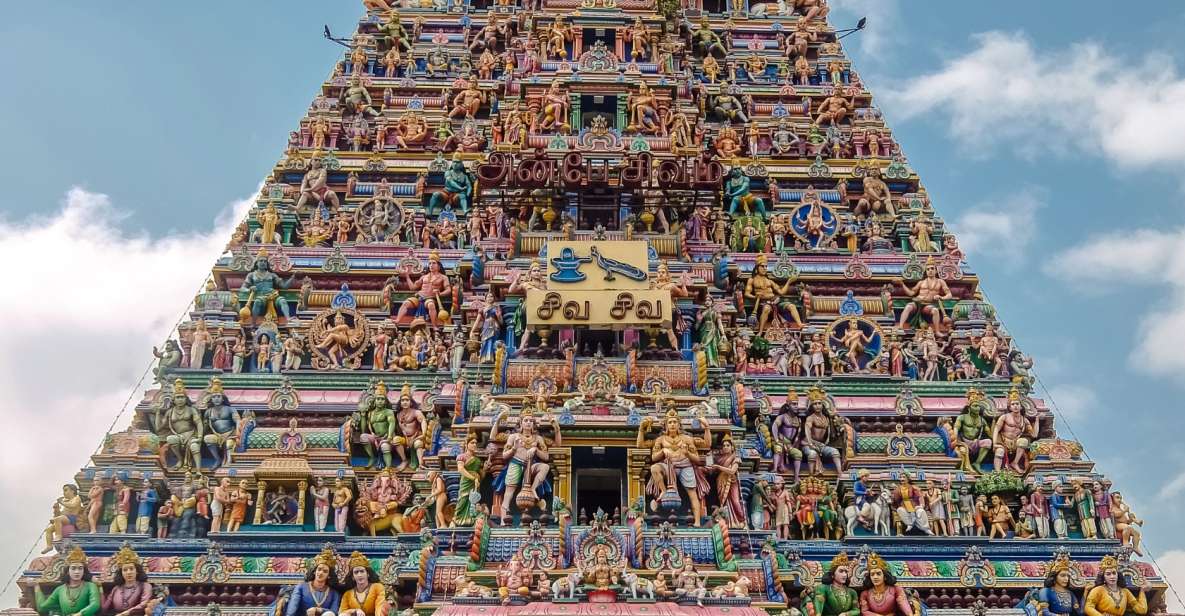
The final temple stop is Ashtalakshmi Temple, tied to the goddess Lakshmi. If Marundeeswarar brings you toward healing and Pamban Swami brings you toward learning, Ashtalakshmi tends to give a more emotionally immediate payoff: prosperity, well-being, and the sense that life can be supported and renewed.
Lakshmi is one of those deities people often already recognize, even if they don’t know the deeper framework. That recognition can help you follow the thread of the tour without needing a religious background. You can focus on how worship expresses gratitude, hope, and practical wishes—what people want for their households and their future.
This is where your perspective can change fastest. When the guide connects the earlier theme of healing to the later theme of prosperity, it becomes clear that faith isn’t one-note. It’s a system people use to manage different kinds of needs—pain, uncertainty, aspiration, stability.
And like the other temples, the key is timing. You’ll get more out of your visit if you slow down for a minute and watch how people behave here: the rhythm of movement, the way attention is directed, the small gestures that repeat. A two-hour tour doesn’t allow long sitting time, but it’s enough time to feel the difference between “temple as building” and “temple as practice.”
Connecting Religion and Science Without Getting Lost
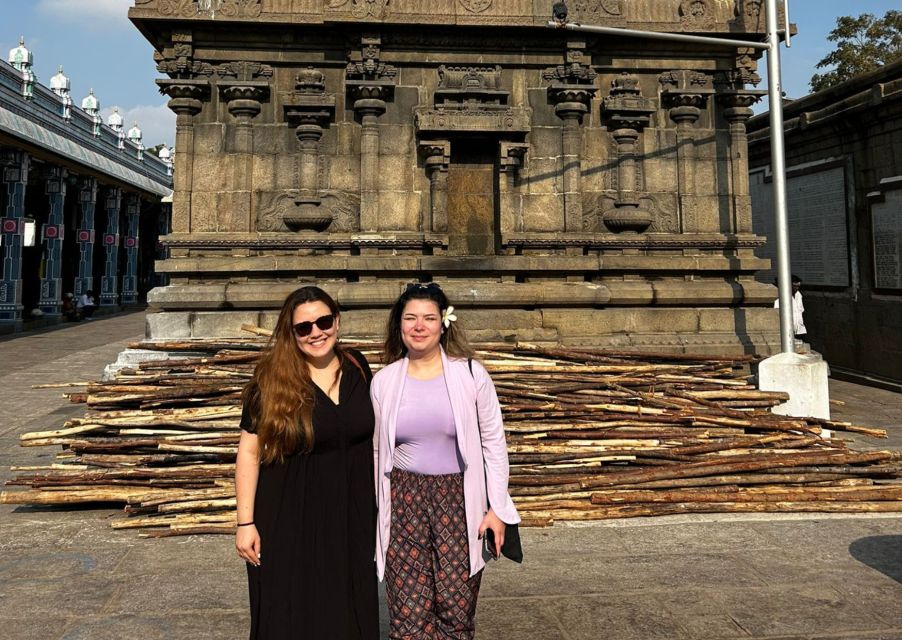
The tour is described as something different: a journey inwards, with themes of spirituality, religion, and science tied together in a way meant to broaden your thinking. That doesn’t mean you’ll get lab science or medical explanations. It means you’re encouraged to connect dots between how humans explain reality and how humans cope with reality.
Here’s a useful way to think about it while you’re walking:
- Ritual as psychology: rituals can calm, focus attention, and help people endure stress.
- Symbols as interpretation: medicine imagery, scholarly devotion, and prosperity symbolism are all ways of packaging meaning.
- Community as support: temples are places where belief becomes shared—so people don’t have to face worries alone.
Some guides do this connection well, turning the tour into something that feels like a guided conversation about faith in the real world. Other guides may keep it lighter, sticking mostly to temple basics and historical notes.
So if you’re coming specifically for the deeper spirituality-and-science angle, plan to lean into your questions early. Ask one clear prompt like: How does this form of Shiva connect to ideas of healing? Or: What does it mean to devote yourself to a scholar? If the guide is skilled, you’ll notice the story start to connect.
You can also read our reviews of more guided tours in Chennai



Guide Style Matters: From Kavin to Manikanda Perumal
In an ideal world, every guide hits the same quality bar. Real life isn’t that tidy. The tour’s success depends heavily on the guide’s knowledge, punctuality, and ability to tailor explanations on the fly.
Based on guide names you may see, Kavin and Manikanda Perumal show up in confirmations with a reputation for being patient and helpful. One Kavin-led experience is noted as especially good for the afternoon/evening time slot, and another emphasizes Manikanda Perumal’s kind, first-day-friendly approach.
If you want the best shot at a smooth experience, here’s what I’d do:
- Show up ready to ask questions within the first 15 minutes.
- Mention what you care about: temple stories, cultural context, or the spirituality/science connection.
- Stay flexible if your guide keeps things more general that day.
Also, keep one caution in mind: there have been cases where a guide was late, missing, or the expected depth didn’t happen. That doesn’t mean the tour is doomed. It means you should treat it like any small guided experience in a busy city: double-check details, keep contact options handy, and don’t plan your tightest schedule immediately after.
Practical Value: Price, What’s Included, and What to Bring
Let’s talk value in plain terms. At $18 per person for roughly two hours, you’re paying for a guided walk that combines three temple visits, storytelling, and local advice.
Included value you’ll feel right away:
- A friendly storyteller/guide who speaks English and Hindi
- Great conversations and interesting stories
- Access to hidden lanes and places, meaning you’re not just following the most obvious route
- Local tips that can save you money, including help with street purchases
Some useful practical examples you might get from a strong guide include help with buying water, juice, and flowers, plus advice for navigating small negotiations. That kind of help can feel minor, until you’re standing in a temple area unsure about what’s reasonable or what’s customary.
What you should plan for yourself:
- Water bottle isn’t included
- No hotel pickup or drop, so you’ll need to reach the starting area on your own
- Comfortable shoes are a must
If you’re staying in a walkable area or near transit, the lack of pickup can be a non-issue. If you’re relying on taxis or a long commute, factor in travel time so you don’t arrive stressed. Arriving calm helps you get more from the stories.
Should You Book the Chennai Walk of Divinity?
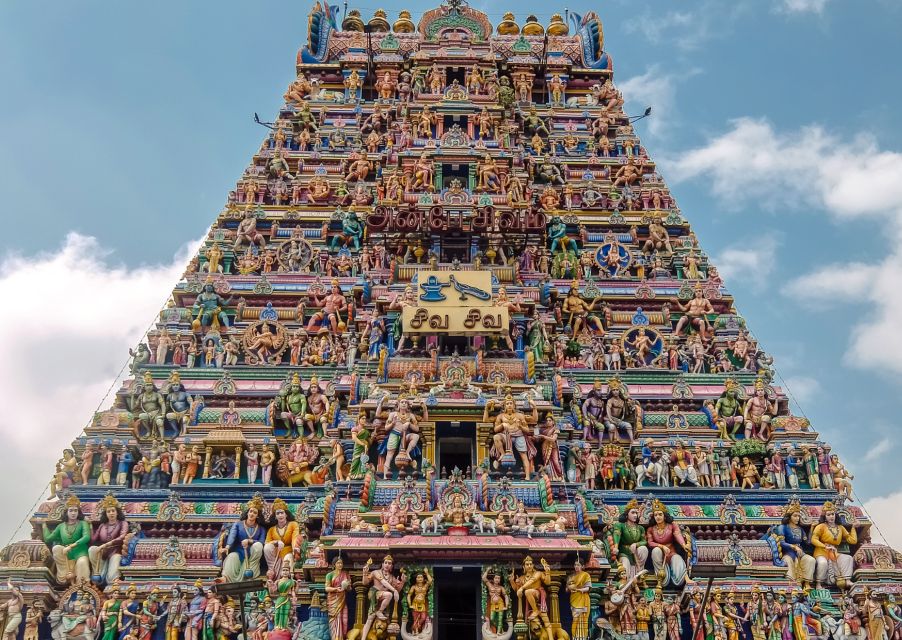
Book this tour if you want a meaning-focused walk through Chennai’s temple world and you like learning how people connect faith to everyday concerns like health, learning, and prosperity. The three-stop structure—Marundeeswarar, Pamban Swami, then Ashtalakshmi—gives you a clear arc, and a good guide can make it feel like a thoughtful city introduction on foot.
Skip or be cautious if you need a highly consistent script every time. This experience can vary depending on guide preparation, punctuality, and how much depth you get about the spirituality/science angle. If you’re the type who expects the tour to deliver exactly what’s promised in terms of connection-building, arrive ready to ask questions early and judge the tone quickly.
If you do book, wear comfortable shoes, plan for water, and treat it less like a checklist and more like a guided conversation in motion.
FAQ
How long is the Chennai Walk of Divinity tour?
It runs for about 2 hours.
What temples are visited on this guided walk?
The walk includes Marundeeswarar Temple, Pamban Swami Temple, and Ashtalakshmi Temple.
What language is the live tour guide?
The guide offers live interpretation in English and Hindi.
Is hotel pickup or drop-off included?
No. Hotel pickup and drop are not included.
Is a water bottle included in the price?
No. Water bottle is not included.
What should I bring, and is the tour cancellable?
Bring comfortable shoes. The activity offers free cancellation up to 24 hours in advance for a full refund.