REVIEW · NEW DELHI
From Delhi: Private 2-Day Golden Triangle Agra & Jaipur Tour
Book on GetYourGuide →Operated by Radhika Holidays · Bookable on GetYourGuide
Sunrise at the Taj changes your whole schedule. This private Golden Triangle route is interesting because it pairs Taj Mahal at Sunrise with guided time inside the monument, so the big photo moments also come with context.
I also like the logistics comfort: a private driver and air-conditioned vehicle handle pickup, traffic, and the long hop between cities. One drawback to watch for is that Jaipur sightseeing can include stops that turn into shopping time, so you’ll want to set expectations early with your guide.
In This Review
- Key highlights I’d plan my trip around
- Golden Triangle in 2 days: how the pace really works
- Getting to Agra: the Yamuna Expressway makes a difference
- Taj Mahal sunrise: why that early start is worth it
- Agra Fort: the Mughal walled-city mindset
- Agra to Jaipur overnight: comfort plus a reset
- Jaipur day tour: stepwell, rainwater history, and royal set pieces
- One thing to manage: shopping stops in Jaipur
- The private driver and guides: where quality shows up fast
- Skipping the ticket line and choosing entry tickets the right way
- Price and value: is $91 per person a smart deal?
- Who this price makes sense for
- Who should book (and who should skip)
- Should you book this Delhi to Golden Triangle private tour?
- FAQ
- How long is the drive from Delhi to Agra?
- Where will you pick me up and where can you drop me off?
- Is the Taj Mahal sunrise included?
- How much guided time is there at the Taj Mahal and Agra Fort?
- Do I get a hotel in Jaipur with breakfast?
- What languages are available for the live tour guides?
- Is the tour refundable if plans change?
Key highlights I’d plan my trip around
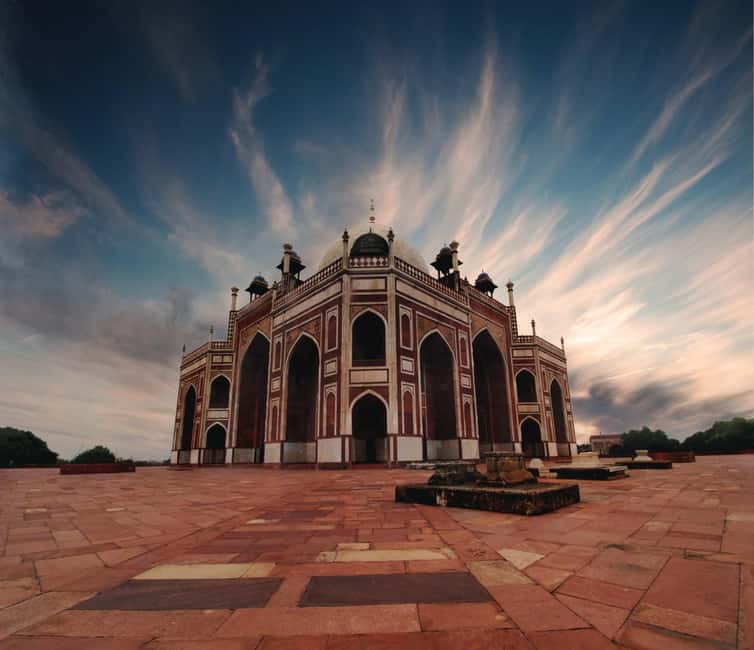
- Taj Mahal sunrise timing plus about two hours of guided time inside the complex
- Agra Fort guided for about one hour, treated like a Mughal walled city, not just walls
- Flexible pickup from your Delhi/Noida/Gurgaon hotel or airport, with matching drop-off options
- Jaipur’s water-and-wind lineup: stepwell/rainwater catchment, Jal Mahal, City Palace, and Hawa Mahal
- Multilingual guides in English and several major European and Asian languages
- Safety and punctuality themes showing up in feedback about drivers like Yusuf, Khem, and Vishan
Golden Triangle in 2 days: how the pace really works
If you want the Golden Triangle highlights without the stress of DIY tickets, transport, and where-to-start confusion, this is a solid format. You’ll be picked up from your place in Delhi (including Noida or Gurgaon) and transferred to Agra, then continue to Jaipur for an overnight stay, followed by a Jaipur city day and the return drive.
The key is that the schedule is structured around “big impact” stops. You’re not trying to cover ten sites in a blur. Instead, you get guided time where it counts: the Taj Mahal interior, the Agra Fort layout, and then Jaipur’s main royal landmarks. That makes the trip feel efficient rather than rushed.
You should also know that the tour can run in a 2-to-4-day range, but the classic experience is a tight 2-day circuit: Delhi → Agra → Jaipur → Delhi.
You can also read our reviews of more private tours in New Delhi


Getting to Agra: the Yamuna Expressway makes a difference
The drive from Delhi to Agra is listed at about three hours via the Yamuna Expressway. That matters because it’s a more straightforward route than bouncing through smaller roads, and it helps keep the day from disappearing into traffic.
Because this is private transport with an air-conditioned car and driver, I like that you’re not negotiating with strangers or sharing a vehicle schedule. You can also handle your own small needs: bathroom breaks, quick water refills, and photo stops if you build them in with your guide.
And yes, start times matter. If you’ve got any flexibility in your morning (like a late start or an earlier airport arrival), this tour’s flexible pickup time can help you avoid the feeling of being dragged out before you’re ready.
Taj Mahal sunrise: why that early start is worth it
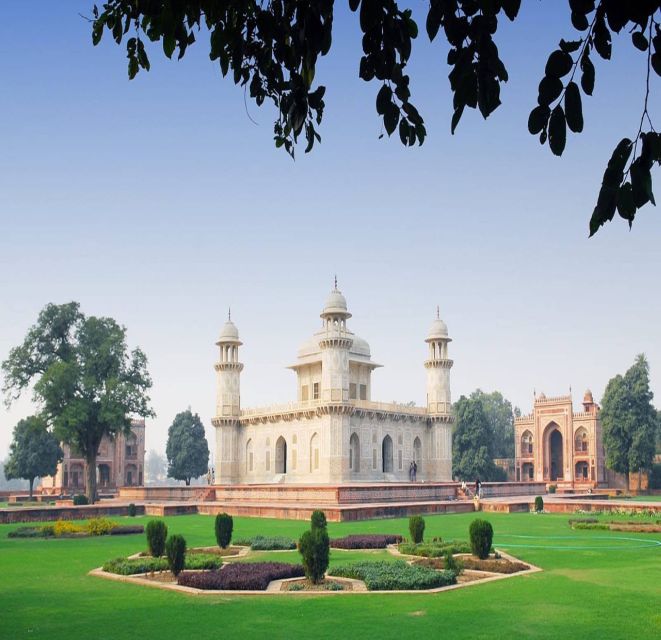
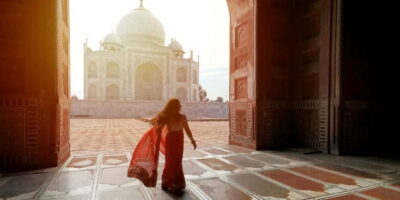
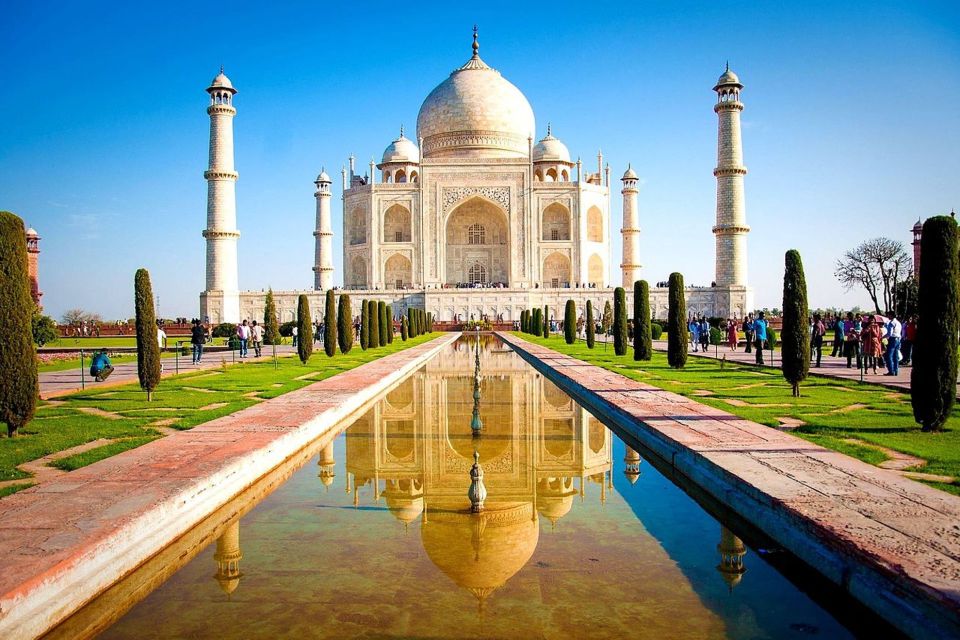
The highlight here is clearly the Taj Mahal at Sunrise experience. Sunrise is not just for aesthetics. It’s when crowds tend to be thinner and the light gives the white marble a softer glow. Even if you’re not a “timing nerd,” the difference shows in photos and in how you feel walking through.
You’ll also get a guided tour inside the Taj Mahal for about two hours. That length is ideal because the Taj rewards patience: you want time to understand the design, the story behind it, and how the interior spaces connect to the monument’s overall plan.
Here’s the basic story your guide will frame for you: the Taj is an ivory-marble monument built by Emperor Shah Jahan in 1632, and it houses the tomb of Shah Jahan and his wife Mumtaz Mahal. The monument is also a UNESCO World Heritage Site, often discussed as a masterpiece of Muslim art in India. You’ll get the “what” (facts, dates, key figures) and the “why” (how the architecture communicates power, devotion, and legacy).
Practical note: wear smart casual clothing and plan for morning cool-to-warm shifts. The tour includes bottled mineral water during journeys, which helps, but it doesn’t replace smart outfit planning.
Agra Fort: the Mughal walled-city mindset
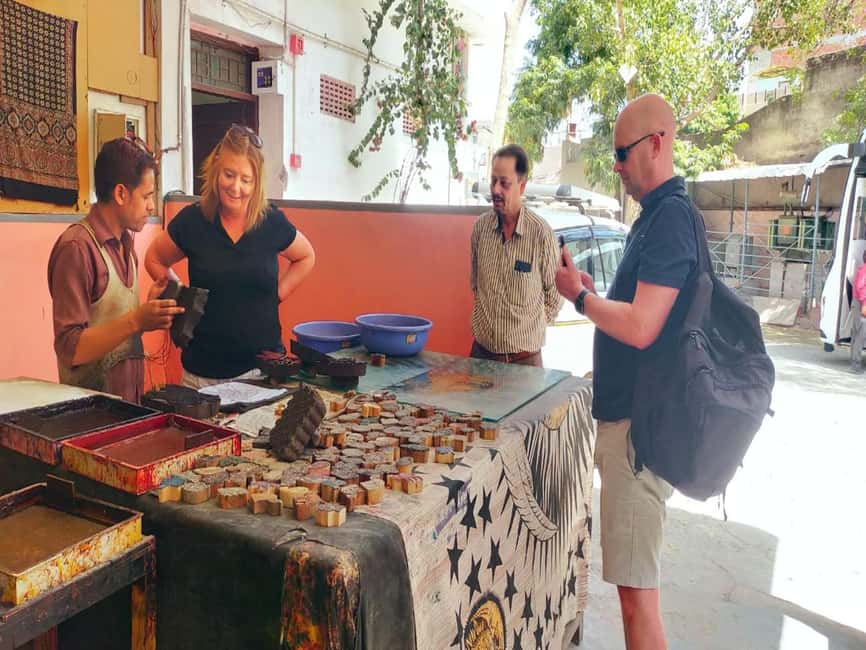
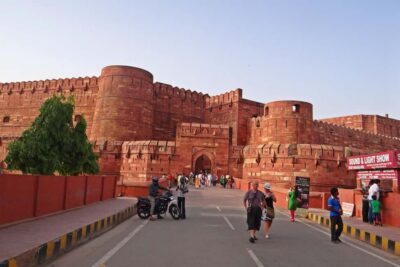
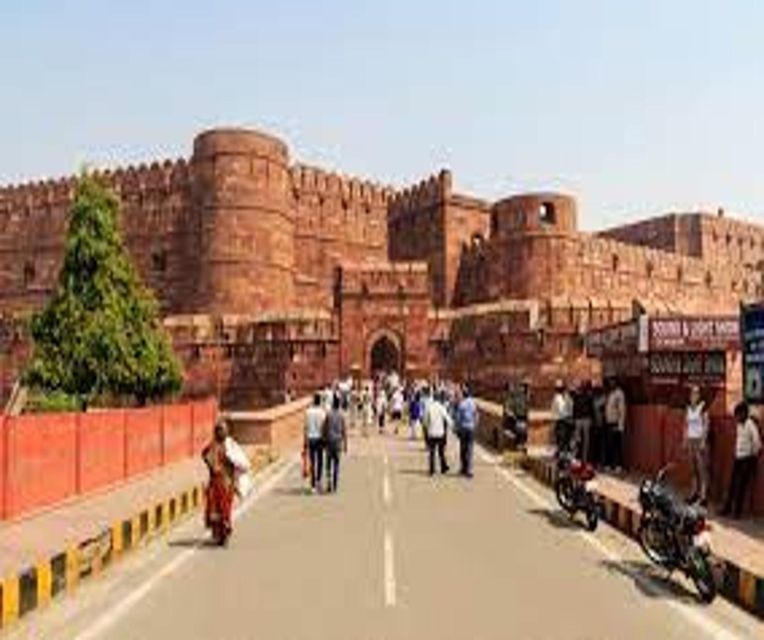
After the Taj, the itinerary moves to Agra Fort, another UNESCO World Heritage Site. This is where a good guide changes the experience. From a distance, it can look like “just a fort.” Up close, it reads like a whole walled city with layers of palace life, governance, and military presence.
You’ll get about one hour of guided time at the fort. One hour sounds short, but the tour format is designed so you’re not trying to memorize everything. Instead, you get the main structure and the important idea: Agra Fort is the only fort in India where the early Mughal emperors lived. That turns it from an “object” into a lived space.
If you care about architecture, ask your guide to point out how the fort layout supported everyday life. Fort design isn’t just defense. It’s also about movement, sightlines, and separating public from private spaces—very much a blueprint for how power worked.
Agra to Jaipur overnight: comfort plus a reset
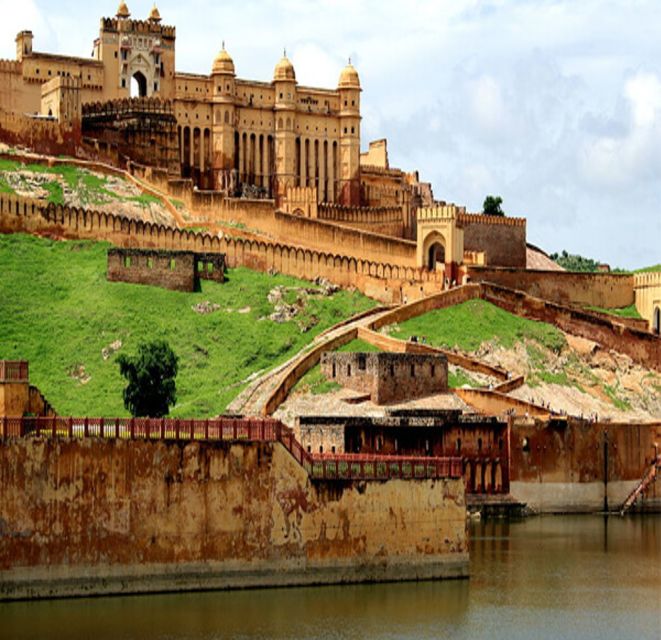
Next comes the transfer from Agra to Jaipur, with an overnight stay. This is a key part of the value: you’re not only sightseeing; you’re also paying for someone to manage the “between-cities” part.
The car is air-conditioned, and the schedule is built to give you a real night in Jaipur rather than a frantic return that leaves no time for the second city. If you’re traveling solo, this overnight also tends to feel safer and calmer because you’ll have an organized check-in and a morning plan.
Breakfast is included in the morning in Jaipur if you select the hotel option. That’s a good setup for the next day’s sightseeing, which is where Jaipur’s landmarks can get sun-heavy.
You can also read our reviews of more tours and experiences in New Delhi






Jaipur day tour: stepwell, rainwater history, and royal set pieces
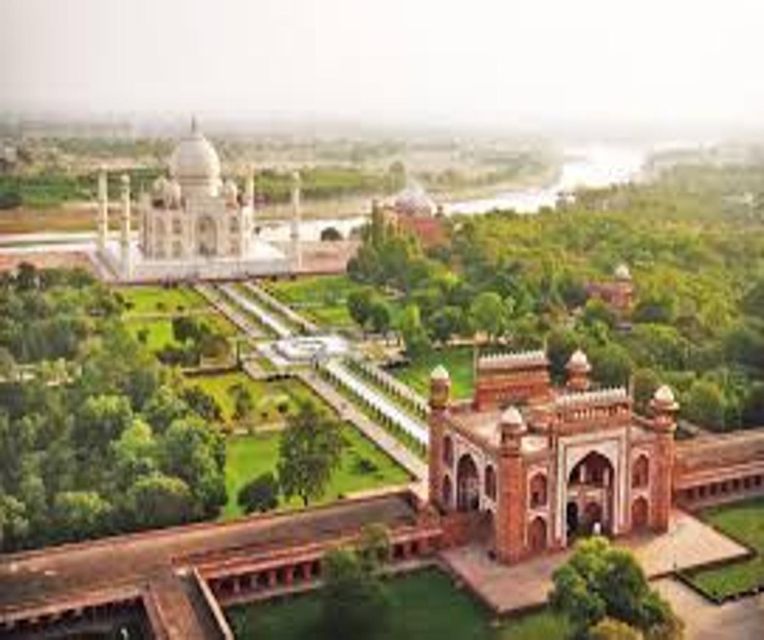
Jaipur’s big advantage is that it’s built for walking and looking. But walking in heat is real, so the tour’s “main sights in a controlled route” approach is what makes it workable in a day.
You start with a historic stepwell and rainwater catchment known for its picturesque symmetrical stairways. Stepwells aren’t only pretty. They were functional water systems, and the design shows how engineering and aesthetics grew up together in Rajasthan. If you like photos, you’ll love the geometry here. If you like understanding cities, you’ll appreciate how the water story shaped daily life.
Next is Jal Mahal, the so-called Water Palace. It sits in the middle of Man Sagar Lake, giving it an almost floating look. The palace was built in the 18th century by Maharaja Jai Singh II. Even if you don’t go inside, the sight is memorable because it changes how you see the lake itself: it feels like the water is part of the palace design, not scenery behind it.
Then you move to City Palace. This complex was established by Maharaja Sawai Jai Singh II when Jaipur itself was founded. It served as the administrative and ceremonial seat of the Maharaja of Jaipur, and the spot where cultural and religious events happened. In other words, City Palace is not just a pretty building; it’s the place where the city’s public life had a stage.
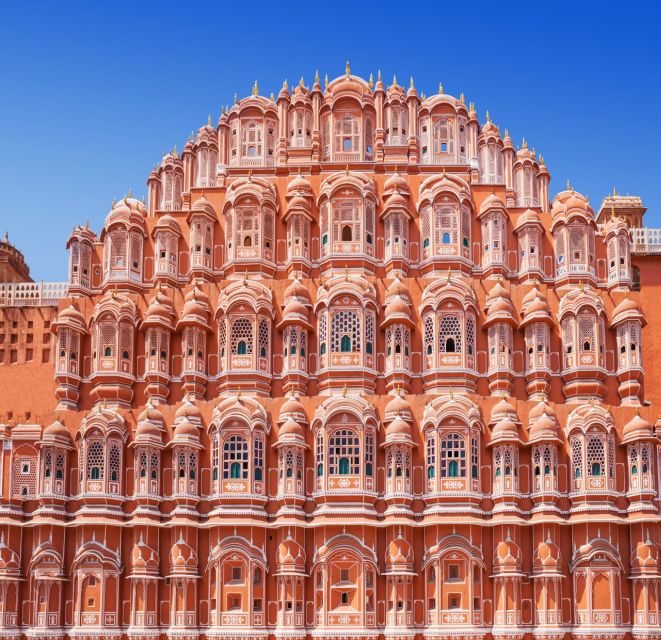
Finally, you’ll see Hawa Mahal, the dramatic five-floor palace known for its 953 small windows called jharokhas. It’s called the Palace of Wind or Breeze, and it was built by Maharaja Sawai Pratap Singh in 1799. The main idea is that those windows helped the royal household observe street life from behind patterned privacy. If you’ve got an eye for detail, you’ll notice how the facade is designed like a lattice screen.
One thing to manage: shopping stops in Jaipur
Some Jaipur city plans include craft or showroom time, and at least one account points out how those stops can shift into strong sales pressure. If you’re sensitive to that or you have specific ethical concerns, tell your guide early.
A practical tactic: say what you do and don’t want before you arrive at the shops. If you’re vegan or have material rules, bring it up too, because product claims can get messy fast when the goal becomes selling.
The private driver and guides: where quality shows up fast
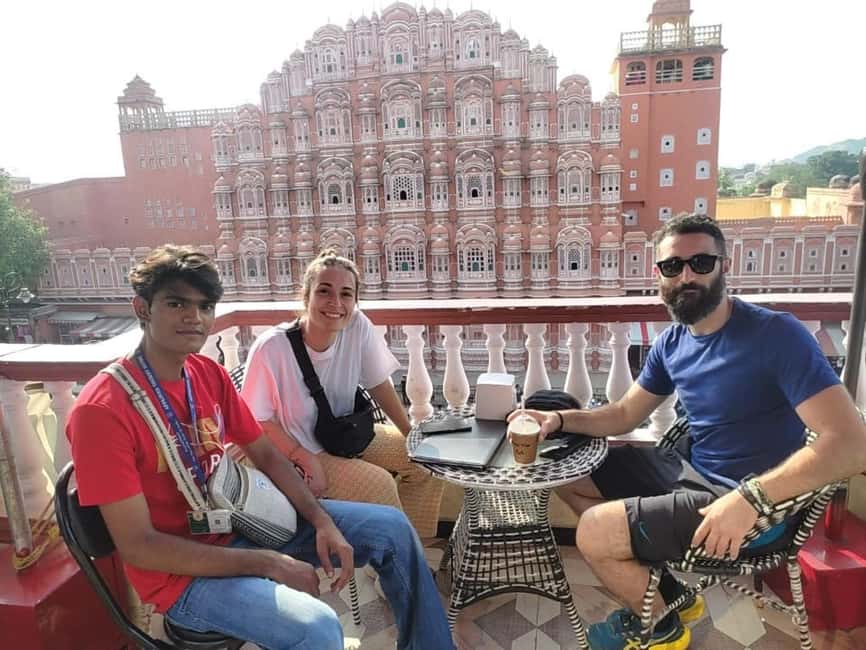
This tour lives or dies by the “human layer.” The itinerary gives you the structure, but the private guide is what turns monuments into stories. Multiple guides were praised for being engaged, helpful, and good at keeping the day smooth despite traffic and crowds.
You’ll also notice a consistent theme in feedback about drivers: punctual pickup, safe driving through busy roads, and cars that are kept clean and comfortable. Names mentioned include Yusuf, Khem, Vishan, and Madan, but the bigger point for you is this: a good driver reduces stress more than you expect. When roads are hectic, being driven well lets you focus on the sights instead of white-knuckling.
Guides may meet you in different languages too. The tour lists English plus languages including Russian, Italian, French, German, Spanish, Japanese, and Abkhazian. If you want the day explained clearly, lock in your preferred language before you start.
Also, this is a private group, which is a big deal for monuments like the Taj Mahal. You move at a pace that matches your questions, and you’re not stuck waiting for a group that needs ten more minutes at every stop.
Skipping the ticket line and choosing entry tickets the right way
The tour states you can skip the ticket line, which is helpful at the Taj Mahal—time saved there is real time earned. It also says entry ticket inclusion depends on the option you select, so you should check your exact booking option before you go.
Here’s the way I’d think about it: if you choose the package that includes entry tickets, you reduce the admin work before arrival. If you choose not to include them, you’ll want to plan for where and when tickets are handled so you’re not losing time in cash-and-counter logistics.
Either way, the guided timing inside the Taj Mahal and the guided visit at Agra Fort are already built into the tour flow, so you’re not left guessing how to manage the monuments once you arrive.
Price and value: is $91 per person a smart deal?
At $91 per person, this tour’s value mainly comes from the private parts:
- private air-conditioned vehicle with driver
- private guides in Agra and Jaipur
- bottled mineral water during journeys
- and usually a hotel night in Jaipur with breakfast if you selected that option
For the Golden Triangle, private transport is often where costs jump quickly if you DIY it. Even if you compare against group tours, the private guide attention and the comfort of a car that handles pickup and drop-off can be a bigger quality upgrade than it looks on paper.
Where value can wobble is if you’re expecting a specific hotel category and you’re not choosing the hotel option you thought you were getting. One account mentioned a mismatch between what felt like a lower star category versus a higher advertised expectation. If hotel quality matters to you, confirm the exact hotel category in your booking details, not just the general description.
Who this price makes sense for
This is especially worth it if:
- you want a low-stress weekend plan
- you’re traveling solo and prioritize safety and smooth logistics
- you’d rather pay for time savings at major sites like the Taj Mahal
Who should book (and who should skip)
This tour fits best for people who want a tight, highlight-heavy Golden Triangle experience with private guidance and minimal planning. It’s also a good choice if you care about sunrise timing at the Taj Mahal but don’t want to manage tickets, routes, and timing yourself.
It’s listed as not suitable for people with back problems. That’s a big signal to take seriously, since heritage sites involve stairs, uneven ground, and long stretches of standing and walking.
If you’re the type who likes museums and city context, you’ll also appreciate the “guided for a reason” structure: Taj Mahal inside time, Agra Fort guided layout, then Jaipur’s landmark sequence.
Should you book this Delhi to Golden Triangle private tour?
Yes, you should book it if you want a practical Golden Triangle fix: Taj Mahal sunrise, Agra Fort guided time, and Jaipur’s headline palaces and water features, all tied together with a private AC driver and multilingual guides.
I’d book with extra care if any of these apply: you’re very sensitive to shopping pressure, you have strict material/ethical rules for products sold during stops, or you care a lot about hotel category. In those cases, you’ll get more from the tour if you message your preferences clearly before departure and confirm your hotel details.
If you want the Golden Triangle done fast but still meaningfully, this private setup is a strong way to spend a few days in northern India.
FAQ
How long is the drive from Delhi to Agra?
It’s about a three-hour journey by car, using the Yamuna Expressway.
Where will you pick me up and where can you drop me off?
You can be picked up from your hotel, airport, or any desired location in Delhi, Noida, or Gurgaon. Drop-off can be to your hotel, airport, railway station, or another desired location in Delhi/Noida/Gurugram (and you can also choose drop-off at Jaipur airport and Delhi airport).
Is the Taj Mahal sunrise included?
The experience includes time to enjoy the Taj Mahal’s beauty at sunrise.
How much guided time is there at the Taj Mahal and Agra Fort?
The Taj Mahal has a guided tour inside for about two hours, and Agra Fort includes a guided tour of about one hour.
Do I get a hotel in Jaipur with breakfast?
You get a hotel in Jaipur with breakfast if you select the option that includes it. The itinerary also includes an overnight stay in Jaipur.
What languages are available for the live tour guides?
Live guides are listed in English plus Russian, Italian, French, German, Spanish, Japanese, and Abkhazian.
Is the tour refundable if plans change?
Yes. Free cancellation is offered up to 24 hours in advance for a full refund.