REVIEW · NEW DELHI
Delhi: Old and New Delhi Guided Full or Half-Day Tour
Book on GetYourGuide →Operated by Tripology · Bookable on GetYourGuide
Delhi can feel like a moving target, so a plan helps. This tour is built for short time and big variety, mixing Old Delhi’s sacred and chaotic streets with New Delhi’s grand monuments. You’ll see the main hits without needing to stitch together tickets, timing, and transport on your own.
I especially like the hotel or airport pickup plus a comfortable, air-conditioned car with a driver. And the guided pacing works well here because you get enough explanation at major stops, then time to actually look, take photos, and move through the crowds. One possible drawback: entrance tickets and meals are not included, so you’ll want to budget a bit for sites that require ticketing and plan food breaks on your own.
In This Review
- Key Highlights You’ll Feel Immediately
- Choosing 3 Hours vs 8 Hours: What You Gain
- Hotel Pickup, Connaught Place Meet-Up, and Delhi Traffic Reality
- Old Delhi: Jama Masjid, Rickshaw Ride, Chandni Chowk, and the Spice Market
- Red Fort Outside and Raj Ghat: What You See Without Overloading the Day
- New Delhi Planning: Humayun’s Tomb Sets the Standard
- India Gate, Rashtrapati Bhavan Area, and the Power of Photo Stops
- Lotus Temple and Qutb Minar: Two Types of Awe
- Lodi Garden and Agrasen Ki Baoli: Small Stops That Add Texture
- The Guide-Driver Combo: Why People Keep Coming Back
- Price and Value: How $10 Makes Sense Here
- What to Bring, and How to Make the Day Feel Easier
- Who This Tour Fits Best
- Should You Book This Old and New Delhi Guided Tour?
Key Highlights You’ll Feel Immediately
- Choice of Old Delhi, New Delhi, or Both: pick the half-day version or go full-day for the best mix
- Jama Masjid + Chandni Chowk by foot (and rickshaw): the classic Delhi sensory hit, guided
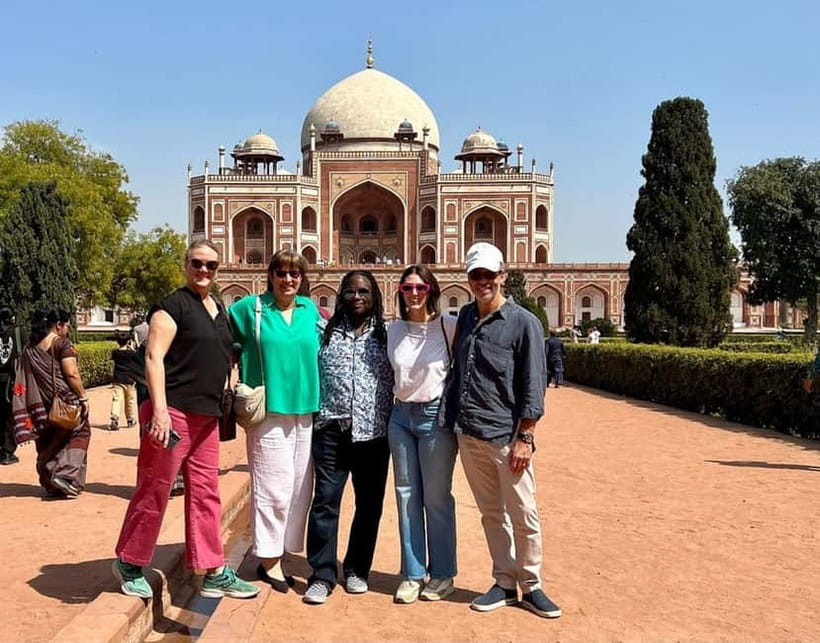
- Humayun’s Tomb plus India Gate and President’s area photo stops: grand monuments without a full day grind
- Lotus Temple and Qutb Minar: iconic architecture that stays readable even when time is tight
- English, Spanish, French, German, Japanese, Italian guides: you’re not stuck with fragments
- Skip-the-line via a separate entrance: a real time-saver at the biggest sites
Choosing 3 Hours vs 8 Hours: What You Gain
This tour is designed for fast orientation. If you pick a shorter option, you’ll focus on either Old Delhi or New Delhi, which helps when you only have a morning or afternoon in the capital. If you choose the combined route, you’ll stretch the day to cover both areas in about 8 hours.
For me, the sweet spot is when you want the “first-time Delhi” feeling without spending days figuring out where to go next. Old Delhi gives you dense street life and spiritual landmarks, while New Delhi shows the planned, monumental side of the city. When you do both, you get a clearer picture of how Delhi evolved from mosque-and-market streets to broad avenues and state-level buildings.
The tradeoff is time. In an 8-hour day, you won’t linger like you would on a slower independent trip, so bring a calm mindset and accept that some stops are “see and absorb” rather than “wander for hours.”
You can also read our reviews of more guided tours in New Delhi



Hotel Pickup, Connaught Place Meet-Up, and Delhi Traffic Reality
You can select a pickup time between 7:30 AM and 4:00 PM, and the driver can pick you up from your hotel anywhere in Delhi, Gurgaon, or Noida, or from Delhi Airport. That flexibility matters in Delhi because traffic can be unpredictable, and a scheduled pickup reduces stress.
One detail to plan around: the guide may meet you in the Connaught Place area as a start point, depending on how your pickup is arranged. If you’re meeting at Connaught Place, come ready with your tour time and any ID you need, then the guide takes it from there.
Once you’re in the car, you’ll get bottled water and a comfortable, air-conditioned ride. Several people also highlighted that the drivers navigate traffic carefully, which is a big deal in this city. If you’re prone to motion discomfort, the AC and direct driving route can make a half day feel more manageable.
Old Delhi: Jama Masjid, Rickshaw Ride, Chandni Chowk, and the Spice Market
Old Delhi is where Delhi stops being abstract and becomes sensory. You start at Jama Masjid, with a guided visit and a walk that typically runs about half an hour. This stop sets the tone: religious space, scale, and an energy that’s different from the calmer “monument photo” moments later.
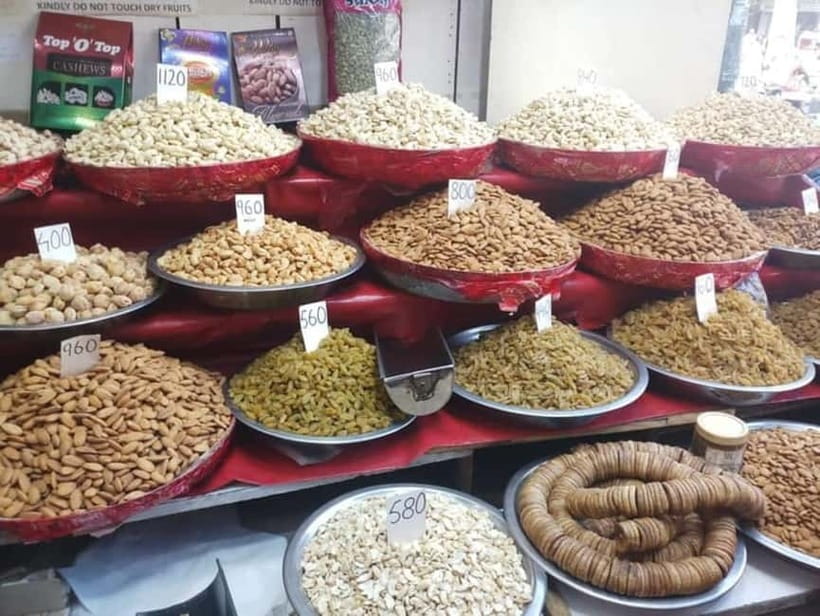
Then you move into the street-market rhythm around Chandni Chowk. You’ll walk through Chandni Chowk for about 45 minutes, which is long enough to get a feel for the lanes without turning it into a marathon. In the same Old Delhi stretch, you’ll also experience a rickshaw ride and spend time around the Spice Market.
Here’s what makes this portion valuable: the guide helps you read what you’re seeing. Markets in Old Delhi can be visually loud, and a good guide helps you know what to look for and how to navigate the flow. The Spice Market part is especially good for understanding everyday commerce, not just taking photos of spice piles.
A small consideration: Old Delhi is crowded and fast-moving. Comfortable shoes are essential, and sunglasses help because daylight plus street dust can be rough. If you don’t like dense crowds, consider choosing a New Delhi-only option or shorten your time in Old Delhi.
Red Fort Outside and Raj Ghat: What You See Without Overloading the Day
Between the major market areas and the calmer memorial space, you’ll get a break in pace. The tour includes a pass-by of Red Fort (outside), so you’re seeing it without turning the day into a long ticket line or a full museum deep dive.
Then comes Raj Ghat, where you’ll have about 25 minutes with guided sightseeing. This stop gives you a reflective counterpoint to the earlier bustle—an important mood shift in the middle of Old Delhi.
In practical terms, this pairing works because it changes your sensory load. You’re not sprinting from street to street with no pause. It’s also efficient: you get iconic structures and meaningful places, but you still leave room for the key Old Delhi moments that depend on walking and navigating.
New Delhi Planning: Humayun’s Tomb Sets the Standard
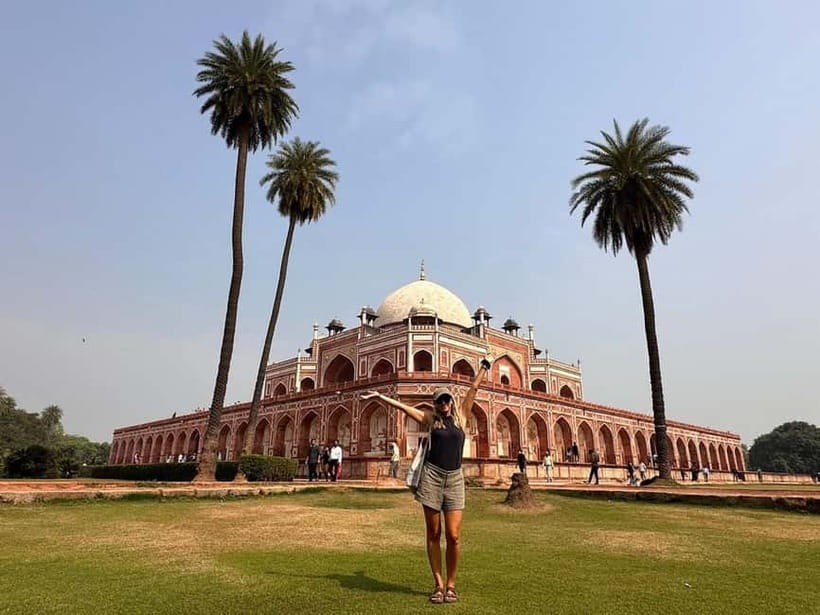
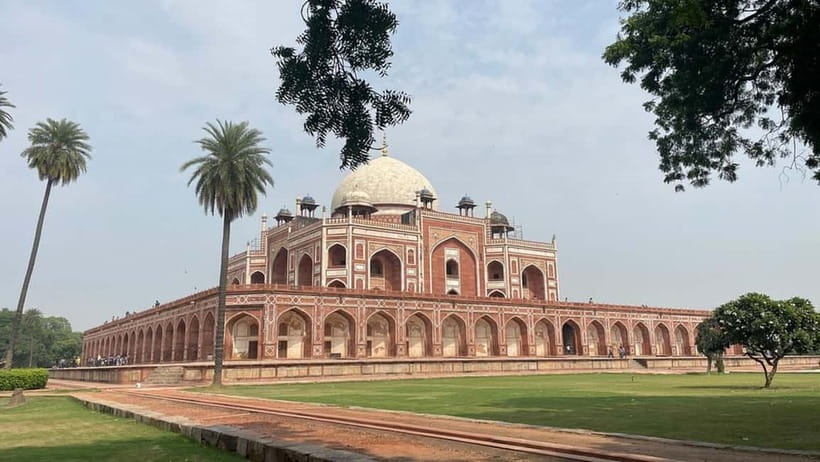
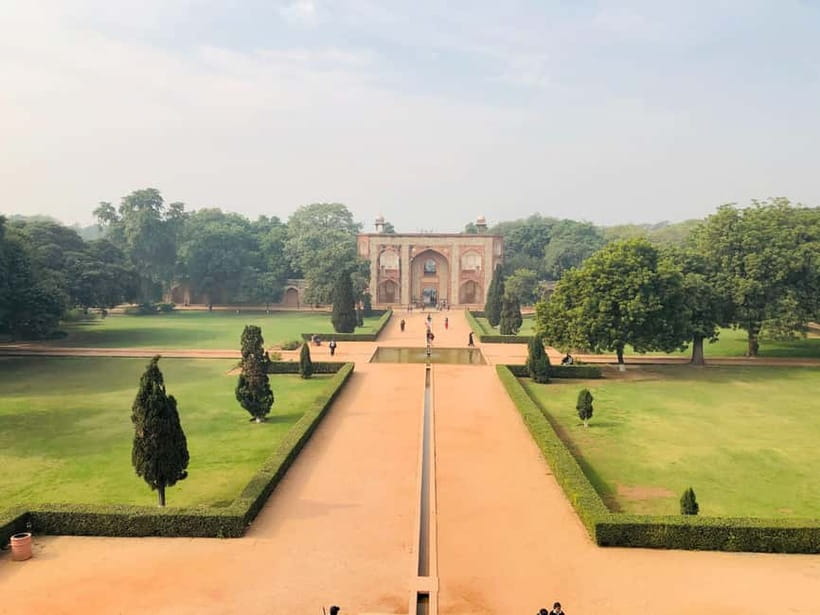
If Old Delhi is the jolt, New Delhi is the architecture. The New Delhi option includes Humayun’s Tomb, with photo stops and a guided visit around one hour. This is often the emotional highlight because the setting feels grand, and the structure reads clearly even if you only spend about an hour there.
The benefit of having a guide here is simple: you don’t just see stone and symmetry—you understand what you’re looking at. People also singled out how this stop makes the tour feel like more than a checklist, and I agree. It’s the kind of place where a bit of context turns admiration into actual comprehension.
When the tour hits Humayun’s Tomb, you’ll also likely appreciate the shift from Old Delhi crowds to a more open, monument-style environment. That makes it a strong anchor for your day, especially if you’re mixing Old and New Delhi.
You can also read our reviews of more tours and experiences in New Delhi




India Gate, Rashtrapati Bhavan Area, and the Power of Photo Stops
You’ll get India Gate as a photo stop plus guided visit time (about 20 minutes). India Gate is one of those places where you can take a few photos and still learn what it represents. The short guided component is perfect if you don’t want to spend half your day on one site.
Next are photo opportunities around the Rashtrapati Bhavan area, with passes by. This is a good way to “see the official New Delhi” without locking yourself into long explanations or ticket lines.
One reason these moments work: they give you recognizable landmarks that make the rest of the day feel organized. Even if you later visit these places on your own, the guide’s route helps you remember where things sit and how Delhi’s geometry flows.
Lotus Temple and Qutb Minar: Two Types of Awe

The tour includes Lotus Temple with photo stop and guided time around 30 minutes. It’s a different kind of visual experience than Humayun’s Tomb—less about fortress-like power and more about modern spiritual design. Even in a shorter visit, the guided pacing helps you see why people associate the structure with calm and clarity.
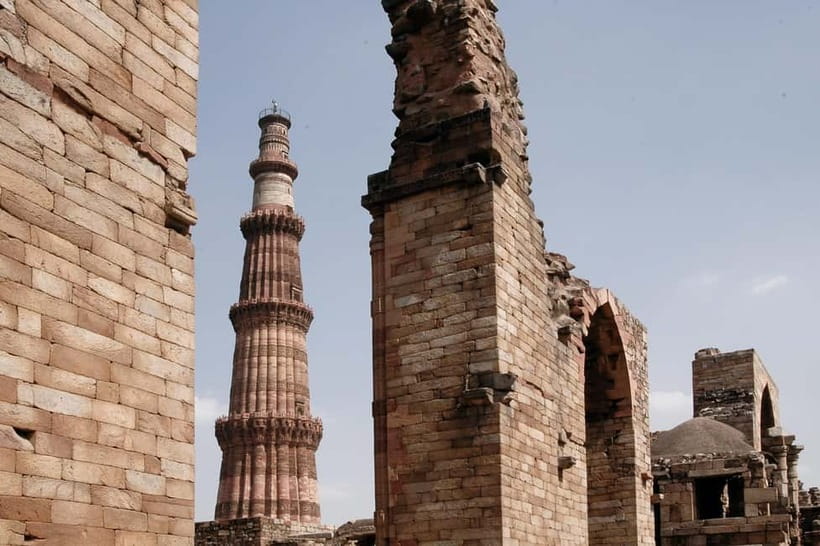
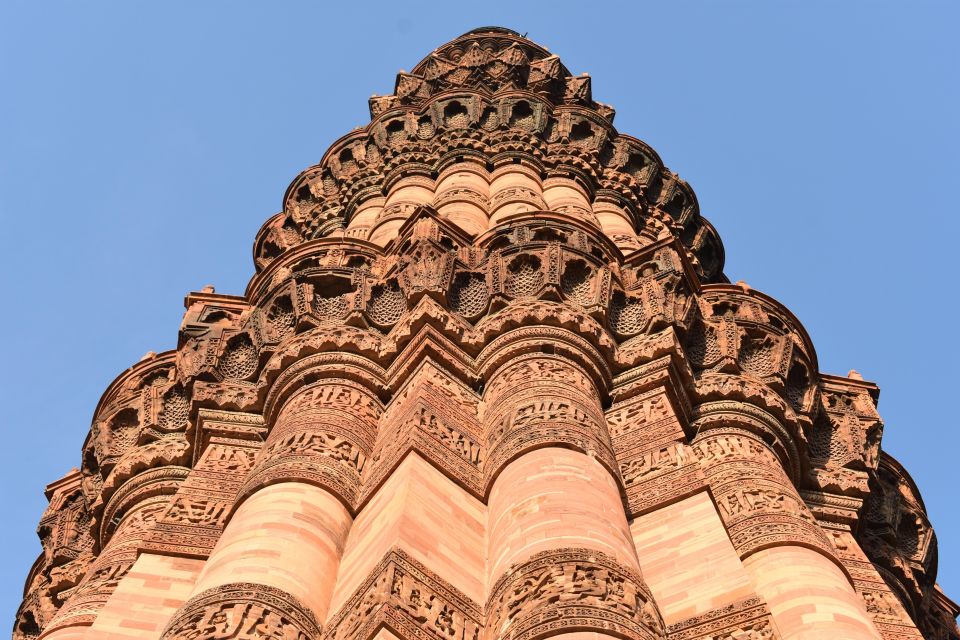
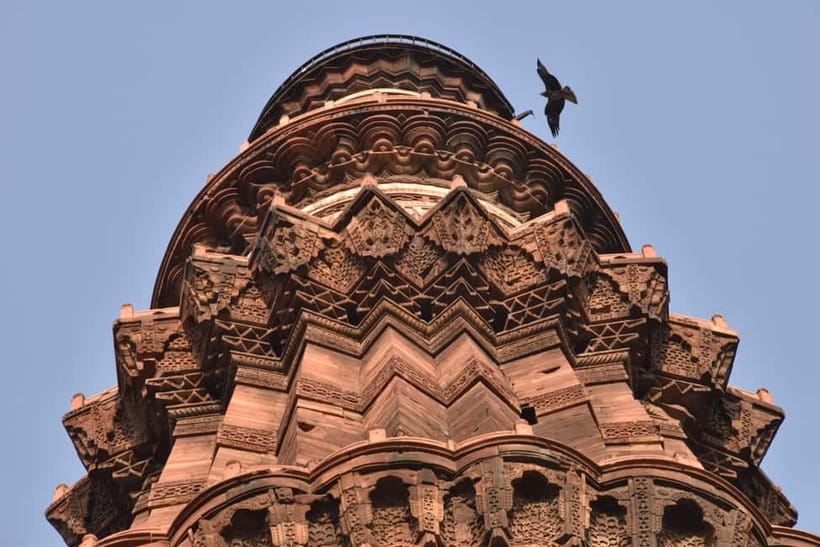
Then comes Qutb Minar, where you’ll have guided visit time plus free time, some shopping, and a walking stretch that runs about an hour. This is where you’ll feel the scale: tall structures, historical layers, and lots of corners to look at.
Qutb Minar is also one of the best places for smart time management. In about an hour, you can do the essential viewing without exhausting yourself, as long as you wear comfortable shoes and stay oriented. If you like architecture, this stop alone can justify a New Delhi day.
A quick practical tip: bring sunglasses and keep an eye on hydration. Even with bottled water included, walking and sun add up quickly.
Lodi Garden and Agrasen Ki Baoli: Small Stops That Add Texture
New Delhi also includes Lodi Garden and Agrasen Ki Baoli on the route. These are not always the first things people think of when planning Delhi, but they help balance the day. They make the tour feel less like a museum line and more like a live city.
Lodi Garden is useful if you want a moment of greenery and slower movement. Agrasen Ki Baoli is interesting because it’s a stepwell style structure, and it tends to be a strong visual break from the larger monuments. One review mentioned a stepwell stop and the chance to see it in the middle of the bigger names, which is exactly how you should think about it: as a texture point.
If you’re short on time, these stops still matter because they keep the day from becoming only grand buildings and big photos.
The Guide-Driver Combo: Why People Keep Coming Back
A big part of this experience is the human setup. Multiple people praised guides such as Asif and Ravi for clear, well-timed explanations and strong command of Delhi’s stories. One guide named Joseph was described as kind and able to handle English smoothly. Another guide, Anil, was noted for delivering explanations in Spanish and helping with photos and tips.
Why that matters to you: in Delhi, it’s easy to “see things” and still miss what they mean. A good guide turns the day into a map in your head—where you are, why it matters, and what to pay attention to next. Several people also commented on drivers like Deevan/Daveen being careful and comfortable, and that reduces stress when traffic gets intense.
Also pay attention to the language options: English, Spanish, French, German, Japanese, and Italian. If you’re traveling as a couple or small group, language support makes the guided parts actually usable.
Price and Value: How $10 Makes Sense Here
This tour is priced around $10 per person, and the value comes from what’s included. You get hotel or airport pickup and drop-off, an air-conditioned car with a driver, a guide, and bottled water. That package can be hard to beat when you consider Delhi’s traffic and the cost of private transport for multiple stops.
But be realistic about what’s not included. Monument entrance tickets and meals are not part of the price, so you’ll need to plan for ticketing where required and decide where you’ll eat. The good news: several major stops are timed and paced so you’re not spending all day on logistics.
There’s also a note about skip-the-line through a separate entrance. That can be a true advantage on high-demand sites like the biggest monument areas, because it helps you protect your limited time.
For the best value, treat this tour as your orientation day. If you then add one or two independent visits later, you’ll spend your extra time smarter.
What to Bring, and How to Make the Day Feel Easier
This is a walking-plus-driving mix, so pack like you’re doing city errands. Bring comfortable shoes and sunglasses, and carry your passport or ID card. The tour is also not suitable for pregnant women, so keep that in mind if anyone in your group needs different accommodations.
If you’re sensitive to crowd noise, plan for it. Old Delhi market areas are visually intense and fast-moving. In New Delhi, the monuments are more spaced out, so the pace can feel calmer.
Most importantly, keep your expectations aligned with time. Short visits can still be meaningful, but you’ll want to use your guide’s context so you don’t spend the whole day just scanning for what to do next.
Who This Tour Fits Best
This guided plan is a strong match if you want an efficient first look at Delhi. It works well for first-timers who want both Old and New Delhi themes, and for travelers who don’t want to organize transport across distant parts of the city.
It also fits people who like structure. If you tend to wander without a plan, a guided route can help you see more without wasting time. And if you’re traveling with a friend or small group, private group availability can make the day feel more personal.
If you want slow photography sessions, long museum time, or lots of off-route wandering, you might find the pacing limiting. In that case, you could use this as the start, then return to your favorite area later.
Should You Book This Old and New Delhi Guided Tour?
Yes—if your goal is a high-efficiency Delhi day with clear guidance and comfortable transport. The combination of pickup options, guided stops, and a route that balances Old Delhi street life with New Delhi monuments makes it a smart buy for time-crunched travelers.
I’d recommend booking if you’re comfortable with walking in crowds for the Old Delhi portion and you’re willing to handle entrance tickets and meals yourself. If you hate dense market lanes or want a fully relaxed pace, choose the New Delhi-only option and skip the market-heavy side.