REVIEW · NEW DELHI
Delhi: Old and New Delhi Private Full or Half-Day Tour
Book on GetYourGuide →Operated by BAE Travels · Bookable on GetYourGuide
Delhi’s layers fit in one drive. This private tour strings together Old Delhi’s religious landmarks and market streets with New Delhi’s big monuments, all guided in English with hotel pickup and drop-off. You’ll see how Indian, British, and Indo-Islamic architecture rub shoulders in the same day.
I love the easy logistics. Getting picked up at your hotel main porch and returned there means you’re not wasting your time haggling for transport or guessing where to start. I also love the Humayun’s Tomb anchor stop. It’s the kind of sight that gives you context for everything else you’ll see that day.
One possible drawback: time is tight. If you like lingering in markets or you want a slower pace around steps and courtyards, plan to prioritize what matters most to you. Also, this tour is not suitable for people with mobility impairments.
In This Review
- Key highlights at a glance
- Half-day vs full-day: picking your Delhi mix
- Time and traffic: why a private, air-conditioned car matters in Delhi
- Humayun’s Tomb and Bangla Sahibh: the architecture-to-culture pivot
- India Gate, Rashtrapati Bhavan, and Parliament House areas: the New Delhi government-side story
- Agrasen ki Baoli and the stepwell pause: small structure, big vibe
- Old Delhi: Jama Masjid and Khari Baoli for the full sensory hit
- Rickshaw ride in Old Delhi: short trip, long impression
- Lodhi Garden and timing: where the day breathes
- Price and included perks: what $39 gets you in real terms
- What guides actually add to your day (beyond pointing)
- Practical tips so you enjoy it more
- Should you book this Old and New Delhi private tour?
- FAQ
- How long is the tour?
- Is this a private tour?
- Do I get hotel pickup and drop-off?
- Do I need an ID?
- Is the guide provided in English?
- Which stops are included in the Half Day New Delhi tour?
- Which stops are included in the Half Day Old Delhi tour?
- What’s included in the Full Day Old and New Delhi tour?
- Is a rickshaw ride included?
- What is not included, and is there an extra airport cost?
Key highlights at a glance
- Humayun’s Tomb focus for Indo-Islamic architecture and a proper UNESCO-style wow
- Old Delhi rickshaw ride that gets you into the lane life fast
- Jama Masjid and Khari Baoli pairing for mosque views and spice-and-chaos shopping streets
- New Delhi landmark passes including India Gate, Rashtrapati Bhavan, and Parliament House areas
- Stepwell moment at Agrasen ki Baoli (or a stepwell stop on the longer option)
- Hotel pickup and air-conditioned private car to keep the day comfortable
Half-day vs full-day: picking your Delhi mix
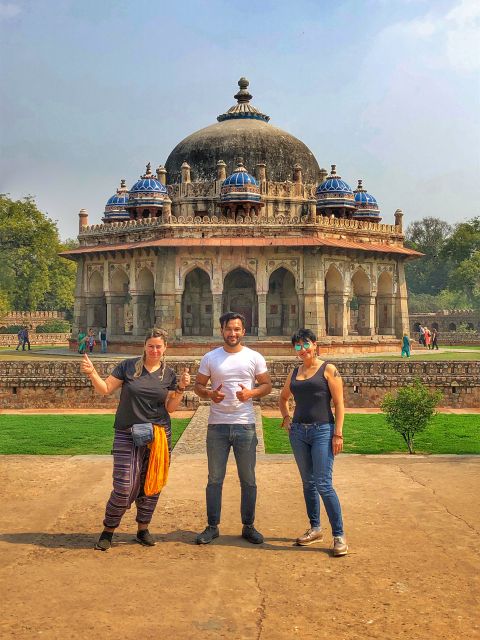
This tour works well because it gives you a choice: a half-day leaning toward New Delhi, a half-day leaning toward Old Delhi, or a fuller combo day. If it’s your first time in the city, I’d pick the version that hits both sides, so you get the contrast without needing two separate bookings.
The half-day New Delhi route is ideal if you want big monuments and major architectural stops with a bit of breathing room between sites. You’ll start with major heritage anchors like Humayun’s Tomb and then connect the dots through places such as Lodhi Garden, India Gate, and the government-building area around Rashtrapati Bhavan and Parliament House.
The half-day Old Delhi route is better if you’re hungry for street energy and religious landmarks right away. You’ll center the day around Jama Masjid, then head into market atmosphere with Khari Baoli, with Bangla Sahib added as a major cultural and spiritual stop. You also get drive-bys past key New Delhi anchors like India Gate and the Red Fort area.
If you’re choosing the full-day Old & New Delhi option, you’re essentially stacking the best contrasts into one plan: Old Delhi sites like Jama Masjid and Khari Baoli, plus Humayun’s Tomb and a stepwell stop. It’s a long but efficient way to get your bearings.
You can also read our reviews of more private tours in New Delhi



Time and traffic: why a private, air-conditioned car matters in Delhi
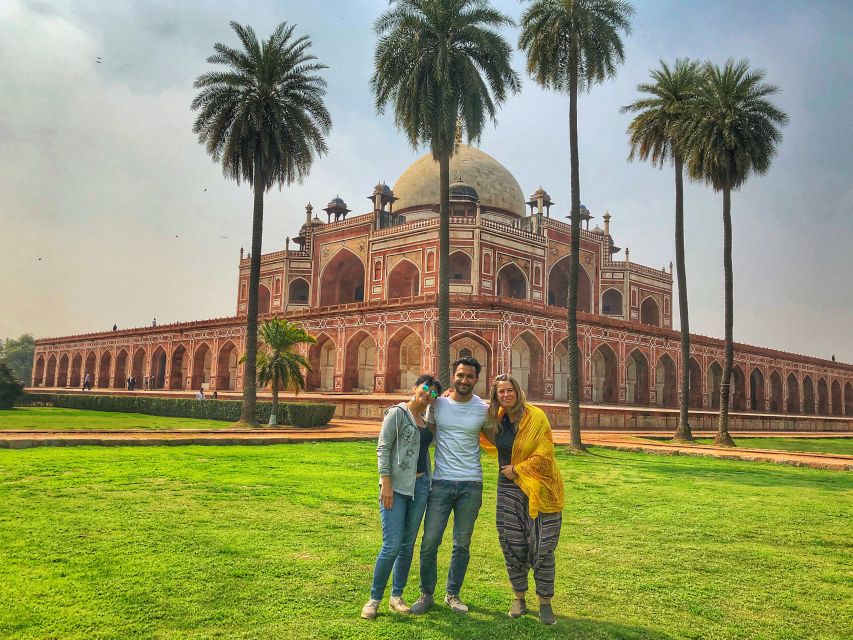
Delhi traffic can make a short visit feel longer than it is. The value here is the private car and the fact that the driver handles the routing while you focus on sights. You’re picked up from your hotel main porch and dropped back there too, which cuts out a lot of stress.
Another practical win: bottled water is included, and you’re traveling with air-conditioned transportation. For a 4-hour tour window, that’s not a small thing, especially when you’re jumping between crowded areas and large monument zones.
This is also a day where photos and timing matter. In the feedback you’ll see repeated praise for guides who help with pictures and keep the pace under control even when stairs and busy sidewalks slow people down. Since the tour is private, you can usually ask your guide for brief adjustments if your timing or interests lean one way.
Humayun’s Tomb and Bangla Sahibh: the architecture-to-culture pivot
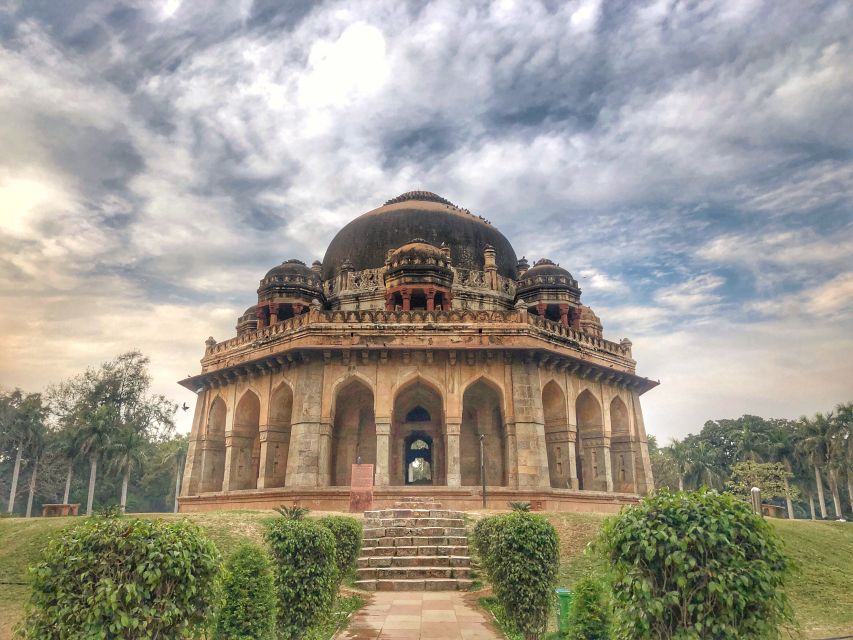
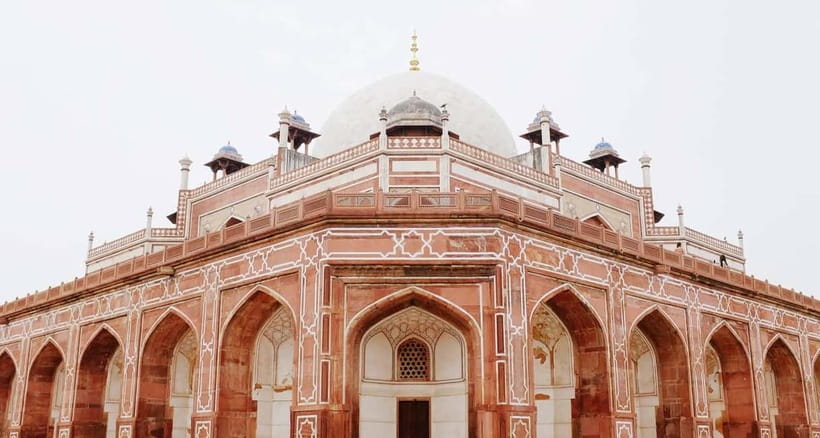
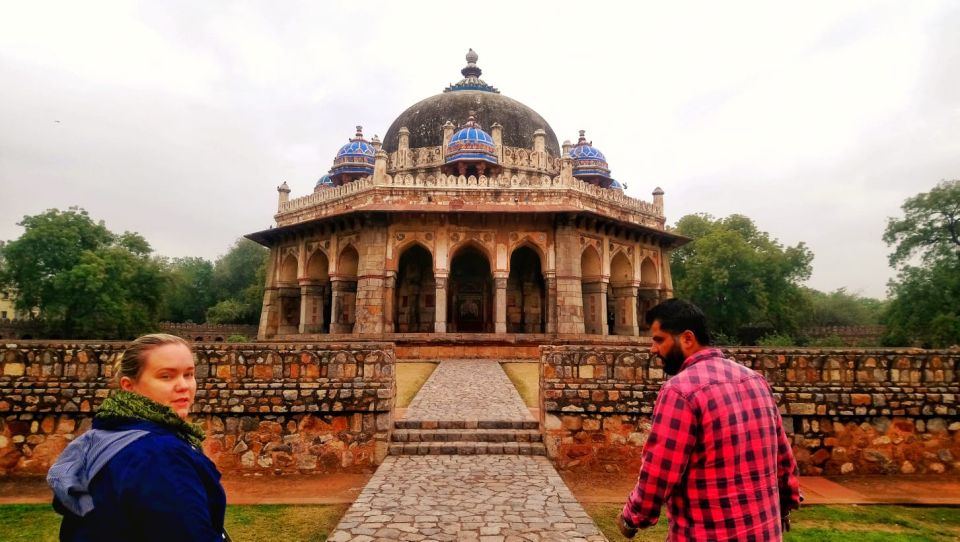
No matter which option you choose, Humayun’s Tomb shows up in the New Delhi mix. That matters because it’s a key piece for understanding the Indo-Islamic style that influences a lot of what you see later. Plan to give it real attention: the sightlines and symmetry make more sense when you’re walking through the space with a guide pointing out the details.
After that, Bangla Sahibh is a strong cultural counterpoint. It’s a reminder that Delhi’s landmarks aren’t only about empires and courts. You’re also seeing living faith and community space in the middle of a city built on layers.
What I like about this pairing is that it changes your perspective. You start with a grand heritage monument, then you shift to a spiritual landmark that feels more daily-life connected. It’s a simple trick, but it makes the architecture day feel like a human day too, not just sightseeing cardboard.
India Gate, Rashtrapati Bhavan, and Parliament House areas: the New Delhi government-side story
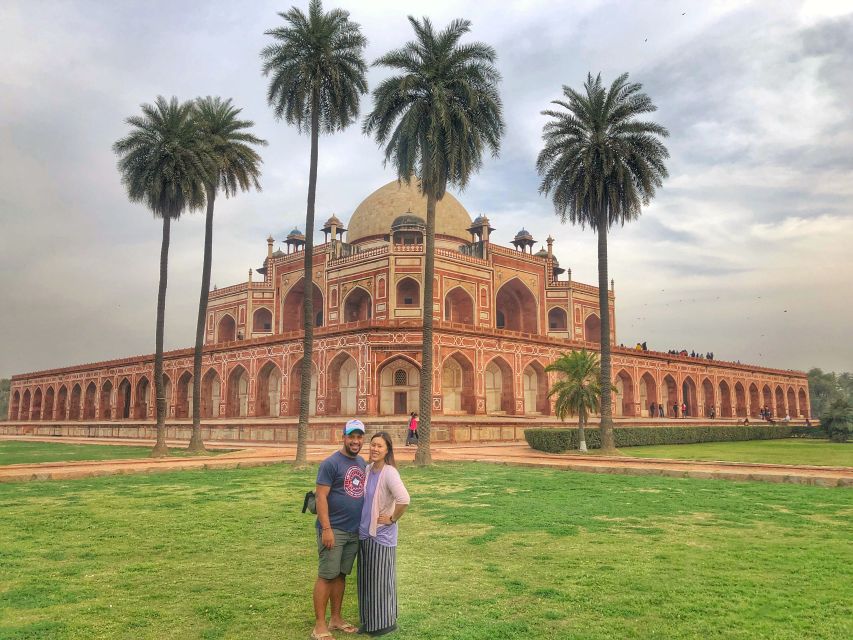
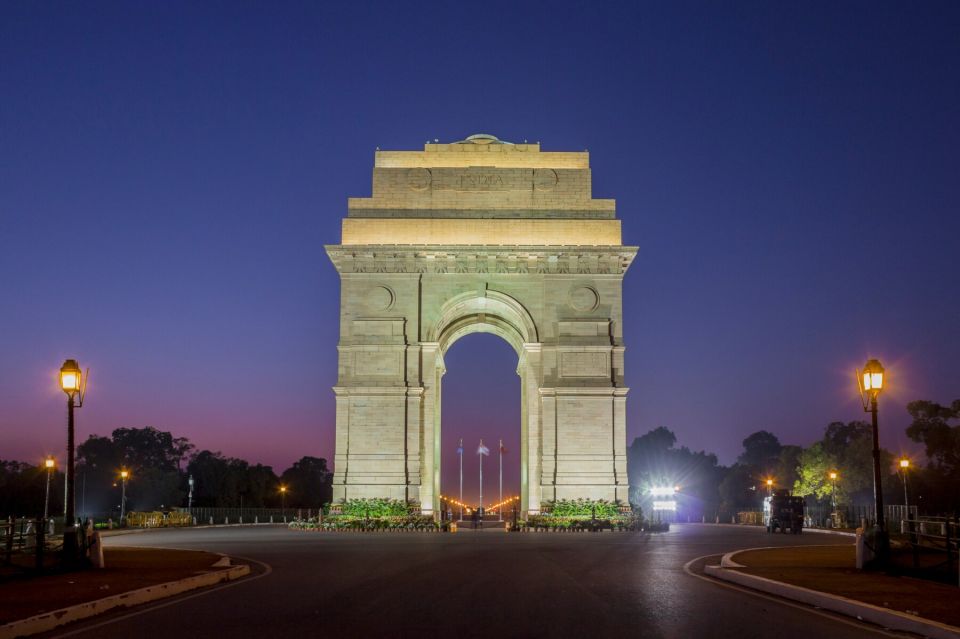
If your schedule includes India Gate, you’ll get one of the most recognizable New Delhi landmarks and a chance to see how ceremonial space works in the capital layout. From there, the tour typically moves toward the Rashtrapati Bhavan and Parliament House areas.
Even if you don’t spend hours inside government buildings, the drive-by and exterior views help you connect the dots across the city’s planning. You start seeing how wide avenues and monumental sightlines are part of Delhi’s identity.
One thing to keep in mind: government-area zones can feel more spread out than the Old Delhi lanes. That’s exactly why a car-based tour is helpful here. You’ll keep your energy for the stops that require more walking and attention.
Agrasen ki Baoli and the stepwell pause: small structure, big vibe
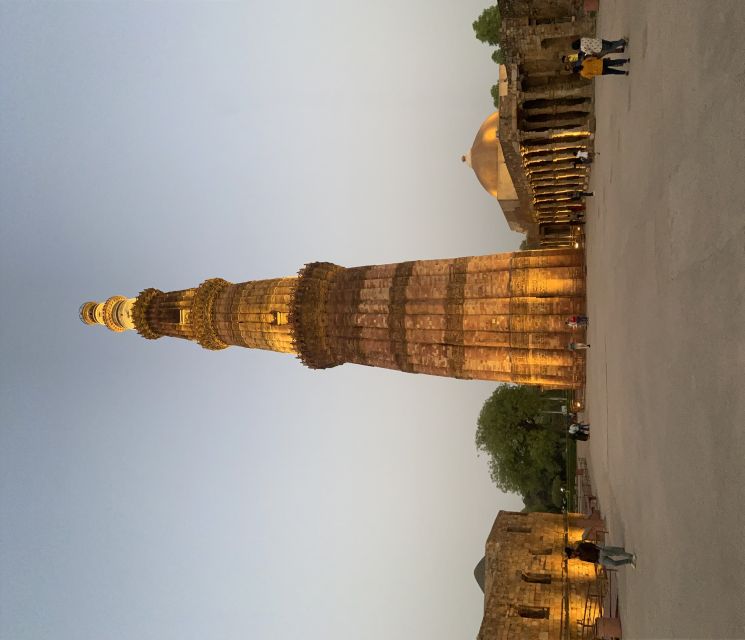
The stepwell stop (Agrasen ki Baoli, or a stepwell moment on the longer option) is one of those places that surprises people. On paper, it sounds like an extra cultural site. In practice, it gives you a different kind of Delhi architecture—one tied to water, everyday life, and the way communities built practical spaces into the city fabric.
You’ll want to slow down here. The structure and levels are made to be noticed up close, and guides tend to explain the logic behind the design and what it meant in daily use. It’s also a nice break from the heavy monument scale, because this one feels intimate.
Just plan for physical movement. This is a major reason the tour notes it isn’t suitable for mobility impairments. If your mobility is limited or you avoid stairs, consider choosing a different option within your trip strategy.
You can also read our reviews of more tours and experiences in New Delhi



Old Delhi: Jama Masjid and Khari Baoli for the full sensory hit
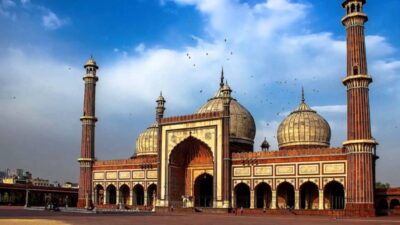
Jama Masjid is one of the best ways to begin Old Delhi because it anchors everything around it. The mosque’s size and the way people move through the area gives you an immediate sense of why this part of Delhi has stayed central for generations.
From there, Khari Baoli takes over. This is where the day becomes tactile: shopfronts, crowds, and dense market energy. Khari Baoli is also a good reminder that Delhi’s heritage isn’t frozen. It’s still trade, still daily business, still a place people rely on.
If you’re someone who likes markets, you’ll appreciate that you’re not just driving past. The tour is designed to place you where the action is, with a guide to explain what you’re seeing as you go.
If you’re not a market person, you can still enjoy Khari Baoli without going deep into purchases. Even a short look helps you understand the scale of Old Delhi and why “orientation” matters so much for first-time visitors.
Rickshaw ride in Old Delhi: short trip, long impression
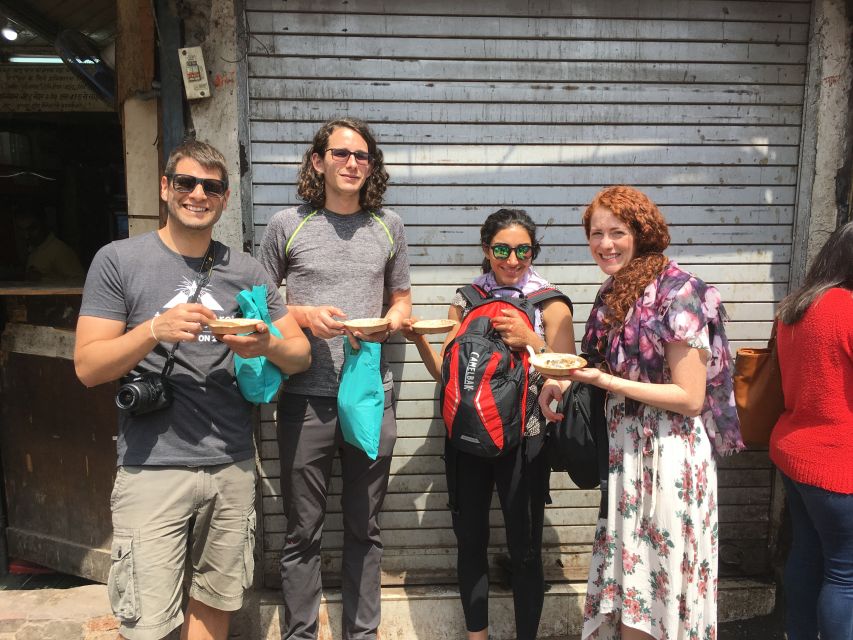
The included rickshaw ride is one of the most praised pieces of the day. It’s not a long ride that drags on. It’s a quick, memorable way to get the feeling of the lanes without you having to navigate them on foot for every stretch.
This ride also changes the rhythm of the day. After walking and standing in monument zones, the rickshaw gives you a different view of the same neighborhoods—streets fold into each other, and Delhi’s density becomes obvious fast.
If you love photos, this is also the moment to take a few more than usual. Speeds are low enough to frame shots, and you can capture the lane geometry people miss when they only do drive-by photos.
Lodhi Garden and timing: where the day breathes
On the half-day New Delhi route, Lodhi Garden appears as a reset button. It’s a calmer stop compared to the big monuments and city traffic routes. It helps the day feel less like nonstop site-checking.
Even on a mixed Old/New day, a schedule that includes one calmer space can make a big difference. A short pause is how you keep your energy for the parts that take concentration, like Humayun’s Tomb and Jama Masjid.
This isn’t just comfort. When you’re rested, your guide explanations land better, and you notice more.
Price and included perks: what $39 gets you in real terms
At $39 per person for the time window shown, the value comes from what you do not have to arrange. You’re getting a professional guide, private group setup, hotel pickup and drop-off in Delhi, entrance fees for monuments in the route, and air-conditioned transport.
You’re also covered for parking fees, tolls, and taxes, plus bottled water. For a short visit, that bundle adds up quickly if you’d otherwise piece it together with separate tickets, transport, and negotiation.
The one part not included is food and drinks. That’s normal for a sightseeing package, but it does mean you should plan to eat separately on your own schedule. If you’re eating light, the tour still works because it’s only a few key stops. If you’re hungry and you’re tempted to snack all day, you’ll want to budget time for it.
One more note: if you’re being picked up from the airport, there’s an additional airport parking charge of 500 INR. It’s a small logistics item, but it’s worth remembering so you aren’t surprised at the start.
What guides actually add to your day (beyond pointing)
A good tour guide does two things: explains what you’re seeing and manages the human side of the visit. In this tour, you’ll hear praise about guides who keep the pacing friendly even if you arrive tired, including guests dealing with jet lag.
You’ll also see repeated mentions of guides helping with photos. That’s practical. In Delhi crowds, it’s hard to time selfies. A guide who knows when people are shifting and where you’ll get a clean shot saves you frustration.
Guide names you may see in past groups include Rahul, Gurvinder, Ankush, Dharmender, Ravi, and Rahman. Your assigned guide may differ, but the consistent theme is the same: clear explanations, smooth handling of the day, and help with comfort and safety.
Practical tips so you enjoy it more
- Bring a passport or ID card. It’s required.
- Wear shoes you can walk in for stairs and uneven areas. This tour is marked not suitable for mobility impairments.
- Plan your priorities before you go. With a tight schedule, you’ll get the most satisfaction by deciding what you care about most: tombs, mosques, stepwells, or markets.
- If you want extra attention for photos, tell your guide early. People praised guides for picture help, so ask when you start rather than after you’ve missed the best angles.
If you’re traveling solo, you’ll likely appreciate the private format. It keeps you from feeling like you’re trapped in a group rhythm you didn’t choose.
Should you book this Old and New Delhi private tour?
I think it’s a smart booking if you want a fast, structured introduction to Delhi’s major contrasts. The package is especially good for first-timers and for people with limited time, because it combines iconic sights with real neighborhood texture.
Book it if:
- You want hotel pickup and drop-off and a driver who handles Delhi traffic.
- You want Indo-Islamic architecture (Humayun’s Tomb), a major mosque (Jama Masjid), and a market stop (Khari Baoli) in one plan.
- You’d like an included rickshaw ride in Old Delhi.
Skip or rethink if:
- You need a mobility-friendly route. This tour is not suitable for mobility impairments.
- You prefer slow travel and long stays at each site. Here, the day is efficient, not relaxed.
If your goal is to get your bearings fast and see the highlights without the hassle, this is a strong value pick.
FAQ
How long is the tour?
The tour duration is listed as 4 hours.
Is this a private tour?
Yes, it’s a private group.
Do I get hotel pickup and drop-off?
Yes. Pickup and drop-off in Delhi are included. You wait at your hotel main porch 10 minutes before the tour start time.
Do I need an ID?
Yes. Bring your passport or ID card.
Is the guide provided in English?
Yes. The live tour guide is English.
Which stops are included in the Half Day New Delhi tour?
Humayun’s Tomb, Bangla Sahibh, Agrasen ki Baoli, Lodhi Garden, India Gate, Rashtrapati Bhavan, and Parliament House.
Which stops are included in the Half Day Old Delhi tour?
Jama Masjid, Bangla Sahib, Khari Baoli, plus drive past India Gate, Red Fort, and Parliament Buildings.
What’s included in the Full Day Old and New Delhi tour?
Jama Masjid, Bangla Sahib, Humayun’s Tomb, Step well, Khari Baoli, plus drive past India Gate, Red Fort, and Parliament Buildings.
Is a rickshaw ride included?
Yes. A rickshaw ride in Old Delhi is included.
What is not included, and is there an extra airport cost?
Food and drinks are not included. If you are picked up from the airport, there is an additional airport parking charge of 500 INR.