REVIEW · JAIPUR
Jaipur: Guided History Walking Tour with Food Tasting
Book on GetYourGuide →Operated by Multi Tours India · Bookable on GetYourGuide
Jaipur can look confusing until someone walks you through it. This 3-hour Pink City history walk turns old streets into real context, and the food stops make it memorable fast. I love the way the guide ties together havelis, stepwells, courtyards, and spiritual beliefs, and I also love the practical street-food pacing. One thing to consider: it’s not suitable for wheelchair users, and you’ll be on your feet on uneven lanes.
If you like hands-on culture—stories, architecture, and daily life—this tour delivers in a tight loop. Expect a private group, English plus several other languages, and a finished route that ends back around the Flower Market area. Bring comfortable shoes and plan for sun, since this is a walk-first experience.
In This Review
- Key highlights to look forward to
- Entering the Pink City from New Gate
- Chaura Rasta: Tea, street food, and quick orientation
- Badi Chaupar: where the guide turns streets into stories
- Tripolia Bazar: markets, photo stops, and everyday culture
- Choti Chaupar: street snacks, pacing, and another food moment
- Flower Market finish at Choti Chaupar: sweets and final flavor notes
- What $13 buys you in three hours
- Food tasting: what to expect and how to order mentally
- The guide’s role: architecture, spirituality, and daily life
- Walking style, timing, and what to bring
- Who this tour suits best (and who should skip it)
- Should you book this Jaipur walking food-history tour?
- FAQ
- Where does the tour start and finish?
- How long is the Jaipur walking tour?
- What food and drinks are included?
- Is bottled water included?
- Is this tour a private group?
- What languages are offered?
- Is it okay if I have food allergies or mobility needs?
Key highlights to look forward to
- New Gate start with an easy “get oriented” feel from the first steps
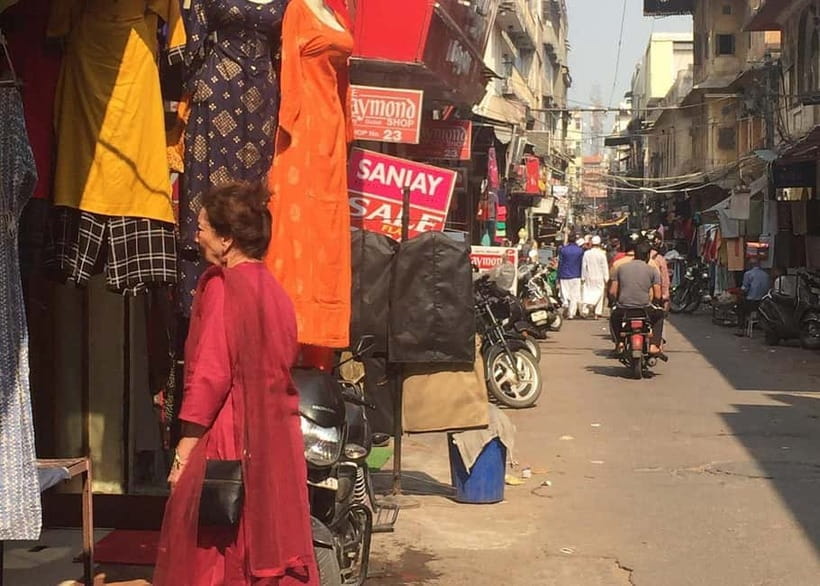
- Chaura Rasta and Badi Chaupar street scenes plus photo stops and guided explanations
- Market-to-temple rhythm, where bazaars connect to local customs and rituals
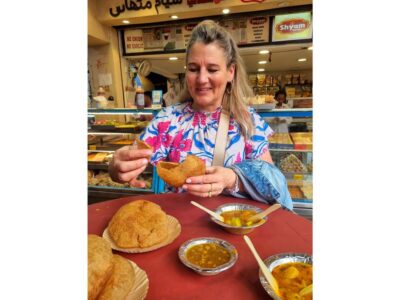
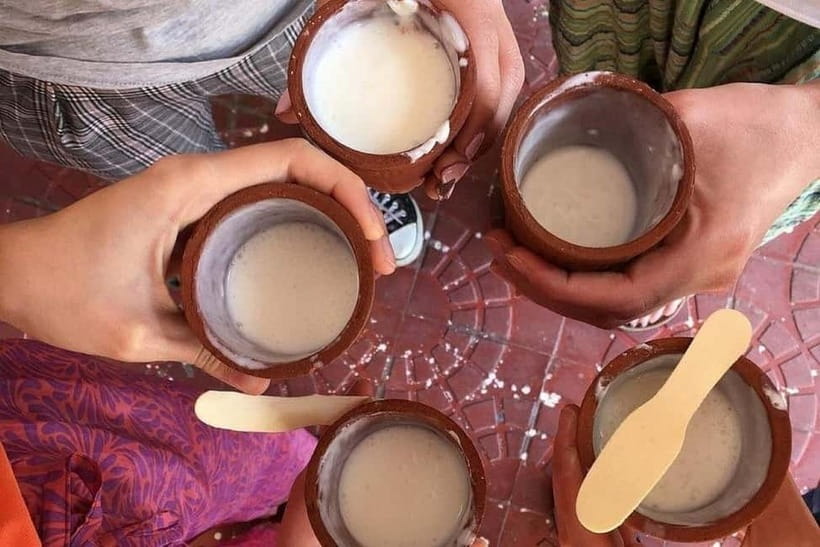
- Handpicked Rajasthani tastings like Pyaaz Kachori, chaat, mirchi bada, and lassi or chai
- Artisan-at-work possibilities, from craft types you might see depending on the day
- Flower Market finish for a strong ending photo moment and final food notes
Entering the Pink City from New Gate
The tour begins at New Gate, which is a smart choice because it gets you into the working street network right away. Jaipur’s old lanes can feel like a maze on your own, so having a guide set the pace matters.
I also like that this isn’t an all-day “stand and stare” sightseeing plan. You walk, stop, and taste—so the city keeps moving, and your brain keeps up.
You should wear shoes that can handle tight turns and sun. Even when the route is only a few miles, the ground is not “museum smooth,” and you don’t want to end the walk wishing you’d chosen different footwear.
You can also read our reviews of more walking tours in Jaipur



Chaura Rasta: Tea, street food, and quick orientation
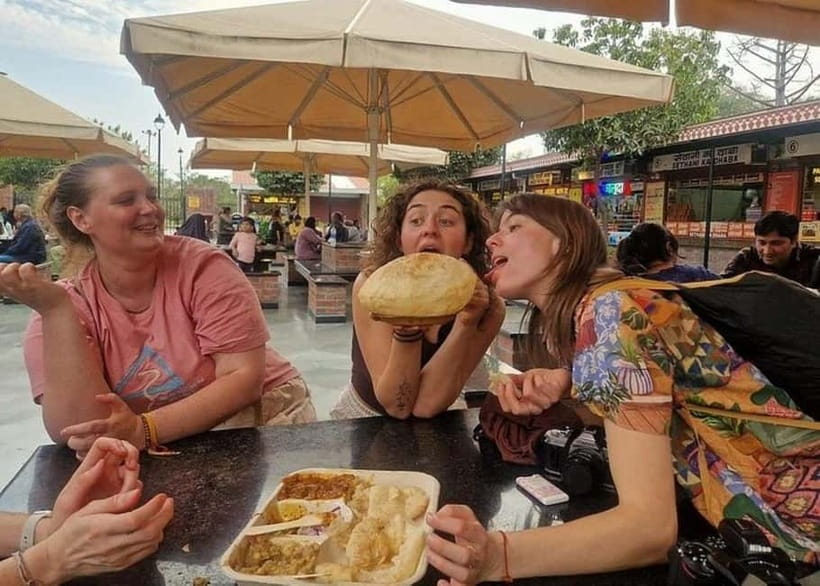
One of the first standout areas is Chaura Rasta, where you get a photo stop plus an early break with tea and street food. This is a great warm-up because you see how the neighborhood works—shops, vendors, and side lanes off the main flow.
The tea part isn’t just a caffeine pause. It’s a cultural reset: local chai (you’ll have masala chai at local tea shops) helps you slow down long enough to notice details the guide points out.
Food here sets expectations for the rest of the walk. You’ll get a taste of Jaipur-style snacks, and it helps you understand what people actually order during the day—not just what’s popular with tourists.
Practical note: this is a walking experience through markets, so expect sensory intensity. If you’re sensitive to crowds or strong smells, take your time and don’t rush between stops.
Badi Chaupar: where the guide turns streets into stories
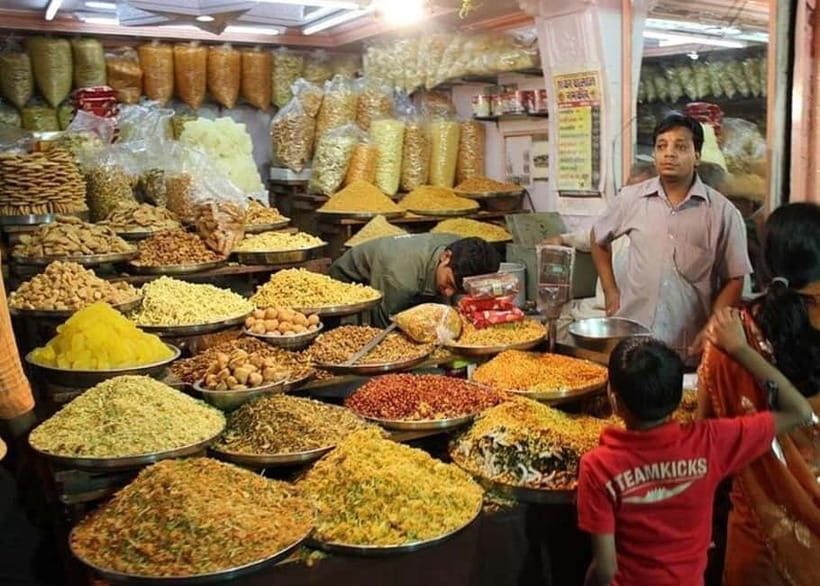
Next comes Badi Chaupar, and this is where the tour’s “history + daily life” idea becomes real. You get a guided walk and snacks, plus a chance to catch scenic views on the way.
Badi Chaupar matters because it’s one of the crossroads points where Jaipur’s old-city structure shows up. The guide uses that setting to explain how the city layout evolved and how people lived and organized daily routines around these public spaces.
I especially like the way architecture gets translated into plain language. Instead of heavy theory, you’ll hear how specific features connect to belief and custom—things like courtyard life, religious spaces, and why certain buildings and layouts show up where they do.
One consideration: if you’re expecting only monuments, this stop may feel more “street history” than “big-name landmark.” That’s also the point. You learn how Jaipur functions.
Tripolia Bazar: markets, photo stops, and everyday culture
At Tripolia Bazar, you get another photo stop and guided walking time. Bazar time is where you’ll feel the city’s rhythm most clearly, and the guide’s commentary helps you read it instead of just watching it pass.
This part works well if you like local customs and small language nuances. The tour focuses on how people dress, what they do in daily life, and how spiritual beliefs show up in the built environment and routines.
You might also notice how certain crafts and services cluster in market areas. Depending on the day, you could even meet artisans and see them at work—potters, jewelers, miniature painters, or spice vendors are possible matches in the tour format.
If you’re a photographer, this is a good time to slow down. Market light can shift fast, and the guide’s stops give you permission to pause and frame shots without feeling rushed.
Choti Chaupar: street snacks, pacing, and another food moment
Choti Chaupar is where the tour leans into snack variety again. You’ll have street food and local snacks here, along with guided food tasting so you know what you’re eating and why it’s typical to Jaipur.
This stop is also a good example of why a guided route is worth it. On your own, you may find food, but you might miss the context—like what a regional name tells you about the dish’s role, ingredients, or local preferences.
You may taste items such as Aloo Tikki or chaat, Mirchi Bada, and other Jaipur Rajasthani favorites. You’ll also get a drink option like lassi or masala chai, which is a nice reset between heavier snacks.
If you’re picky about spicy food, you’ll want to say so early. The tour includes multiple options, but taste preferences are personal, and the guide can usually help you pick comfortably.
You can also read our reviews of more food & drink experiences in Jaipur






Flower Market finish at Choti Chaupar: sweets and final flavor notes
The tour includes a Flower Market stop at Choti Chaupar, with a photo stop and guided walk. Finishing around here is practical because it gives you a visual payoff near the end of the route.
This is also a strong ending for food lovers. You’ll already have had a dessert component, and the final stretch is a good moment to connect the sweet side of Rajasthan with the way markets and rituals run together.
Traditional sweets that may appear include Ghewar or Rabri, and you might also get Kulfi or other regional desserts. The best part is that these aren’t served as random “dessert points.” They’re part of how people actually close meals and breaks in the old city.
Don’t plan a big dinner right after unless you’re a serious eater. You’re sampling enough that a later meal may feel like too much, especially if you’ve had multiple fried items.
What $13 buys you in three hours

At $13 per person for a 3-hour guided walk, the value is surprisingly strong if you care about three things: local explanation, food tasting, and a route you can’t easily design yourself. Most independent street-food plans end up being either too random or too expensive once you start adding multiple tastings.
Here’s what you get that makes the price feel fair:
- Food tasting as a built-in schedule (not “optional add-ons”)
- Bottled water to keep the walking experience comfortable
- Masala chai at local tea shops
- Traditional dessert included
- A live tour guide with multiple language options
- A private group setup, which often means less waiting and easier questions
The real question for you is whether you’ll actually use the guide’s explanations. If you want only photos and you’re set on eating wherever you find, you might not need a paid guide. But if you want to understand why things are where they are and why certain foods are signature to Jaipur, this is a smart deal.
Food tasting: what to expect and how to order mentally
The tour includes multiple tastings, often with classics like Pyaaz Kachori, Samosa, Aloo Tikki or chaat, and Mirchi Bada. You’ll also get options for drinks like lassi or masala chai and finish with a sweet such as Ghewar or Rabri, plus Kulfi or other regional desserts.
A simple way to enjoy this without feeling overwhelmed: treat each stop like one chapter, not a buffet. Don’t try to match every flavor at once. Let the guide’s sequence do the work, and between tastings take small breaks to reset.
Also, watch for dietary restrictions. The tour is not suitable for people with food allergies, and the experience includes snacks and sweets that can be hard to safely swap out on the spot. If you have allergies, it’s better to skip this specific food-focused format.
The guide’s role: architecture, spirituality, and daily life
This is not a generic “look at that building” walk. The guide focuses on architectural elements and spiritual beliefs, plus local customs and rituals you can spot in everyday life.
You’ll hear about traditional houses known as havelis, stepwells, and the way courtyards function as social and family spaces. Even if you’re not an architecture nerd, the guide’s interpretation helps you understand what you’re seeing.
This is also where guide personality matters. In past groups, guides like Rajesh, Krishna, and Ali Irfan have been praised for being friendly, enthusiastic, and strong at explaining both city history and what you’re eating. That kind of guide energy is more than entertainment—it helps you ask questions and actually learn.
Walking style, timing, and what to bring
You’re on a walking loop for about three hours, so the gear checklist is real. Bring:
- Comfortable shoes
- Hat
- Camera
- Sunscreen
- Water (you’ll also have bottled water included)
Also note the simple rule: no smoking during the tour.
Private-group format helps here. If your pace is slower, you can usually move at a comfortable speed without feeling left behind. That said, this is still an outdoor walk in warm light, so show up ready for sun and short stops.
Who this tour suits best (and who should skip it)
This tour is a great fit if you want:
- A guided walk through the Pink City old streets and bazaars
- A food tasting plan that doesn’t rely on guesswork
- Stories that connect layout, architecture, and belief
- An experience you can finish without spending the whole day
It’s not a great choice if:
- You use a wheelchair (not suitable)
- You have food allergies (not suitable)
- You prefer air-conditioned, low-walking sightseeing
Should you book this Jaipur walking food-history tour?
If you’re visiting Jaipur for the first time and you want a fast, meaningful way to understand the old city, I think this is an easy yes. The combination of a guided heritage route, included chai + dessert + tastings, and a schedule that keeps moving makes the $13 feel practical, not “nickel-and-dime.”
Book it if your ideal day includes small streets, market energy, and learning how people live and believe in the city—not just what they built.
Skip it if you hate walking, need strict allergy controls, or want only famous monuments with minimal street-food stops. Otherwise, this is the kind of tour that helps Jaipur feel like a place you understand, not just a place you passed through.
FAQ
Where does the tour start and finish?
The tour starts at New Gate and finishes around the Flower Market area at Choti Chaupar.
How long is the Jaipur walking tour?
It lasts 3 hours.
What food and drinks are included?
You get food tasting plus masala chai at local tea shops, and a traditional dessert. Tastings may include items like Pyaaz Kachori, Aloo Tikki or chaat, Samosa, Mirchi Bada, Lassi or Masala Chai, Ghewar or Rabri, and Kulfi or other regional desserts.
Is bottled water included?
Yes. Bottled water is included.
Is this tour a private group?
Yes, it’s listed as a private group.
What languages are offered?
The guide is available in English, Spanish, Russian, German, Japanese, Chinese, and French.
Is it okay if I have food allergies or mobility needs?
No. It’s not suitable for wheelchair users and not suitable for people with food allergies.