REVIEW · JAIPUR
Jaipur: 2-Hour Cultural Walking Tour
Book on GetYourGuide →Operated by Yo Tours · Bookable on GetYourGuide
Jaipur gets more interesting when you walk it. This 2-hour cultural walking tour takes you through the old city with a local storyteller who explains what you’re seeing, not just what’s on a sign. You’ll hit iconic landmarks like Hawa Mahal and Jantar Mantar, then wander into lanes where everyday life and heritage still overlap.
My favorite part is the guide-led interpretation—architecture, temple life, and the meanings behind what you pass. I also like the mix of famous stops plus lesser-known sights, including a traditional sword shop and a working camera that’s said to be 150 years old. One drawback to plan for: it’s moderate walking in old-city areas, and entrance fees aren’t included (some sights are viewed from outside).
In This Review
- Key points before you lace up
- Starting at Wind View Cafe: Why this walk begins by Hawa Mahal
- Hawa Mahal on foot: What you learn when you’re near it
- Markets, a sword shop, and a 150-year-old working camera
- Old lanes where royal priests once moved
- Sawai Man Singh Town Hall to Jantar Mantar (UNESCO)
- Shiva and Krishna temples maintained by an eighth-generation family
- Price and value: is $14 worth it?
- Timing, meet-up, and the one thing to double-check
- Who should book this Jaipur walk (and who should skip it)
- Should you book this 2-hour cultural walking tour?
- FAQ
- FAQ
- Where does the tour start?
- Where does the tour end?
- How long is the walking tour?
- What is the price per person?
- What languages are the guides?
- Is hotel pickup or drop-off included?
- Are entrance fees to monuments included?
- Is food or water included?
- What should I bring?
- What is the cancellation policy?
Key points before you lace up
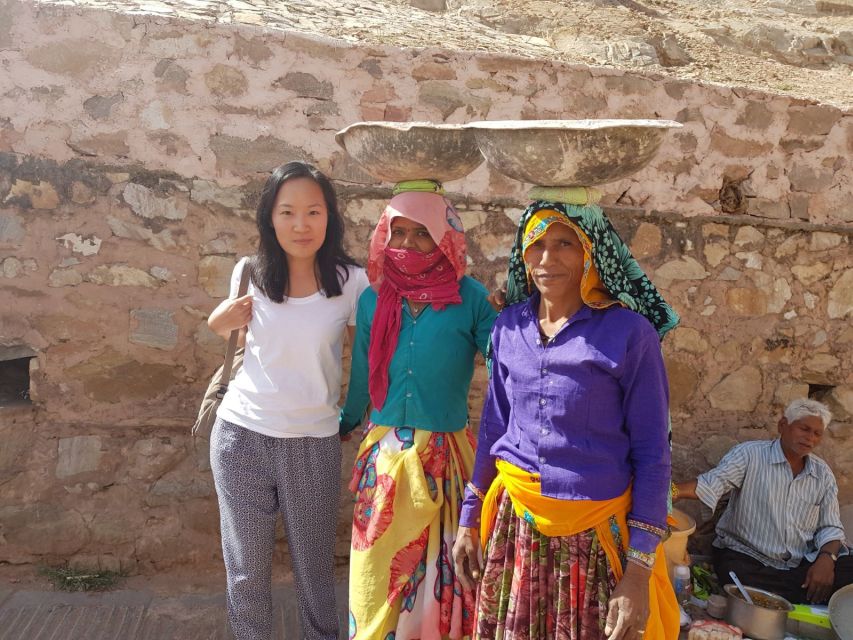
- Wind View Cafe meeting point keeps the start close to Hawa Mahal
- Outside views first so you can get bearings before you pay for anything
- Living craft stop at a traditional sword shop plus a 150-year-old working camera
- UNESCO Jantar Mantar plus explanation that helps you understand what you’re looking at
- Temples with long family stewardship at a Shiva Temple and Krishna Temple
- Short and focused at 2 hours—ideal when Jaipur time is tight
Starting at Wind View Cafe: Why this walk begins by Hawa Mahal
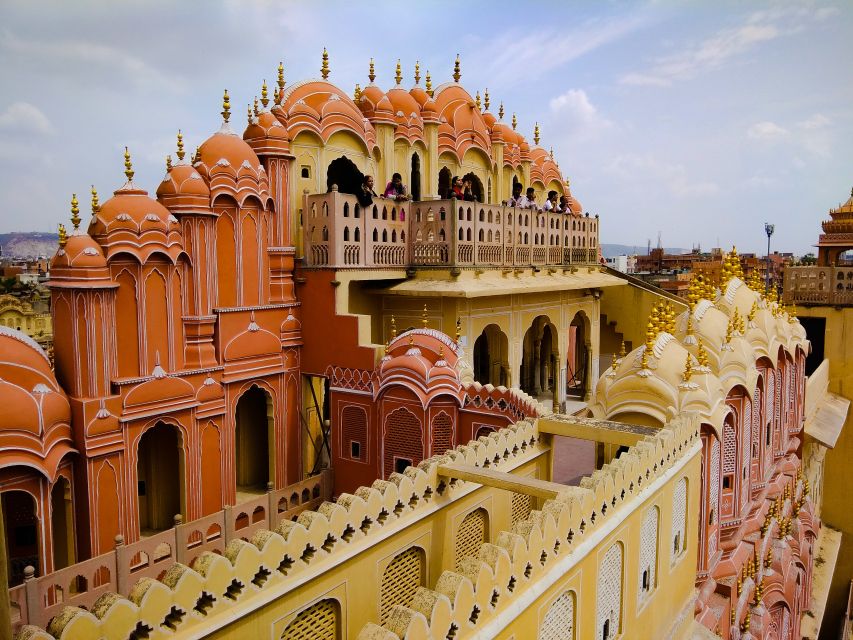
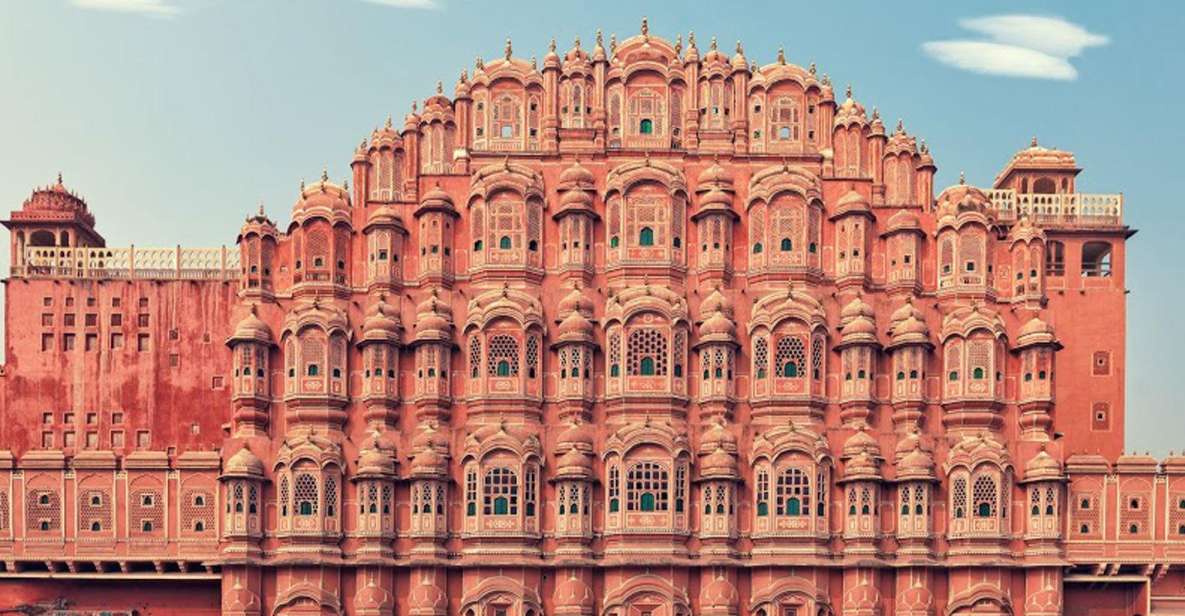
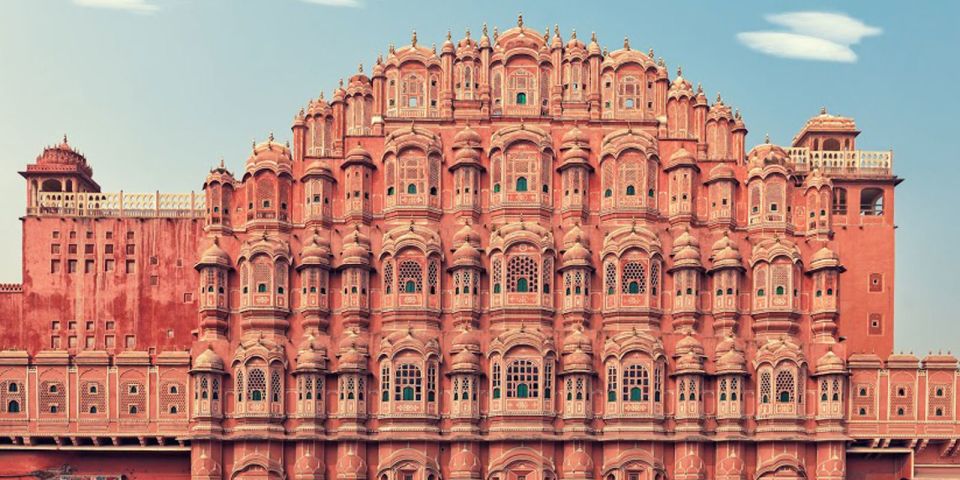
The tour kicks off at Wind View Cafe, in front of Hawa Mahal. That matters because you get the first big visual hook right away: the Palace of Winds is one of those Jaipur landmarks that works best when you see it from the street, at close walking distance, and with someone pointing out details.
You don’t just get a quick photo moment. The tour is built around stories—why the building looks the way it does, and how that connects to Jaipur life. If you’ve only seen Hawa Mahal from postcards, this approach helps you understand how it functions in the cityscape.
Tip for your day: arrive with time to get oriented. One booking reported that the meeting point details changed to the Hawamahal ticket office, and delays can happen when someone needs to find the group. So it’s smart to re-check the exact meet spot shortly before departure.
You can also read our reviews of more walking tours in Jaipur



Hawa Mahal on foot: What you learn when you’re near it
Hawa Mahal (Palace of Winds) is included, but the tour notes you’ll view some attractions from outside only. Translation: you’re using your time to watch the building like a local—how it frames views, how it sits against the streets, and how its style became an instant Jaipur icon.
The guide’s job here is to connect architecture to purpose. You’ll hear about its architectural significance, which is the difference between seeing a pretty facade and understanding why that facade mattered. And because this is a walking tour, you’re not rushing in and out of transport; you’re absorbing it in steps.
What to do if you’re a photo person: bring your sunglasses and keep your hat ready. Old city streets can be bright, and the walking is described as moderate, which usually means you’ll be out in the sun for at least part of the experience.
Markets, a sword shop, and a 150-year-old working camera

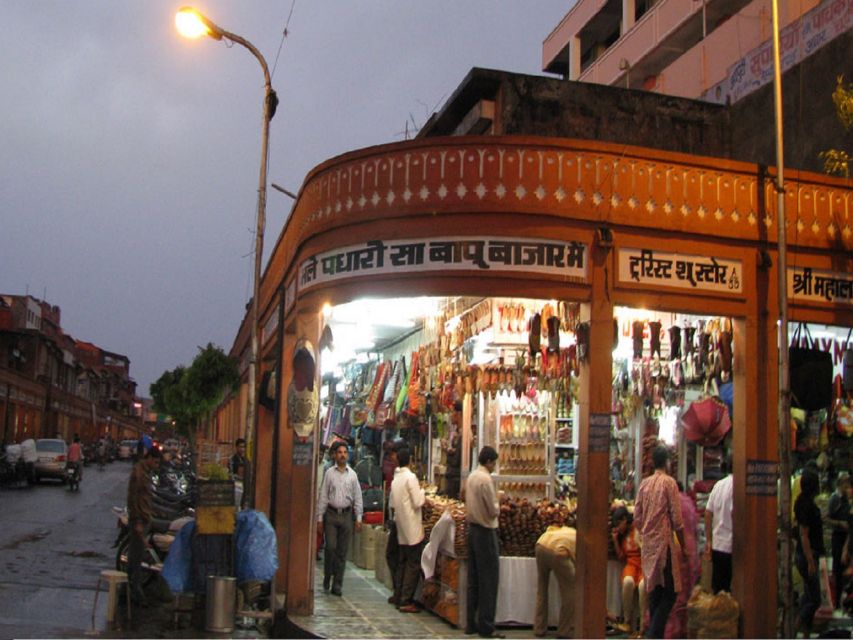
One of the most memorable stops is a traditional sword shop. This isn’t a museum-style display. You’re walking into a living workspace, the kind of place that shows Jaipur’s heritage didn’t stop when tourism started.
The standout detail: there’s a 150-year-old working camera in the shop. Whether you’re into photography or not, it’s a great “how did they do this back then?” moment. It also gives you a break from pure landmark sightseeing and shifts the focus to craft—how skills get passed down and still matter.
If you’re wondering what to expect from the guide during stops like this: you’ll get explanations and local insights, plus the context that makes the shop more than just a photo stop. At least one guide experience included a midway chai break for energy, which is a practical touch on a warm day.
Old lanes where royal priests once moved
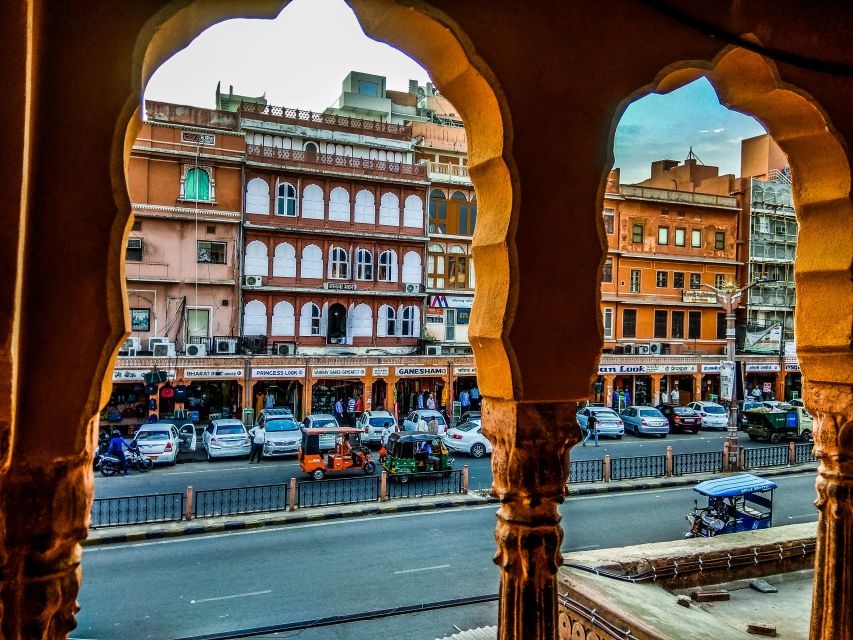
A big part of the tour is walking through historic paths that were once used by royal priests. You’ll see historic lanes, heritage buildings, and streets tied to the past—not in a distant way, but as a sequence of places you actually move through.
This is where the guide storytelling becomes extra important. When you’re on foot, you can look up, slow down, and notice how the city’s layout shapes what people did there. The tour also includes centuries-old buildings where priests once lived, so you’re not just seeing temples—you’re seeing the neighborhoods and the movement around them.
Practical note: the old city walking areas can be uneven. Comfortable shoes are non-negotiable here, even if you don’t expect long distances. Bring water too, since a water bottle isn’t included.
Sawai Man Singh Town Hall to Jantar Mantar (UNESCO)
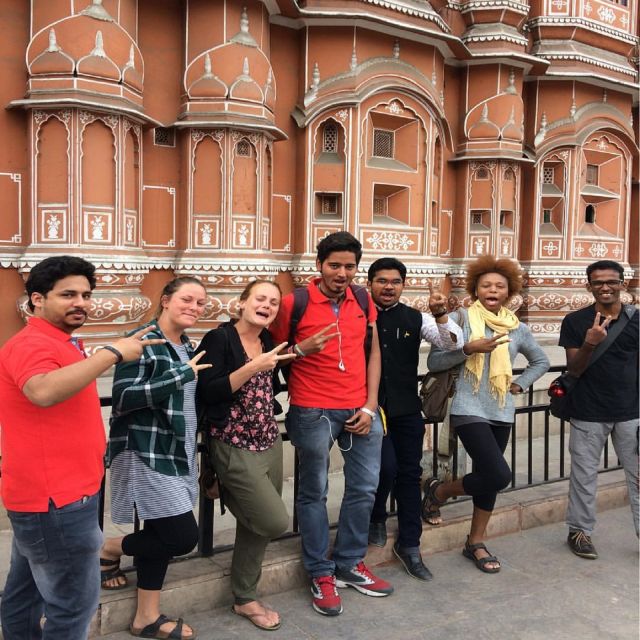
Next, the tour moves to heritage structures with standout architectural presence. You’ll admire the ornate Sawai Man Singh Town Hall, which is a good anchor point because it ties civic importance to Jaipur’s visual identity.
Then comes Jantar Mantar, a UNESCO World Heritage Site. This is one of the stops that often separates a normal tour from a good one. Jaipur’s astronomy instruments can look like strange sculptures until you understand what they’re designed to do. The guide conversations are the key: you get the context that helps you read the site instead of just walking past it.
Also, this is a walking tour, so the pacing matters. You’re guided through the site in time for photos, pauses for explanation, and enough movement that you don’t feel trapped in one spot for too long.






Shiva and Krishna temples maintained by an eighth-generation family
The tour doesn’t end on grand monuments. It finishes with a historic Shiva Temple and a Krishna Temple, maintained by the eighth generation of a family of priests. That’s a meaningful detail because it tells you the temples aren’t just preserved—they’re cared for by people with continuing responsibilities.
In practice, this stop feels different from landmark-only sightseeing. Even if you’re not deep into religious history, you can see how tradition continues through daily stewardship. And the guide’s role is to connect what you’re seeing to how the family maintains the temples and what that means within Jaipur culture.
The tour ends at Golcha Cinema. That’s a handy finish point because it puts you back in a more recognizable area for grabbing a snack or continuing your day on your own.
Price and value: is $14 worth it?
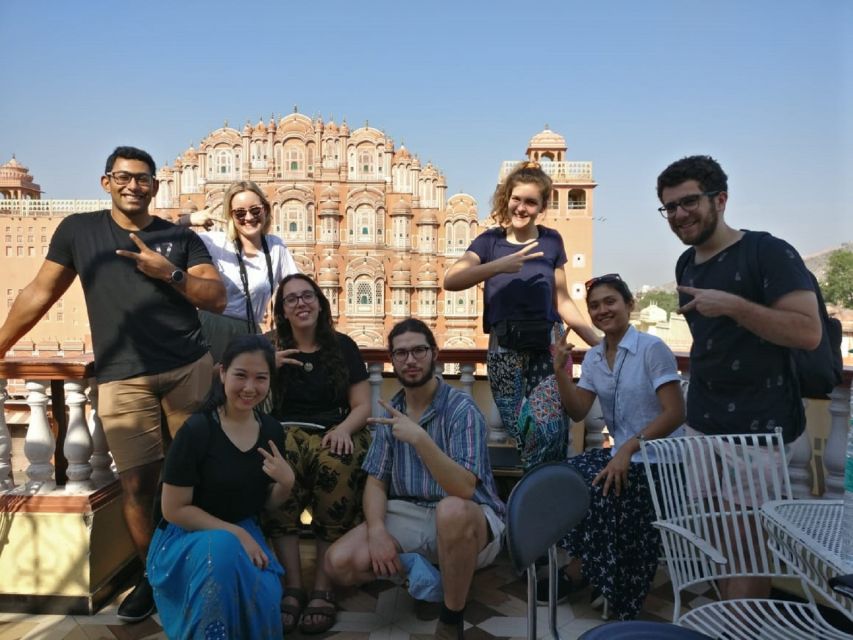
At $14 per person for a 2-hour guided walk, this is priced for value—especially because it includes a highly trained and friendly storyteller/guide in English and Hindi, plus local tips and recommendations. You also get access to hidden lanes and lesser-known places, which is often where self-guided wandering can disappoint.
What you should factor in:
- Entrance fees are not included.
- Some attractions are viewed from outside only.
- Food and drinks aren’t included unless mentioned.
So yes, the headline price is low. But the real value is the guide interpretation and the selection of stops that go beyond the usual checklist. If you’re the kind of traveler who likes to understand what you’re seeing while you walk, this price makes sense.
If you want to build a low-cost day, plan for any monument entrance fees separately. This tour keeps you in motion and focused, so you’re less likely to overpay for things you didn’t need in the first place.
Timing, meet-up, and the one thing to double-check
This is a 2-hour walking tour with no hotel pickup/drop-off. That means you’ll rely on your own arrival plan and your ability to find the meeting point.
Here’s the one logistics habit I’d strongly recommend: confirm the exact meet location the day of the tour. One booking described a change from the expected Wind View Cafe meeting area to the Hawamahal ticket office for Hawa Mahal, and they also reported a long wait for other participants. That doesn’t prove it always happens—but it’s a clear signal that old-city meeting points can get messy when details shift.
If you show up at least a few minutes early, you reduce stress. And if your guide messages that they’re running late, give a little buffer—another booking noted a guide arrived after messaging they were late, and the experience was still described as excellent.
Who should book this Jaipur walk (and who should skip it)
This tour is a strong match if:
- you want a short, guided way to see Jaipur’s old town without committing to a full-day plan
- you like temples and heritage buildings, but also want craft and everyday culture
- you enjoy walking and can handle moderate uneven streets in warm weather
- you’d rather learn why things matter than just collect landmarks
You might skip it if:
- you hate walking or you’re expecting minimal street time
- you’re only interested in fully ticketed indoor attractions (since some views are outside only and entrance fees aren’t included)
- you want a long, slow tour with lots of sitting and flexible pacing (2 hours moves at a quick-but-manageable tempo)
Should you book this 2-hour cultural walking tour?
If your goal is to understand Jaipur beyond the obvious stops, I think this is worth booking. The strongest parts are the guide-driven stories, the blend of big names (Hawa Mahal, Jantar Mantar) with grounded heritage (a traditional sword shop and temples maintained across generations), and the fact that the route is built for walking rather than just driving past sights.
Just go in with the right expectations: entrance fees aren’t part of the price, some sights are outside views, and you’ll be on your feet. If you do that, you’ll get a tour that feels like learning the city’s logic one lane at a time—ending with a finish point that lets you keep your day moving.
FAQ
FAQ
Where does the tour start?
Meet your guide at Wind View Cafe, in front of Hawa Mahal.
Where does the tour end?
The tour finishes at Golcha Cinema.
How long is the walking tour?
The duration is 2 hours.
What is the price per person?
The price is $14 per person.
What languages are the guides?
The live tour guide speaks English and Hindi.
Is hotel pickup or drop-off included?
No. Hotel pickup and drop-off are not included.
Are entrance fees to monuments included?
No. Entrance fees are not included, and some attractions are viewed from outside only.
Is food or water included?
Water bottle is not included. Food and drinks are not included unless mentioned.
What should I bring?
Bring comfortable shoes, sunglasses, a sun hat, and water.
What is the cancellation policy?
Free cancellation is available up to 24 hours in advance for a full refund.