REVIEW · JAIPUR
From Jaipur: Ranthambore Tiger Safari Day Trip with Transfer
Book on GetYourGuide →Operated by Dishika Travel · Bookable on GetYourGuide
Tiger country starts long before the safari. This day trip from Jaipur is built around Ranthambore National Park with an expert naturalist and open 4×4 vehicle wildlife viewing that helps you spot animals in their real habitat.
Two things I really like: the guided approach (you’re not just driving through the bush) and the focus on where to look, including well-known areas like Padam Talao and Rajbagh Lake for sightings.
One drawback to keep in mind: Ranthambore is a tiger reserve, not a zoo, so tiger sightings are never guaranteed, even if the safari is well run.
In This Review
- Key points before you go
- Jaipur to Ranthambore: the long transfer that shapes the whole day
- Arriving at Ranthambore and meeting your guide/naturalist
- Safari time in Ranthambore: where tigers and other animals show up
- The Ranthambore Fort stop: a history break inside the reserve
- Jeep vs canter: comfort, crowding, and how visibility works
- Timing and day rhythm: what the 12 hours actually feels like
- Price and value: why $82 can be fair, and when it isn’t
- What’s included (and what to plan for) on the safari day
- Who should book this Ranthambore day trip from Jaipur?
- Should you book this Jaipur-to-Ranthambore safari day trip?
- FAQ
- How long is the Ranthambore tiger safari day trip from Jaipur?
- What animals might I see on the safari?
- Are tiger sightings guaranteed?
- What vehicle will I ride in during the safari?
- Do I need my passport for the safari?
- Is lunch or dinner included?
- What happens if weather cancels or interrupts the safari?
Key points before you go
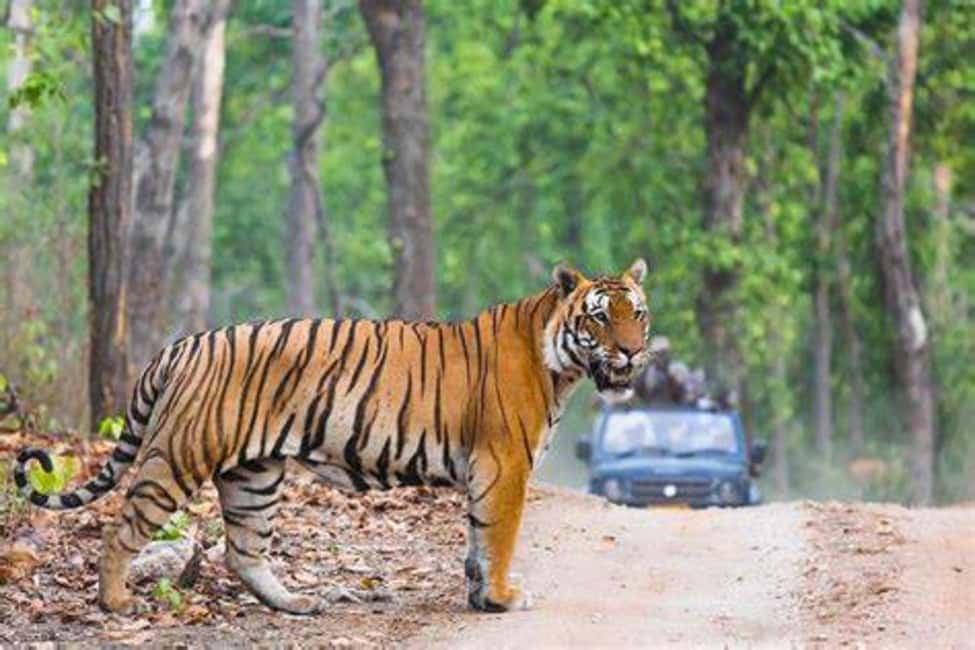
- Open-vehicle safari with strong visibility from 4×4 jeeps or canters
- Expert naturalist guidance to help you read the park and wildlife behavior
- Target zones like Padam Talao and Rajbagh Lake are where sightings are especially common
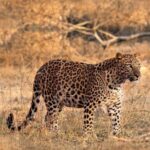
- More than tigers: you may spot leopards, sambar, spotted deer, wild boar, and many birds
- Ranthambore Fort and park sightseeing add a historical break to the wildlife day
Jaipur to Ranthambore: the long transfer that shapes the whole day
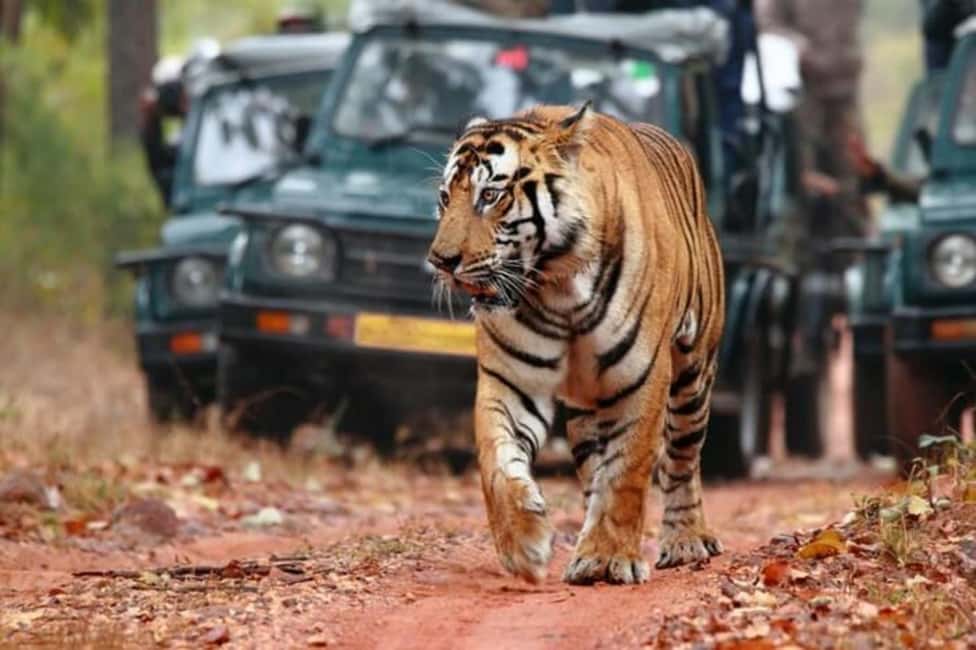
The day starts with a pick-up from your Jaipur hotel or another chosen location, then you settle in for a drive of about 3–4 hours to Ranthambore. You pass Rajasthani villages and countryside along the way, and that matters because this is a full-day format—not a quick morning dash.
This trip is priced at $82 per person and runs about 12 hours total, which tells you how the organizers think about value: you’re paying for door-to-door transportation plus the safari experience, so you don’t have to coordinate trains, buses, or a driver on your own. The trade-off is time. Even if the park visit is the star, the road eats a lot of your day.
One more practical note I appreciate: the driver is English-speaking. On a long day with early movement, that’s not a fancy extra—it helps you understand what’s happening and keeps logistics smooth.
You can also read our reviews of more tours and experiences in Jaipur



Arriving at Ranthambore and meeting your guide/naturalist
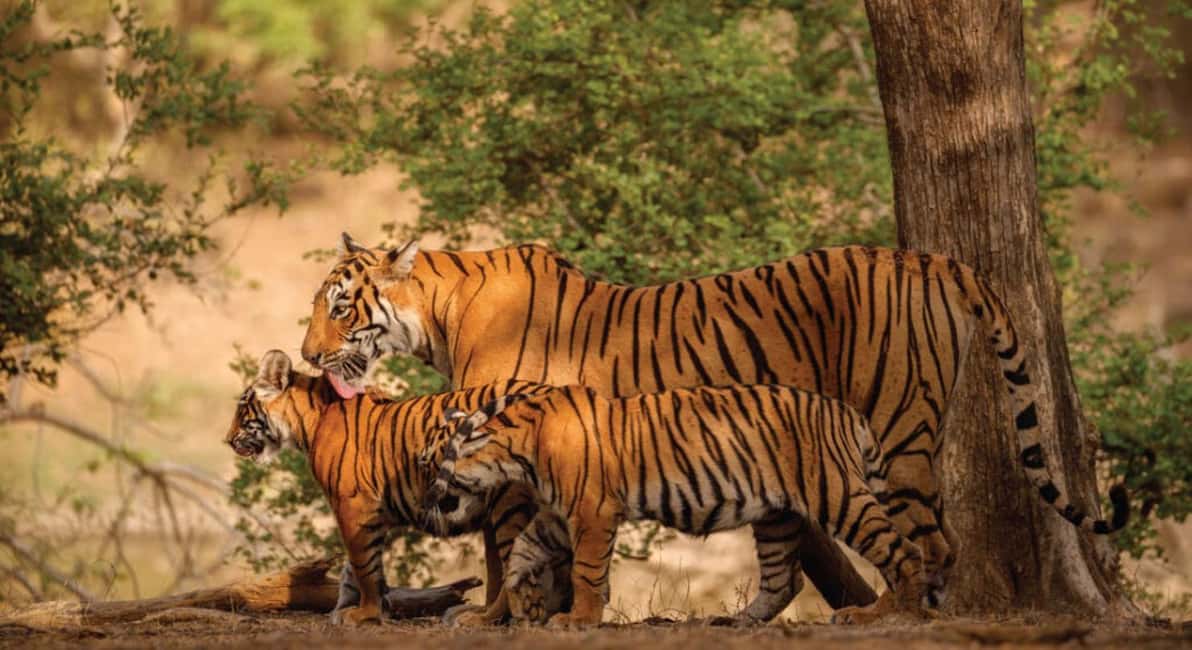
Once you reach the park, you go from transit mode to safari mode fast. You’re welcomed by an expert guide who accompanies you on the safari and shares what to look for. This is a Government Forest Department–managed tiger reserve, which means the rules and the movement of vehicles are handled by the system that runs the reserve—not by random commercial convenience.
What I like about this setup is the learning component. Instead of simply hoping you’ll spot movement in the greenery, you get context for why animals might be where they are: water sources, open areas, and the kind of forest cover that supports the wildlife the park is known for.
The experience also includes entry to the national park and a guided safari with a professional naturalist. So you’re not paying just for a seat—you’re paying for interpretation.
Safari time in Ranthambore: where tigers and other animals show up
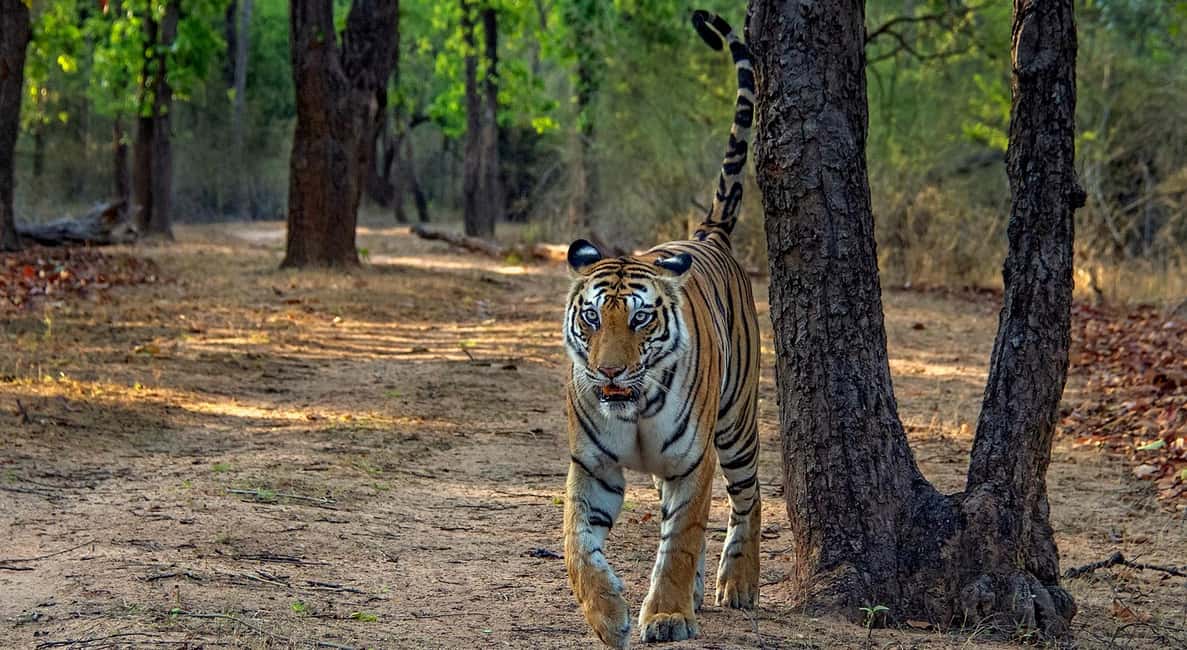
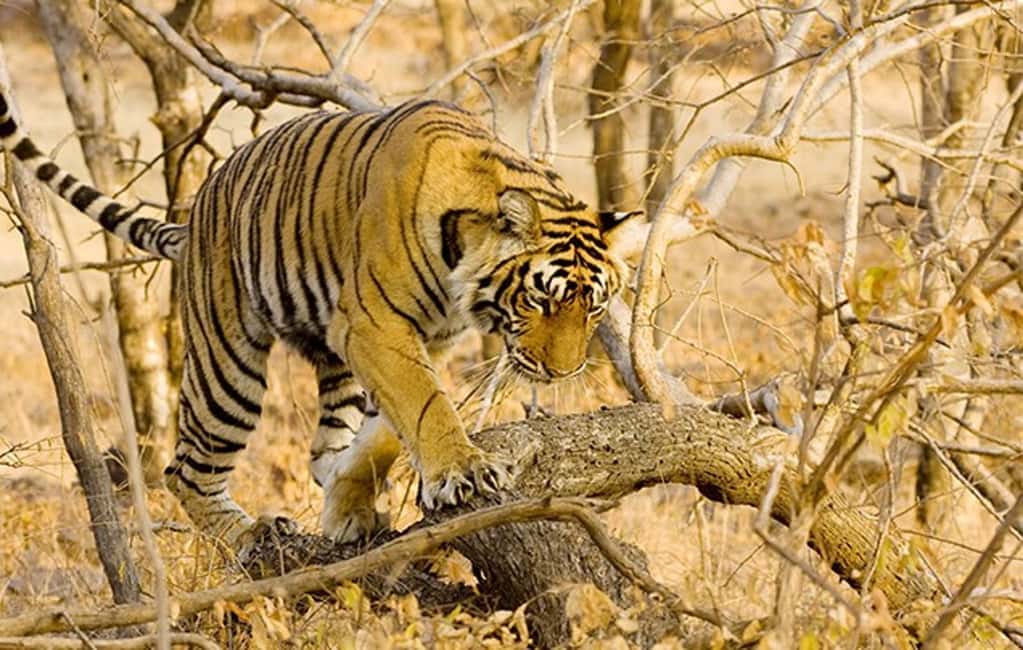
Ranthambore’s safari routes pass through dry deciduous forests, grasslands, and lakes. That mix matters because it creates different viewing chances depending on the time of day. In other words, you’re not watching one type of scenery; you’re watching several, and animals use those habitats differently.
The park is famous for tiger sightings, particularly around Padam Talao and Rajbagh Lake. Even when tigers don’t show themselves, those areas help explain the pattern of what you’re likely to see. Expect that the naturalist will point you toward details you might otherwise miss—tracks, animal calls, and likely feeding routes.
And yes, it’s not only about tigers. Based on what the experience is set up to highlight, you might encounter:
- leopards
- deer (including spotted deer)
- sambar
- wild boars
- and a variety of bird species
A big reality check, though: wildlife viewing is unpredictable. This is a tiger reserve, and the tour format makes that clear. You can do everything right and still not see a tiger. That’s not a sales pitch failure—it’s how safari wildlife works.
The Ranthambore Fort stop: a history break inside the reserve
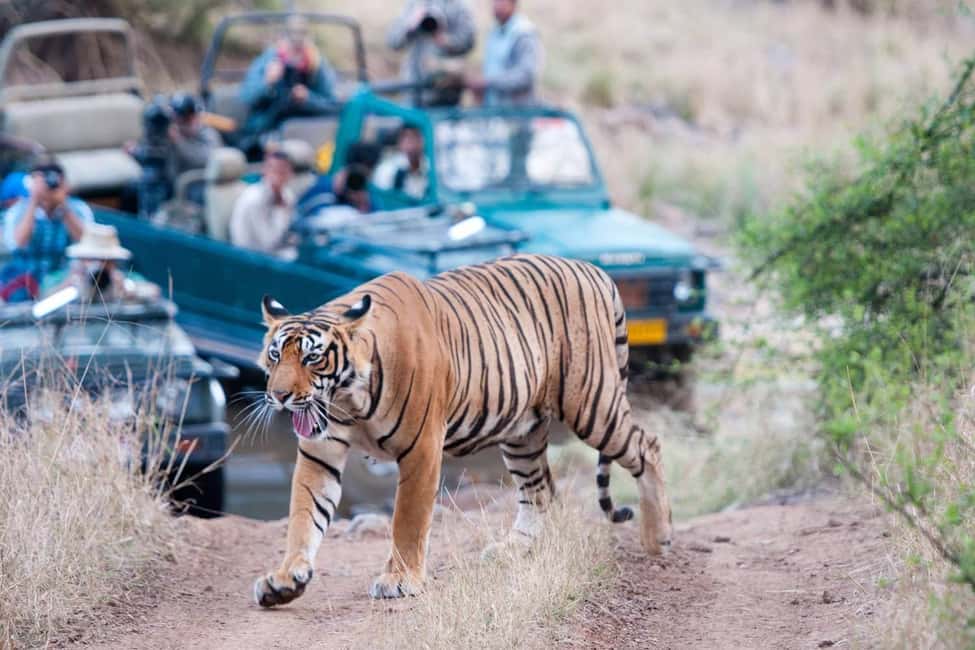
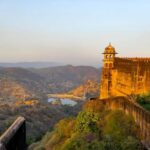
This trip isn’t only about wildlife sitting. It also includes park sightseeing with a visit to historical sites like Ranthambore Fort.
Why this is worth your attention: it gives your brain a reset from scanning for animals. Safaris can be mentally tiring, especially when the day runs long and you’re watching for sudden movement. A fort visit offers a different kind of engagement—views, structure, and the sense that this place isn’t only a modern wildlife destination.
Also, it helps you understand the region’s identity. Ranthambore Fort is the kind of landmark that turns a “drive to see animals” day into something with place and context, which can make the overall experience feel more complete.
Jeep vs canter: comfort, crowding, and how visibility works
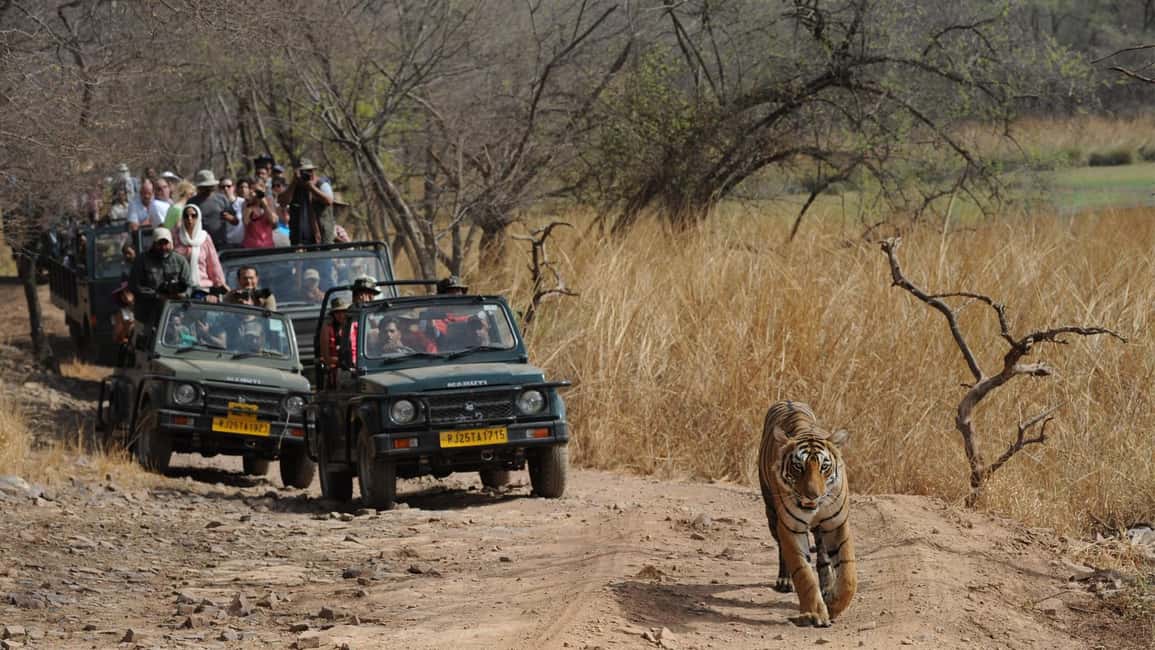
Your safari happens in an open vehicle—either an open 4×4 jeep or a canter. The group size affects the feel:
- Jeep: up to 6 guests
- Canter: 16–20 guests
Here’s the key trade-off for your comfort and viewing style. A smaller jeep can feel more personal, but it depends on how the shared system runs that day. A canter holds more people, which can mean more noise and shifting viewpoints—but you still get the open-air benefit the safari is designed for.
Also, the vehicles are shared with other visitors, so you should expect a mixed-group dynamic. That’s normal for how the park manages safari capacity, but it’s worth going in with that mindset.
One more thing: because the reserve controls how vehicles operate inside the park, you should not plan your whole day assuming you’ll pick your exact vehicle or exact safari zone. Even with a private group on the transfer side, the safari side is governed by park logistics.
You can also read our reviews of more tours and experiences in Jaipur






Timing and day rhythm: what the 12 hours actually feels like
With a roughly 3–4 hour drive each way and a safari experience in between, the day feels packed even if you’re not rushing. The overall duration is listed as 12 hours, and the day ends with arrival back in Jaipur around 7:00 PM.
This timing matters if you’re trying to connect it with other plans. You’ll want to treat the day as your main event—not as something you tack onto an evening dinner reservation far from your hotel.
The schedule also includes photo stops and guided sightseeing time in and around the park area. That means you’ll have a mix of:
- travel time
- guided park time
- safari vehicle time
- a fort/history component
So if you hate “waiting around,” you might find the pauses frustrating. But if you like structure—knowing you’re always with someone guiding your next move—this layout suits you.
Price and value: why $82 can be fair, and when it isn’t
At $82 per person, this is not a luxury safari. It’s a practical day trip that bundles the biggest costs travelers usually face when going independently:
- hotel pick-up and drop-off
- private air-conditioned transportation
- park entry ticket
- a guided safari with a professional naturalist
- fuel, road tolls, and applicable taxes
- bottled water
Meals and beverages are not included, so you’ll need to plan for that gap. Bring your own strategy for hunger so you’re not stuck paying for whatever is closest when you’re tired.
Where the value stands out is the transfer convenience. Driving yourself or hiring separate transport to match safari entry times can turn into a headache fast. Here, you’re paying for one coordinated push from Jaipur to the park and back.
Where value can disappoint is the tiger guarantee. The tour is designed around the chance of tigers, and the park is famous for them—but you’re not buying certainty. If your personal priority is seeing a tiger no matter what, you might want to rethink expectations or consider options that give you more time on the ground.
What’s included (and what to plan for) on the safari day
Included items are straightforward, and that’s good. You’ll get:
- entry ticket to Ranthambore National Park
- guided safari with a professional naturalist
- hotel pick-up and drop-off
- private air-conditioned transportation
- fuel, road tolls, applicable taxes
- bottled water
Not included:
- meals and beverages
- personal expenses
Also plan for the admin reality of entering the reserve. After booking, you’ll need to send a copy of your passport via WhatsApp or email for park entry formalities. And you must carry your original passport during the safari for verification.
One more important rule for expectations: no refunds if the safari is canceled or interrupted due to bad weather such as rain. That doesn’t mean the day is ruined automatically—it means the reserve’s weather-based operating decisions take priority.
Who should book this Ranthambore day trip from Jaipur?
This is a strong fit if:
- you’re based in Jaipur and want a one-day wildlife trip
- you like guided structure (especially with a naturalist’s input)
- you’re okay with shared safari vehicles as the norm
- you want both wildlife viewing and Ranthambore Fort in the same day
It’s not a good fit if you have mobility impairments, since the experience notes it is not suitable in that case.
And if you’re the kind of traveler who needs absolute control over every detail, this might feel too system-based. The safari side is run by the reserve, and wildlife sightings are inherently unpredictable.
Should you book this Jaipur-to-Ranthambore safari day trip?
I’d book it if you want a convenient, guided wildlife day that combines safari viewing with a meaningful stop like Ranthambore Fort—and if you can accept that tigers are never guaranteed. The price bundles transportation, entry, and expert guidance, which is exactly what makes a day trip work when you’re short on time.
I’d hesitate if your whole goal is a guaranteed tiger sighting. Because it’s a true reserve, the outcome is outside anyone’s control—even with the best naturalist and the most strategic planning.
If you do book, go in with the right mindset: enjoy the animals you do see, pay attention to the areas emphasized like Padam Talao and Rajbagh Lake, and take the fort stop as part of what makes the day feel full rather than just a long drive.
FAQ
How long is the Ranthambore tiger safari day trip from Jaipur?
The duration is about 12 hours, with pickup in Jaipur and return arriving around 7:00 PM.
What animals might I see on the safari?
The park is known for tiger sightings, but you may also spot leopards, deer, sambar, wild boars, and spotted deer, along with many bird species.
Are tiger sightings guaranteed?
No. Ranthambore is a tiger reserve, not a zoo, and wildlife sightings (including tigers) are not guaranteed.
What vehicle will I ride in during the safari?
You’ll ride in open safari vehicles. Jeeps accommodate up to 6 guests, and canters accommodate 16–20 guests, and vehicles are shared with other visitors.
Do I need my passport for the safari?
Yes. You’ll need to send a passport copy after booking for entry formalities, and you must carry your original passport during the safari for verification.
Is lunch or dinner included?
No. Meals and beverages are not included, though bottled water is provided.
What happens if weather cancels or interrupts the safari?
If the safari is canceled or interrupted due to bad weather like rain, no refunds are provided.