REVIEW · JAIPUR
From Delhi: Private 5-Day Golden Triangle Tour
Book on GetYourGuide →Operated by Crystal India Holidays · Bookable on GetYourGuide
Sunrise at the Taj feels like cheating. This private, 5-day Golden Triangle tour strings together Delhi, Agra, and Jaipur with luxury hotels and a driver who keeps things running even when traffic goes wild. I especially love the sunrise Taj Mahal timing and the chance to customize what you do each day with your own private guide. One possible drawback: the days are packed with multiple major stops, so if you want a slower pace, you’ll need to actively steer the schedule (and politely say no to any extra add-ons you don’t care about).
What makes it work in real life is the human layer. Guides such as Himanshu and Rajif (and others like Ashok in Agra for photo help) keep the visits organized, while drivers like Mishra and Sanjay are repeatedly praised for patience, safety, and calm in chaotic streets. That means you spend your energy on monuments—not on figuring out where to go next.
If you’re a first-timer to India or you want maximum “wow” with minimum planning, this is a smart fit. Just keep your expectations clear: this is a tight circuit of highlights, not a slow wandering holiday.
In This Review
- Key highlights you’ll actually feel day to day
- Why this 5-day Golden Triangle route is such good value
- Day 1 in Delhi: Old Delhi streets, major monuments, and one long day
- Where you’ll sleep in Delhi
- Day 2 to Agra: Mehtab Bagh views and the Baby Taj
- Where you’ll sleep in Agra
- Day 3 Taj Mahal sunrise + Agra Fort, then the drive to Jaipur
- Where you’ll sleep in Jaipur
- Day 4 Jaipur: Hawa Mahal, Amber Fort, and the city’s “wow” factor
- Day 5: Return to Delhi, or keep going from Jaipur
- Hotels and comfort: what “luxury” means in this tour
- Timing gotchas: closures and planning around them
- Who this tour is best for (and who should tweak it)
- The real deciding factor: do you want less planning, more seeing?
- Should you book this 5-day Delhi–Agra–Jaipur tour?
- FAQ
- Where are pickups available for this tour?
- How long is the tour, and which cities does it cover?
- What time experience is included for the Taj Mahal?
- What languages are tour guides available in?
- Are hotel options included, and what star levels are available?
- Are there any monument closure days to know about?
- Can I customize the itinerary during the tour?
Key highlights you’ll actually feel day to day
- Sunrise Taj Mahal with guided context before the crowds roll in
- Private guide + driver so you’re not stuck sharing pace or priorities
- Luxury hotel options across 3-star, 4-star, and 5-star tiers
- Mehtab Bagh for the Taj views across the river
- Amber Fort + Palace of the Winds for the best of Jaipur’s architecture
- Flexible scheduling to skip shopping add-ons you don’t want
Why this 5-day Golden Triangle route is such good value
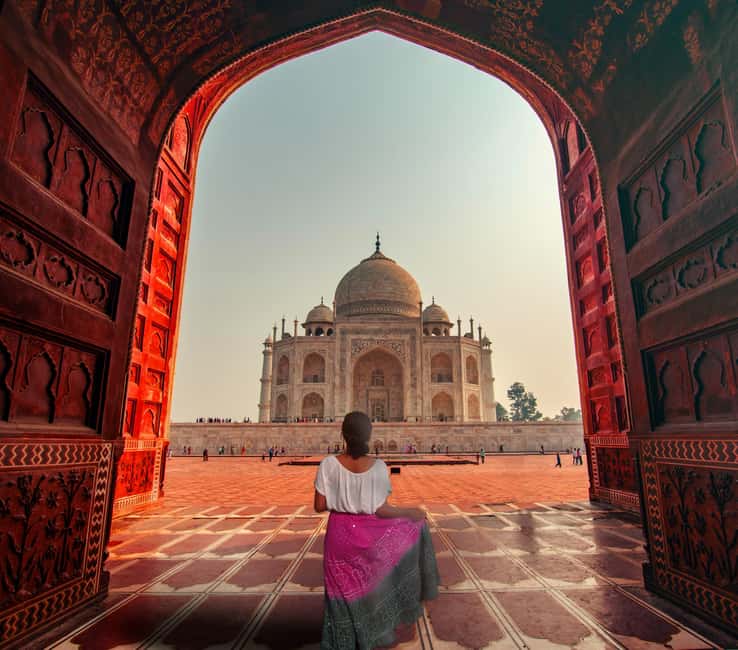
The Golden Triangle is famous because it hits three essential styles of India in one trip: imperial Delhi, Mughal glory in Agra, and royal Rajasthan in Jaipur. What I like about this 5-day version is that it doesn’t pretend you’ll see everything. It focuses on the core landmarks you’ll be happy you prioritized.
The “value” here isn’t just the price of $191 per person. It’s what you’re not paying in time and stress: private transport between cities, city-by-city guided tours, and hotel stays (with real star-level choices). When you add that up, you’re basically buying fewer decisions and more momentum.
The big trade-off is intensity. This itinerary moves—especially in Delhi—and you’ll spend plenty of hours in the car. If you love sightseeing marathons and you don’t mind early mornings, you’ll feel great. If you’re aiming for a chill trip, you’ll need to manage expectations and ask for a more relaxed pace.
You can also read our reviews of more private tours in Jaipur



Day 1 in Delhi: Old Delhi streets, major monuments, and one long day
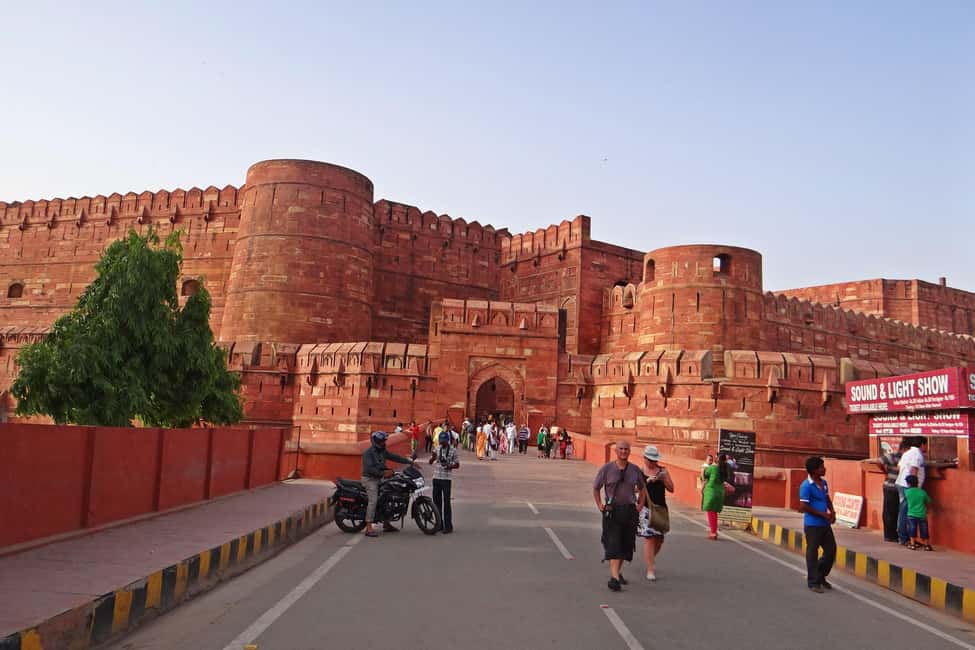
Delhi day one is the “get your bearings fast” day. You start with pickup at your chosen location in Delhi, Noida, or Gurugram, then you’re off for a full day split between New Delhi and Old Delhi.
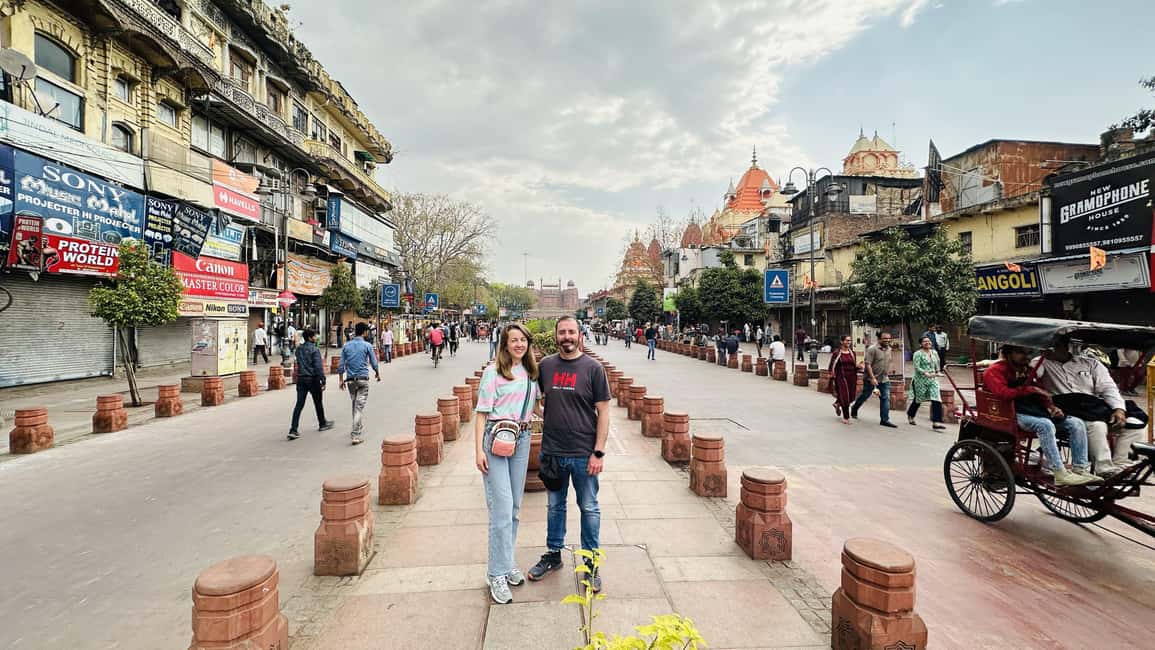
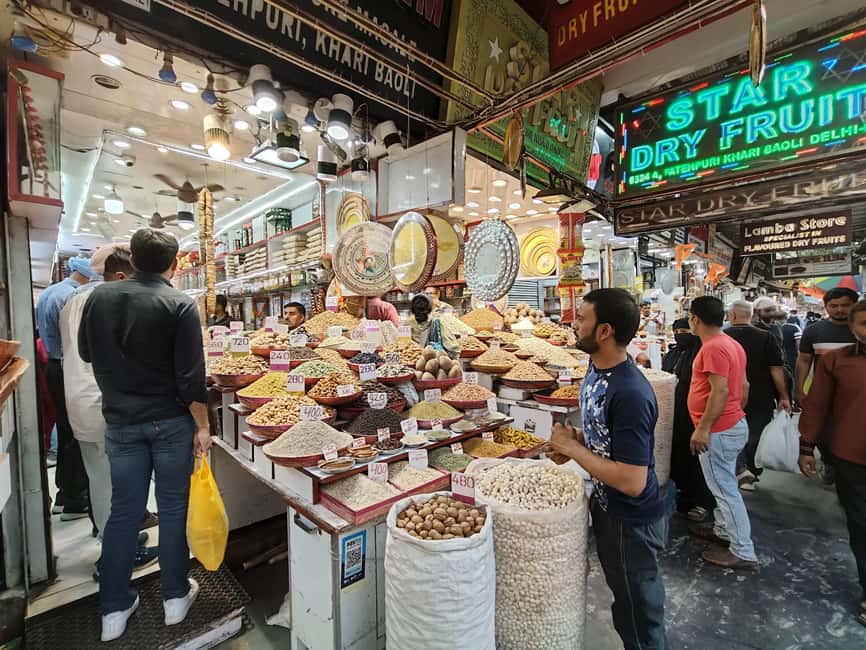
Old Delhi stops are where the city clicks into place. Jama Masjid is big, formal, and instantly photogenic, and Chandni Chowk gives you that classic lane-and-lamp atmosphere. You also get a rickshaw tour in Old Delhi, which is a fun way to experience the area without spending the whole day walking through dense traffic and crowds. Add in the spice market, and you get a sensory hit—smells, motion, and street life.
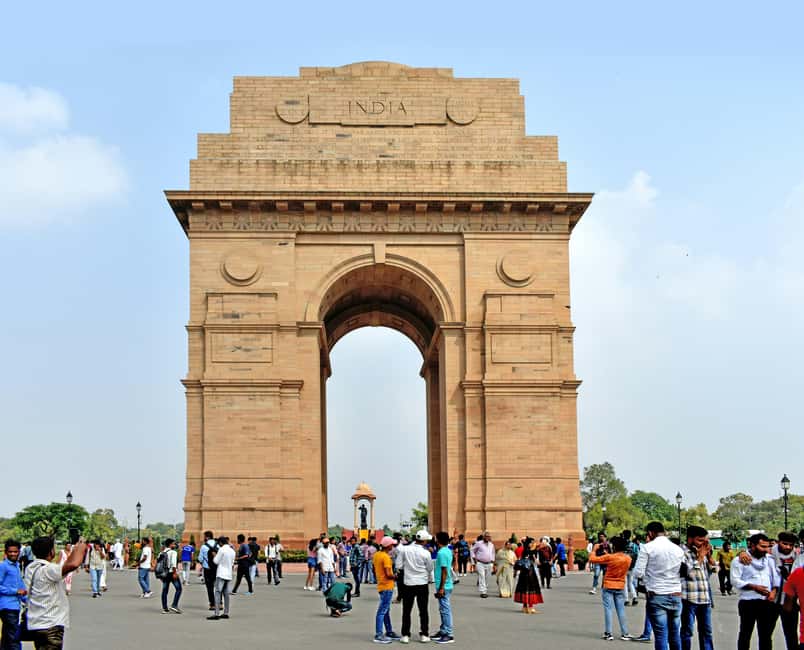
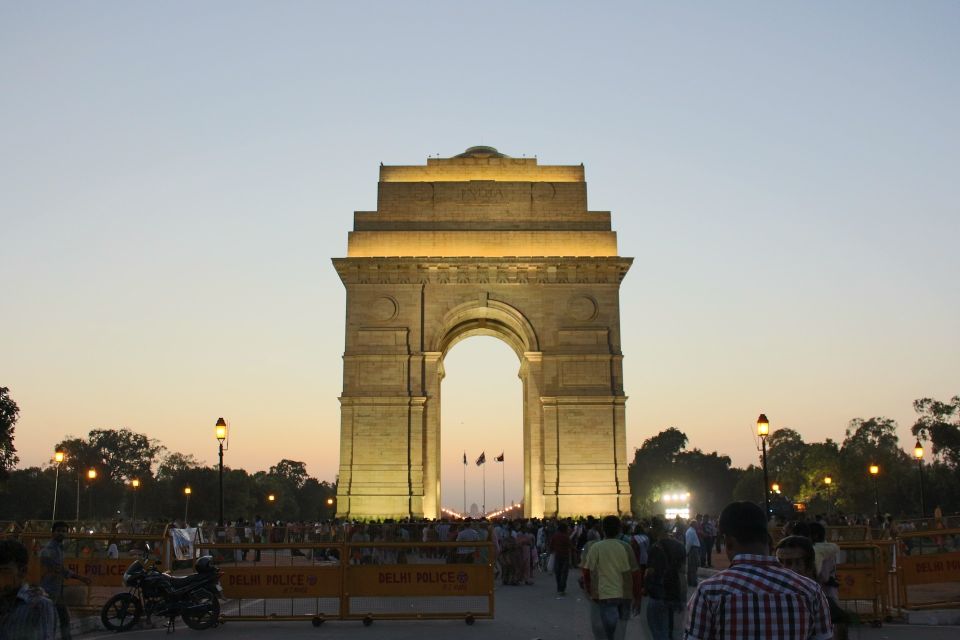
New Delhi stops bring in the grand layout. You’ll see India Gate and pass Parliament House and Rashtrapati Bhavan, which helps you understand why Delhi feels like it was designed for ceremonies and national stories. You’ll also visit key religious and cultural sites like Bangla Sahib (Sikh temple) and Qutub Minar, a landmark that’s not just impressive—it’s a strong starting point for learning how old Delhi shaped everything that came after.
One practical note: Delhi’s sites and neighborhoods are spread out. Even with private logistics, this is still a full-day commitment. Build your day with energy in mind: hydrate, pace yourself at the monuments, and don’t try to “win” the photo contest at every single stop.
Where you’ll sleep in Delhi
You’ll stay in a hotel in the Karol Bagh area for the 3-star tier, or at similar options for 4-star/5-star levels like Novotel City Centre or Vasant Continental (depending on what you choose).
Day 2 to Agra: Mehtab Bagh views and the Baby Taj
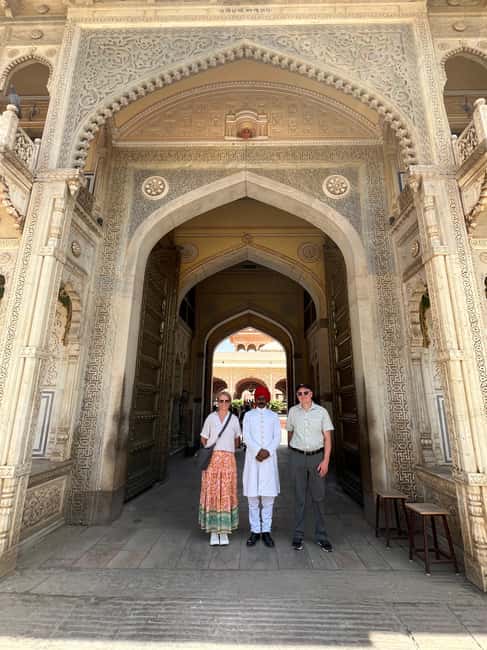
After breakfast you head to Agra and check in, then you shift into Mughal mode.
The star on day two is Mehtab Bagh, a charbagh garden complex with famous views toward the Taj Mahal area. This is valuable because it gives you a different angle than the main Taj approach—more open, more framed, and often calmer than the busiest tourist entrances. If you love photography, this is where you start seeing how the Taj’s layout works in space, not just as a single icon.
Next you visit Itimad-ud-Daulah, often called the Baby Taj. It’s smaller than the Taj Mahal but beautifully detailed, and it’s a great “preview” of the kind of craftsmanship you’ll notice more clearly once you’ve seen the main monument. Think of it as the warm-up act that makes the finale hit harder.
Agra is also a reminder that Mughal architecture is a full system: gardens, water, symmetry, and stonework all tied together. Even if you only half-follow the details, the scale and planning show through.
Where you’ll sleep in Agra
Your options depend on tier: from Howard Plaza The Fern and Golden Tulip-style properties in the lower categories to higher-end choices like Jaypee Palace, Courtyard Marriott, or Grand Mercure in the 5-star level (depending on availability).
You can also read our reviews of more tours and experiences in Jaipur


Day 3 Taj Mahal sunrise + Agra Fort, then the drive to Jaipur
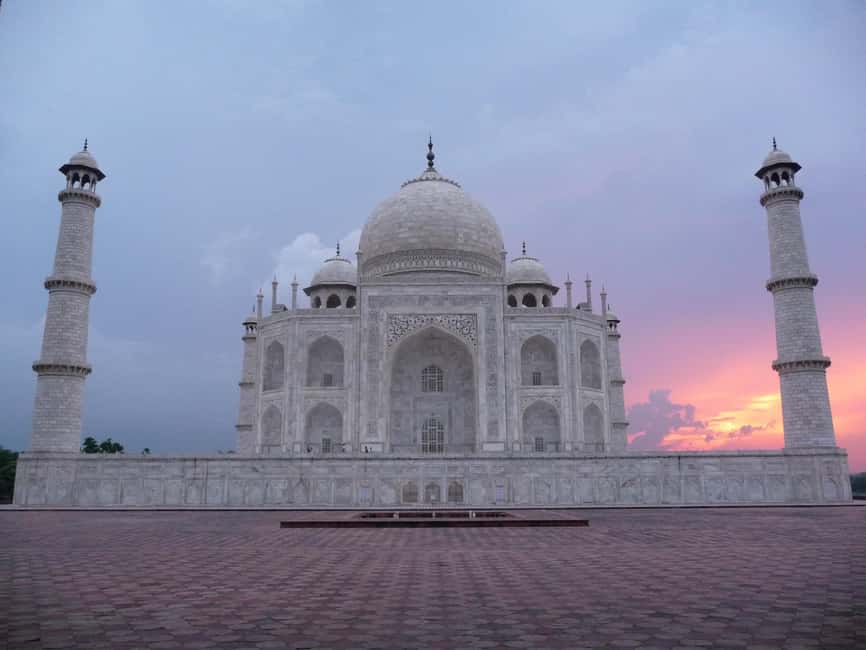
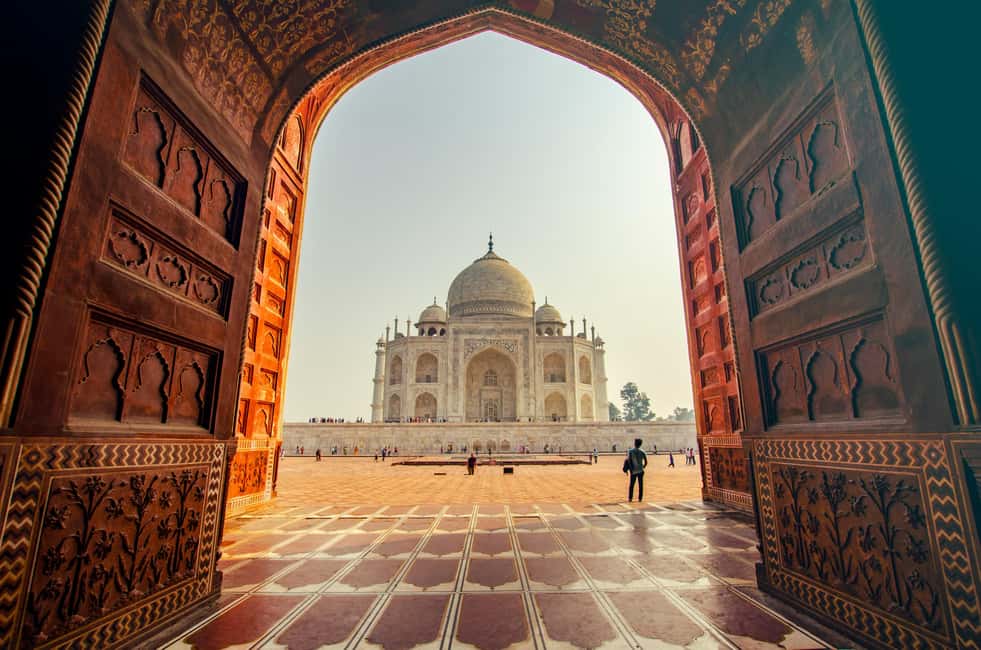
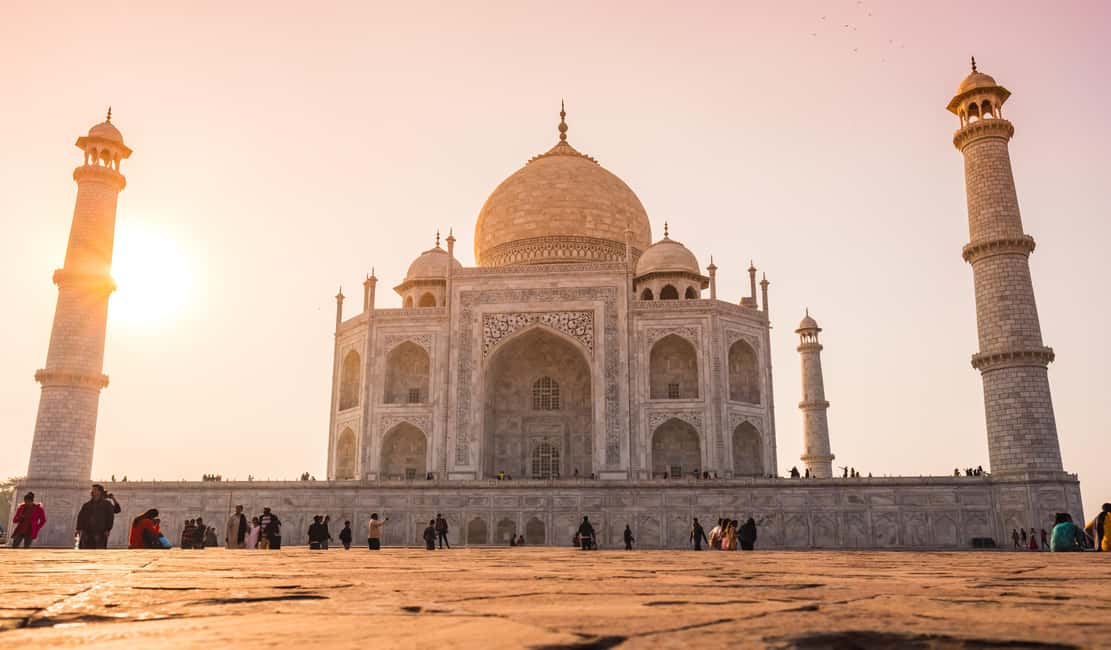
This is the day you’ll remember. You rise early for a guided sunrise visit to the Taj Mahal. That timing matters. You’re there early enough that the place feels more spacious, more quiet, and more about light than crowds.
What I like about having a guide here is simple: you’re not just looking at a postcard. You learn how the monument sits in its setting, what to notice in the design, and how the experience changes as daylight spreads across the marble. It’s not only about beauty—it’s about understanding why the building is so deliberate.
After the Taj, you visit Agra Fort, a powerful structure that anchors the city in the era before (and after) Mughal masterpieces. Fort time is great because it broadens your view beyond one famous attraction. You start seeing the bigger political picture that made these monuments possible.
Then you head to Jaipur for the night. On the way, you stop at Chand Baori (Abhaneri), the stepped well. This stop is surprisingly worthwhile. It’s geometric, dramatic, and visually different from everything else you’ve seen so far—more architecture puzzle than grand palace.
Also: it breaks up the drive. That’s not a small thing in a multi-city tour.
Where you’ll sleep in Jaipur
You’ll stay in hotels like Golden Tulip Essential or Sarovar Portico-style options in the 3-star tier, and in higher-end properties such as Hilton, Holiday Inn Jaipur City Centre, or InterContinental (depending on your 5-star selection).
Day 4 Jaipur: Hawa Mahal, Amber Fort, and the city’s “wow” factor
Jaipur day is classic Golden Triangle energy: palace shapes, fort views, and fast transitions between eras.
You start with Hawa Mahal (Palace of the Winds). It’s one of those landmarks where the shape makes sense even if you’ve only seen it on postcards. The façade is all about airflow and layered design, and the way the building plays with light is part of its magic.
Then you head to Amber Fort, which is the big-ticket stop in the Jaipur mix. The hilltop setting alone helps, but what really sells it is the combination of defensive architecture and royal comfort. You’re looking at a place designed for authority and spectacle, not just protection.
You also visit Panna Meena ka Kund, a step tank/water structure that continues the stepped-design theme you started with Chand Baori. The repetition is useful: you begin noticing how water systems and geometry shaped royal design across regions.
Next, you’ll see Jal Mahal, the Water Palace. It looks almost surreal because of how it sits above the waterline. It’s a good “pause and breathe” moment before more fort-and-palace walking.
More stops round out the day:
- Gaitor Ki Chhatriyan for royal memorial architecture
- Maharaja’s City Palace to connect the dots between royal rule and everyday life
- Jantar Mantar Observatory to remind you Jaipur wasn’t only about palaces—it was about measurement, astronomy, and science too
This is also the day where flexibility becomes your secret weapon. Some tours in this style include extra shopping stops, and many people skip them if they’d rather keep seeing sights. If you’re not there for crafts and souvenirs, I’d rather you use the extra time for one more look at Amber Fort viewpoints or a slower stroll through City Palace areas.
Day 5: Return to Delhi, or keep going from Jaipur
On the final day, you can return to Delhi or get dropped off in Jaipur if you want to extend your trip.
I like this setup because it’s easy to match your travel style. If you’ve got a flight later from Delhi, you’re set. If you want more Rajasthan after Jaipur, you’re not forced to fly out immediately.
Also, if you’re sensitive to travel fatigue, leaving your last day open is smart. You’ll already have seen the big anchors; now you can decide how you want your story to end.
Hotels and comfort: what “luxury” means in this tour
This tour is built around comfort, but it’s not one-size-fits-all. You’re offered hotel tiers:
- 3-star options like Bloom Hotel Karol Bagh (Delhi) and similar properties in Agra and Jaipur
- 4-star choices such as Lemon Tree Premier-style hotels and higher-category equivalents
- 5-star hotels like Novotel City Centre/Vasant Continental (Delhi) and well-known larger properties in Agra and Jaipur
A pattern I’d trust: if you choose higher tiers, your sleep quality improves, and that matters on a schedule this packed. Delhi day one alone can feel nonstop. A good bed and strong breakfasts help you handle the next morning’s early start for the Taj Mahal.
One more comfort detail that shows up in real-world experiences is cold water and driver attentiveness during transit. That’s not flashy, but in India’s traffic, it’s a quality-of-life issue.
Timing gotchas: closures and planning around them
You should know the two key closure days:
- Taj Mahal is closed on Fridays
- In Delhi, Lotus Temple and Red Fort remain closed on Mondays
If your dates fall on those days, ask your operator how the itinerary adapts. In a perfect world, you’ll still get the best substitutes and keep your “must-see” list intact.
Also remember: sunrise means early. Plan for it like a grown-up—set the alarm, pack a light layer, and don’t treat it as a leisurely lie-in moment.
Who this tour is best for (and who should tweak it)
This is ideal for:
- First-time visitors to India who want structure and safety without micromanaging
- Solo travelers who prefer private logistics and a steady guide team
- Couples who want shared momentum—especially for photography-friendly stops
- Anyone who values guided context at major monuments instead of just wandering
You might want to tweak expectations if:
- You prefer slow travel and lots of free time
- You strongly dislike any shopping stops and want the itinerary to be strictly monument-focused
- You’re booking a “luxury” tier but are still sensitive to fast pacing (luxury comforts won’t change the fact that it’s a tight circuit)
A smart move is to use your private guide to adjust timing. Many guides are flexible, and people have skipped workshop-style add-ons when shopping isn’t their goal. If you want more fort time or extra viewpoints, say so early.
The real deciding factor: do you want less planning, more seeing?
For most people, the win of this tour is simple: you get an efficient, high-impact itinerary with private transport and guides in each city. You’re not translating menus, negotiating directions, or wasting hours trying to line up tickets and timing.
If you want a trip that feels like it’s been handled for you—while still letting you steer—this fits.
Should you book this 5-day Delhi–Agra–Jaipur tour?
I’d book it if you want:
- A guided, private Golden Triangle that hits the headline monuments without chaos
- Luxury hotel choices and a driver focused on safety and comfort
- A plan that includes the Taj Mahal at sunrise and doesn’t treat the day like a checklist
I’d hesitate if you:
- Are aiming for a relaxed pace with lots of downtime
- Travel on a closure day and would be unhappy with substitutions (especially around the Friday Taj closure)
My practical recommendation: if this is your first India trip, do it. If you’ve already been and you’re returning for slower explorations, consider a longer plan that adds more stops between cities. For 5 days, this route is a solid hit of Delhi, Agra, and Jaipur done the easy way.
FAQ
Where are pickups available for this tour?
Pickup is available in Delhi, Noida, and Gurugram, depending on where you want to start.
How long is the tour, and which cities does it cover?
It’s a 5-day private tour covering Delhi, Agra, and Jaipur.
What time experience is included for the Taj Mahal?
You get an early sunrise visit to the Taj Mahal on the Agra portion of the itinerary.
What languages are tour guides available in?
The live tour guide is available in English, French, German, Russian, and Spanish.
Are hotel options included, and what star levels are available?
Yes. Hotel tiers are available at 3-star, 4-star, and 5-star levels with specific comparable properties listed for each category.
Are there any monument closure days to know about?
The Taj Mahal remains closed on Fridays. In Delhi, the Lotus Temple and Red Fort remain closed on Mondays.
Can I customize the itinerary during the tour?
Yes. The tour is designed so you can customize your itinerary in each city based on your interests.