REVIEW · JAIPUR
Jaipur: Private Full Day Sightseeing Tour By Car with Guide
Book on GetYourGuide →Operated by Rajasthan Tour Driver · Bookable on GetYourGuide
Jaipur changes fast when you have a good driver and guide. This private full-day tour is built around the city’s big visual hits, with an air-conditioned car and an authorized guide so you spend less time figuring things out and more time looking closely.
I like the way the day balances royal architecture with practical details, especially at Amber Fort and the nearby Panna Meena ka Kund stepwell. And I really enjoy that the science side of Jaipur isn’t an afterthought, with time set aside for Jantar Mantar and its astronomical instruments. One consideration: entry tickets and meals are not included, so you’ll want to budget extra and carry some cash just in case.
The pacing works for most people too. You’re doing an 8-hour schedule with a dedicated team, plus the ability to skip ticket lines at participating sites, which helps when Jaipur traffic and queues get cranky.
In This Review
- Key highlights you’ll feel right away
- How the private route makes Jaipur’s top sights actually doable
- Amber Fort and Panna Meena ka Kund: royal power plus smart water
- Jal Mahal and Hawa Mahal: two icons, two different experiences
- City Palace and Gaitor Ki Chhatriyan: where royal identity becomes architecture
- Jantar Mantar: the UNESCO observatory that turns the sky into math
- Arts stops, shopping time, and lunch without derailing the day
- Price and value: what $4.88 really includes
- Practical tips for an 8-hour Jaipur day that doesn’t feel rushed
- Should you book this Jaipur private full-day tour
- FAQ
- How long is the Jaipur private full-day sightseeing tour?
- What’s included in the price?
- Are entry tickets included?
- What languages are the tour guides available in?
- What vehicle will I ride in?
- Can I choose where I get picked up from in Jaipur?
- What should I bring, and what’s not allowed?
Key highlights you’ll feel right away
- Private, air-conditioned transport: Your group rides together in a dedicated sedan or SUV, making the day feel calmer.
- Guide-led context at every major stop: From Rajput architecture to Jaipur’s sky-science legacy.
- Amber Fort + stepwell combo: You get both the grand views and the clever water system close by.
- Jal Mahal and Hawa Mahal in different moods: One for stillness, one for street-level spectacle.
- A short arts-and-crafts workshop: Time to learn skills like block printing without purchase pressure.
How the private route makes Jaipur’s top sights actually doable
Jaipur is not a city where you want to wing it for a one-day visit. Distances aren’t crazy, but traffic and the sheer number of photo stops can eat hours. This tour solves that by bundling the core sites into one efficient loop, with hotel pickup and drop-off from anywhere in Jaipur.
The real value is that you’re not just dropped at monuments. You’re guided through them, which matters because Jaipur has layers: royal life, Hindu and Islamic design influences, and the city’s role in astronomy. Many guides named in customer experiences, like Rohit, Raj, Rohit’s French-language counterpart Manu, and Gajender Singh Rathore, are praised for explaining what you’re seeing in plain language.
And since it’s private, you can set your own tempo. If you want more time near the fort walls for photos, you can ask. If you’d rather move quickly through decorative details, your guide can help you prioritize the best angles and viewpoints.
Finally, the air-conditioned car is more than comfort. It’s how you keep energy for later stops like Jantar Mantar, when the day has already warmed up.
You can also read our reviews of more guided tours in Jaipur



Amber Fort and Panna Meena ka Kund: royal power plus smart water
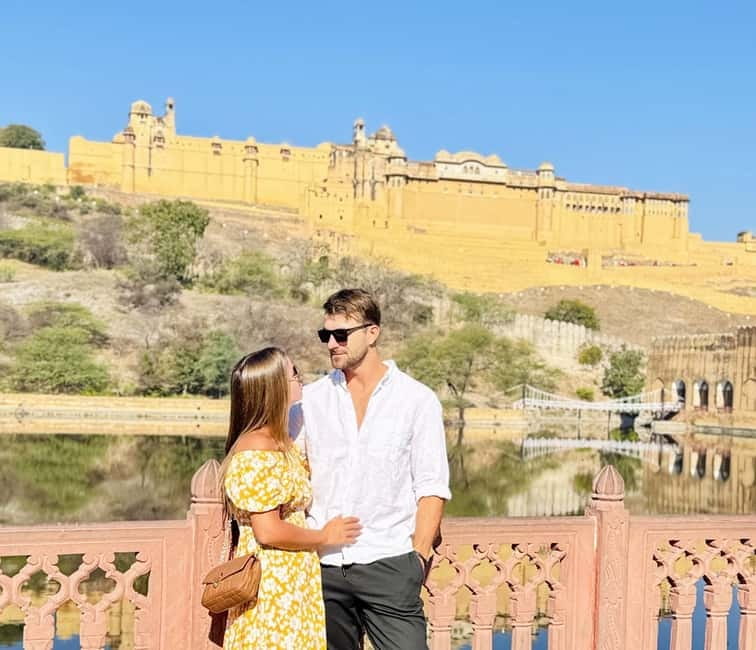
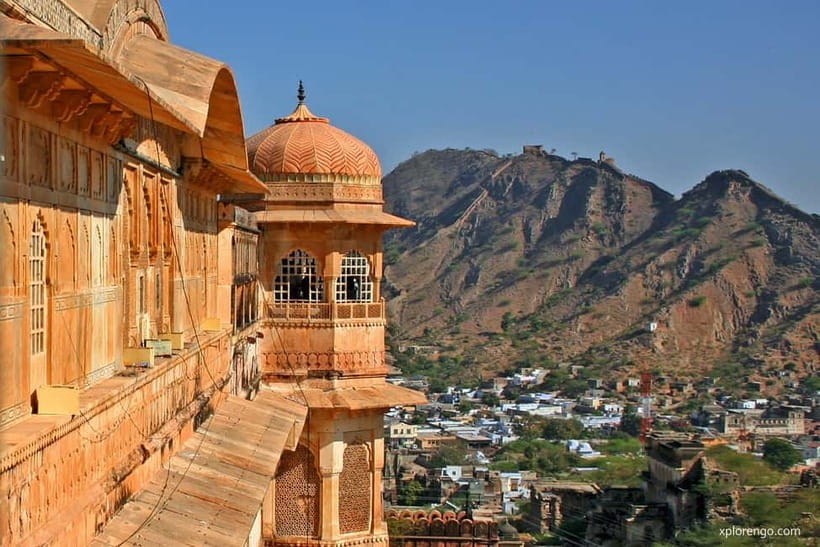
Amber Fort is the moment Jaipur feels cinematic. You get red sandstone and white marble, plus a mix of Hindu and Muslim architectural styles that makes the fort look like it grew over time rather than being built all at once. Expect to spend about 2 hours exploring with a guide who can point out what each part was meant to do, not just what it looks like.
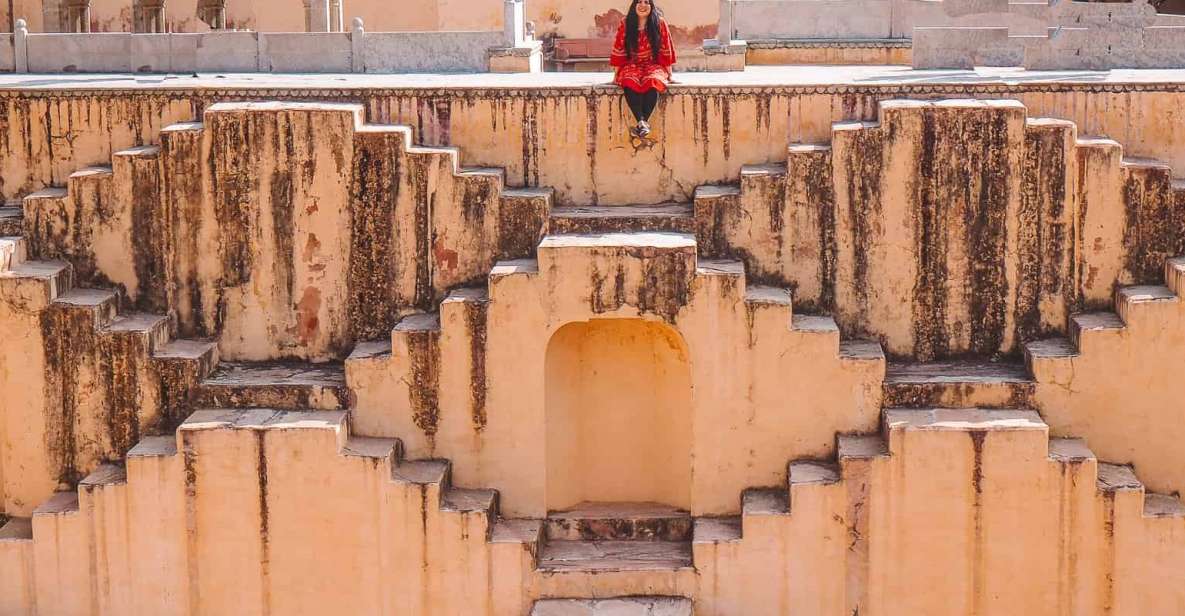
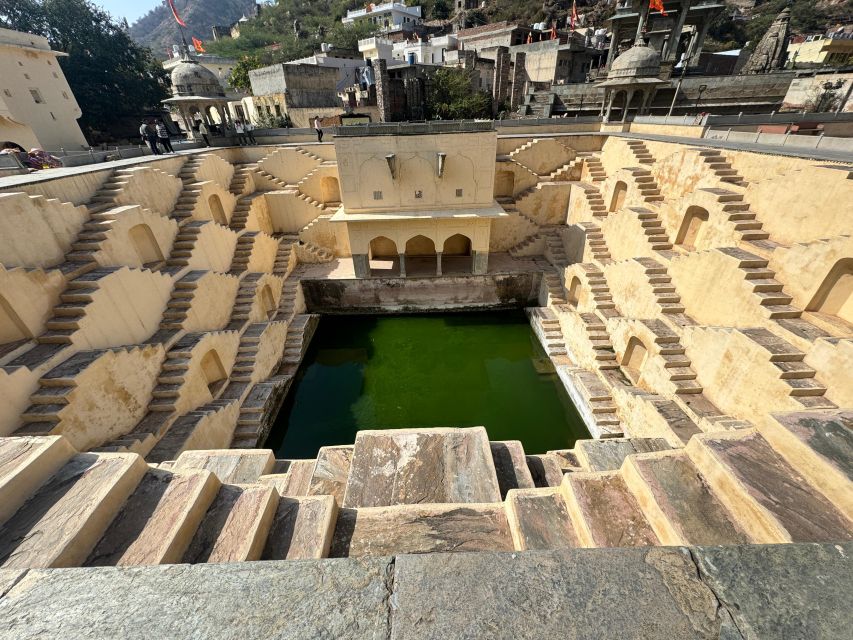
Then comes one of the best “wait, what is that?” stops in Jaipur: Panna Meena ka Kund, a historic stepwell. The design is symmetrical, and it functioned as a rainwater catchment system, which turns a pretty sight into a practical engineering story. You’re there for about 30 minutes, long enough to notice the stair layout and understand why the structure was built this way.
If you’re thinking about photos, do the fort first. The stepwell is smaller and easier to miss if you’re rushing your schedule. With a guide, you also get the context for why a stepwell near a major fort matters.
One practical thing to plan for: you’ll want sports shoes. Even if the walkways are manageable, there’s uneven ground around fort areas, and the last thing you want is slip-and-slide sightseeing.
Jal Mahal and Hawa Mahal: two icons, two different experiences
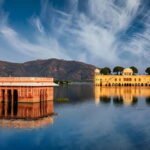
Jal Mahal, the Water Palace, is a breather. The palace sits in the Man Sagar Lake setting, and the charm is that it feels quieter than the surrounding streets. The tour generally gives you a short visit window—about 20 to 30 minutes—focused on viewing and photos rather than a long, lingering interior-style stop.
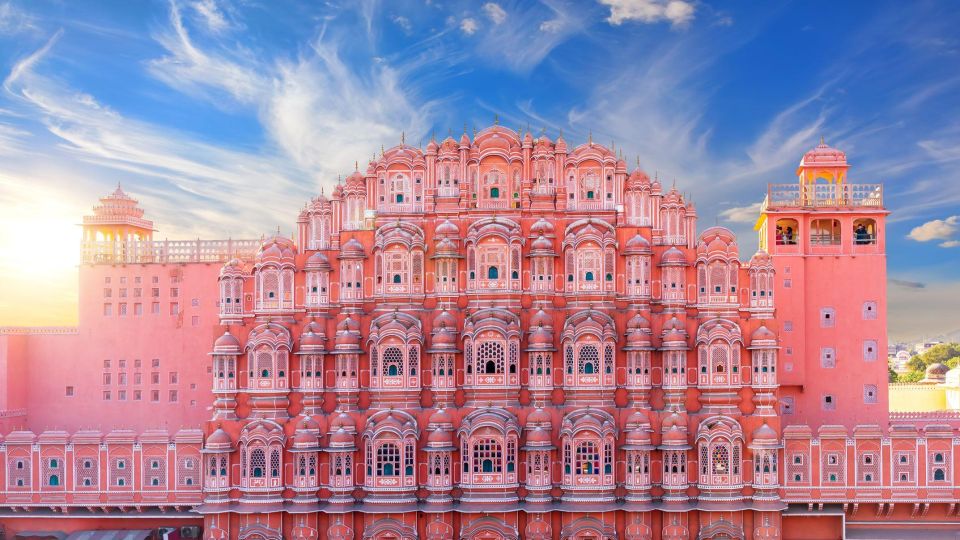
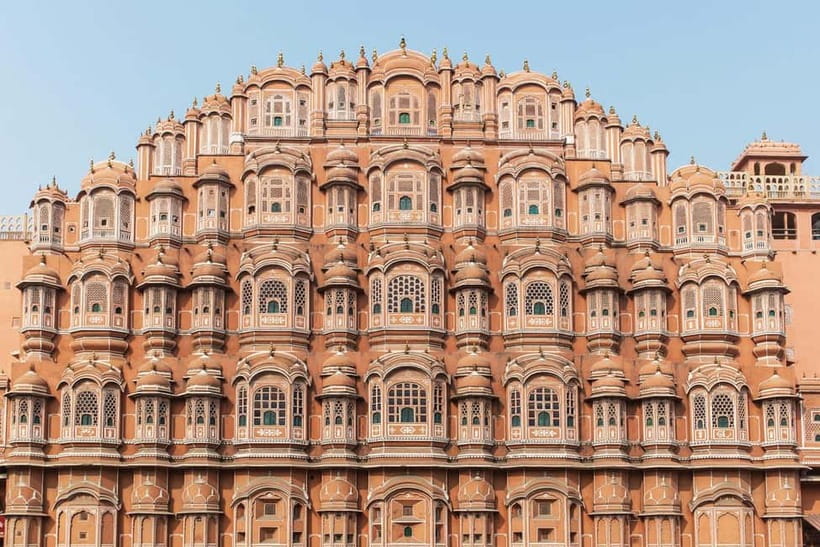
Hawa Mahal, the Palace of Winds, is the opposite vibe: busy-looking, decorative, and instantly recognizable. You’ll typically spend around 20 minutes here, with a mix of photo stop and guided explanation. Designed by Sawai Pratap Singh, the building’s tiered arches and latticework screens are what you’ll remember, especially if your guide points out how the design connects to daily life in the city.
My advice: don’t treat Hawa Mahal as just a postcard. Ask your guide how the latticework helped with ventilation and shade. When someone explains the logic behind those windows, the building stops being a decoration and becomes a tool for living.
If you’re sensitive to heat, this section is also where timing helps. Morning or late-day visits tend to be more comfortable, and the private-car setup helps you reach each stop at the right moment.
City Palace and Gaitor Ki Chhatriyan: where royal identity becomes architecture
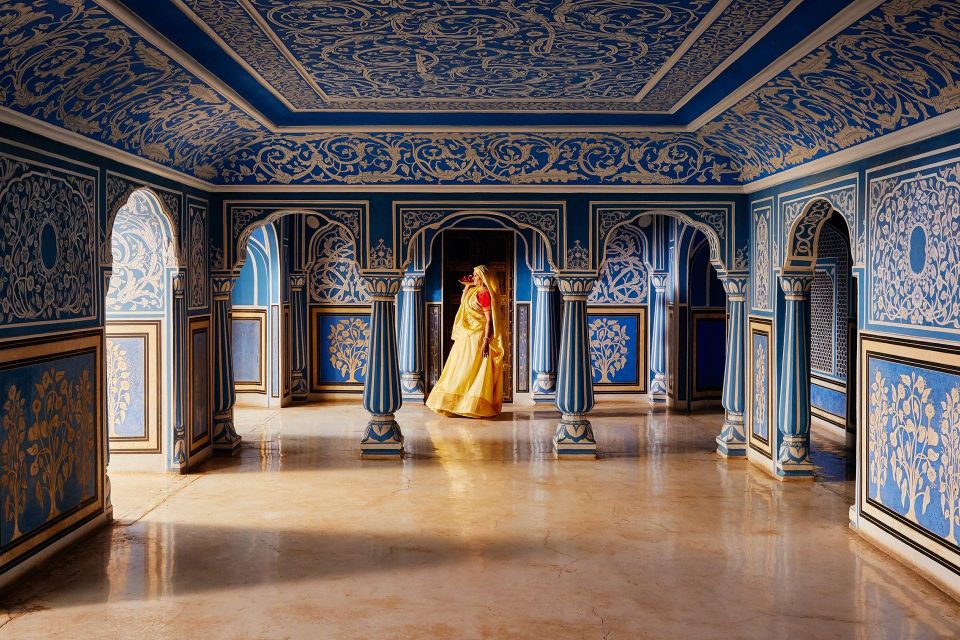
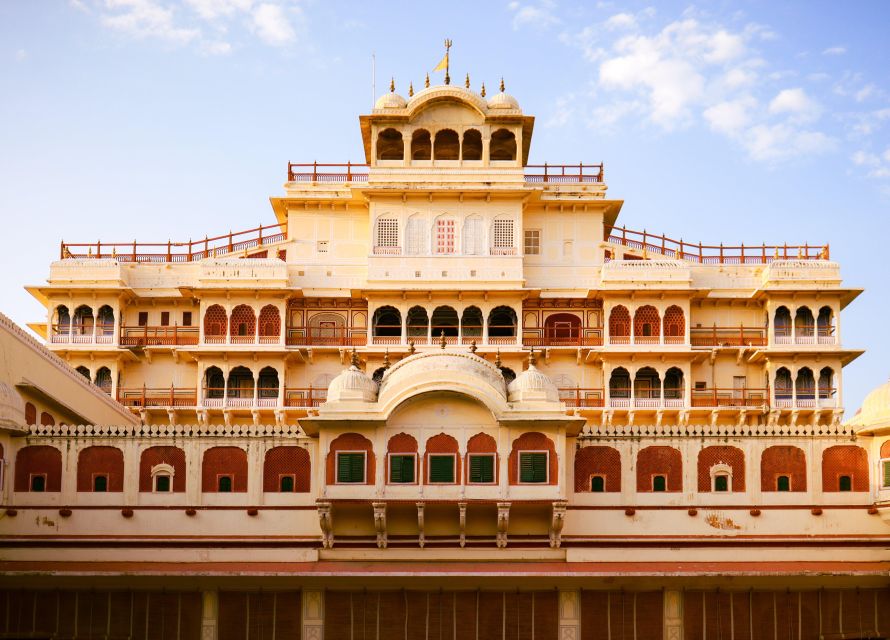
City Palace is the scale-up from forts to governance and daily royal presence. Built by Maharaja Jai Singh, it’s linked to the royal family’s story and the city’s political center. You’ll spend about 1 to 1.5 hours here, with time for photos and a guided visit through the key areas.
What I like about City Palace in a guided format is that it helps you understand the palace complex as a living statement of authority, not just a big building. Your guide can connect what you’re seeing—courtyards, layouts, and museum-style displays—to the people who used the space.
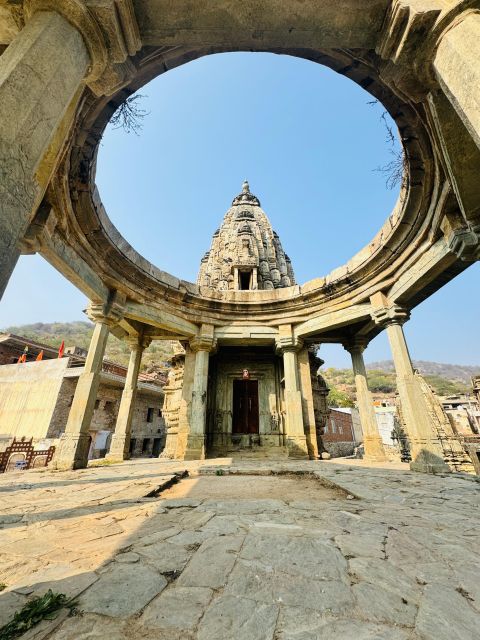
Then there’s Gaitor Ki Chhatriyan, the Royal Gaitor Tumbas. This is an 18th-century complex with intricate carvings and dedicated temples, and it has a spiritual role as a pilgrimage site for devotees of Hinduism. You’ll typically spend about 30 minutes here, often with a photo stop plus a guided look.
This is also where the tour feels balanced. You move from public royal spaces at City Palace to a more solemn, memorial atmosphere at Gaitor. It’s a good reset before you jump into Jantar Mantar’s science.
Jantar Mantar: the UNESCO observatory that turns the sky into math

Jantar Mantar is why I’m happy this tour includes a UNESCO-level stop. Jaipur’s astronomical tradition wasn’t a side hobby; it was part of how the city understood time, movement, and observation. You’ll spend about 1 hour here with a guide walking you through the instruments.
The site has nineteen astronomical instruments built by Rajput king Sawai Jai Singh. One of the headline features is the world’s largest stone sundial, and your guide should be able to explain how the instruments were designed to measure and predict. Even if you’re not a science person, it helps to see how the shapes correspond to real sky events.
In a city famous for forts, this observatory gives you perspective. It shows that Jaipur’s royal legacy isn’t only about armies and palaces. It’s also about curiosity and precision.
If you like photography, give yourself a bit of attention time here. The instruments create clean lines and strong shapes, and they’re easier to capture than the crowded street-level scenes outside.
You can also read our reviews of more private tours in Jaipur




Arts stops, shopping time, and lunch without derailing the day
This tour includes a short arts-and-crafts workshop visit, usually around 10 to 15 minutes. You’ll learn about traditions such as Jaipur hand block printing and the cutting of rough stones. The setup is educational, and it’s presented as no-pressure—meant to teach rather than sell.
That’s a big deal in practice. One quick cultural stop can prevent you from spending your entire day inside shops just because you’re nearby. Here, you get learning time without getting stuck.
After that, there’s a market window—around 30 minutes—for arts and crafts shopping. It’s enough time to browse and pick up something small, without turning the day into a shopping marathon.
Lunch is optional and usually planned as an about 1-hour break at a local restaurant, but meals aren’t included in the price. If you’re picky about food timing, ask your guide to align lunch with the next site’s comfort level.
A smart tip: bring a bit of flexibility. One popular theme in real Jaipur days is that you might want chai or a snack mid-route. Your driver and guide are often the people who know where it’s easy to stop.
Price and value: what $4.88 really includes
The headline price can look shockingly low, and that’s where the value check matters. What you’re paying for includes hotel pickup and drop-off, an air-conditioned sedan or SUV, a professional authorized guide, parking fees, and fuel.
What you’re not paying for is the stuff that adds up once you arrive: entry tickets and meals. That’s common on private sightseeing tours, but it changes the real total. Before you book, I’d plan for extra spending for tickets and one restaurant meal.
Still, the pricing makes sense if you’re visiting as a small group. You’re not just buying monument access—you’re buying time saved on driving logistics and guided interpretation at each stop. In a one-day format, that reduces the chance you bounce between sites with zero context.
Also, the private aspect is the quiet value. A shared taxi day can feel like a constant negotiation about where to stop and for how long. Here, the car and guide are dedicated, and the stops are spaced to keep the day workable.
Finally, the guides praised by name, like Ashwani, Khalid, and Zuber, are consistently described as patient and attentive. A knowledgeable guide can turn a 20-minute photo stop into something you remember for years.
Practical tips for an 8-hour Jaipur day that doesn’t feel rushed
Wear comfortable shoes and plan for sun. Even with AC rides between stops, you’re outside during fort areas, stepwell stairs, and courtyard-style complexes. Bring sunglasses and sunscreen—you’ll thank yourself on the drive back.
You’ll also want an ID. The tour notes passport or ID card as the prepared document. Keep it handy, especially for ticketing at sites.
Because entry tickets are not included, I’d also come prepared to pay on arrival. One customer advice line that pops up is to have cash available. Even if you’re not sure what a site will accept, having some cash reduces friction.
One more practical point: Jaipur is traffic-heavy in parts, and your schedule may shift slightly. The tour is designed to fit an efficient full-day plan, but a good driver will still need to weave through the city. The private-car setup helps you handle that without losing your whole timeline.
If you want extra time at Amber Fort specifically, the provider also lists an option for a 3-hour Amber Fort guided experience with hotel pickup and drop-off. That’s worth considering if forts are your main theme and you’re the type who loves slow wandering.
Should you book this Jaipur private full-day tour
Book it if you want a high-hit day with minimal stress: Amber Fort, Panna Meena ka Kund, Jal Mahal, Hawa Mahal, City Palace, Gaitor Ki Chhatriyan, and Jantar Mantar all in one flow. It’s a strong choice for couples, families, and solo travelers who want a guide explaining the why behind the wow.
Pass or look for a different format if you dislike paying separately for entry tickets and meals, or if you only want one or two sites and nothing else. This tour is designed to pack a lot into one day, so it works best when you’re okay with a full schedule and a few short stops.
FAQ
How long is the Jaipur private full-day sightseeing tour?
The duration is 8 hours.
What’s included in the price?
Hotel pickup and drop-off, transportation in an air-conditioned sedan or SUV, a professional authorized guide, parking fees, and fuel are included.
Are entry tickets included?
No. Entry tickets are not included.
What languages are the tour guides available in?
The tour guide is available in English, French, Italian, and Spanish.
What vehicle will I ride in?
For 1 to 3 people: an air-conditioned 5-seater sedan. For 3 to 6 people: an air-conditioned 8-seater SUV. For 7 to 10 people: an air-conditioned 10-seater van.
Can I choose where I get picked up from in Jaipur?
Yes. Pickup is flexible from any location in Jaipur, including hotels, airports, railway stations, or your preferred spot.
What should I bring, and what’s not allowed?
Bring your passport or ID card, sunglasses, a camera, sunscreen, and sports shoes. Pets are not allowed, and alcohol and drugs are not allowed.