REVIEW · NEW DELHI
From Delhi: 2-Days Agra Jaipur Private Tour
Book on GetYourGuide →Operated by Atul Holidays · Bookable on GetYourGuide
Two days, three major icons of North India. You get Taj Mahal and Amber Fort done properly, with live guidance and enough time to see details, not just pose. One consideration: the schedule is tight, and Taj Mahal is closed every Friday, so your day needs a plan.
I like that this runs as a true private setup: a pickup in Delhi, a comfortable private AC car, and a guide speaking your language (options include English, Spanish, German, French, Italian, Hindi, Japanese, Russian). You also get a free evening in Jaipur to slow down a bit, which matters after two big sightseeing blocks.
In This Review
- Key highlights you’ll actually feel during the trip
- How this Delhi–Agra–Jaipur route works in real life
- Taj Mahal: timing, line-skipping, and what to notice first
- Agra Fort: a fortress that explains Mughal power
- The Yamuna Expressway drive: why the travel time matters
- Amber Fort on the Aravalli Hills: the day’s best views (and why)
- Jal Mahal photo stop: quick, scenic, and not too time-consuming
- Jaipur after Amber: Hawa Mahal, City Palace, and Jantar Mantar
- The human side: drivers and guides that keep the day smooth
- Hotels and meals: what the star options change
- Price and value around $92 per person
- Who this tour fits best (and who should skip it)
- Should you book this Delhi-to-Agra-to-Jaipur private tour?
- FAQ
- What’s included in the private tour?
- Do I have to pay for the hotel?
- Are monument entrance fees included?
- Is Taj Mahal included, and are there closure days?
- What languages can the guide speak?
- What time does the tour start?
- What should I bring for the tour?
Key highlights you’ll actually feel during the trip
- Skip-the-ticket-line approach helps you start seeing sights sooner
- First-day Taj Mahal plus Agra Fort gives you contrast: romance, then power
- Amber Fort on a hilltop means big views and classic fort architecture up close
- Jal Mahal photo stop at Man Sagar Lake breaks up the day with an easy viewpoint moment
- Jaipur icons in one sweep: Hawa Mahal, City Palace, and Jantar Mantar
- Overnight in Jaipur saves you from a rushed same-day return to Delhi
How this Delhi–Agra–Jaipur route works in real life
This is a smart sprint for first-timers. You start in Delhi, land in Agra while the day is still fresh, then shift gears to Jaipur for a full second day of major monuments. The private car is the glue here. It lets you keep a comfortable pace instead of herding with other people on a public bus schedule.
What makes it practical is the shape of the trip. Day 1 is about two heavyweight sites that are easiest to enjoy early, and Day 2 is about Jaipur’s signature mix of forts, palaces, and old science. You’ll spend your time where photos and facts line up, not in long waits.
You should also know the tour is built around guided stops, not free-roaming chaos. That’s why the guide matters so much. In Agra, you want someone to point out what to notice in the marble, courtyards, and red-sandstone walls.
You can also read our reviews of more private tours in New Delhi


Taj Mahal: timing, line-skipping, and what to notice first
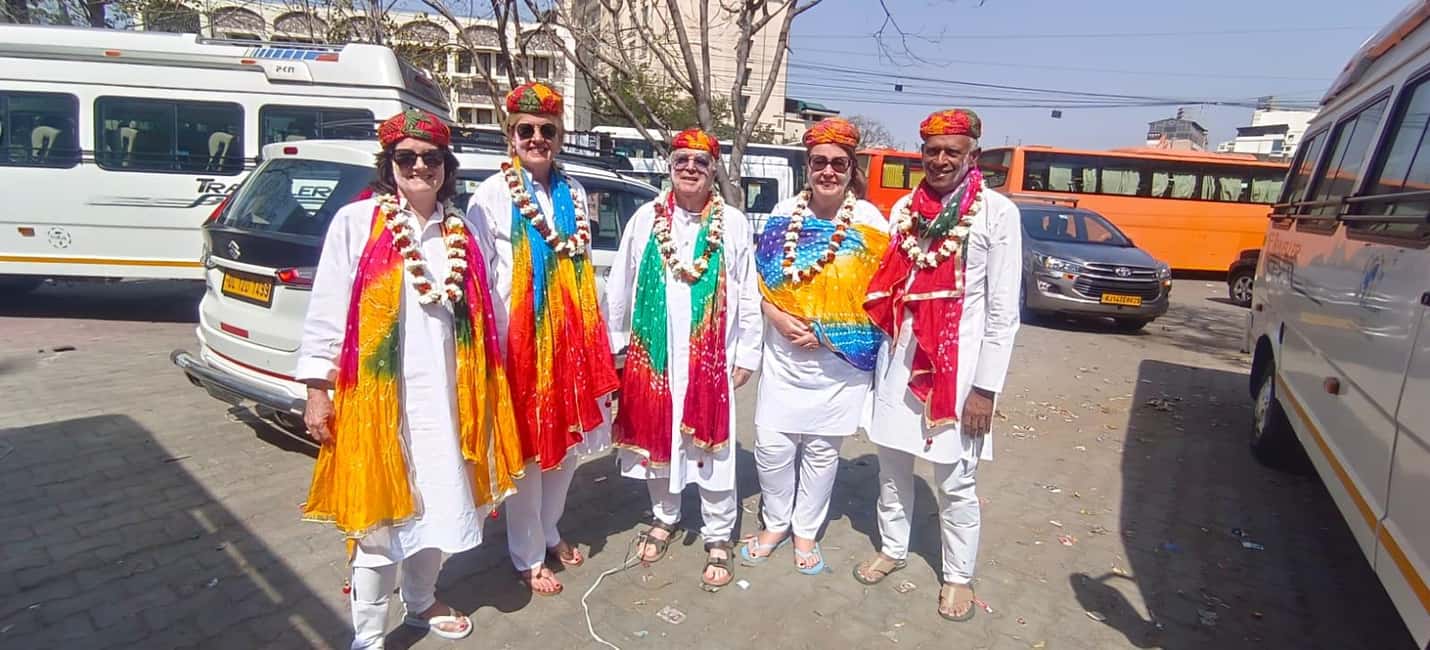
The day starts with pickup in Delhi and a drive through the Yamuna Expressway. Getting moving early is a big deal. It means you see the Taj Mahal with better light and fewer headaches, and you’re not fighting a late-day crowd wave.
When you arrive, the first thing you’ll feel is scale. Then the second thing is the details. A good guide will help you slow down just enough to notice the marble work and how the monument sits in its gardens. You’ll also hear the story of the love behind the Taj, which turns it from a famous photo into something human.
Line-skipping is one of those small perks that changes the whole mood. Instead of losing time at the entrances, you walk in and start seeing right away. You’ll spend your energy on watching the building shift in color as the light moves, not on standing around.
One practical warning: Taj Mahal is closed every Friday. If your trip falls on a Friday, you’ll want to confirm alternatives before you lock anything in.
Agra Fort: a fortress that explains Mughal power
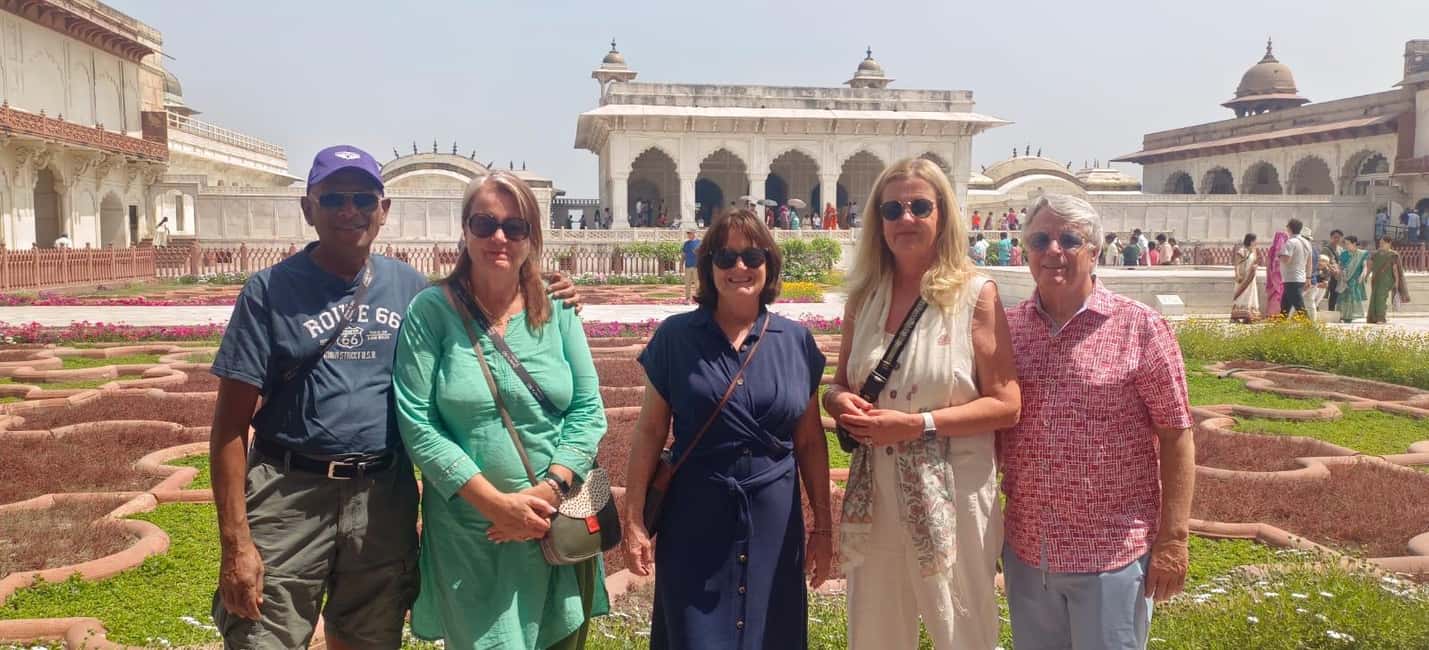
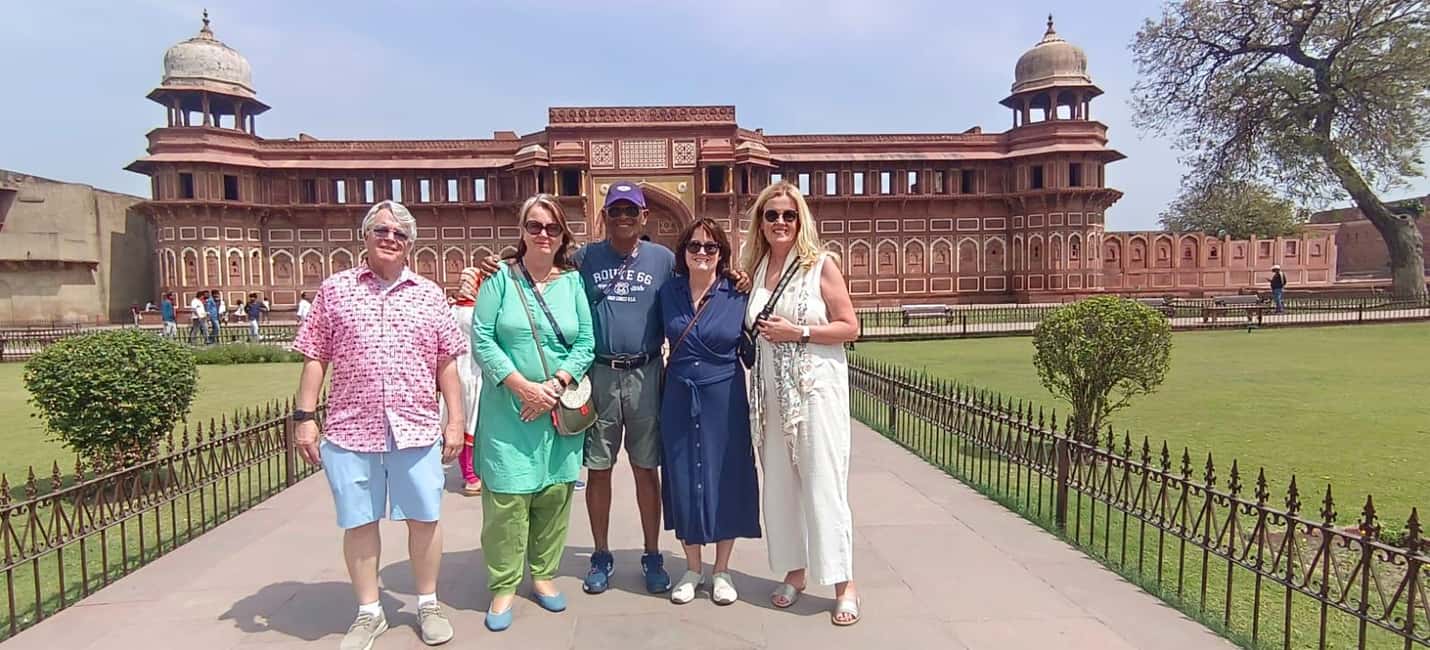
After the Taj, you head into Agra Fort, a UNESCO-listed stronghold of red sandstone. This is where you get the other side of Mughal rule: not romance, but administration, defense, and ceremony. The walk through gates, royal halls, courtyards, and balconies is less about one single view and more about understanding how a ruler’s world worked.
The best part is the vantage points. From certain spots you can look back toward the Taj area, and that visual connection makes the day feel complete. A guide’s commentary helps you connect the buildings to the people who lived and ruled there.
There’s also a comfort factor here. Agra Fort can be big, so a private guide can steer you away from wandering in circles. You’ll be moving, but with purpose. And you’ll get a lunch break at a local restaurant afterward, which is a relief after a long morning of standing and walking.
The Yamuna Expressway drive: why the travel time matters
The drive between Delhi and Agra is part of the experience whether you like it or not. The good news: with a private AC car, it stays comfortable and predictable. You’re not squeezed into crowded seating. You’re not trying to figure out transit when you’re already mentally on sightseeing mode.
This route is built to reduce stress in the transition from Day 1 to Day 2. After finishing Agra Fort and lunch, you’ll start the drive toward Jaipur in the afternoon. That timing gives you a calmer arrival in the evening, which helps you enjoy your Jaipur hotel stay instead of feeling wiped out immediately.
If you’re the type who wants the most sightseeing with the least waiting, this is a win. You’re essentially buying time—your guide and driver handle the traffic juggling, so you can focus on sights and photos.
And yes, you’ll have a free evening in Jaipur. That isn’t filler. It’s your buffer. You can rest, reset, or take a short walk into nearby markets if that’s your thing.
Amber Fort on the Aravalli Hills: the day’s best views (and why)
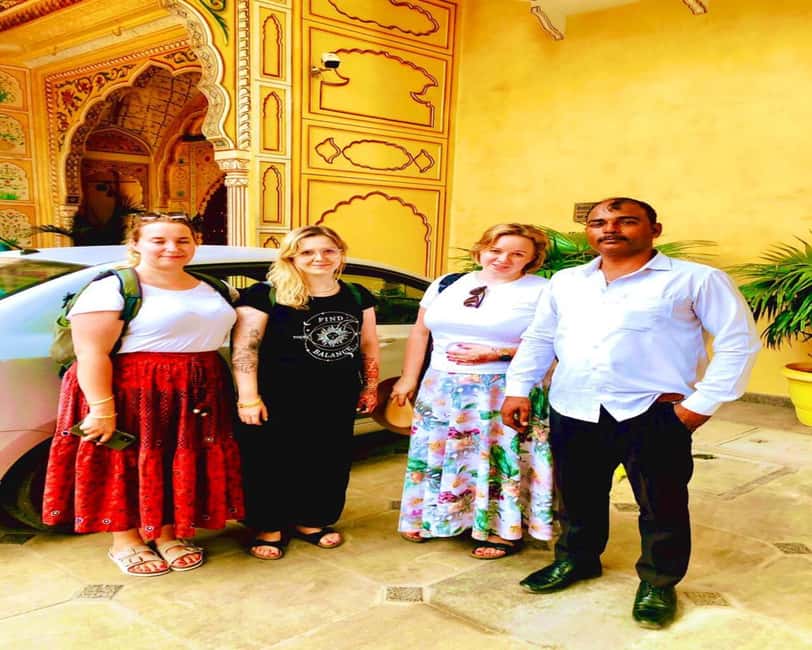
Day 2 starts in Jaipur at Amber Fort, set high on the Aravalli Hills. This is one of those places where you feel the fort before you even get into it. The hilltop setting gives you views over the surrounding area, and the stonework looks stronger in person than it does in pictures.
Expect to wander through big gateways, courtyards, and interior areas such as the mirror halls. The mirror details are the kind of stop where you’ll want to look slowly. A guide can help you see what’s special about the craftsmanship so you’re not just rushing from one room to the next.
This is also where your comfortable shoes pay off. You’ll walk a fair bit, and the fort areas include steps and uneven surfaces. If you plan ahead, Amber feels rewarding instead of exhausting.
And because this tour is private, the guide can keep you moving at a pace that fits your group. You’ll have the chance to enjoy panoramic views without feeling like you’re being dragged.
You can also read our reviews of more tours and experiences in New Delhi






Jal Mahal photo stop: quick, scenic, and not too time-consuming

On the way back from Amber, you’ll stop at Jal Mahal, the famous palace that looks like it floats in Man Sagar Lake. This is a short stop, but it breaks the day up nicely. After the fort’s hilltop walking, the lake setting is a visual reset.
For photos, timing and viewpoint matter. You’ll want to plan for a few angles, then move on. Since the stop is built into the day, it doesn’t derail your schedule the way an unscheduled detour might.
Even if you’re not a hardcore photographer, Jal Mahal gives you a moment where the landscape and architecture relate to each other in a way you can actually see.
Jaipur after Amber: Hawa Mahal, City Palace, and Jantar Mantar
Jaipur is where the tour shifts from fortress energy to city icons.
First, you’ll visit Hawa Mahal, known for its honeycomb-like façade with many small openings. This is one of those sites where a guide helps you understand why it was built the way it was. It’s not just decorative. It connects to how people viewed the street and city life.
Next comes City Palace. Even though it’s a major visitor site, it’s still connected to Jaipur’s royal family. That living-in-the-history feeling makes it more than a museum stop. You’ll get the sense that some of these spaces still function as part of the city’s identity.
Then you’ll go to Jantar Mantar, an ancient astronomical observatory. The thing to remember: this isn’t just “old stuff.” It’s built science, tied to how people measured time and the sky. When you see the instruments in place, it makes the learning feel immediate instead of abstract.
The best value here is that these three stops work together. Hawa Mahal shows style and social design. City Palace shows power and continuity. Jantar Mantar shows knowledge and measurement. In two days, you get more than one version of Jaipur.
The human side: drivers and guides that keep the day smooth
In a trip like this, the guide isn’t a luxury. It’s the difference between seeing monuments and understanding them.
One group started with a very early drive, around 6am, with Driver Hemant. That early start mattered because it set the tone for the whole day. Later in Agra, their guide was Muhammad, and his storytelling connected the Taj Mahal and Agra Fort to the people who shaped them. On the Jaipur side, Kamran acted like more than a guide—he also helped with viewpoints and photo angles, which is honestly what most people want when they’re trying to get the shot without climbing every wall.
Another praised experience involved Nazim as the Agra guide, with a lot of attention to details and keeping everything on track. Manoj also received strong feedback as a driver, especially for smooth handling of the day’s timing.
What you should take from this: the tour’s quality leans heavily on the guide pairing and driver professionalism. This is a private group, so you’re not stuck with a mismatch. You also have multiple language options, including English, Spanish, German, French, Italian, Hindi, Japanese, and Russian, which helps if you want real explanation instead of silent sightseeing.
Hotels and meals: what the star options change
You’ll sleep overnight in Jaipur, which is one of the smartest parts of this plan. Instead of turning into a long travel day twice, you get a proper rest window between the big sights.
The hotel level can be selected as a 3-star, 4-star, or 5-star option, and the package includes daily breakfast when you choose those options. The exact hotel property isn’t something the provided info spells out, but the key point is clear: higher categories usually mean better room comfort and breakfast setup.
Lunch is treated as a break during Day 1. You’ll stop for lunch at a local restaurant after Agra Fort. That’s useful for budget and timing, but it also means you should expect Indian meals to be a bit different from what you eat at home. If you’re picky, it’s worth telling your guide what you prefer before you sit down.
Price and value around $92 per person
At about $92 per person for a 2-day private route, the value comes from what’s bundled. You’re paying for door-to-door pickup and drop-off, a private AC car, and live guided sightseeing with monument entrance fees included only if that option is selected. Unlimited bottled water and taxes are also included.
The biggest value lever is the private transport plus guide. If you tried to do this independently, you’d be paying for a car anyway and then scrambling for guides in each city. Here, the structure is already in place: drive times are planned, guides handle the explanation, and you’re not guessing your way between Agra and Jaipur.
That said, keep two things in mind. First, entrance fees depend on your selected option, so double-check whether your booking includes monument entry costs. Second, the schedule is busy enough that you’ll want to arrive ready to walk. If you’re slower on your feet, you might feel the pace more than you’d like.
Who this tour fits best (and who should skip it)
This works especially well if you’re short on time but want the “must-see” experience in both Agra and Jaipur without turning your trip into a checklist drill. It’s also a great fit if you prefer explanation while you walk—stories for the Taj and Mughal world, plus practical guidance for Jaipur’s icons.
It’s also a good choice if language matters to you. You can choose among a range of guide languages, including major European languages and Japanese/Russian.
Two cautions from the tour info:
- Taj Mahal closes every Friday, so your dates matter.
- It isn’t suitable for people over 95 years.
If you’re in that age range or have mobility limitations, you’d need a different plan. And if your ideal trip is slow and lightly paced, this route might feel like a sprint.
Should you book this Delhi-to-Agra-to-Jaipur private tour?
I’d book it if you want maximum sightseeing in minimum hassle, with a private car and a guide who helps you see more than just the famous exteriors. The combination of Taj Mahal, Agra Fort, Amber Fort, and then Jaipur’s trio of Hawa Mahal, City Palace, and Jantar Mantar is exactly the kind of concentrated route that makes a first India trip click.
I’d think twice if your travel dates land on a Friday, or if you strongly prefer lots of downtime. The pacing is set up for people who enjoy moving through key sites and learning along the way.
If you’re flexible and ready for a full two days, this tour’s value is hard to beat for the price point.
FAQ
What’s included in the private tour?
Pickup and drop-off from your hotel (or selected locations), a private AC car with a professional driver, live tour guide service for sightseeing, and unlimited bottled water. Breakfast is included if you select the 3-star, 4-star, or 5-star hotel option, and monument entrance fees are included only if you choose that option.
Do I have to pay for the hotel?
The tour includes an overnight stay in Jaipur at your selected category (3-star, 4-star, or 5-star) if you choose that hotel option. The daily breakfast is included with those hotel selections.
Are monument entrance fees included?
Entrance fees are included only if the option for monument entrance fees is selected. If it’s not selected, you should expect additional costs at the sites.
Is Taj Mahal included, and are there closure days?
Yes, Taj Mahal is part of the plan. The tour info also notes that Taj Mahal is closed every Friday, so your day-by-day schedule may need adjustment.
What languages can the guide speak?
The guide service can be provided in Hindi, Japanese, Russian, Spanish, German, English, French, or Italian.
What time does the tour start?
The start time can vary, and the tour notes that you should check availability for starting times. Pickup from Delhi happens early enough to reach Agra for the first major sightseeing.
What should I bring for the tour?
Bring a passport or ID card and comfortable shoes.