REVIEW · NEW DELHI
From Delhi: 3-Days Private Golden Triangle Tour with Hotel
Book on GetYourGuide →Operated by Happy India Tour · Bookable on GetYourGuide
Golden Triangle trips can get hectic fast, but this one stays organized. I like the private guide experience (hello, Gautam Grover) and how you get a real feel for three cities without spending your whole vacation in traffic. Two highlights I’m especially glad you’ll get: the Taj Mahal sunrise and the concentrated Delhi-to-Agra-to-Jaipur routing that keeps days full but not chaotic.
One consideration: it is a 3-day sprint with early starts and a lot of walking at major sites, so if you’re hoping for a slow, relaxed pace, you may feel the schedule a bit.
In This Review
- Key Takeaways Before You Go
- Golden Triangle in 3 Days: The Smart Pace From Delhi
- Hotel-Backed Private Touring: Why the Comfort Helps
- Day 1 in Delhi: Old City Icons to Qutub Minar Views
- Jama Masjid, Red Fort (Outside), and Chandni Chowk
- Lunch and New Delhi’s Big Monuments
- Day 2 Sunrise at the Taj Mahal and Agra Fort
- Fatehpur Sikri: A Clever Break on the Way to Jaipur
- Jaipur Highlights: Amber Fort, Palaces, and Jantar Mantar
- Amber Fort and the Views Factor
- Jal Mahal and the Water Palace Moment
- Hawa Mahal, City Palace, and Jantar Mantar
- Panna Meena Ka Kund Stepwell
- Souvenir Shopping and a Smooth Return
- Price and What You Actually Get for $157
- What You Need to Know Before You Wear Your Walking Shoes
- Who Should Book This Tour (and Who Might Not)
- Should You Book It?
- FAQ
- How long is the Golden Triangle tour?
- How much does it cost per person?
- What pickup do I get in Delhi?
- Will I get skip-the-line access?
- What language options are available for the guide?
- What sites are included in the Delhi portion?
- What should I bring and what should I avoid wearing?
Key Takeaways Before You Go
- Skip-the-line entry using a separate entrance, so you spend more time looking and less time waiting
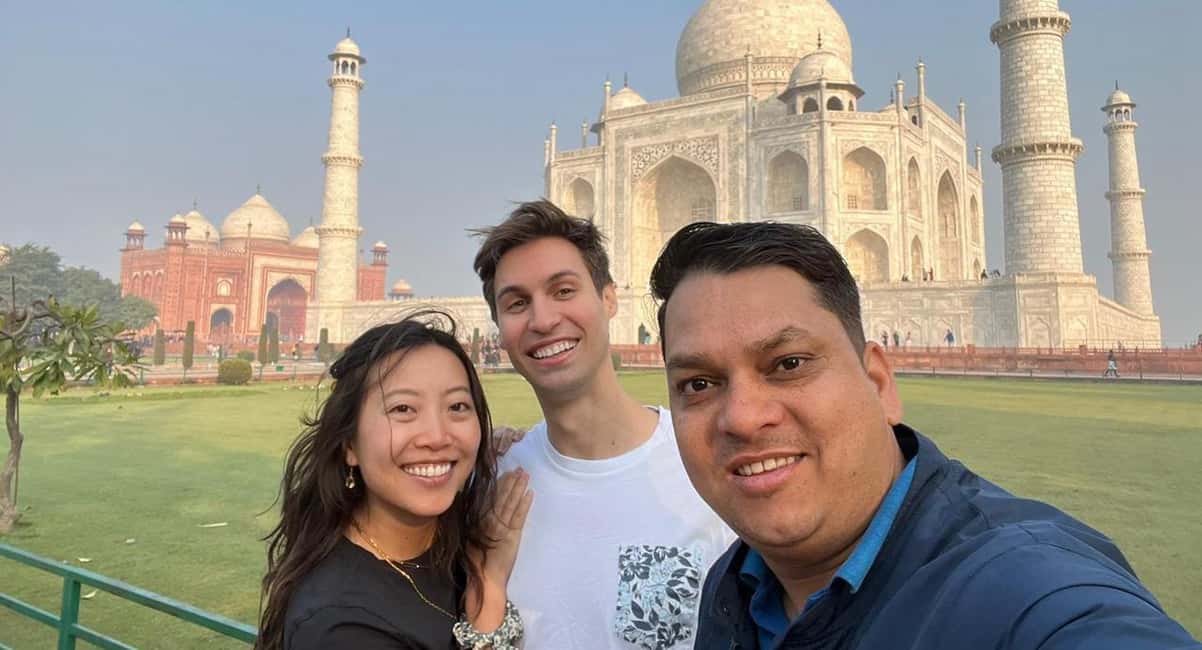
- Taj Mahal at sunrise with a 6:30 AM start for softer light and calmer crowds
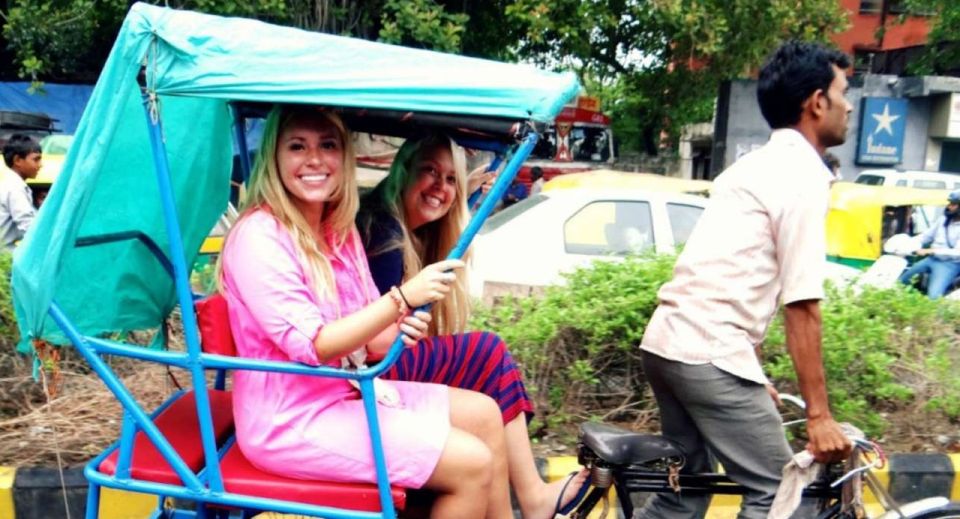
- Delhi Old City time that includes Jama Masjid and a chance for a quick rickshaw moment through Chandni Chowk lanes
- Fatehpur Sikri en route to add an extra Mughal stop without turning it into a detour
- Jaipur big hitters from Amber Fort to Jantar Mantar plus a historic stepwell
Golden Triangle in 3 Days: The Smart Pace From Delhi
This is the classic India route for a reason. Delhi gives you the political and Mughal backdrop. Agra delivers the famous payoff. Jaipur then rounds it out with forts, palaces, and the kind of architecture that makes you pause and stare without meaning to.
What makes this version work is the rhythm. You start in Delhi with a full mix of Old Delhi and New Delhi, then you shift early to Agra for the one timing you really want right: the Taj Mahal at sunrise. After that, you don’t waste time. You keep moving to Jaipur and hit a strong list of sites before the return to Delhi.
You’re also in a private group, which matters more than people think. A fixed schedule is still a schedule, but private touring usually means fewer waiting gaps and more flexibility when your guide sees you need a breather, a bathroom break, or a better viewpoint.
You can also read our reviews of more private tours in New Delhi


Hotel-Backed Private Touring: Why the Comfort Helps
The tour includes hotel stays across the three days. That sounds simple, but it changes the whole experience. You’re not trying to juggle trains, late check-ins, or last-minute bookings while you’re sightseeing.
The other comfort upgrade is the private car and driver. One review called out that the car was neat and clean, and I agree that’s not a small thing on a route like the Golden Triangle. You’ll be in the vehicle for transfers between cities. When the ride is comfortable and well-run, you arrive fresher at monuments instead of wrung out.
You’ll meet your guide in the lobby of your hotel in Delhi, then your day builds from there. And the guide can work in multiple languages—English, Spanish, German, Russian, and French—so you can keep asking questions instead of doing a guessing game with basic directions.
Day 1 in Delhi: Old City Icons to Qutub Minar Views
Day 1 starts with a 9:00 AM pickup from your chosen location in Delhi. That’s a practical start time. It gives you enough daylight for Old Delhi, then time to hit New Delhi’s top monuments before the evening drive to Agra.
Jama Masjid, Red Fort (Outside), and Chandni Chowk
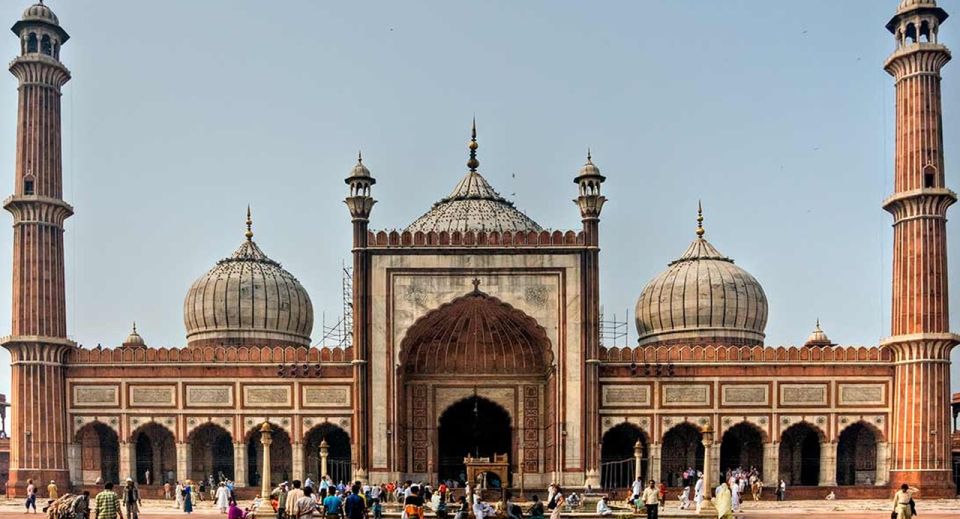
In Old Delhi, you’ll visit Jama Masjid, which is often listed as India’s largest mosque. Even if you’re not a “mosque person,” it’s worth seeing because it’s huge and still feels intensely human. The scale makes it feel like a city within a city.
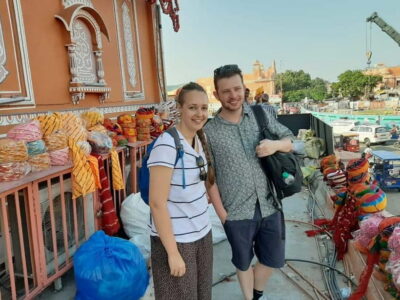
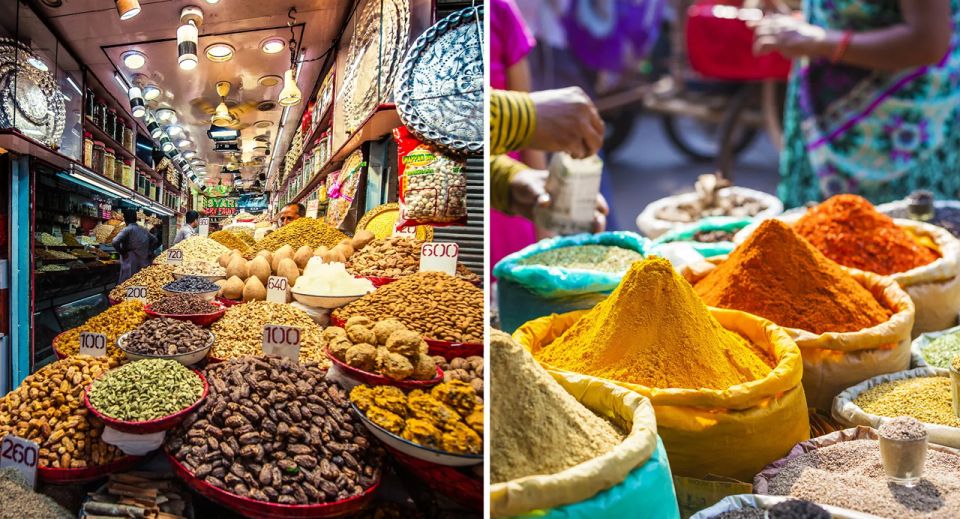
Then comes the Red Fort, described here as an outside view. That matters: you still get the icon, but you’re not turning the day into an endless ticket-and-wait routine. Your time continues with Chandni Chowk, a market area packed with local life and quick snacks. One review specifically mentions a rickshaw ride through the narrow lanes. That kind of short, guided transport moment is exactly how you experience a place like Chandni Chowk without getting lost or spending hours trying to figure out where the street bends next.
Lunch and New Delhi’s Big Monuments
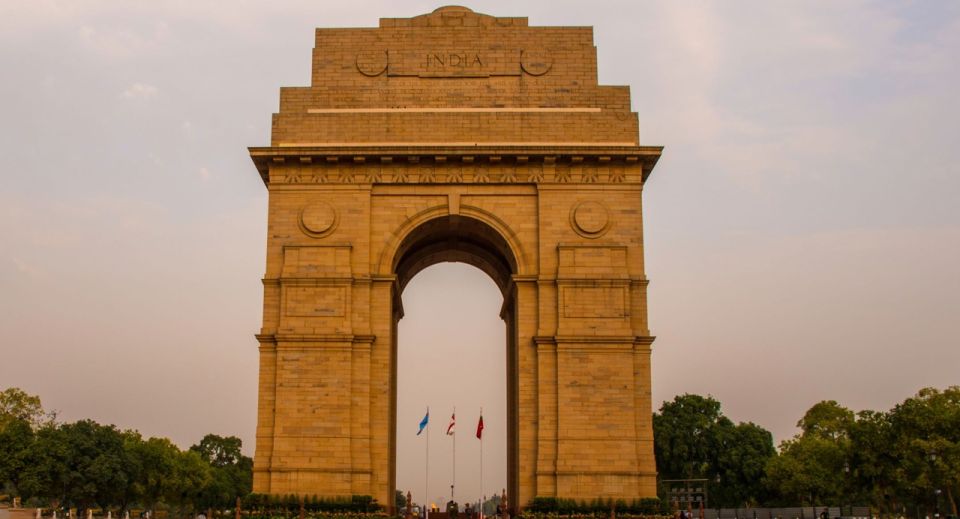
After lunch at a local restaurant, the day moves into New Delhi. You’ll see India Gate, the war memorial that gives the area a quieter, more reflective mood than the market streets. Next is Rashtrapati Bhawan, the President’s residence—again, typically an exterior sight, but it’s central to understanding how the city is built and organized.
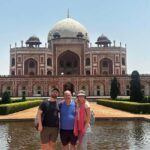
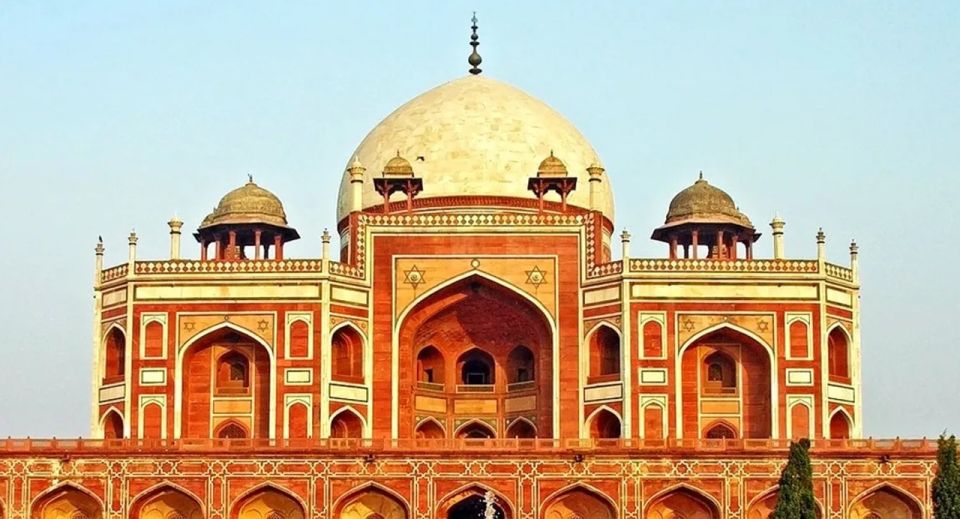
Humayun’s Tomb is one of the first stops that makes people start connecting dots about Mughal architecture. It’s a reminder that these cities aren’t just postcard views; they’re layers of rulers, ideas, and design.
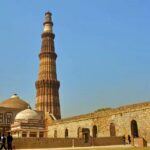
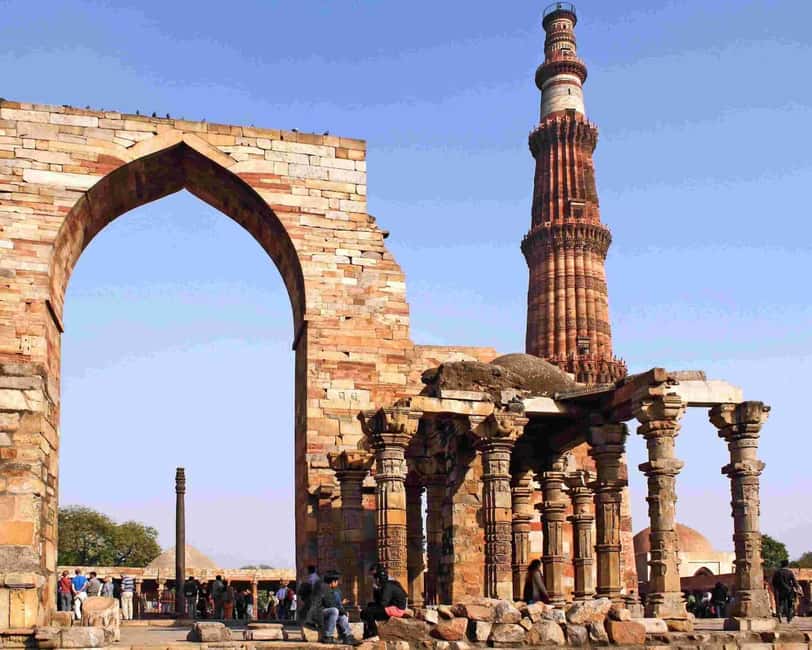
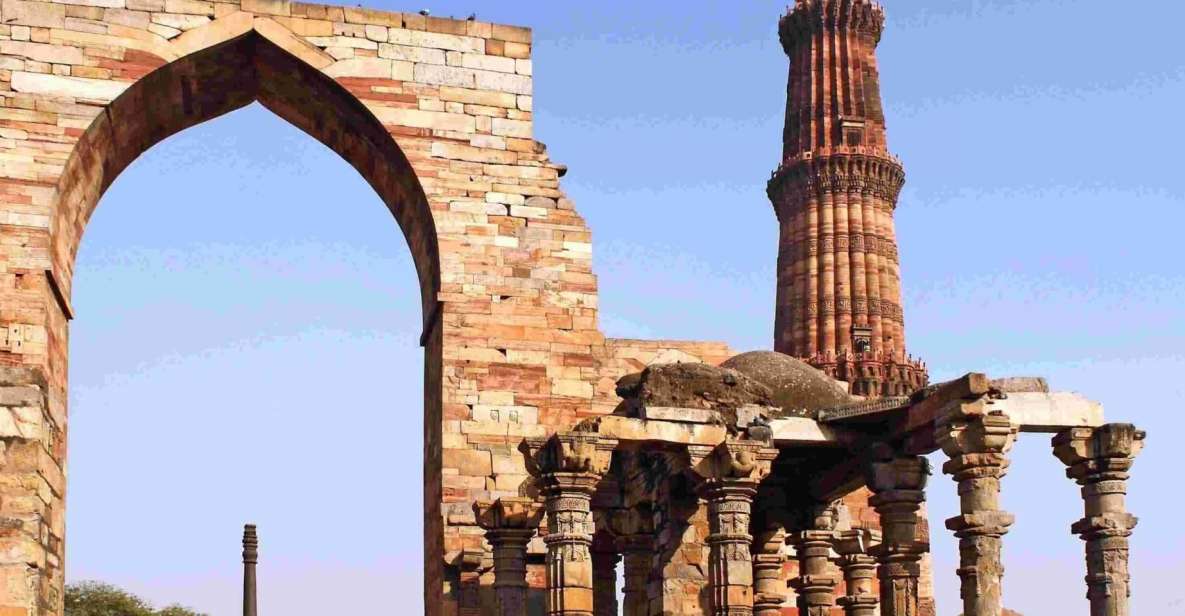
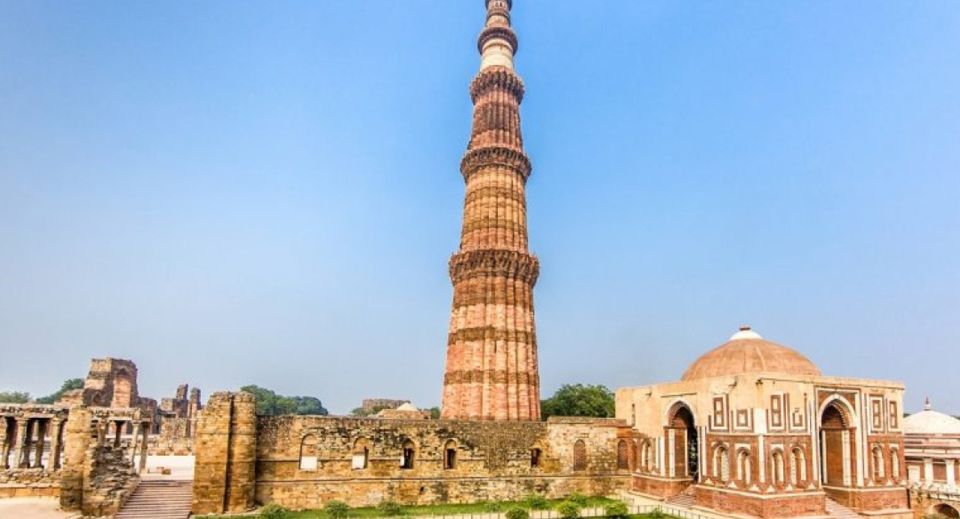
And then there’s Qutub Minar, the world’s tallest brick minaret. It’s tall enough that it changes how you look at the skyline. You get a strong sense of vertical scale, and it’s a good way to end the Delhi part of the trip before heading out for Agra.
By evening, you drive to Agra, check into your hotel, and call it a day. That overnight stop is important. It’s what lets you do sunrise at the Taj Mahal without feeling like you’re running on fumes.


Day 2 Sunrise at the Taj Mahal and Agra Fort
If Delhi sets the stage, Agra is the moment. The day begins with a 6:30 AM sunrise visit to the Taj Mahal. Sunrise is the right move here because the light is softer, the stone looks different than it does under harsh afternoon sun, and the atmosphere is calmer.
The Taj Mahal isn’t just impressive because it’s famous. It’s impressive because of how it sits in its setting and how light shifts across white marble. Even if you’ve seen pictures, being there in person forces you to notice details—edges, symmetry, and how the whole complex feels like it was designed for viewing from many angles.
After the sunrise visit, you return for breakfast and a short rest. That break matters. Don’t skip it if you can help it, because you’ll still have more sightseeing coming.
Then you’ll visit Agra Fort, a major red sandstone fortress. This is a different kind of wow than the Taj Mahal. Instead of pure elegance and romance, you get fortifications, power, and a sense of how the site protected rule and movement. Forts also tend to reward good shoe choices—more on that later.
Finally, you drive to Jaipur and check into your hotel for the night. The travel day isn’t treated like an afterthought. It includes a meaningful stop along the way, which keeps the journey interesting instead of just “getting there.”
Fatehpur Sikri: A Clever Break on the Way to Jaipur
On the drive toward Jaipur, you stop at Fatehpur Sikri. This is an abandoned Mughal capital, and that concept alone adds a layer of intrigue. You’re not just looking at buildings; you’re looking at a place that once mattered hugely and then was left behind.
It’s a good “stretch the legs” stop, too. It breaks up the long car time and gives your brain something different from forts and tombs. When the day is already packed, an extra architectural stop like this helps the route feel like more than a checklist.
Then you arrive in Jaipur, check into the hotel, and get a night to reset before the big final sightseeing day.
Jaipur Highlights: Amber Fort, Palaces, and Jantar Mantar
Jaipur is where the Golden Triangle shifts from Mughal monuments toward regal city planning. You start after breakfast and check-out, then spend the day visiting the main sites that most people picture when they imagine Jaipur.
Amber Fort and the Views Factor
Amber Fort is your first major stop. It sits on a hill and gives you sweeping views that help explain why forts were placed where they were—defense and visibility in one package.
Jal Mahal and the Water Palace Moment
Next is Jal Mahal, a palace on water. Even if you don’t get close up to everything, the location alone makes it a visual pause in a busy day. It’s the kind of stop that gives you something lighter and more scenic after hours of stone and structure.
Hawa Mahal, City Palace, and Jantar Mantar
Hawa Mahal, the Palace of Winds, is another iconic facade. It’s one of those stops where pictures only tell part of the story because you also notice how the building’s design supports the idea of airflow and the street-level experience.
City Palace then brings you into the royal residence world. It gives context for how the city worked around power and how art, design, and administration were intertwined.
Jantar Mantar is different from the rest: an ancient astronomical observatory. When you see it in person, it helps you appreciate that these were not just decorative works. They were also instruments—built to measure and understand the sky.
Panna Meena Ka Kund Stepwell
You’ll also visit Panna Meena Ka Kund, a historic stepwell. Stepwells are one of those “how did people engineer this?” moments. They’re practical, but they also become architectural spaces you can’t stop looking at.
Souvenir Shopping and a Smooth Return
There’s time for souvenir shopping at Jaipur’s local markets. Keep it light and focused. When a day is packed with major sights, you don’t want to lose an hour bargaining when you still need your energy for the drive back.
After lunch, you return to Delhi. Your drop-off is either at your hotel or Delhi Airport, so the tour ends cleanly instead of leaving you scrambling for transport.
Price and What You Actually Get for $157
At $157 per person for 3 days with hotel included, this is priced like a budget-private package. The value comes from what’s bundled, not just the number.
You’re getting:
- A private car and driver for the key transfers
- A live local guide (in multiple languages) across the sites
- Entry help like skip-the-line access via a separate entrance
- Hotels in both Agra and Jaipur, plus coverage of the route between Delhi and the other two cities
If you were to arrange these separately, it usually costs more once you add guide time, private transport, and the “who’s taking care of it?” headache. This package is built for people who want the Golden Triangle without turning it into project management.
What You Need to Know Before You Wear Your Walking Shoes
This trip is wheelchair accessible, which is great. The itinerary also includes early mornings and a lot of sightseeing days, so for anyone with mobility limitations, it helps to check comfort and pace with your guide on the day.
There are also clear dress expectations. Shorts aren’t allowed, so plan for longer bottoms. And bring passport or ID, comfortable shoes, and sunglasses. Sounds basic, but the right shoes are what make the difference when you’re moving between multiple major sites in a short time.
One more practical thought: carry water and plan for sun exposure. Even if the sunrise in Agra is cooler, the rest of the day can warm up quickly.
Who Should Book This Tour (and Who Might Not)
This is a strong fit for you if:
- You want a private guided Golden Triangle without crowded-group chaos
- You care about the timing for the Taj Mahal and don’t want to gamble on sunrise access
- You like structured days with clear transitions between cities
- You’re traveling solo and want an easy setup. One review highlighted how simple it felt with the provided guide, including rickshaw time in Chandni Chowk.
It may not be the best fit if:
- You’re pregnant. The tour notes it isn’t suitable for pregnant women.
- You want lots of free time for wandering. This route is designed for seeing the big monuments efficiently.
Should You Book It?
If you want the Golden Triangle with hotel support, private guiding, and the right Taj Mahal timing, I’d say yes. The package is built around convenience: pickup, guided stops, skip-the-line entry, hotel stays, and a logical route that doesn’t waste your days.
The only real reason to pause is if you dislike early starts and heavy sightseeing days. If you can handle a full schedule and you wear good shoes, this is a smart way to see the highlights of Delhi, Agra, and Jaipur without turning your trip into a logistics puzzle.
FAQ
How long is the Golden Triangle tour?
It runs for 3 days.
How much does it cost per person?
The price is listed as $157 per person.
What pickup do I get in Delhi?
Pickup is included, and you meet your guide in the lobby of your hotel. The first day pickup is at 9:00 AM.
Will I get skip-the-line access?
Yes. You get skip-the-line entry through a separate entrance.
What language options are available for the guide?
The live tour guide is available in English, Spanish, German, Russian, and French.
What sites are included in the Delhi portion?
You’ll see Jama Masjid, Red Fort (outside view), Chandni Chowk, India Gate, Rashtrapati Bhawan, Humayun’s Tomb, and Qutub Minar.
What should I bring and what should I avoid wearing?
Bring your passport or ID card, comfortable shoes, and sunglasses. Shorts aren’t allowed.