REVIEW · JAIPUR
Jaipur: Spice Market and Street Food Walking Tour
Book on GetYourGuide →Operated by Ultimate Urban Adventures Pvt. Ltd. · Bookable on GetYourGuide
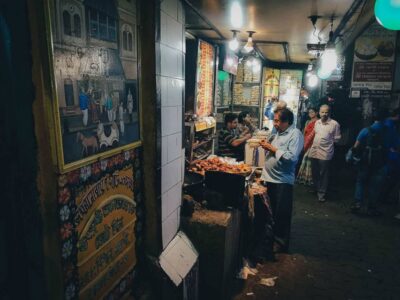
Spices hit you before you even notice. I like the up-close spice grinding in Jaipur’s famous market, and I also like the chai and street snacks at old-city stalls. This tour is a sensory overload in the best way: sounds, colors, and all those little alley smells come at you fast.
The one real drawback is simple: you’re walking through crowds, often at market pace. If you’re sensitive to tight spaces or have mobility limits, this route probably won’t feel comfortable. On the bright side, guides like Lacey, Harshit, and Harshita keep things organized, even when crowds spike around festivals.
In This Review
- Key things that make this tour worth your time
- From Shri Chandpole Hanuman Ji Temple: where the city energy begins
- Jaipur’s spice market: the sound and smell lesson you didn’t know you needed
- What you learn while walking past famous sights
- Two quick tuk-tuk hops: not a shortcut, a reset
- Food time: 5 to 6 tastings, chai, and vegetarian plates
- Staying respectful (and getting better photos)
- Price and logistics: what $21 buys you in real value
- Who should book this Jaipur street-food and spice walk
- A quick reality check on the pace
- Should you book this Jaipur spice market tour?
Key things that make this tour worth your time
- Start at Shri Chandpole Hanuman Ji Temple in the Pink City, so you get a real local entry point.
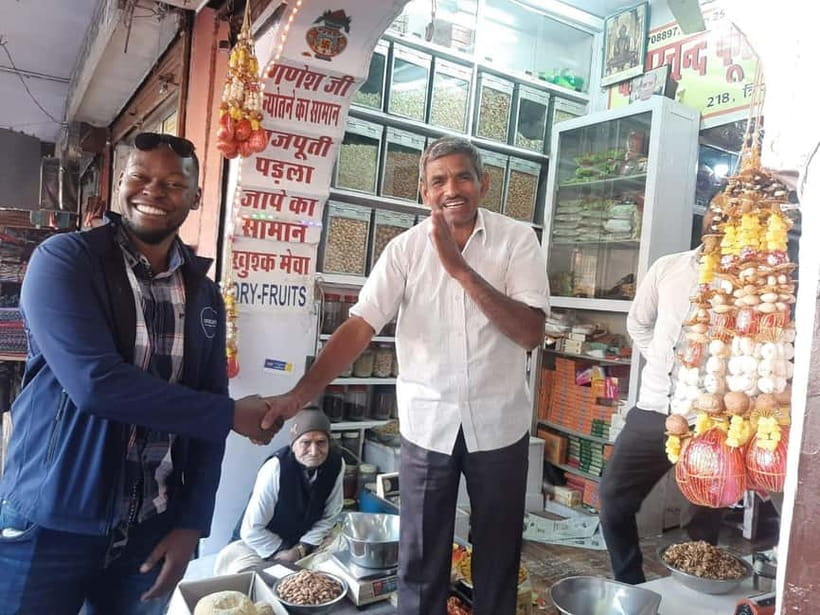
- See spices ground by locals in Jaipur’s oldest and biggest spice market.
- Pass historic sights while you learn what you’re actually looking at (not just where it is).
- Two short tuk-tuk rides give you quick breaks without turning it into a bus tour.
- Taste at 5 to 6 authentic food shops and finish with chai and snacks near Tripolia Gate.
From Shri Chandpole Hanuman Ji Temple: where the city energy begins
The tour starts just outside Shri Chandpole Hanuman Ji Temple, which is a smart move if you want to feel Jaipur as a living city, not just a photo backdrop. You begin in the temple area, then the streets start compressing into market lanes. That’s where the whole experience clicks.
I like how the first stretch is a walk, not a lecture. You’re moving while the guide explains what’s on display, how it’s used, and why people buy it day after day. If you’re a photographer or filmmaker type, this is also prime time for street scenes—vendors, sacks of spices, hands at work.
You’ll also learn quickly that this isn’t a quiet, museum-style tour. It’s close. It’s loud. And that’s the point.
You can also read our reviews of more walking tours in Jaipur



Jaipur’s spice market: the sound and smell lesson you didn’t know you needed
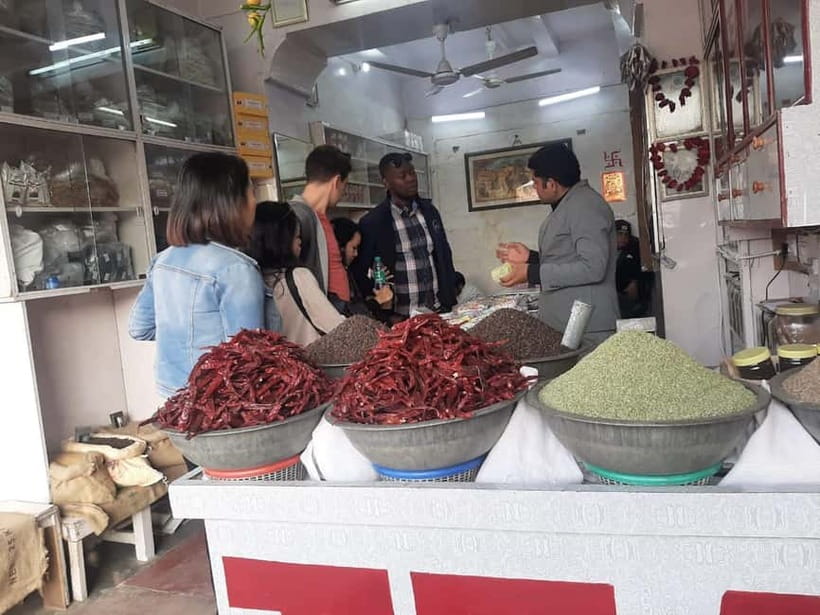
The main event is Jaipur’s oldest and biggest spice market. You’ll walk through an organized chaos where people are bargaining, grinding, and stacking. The guide helps you make sense of what you’re seeing so it doesn’t turn into just a blur of color and dust.
One of the best parts is watching the spices get ground. It’s hands-on and visual, and it instantly makes the later food tastings make sense. You stop seeing spices as background seasoning and start recognizing them as ingredients with purpose.
You’ll also get practical context about how spices are used in cooking. Some guides on this route explain the kitchen role first, and they’ll go further into how certain spices are discussed in traditional medicine like Ayurveda. That mix of cooking + health talk is exactly what makes this tour feel different from a generic market walk.
And yes, you’ll smell things. Strong ones. Follow your guide’s lead on what to look for, then taste later with a clearer idea of what’s what.
What you learn while walking past famous sights
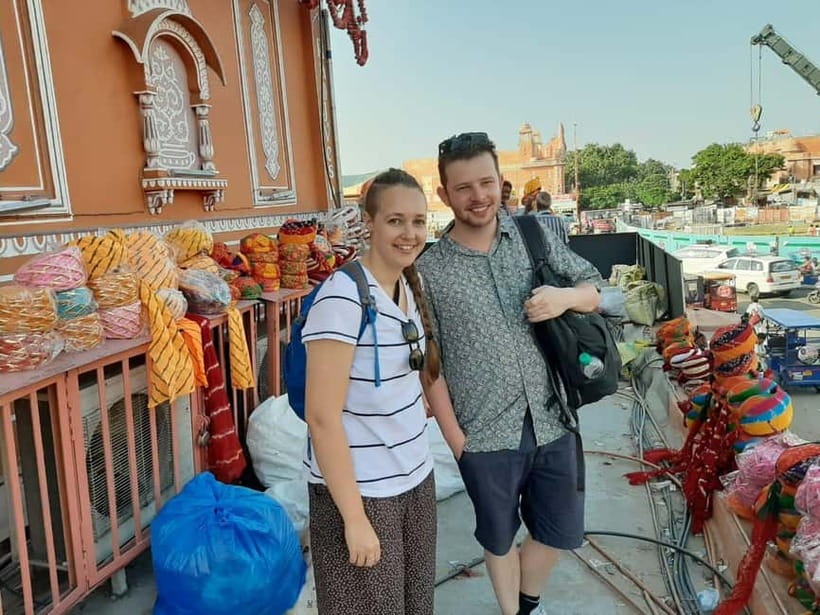
Along the market stretch, you’ll pass historic landmarks and learn how they connect to the city. The walking route isn’t random; it’s designed so you keep moving through the old city’s real geography, not just one market block.
This matters because the spice market isn’t floating in a vacuum. It’s part of Jaipur’s older street life. When you see nearby historic spots while you’re surrounded by spice stalls, the city starts to feel layered. You don’t just collect sights—you understand the connections.
If you’re thinking, I want culture, but I don’t want it to feel like homework, this is a good compromise. You get explanation, but you’re still in the action.
Two quick tuk-tuk hops: not a shortcut, a reset
After the spice market, you’ll take two short tuk-tuk rides for about 10 minutes total. For me, the value of these rides is mental. You go from walking closely through crowded lanes to sitting back for a minute while the city changes around you.
Then you head toward Tripolia Gate, which works well because it’s a natural shift from spice stalls into food-focused streets. You’re still moving through the old city, but the mood changes from shopping chaos to eating time.
Don’t expect these tuk-tuks to replace the walking. They’re short on purpose, so you keep the texture of the neighborhood without exhausting your feet.
Food time: 5 to 6 tastings, chai, and vegetarian plates
The tour culminates with street food tasting at 5 to 6 authentic shops. This is where the spice market lessons pay off. You’ll start recognizing flavors more than names. You’ll understand why certain mixes show up again and again.
The tour also emphasizes vegetarian food, and it’s pitched as some of the best old-city vegetarian eating in the area. That’s a big plus for you if you eat vegetarian already—you can focus on what’s tasty rather than searching for an option.
After the tastings, you stop for chai and snacks at a well-known street spot on Chaura Rasta Street, near Tripolia Gate. The chai stop is not just a drink break. It’s a chance to pause, reset, and let the market intensity settle in your body.
A few highlights from guide-style notes you can expect here: guides often explain which spice flavors you’re noticing, and they give food pointers so you can order with confidence later. In past experiences on this route, guides like Harshit and Harshita have focused on how spices work in cooking, and they’ve also shared extra health-related context when asked.
You can also read our reviews of more food & drink experiences in Jaipur






Staying respectful (and getting better photos)
This is a photography-friendly route, but it’s also a working market. That means you’ll do better if you keep your camera manners tight.
Wear comfortable shoes and expect the ground to be uneven in places. The tour is designed for walking, and you’ll spend time in crowded lanes. If you’re the type to stop every five steps, do it when your guide gives you a break—not in the middle of vendor traffic.
Also, keep it respectful with close-up filming or photographing people. If someone looks annoyed, step back and let the moment pass. You’ll get plenty of great images without pushing your luck.
Price and logistics: what $21 buys you in real value
At $21 per person for about 2.5 hours, you’re paying for three things at once: a guided walk, multiple food tastings, and tuk-tuk rides. A market tour is only “cheap” if you’re okay buying snacks yourself and figuring the rest out solo. Here, the tastings and guide context are the value core.
You also get a water bottle, which is small but helpful in Jaipur heat and humidity swings. And since the guide explains spices and connects them to cooking, you’re not just consuming; you’re learning while you taste.
English is the stated language, and the guide is on hand throughout. If you’ve ever been stuck in a market where you can’t ask questions, you’ll appreciate the structure. It turns the whole experience from chaotic shopping into a guided street education.
One extra note: the tour description includes skipping a ticket line. That can help if a stop involves entry or timing that would otherwise be annoying, though the exact sight isn’t described in detail. Either way, it’s a small time-saver built into the plan.
Who should book this Jaipur street-food and spice walk
This tour fits best if you:
- Love street food and want it guided with context.
- Like markets, but you want help sorting what you’re seeing.
- Enjoy photography and short-form filmmaking from real city corners.
- Eat vegetarian and want old-city choices that don’t feel like a compromise.
It’s also a nice option if you want to get out of the main tourist grid. Guides on this route often steer you toward local spots where people are eating, not posing.
If you’re traveling with mobility limits, though, it’s not suitable. The tour notes say it isn’t for wheelchair users or people with mobility impairments. The walking and crowd levels are part of the experience.
A quick reality check on the pace
This is a walk-first experience. The market segment is the heart of it, and market areas can get tight. You’ll also be moving through a mix of stalls and lanes while stopping for tastings.
If you prefer slow, wide streets and lots of open space, this might feel intense. If you like to feel the city up close, you’ll probably find it fun and energizing.
Also plan for your senses to do most of the work. You won’t need to guess what’s going on—the sounds, spices, and food smells guide you.
Should you book this Jaipur spice market tour?
I think you should book it if you want a short, high-impact slice of Jaipur: spice grinding + guided explanations + real tastings + chai near Tripolia Gate in a tight 2.5-hour window.
Skip it if you hate crowds, can’t walk comfortably for an extended stretch, or want a calm, low-sensory experience. The tour is designed for intensity, not for quiet.
If you do book, bring your best walking shoes, keep your camera respectful, and ask the guide what you’re tasting. Even if you’ve cooked with spices at home, this route helps you see how spices live in day-to-day Indian markets—and why old-city street food tastes the way it does.