REVIEW · NEW DELHI
From Delhi: Private 4-Day Golden Triangle Luxury Tour
Book on GetYourGuide →Operated by Crystal India Holidays · Bookable on GetYourGuide
A quick private ride, a big old history hit. This 4-day Golden Triangle tour strings together Delhi, Agra, and Jaipur with luxury comfort and early access to the Taj Mahal. You get your own driver, timed sightseeing, and English-speaking guides (plus other languages) for the key monuments.
Two things I really like: the early start for the Taj Mahal means you’re seeing it at its best, before the crowd swell. And the guides in each city keep the stops moving in a smart way, with real personality—like Jai in Delhi, Ashish in Agra, and Manoj in Jaipur, plus drivers who show up calm and prepared (Monu Ji and Paramjeet are names that come up a lot).
One possible drawback: you’ll spend a lot of time in the car. The days are built for covering three cities in four days, so if you hate long drives, this might feel like a sprint.
In This Review
- Key things that make this tour work
- Private car comfort and multilingual guides (why it feels easier)
- Day 1 in Delhi: Qutub Minar, Lotus Temple, India Gate, and a stepwell reset
- Day 2 Agra: Taj Mahal at sunrise, plus Agra Fort and the Baby Taj
- Day 3 Jaipur: Amber Fort, Panna Meena ka Kund, Hawa Mahal, and Jantar Mantar
- Hotel comfort: 4-star vs 5-star and where the value shows up
- Friday closure rule: how your route changes if you start on Thursday
- Timing, traffic, and the small details that keep the day enjoyable
- Who should book this Golden Triangle luxury tour (and who might not)
- Should you book this private 4-day Golden Triangle luxury tour?
- FAQ
- Is pickup included, and where does it happen?
- What languages are tour guides available in?
- How does the itinerary change if I start on Thursday?
- What vehicle will I ride in?
- Are hotels included, and how are rooms arranged?
- What payment or ticket tips should I know?
Key things that make this tour work
- Early Taj Mahal timing so you can see the mausoleum before the busiest surge
- City-by-city guides (Delhi, Agra, Jaipur) that help you connect the dots fast
- Door-to-door pickup from your hotel, airport, railway station, or other Delhi-area location
- 4- or 5-star hotel options included, so you’re not piecing lodging together on the fly
- Real flexibility to adjust what you do in each city to match your interests
Private car comfort and multilingual guides (why it feels easier)
This is a private Golden Triangle luxury tour, so you’re not shoehorned into a big group day. You’ll get pickup in Delhi, Noida, or Gurugram (hotel, airport, railway station, or another requested place), then travel between cities with a vehicle sized to your group.
Transport is simple and practical:
- 1–2 people: 4-seater sedan
- 3–4 people: 6-seater wagon
- 5–10 people: 10-seater minivan
That matters because it changes how comfortable the ride feels once you add airport transfers, monument walks, and city traffic. In a route like this, comfort is not a luxury. It’s the thing that keeps the trip enjoyable instead of tiring.
You also get a live tour guide in multiple languages (English, Spanish, French, Russian, and German). That’s a big deal if you want to understand what you’re looking at instead of just taking photos and guessing. In the guide crew, you may meet different people per city, which often helps: you get a specialist vibe rather than one person trying to explain everything from start to finish.
Practical tip: some monuments may not take credit cards, so it’s smart to carry some cash for tickets. The guides will help with ticket purchases when needed, but having cash removes one little stress point.
You can also read our reviews of more private tours in New Delhi



Day 1 in Delhi: Qutub Minar, Lotus Temple, India Gate, and a stepwell reset
Your Delhi day is a half-day city tour in the city center, then you drive to Agra.
The monument lineup is classic Delhi, but it’s chosen well for a short schedule:
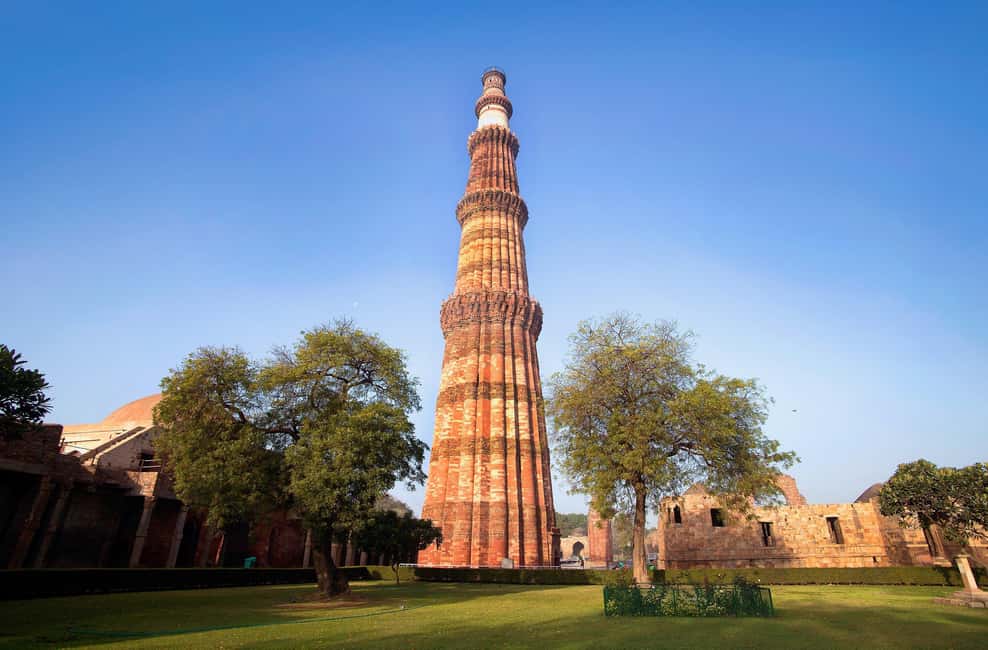
- Qutub Minar (Qutub-ud-din Aibek)
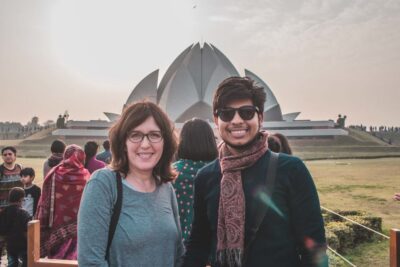
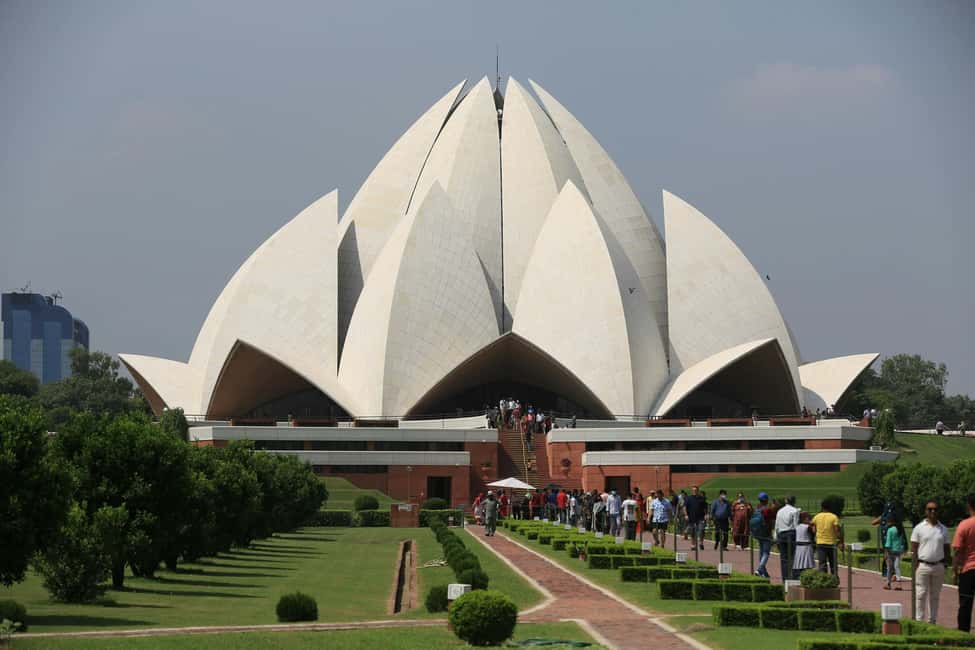
- Lotus Temple (Bahai Temple)
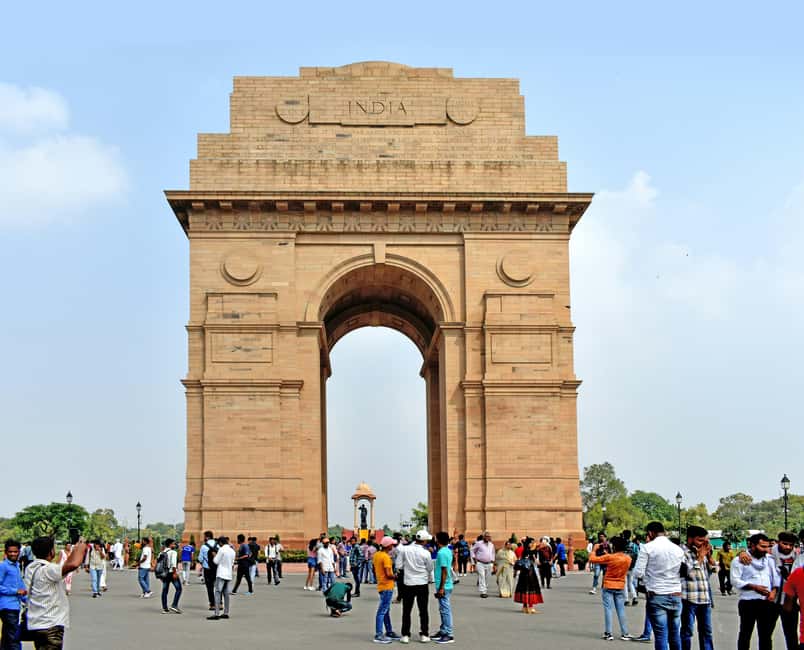
- India Gate
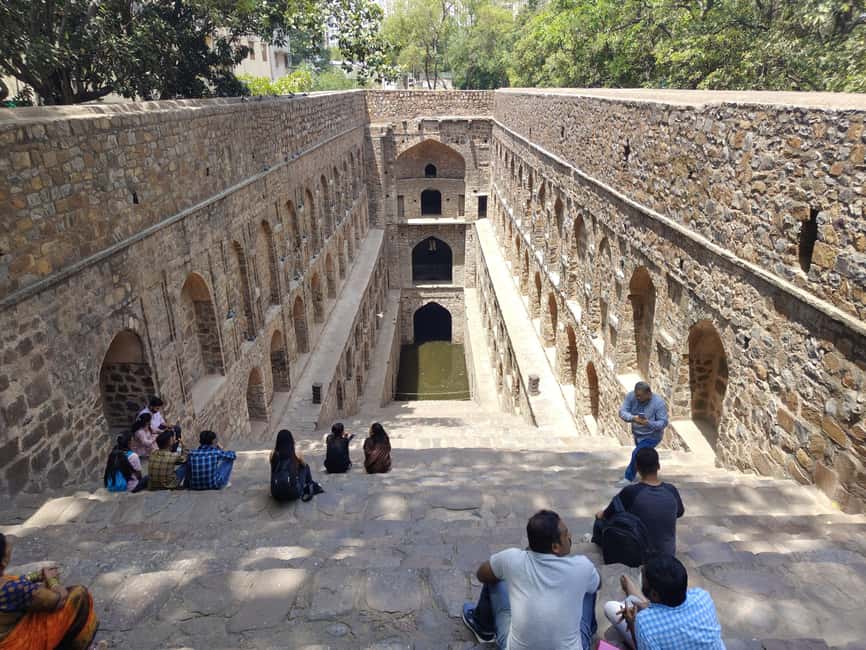
- Agrasen Ki Baoli (stepwell)
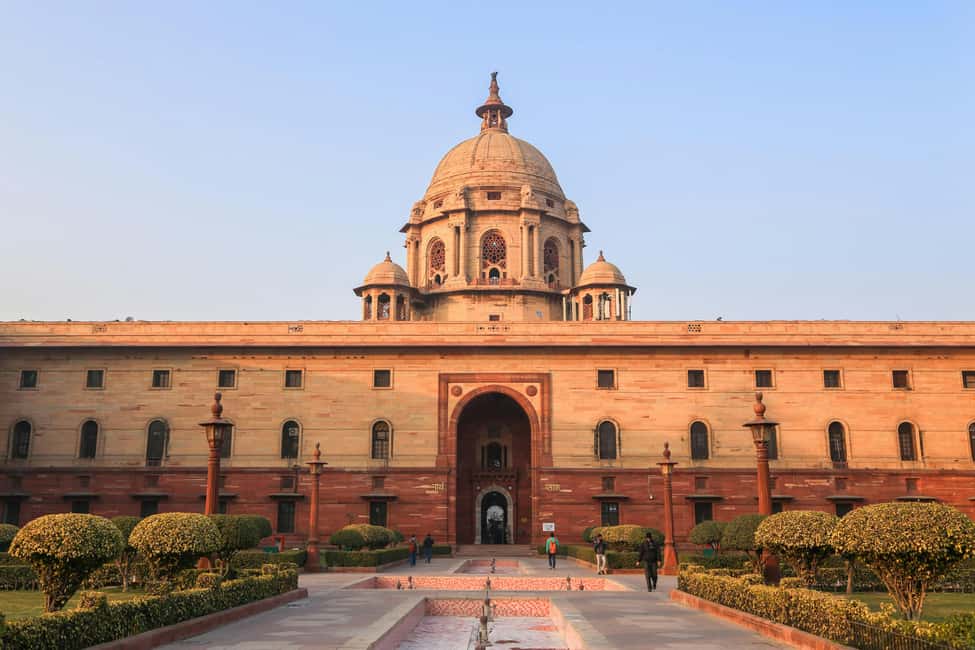
The pacing works because Delhi is huge and traffic can be brutal. You get the landmarks that help you get oriented without trying to sprint across the entire city. Even the drive-by stops help, since you pass Parliament House and the President’s Palace area before heading out on the expressway.
Then comes the switch in scenery. You’ll drive to Agra (about 3.5 hours) and check in. This matters because it gives you a real landing instead of doing eight hours of sightseeing and then hoping you can sleep.
When you reach Agra, I’d treat the evening as downtime. You’ll have an early start the next morning, and Delhi already gave you enough walking for one day.
Day 2 Agra: Taj Mahal at sunrise, plus Agra Fort and the Baby Taj
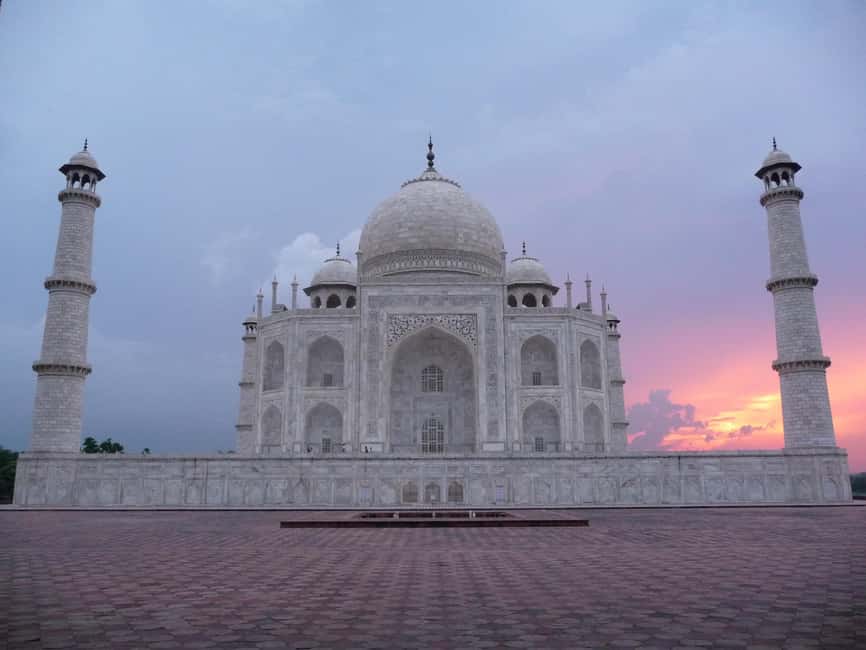
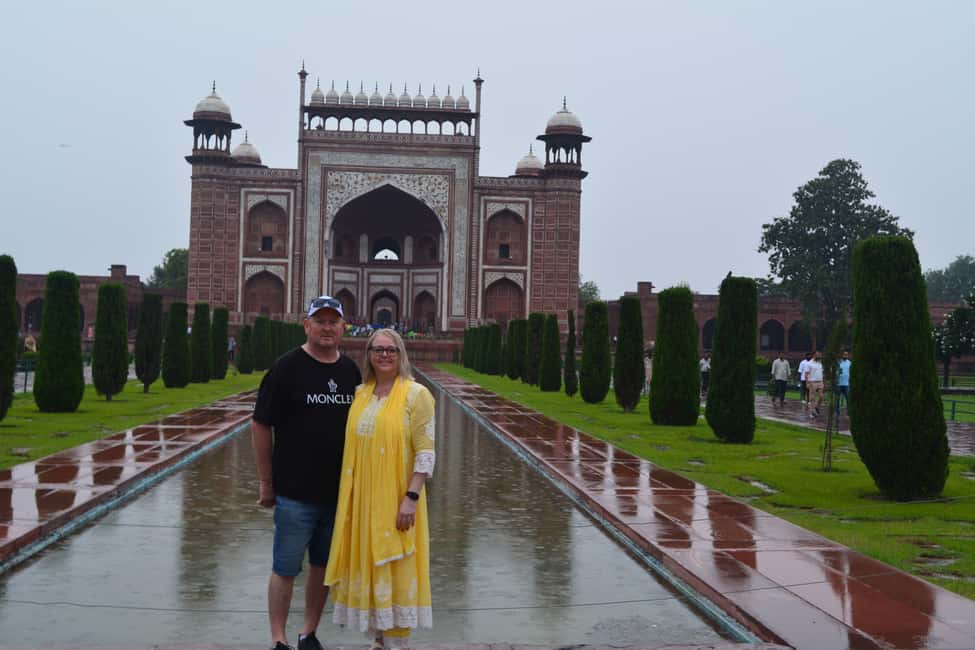
Agra day is built around one main event: the Taj Mahal sunrise visit. You’ll wake early to see it in the morning light, then enjoy a guided visit of about two hours before the crowd rush really takes over. If you care about photography or just want the monument to feel calm instead of chaotic, this timing is one of the best parts of the whole trip.
After Taj Mahal, the tour keeps you in Agra with two more heavy hitters:
- Agra Fort
- Tomb of Itimad-ud-Daulah (often called the Baby Taj)
Agra Fort adds the layer of fortifications and political power, while Itimad-ud-Daulah is a quieter, detailed follow-up. It’s not always the headline like the Taj Mahal, but it gives you a fuller picture of Mughal-era art and craftsmanship.
Then you head to Jaipur (around 5 hours). That’s a long drive, but it’s also part of how this route stays efficient. If you get motion-sick, ask your driver to stop for breaks when possible. And keep water handy.
Day 3 Jaipur: Amber Fort, Panna Meena ka Kund, Hawa Mahal, and Jantar Mantar
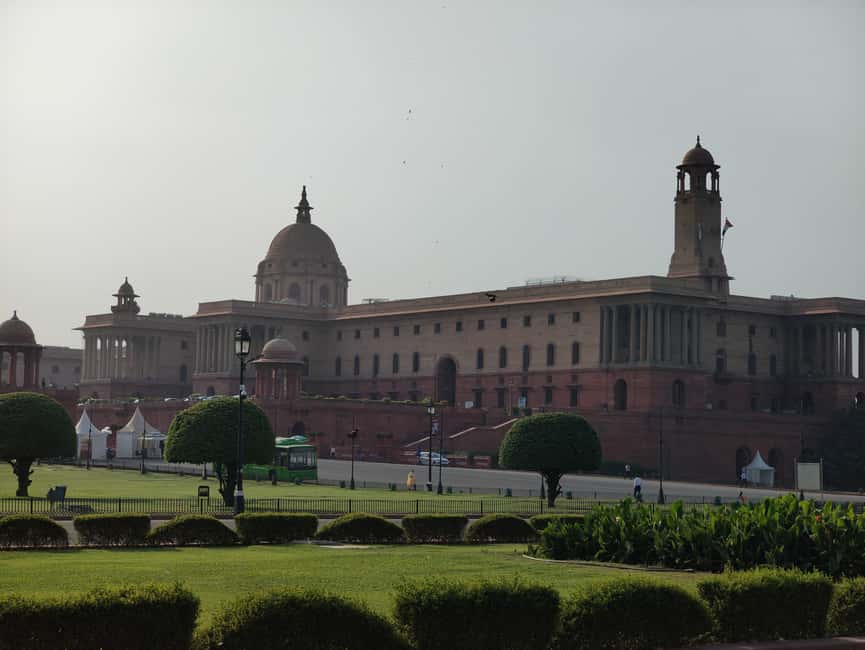
Jaipur is where the tour shifts into variety. You go from fort views to stepwell geometry to observatory math in one day, all while staying with a logical route.
Your Jaipur sightseeing includes:
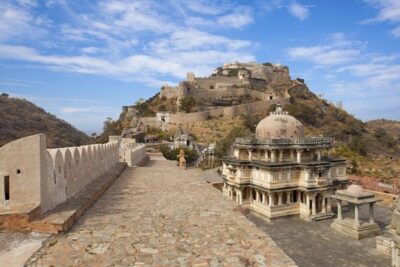
- Amber Fort
- Panna Meena ka Kund (an ancient stepwell with symmetrical staircases)
- Jal Mahal (the water palace view)
- Gatore ki Chhatriyan (intricately carved cenotaphs)
- Palace of the Winds (Hawa Mahal)
- Jantar Mantar Observatory
- Maharaja’s City Palace
Amber Fort is the big anchor. It’s also a practical one: you’ll likely do enough walking to feel it, so comfortable shoes and sun protection are worth taking seriously. Amber isn’t just pretty from far away. Up close, it’s about scale, details, and that sense of royal design.
Panna Meena ka Kund is a great pause in the schedule. It’s visually striking and different from the other landmarks. The symmetrical stairs give you something to actually study, not just look at.
Then you get Jal Mahal. You might see it from viewpoints rather than going deep into the structure. Either way, it’s a nice contrast—architecture floating over water in the city landscape.
Gatore ki Chhatriyan adds sculpture-like stone work and carved memorials, and it’s often more peaceful than some of the flashier photo stops.
Hawa Mahal is the “wow” stop for many people. The Palace of the Winds is all about the façade and the idea of screened views and air circulation. It’s a quick hit with strong visual impact.
Finally, Jantar Mantar Observatory gives you the nerdy side of history—the way ancient instruments were used to measure the sky. It’s a smart closer because by then your brain is ready for something different from palaces and forts.
Evening is an overnight in Jaipur. That’s a good rhythm because Jaipur can feel intense. You don’t need one more late-night schedule after a full day.
Hotel comfort: 4-star vs 5-star and where the value shows up
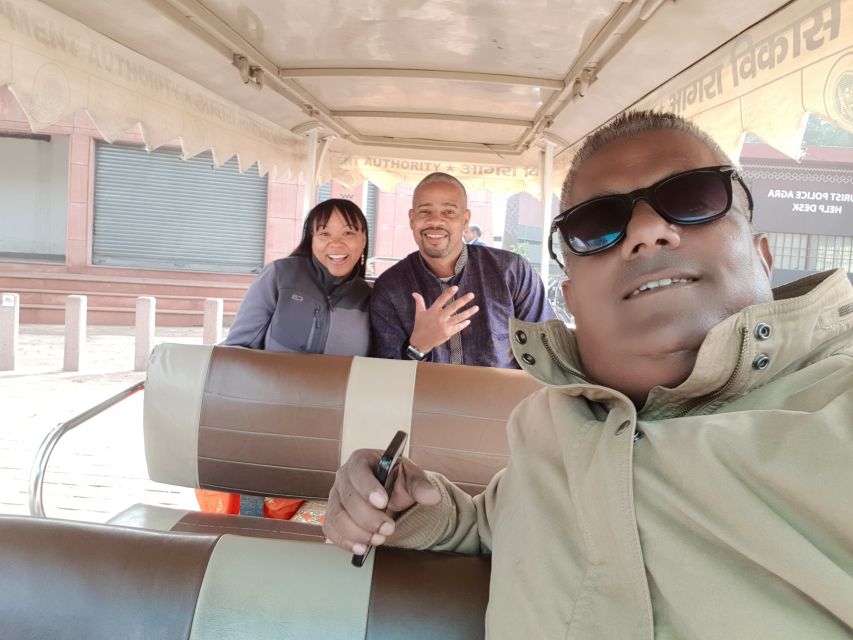
This tour’s biggest “luxury” lever is lodging. You can book 4-star or 5-star hotel options, and that changes how you recover between busy days.
4-star examples listed:
- Agra: Royale Sarovar Portico Agra or similar
- Jaipur: Fern Residency or similar
5-star examples listed:
- Agra: Jaypee Palace or Courtyard by Marriott or similar
- Jaipur: Holiday Inn city center or Hilton or similar
From the way the experience is described, the included hotels are a major reason this tour feels easier than going it alone. You’re not trying to negotiate with taxi drivers, compare neighborhoods, or manage check-in logistics after long drives.
That said, one real consideration: some hotels can be a bit outside the tight center of town. In one case, it was described as about 45 minutes from Jaipur’s main area. If you love stepping out on foot right after dinner, that distance might annoy you. The tradeoff is that your days stay organized and you get a smoother sleep schedule.
Also, if your hotel has an in-house massage/spa, it’s a great way to recover. One traveler specifically suggested using the hotel massage spa after long drive days.
Room setup is typically twin-sharing. If you book for three people, triple-sharing rooms are usually the default. If three guests want two rooms instead, there may be an additional cash charge.
You can also read our reviews of more tours and experiences in New Delhi






Friday closure rule: how your route changes if you start on Thursday
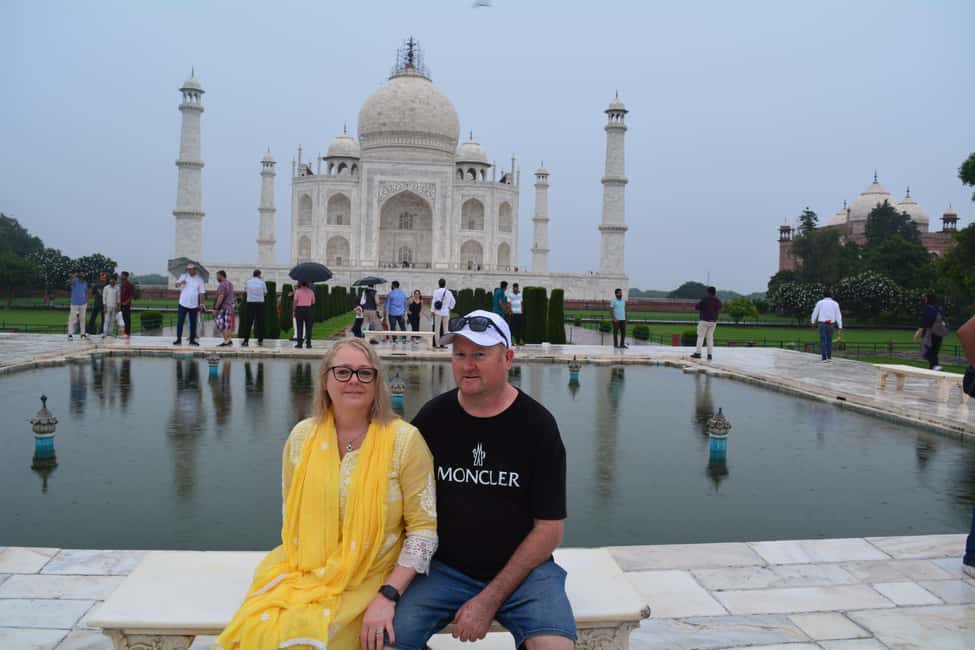
Taj Mahal closure can change your itinerary, and this tour explicitly accounts for it.
If you start the tour on Thursday, the route becomes:
- Delhi → Jaipur → Agra → Delhi
That shift keeps you from hitting a closed-day Taj Mahal and protects the key experience. If you start on other days, the standard flow is Delhi → Agra → Jaipur → Delhi.
Before you book, check your start date. It’s the easiest way to make sure you get the Taj Mahal moment you’re expecting.
Timing, traffic, and the small details that keep the day enjoyable
This is a short trip with a big map. The car time is real, and it adds up. Some reviews frame it as a fair trade: you cover three cities without the hassle of self-driving. But if you’re sensitive to road time, plan your expectations.
Here’s what helps the most:
- Pack sunscreen and a hat. Jaipur and open-air spots can wear you down.
- Wear shoes that you can walk in for a while. Amber Fort and the Jaipur sites involve more than casual strolling.
- Carry some cash for tickets where credit cards might not work.
- Keep water in mind during travel days.
The good news is that the crew tends to handle the friction points. Ticket buying help is part of the program. And the driver plus guide team means you’re not trying to figure out where to stand, where to enter, and what to do next.
Who should book this Golden Triangle luxury tour (and who might not)
This tour is a strong fit if you:
- Want a private setup so logistics don’t eat your time
- Are short on days and still want the big Golden Triangle icons
- Prefer having guides explain what you’re seeing rather than you reading your way through
- Don’t want to drive in India traffic and navigation
It can be less ideal if you:
- Hate long drives between cities
- Want a slower pace with fewer transitions
- Expect to hop off and wander freely without a schedule
In plain terms: this trip is built for people who value efficiency and comfort. Not for people who want zero structure.
Should you book this private 4-day Golden Triangle luxury tour?
If you want to see Delhi, Agra, and Jaipur in a hurry without turning the trip into a logistics project, I’d say yes. The combination of early Taj Mahal timing, guided monument visits, and included 4- or 5-star hotels is exactly what makes this route feel manageable.
Book it if:
- Taj Mahal early morning matters to you
- You’d rather relax in a private vehicle than negotiate your way through city streets
- You value guides in multiple languages and want your time to feel well spent
Skip it or consider another option if:
- You strongly dislike being in a car for long stretches
- You plan to rely on cashless payments at every ticket booth (since some places may not accept credit cards)
- You’re picky about hotel location relative to walking access
If your goal is to get the Golden Triangle highlights with comfort and a guide team that keeps things moving, this one makes sense.
FAQ
Is pickup included, and where does it happen?
Yes. Pickup is included from your hotel, airport, railway station, or other requested location in Delhi, Noida, or Gurugram.
What languages are tour guides available in?
Tour guides are available in English, Spanish, French, Russian, and German.
How does the itinerary change if I start on Thursday?
If you start on Thursday, the tour route changes to Delhi → Jaipur → Agra → Delhi because the Taj Mahal remains closed on every Friday.
What vehicle will I ride in?
The transportation size depends on your group size: a 4-seater sedan for 1–2 people, a 6-seater wagon for 3–4 people, and a 10-seater minivan for 5–10 people.
Are hotels included, and how are rooms arranged?
Yes, hotel options are included (4-star or 5-star categories). Rooms are generally provided on a twin-sharing basis. For three guests, triple-sharing is typically the default, and switching to two rooms may require an additional cash charge.
What payment or ticket tips should I know?
Some monuments may not accept credit cards. It’s advised to carry some cash for monument tickets, or ask the driver to find an ATM. Guides also help with purchasing tickets.