REVIEW · NEW DELHI
From Delhi: Ranthambore National Park Day Trip with Safari
Book on GetYourGuide →Operated by Volgang Analysis · Bookable on GetYourGuide
Tiger country starts before sunrise. This Ranthambore National Park day trip from Delhi puts you on an open-jeep safari for possible Bengal tiger sightings, plus a chance to step into the history around Ranthambore Fort. I love the way the day mixes wildlife viewing with specific park stops, not just a generic drive-and-hope plan. The one thing to watch is organization quality—some runs are smooth, but language and timing can vary.
I also like the practical setup for a long travel day: early pickup from Delhi/Gurugram/Noida, a drive that’s broken up with an optional breakfast stop, and time to freshen up before safari. The safari is built around a guided route through well-known areas like Padam Talao, Rajbagh, and Malik Talao, which gives your guide something concrete to work with while you’re scanning for motion.
One more consideration: you’re committing to a full day that can feel exhausting. You’ll be in transit for hours each way, and you’re expected to be mobile in the heat, with a long wait at the gates possible depending on vehicle load and safari scheduling.
In This Review
- Key things to know before your Ranthambore safari day
- The Delhi-to-Ranthambore road trip reality: long, but manageable
- Timing on the ground: lunch, check-in, then safari
- Afternoon jeep safari: your best shot at tigers, leopards, and more
- Ranthambore Fort and the park’s named stops: history meets wildlife time
- Guide language and the private-vehicle promise: when it works, it matters
- What to bring for a tiger safari day (and what not to do)
- Price and value: is $201 per person worth it?
- Who this Ranthambore day trip suits best
- Should you book this Delhi-to-Ranthambore safari day trip?
- FAQ
- FAQ
- What time does the pickup usually happen from Delhi?
- How long is the safari inside Ranthambore National Park?
- Which animals is this day trip designed to help you see?
- Does the tour include Ranthambore Fort?
- Is the group private?
- What languages are offered for the live guide?
- Do I need to carry identification documents for the safari check?
- Is the safari in an open vehicle?
- What are the rules for photography and smoking?
- Is this tour suitable for young children or wheelchair users?
Key things to know before your Ranthambore safari day
- Afternoon-focused jeep safari: plan your tiger search for the 2:00–ish slot, when timing matters at the gates
- Name-brand park stops: Padam Talao, Rajbagh, and Malik Talao are part of the route, not just wishful thinking
- Ranthambore Fort time may depend on the clock: it’s included if schedules allow, but you should expect flexibility
- Guide language can be a make-or-break detail: the tour lists many languages, but you should confirm what you’ll actually get
- Bring the right wildlife gear: binoculars and a 300mm+ lens can really change what you catch
- Sighting odds vary by season: roughly 65% in summer (Apr–Jun) and about 40% in winter
The Delhi-to-Ranthambore road trip reality: long, but manageable
This is not a quick “hop over for a few hours” outing. From Delhi, you’re looking at about 6–7 hours each way by road. The schedule starts early—often around 5:00 AM—so you can reach Ranthambore for lunch and an afternoon safari.
Here’s what I think matters for you: you’ll want to treat the drive as the warm-up, not the main event. If you get carsick, prep for it. If you’re a photographer, this is when you’ll want water ready and a place for your camera gear that doesn’t become a game of luggage Tetris every time the vehicle stops.
Your transport is a private transfer in a comfortable vehicle, with multiple pickup options (Delhi, Gurugram, Noida) and drop-offs back to those same areas. The day is designed like a big loop: drive out, safari, then return late at night—your drop-off can be around 1:00 AM in Delhi depending on timing.
You can also read our reviews of more tours and experiences in New Delhi

Timing on the ground: lunch, check-in, then safari
After the morning drive, you typically arrive around 11:30 AM and do a quick check-in at a resort or jungle lodge. The point here is simple: wildlife days go better when you can reset your body and get ready for the jeep, especially if you’re arriving straight from an early wake-up.
You’ll usually get a briefing on park rules and safari guidelines. That matters more than it sounds. In a tiger park, tiny rule details (like where you sit, how you move, and what you point your lens at) help keep the experience calm and safe—and protect the wildlife you came to see.
Lunch comes around 12:30 PM, then the safari starts around 2:00 PM for roughly 3–4 hours. You’re not just on a drive through the park. The route is built around wildlife viewing in specific zones and includes time at places like Padam Talao, Rajbagh, and Malik Talao.
One practical note: depending on safari logistics and vehicle load at the gate, your exact timing can shift. In real-world situations, some people end up waiting for the next slot, and others arrive much earlier than the later safari time. If you hate waiting, bring something small to do (water, a snack, something to read).
Afternoon jeep safari: your best shot at tigers, leopards, and more
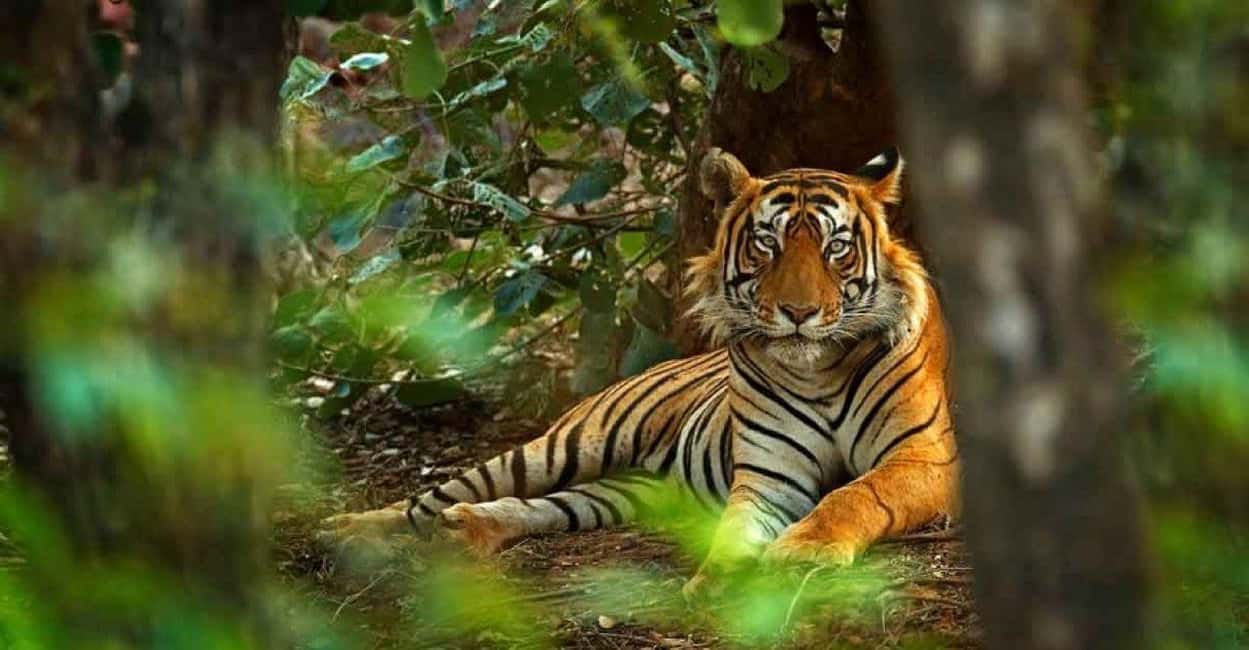
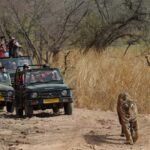
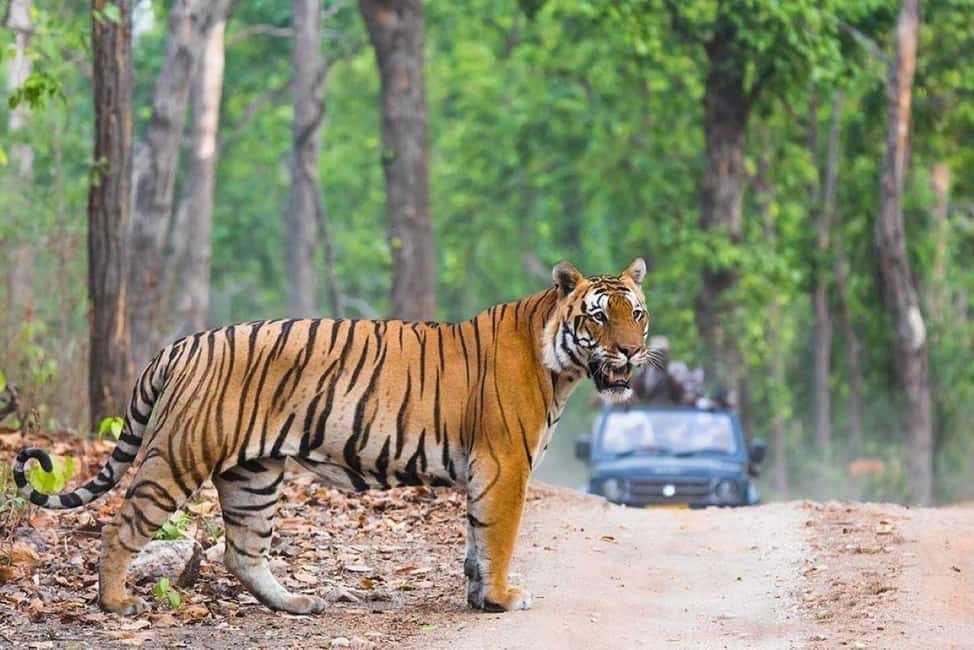
This is the heart of the day. You’ll board an open jeep for an extended safari period (listed as about 3–4 hours, with wildlife viewing also described as around 4 hours). Open jeeps are why you can spot movement fast, track animals across a slope, and capture photos without glass reflections.
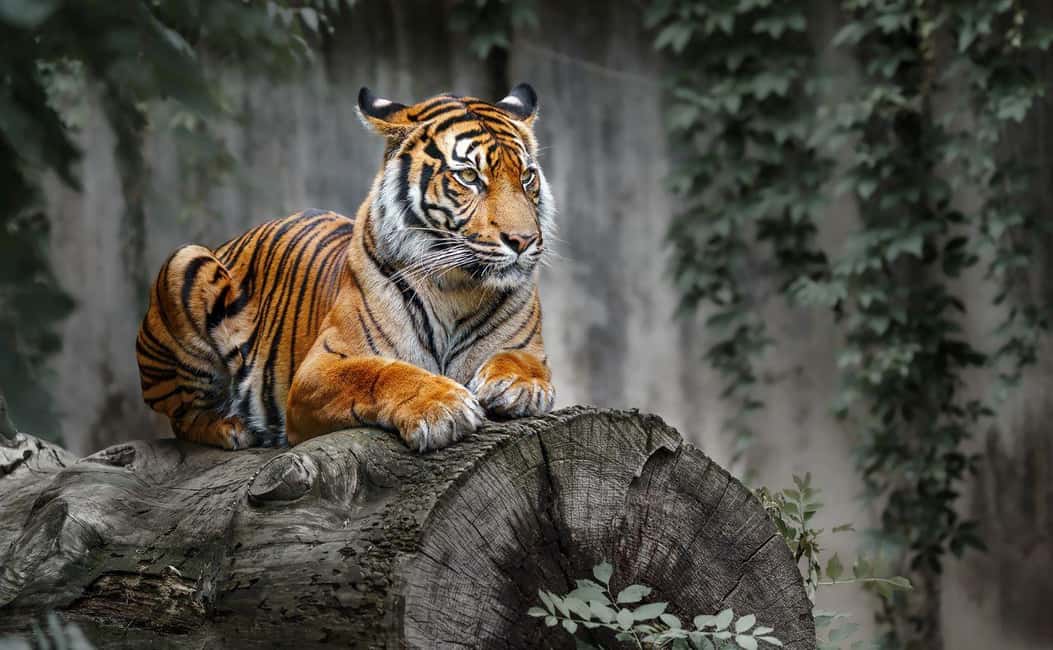
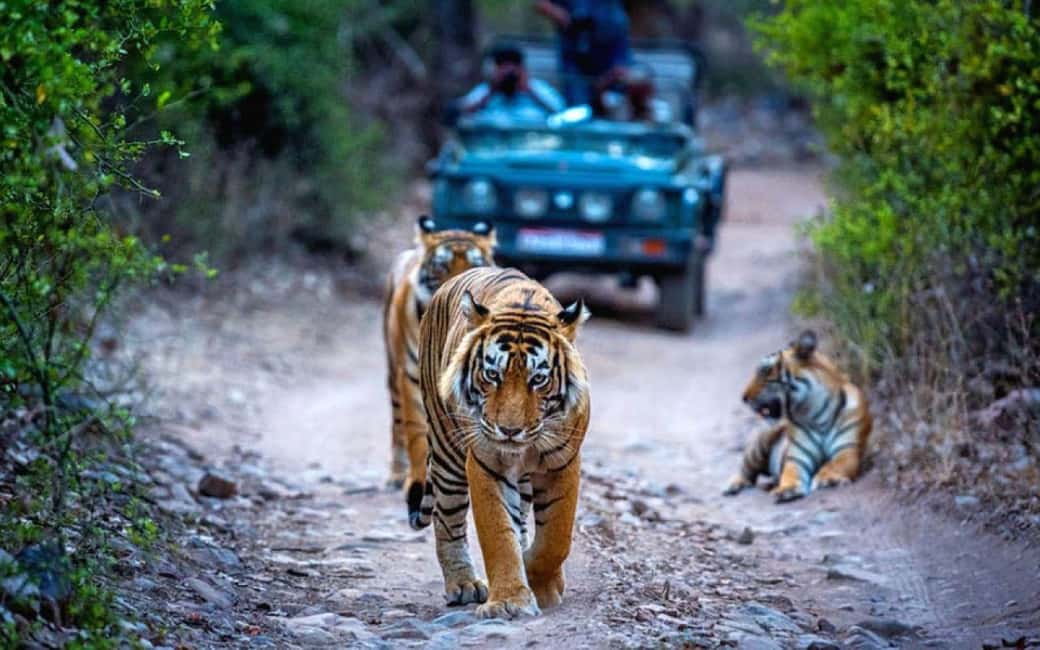
The goal is clear: Bengal tigers if you’re lucky, plus leopards, sloth bears, and marsh crocodiles. The route is also meant to support good bird viewing, so even if the big cats stay hidden, you’re still looking at a living landscape of tracks, calls, and sudden sightings.
Your odds depend on the season. The guidance is:
- About 65% chance in summer (April–June)
- About 40% chance in winter
You should treat that as a real planning tool, not a guarantee. In summer, animals can be easier to locate and follow at water and trails, while in winter they may spread out more. Either way, your mindset matters. I recommend you focus on scanning for signs—head movement, slow ripples of change in a grass line, and repeated calls from birds that can hint at something nearby.
What I particularly like about this safari format is the structure. It’s not random driving. The day references iconic viewing zones such as Padam Talao, Rajbagh, and Malik Talao. That gives your guide a framework for where to slow down and where to watch longer.
Also, your tour is set up for expert wildlife spotting, which is the difference between seeing wildlife as a silhouette and actually understanding what you’re looking at. One guide named Baba stood out in a separate experience as flexible and well informed, and even added an UNESCO bird sanctuary stop as a cultural-plus wildlife complement. Another driver, JOGENFRA, was praised for speed and planning on a long day and for helping people spot unusual scenery, like seeing cactus-like forest details under trees.
Ranthambore Fort and the park’s named stops: history meets wildlife time
A tiger safari is why you came. But the best Ranthambore day trips know that you don’t want your whole story to be only about one sighting.
This experience includes time around Ranthambore Fort. It’s a big draw because you’re not just in modern tourism time—you’re in a landscape with historical weight, and the fort area often anchors your sense of place. If time permits, you can add the fort during the safari block or as a separate stop afterward.
You’ll also see the park’s commonly used viewing locations—again, Padam Talao, Rajbagh, and Malik Talao. I like this because it turns the day into something trackable. When you can match what you see to a named area, your photos make more sense afterward, and you’re less likely to feel like you spent hours in a vehicle without a plan.
The practical drawback: timing can be tight. If safari scheduling shifts or the vehicle route is delayed at pickups, fort time can get shortened or skipped. One disappointment shared a situation where paid add-ons didn’t fit, which is the risk with any one-day road trip built around fixed wildlife slots.
Guide language and the private-vehicle promise: when it works, it matters
On paper, you’re getting a live tour guide with a wide language list: English, Russian, French, German, Spanish, and Japanese. You’ll also get a private group, and the plan includes skipping the ticket line.
In real life, language quality is one of those details that can make or break your day. The guide isn’t just translating words. In a tiger park, you want help reading the landscape: where animals are likely to move next, why a track matters, and how to position for an unobstructed view.
I’ve seen this swing both ways in the evidence you provided. One positive example highlighted a guide named Baba as flexible and informed. Another experience was disappointing because the guide only spoke Hindi when French was expected, making it impossible for the family to follow.
So here’s my advice to you: if language matters, confirm it before you go and set expectations. Even with a multi-language listing, you don’t want to discover at 5:00 AM that your guide can’t work in the language you need.
As for the driver, you’ll feel it on the road more than you think. Long drives punish poor routing. JOGENFRA was praised for smart time management and handling traffic and different tourist setups. That’s not fluff. A good driver protects your day from sliding into a chaos spiral.
You can also read our reviews of more tours and experiences in New Delhi



What to bring for a tiger safari day (and what not to do)
This is not the day to show up underprepared. The park rules and viewing conditions are direct.
Bring:
- Comfortable shoes (you’ll likely walk in uneven areas around lodge/fort moments)
- Hat for sun protection
- Camera and as much lens power as you can manage
- Sunscreen and water
- Binoculars
- Clothing guidance: neutral-colored clothing helps you blend better
Lens note: the guidance mentions 300mm+ lenses. You don’t need pro gear to enjoy the day, but longer lenses do help if tigers or leopards are farther out.
Bring documents:
- Original passport or Aadhar for safari check
What’s not allowed:
- Smoking
- Flash photography
Also keep in mind: the trip is not wheelchair-friendly. The terrain is rugged and you’re dealing with open-air safari vehicles and walking that isn’t designed for limited mobility.
Not suitable:
- Children under 5
- Pregnant women
- Wheelchair users
Price and value: is $201 per person worth it?
At $201 per person for a full-day Ranthambore excursion from Delhi, the value is really about what you expect from the day.
You’re paying for:
- A private transfer from Delhi (with pickup/drop-off options)
- A guided safari experience in an open jeep
- Structured time in the park and access to named viewing areas
- Optional fort time when scheduling allows
The big value point is that you’re not navigating independently. Ranthambore from Delhi is a logistics test. A private day trip reduces stress, handles the drive, and organizes your safari slot timing.
The risk point is that the day’s quality depends on execution. When timing goes wrong—like long waits at the destination, missed add-ons, or a mismatch between expected and actual guide language—you feel the price instantly. One disappointment described paying a high amount for a family and not getting advertised guide language or the promised dinner setting, plus a frustrating ride and basic meal.
My balanced takeaway: if you can handle a long day, you’re aiming for wildlife (not perfection of every detail), and you’ll pack for heat and movement, this can be a strong value. If you’re sensitive to language, meal setting, or timing precision, you might want to choose a different format.
Who this Ranthambore day trip suits best
This tour fits best if you:
- Want a one-day wildlife mission from Delhi without planning safari logistics yourself
- Are comfortable waking early and staying out late
- Can enjoy the day even if tigers don’t show (birds, tracks, crocodiles, sloth bear sightings in the right window still make the park feel alive)
- Bring proper gear and patience for the gate-and-jeep rhythm
It’s a tougher match if you:
- Need guaranteed language support with no variance
- Get cranky with waiting and tight schedules
- Have mobility limitations (rugged terrain and not wheelchair-friendly)
- Are traveling with very young kids or if you’re pregnant
Should you book this Delhi-to-Ranthambore safari day trip?
If your main goal is a serious tiger-park safari day with guidance and an open-jeep experience, I’d say it’s worth considering—especially in the higher-odds season (about 65% in Apr–Jun). The structure around named viewing zones and the inclusion of Ranthambore Fort help make it more than a single afternoon in a vehicle.
But book with your eyes open. Confirm the guide language you’ll need, and plan for a schedule that can be fluid due to safari slot timing and multiple pickups. If you want a perfectly synchronized day with no surprises, this kind of one-day road-trip wildlife plan always carries some uncertainty.
FAQ
FAQ
What time does the pickup usually happen from Delhi?
The itinerary lists a 5:00 AM pickup from your hotel or designated pickup point in Delhi, with options in Delhi, Gurugram, and Noida.
How long is the safari inside Ranthambore National Park?
The safari time is listed as about 3–4 hours, and wildlife viewing is also described as around 4 hours.
Which animals is this day trip designed to help you see?
The experience highlights chances to spot Bengal tigers, leopards, sloth bears, and marsh crocodiles, plus diverse bird species.
Does the tour include Ranthambore Fort?
Yes, the schedule includes time for Ranthambore Fort if time permits.
Is the group private?
Yes, it’s described as a private group.
What languages are offered for the live guide?
The tour lists guides in English, Russian, French, German, Spanish, and Japanese.
Do I need to carry identification documents for the safari check?
Yes. You’re asked to carry the original passport or Aadhar for safari check.
Is the safari in an open vehicle?
Yes, you’ll board an open jeep for the safari.
What are the rules for photography and smoking?
The tour notes that flash photography is not allowed, and smoking is not allowed.
Is this tour suitable for young children or wheelchair users?
No. It’s not suitable for children under 5, pregnant women, or wheelchair users.