REVIEW · AGRA
From Delhi: Sunrise Taj Mahal & visit Elephant Conservation
Book on GetYourGuide →Operated by Arush Tour · Bookable on GetYourGuide
Dawn beats Delhi traffic every time. This trip strings together sunrise Taj Mahal quiet and a humane visit to SOS Elephant Conservation, so you get history and real-world ethics in one smooth day. I especially like the private, air-conditioned transfers (a big deal in Agra heat) and the way your licensed guide turns stone and symbolism into something you can actually picture. One thing to consider: you’ll start early and the day can run long, up to about 12 hours, so plan for fatigue and wear real walking shoes.
After Taj, you keep momentum with Agra Fort, then head for the afternoon at Wildlife SOS. Expect respectful elephant care with no riding, no coercion, just watch how rescued elephants live with dignity. The pace is full, but it’s also efficient—and the skip-the-line approach saves time when the crowds really show up.
In This Review
- Key highlights at a glance
- Sunrise Taj Mahal: the best part is the light and the calm
- The skip-the-line sunrise entrance (and what that means for your photos)
- Agra Fort after breakfast: Mughal power up close
- Wildlife SOS Elephant Conservation Center: ethical, no riding, no tricks
- Private transfers from Delhi (and nearby cities) that actually save your day
- How the price makes sense (and when it might not)
- What makes the guiding style matter (especially for the Taj and Fort)
- Who this tour suits best
- Should you book this sunrise Taj Mahal and Elephant Conservation tour?
Key highlights at a glance

- Sunrise Taj timing (2 hours): softer light, calmer atmosphere, and far easier photo conditions
- Licensed guide with storytelling focus: architecture, construction, and the Shah Jahan–Mumtaz Mahal story
- Agra Fort stop (2 hours): red sandstone and marble power center views back toward the Taj
- Wildlife SOS Elephant Conservation Center: rescued elephants cared for in a respectful setting
- Private air-conditioned transport: hotel pickup/drop-off plus comfort for the road
- Skip-the-line entrance: separate entry helps you spend more time inside, less time waiting
Sunrise Taj Mahal: the best part is the light and the calm
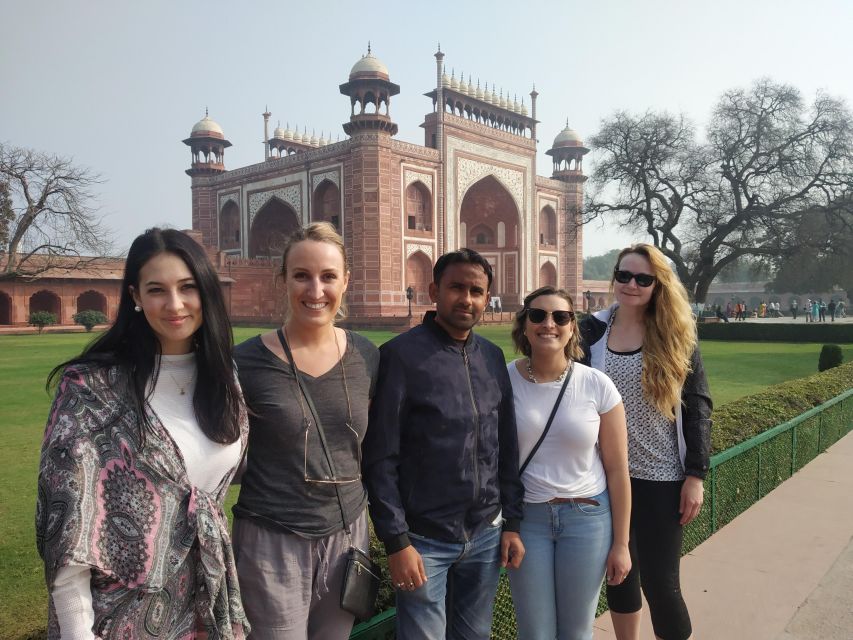
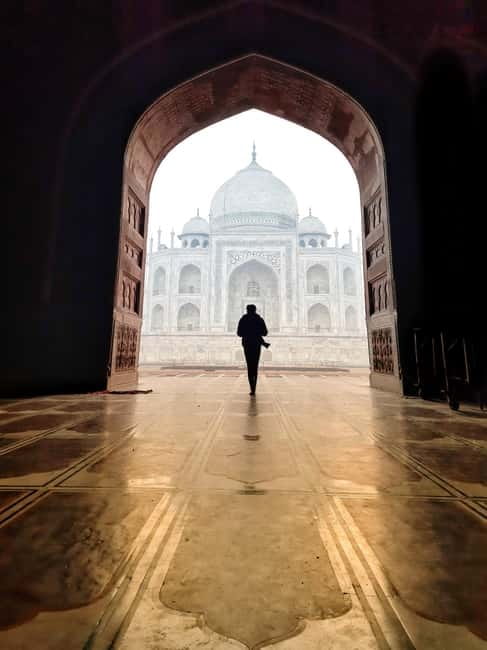
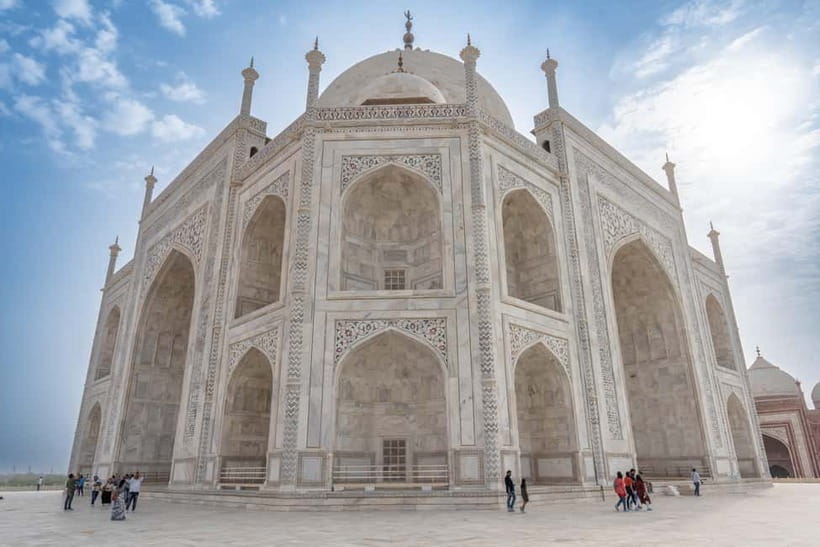
The Taj Mahal is popular for a reason. But at sunrise, it feels like a different place. The air is cooler. The paths are less chaotic. And the light is gentle—perfect for seeing details in the marble in a way midday crowds can’t really support.
Your tour is built around a 2-hour sunrise visit, with a guided tour that focuses on what you’re actually looking at. That’s where the guide matters. The Taj isn’t just a pretty building. It’s geometry, materials, and meaning. You’ll get the story behind the architecture and construction, plus the tragic love story of Shah Jahan and Mumtaz Mahal—the kind of context that turns carvings and symmetry from decoration into message.
Practical tip: sunrise also means you’ll want to bring your patience for early wake-up. But if you’re thinking long-term, this is the trade worth making. The Taj is still impressive at any hour, yet sunrise makes it feel personal instead of like a checklist.
You can also read our reviews of more tours and experiences in Agra


The skip-the-line sunrise entrance (and what that means for your photos)

One of the most useful perks here is the skip-the-line through a separate entrance. In Agra, lines can eat your day. Cutting that waiting time lets you start viewing the monument earlier and stay ahead of the biggest crowd surge.
Photo-wise, the timing is the star. Morning light brings out the Taj’s marble tones without the harsh glare you often get later. You’ll also have time to position yourself before the busiest areas fill up.
A small heads-up for photographers: tripods aren’t allowed. If you normally travel with one, leave it at home. For most people, that’s not a deal-breaker—just plan on using handheld shooting and let the early light do the heavy lifting.
Agra Fort after breakfast: Mughal power up close
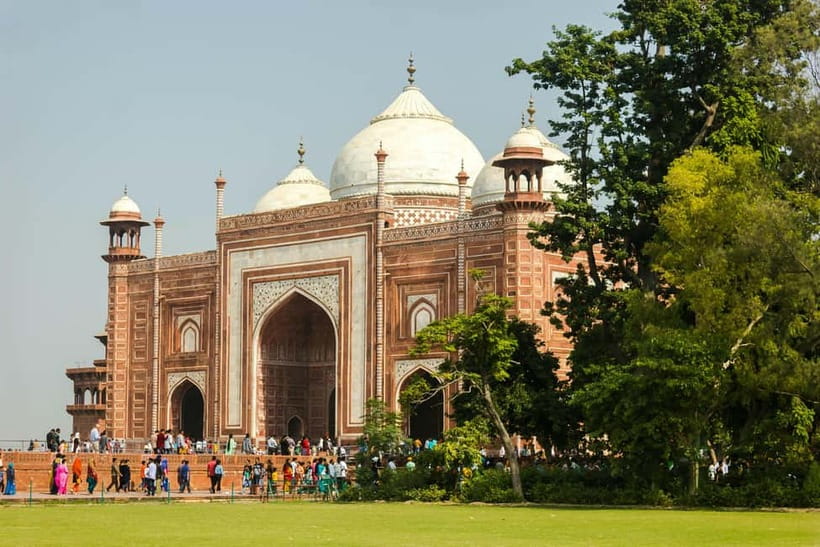
Once the Taj portion winds down, you move on to Agra Fort. This is where the day broadens from romance into power. While the Taj Mahal is all about marble and memory, Agra Fort is about control—its walls and structure once served as a Mughal center of power.
The tour gives you around 2 hours for the fort, with guided sightseeing. You’ll explore the palaces and courtyards inside the complex, and you’ll get help spotting the layout and features that make it feel like a whole system, not just a single monument. One of the best moments is the way the fort frames the surrounding views, including a look back toward the Taj Mahal. You don’t just visit buildings—you start to understand how they relate to the landscape and to each other.
What to watch for: Agra Fort involves walking on uneven ground in places and moving through areas with some crowding as the morning turns into late morning/afternoon. If your legs tend to complain early, bring water (you’ll have a complimentary water bottle) and keep your pace steady.
Wildlife SOS Elephant Conservation Center: ethical, no riding, no tricks

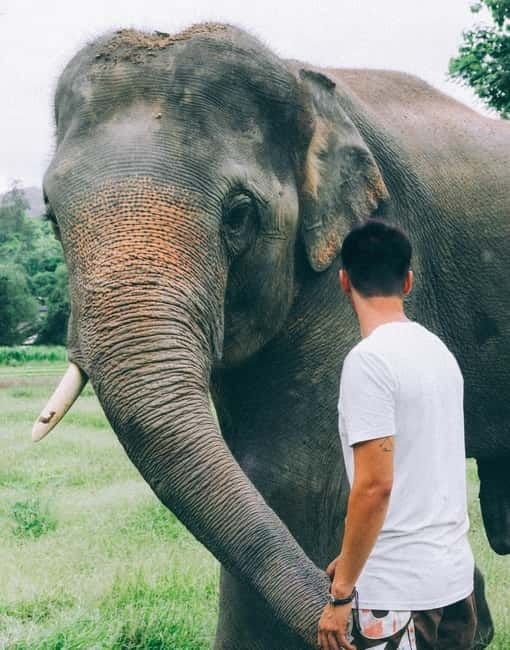
The afternoon stop is the heart of the tour’s ethics. You’ll visit the Wildlife SOS Elephant Conservation and Care Center, a place that focuses on animal welfare for elephants rescued from abuse, circuses, or illegal labor.
This is not a performance. The center is designed for care and long-term rehabilitation, so your experience is built around observing and learning—how the elephants are treated, and how they’re supported in a way that respects their safety and dignity. The key rules are clear: no riding and no coercion.
You’ll hear stories about individual elephants and see how daily care works. That’s more meaningful than generic “cute animal” time because it explains the reality behind rescue and species conservation efforts in India—what’s being done, why it matters, and how humane care fits into broader conservation.
Important note for your expectations: a conservation center visit can feel slower than a typical sightseeing rush. That’s normal. This tour works best if you’re okay spending time watching behavior and listening closely to the care approach. If you’re only looking for action and selfies, you might find it calmer than you expected.
Private transfers from Delhi (and nearby cities) that actually save your day

Most people underestimate road time. Doing Delhi-to-Agra as a DIY trip can turn into a patchwork of unknown timing, traffic guessing, and last-minute ticket stress. Here, your day is designed with hotel pickup and drop-off and transportation by air-conditioned car.
Pickups are available from multiple locations: Delhi, Agra, Gurugram, New Delhi, and Faridabad. Drops cover Faridabad, New Delhi, Agra, Gurugram, and Delhi. That flexibility matters because it lets you tailor your lodging without wrecking the schedule.
The private format also helps with pacing. You’re not stuck waiting for a group that’s moving at a different speed. It’s especially helpful when the first stop is sunrise and everyone needs to be ready on time.
If you care about comfort, the air-conditioned vehicle is a real value add. Morning dew turns into strong afternoon heat fast in this region, and the road conditions can feel long. This setup helps you arrive with energy instead of starting the day already drained.






How the price makes sense (and when it might not)
The price listed is $11 per person, with a duration that can run 6 to 12 hours. That’s a bargain if you’re selecting the options that include the major entry costs—especially since some items are conditional.
Here’s what your tour includes, based on the options you choose:
- Hotel pickup and drop-off
- Private tour guide
- Air-conditioned car
- Taj Mahal and Agra Fort entry fees (if you select the entry option)
- Wildlife SOS Elephant Conservation Center entrance (if you select that option)
- Meals (if selected)
- Complimentary water bottle and an umbrella
So the value isn’t just the headline number. It’s that the tour bundles the “time thieves” (getting there, entry lines, and navigating) into one plan. For many travelers, the ability to skip line time and get a guide for both the Taj and Agra Fort turns the day into something that feels guided instead of chaotic.
Where value can shrink a bit:
- If you choose an option that doesn’t include elephant center entry or entry fees, you’d pay those separately.
- If your own schedule already lines up perfectly and you have a great local guide lined up, the savings might not feel as sharp.
Still, for most people coming from Delhi, this is a strong structure: one organized day, two major monuments, then a conservation stop with clear ethics.
What makes the guiding style matter (especially for the Taj and Fort)
A good guide is the difference between seeing a monument and understanding it. In recent experiences with this operator and their team, guides like Farhan, Salim Khan, and the wider team members Shashank and Farukh have been praised for being friendly, professional, and helpful, with a strong focus on historical context.
You’re not just handed facts. The guide helps you connect details:
- how Taj Mahal design reflects meaning
- why Agra Fort feels like a lived-in seat of power
- how the fort’s layout and views connect back to the Taj area
You’ll also be guided toward better photo perspectives. That sounds small, but it’s huge when you’re working under rules like no tripods and trying to catch the best light before crowds thicken.
Who this tour suits best
This is a good fit if you:
- want sunrise Taj Mahal without the stress of planning every minute
- appreciate guided history focused on stories and structure, not just dates
- care about ethical elephant conservation (and want a no-riding encounter)
- like private transport and a tight, efficient day plan
It might be less ideal if you:
- dislike early starts and long sitting times
- want a very flexible schedule with lots of free wandering time
- prefer a more entertainment-heavy style rather than an educational conservation visit
Should you book this sunrise Taj Mahal and Elephant Conservation tour?
If you want the Taj Mahal at its most beautiful hour and you also care about where your money goes, this tour is a smart choice. The combination of sunrise timing, skip-the-line access, and a guide who explains what you’re looking at is the core win. The Elephant Conservation stop adds a meaningful ethical angle, with rules that keep the experience respectful: no riding, no coercion.
Book it if you’re the type who likes your travel days structured and your memories rooted in real stories. Hold off if you can’t handle early mornings or you’d rather keep Agra slow and unplanned.