REVIEW · JAIPUR
From Delhi : Private 3 Days Golden Triangle Tour by Car
Book on GetYourGuide →Operated by Agra Trip Packages · Bookable on GetYourGuide
Three days, three cities, one history lesson. I love the sunrise Taj Mahal timing and the way the live escort keeps the stories clear and human. One thing to weigh: you’ll spend a lot of time in the car, and the tour doesn’t include meals or drinks.
This is built for a private group style trip where you’re not figuring out trains, ticket lines, or navigation. The result is a focused route: Delhi sights in the first half-day, Agra next, then Jaipur, with return to Delhi at the end.
In This Review
- Key Highlights You’ll Actually Feel
- Your Golden Triangle by Car Starts with a Delhi Arrival
- Half-Day Delhi: India Gate to Chandni Chowk (Without Wasted Time)
- A practical note about Delhi timing
- The Car Ride to Agra: Comfort, Water, and Realistic North India Roads
- Sunrise Taj Mahal: Why the Early Entry Changes Everything
- Taj Mahal timing tip
- Agra Fort After Taj: The Mughal Power Story on Stone
- What you should watch for
- Amber Fort and Jal Mahal in Jaipur: Where Rajput and Water Meet
- Why this order works
- Jaipur City Palace, Hawa Mahal Area, and Jantar Mantar
- The practical Jaipur mindset
- Back to Delhi: Drop-Off at Airport or Your Hotel
- Price and Value: What You Pay for, What You Still Need to Plan
- What’s included (that saves real money)
- What’s not included (so don’t get surprised)
- How to Pack and What Rules Actually Matter
- Who This Tour Suits Best
- Who should reconsider
- Should You Book This Golden Triangle 3-Day Tour?
- FAQ
- How long is the Golden Triangle tour?
- Where can pickup and drop-off happen?
- Are entrance tickets included for the monuments?
- When do you visit the Taj Mahal?
- Are meals included in the price?
- What are the room arrangements?
Key Highlights You’ll Actually Feel
- Early Taj Mahal works better than any daytime plan when you want atmosphere, not crowds
- Skip-the-line style entry helps you spend time looking, not queuing
- Mughal and Rajput sights in sequence (Taj Mahal, Agra Fort, Amber Fort, Jal Mahal) makes the big story click
- Escort-led pacing with enough context to understand what you’re seeing
- Car-based comfort with bottled water in the cab, plus pickup from many NCR locations
Your Golden Triangle by Car Starts with a Delhi Arrival
The easiest part is also the most underrated: you get picked up in Delhi (or nearby NCR), then the day becomes about seeing places, not arranging logistics. You can be picked up from options like New Delhi, Connaught Place, Aerocity, Old Delhi, Ghaziabad, Noida, Rohini, and more in the Delhi–NCR area.
You’ll meet a government-approved tour escort at your pickup point. That matters because it turns the first hours from confusing to straightforward—especially if you land after a long flight and just want the plan to click into place.
You can also read our reviews of more private tours in Jaipur



Half-Day Delhi: India Gate to Chandni Chowk (Without Wasted Time)

Day 1 starts with a curated sweep of Delhi’s major sights, built to give you variety without running you into the ground.
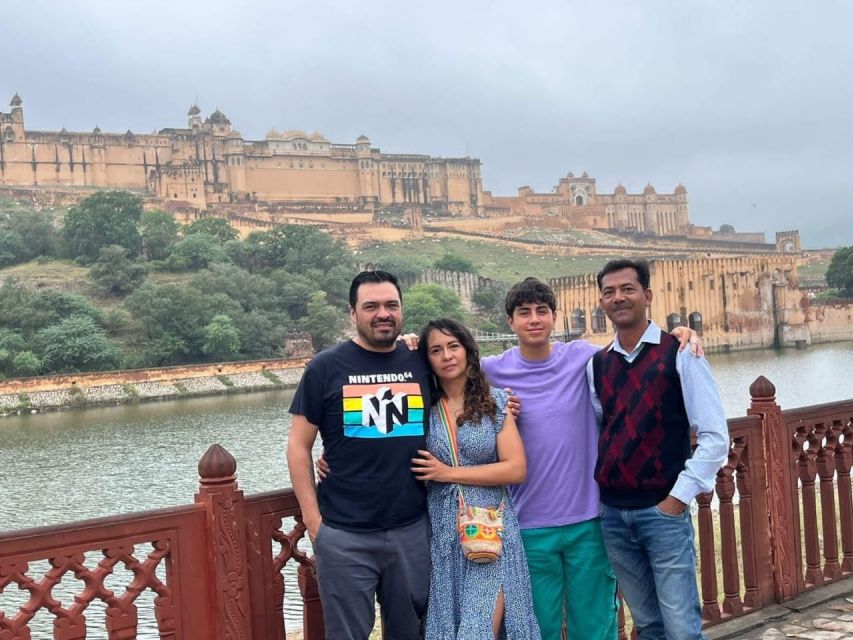
- India Gate: A classic starting point for understanding modern Delhi’s layout and memorial culture. It also gives you an easy orientation before you head into older neighborhoods.
- Rashtrapati Bhavan (President House): You get a guided introduction to the site’s significance and placement. Even from the outside, it helps you grasp why Delhi feels planned and ceremonial.
- Gandhi Smriti Museum: A museum stop adds depth beyond monuments. You’ll get a guided visit here, so you’re not just scanning labels.
- Humayun’s Tomb: This is your Mughal anchor for the trip. It sets up the next days in Agra and Jaipur by showing Mughal architecture principles early.
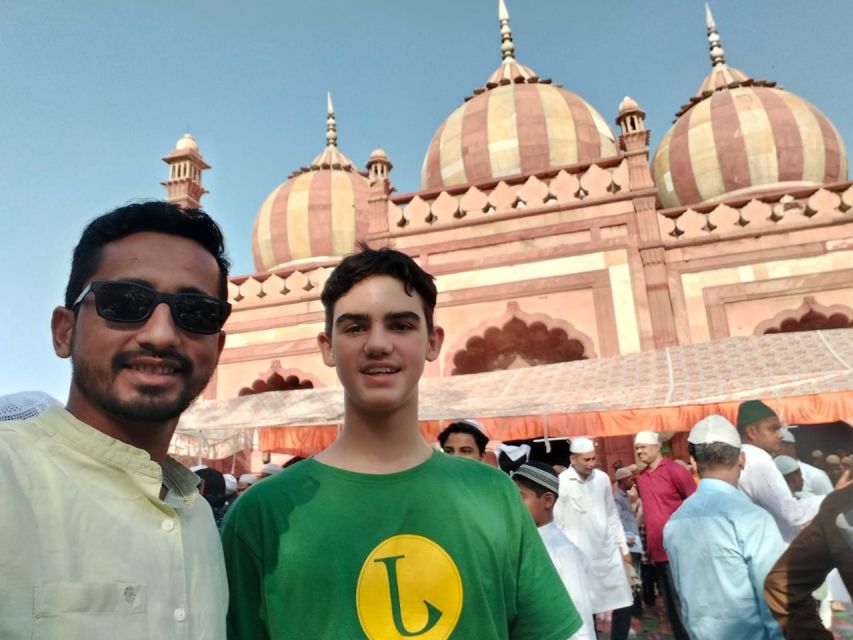
- Jama Masjid: A big Delhi landmark and a chance to experience the scale of old Delhi religious architecture. Keep in mind there can be camera and equipment rules, and the tour notes camera fees at Jama Masjid.
- Chandni Chowk: The old-market pulse. You’ll get a guided session here designed to help you understand what you’re seeing rather than just passing through.
You’ll stop for lunch at a nice restaurant in Delhi on the day plan, but the package itself lists meals as not included. So I treat lunch as a “plan to pay” moment, not a guaranteed included meal.
A practical note about Delhi timing
Half-day sightseeing in Delhi can feel intense, but it’s also a good way to prevent jet lag from turning into lost time. You’re not trying to do everything; you’re building a foundation so Agra and Jaipur feel like a connected storyline.
The Car Ride to Agra: Comfort, Water, and Realistic North India Roads
The tour is built around an air-conditioned car for the round trip and between cities. You’ll also have bottled water in the cab, which sounds small until you’re stuck in traffic and suddenly grateful you don’t have to chase it.
Driving can be chaotic in north India, and one of the best things you can ask for on any car tour is safety-first driving. In a past experience with this kind of setup, the driver was praised for arriving early and using defensive driving, keeping things calm even when the roads weren’t.
This is also where the “car time” consideration becomes real. If you don’t love long stretches in a vehicle, the Golden Triangle by car may feel like a trade: you gain convenience and guidance, but you give up some freedom to roam slowly on your own schedule.
Sunrise Taj Mahal: Why the Early Entry Changes Everything
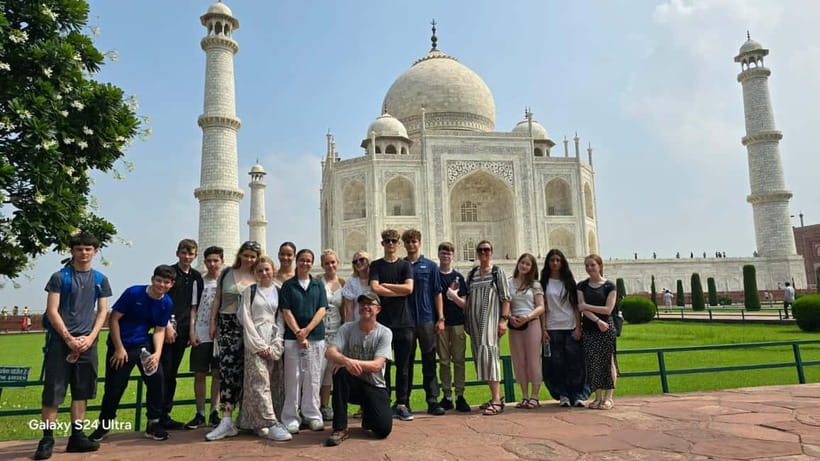
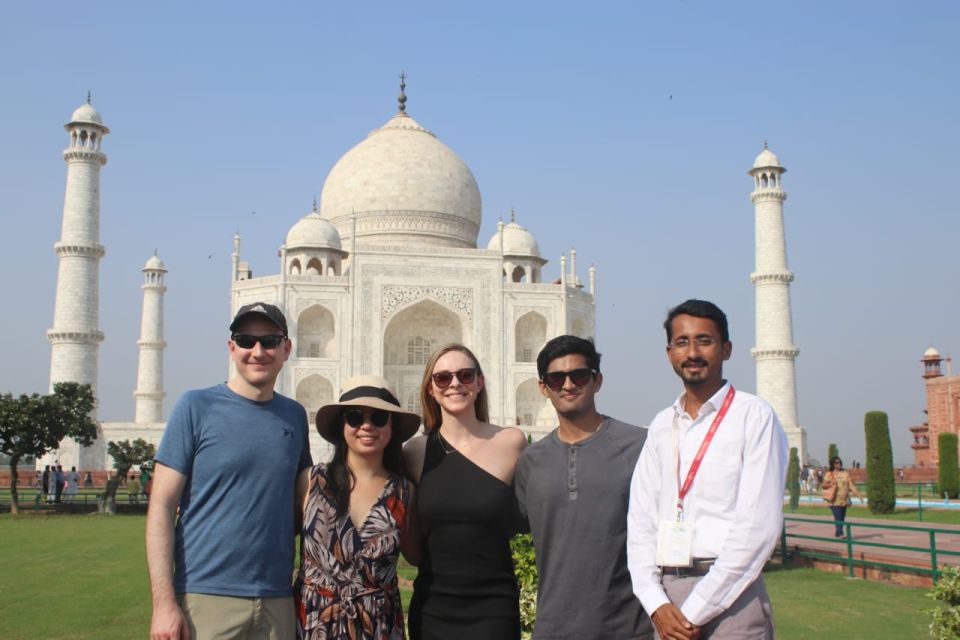
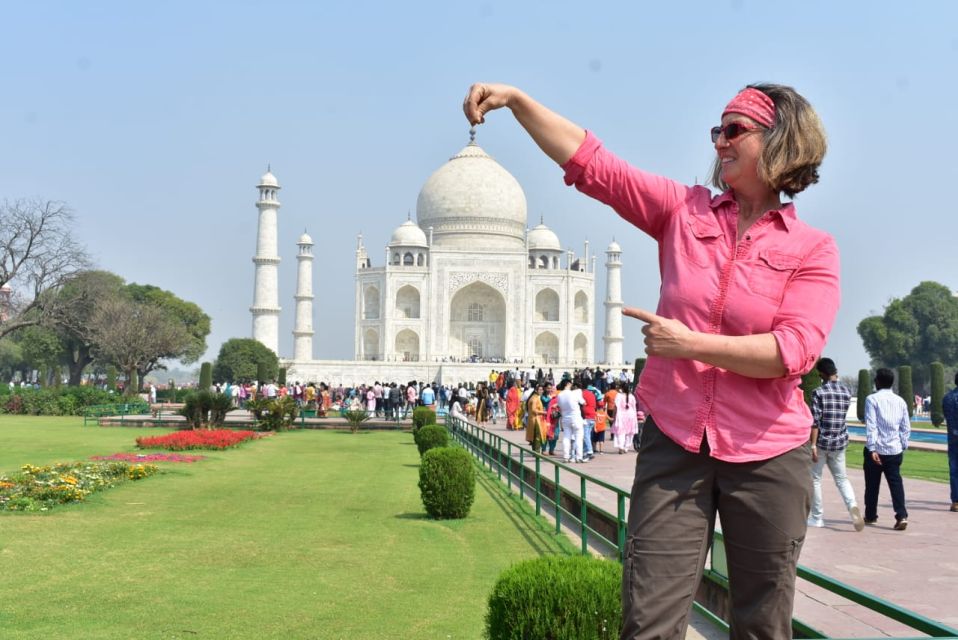
Day 2 begins with a sunrise visit to the Taj Mahal. This is one of those choices that keeps paying off: mornings tend to be cooler and the monument feels more atmospheric before the day swells.
A guided Taj Mahal visit is listed at about 3 hours, and there’s also an option described as skipping ahead with a separate entrance. That helps you spend more time looking at details and less time fighting entry lines.
What I like about a sunrise plan is not just the photos. It’s how the light shifts across marble surfaces and how you can actually take in the architecture. The tour also places Taj Mahal within a broader historical context via your escort, so you’re not stuck in pure sightseeing mode.
You can also read our reviews of more tours and experiences in Jaipur


Taj Mahal timing tip
If you’re serious about pictures, plan to be ready at the right time and keep your schedule relaxed once inside. Sunrise entry isn’t about rushing; it’s about getting there early enough that you can pause.
Agra Fort After Taj: The Mughal Power Story on Stone
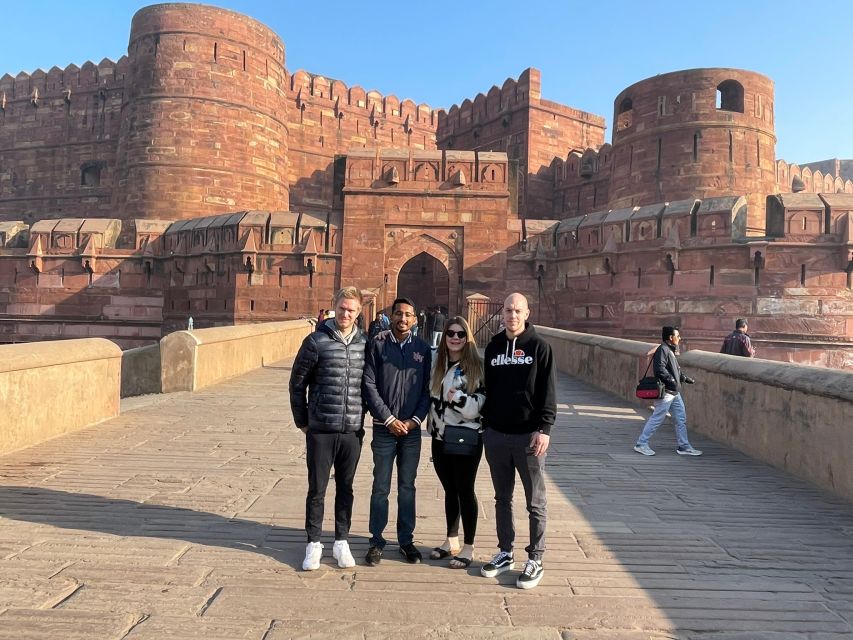
Once Taj is done, the day continues with Agra Fort (guided visit around 40 minutes). This is a smart pairing: Taj Mahal represents idealized beauty, while Agra Fort feels like the real machinery of Mughal power—strategic, fortified, and practical.
The full day plan also includes checking out from Agra for the drive to Jaipur. That means you get two major Agra stops in one day without losing the energy for the next city.
What you should watch for
Fort sites can mean more standing and walking than palace-style gardens. If you’re sensitive to stairs or long uphill stretches, wear supportive shoes. The tour helps with direction and timing, but your body still needs to handle the physical reality of forts.
Amber Fort and Jal Mahal in Jaipur: Where Rajput and Water Meet
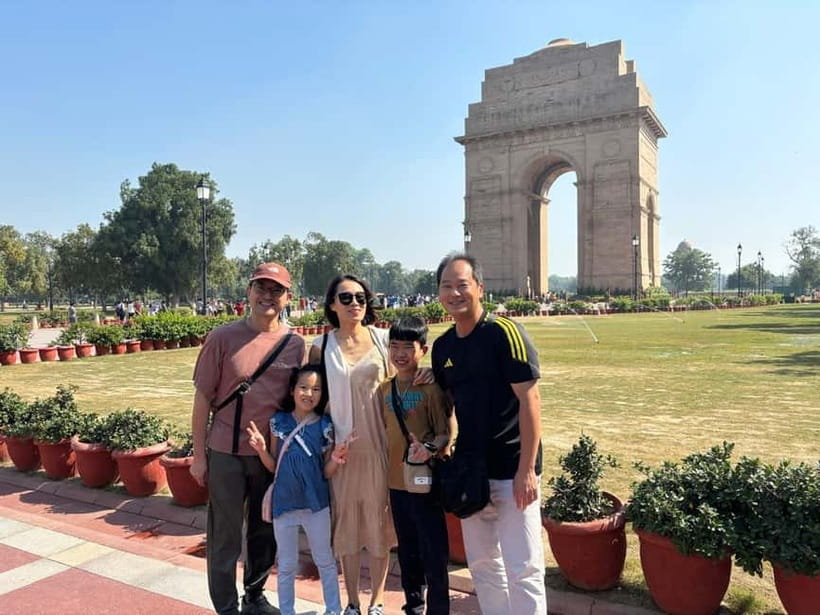
When you arrive in Jaipur, you’ll head to Amber Fort and Jal Mahal (Water Palace). Amber Fort is scheduled with a guided visit of about 40 minutes, while Jal Mahal gets around 30 minutes.
This combo is a big reason the Jaipur day feels special. Amber Fort gives you scale, craftsmanship, and the feel of Rajput royal life. Jal Mahal offers contrast—less about fortifications, more about the romance of architecture reflected in water.
Why this order works
Starting with Amber Fort helps because you’re still fresh after the drive. Then Jal Mahal gives your eyes a different kind of view before you settle into the next rhythm: sightseeing, hotel check-in, and the next morning’s city stops.
Also, if you’re the kind of person who likes small detours, you’ll appreciate that guides here can be flexible when possible. One Jaipur experience described a guide handling a request for a sanctuary visit to see and feed elephants with sugar canes. That kind of thing isn’t guaranteed by the base plan, but it signals the escort may try to accommodate reasonable, safe requests.
Jaipur City Palace, Hawa Mahal Area, and Jantar Mantar
After breakfast on Day 3, the tour moves through Jaipur’s core icons:
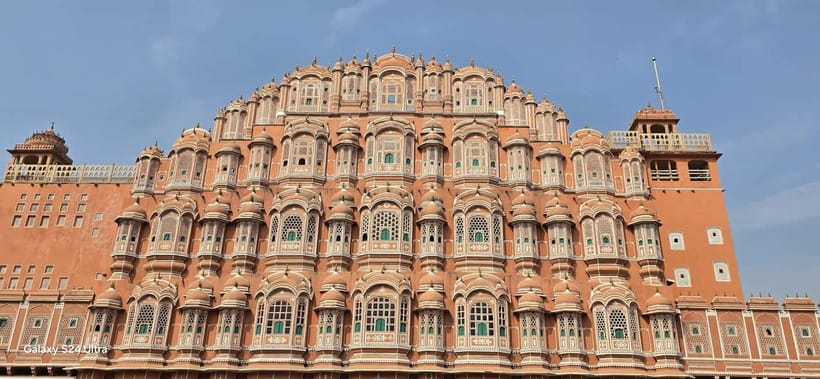
- Hawa Mahal: You’ll visit as part of the city sightseeing time. It’s a landmark that makes you understand Jaipur’s relationship with royal privacy and street-level life.
- City Palace: Guided time here helps explain how the royal complex worked and why it’s such a key reference point in Jaipur.
- Jantar Mantar: A guided visit around 45 minutes. It’s not just “pretty old stuff”—it’s about how the city used observation and measurement as part of its knowledge system.
These stops are where Jaipur stops feeling like a single theme. You get fort energy (Amber), palace spectacle (City Palace area), iconic facade design (Hawa Mahal), and then a turn toward science and astronomy (Jantar Mantar).
The practical Jaipur mindset
Jaipur can be bright and sun-forward. If you’re going in the daytime, keep water habits strong and wear light layers. Even if the tour includes bottled water in the car, outdoor time still adds up.
Back to Delhi: Drop-Off at Airport or Your Hotel
Once Jaipur sightseeing finishes, you drive back to Delhi for drop-off at the end of Day 3. The tour lists many possible drop-off locations across Delhi–NCR, including airports like Aerocity and hotel areas like Connaught Place.
This structure is convenient if you’re flying out soon after the last day. Instead of figuring out last-minute transit, you get a straight plan that ends with your arrival at the drop-off you chose.
Price and Value: What You Pay for, What You Still Need to Plan

The headline price is listed as $10 per person for a 3-day car tour. That number is so low it’s worth breaking down where the value comes from.
What’s included (that saves real money)
- Round-trip air-conditioned car
- Entrance fees of all monuments
- Live tour escort for the entire tour
- Skip-the-line via a separate entrance (not every site is always the same, but it’s part of how this is set up)
- Water bottles in cab
- All taxes
When a tour includes entrances and escort, your day-to-day costs usually drop a lot versus a DIY approach where you pay tickets, sometimes multiple times, plus you lose time hunting info.
What’s not included (so don’t get surprised)
- Meals and alcoholic beverages
- Personal expenses
- Camera/video fees (including camera fees at Jama Masjid and video camera fees for the tour activity)
So I recommend budgeting for lunch and any drinks you want. If you plan to bring a camera or video equipment, check how the fees apply to your devices ahead of time.
How to Pack and What Rules Actually Matter
The tour notes several clear restrictions:
- Oversize luggage isn’t allowed
- Pets aren’t allowed (assistance dogs allowed)
- Tripods aren’t allowed
- Alcohol and drugs aren’t allowed
- Flashlight and explosive substances aren’t allowed
That’s practical advice, not just bureaucracy. Light packing will make car transfers and monument entry smoother. If you’re carrying equipment, keep it simple and avoid tripod-style setups unless you’ve confirmed what’s permitted for your specific camera use.
Who This Tour Suits Best
This is a strong fit for you if you want:
- Big monuments in a tight time window
- Guidance that gives context (not just stop-and-go photo breaks)
- A car-based plan that removes the stress of transit planning
It’s also a good choice if you’re traveling solo or in a small group that still wants a structured route with a live escort.
Who should reconsider
The tour is not suitable for people with heart problems. Also, if you know you hate long driving days, the car time between Delhi, Agra, and Jaipur might feel like more than you bargained for.
Should You Book This Golden Triangle 3-Day Tour?
I’d book it if your priority is seeing the main pillars of the Golden Triangle with entrance fees included, guided visits, and minimal hassle. The sunrise Taj Mahal plus Agra Fort pairing is a smart use of your limited days, and the Jaipur stops follow a clear visual storyline: Rajput power at Amber, royal architecture in the city, and the measurement mind of Jantar Mantar.
You should think twice if meals and drinks being not included would annoy you, or if you’re uncomfortable with lots of time in an air-conditioned car. Also, if you plan to bring camera gear, read up on the camera rules so you don’t waste time at the wrong moment.
If you want a guided Golden Triangle that feels efficient and still leaves time to actually look at things, this is one of the more sensible ways to do it.
FAQ
How long is the Golden Triangle tour?
It runs for 3 days.
Where can pickup and drop-off happen?
Pickup is available from your place of stay anywhere in New Delhi (and NCR), and the tour lists many options such as New Delhi, Connaught Place, Aerocity, Old Delhi, Rohini, Ghaziabad, Noida, Greater Noida, and Gurugram. Drop-off also has multiple options in Delhi–NCR.
Are entrance tickets included for the monuments?
Yes. Entrance fees of all monuments are included.
When do you visit the Taj Mahal?
You visit the Taj Mahal at sunrise, with a guided sightseeing duration of about 3 hours.
Are meals included in the price?
No meals are included. The day plan mentions lunch in Delhi, but the package lists meals as not included, so plan to pay for your own food.
What are the room arrangements?
Rooms are on a sharing basis, meaning one room with double occupancy (not a guaranteed private room for one person).