REVIEW · NEW DELHI
Delhi Markets: A Cultural Shopping Experience with an Expert
Book on GetYourGuide →Operated by Taj Paradise Tour · Bookable on GetYourGuide
Delhi markets can feel chaotic at first. That’s exactly why I like this tour: a local market expert helps you shop with context, not just a shopping list. You’ll work your way through places like Kinari Bazaar and Janpath, where the goods come with real stories and clear reasons for their style.
I also like the practical setup for a short visit: hotel pickup and drop-off, bottled water, and a walking plan that keeps you moving. One thing to consider: the lanes are tight and sales pressure can vary by stop, so bring cash, set a budget early, and speak up if you want calmer browsing.
In This Review
- Key things that make this tour work
- Why Delhi’s Market Tour Feels Easier Than Going Alone
- The value angle: you’re paying for decisions
- Kinari Bazaar: Wedding-Trim Shopping With Real Craft Details
- What to watch for
- Matia Mahal and Old Delhi Lanes: Where Kitchenware Meets Street Snacks
- Small streets, bigger focus
- Janpath Market: Boho Clothes, Tibetan-Style Trinkets, and Modern Indie Finds
- How the guide helps you shop smarter
- Bargaining Tips That Actually Help (Without Turning It Into a Fight)
- When sales pressure shows up
- The 4-Hour Plan: Hotel Pickup, Private Group, and Efficient Walking
- Private group means you can set the tone
- Street Food Tasting: Optional, But It Helps the Market Make Sense
- Photography, Textiles, and Souvenir Strategy
- Price and Logistics: What $9 Gets You (And What It Doesn’t)
- The real budget question
- Language Options and Guide Fit: English-Friendly and Beyond
- Who This Tour Suits Best (And Who Might Want a Different Plan)
- Should you book this Delhi Markets shopping experience?
- FAQ
- FAQ
- How long is the Delhi markets tour?
- How much does it cost?
- What markets are included?
- Is street food included?
- Does the tour include hotel pickup and drop-off?
- Where is pickup available?
- Is this a private tour?
- What languages is the guide available in?
- What should I bring?
- Are personal purchases included in the price?
- What’s the cancellation policy?
Key things that make this tour work
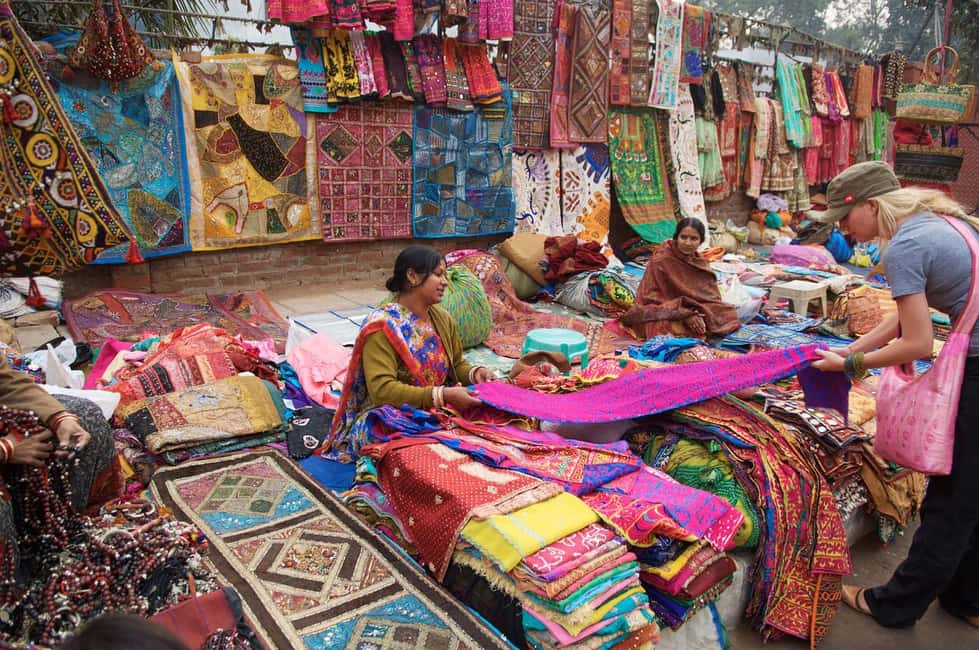
- Kinari Bazaar wedding accessories: trims, bangles, and hand-embroidered details you can actually spot up close
- Matia Mahal near Jama Masjid: kitchenware and street-snack energy in the same maze of lanes
- Janpath Market for boho and indie finds: clothes and small artisan pieces with a modern street vibe
- Bargaining guidance that’s respectful: learn how to ask, compare, and negotiate without getting awkward
- Private, English-friendly guidance: the pace and focus can be tailored to your shopping style
- Optional street food tasting: small bites that add flavor to the market rhythm
Why Delhi’s Market Tour Feels Easier Than Going Alone
Delhi markets are sensory on purpose. Spices hit your nose, textiles tug at your eyes, and every lane looks like it might hide something better around the corner. With a guide, you get the map—and more important, the meaning—behind what you’re seeing.
This tour is built around shopping with explanation. You don’t just get told where to go; you learn why certain items are made the way they are, and who typically buys them. That matters when you’re trying to find quality, not just a pretty souvenir.
You can also read our reviews of more shopping tours in New Delhi

The value angle: you’re paying for decisions
At around $9 per person, you’re not paying for a fancy meal or a long ride. You’re paying for time saved, choices improved, and fewer wrong turns. A short, focused 4 hours can be more cost-effective than spending a full day wandering without a plan.
Kinari Bazaar: Wedding-Trim Shopping With Real Craft Details
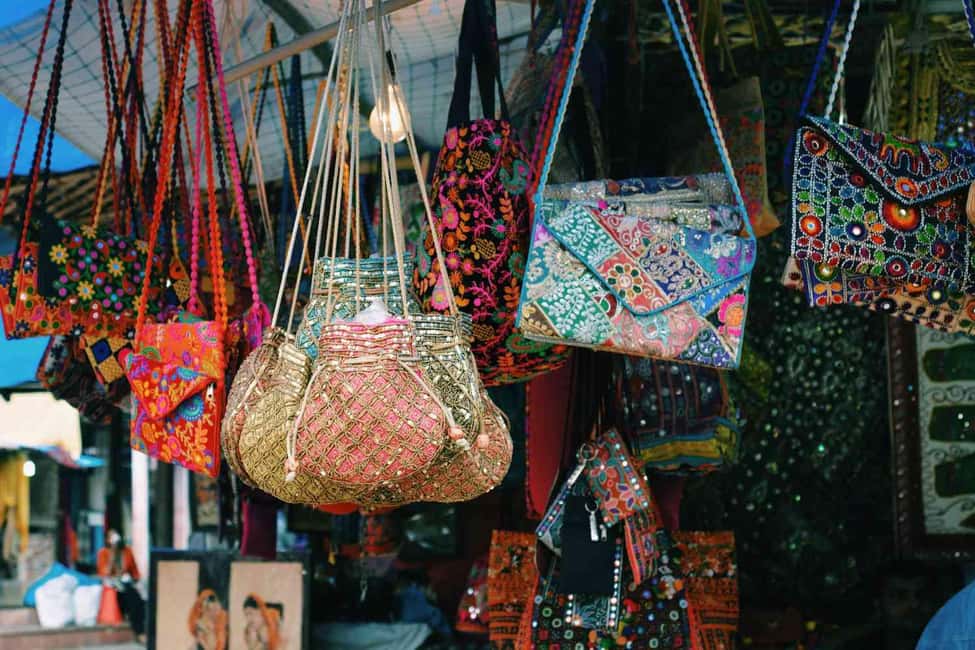
Kinari Bazaar is famous for wedding accessories and decorative trims. Think hand-embroidered pieces, glittery bangles, and the kind of decorative finishing you usually only notice in photos of big celebrations. The fun part on this tour is learning what to look for while you’re standing right in the shop.
I love that the guide helps you spot the difference between mass-produced shine and work that looks intentional up close. When you’re shopping for accessories, jewelry, or festive textiles, tiny details change the whole feel—stitching quality, thread density, and how decorations sit on the fabric.
What to watch for
Bring a calm eye. In places like Kinari Bazaar, everything looks impressive at first glance. Ask questions like what the item is typically used for, and check how the trim sits and holds shape. If you’re shopping for gifts, look for pieces that feel sturdy enough to travel well.
Also, if your guide connects you with the right sellers, you’ll get better conversation while you shop. Guides such as Samir and Aamir have been praised for steering through busy areas while helping people find exactly what they asked for.
Matia Mahal and Old Delhi Lanes: Where Kitchenware Meets Street Snacks
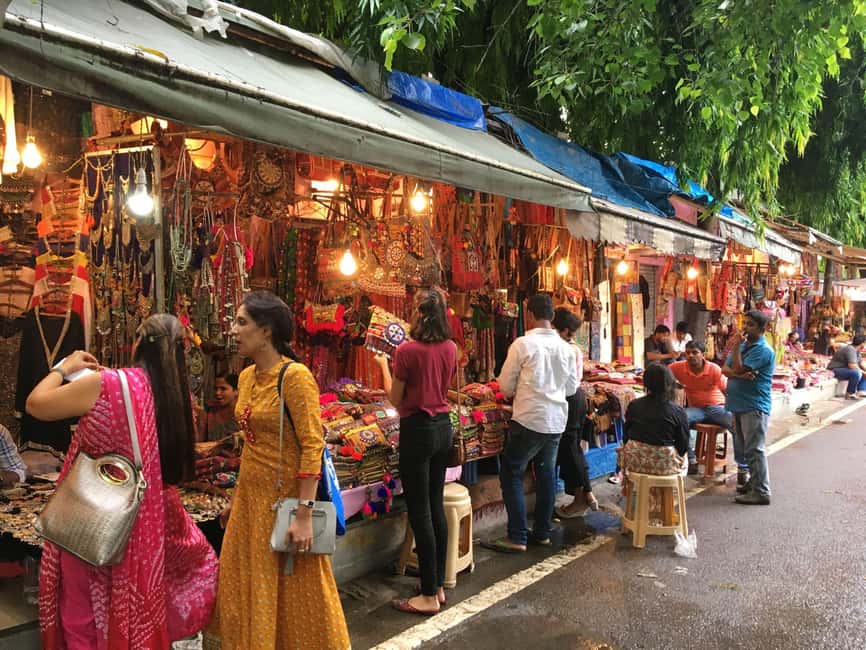
Matia Mahal sits near the Old Delhi energy around Jama Masjid, and that blend shows up fast. You’ll see kitchenware and practical goods in the same streets that feed the street-food scene. It’s a strong stop if you like markets that feel like everyday life, not just a shopping stage.
This is where the tour can shift from pure craft shopping to food-and-lane culture. If you choose the street food tasting option, it’s a chance to pause and sample what people actually eat as they move through the area. Even if you skip the tasting, the guide’s suggestions on what to try and how to order make the market feel easier.






Small streets, bigger focus
Old Delhi lanes can get crowded. One reason people value a good guide here is safety and pacing. There’s at least one story of feeling safe while navigating intense crowds, which is exactly what you want from a guide in this area.
Janpath Market: Boho Clothes, Tibetan-Style Trinkets, and Modern Indie Finds
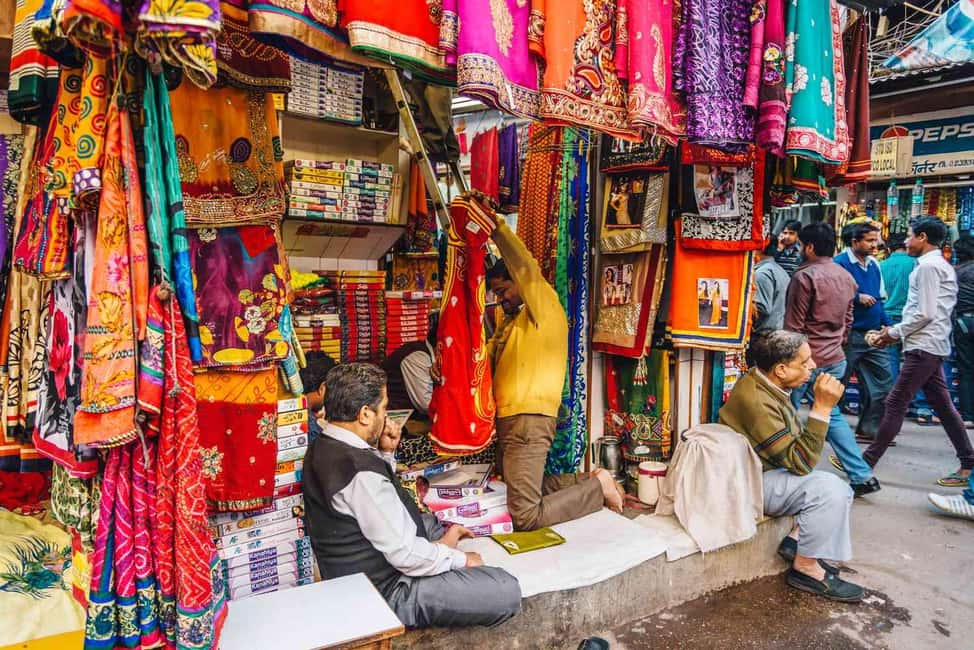
Janpath is a different mood. It’s more relaxed than the wedding-accessory intensity of Kinari Bazaar, but it still rewards careful browsing. Here, you’re likely to see boho clothing styles, small trinkets influenced by Tibetan aesthetics, and indie fashion items that feel wearable rather than overly ceremonial.
I like Janpath for photography too. The market layout gives you chances to frame signs, textures, and shop-front details without needing to chase the perfect moment. And shopping here is easier if you’re thinking about outfits, lightweight textiles, scarves, or casual accessories.
How the guide helps you shop smarter
The guide’s role becomes practical: matching your budget and taste to what each shop is best at. If you tell them what you like—color, fabric feel, or a particular style—they can direct you to sellers who carry that lane of products.
Some guides are also great at patience. For solo shoppers, that’s huge: you get help without feeling like you’re being dragged from store to store.
Bargaining Tips That Actually Help (Without Turning It Into a Fight)
Bargaining in Delhi isn’t just about price. It’s about reading the shop’s expectations and keeping the conversation respectful. This tour includes bargaining tips, and that can change everything if you’re new to market shopping.
Here’s the approach I like for markets like these:
- Start by asking, not accusing: ask what it is, where it’s made, and what makes it special.
- Compare quickly: look at two or three similar items before you name your number.
- Negotiate with a budget in mind: decide your max before you talk price.
- Decide what matters: for example, in trims and embroidered items, stitch detail can justify a higher price.
This tour also trains you to spot quality handmade goods. That’s a big win because the best bargains often aren’t the lowest price—they’re the best deal on something that lasts.
When sales pressure shows up
There’s one clear warning from the overall experience: sometimes a guide can push you toward shops where buying feels heavy-handed, with less useful explanation. If that happens, you should correct the plan early. Ask for more market context, request to move on if you’re being rushed, and use the private nature of the group to keep control of your time.
The 4-Hour Plan: Hotel Pickup, Private Group, and Efficient Walking
This is a short tour on purpose. With a duration of 4 hours, you’re not stuck in a half-day slog. Instead, you get a tight sequence of 3–4 handpicked markets that fit together geographically and thematically.
Pickup and drop-off make a huge difference in Delhi. When you’re coming from the hotel, airport, or nearby areas, you start with less stress and fewer transit headaches. The pickup range includes Delhi, Gurgaon, Noida, Ghaziabad, and Faridabad, and it can also include the airport area.
Private group means you can set the tone
You’re not sharing this with a big crowd of strangers who want different things. That’s why people who shop alone often find this style reassuring. If you want textiles, tell the guide. If you want jewelry, tell them. If photography is your priority, say so and ask where the best angles are.
Street Food Tasting: Optional, But It Helps the Market Make Sense
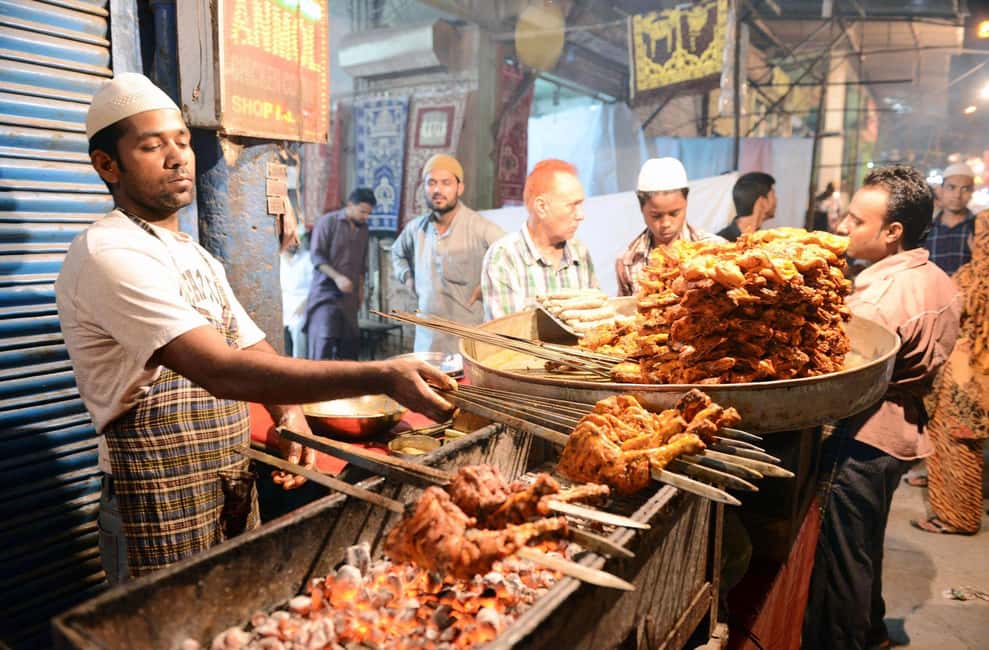
Street food tasting is optional, but it’s one of those choices that makes the markets feel lived-in. Markets are not just about buying items; they’re also where people eat and rest between chores. A tasting slot helps you experience that rhythm without guessing what’s safe or what locals order.
One of the market experiences described included street food plus a spice-market stop and even a rickshaw ride in the Old Delhi area. That kind of mix is exactly why a guide matters: you get variety without turning it into a random chase.
Photography, Textiles, and Souvenir Strategy
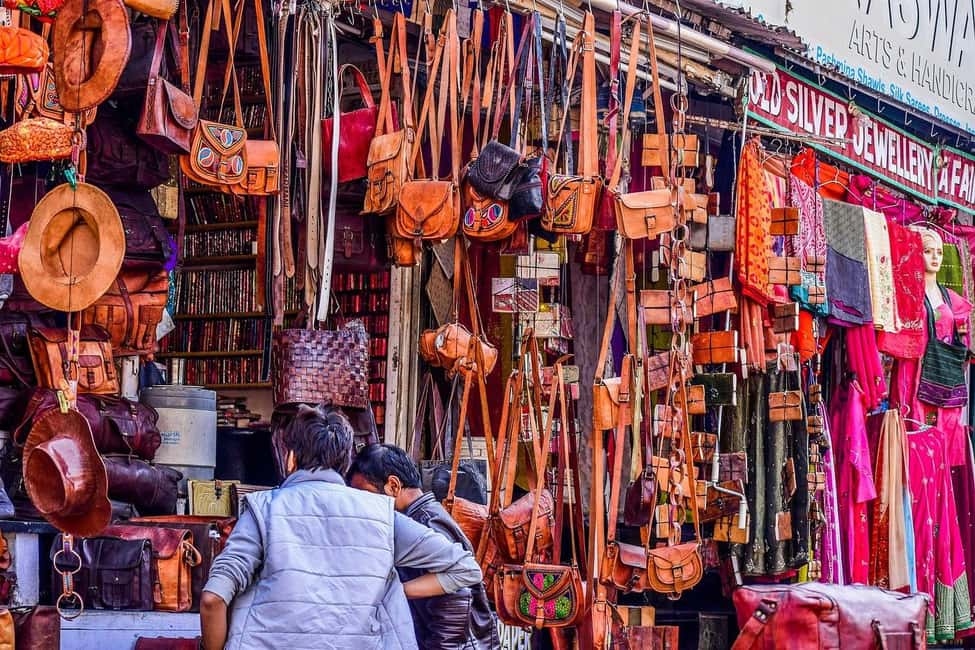
If you like photos, this tour gives you a reason to photograph. You’re not just taking pictures for the sake of it; you’re capturing details that help you remember what mattered when you were shopping.
For souvenirs, I’d focus on items that:
- travel well and won’t crush easily
- match your style back home
- have clear texture and visible craft work up close
For clothing and trinkets, Janpath is a strong bet. For decorative trims and wedding-inspired accessories, Kinari Bazaar is the right lane. For snacks and kitchen-related finds, the Matia Mahal area is where the market feels like daily life.
Price and Logistics: What $9 Gets You (And What It Doesn’t)
Let’s be honest: $9 isn’t paying for a luxurious day. It’s paying for direction. Your money goes to the local guide, the walking plan across multiple markets, and basics like bottled water plus hotel pickup and drop-off.
What’s not included is the one thing that can surprise people: personal shopping expenses. So you’ll want cash ready for purchases, and you may still use a credit card, depending on the shop.
Also, the tour says it skips the ticket line. For a market walking tour, that usually matters more for the program start flow than for each individual stop—either way, it helps you start faster and get into the lanes sooner.
The real budget question
Instead of thinking only about the tour cost, think about the cost of wasted time. If you spend half a day confused, you lose the chance to compare items and bargain with confidence. Paying for a guide here is often cheaper than paying with your own time.
Language Options and Guide Fit: English-Friendly and Beyond
The tour runs with live guidance in multiple languages: English, French, German, Hindi, Japanese, Russian, Spanish. That helps if you want to ask direct questions about materials, pricing strategy, or what a specific item is used for.
Guide personality also matters. Names like Riyaz and Arham show up connected to friendly, fun pacing and good knowledge in practice. Other names like Aamer/Aamir are associated with confidence in crowd navigation and a sense of safety—exactly what you want when you’re walking through tighter Old Delhi lanes.
Who This Tour Suits Best (And Who Might Want a Different Plan)
This is a great fit if you:
- love crafts, textiles, and wearable souvenirs
- want help bargaining without feeling lost
- care about storytelling behind markets, not just transactions
- want a short, structured shopping day instead of open-ended wandering
It might be less ideal if you:
- hate negotiating and just want fixed prices
- want a lot of downtime (it’s mostly walking and browsing)
- expect equal depth at every stop (market tours can vary by shop and by guide moment-to-moment)
For people sensitive to sales pressure, go in with a plan: tell your guide your budget and your no-go items. If a shop feels too pushy, you can steer the visit toward your priorities.
Should you book this Delhi Markets shopping experience?
If you want a smooth 4 hours that turns shopping into learning, I’d book it. The mix of Kinari Bazaar, Matia Mahal, and Janpath, plus bargaining help and a private guided pace, is a smart way to make your Delhi trip feel more local.
I’d book with extra confidence if you like markets where the goods come with visible craft effort. And I’d treat cash as essential, set your budget before you start, and communicate your shopping goals early. If you do that, this tour can be a practical way to come home with pieces you actually understand—and not just random souvenirs.
FAQ
FAQ
How long is the Delhi markets tour?
It runs for 4 hours.
How much does it cost?
The price listed is $9 per person.
What markets are included?
The tour includes Kinari Bazaar, Matia Mahal (near Jama Masjid), Janpath Market, and additional handpicked markets.
Is street food included?
Street food tasting is optional. If you select it, it’s included.
Does the tour include hotel pickup and drop-off?
Yes. Pickup and drop-off are included.
Where is pickup available?
Pickup is available in Delhi, Gurgaon, Noida, Ghaziabad, and Faridabad, and it can also be from Delhi Airport.
Is this a private tour?
Yes, it’s a private group.
What languages is the guide available in?
The live guide is available in English, French, German, Hindi, Japanese, Russian, and Spanish.
What should I bring?
Bring cash and a credit card.
Are personal purchases included in the price?
No. Personal shopping expenses are not included.
What’s the cancellation policy?
Free cancellation is available up to 24 hours in advance for a full refund.