REVIEW · MUMBAI
Mumbai: Dharavi Slum 2-Hour Walking Tour
Book on GetYourGuide →Operated by Mystical Mumbai · Bookable on GetYourGuide
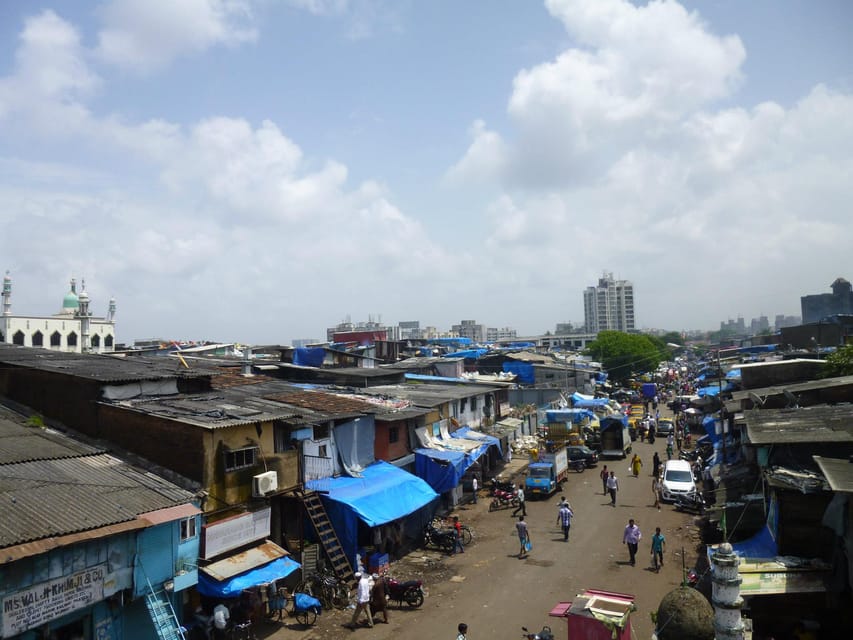
A camera-free walk through Mumbai’s heart. This 2-hour tour through Dharavi is a real-world study of how people build systems, jobs, and community in tight spaces, guided by locals like Dinesh who grew up there. You’ll move through narrow alleyways and hear how daily life works in a place home to roughly 700,000 to a million people.
I especially like two things: first, the focus on work—recycling, crafts, and food production—so you leave with practical examples of ingenuity. Second, you get the Slumdog Millionaire film connection without turning the neighborhood into a theme park, including a stop at a dwelling used for filming.
One thing to plan for: this is a no-camera experience with strict limits on photos, and you’ll need to dress modestly.
In This Review
- Key highlights worth knowing
- Two Hours in Dharavi: What This Walk Really Shows
- Meeting at Café Coffee Day and Starting on the Right Foot
- Narrow Alleys, Community Energy, and Why the Stereotype Breaks Down
- The Trades You’ll See: Recycling, Dye Production, Leather, Pottery, Papadums
- The Slumdog Millionaire Filming Stops: Fame as a Side Story
- Schools, Churches, and Soap-Making: Daily Life Beyond the Alley
- Who Is This Tour Best For (and Who Might Want to Skip It)
- Rules That Shape the Experience: Modest Dress and No Cameras
- Price and Value: Is $65 for Two Hours Reasonable?
- What Happens After: Finishing at Mahim Junction
- Should You Book This Dharavi Walking Tour?
Key highlights worth knowing
- Small group (up to 10) keeps questions possible and the walk from feeling rushed
- Guide Dinesh brings first-hand context on trades, daily routines, and neighborhood life
- Hands-on trades you can see firsthand, from recycling to papadum baking and soap-making
- Film stop in Dharavi ties the story to what you’re seeing on the ground
- Schools and churches show you what residents use every day, not just what outsiders imagine
- Finish at Mahim Junction makes it easier to continue your day with less hassle
Two Hours in Dharavi: What This Walk Really Shows
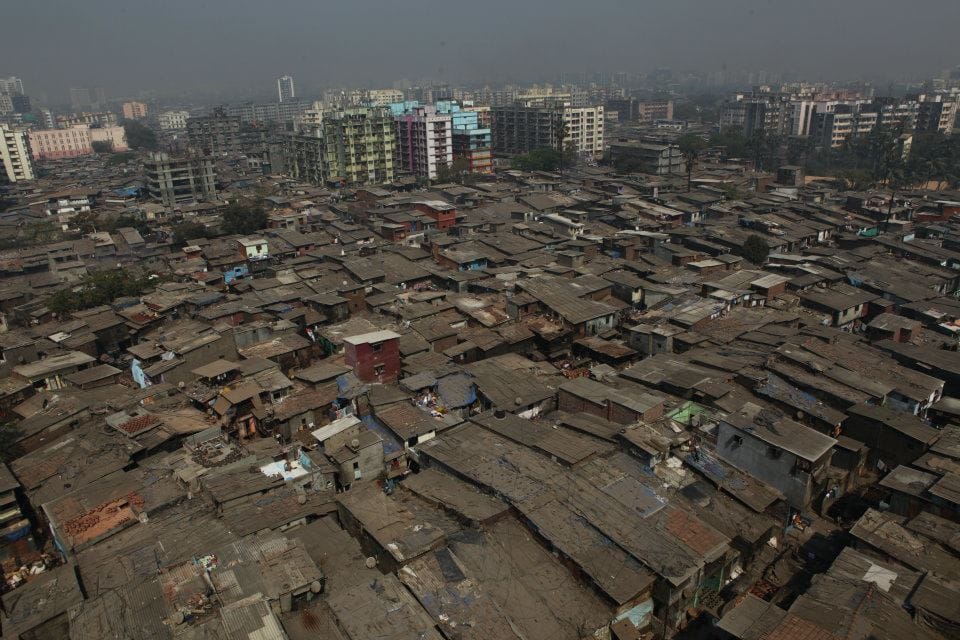
Dharavi has a reputation that’s usually told from far away. This tour keeps you close to what actually happens there: people working, selling, learning, praying, and building community in a dense urban “mini-city.”
You’ll walk at an honest pace. It’s not a museum. It’s a neighborhood where the alleys are narrow enough that you feel the city scale with your own body. That’s the point. You’ll come away with a different mental picture of what “hard” can look like—how people solve problems with the tools they have.
And yes, you’ll hear about the neighborhood’s world-famous moment thanks to the 2008 hit film. But the film connection is only one thread. The main story is how Dharavi runs: through trades, reuse, small workshops, and daily routines that keep things moving.
You can also read our reviews of more walking tours in Mumbai



Meeting at Café Coffee Day and Starting on the Right Foot
Your tour begins at Café Coffee Day opposite Mahim Railway Station on Tulsi Pipe Road. This matters more than you might think. A well-chosen meeting point helps you avoid the common Mumbai problem of showing up, being late, and then losing the group in a busy transit area.
You should also expect a quick “get oriented” moment once you meet your guide. Your guide will be wearing a purple shirt with a footprint logo, which makes it easier to spot them fast.
This is a two-hour walk, so treat it like a warm-up for understanding the neighborhood rather than a long sightseeing day. Wear shoes you can trust for uneven ground and tight turns. The tour is hands-on in the literal sense—you’ll be moving through real lanes where comfort matters.
Narrow Alleys, Community Energy, and Why the Stereotype Breaks Down
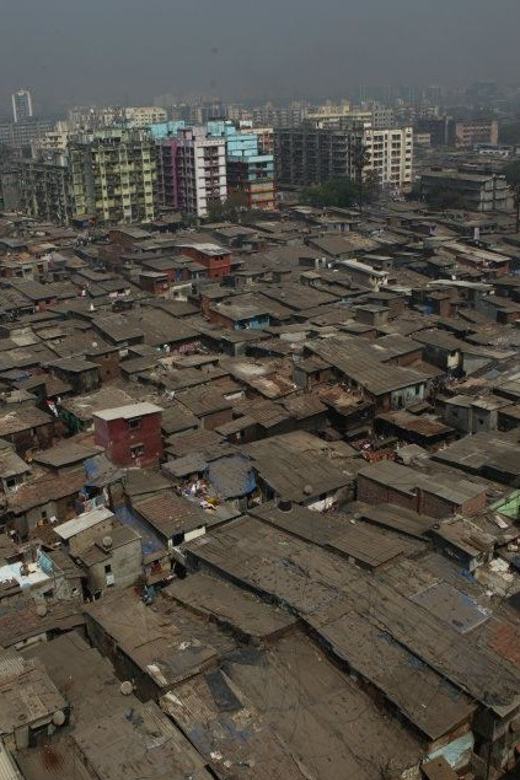
The core of this experience is how the neighborhood feels when you’re not reducing it to headlines. Dharavi can be described in numbers, but that’s not what you remember after the walk. You remember how people look out for one another, how routines repeat, and how work is threaded into everyday life.
One important thing to know ahead of time: this walk isn’t built around showcasing extreme misery. Instead, it focuses on how ingenuity and daily systems operate with simple means—plus how the community spirit still exists even amid density.
That shift changes the tone of the entire experience. You’ll spend less time thinking what the neighborhood lacks, and more time noticing what residents have organized, improved, and kept working.
The Trades You’ll See: Recycling, Dye Production, Leather, Pottery, Papadums

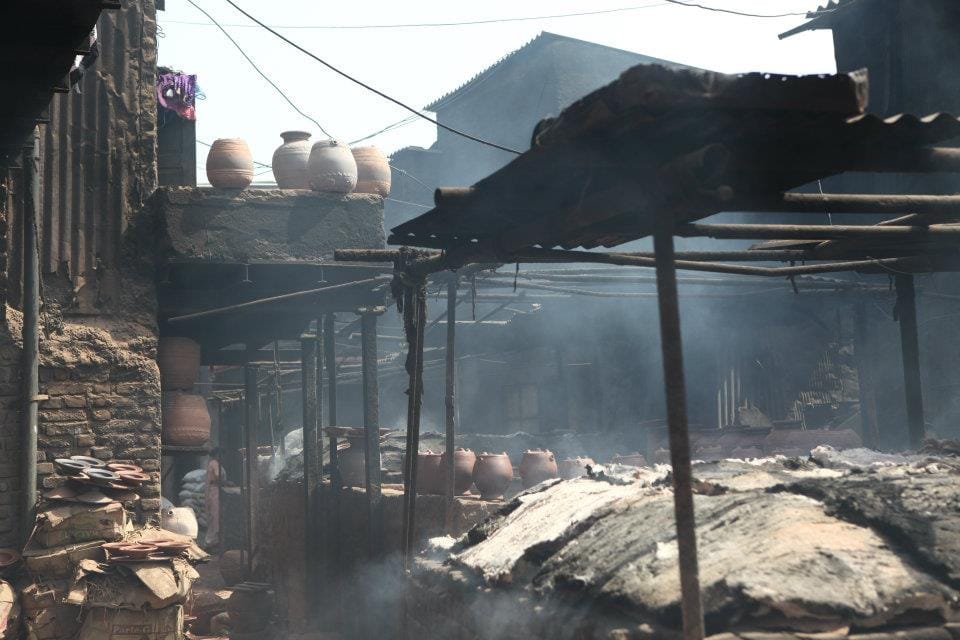
This is where the tour earns its keep. You’ll see a wide range of activities tied to real local work. The goal isn’t just to list industries—it’s to show you that Dharavi isn’t one thing. It’s many communities and many skills working side by side.
Expect stops that highlight:
- recycling linked to vegetable oil cans and related reuse processes
- dye production activities
- a plastic recycling center
- leather works
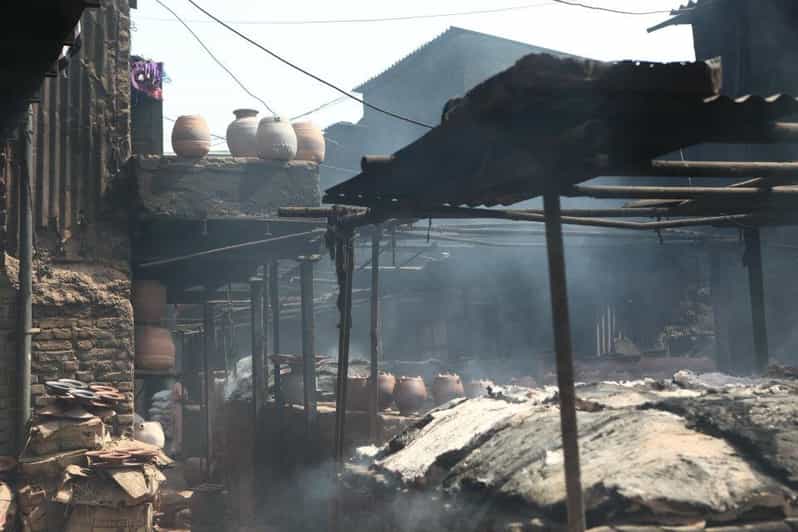
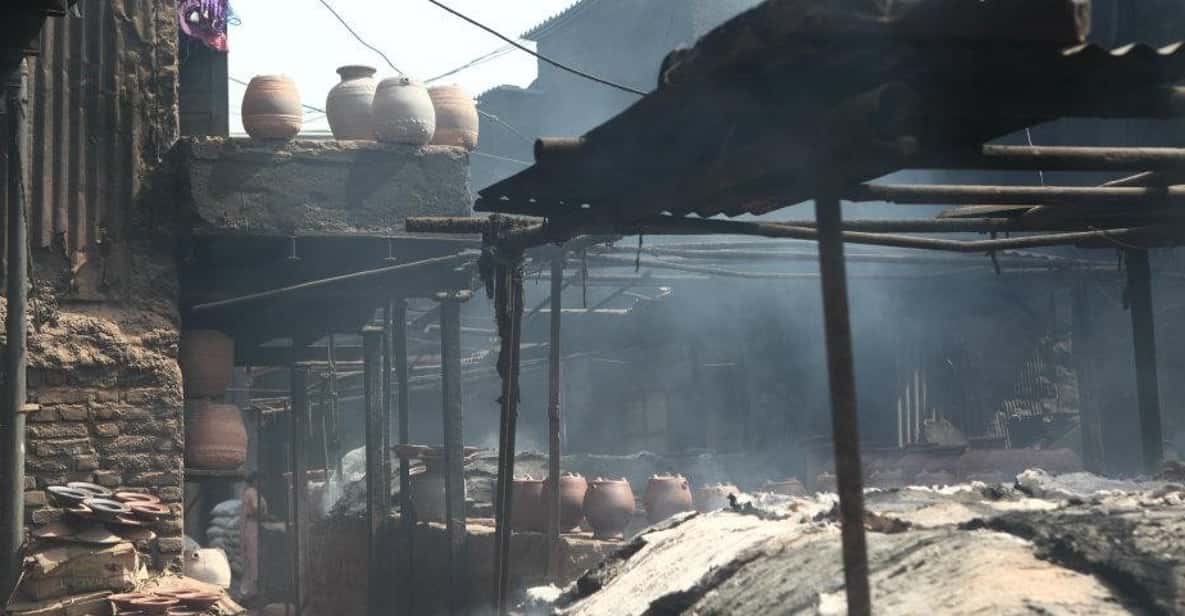
- pottery workshops
- places where papadums are baked (a small food step that connects you to the daily rhythm of eating)
The value for you is pattern recognition. After you see a few trades, your brain starts connecting dots: materials flow in, products come out, and waste becomes raw material again. You start understanding Dharavi less as a single “slum” label and more as a layered set of workplaces.
Also, the tour helps you notice how skills are preserved. Workshops and crafts are not just jobs—they’re social infrastructure.
The Slumdog Millionaire Filming Stops: Fame as a Side Story
Dharavi became world-famous through the 2008 film Slumdog Millionaire. On this walk, you’ll see the film connection directly, including a stop at a dwelling where scenes were filmed.
What I like about doing this with a guide is that the film connection doesn’t float around as trivia. It’s tied to what you’re walking through now—what the streets look like, where people live, and how the neighborhood’s layout shapes everyday movement.
This is especially useful if you’ve seen the movie but never thought about what it meant on the ground. You’ll come away with a less simplistic view: media fame doesn’t erase local life. If anything, it can amplify curiosity. Your guide helps you use that curiosity to learn what matters locally.


Schools, Churches, and Soap-Making: Daily Life Beyond the Alley
Dharavi isn’t just workshops and lanes. You’ll also pass places that reflect everyday needs—schools and churches used by residents, plus spots connected to practical production like soap-making.
These stops do two things for you:
- They show that basic services exist right inside the neighborhood fabric.
- They remind you that community life includes faith, education, and health-related work, not only trade and transport.
It can be tempting to look at Dharavi like it’s only an economic machine. The tour pushes back on that idea. When you see where people learn and gather, you start understanding the neighborhood as a whole system of life.
And if you’re the kind of person who wonders how communities function under pressure, you’ll appreciate the way the walk frames these places as necessary, not exceptional.
Who Is This Tour Best For (and Who Might Want to Skip It)
This tour is a good match if you want:
- a guided, question-friendly walk in English
- to understand trades like recycling and food production from the inside
- an experience that goes beyond stereotypes
It’s also a strong option if you like learning from someone with deep local ties. One review mentions guide Dinesh and the fact that he grew up in the slum, which is the kind of background that changes how information lands. You’ll ask more questions because the answers feel grounded.
It may be less suitable if:
- you need wheelchair access (it’s not suitable for wheelchair users)
- you expect a photo-heavy experience (photos are strictly prohibited, and cameras are not allowed)
- you prefer ultra-comfortable, low-walking options (it’s a real walk through tight lanes)
If you do come, come prepared to be respectful. This tour asks for modest dress and focus on seeing rather than shooting.
Rules That Shape the Experience: Modest Dress and No Cameras
This walk has clear rules, and they shape the feel of the neighborhood as much as the guide does.
You should know:
- Cameras are not allowed
- short skirts are not allowed
- dress modestly
- bring a water bottle
- bring a hat or cap
- wear comfortable shoes
It’s also worth remembering this: a tour where photos are off-limits tends to feel more like a conversation than a content shoot. You’ll pay closer attention to what’s in front of you, and you won’t get stuck trying to frame the perfect shot in a moving crowd.
Your guide will set expectations as you go, including guidance about when and how to behave in shared spaces.
Price and Value: Is $65 for Two Hours Reasonable?
At $65 per person for a 2-hour small-group walk, you’re paying for a local guide plus structured access to places you might not understand on your own.
Here’s what makes the price feel justified (or at least fair) based on what you’ll do:
- a small group of up to 10 people means more time for questions
- the guide experience is the product: you’re not just walking through lanes, you’re learning how trades, community spaces, and daily systems work
- you get transportation on request, which can be useful after you finish near Mahim Junction
Two hours isn’t long, but it’s long enough to see multiple trades and community spaces if the guide keeps you moving and interpreting what you’re seeing.
If you prefer self-guided wandering only, you might feel the cost. If you want context and perspective from someone who knows the neighborhood deeply, this price starts to look like a good deal.
What Happens After: Finishing at Mahim Junction
The tour ends at Mahim Junction. That’s a practical choice. It helps you avoid the “where do we go now?” scramble in the middle of a working neighborhood.
If you’re continuing your day, you’ll usually find it easier to connect from there. And because transportation is included on request, you can ask for help moving on rather than guessing your route in a busy area.
One of the small wins mentioned in feedback is that the guide team can help with getting food plans sorted and calling a ride. That kind of on-the-ground assistance is more valuable than it sounds when you’re out walking and learning.
Should You Book This Dharavi Walking Tour?
I’d recommend booking if your goal is to understand Dharavi as a working neighborhood, not as a simplified headline. You’ll get a small-group walk led in English, structured stops tied to real trades, and a film connection that stays grounded in what you’re seeing.
I’d skip it if:
- you strongly want photos during the visit (this tour is strictly no-photo)
- you need wheelchair access
- you want a long, sit-down museum-style experience rather than a walking street tour
If you come prepared—comfortable shoes, water, hat/cap, modest clothing, and no camera—you’ll get a focused two hours that helps you rethink what you think you know about urban life.