REVIEW · NEW DELHI
Delhi: Private Old & New Delhi Half or Full-Day Tour
Book on GetYourGuide →Operated by India Holiday Planners · Bookable on GetYourGuide
Delhi can hit fast. This private tour gives you a clear route through the old city chaos and New Delhi’s grand monuments with an AC car and a licensed guide who explains what you’re seeing. You’ll also get practical time-saving touches like guided site visits and skip-the-line access via a separate entrance, so you spend less time stuck and more time looking.
I really like the way the day mixes big, famous UNESCO stops with everyday Delhi—think Jama Masjid and Chandni Chowk next to quieter moments at Raj Ghat. I also like that the tour is flexible, with half-day or full-day pacing and an all-inclusive option that can bundle entry tickets, lunch, and a rickshaw ride. One possible drawback: some versions include market stops (spice/cashmere-type shopping), and those can feel sales-heavy, so decide in advance if you want shopping—or if you want your guide to skip it.
In This Review
- Quick hits before you go
- Why this private route makes sense in Delhi
- Getting picked up: the part that quietly determines comfort
- Jama Masjid and Chandni Chowk: where Delhi becomes real
- Khari Baoli and market time: useful flavor, plus a shopping warning
- Raj Ghat to India Gate: the quieter half of the story
- Humayun’s Tomb and Qutub Minar: UNESCO stops that reward patience
- New Delhi’s grand landmarks: big views, smaller time blocks
- Lunch, rickshaw rides, and the comfort trade-offs
- Price and value: how $14 can work (and when it might not)
- Planning details that actually matter on the ground
- Should you book this Old & New Delhi tour?
- FAQ
- What’s the duration of the Delhi Old & New Delhi tour?
- Is pickup and drop-off included?
- Do I get a private guide and car?
- Which UNESCO sites are included?
- Are entry tickets included?
- Is lunch included?
- Is the rickshaw ride included?
- What happens if I start the tour after 11:00 AM?
- Are there special changes on Mondays?
- What should I bring and what can’t I bring?
Quick hits before you go

- Old Delhi plus New Delhi in one plan: You get sacred sites, street markets, and official landmarks without jumping between taxis.
- UNESCO in the spotlight: Qutub Minar and Humayun’s Tomb are major anchors of the route.
- Guided time at the right stops: Expect real explanation, not just photo stops.
- AC car, private group pacing: Vehicle size matches your group (sedan for 1–2, wagon for 3–5, van for 6–10).
- Route changes based on timing and the day: Monday swaps and a late-start variant keep you moving.
Why this private route makes sense in Delhi
Delhi is two cities living side-by-side. Old Delhi feels like a living marketplace—narrow lanes, loud voices, constant motion—while New Delhi reads like a planned capital with wide avenues and monumental architecture. Doing both on your own can turn into a game of “where are we exactly?” and “how do we cross this traffic?”
This private tour keeps you out of that stress bubble. You’re in a car with a driver, and you have a licensed guide at sites, which matters because the meaning of what you’re seeing changes depending on era, religion, and even small layout details. When a guide is sharp (names like Gurvinder, Bobby, Gourav, and Yag Sharma show up in recent reports), the day speeds up in the best way: you start recognizing patterns instead of just collecting buildings.
The pacing is also adjustable. You can choose a shorter half-day or a full-day plan that covers more ground, and you can customize where it makes sense. If you’re the type who likes structure but still wants control, this setup fits.
You can also read our reviews of more private tours in New Delhi



Getting picked up: the part that quietly determines comfort
One of the strongest practical points here is pickup and drop-off coverage. You can start from many areas across Delhi and the surrounding region, including places like Connaught Place, Paharganj, Aerocity, and several Noida/Gurugram/Ghaziabad/Faridabad zones. That saves you from wasting your limited sightseeing hours assembling transport.
You’ll also get bottled water during the tour, which you’ll appreciate because the day’s mix of sun, walking, and crowded lanes can be tiring fast. The vehicle is private, so you don’t have to coordinate with strangers when you need a bathroom stop or when lanes get tight.
If you’re arriving by air and want airport pickup, you meet the driver at Delhi Airport Terminal 3, Exit Gate 4. That’s helpful if you’re landing in a new city and don’t want to figure out the exit labyrinth at the end of a travel day.
Jama Masjid and Chandni Chowk: where Delhi becomes real
Old Delhi starts with Jama Masjid, one of the city’s most important mosques. Expect a guided visit that takes around two hours. What makes this stop work is that it’s not just architecture. Your guide can connect the mosque to the rhythm of the surrounding neighborhood, so you understand why people are coming here and how the space shapes street life.
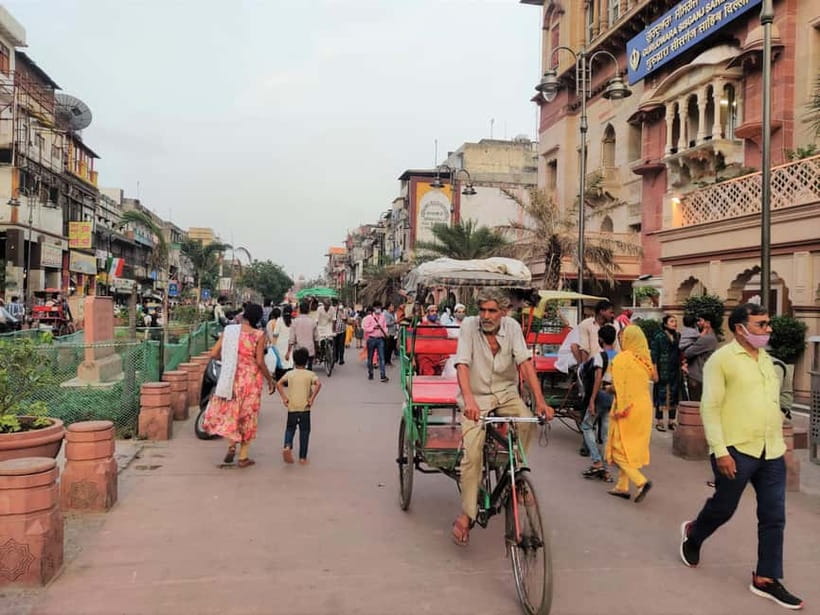
Then you head toward Chandni Chowk, a famous market stretch that moves at its own pace. Your guided time here is roughly 45 minutes. That’s long enough to get a feel for the place, but short enough that you still have energy for the rest of the plan.
One important reality check: these Old Delhi lanes can get crowded and chaotic. If you’re worried about being jostled, you can plan to keep your rickshaw ride optional and only do it if you feel comfortable. You’ll still get the street atmosphere without forcing yourself into the most intense traffic moments.
Khari Baoli and market time: useful flavor, plus a shopping warning
After Jama Masjid and Chandni Chowk, the route commonly includes Khari Baoli, known for its spice trade. The guided time there is about an hour, which gives you time to see how goods are displayed and how the trade works. For many visitors, this is the moment when Delhi’s economy stops being abstract and becomes hands-on: you can smell the spices, see the scale of trade, and understand what you’re looking at beyond packaging.
Here’s the balanced part: several recent reports mention extra market stops and sales pressure, including visits framed as spice shopping or even a cashmere market stop. If you don’t want that, tell your guide early. If you do want to buy, go in with your guard up on pricing. Ask questions, compare if you can, and don’t feel pressured to buy just because you’re tired.
Also pay attention to tips. One report describes being nudged to tip at multiple stops. The tour data doesn’t spell out tipping rules, so don’t assume. But do know that in markets, guides and drivers may try to increase the sense of service-based upsells. You can stay polite and still be firm.
Raj Ghat to India Gate: the quieter half of the story
Then the day shifts gears. Raj Ghat is a short, guided visit (around 30 minutes) that slows you down. It’s a place of remembrance, and it works best when you’re not rushing through it like a museum checkpoint. You’ll likely appreciate the contrast after Old Delhi’s noise.
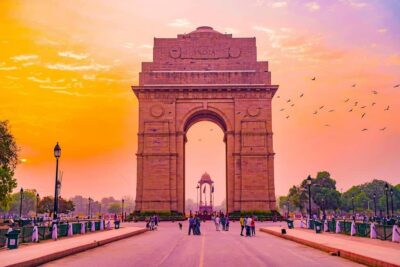
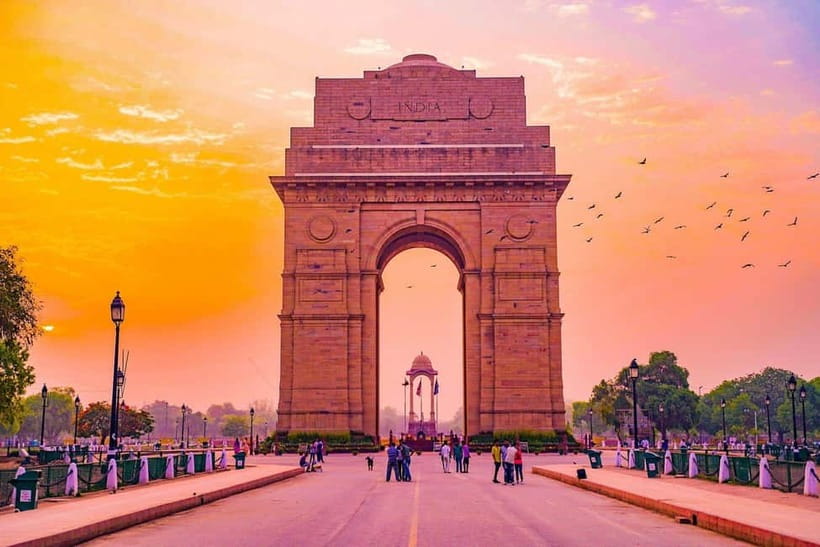
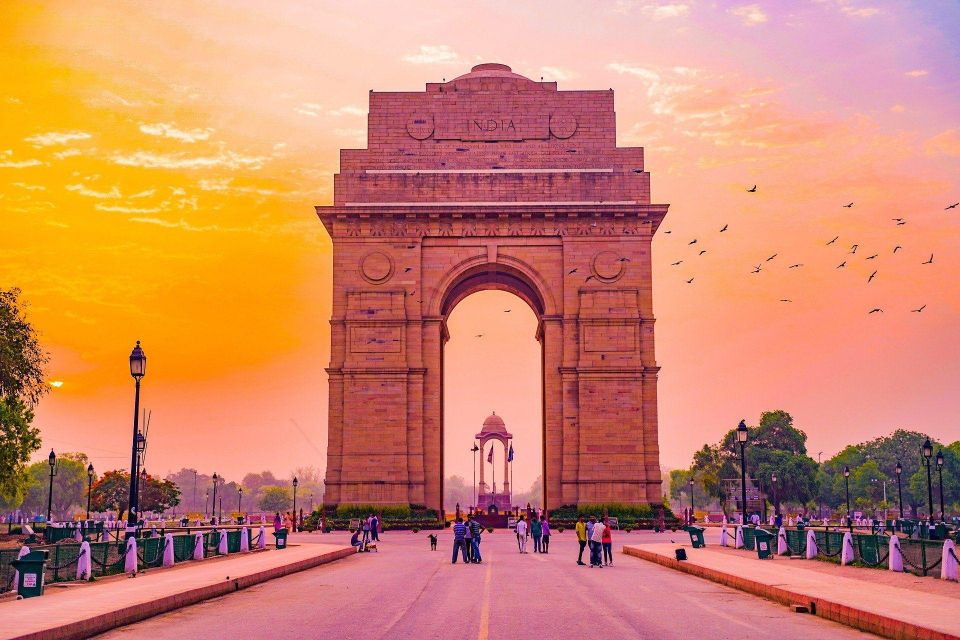
Next is India Gate, with a quick guided stop (around 15 minutes). It’s a “see it in person” monument—bigger than photos, especially when you understand what it represents in the city. But because the time is short, it’s best to use the guide’s explanation to orient you quickly. You don’t need to memorize every detail; you just need the story to make the stones feel intentional.
You can also read our reviews of more tours and experiences in New Delhi




Humayun’s Tomb and Qutub Minar: UNESCO stops that reward patience
If you pick only one “must focus” category on this tour, it’s the UNESCO pair: Humayun’s Tomb and Qutub Minar.
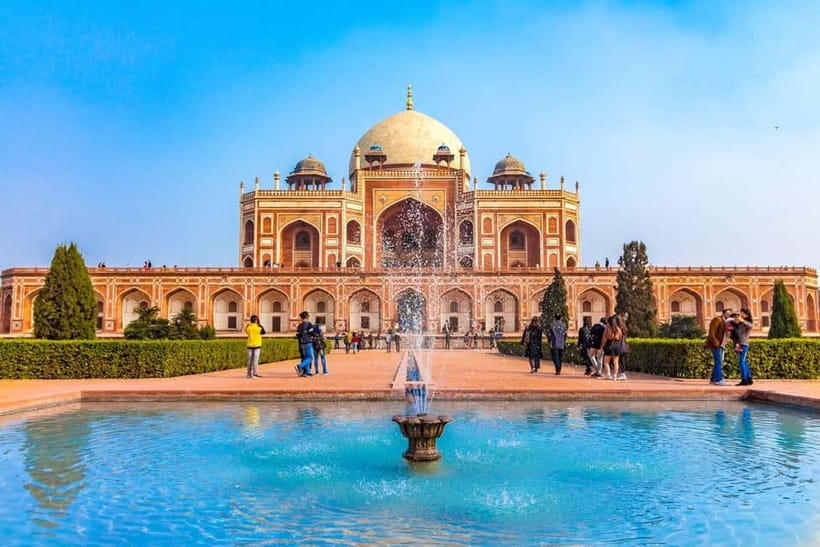
Humayun’s Tomb usually gets about an hour with a guide. It’s one of those sites where the layout matters: gardens, symmetry, and the relationship between structures. Your guide’s role here is huge, because this isn’t just one building—it’s a whole design idea. Even if you’re not a serious architecture person, the place tends to click once you know what to look for.
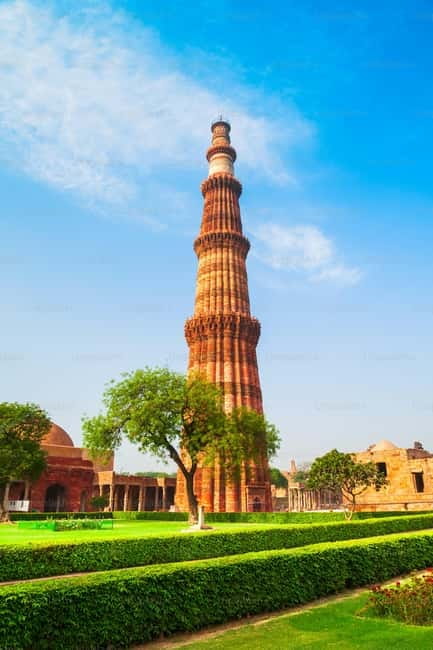
Qutub Minar is the other anchor. Your total time can vary depending on your chosen route and day conditions, but you’ll still want to set expectations for a bit of walking and standing in the sun. Also, note that some monuments may close on Fridays or public holidays, so if a specific UNESCO focus is your priority, ask your operator before you finalize plans.
What I like most about pairing these two UNESCO stops is that they feel different even though they’re both UNESCO-level. One helps you understand Mughal-era influence, and the other shows a different chapter of Delhi’s monumental building tradition.
New Delhi’s grand landmarks: big views, smaller time blocks

In New Delhi you’ll pass and sometimes stop at official landmarks. India Gate and Rashtrapati Bhavan are part of the route, with Rashtrapati Bhavan typically passed by in this tour format. If you’re short on time, that pass-by makes sense: you get the visual impact without trying to squeeze in a long visit that might not fit the day’s schedule.
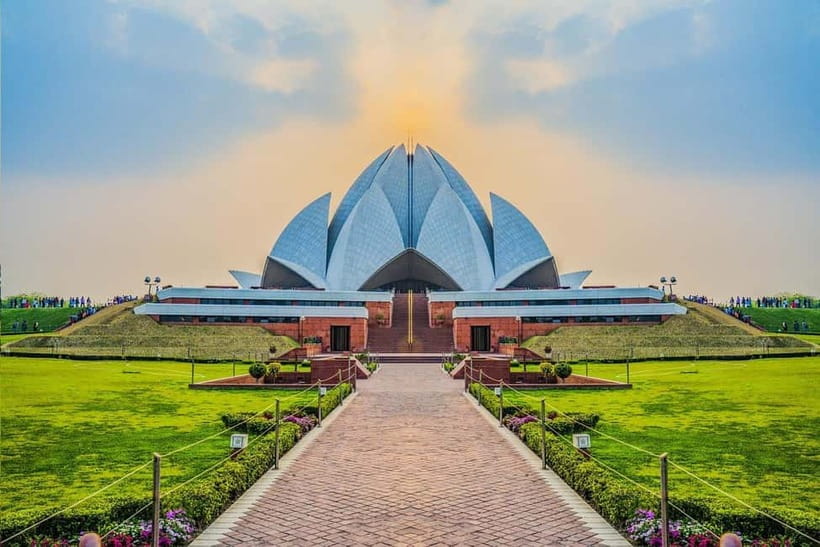
Depending on your timing, you can also see or focus on other capital landmarks like Parliament House and sometimes additional sites such as Lotus Temple (when the schedule allows). If you start after 11:00 AM, the plan may focus on New Delhi sites only, including India Gate, Parliament House, Humayun’s Tomb, Qutub Minar, and Lotus Temple. That’s a good option if you prefer monuments over market chaos.
One more scheduling note: on Mondays, when the Red Fort and Lotus Temple are closed, the route swaps in Gurudwara Bangla Sahib instead. If your week includes Monday, don’t assume the route stays identical.
Lunch, rickshaw rides, and the comfort trade-offs

If you choose the all-inclusive option, you can get lunch included as well as entry tickets and a rickshaw ride. The value here is that you avoid adding these costs later and you reduce decision fatigue mid-day. Delhi days can run hot and busy, and it’s nice when your main needs are already handled.
If you don’t choose the all-inclusive plan, you may still get guided visits, but you’ll want to budget separately for entry tickets and any lunch you want during the tour. The tour description also lists that entry tickets and lunch are included only in the all-inclusive package, so check that before you assume.
About the rickshaw ride: it’s most tied to Old Delhi’s street texture. If lanes are crowded, a short ride can be fun and memorable. If you’re uncomfortable in dense traffic, keep it optional. One practical approach: do the ride only when your guide times it for a calmer stretch.
Price and value: how $14 can work (and when it might not)

At $14 per person, this tour is priced like a budget-friendly way to cover a lot of Delhi with minimal hassle. The private car plus licensed guide is usually the costly part in cities like this, so the low starting price can feel like a bargain.
But here’s the balanced way to judge value:
- If you choose all-inclusive, you’re also paying for entry tickets, lunch, and the rickshaw ride. That’s where the price can feel most “complete.”
- If you choose a non-all-inclusive option, you’ll likely spend extra during the day on tickets and food. The tour still covers major sights, but it becomes more of a transport-and-guide package than a full cost bundle.
- If the route includes market stops with shopping pressure, your personal spending may rise. That doesn’t mean the tour is bad value—it means your final cost depends on your shopping choices.
So, if your goal is “see the highlights with a guide and keep my expenses predictable,” the all-inclusive option usually fits better. If your goal is “I just want the sights and I’m fine handling tickets and lunch myself,” the base price can still be excellent.
Planning details that actually matter on the ground
A few practical reminders from the tour info can save you stress:
- Dress modestly for places of worship. Shoulders and knees should be covered.
- Bring a sun hat and sunscreen. Delhi’s sun can be relentless even when the air feels manageable.
- Sunglasses help, especially for monument courtyards and bright open areas.
- You’ll need a passport.
- Don’t bring pets or large bags. Large luggage isn’t allowed on this tour.
- Some religious entrances may require shoe removal. I’d plan for it by having clean socks ready, and if you’re unsure, ask your guide ahead so you don’t get caught off guard.
One more “know before you go” item: if you start after 11:00 AM, your plan may narrow to New Delhi sites. That can be great for monument lovers, but it means less of Old Delhi energy.
Should you book this Old & New Delhi tour?
You should book this tour if you want:
- A private guide so you understand the sites instead of just walking past them.
- A day that combines Old Delhi markets and New Delhi landmarks without the logistics headache.
- A flexible format that can be half-day or full-day, depending on how much you can handle.
Skip or modify it if:
- You strongly dislike shopping stops or you want zero chance of sales pressure. In that case, message your operator to avoid market add-ons and market persuasion.
- You prefer lots of downtime. This is a sightseeing-heavy plan with short guided stops in several places, so you’ll be moving and following directions.
My practical advice: book it, but go in with a clear plan. Decide whether you’re okay with market time, and if not, ask for a route that keeps the focus on monuments and neighborhoods.
FAQ
What’s the duration of the Delhi Old & New Delhi tour?
The tour runs for 4 to 8 hours, depending on the option and starting time.
Is pickup and drop-off included?
Yes. Pickup and drop-off are included from select locations in Delhi, Noida, Gurugram, Ghaziabad, and Faridabad, plus airport pickup is available at Delhi Airport Terminal 3 Exit Gate 4.
Do I get a private guide and car?
Yes. You get a private, licensed tour guide at the sites and a private air-conditioned car with a driver.
Which UNESCO sites are included?
The tour includes UNESCO World Heritage sites such as Qutub Minar and Humayun’s Tomb.
Are entry tickets included?
Entry tickets are included only in the All-Inclusive package.
Is lunch included?
Lunch is included only in the All-Inclusive package.
Is the rickshaw ride included?
The rickshaw ride is included only in the All-Inclusive package, and it can be optional since Old Delhi lanes can be crowded.
What happens if I start the tour after 11:00 AM?
If you start after 11:00 AM, the tour may focus on New Delhi sites such as India Gate, Parliament House, Humayun’s Tomb, Qutub Minar, and Lotus Temple.
Are there special changes on Mondays?
Yes. On Mondays, since the Red Fort and Lotus Temple are closed, the tour will include Gurudwara Bangla Sahib instead.
What should I bring and what can’t I bring?
Bring your passport, sunglasses, sun hat, and sunscreen. Pets are not allowed, and luggage or large bags are not allowed.