REVIEW · NEW DELHI
Delhi Slum Walking Tour
Book on GetYourGuide →Operated by Mumbai Dream Tours · Bookable on GetYourGuide
Slum life runs on small businesses. This Delhi slum walking tour is interesting because it focuses on how everyday work actually supports families, from small residences to business streets, with trains passing overhead every ten minutes. I especially like the chance to see the chicken market and the chapati production work where thousands of flatbreads get made each day.
You also get a human touch at the end. You’ll finish with chai and a chance to share impressions with your guide and group, and one review highlighted that the experience felt respectful and educational, with locals comfortable. The main drawback to consider is schedule risk: one verified booking reported the tour being cancelled at the meeting point, so it’s smart to re-check your confirmation before you head out.
In This Review
- Key highlights you’ll actually notice
- Starting at Moti Nagar metro station: easy to find, easy to return
- How a guide turns everyday work into real understanding
- Small industries and residences: what you should look for
- Chicken market walk: where income keeps moving
- The chapati factory stop: seeing 8,000+ chapatis a day
- Trains every ten minutes: the sound of the neighborhood
- Chai at the end: turning impressions into conversation
- Price and value: what $13 covers in practice
- Group size, timing, and pace: a realistic two hours
- How to get the most out of it (and stay respectful)
- Who should book this Delhi slum walking tour
- Should you book the Delhi Slum Walking Tour?
- FAQ
- Where does the tour start and end?
- How long is the Delhi slum walking tour?
- What does it cost?
- Is the guide English-speaking?
- What’s included during the tour?
- Is food included?
- How big is the group?
- Is there an option for free cancellation or flexible booking?
- Can I check starting times before booking?
Key highlights you’ll actually notice

- Small group (up to 10) means you’re less likely to feel like a number in a dense area
- Meet and return at Moti Nagar metro station, so logistics stay simple
- Chicken market walk where many residents earn their living
- Chapati factory stop tied to production of over 8,000 chapatis a day
- Trains passing every ten minutes adds a real sense of place and soundscape
- Chai included, plus guided conversation to help you process what you’re seeing
Starting at Moti Nagar metro station: easy to find, easy to return
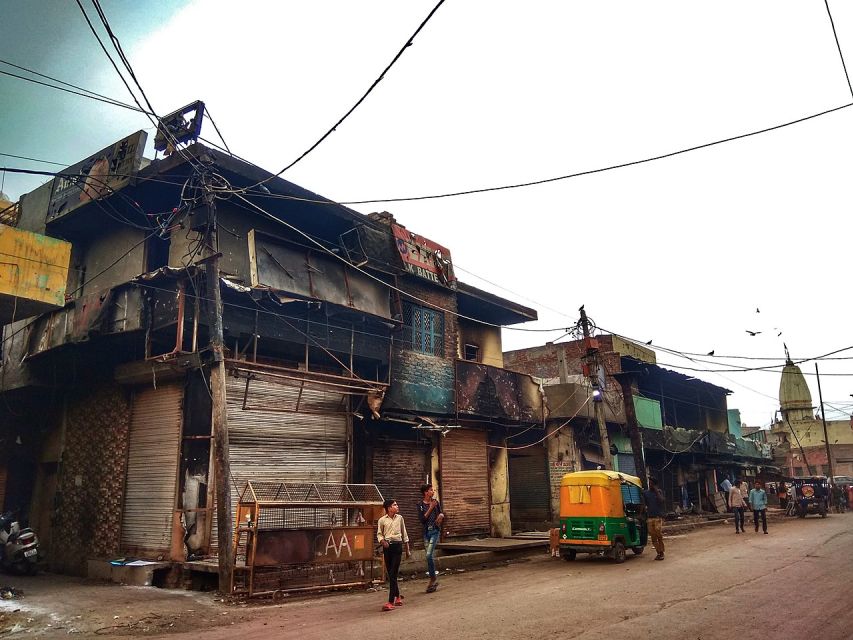
The tour starts and ends at Moti Nagar metro station, which is one of the best things about it for first-timers. You don’t have to negotiate a “where exactly?” meeting spot deep in the neighborhood, then hope you’ll find your way back.
Expect some local transit during the tour, because the experience includes local transportation. Practically, that means you can stay focused on the stops (industries, market, chapati factory) instead of spending the two hours figuring out routes.
You can also read our reviews of more walking tours in New Delhi



How a guide turns everyday work into real understanding

This is a guided walk designed to show everyday life in one of the largest slum areas in Asia, with an emphasis on normal routines rather than staged scenes. You’ll move through small-scale industries and small residences, which is where the story becomes less abstract and more practical.
I like this approach because it teaches you how local economies function at street level. Instead of only seeing buildings, you’re also seeing roles: who works, what gets sold, and how daily tasks keep things running.
Small industries and residences: what you should look for

During this part of the walk, focus on the “in-between” details: the work spaces, shared systems, and how daily life and commerce overlap. The tour is built around the idea that these small industries aren’t side notes; they’re the backbone of many livelihoods.
You might also notice how the area feels lived-in even as you pass through it. The value here is perspective. You’ll likely finish thinking more in terms of work, not stereotypes.
Chicken market walk: where income keeps moving
One of the clearest highlights is the walk through the chicken market, described as a major source of income for residents. That matters, because you’re not only looking at goods; you’re watching a job network in action.
As you walk through the market, keep an eye on the flow of work: how activity moves from one task to the next. You may also hear and feel the area’s tempo, especially with trains passing nearby every ten minutes.
A quick practical note: markets can be tight and busy. Wear shoes that handle uneven pavement and any crowding, because comfort makes it easier to stay respectful and attentive.
The chapati factory stop: seeing 8,000+ chapatis a day
Next comes a chapati factory where more than 8,000 chapatis are delivered each day. That number isn’t there for trivia value. It’s a clue to scale—this isn’t occasional cooking, it’s consistent production that supports daily meals across the community.
What makes this stop especially useful is that it turns “food” into “systems.” You’ll see how repetitive work becomes reliable output, and you’ll get a sense of how demand turns into jobs, deliveries, and schedules.
If you’re the type who likes to understand how things are made, this is the part that usually clicks fastest. It also helps you connect the earlier market walk to the later factory reality: goods move through people and processes, not magic.






Trains every ten minutes: the sound of the neighborhood
A detail that can easily get overlooked in descriptions is the fact that trains pass every ten minutes as you explore. That means you’re experiencing the area as it truly functions in the city—traffic, movement, and industry all sharing the same space.
Why this matters: it keeps the tour from feeling like a museum-style lesson. You’re learning in real time, with real noise and real motion, which makes the experience feel more grounded.
Chai at the end: turning impressions into conversation

The tour finishes with a cup of chai tea, and you’ll share your impressions with your guide and group. I like this structure because it gives you a place to process what you’ve just seen before you head back into your normal routine.
Even if you’re not a talkative person, the chai stop usually works well because it lowers the pressure. You can ask what you didn’t understand, or simply listen to how others interpret the same scenes.
It also matches what one positive review emphasized: the tour felt respectful and educational, not intrusive. Conversation helps keep the focus on understanding, not gawking.
Price and value: what $13 covers in practice

At about $13 per person for a two-hour walking tour, this is priced like an accessible local-experience activity. The math works out better than it looks on paper because the tour includes an English-speaking local guide, chai during the tour, and local transportation, not just a walk.
You’re also getting a small group limited to 10 participants. In crowded neighborhoods, that detail changes the whole experience. Smaller groups can mean less congestion around people’s working spaces and more time to ask questions.
One value consideration: you’re not paying for a meal beyond the chai. Since food and drinks aren’t included, plan accordingly if you’ll be hungry afterward.
Group size, timing, and pace: a realistic two hours
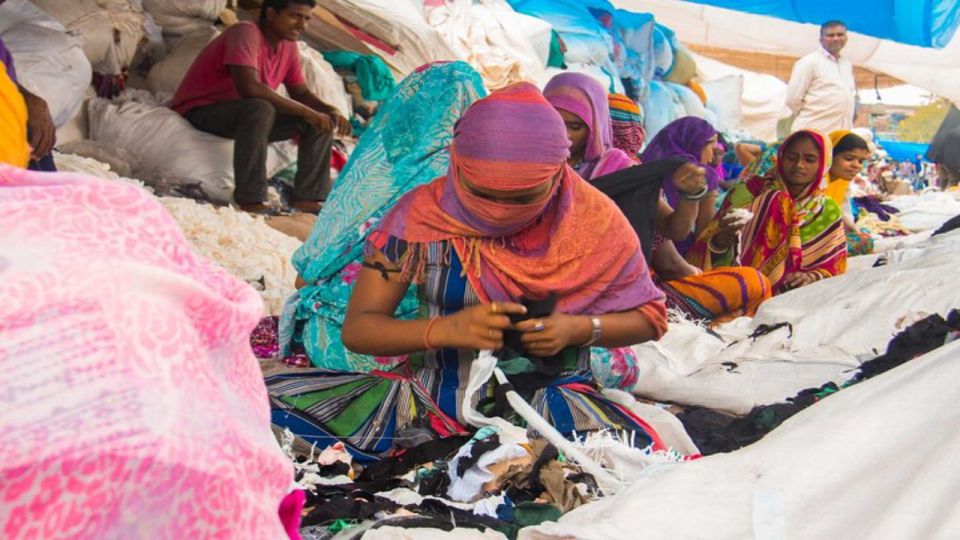
The duration is 2 hours, and the schedule includes walking plus visits to the market and chapati factory. That’s long enough to learn and observe, but short enough that you’re not committing an entire day.
With a small group, you’ll likely move at a guide-led pace rather than sprinting from one photo spot to another. It’s a street walk, though, so bring the mindset that you’re there to watch daily work, not to “scan for views.”
Also, starting at metro and returning there keeps the plan tidy. You’ll avoid the classic travel headache of guessing how to get back after a tour.
How to get the most out of it (and stay respectful)
Because this is a working neighborhood with small businesses and residences, the best way to enjoy it is to follow your guide’s lead and stay aware of space. The positive feedback you’ll hear about this tour centers on it being done respectfully, and you’ll contribute to that by staying calm, quiet when needed, and attentive to instructions.
A simple formula works well:
- listen first, ask second
- keep your movements considerate
- treat the stop points as workplaces, not attractions
If you go in expecting to observe daily life with care, you’ll get more out of the chicken market and chapati factory visits, and the chai conversation will feel more meaningful.
Who should book this Delhi slum walking tour
This tour is a good fit if you want an up-close look at how livelihoods work in a dense urban setting, and you like guided explanations. It’s also ideal if you prefer smaller groups and a clear structure: market, factory, then chai.
You might want a different style of activity if you’re looking for a classic sightseeing route or if you’re uncomfortable around busy market conditions. Also, keep in mind the mixed overall rating: one verified booking noted a cancellation at the meeting point, so check your confirmation close to departure.
Should you book the Delhi Slum Walking Tour?
Yes, if you want a short, structured experience that connects daily work to real people through a local English guide, a chicken market walk, a chapati factory visit, and chai at the end. The $13 price feels fair because you’re not just walking—you’re getting guided context plus included local transit.
I’d book with one practical caveat: confirm your status before you leave for the meeting point, given the report of a cancelled start. If everything checks out, this tour is a thoughtful way to learn how everyday industry supports life in New Delhi.
FAQ
Where does the tour start and end?
The tour starts at Moti Nagar metro station and returns to the same place.
How long is the Delhi slum walking tour?
It lasts 2 hours.
What does it cost?
The price is $13 per person.
Is the guide English-speaking?
Yes. The tour includes an English-speaking local guide.
What’s included during the tour?
Included items are the local guide, chai during the tour, and local transportation.
Is food included?
No. Food and drinks are not included (chai is included).
How big is the group?
The group is small, limited to 10 participants.
Is there an option for free cancellation or flexible booking?
Yes. There is free cancellation up to 24 hours in advance for a full refund, and you can reserve & pay later (pay nothing today).
Can I check starting times before booking?
Yes. The tour duration is listed as 2 hours, and you can check availability to see starting times.