REVIEW · NEW DELHI
Half Day Slum Walking Tour Delhi
Book on GetYourGuide →Operated by Rendevouz Tours · Bookable on GetYourGuide
A Delhi slum walk can teach you fast. This half-day tour focuses on ethical, non-intrusive conversation inside one of Asia’s largest informal settlements, plus respectful visits that include both a Hindu temple and a mosque. I especially like the way a good English-speaking storyteller-guide (I’ve seen names like Neil and Harsh in the mix) turns everyday details into real context, not pity or hype. The trade-off is that the subject matter is heavy, and the route can be adjusted for safety, so it’s not a fit if you need a fully predictable plan or you’re not comfortable with social realities.
You’ll get picked up and dropped back at your Delhi hotel, then transferred in an air-conditioned car to the neighborhood. Expect a safe-feeling pace with a focus on sanitation, health, education, and local economic life, along with chances to say hello to kids and learn how community networks keep life running.
In This Review
- Key Things That Make This Tour Worth Your Time
- Half-Day Ethics: Why This Delhi Slum Walk Feels Different
- Kusumpur Village and the Reality of an Informal Settlement
- Temple and Mosque Stops: Faith as Part of Daily Community Life
- How the Walk Runs: Pickup, Car Transfers, English Guide, and Chai Break
- Home Visits and NGO School Conversations: Learning Without Taking
- What You’ll See: Business, Sanitation, Health, and Education (All Linked)
- Price and Value: Is $57 Fair for a Half Day?
- Practical Tips Before You Go (The Stuff That Actually Helps)
- Who This Tour Suits Best
- Should You Book This Slum Walking Tour?
- FAQ
- How long is the Half Day Slum Walking Tour Delhi?
- Where does the tour take place in Delhi?
- What is the price per person?
- What languages are available for the guide?
- Does the tour include hotel pickup and drop-off?
- What else is included during the tour?
- What should I bring?
- Are there rules about alcohol and drugs?
- Is the tour suitable for pregnant women?
- What is the cancellation and reserve policy?
Key Things That Make This Tour Worth Your Time
- Respect-first approach: designed to be communicative, not intrusive, with an emphasis on dignity.
- Real neighborhood context: you’ll see how business, education, sanitation, and health connect in daily life.
- Religion-in-the-community stops: visits include a Hindu temple and a mosque.
- Community contact without voyeurism: you may visit a home and interact with NGO teachers (when included on the run).
- Simple comforts built in: mineral water and a tea break are part of the experience.
Half-Day Ethics: Why This Delhi Slum Walk Feels Different
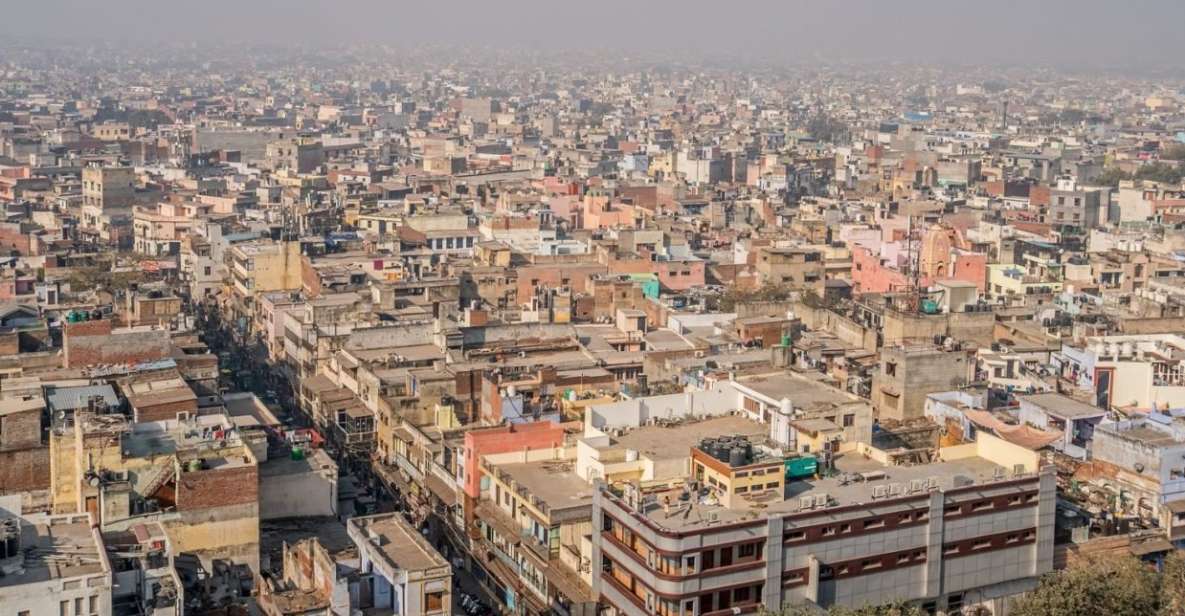
Delhi’s informal settlements are often flattened into headlines. This tour tries to break that habit in the best way possible: by getting you to look at ordinary routines with human-scale detail. The whole point is to encourage conversation about slum life and to challenge stereotypes that treat people as a problem instead of neighbors.
Two things make it stand out for me. First, the structure is built around being safe and respectful—you’re not sent in to stare or extract stories. Second, the guide’s job is to connect what you see (work, homes, schools, sanitation practices) to the wider social reality without turning anyone’s hardship into entertainment.
Your consideration: you should come with an open mind and real emotional flexibility. You’re walking into a place with serious constraints around health, sanitation, and education, so it’s not “light sightseeing.” And because safety comes first, the walk can shift depending on the group and conditions—so don’t expect a perfectly rigid script.
You can also read our reviews of more walking tours in New Delhi



Kusumpur Village and the Reality of an Informal Settlement
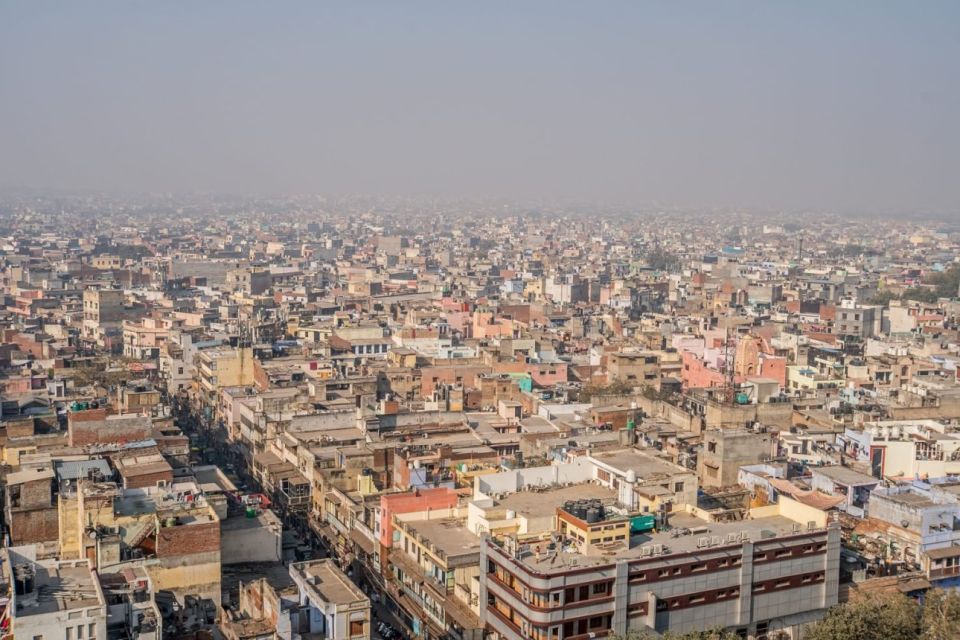
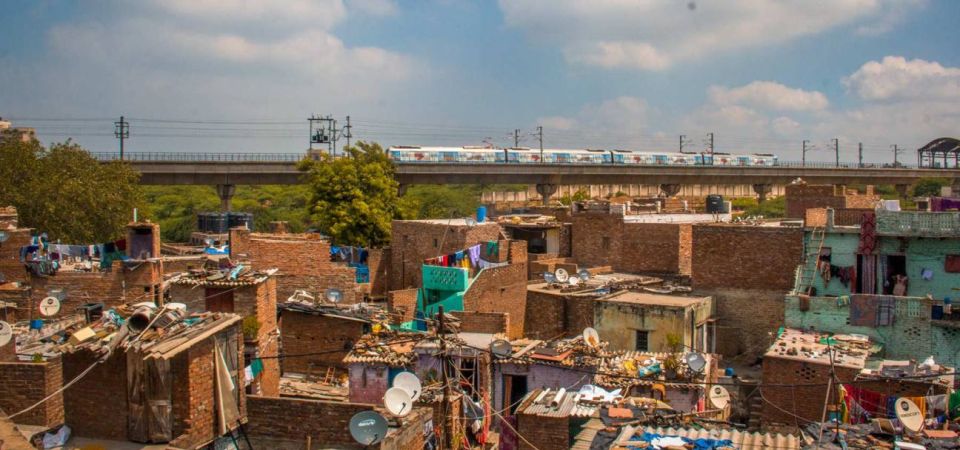
You’ll visit Delhi’s largest slum area on a half-day schedule, including a neighborhood described as originally built on forest land and home to more than 5,000 people. That single fact changes how you interpret everything you’ll see. It’s not “temporary clutter.” It’s a living community shaped by geography, policy gaps, and long-term adaptation.
One of the most useful lessons is how the neighborhood functions economically. You’ll notice micro-scale business life—small services and trading that helps families survive day to day. Seeing this alongside residential life is the difference between thinking about poverty as a single image versus understanding it as a system of constraints and solutions.
The tour also points you toward ongoing projects in the community and the socio-economic context behind them. That matters because it keeps the focus on change and responsibility rather than on shame. Instead of asking only why people are there, you’ll learn how communities navigate health needs, sanitation pressures, and education opportunities.
Temple and Mosque Stops: Faith as Part of Daily Community Life
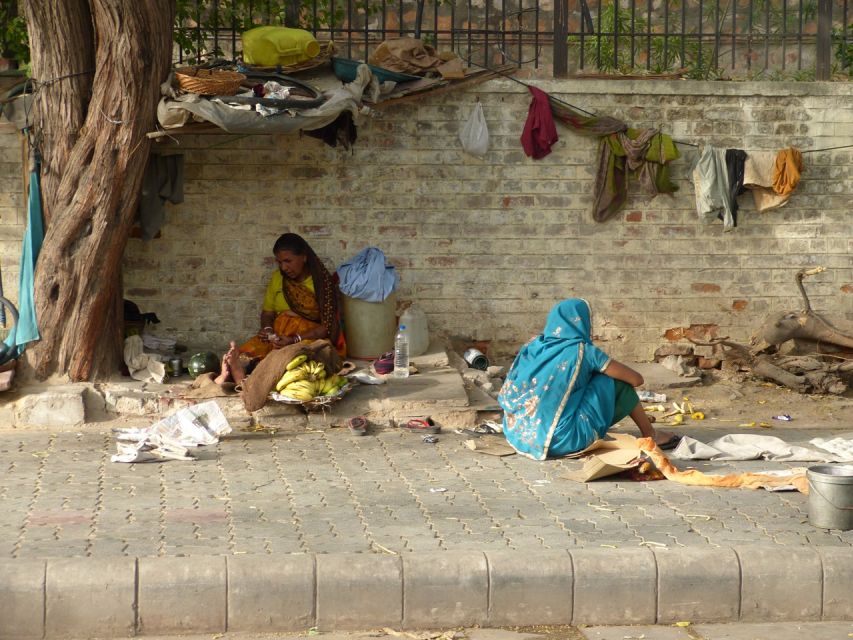
A big highlight is the chance to visit a Hindu temple and a mosque during the walk. These aren’t token photo stops. They’re places that help explain how community identity holds steady even under difficult conditions.
What I like about this is that it gives you a broader lens than housing and infrastructure alone. In a setting like this, religion often anchors social rhythms—support networks, shared spaces, and routines that keep daily life coherent. You’ll also learn how multiple faith traditions can exist side by side inside the same neighborhood fabric.
You’ll likely also have moments to acknowledge the kids in the area, including the simple act of waving at friendly children. Do it naturally and briefly, with your guide’s cues. This is where respectful behavior becomes practical: you’re not there to “collect interaction,” you’re there to participate in a moment without disrupting their world.
How the Walk Runs: Pickup, Car Transfers, English Guide, and Chai Break
Operationally, this tour is built for ease. You’ll be picked up at your Delhi hotel and brought to the area by an air-conditioned car, then returned at the end of the tour. For many people, that smooth start matters—because it lets you focus on the experience instead of logistics.
Included comforts are simple but helpful in hot weather. You get mineral water, and there’s a tea break option if you want it. In at least some runs, a chai moment also appears in a nearby market setting, which turns the afternoon into something more balanced: learning first, then a calm pause.
Guide quality is a core part of the value. The experience uses an English-speaking storyteller and guide, and the difference shows in pacing and clarity. I’ve seen guide names like Neil and Harsh tied to strong English communication, and that’s not a small detail. When you understand what you’re seeing, the whole walk stops feeling like guesswork.
Safety and conduct rules matter too. Alcohol and drugs aren’t allowed. That’s not just policy—it’s how you keep the visit respectful, calm, and controlled.
One more practical note: in some setups, the driver may take photos and share them afterward. If you’re the type who likes tangible memories, ask your guide on the day what’s possible.
Home Visits and NGO School Conversations: Learning Without Taking
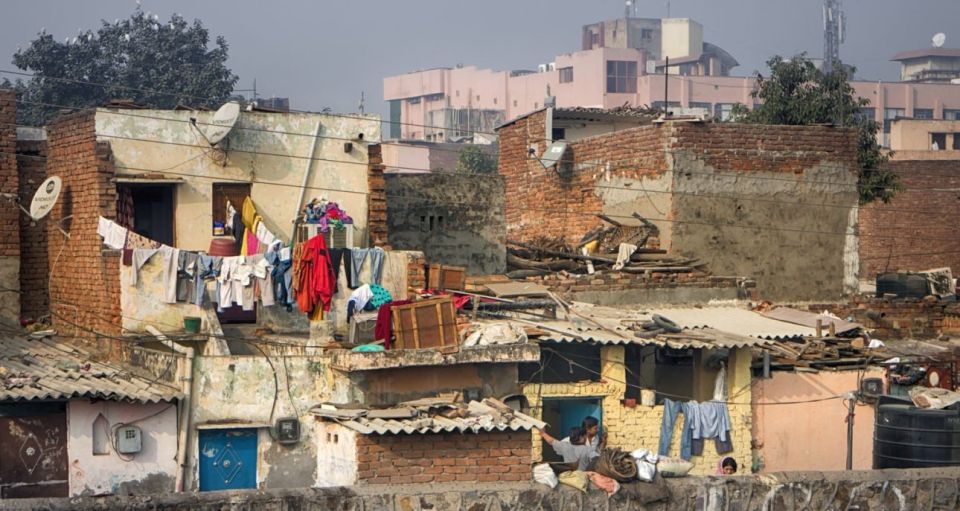
Some versions of this tour include stopping at a home—described as a better house inside the community—and spending time with teachers from an NGO school. This is the most delicate part of the afternoon, and it’s also where the tour’s ethical approach shows.
If you’re going to learn, you need the right mindset. You’ll get more out of these moments if you ask thoughtful questions and keep your tone grounded. You’re not there to “solve” anyone. You’re there to understand how education and community networks operate when resources are tight.
Interacting with NGO teachers is especially valuable because education is where people can see long-term possibility. When you watch how teachers talk about children and learning, you start to connect the dots between daily hardship and future planning.
If you’re worried about access or medical needs, communicate early. One experience described a guide adjusting plans due to safety concerns for a person with MS, and that’s a reminder: the tour’s responsibility is to protect people first. That can mean the exact stops change, so it’s smart to be flexible.






What You’ll See: Business, Sanitation, Health, and Education (All Linked)
The walk is designed around the “micro aspects” that flourish in slum life, especially business. But it’s not business as a distraction. It’s business as survival strategy, community contribution, and part of the local economy that keeps families moving.
Then you connect that to sanitation, health, and education. You’ll learn how these systems don’t sit separately. When sanitation is pressured, health outcomes shift. When health suffers, school attendance and work patterns get harder. When education opportunities exist, they become a stabilizing force that can change family trajectories over time.
This is also why the tour encourages you to debunk negative stereotypes. Stereotypes are usually simplistic, and slum life is anything but simple. You’re seeing a social structure: relationships, roles, and shared problem-solving.
Price and Value: Is $57 Fair for a Half Day?
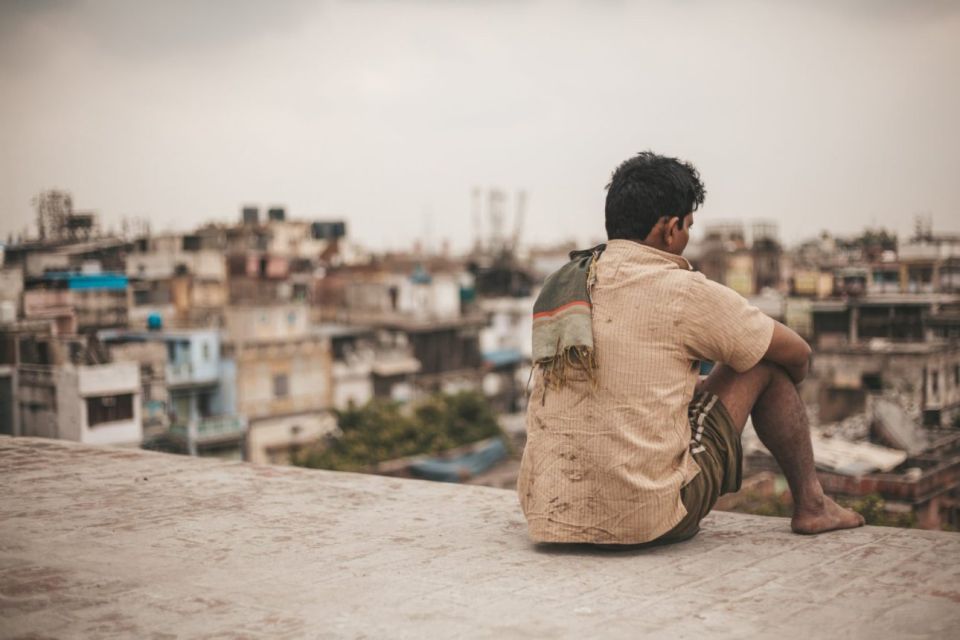
At $57 per person for a half-day experience, the key question is what’s included and what effort goes into making it safe and respectful. You’re not just paying for walking time. You’re paying for:
- an English-speaking guide and storyteller
- hotel pickup and drop-off
- transfers by air-conditioned car
- mineral water plus a tea break option
That mix matters because it reduces friction. You’re less likely to arrive frazzled, less likely to miss the context, and more likely to feel confident in how to behave. For many people, especially solo travelers, feeling safe with a competent guide is part of the real value.
You’re also paying for an ethical framing. This isn’t a voyeuristic photo walk. The whole approach is about conversation and respect, including chances to visit a temple and a mosque and observe community routines. In that sense, the price reflects time, transportation, and responsibility, not just “steps on a map.”
Practical Tips Before You Go (The Stuff That Actually Helps)
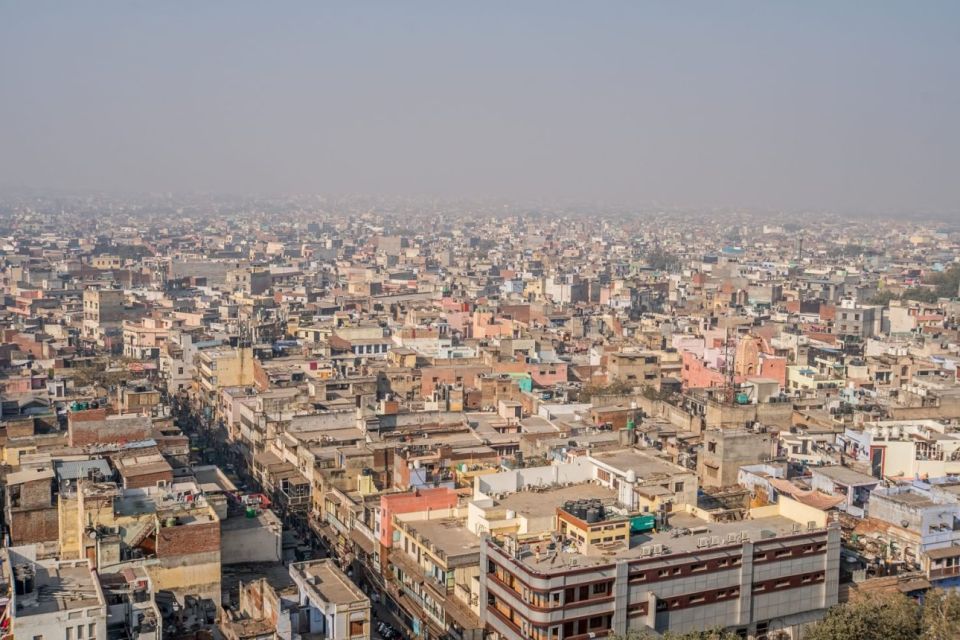
Come ready with a simple checklist. Bring your passport or ID card, since the tour asks for identification. Dress for walking and the Delhi climate; you’ll want comfortable shoes and breathable layers.
Also, treat this as a conversation, not a performance. Don’t pressure anyone for photos. If you notice others taking pictures, follow your guide’s lead. If photos are taken by the driver in your group, you’ll find out how and when you’ll receive them after the tour.
Think about what you want from the experience:
- If you want meaningful context on social reality, this is a strong fit.
- If you want a carefree afternoon with only scenic stops, this may feel emotionally demanding.
And if you have mobility concerns, it’s smart to flag them ahead of time. One experience described route changes for safety rather than a rigid plan, which is exactly what you want from responsible guidance.
Who This Tour Suits Best
This is a great fit if you:
- like learning through real-life observation
- value respectful interaction over spectacle
- want a half-day introduction to how education, sanitation, health, and economic life connect
- appreciate seeing faith spaces through a community lens (temple and mosque visits)
It may be less suitable if you:
- are pregnant (not recommended for this tour)
- need a predictable, low-emotion schedule
- expect a purely sightseeing-focused itinerary
Should You Book This Slum Walking Tour?
If you’re curious about authentic Delhi and you can handle real-world context with respect, I’d say yes. This tour’s strength is its ethical framework: it tries to protect dignity, keep interactions non-intrusive, and give you enough guidance to understand what you’re seeing.
If you’re going mainly for light entertainment, or if you’re sensitive to the realities of health, sanitation, and education challenges, you might want to skip it. But if you want your Delhi trip to mean something beyond monuments, this half-day walk can be one of the most instructive parts of the trip.
Provider: Rendevouz Tours.
FAQ
How long is the Half Day Slum Walking Tour Delhi?
It’s a half-day walking tour.
Where does the tour take place in Delhi?
It takes place in Delhi, including the area described as Delhi’s largest slum, with the walk associated with Kusumpur Village/slum.
What is the price per person?
The price is $57 per person.
What languages are available for the guide?
The tour is offered in English.
Does the tour include hotel pickup and drop-off?
Yes. Pickup and drop-off at the guest’s hotel are included, with transfers by an air-conditioned car.
What else is included during the tour?
An English speaking storyteller and guide is included, along with mineral water and a tea break if desired.
What should I bring?
You should bring your passport or an ID card.
Are there rules about alcohol and drugs?
Yes. Alcohol and drugs are not allowed.
Is the tour suitable for pregnant women?
No. It is not suitable for pregnant women.
What is the cancellation and reserve policy?
You can reserve & pay later (pay nothing today). You can cancel up to 24 hours in advance for a full refund.