REVIEW · NEW DELHI
Delhi Street Art Tour
Book on GetYourGuide →Operated by Reality Tours and Travel Private Limited · Bookable on GetYourGuide
Walls do the talking in Delhi. On this 3-hour Delhi Street Art Tour, I love starting in Khan Market with a quick coffee-and-shopping vibe, and I love how the Lodhi Art District murals are treated like stories, not just photos. One thing to plan for: food isn’t included, so the restaurant break is small and more “reset” than “meal.”
This tour also pairs street art with a quieter side of the city: Lodi Gardens (a big 90-acre walk) and its tombs and mosques tied to the 15th century Sayyid and Lodhi periods. You get an English-speaking local guide, plus a guide who helps with photos as you go—perfect if you want to capture the art without feeling lost.
In This Review
- Key things that make this Delhi Street Art Tour work
- Khan Market: where the tour turns from shopping to culture
- Lodhi Art District murals: street art with a guide’s storyline
- Lodi Gardens: 90 acres of quiet between tombs and mosques
- Lodhi Colony: the street art district that’s part of daily life
- The 3-hour flow: how the timing keeps it enjoyable
- Price and value: what $26 covers and what you’ll handle
- What to bring (and what to avoid) so the walk stays easy
- Who this Delhi Street Art Tour suits best
- Should you book this tour or skip it?
- FAQ
- How long is the Delhi Street Art Tour?
- How much does it cost?
- Where does the tour start and where do you get dropped off?
- What’s included in the price?
- Is entry tickets or food included?
- Is there a restaurant stop during the tour?
- Does the tour run in bad weather?
- What should I bring?
- Is private group available?
Key things that make this Delhi Street Art Tour work
- Khan Market coffee start: an easy warm-up before you head toward the art and monuments.
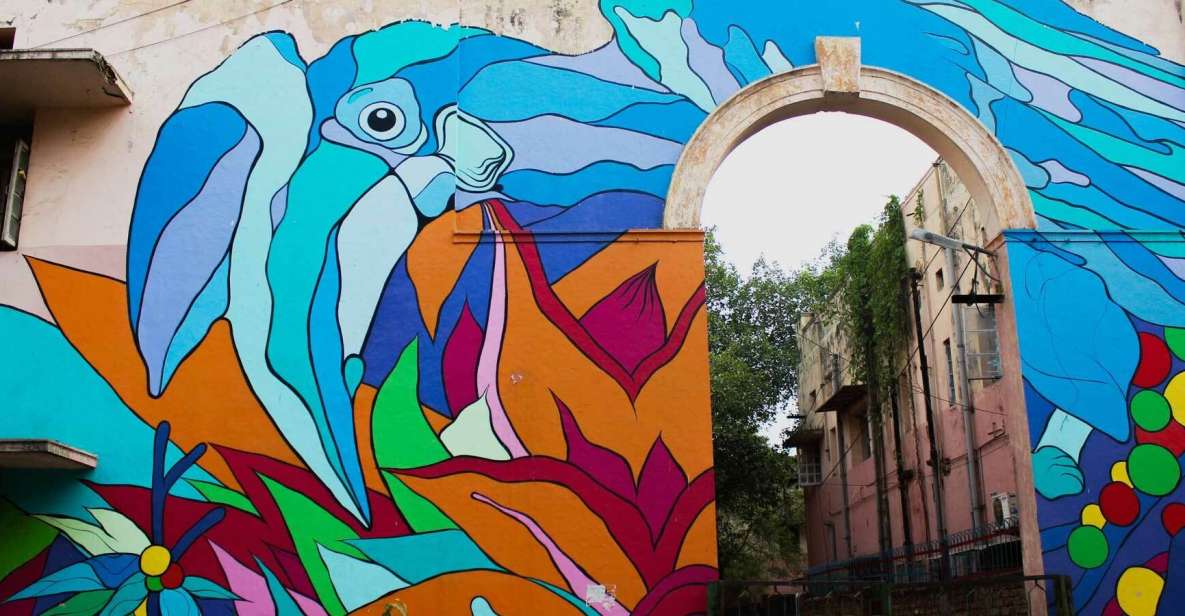
- Lodhi Art District as an open gallery: murals you can actually understand with context.
- Lodi Gardens’ 15th-century architecture: tombs, mosques, and bridges on one calm walking route.
- Lodhi Colony public art district: one of Delhi’s best areas for street art focused on place, not just wall space.
- Short, manageable pacing: about an hour in the art zone, then a shorter garden stretch, then back toward the market.
Khan Market: where the tour turns from shopping to culture
Khan Market is a smart way to start because it feels like Delhi in two layers at once: contemporary Indian design beside older-style aesthetics. You’re not thrown into chaos right away. Instead, you begin with a coffee stop and some strolling, which helps you get comfortable with your surroundings before the walking starts in earnest.
It’s also a practical launch point. Meeting can vary by booked option, but the tour centers you around the Khan Market area early, then later brings you back toward familiar transit and streets. That matters in Delhi, where navigating between neighborhoods can eat time fast.
If you’re the type who gets impatient when a tour starts with an hour of standing around, this one is better. You move quickly from “what is this place?” to “ok, I can walk and look and learn.” And because the guide is also a photo helper, you’ll likely spend less time figuring out framing and more time actually noticing details in the art and architecture ahead.
You can also read our reviews of more tours and experiences in New Delhi
Lodhi Art District murals: street art with a guide’s storyline
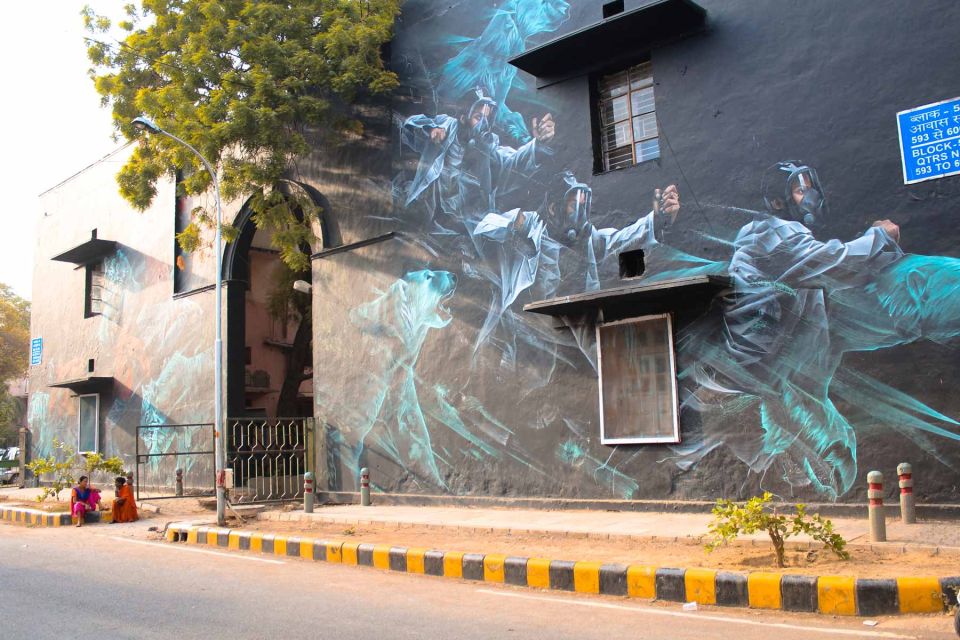
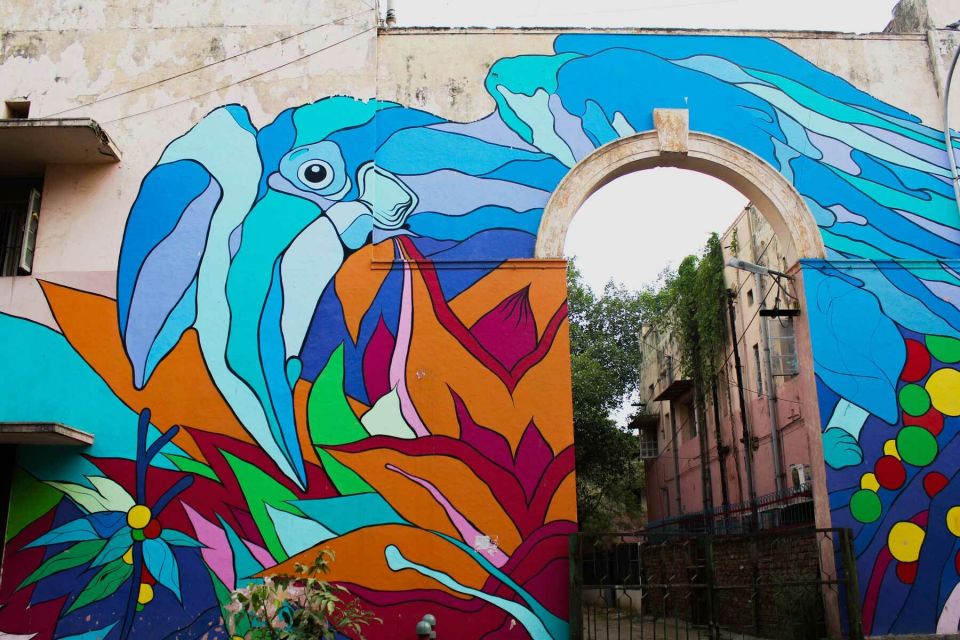
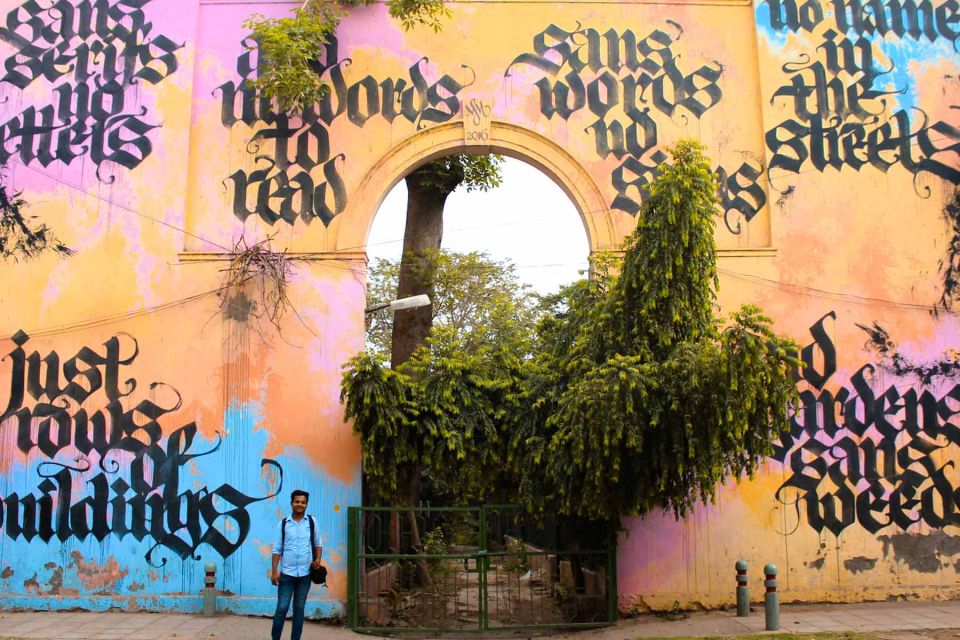
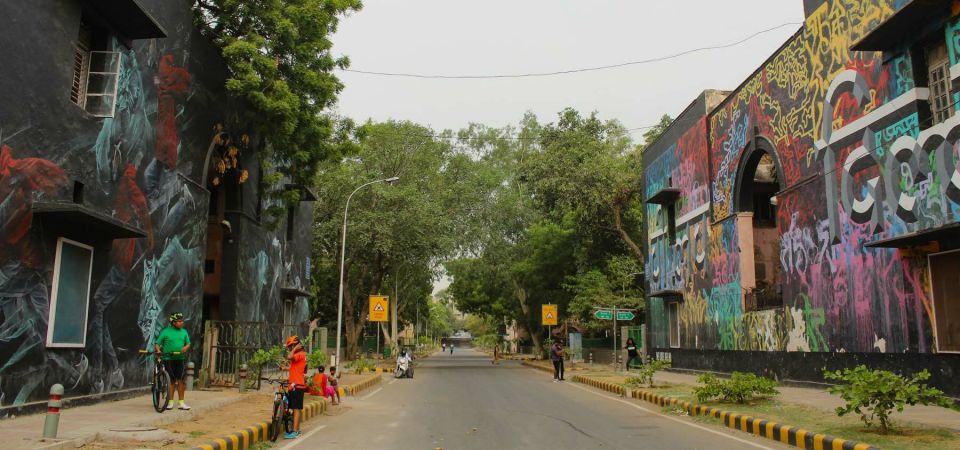
The heart of the experience is the Lodhi Art District, often described as India’s first open art gallery, and it lives up to that idea. The murals sit in an everyday neighborhood rhythm, so you’re not only viewing art—you’re watching it work in real space. That’s one reason this tour feels different from the usual checklist of sights.
What makes it click is the way the guide connects each mural to who made it and what it’s saying. In this area, street art isn’t random. It’s tied to programs and partnerships, including work associated with the St+art India Foundation, which means many pieces carry intentional themes rather than just decoration.
Expect guided time plus photo stops and short stretches of free time. The guide’s photo help is a real advantage here. Street art is often best photographed from the right angle, at the right distance, and with light that changes quickly. When your guide actively helps with shots, you lose less time to frustration—and you come away with images that actually represent what you saw.
Also, the atmosphere helps. Several guides in this area are known for thoughtful explanations and making the pacing feel unhurried, so you can stop, look longer, and not feel like you’re being chased down the sidewalk.
Lodi Gardens: 90 acres of quiet between tombs and mosques
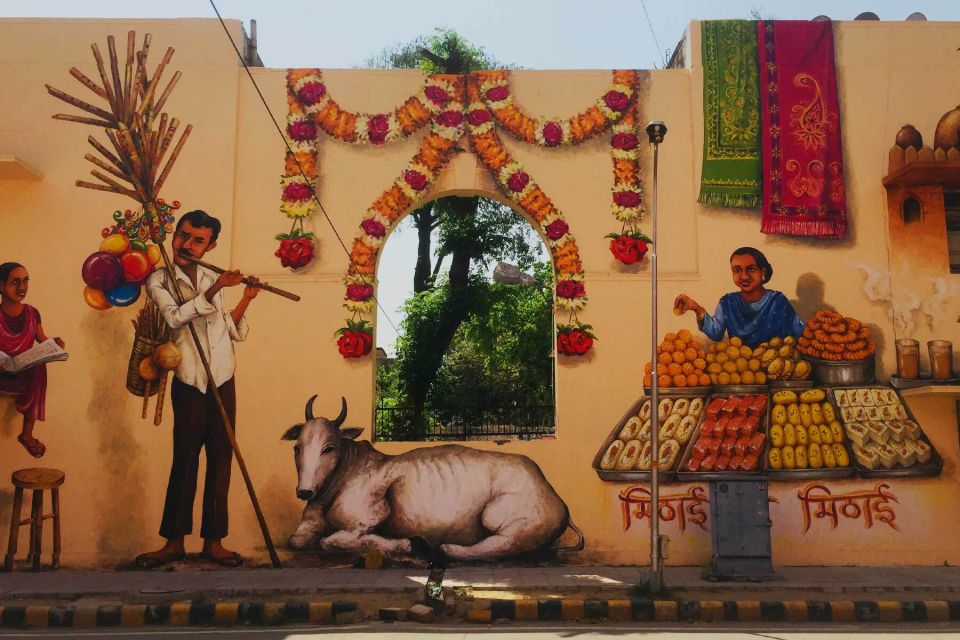
After the art zone, the tour shifts into a more historical mode at Lodi Gardens. This is not a short stop—it’s a proper walking stretch through a 90-acre space, and it’s built around 15th-century structures linked to the Sayyid and Lodhi periods.
You’re looking for tombs, mosques, and bridges, and your guide helps you see why these buildings matter. The garden setting is key. Even if Delhi feels loud outside the gates, Lodi Gardens gives you a calmer pacing: more room for a slow walk, fewer sharp edges in the experience, and better chances to appreciate stone details without battling crowds.
Timing helps, too. You get a guided window, photo moments, and then time to absorb what you’re seeing. The walk is long enough to feel like you earned it, but structured enough that you’re not wandering in uncertainty.
One practical note: gardens mean you’ll be on your feet. Comfortable shoes aren’t optional here; they’re the difference between enjoying the architecture and counting down the minutes. The good news is that this part of the tour tends to feel relaxing, not exhausting—especially if you like history but don’t want a lecture.
Lodhi Colony: the street art district that’s part of daily life
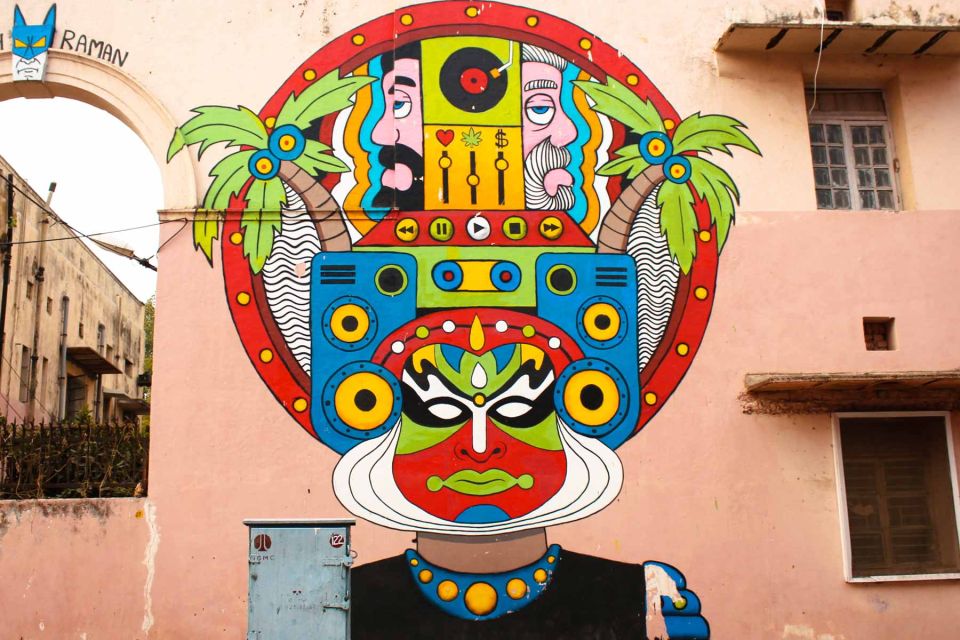
Lodhi Colony is described as the heart of street art in Delhi and also India’s first public art district. That’s not just marketing language. It’s the feeling you get as you transition from major mural walls into smaller streets and side corners where art becomes part of the neighborhood’s visual language.
This is where you’ll learn how the area’s murals work as storytelling. A mural might be political, personal, commemorative, or focused on culture, but the best part is that the guide explains what to look for: the artist’s choices, symbols you might miss on a first pass, and how the artwork connects back to Delhi’s wider context.
You’ll also get free time within the block of the tour. That matters because street art rewards curiosity. If you’re rushing, you miss faces, textures, and the tiny details that make a piece meaningful.
If you’re an Instagram person, this section is ideal—your guide being willing to act as a photographer helps you get shots without turning it into an awkward solo photoshoot. If you’re not, you’ll still benefit, because photo stops often mean you’re pausing at the exact spot where the art reads best.
The 3-hour flow: how the timing keeps it enjoyable
This tour is built for a short window: about 3 hours total. That’s a strong fit for a first or mid-trip day when you want something “Delhi” without committing to a half-day temple or fort marathon.
Here’s the basic rhythm you should expect:
- a starting stop around Khan Market (with a coffee-and-walk feel)
- time in the Lodhi Art District (including guided viewing, photo stops, and a chunk of focused wandering)
- a guided walk through Lodi Gardens with stops for tombs/mosques/bridges
- a return direction that includes a brief restaurant break (about 15 minutes)
- drop-offs at either Khan Market Metro Station or Qureshi Kabab Treat Restaurants, depending on your option
The pacing is one of the biggest reasons people rate this tour so highly. You’re not crammed into a sprint, and you’re not left on your own without direction. The structure keeps the art from feeling like a blur and keeps the garden from turning into aimless wandering.
Because it runs rain or shine, you’ll want to accept that weather can affect comfort and photo conditions. If it’s wet, you’ll likely move a bit slower and keep your phone and camera secure—but the experience is still designed to keep going.



Price and value: what $26 covers and what you’ll handle
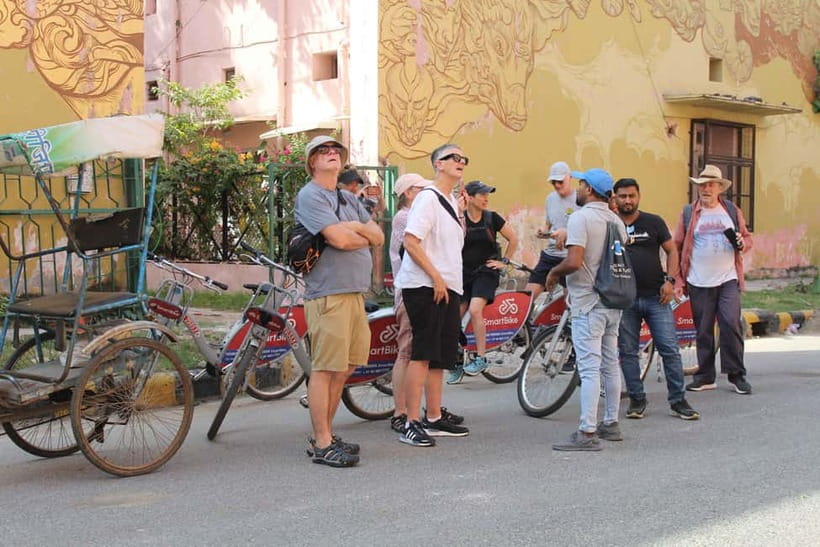
At $26 per person for a 3-hour guided walk, this is fairly priced for what you get: an English-speaking local guide, plus a water/cold drink and help understanding both street art and landmark architecture in one loop.
The tour does not include entry tickets or food. That’s not a deal-breaker, but you should adjust expectations. The restaurant break is short, and you’ll be choosing your own snack/meal. If you’re hungry, eat before you start or bring a light plan for after the tour.
So where’s the value? It’s in the guidance. Street art on its own can be “cool-looking” but hard to interpret. Historical sites on their own can be “pretty” but easy to misunderstand. This tour merges both with explanations that help you notice what matters.
Also, the walk-focused format means you’re spending your money on time and perspective, not on bus rides or pricey admissions. For a city trip where you have limited hours, that’s a solid use of budget.
What to bring (and what to avoid) so the walk stays easy
This tour is simple, but it has a couple rules that matter:
- Bring comfortable shoes. You’ll be walking enough that your feet will tell the truth fast.
- Avoid weapons/sharp objects.
- Avoid luggage or large bags.
It’s also worth thinking about your photo setup. The guide helps with pictures, but you’ll still want your phone/camera ready—especially during the mural stops, where angles and framing make a big difference.
If you’re coming straight from another day of sightseeing in Delhi, this tour’s calmer pace can feel like a reset. That’s a big part of the appeal.
Who this Delhi Street Art Tour suits best
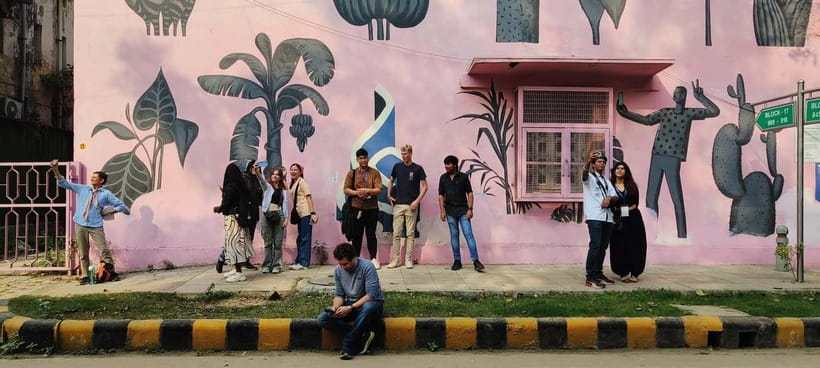
I’d point this tour toward travelers who want:
- culture and context, not just a photo walk
- street art paired with architecture, so you get a fuller sense of Delhi
- a shorter activity that still feels like it has depth
- a guide who can explain what you’re seeing and help you capture it
It’s also a great option if you’ve already done a lot of temples, forts, and large-ticket attractions and you want something more alternative without losing historical grounding.
If you hate walking, or you need frequent long sit-down breaks, this may feel tighter than you want. But for most people who can handle a few hours on their feet, it hits a sweet spot.
Should you book this tour or skip it?
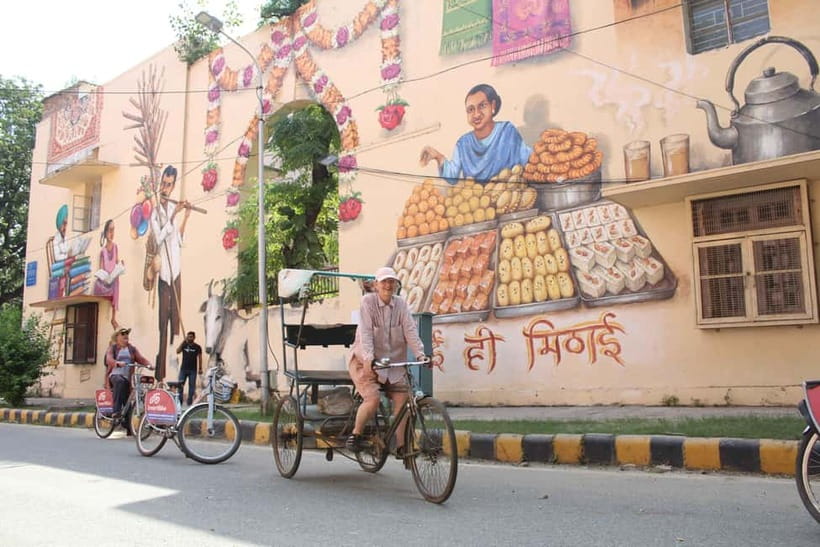
Book it if you want a smart mix of Lodhi street art and Lodi Gardens history in a single, well-paced 3-hour walk. At $26 with an English-speaking guide and water included, it’s good value—especially if you care about learning what the murals mean rather than just photographing them.
Skip it if you’re only after shopping or only after monument time. This isn’t a full-day culture marathon, and food is on you. But if you want a calmer, story-led side of Delhi that still feels unmistakably local, this one is a strong choice.
FAQ
How long is the Delhi Street Art Tour?
The tour lasts 3 hours.
How much does it cost?
It costs $26 per person.
Where does the tour start and where do you get dropped off?
The meeting point may vary depending on the option booked. The tour can start at WHSmith Store. Drop-off locations include Khan Market Metro Station and Qureshi Kabab Treat Restaurants.
What’s included in the price?
A local English-speaking guide and water/cold drink are included.
Is entry tickets or food included?
No. Entry tickets and food are not included.
Is there a restaurant stop during the tour?
Yes. There’s a local restaurant break with free time (about 15 minutes).
Does the tour run in bad weather?
Yes, it runs rain or shine.
What should I bring?
Bring comfortable shoes.
Is private group available?
Yes, private group options are available.