REVIEW · NEW DELHI
Divine Delhi: Explore Indian Faiths on a Cultural Tour
Book on GetYourGuide →Operated by Go City Adventures · Bookable on GetYourGuide
Six faith stops in one Delhi morning. I like how the tour strings Jain, Sikh, Hindu, Christian, and Sufi beliefs together with a local guide and short walks that help you understand what you’re actually seeing, not just where it is.
What I love next is the practical side: an air-conditioned vehicle, skip-the-line entry, and light snacks so you don’t feel totally cooked between stops. The possible drawback is the schedule is tight, and one recent experience came down to a wrong tour being assigned—so you’ll want to confirm the pickup and stop order with your guide early.
In This Review
- Key highlights to know before you go
- Multi-Faith Delhi in Six Hours: What the Tour Feels Like
- Sri Digambar Jain Lal Mandir and the Jain Birds Hospital
- Gurudwara Bangla Sahib: Sarovar, Community Service, and Real Questions
- Birla Mandir (Laxminarayan Temple): Getting the Hindu Names Straight
- Sacred Heart Cathedral to Lotus Temple: When Christianity Enters the Route
- Hazrat Nizamuddin Mausoleum: Sufi Devotion and Pilgrim Energy
- Price and Logistics: Why Around $15 Is Actually Interesting
- Who This Tour Suits Best (and Who Might Want Something Else)
- Should You Book Divine Delhi: Explore Indian Faiths on a Cultural Tour?
- FAQ
- How long is the Divine Delhi tour?
- Where does pickup and drop-off happen?
- Which religious sites are included?
- Is lunch included in the price?
- Do you get air-conditioned transportation?
- What languages are the live guides available in?
Key highlights to know before you go
- A true multi-religious route across Jain, Sikh, Hindu, Roman Catholic, and Sufi sites in one day
- Guided visits with set time blocks, so you don’t get stuck waiting or rushed without context
- Chandni Chowk-area walking for the street-level texture that big temple gates never show you
- Gurdwara Bangla Sahib’s Sarovar (pool) and the community-kitchen feeling
- Jain Birds Hospital behind Sri Digambar Jain Lal Mandir, an unusual and memorable detail
- A comfortable A/C ride plus light snacks, which matters in Delhi
Multi-Faith Delhi in Six Hours: What the Tour Feels Like
This is a fast, focused introduction to religious life in Delhi. You’re not doing a single “big ticket” monument. Instead, you’re hopping between worship spaces so you can compare how faith shows up in architecture, rituals, and everyday community behavior.
The structure helps. You start with hotel pickup from Delhi, New Delhi, Noida, or Gurugram, then you spend guided time at each site before returning to the same general area. The day runs about 6 hours, which is ideal if you want a compact cultural hit without planning a whole route yourself.
One practical plus: you travel in an air-conditioned vehicle. You’ll still walk through busy streets, but the car keeps the day from turning into a nonstop outdoor slog. Also, there’s a light snack included, while lunch is not.
The “private group” setup is another factor. It generally makes it easier to ask questions and adjust your pace if someone needs a slower moment at a stop. Still, the tour is packed, so if you hate time pressure, go in knowing this is a highlights-and-context day.
You can also read our reviews of more historical tours in New Delhi


Sri Digambar Jain Lal Mandir and the Jain Birds Hospital

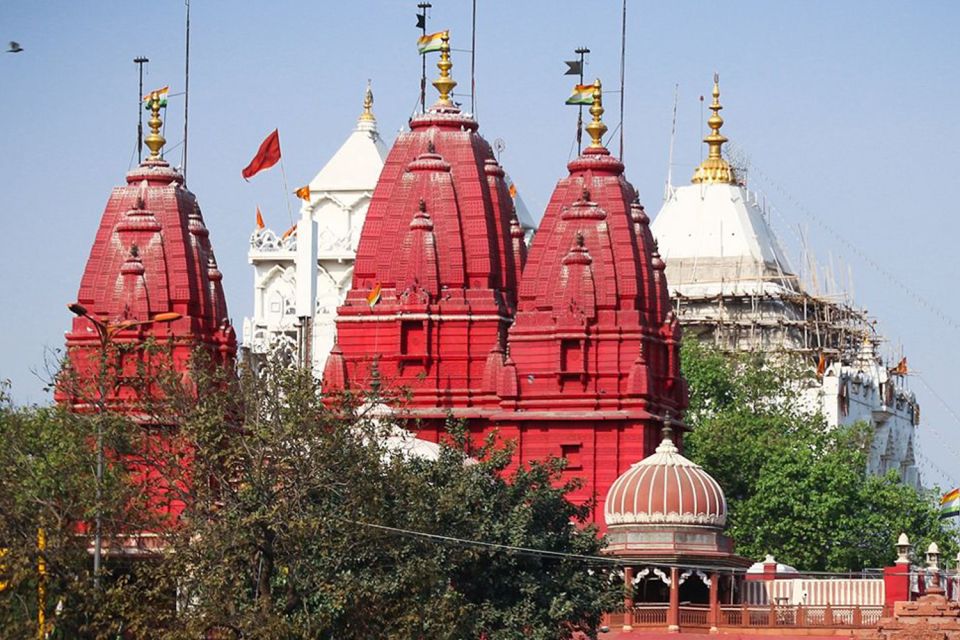
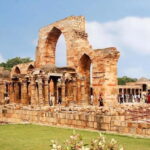
Your first real anchor is Sri Digambar Jain Lal Mandir, a Jain temple in the Chandni Chowk area. It’s described as the oldest and best-known Jain temple in Delhi, and it sits directly across from the Red Fort, right where Delhi’s historic street life overlaps with sacred space.
What I like about starting here is that the temple doesn’t feel like an isolated landmark. You’re right in the historical flow of Chandni Chowk, so the contrast is clear: busy commerce outside, reverence inside.
Here’s a detail that makes this stop more memorable than the usual temple photo. Behind the main temple, in a second building, there’s the Jain Birds Hospital, an avian veterinary hospital. That combination—religious devotion plus care for animals—gives you a fuller sense of Jain values beyond worship.
The visit is guided for about 40 minutes, which is enough time to understand the layout and meaning without getting numb from information. The only consideration: older temple interiors and entrances can involve stairs and tight spaces, so wear shoes you can move in comfortably.
Gurudwara Bangla Sahib: Sarovar, Community Service, and Real Questions
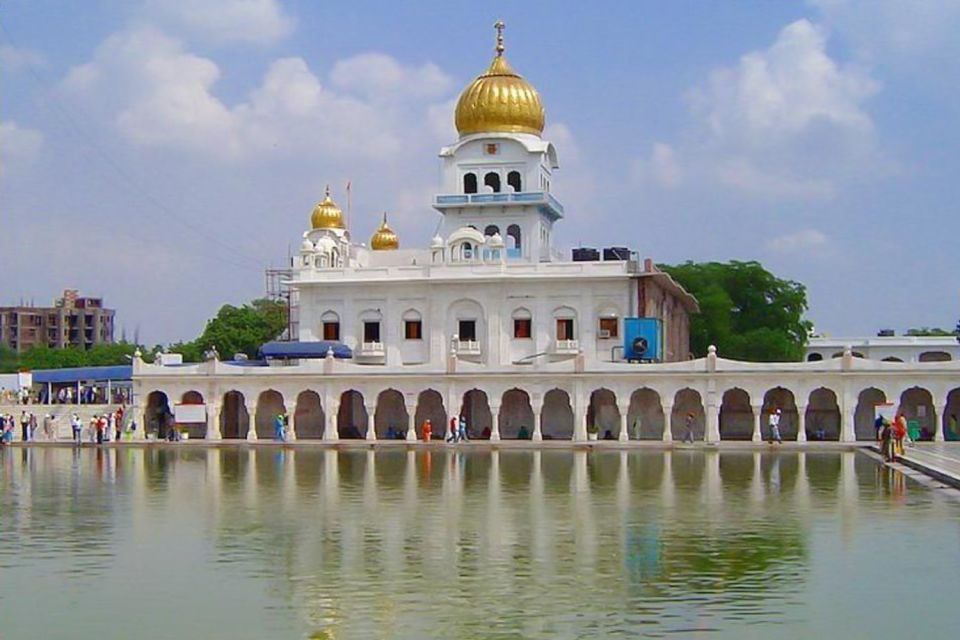
Next up is Gurudwara Bangla Sahib, one of the best-known Sikh gurdwaras in Delhi. It’s tied to the eighth Sikh Guru, Guru Har Krishan, and the complex includes a pool called the Sarovar. Even if you know little about Sikhism, the Sarovar is an instant visual clue: water, devotion, and community all in one place.
I also like that the guide framing matters here. Sikh gurdwaras aren’t only about prayers; they’re about service you can see in how the community organizes itself. One of the strongest points from a past experience was how much people enjoyed seeing the community kitchen setup—volunteers preparing food for all religions, with a space where people eat a warm meal.
If you’re curious about what religion looks like when it turns into daily action, this stop is one of the best on the route. The guided time is about 1 hour, so you have enough time to ask why things work the way they do.
The downside is simple: gurdwaras can be busy. Plan for moments where you move slower due to foot traffic and people gathering. Go calm. You’re not there to beat crowds; you’re there to understand them.
Birla Mandir (Laxminarayan Temple): Getting the Hindu Names Straight

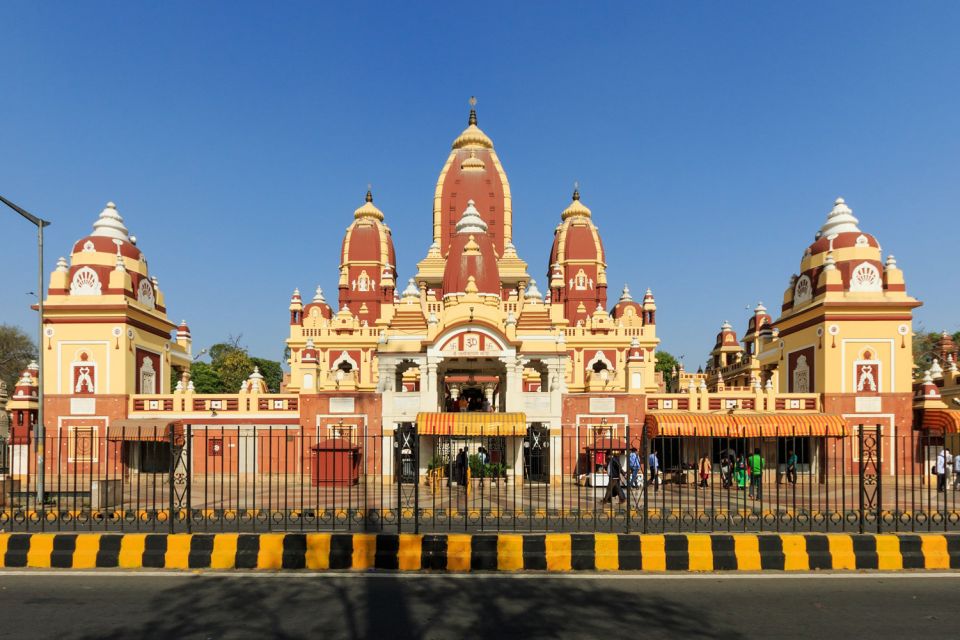
Then the tour shifts to Hindu worship at Laxmi Narayan Temple, also known as the Birla Mandir. This temple is dedicated to Laxminarayan, a name that points to the relationship between Laxshmi and Narayan (Laxminarayan often refers to Vishnu/ Narayan when paired with Lakshmi).
What I like here is that the tour doesn’t force you to memorize theology. The guide provides the basic idea: who the gods are in this temple’s focus and what the name means as a pairing. That turns a confusing set of statues into something you can actually track while you walk around.
The guided visit is about 35 minutes. In that time, you can usually spot the logic of the space—where attention goes, how worship happens, and what you should look for—without feeling like you’re doing homework.
A practical note: because this tour includes several faith stops in sequence, the Hindu stop works best if you let the guide reset your thinking. When you come from a Jain birds hospital and then jump to a Sikh complex with a pool, your brain is already switching gears. That’s normal.
Sacred Heart Cathedral to Lotus Temple: When Christianity Enters the Route
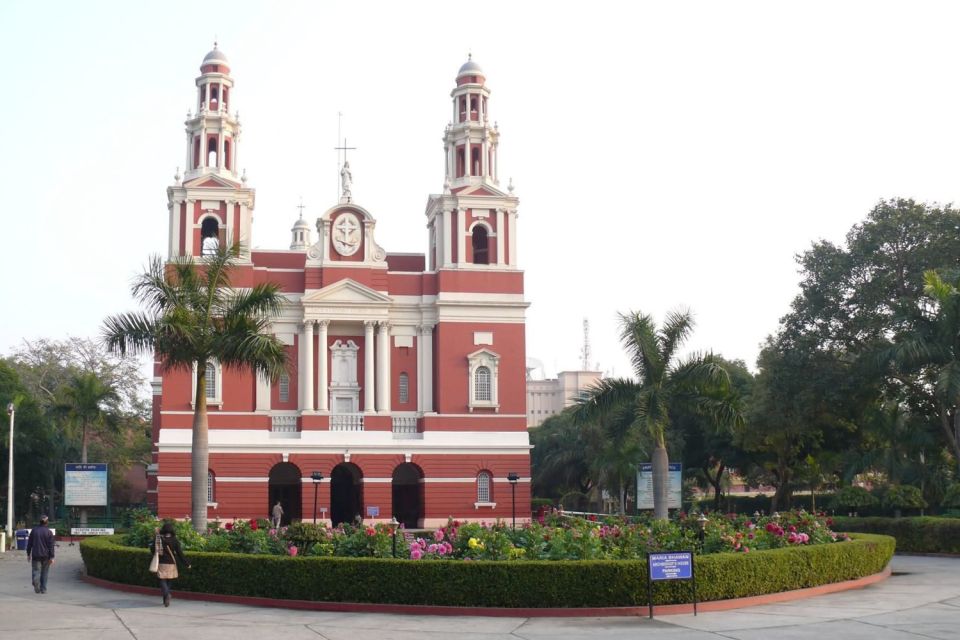
After Hindu worship, you go to Sacred Heart Cathedral, a Roman Catholic cathedral of the Latin Rite and one of the oldest church buildings in New Delhi. This is a good transition stop because it shows how Christian architecture sits in the city—different materials, different design language, same human need for a place to pray.
The guided time is about 30 minutes. That’s just enough to understand the building’s identity and the basics of what makes it Catholic and Latin Rite—without sending you off to read ten guidebooks afterward.
Next is Lotus Temple, with a guided visit of about 20 minutes. The itinerary gives you time to enter and take it in with a guide, but the specific features aren’t detailed in the tour description you provided. So think of it as a shorter “scenic-and-spiritual reset” stop on the way to your final highlight.
If you like structure, this sequence works: temple, gurdwara, Hindu shrine, cathedral, then Lotus Temple. You can see how Delhi’s religious landscape changes form as you move.
One small consideration: after a cathedral, you may feel that “church quiet” vibe. But then the next stop is a Sufi shrine complex with its own energy. Keep your mindset flexible.



Hazrat Nizamuddin Mausoleum: Sufi Devotion and Pilgrim Energy
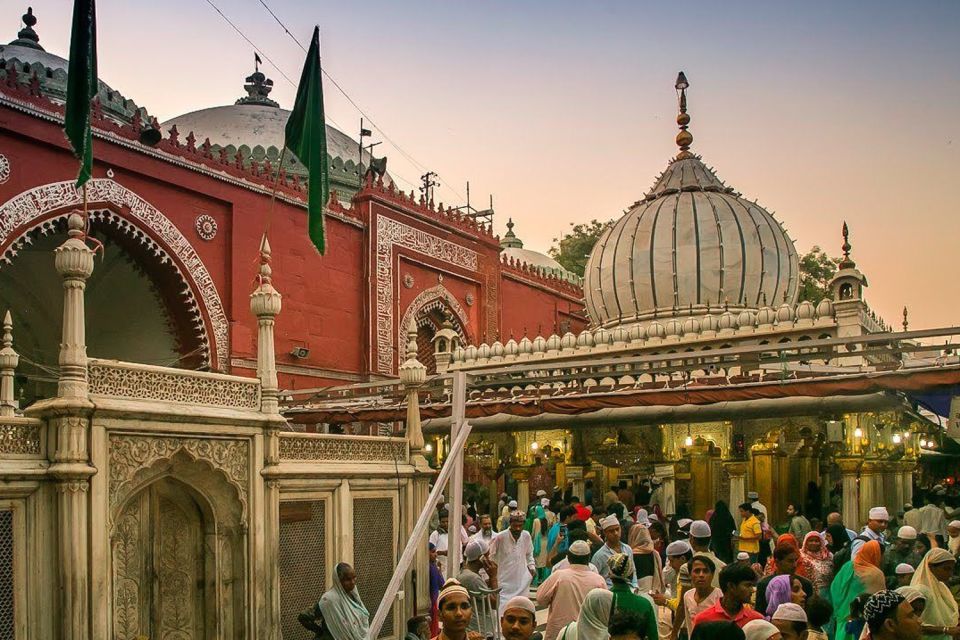
The final religious anchor is Hazrat Nizamuddin Mausoleum at the Nizamuddin Dargah area. This site is associated with the Sufi saint Khwaja Nizamuddin Auliya. It’s visited by thousands of pilgrims every week, which means you’re not only seeing a monument—you’re seeing living devotion.
The description also notes that the dargah is known for evening qawwali Sufi devotional music sessions. Your tour time may or may not line up with evening music, but knowing that context helps. Even in daytime hours, you’ll often notice how Sufi practice values sound, gathering, and spiritual atmosphere.
The guided visit is about 30 minutes, so you’ll get enough time to understand the site’s significance without turning it into a long wait. This is also where you’ll likely feel the most “pilgrimage” mood of the day.
If you want to walk away with one big takeaway, it’s this: the tour shows religion as both belief and community behavior. Jain care for birds. Sikh service tied to the Sarovar and shared meals. Hindu devotion with a specific divine pairing. Catholic worship in a cathedral tradition. Sufi devotion at a mausoleum where people keep showing up.
Price and Logistics: Why Around $15 Is Actually Interesting
At about $15 per person for a 6-hour guided day with hotel pickup and drop-off, air-conditioned transport, and light snacks, the value is strong—especially compared to the cost of assembling the same route alone.
Here’s how I think about value on a tour like this:
- You’re paying for local interpretation, not just transportation. The guide is the difference between seeing five places and understanding how they connect.
- You’re paying for time-saving structure: pickup, scheduled guided windows, and a return drop-off.
- You’re paying for comfort: A/C vehicle and quick entry via a separate entrance to skip lines.
The main “cost” to watch is not money. It’s attention. This is a lot of sacred space in one day. If you’re someone who wants to linger, you’ll need to make peace with time limits.
Also, be aware of the one real negative signal from the reviews: an instance where the guide was given the wrong tour and the group had to correct stop points. That doesn’t mean the experience is always messy, but it does mean you should start the day by confirming what you’re doing and when—especially right after pickup.
Who This Tour Suits Best (and Who Might Want Something Else)
This tour is a great fit if you’re:
- Trying to get your bearings in Delhi beyond museums and markets
- Interested in how multiple faiths share space and show values in public life
- Short on time and want a guided, efficient route across major sites
- Comfort-focused travelers who want A/C and quick entry instead of constant ticket lines
It may be less ideal if you:
- Want long, reflective visits where you can slow down in one place
- Prefer to travel without a schedule, since this is a timed itinerary day
- Are extremely sensitive to any mix-ups in plan order, since one past experience mentioned an incorrect tour handoff
If you’re the first type, you’ll probably love it. If you’re the second type, you might need a more flexible standalone plan.
Should You Book Divine Delhi: Explore Indian Faiths on a Cultural Tour?
I’d book this tour if you want a clean “multi-faith orientation” with a guide and minimal hassle. The mix of Jain, Sikh, Hindu, Roman Catholic, and Sufi sites gives you a broader view of Delhi’s spiritual map than a single-faith day.
Also, the practical touches are real: A/C transport, hotel pickup, light snacks, and skip-the-line entry help you stay comfortable while you cover a lot of ground. If you’re the kind of traveler who learns best by asking questions, having an English-speaking guide (plus other language options) is a major win.
Just do one thing that takes 30 seconds: once you’re picked up, confirm the stop order with your guide. It’s the easiest way to prevent a small logistics hiccup from becoming a big frustration.
FAQ
How long is the Divine Delhi tour?
The tour duration is 6 hours.
Where does pickup and drop-off happen?
Pickup and drop-off are available from Noida, Delhi, Gurugram, and New Delhi.
Which religious sites are included?
The guided stops include Sri Digambar Jain Lal Mandir, Gurudwara Bangla Sahib, Laxmi Narayan Temple (Birla Mandir), Sacred Heart Cathedral, Lotus Temple, and Hazrat Nizamuddin Mausoleum (Nizamuddin Dargah).
Is lunch included in the price?
No. Lunch is not included, though light snacks are included.
Do you get air-conditioned transportation?
Yes. Transportation is by an air-conditioned vehicle.
What languages are the live guides available in?
The live tour guide is available in English, Spanish, German, Italian, and French.