REVIEW · AGRA
From Agra: Fatehpur Sikri Private Tour
Book on GetYourGuide →Operated by Agra Taxi and Service · Bookable on GetYourGuide
Fatehpur Sikri feels like a time machine, and this private Agra trip gets you in fast. I especially like the skip-the-line entry and the way an English-speaking guide can translate the site into real meaning, not just dates. One thing to weigh: the whole outing runs about 5–8 hours, so if you want to linger longer in every courtyard and stairway, you might feel slightly rushed.
This is the kind of tour that fits travelers who like to understand what they’re looking at while still keeping things flexible. You get hotel pickup and drop-off in a private air-conditioned car, plus a guide who can tune the pace to your interests and questions. And if you want a taste of everyday life, there’s an optional stop in the local bazaar area—just don’t plan on a long shopping spree in the middle of a heritage day.
In This Review
- Key Things I’d Target on This Tour
- From Agra to Fatehpur Sikri: The Real Benefit Is Time
- Buland Darwaza: Your First Big Jaw-Drop at the Complex
- Jama Masjid: Mosque Architecture That Rewards Careful Looking
- Diwan-i-Khas: Where the Royal Inside Story Lives
- Panch Mahal: The View That Makes You Understand the Layout
- Tomb of Salim Chishti: Spiritual Space Inside an Imperial Site
- Jodhabai’s Palace: Mughal Architecture Seen Through a Personal Lens
- A Real-World Look at the Timing (5–8 Hours Isn’t a Lot)
- Transport and Comfort: The Quiet Luxury Is the Driver
- The Guide Makes the Site Make Sense
- The Optional Taj Mahal & Agra Fort Ticket: Worth It Only If It Fits Your Day
- Price and Value: Why $16 Can Make Sense
- Who Should Book This Fatehpur Sikri Private Tour
- Should You Book It?
- FAQ
- How long is the Fatehpur Sikri private tour from Agra?
- Where will the pickup and drop-off happen?
- Do you skip the line at Fatehpur Sikri?
- What sites are included at Fatehpur Sikri?
- What languages is the guide available in?
- Do I need to bring anything, and are there day-of-week closures to know about?
Key Things I’d Target on This Tour
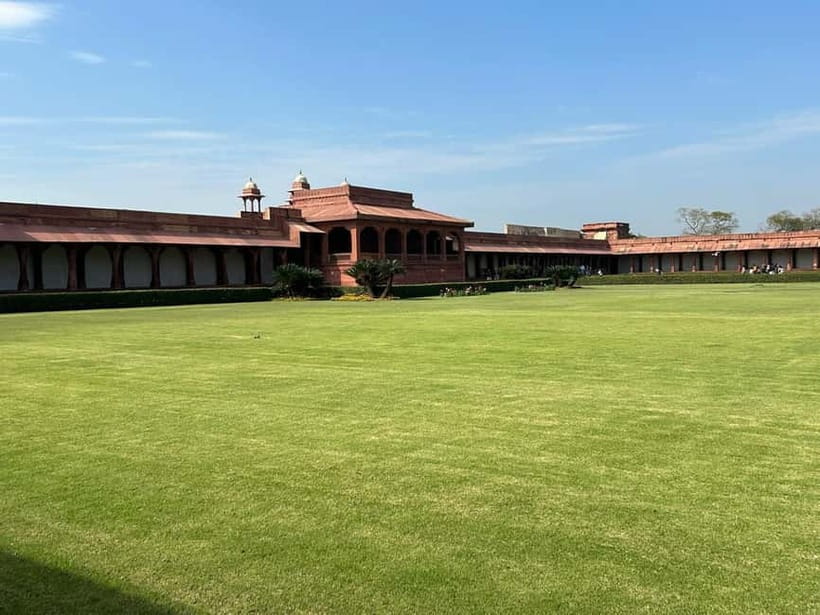
- Skip-the-line entry using a separate entrance, so you start seeing stone details sooner.
- Private guide attention that helps you connect Buland Darwaza, the mosque, and palace halls into one story.
- AC transport with a driver and hotel pickup/drop-off in Agra.
- Top Mughal stops in one circuit, including Jama Masjid, Diwan-i-Khas, Panch Mahal, and the tomb of Salim Chishti.
- Small group size (limited to 15) that feels more manageable than the usual crowd rush.
From Agra to Fatehpur Sikri: The Real Benefit Is Time
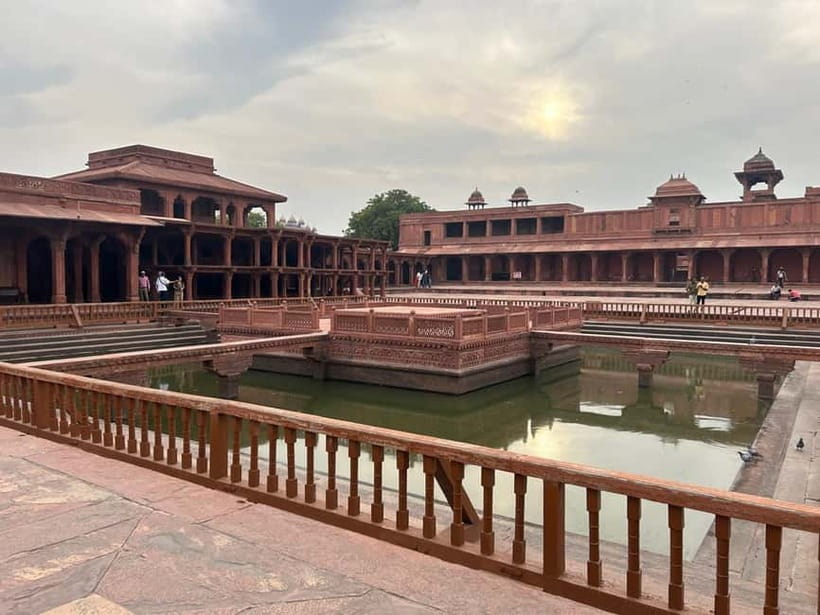
Fatehpur Sikri is one of those places where you can’t really “speed-run” it if you want the architecture to make sense. The big practical win here is the private, air-conditioned transfer with pickup and drop-off from your hotel (or a chosen location), so you spend less effort on logistics and more time actually looking.
The tour also builds in an option that many people care about: skip-the-line access. That matters at sites like this, where waiting can drain the energy you’d rather spend photographing carvings, arches, and the lines of Mughal design.
You can also read our reviews of more private tours in Agra



Buland Darwaza: Your First Big Jaw-Drop at the Complex
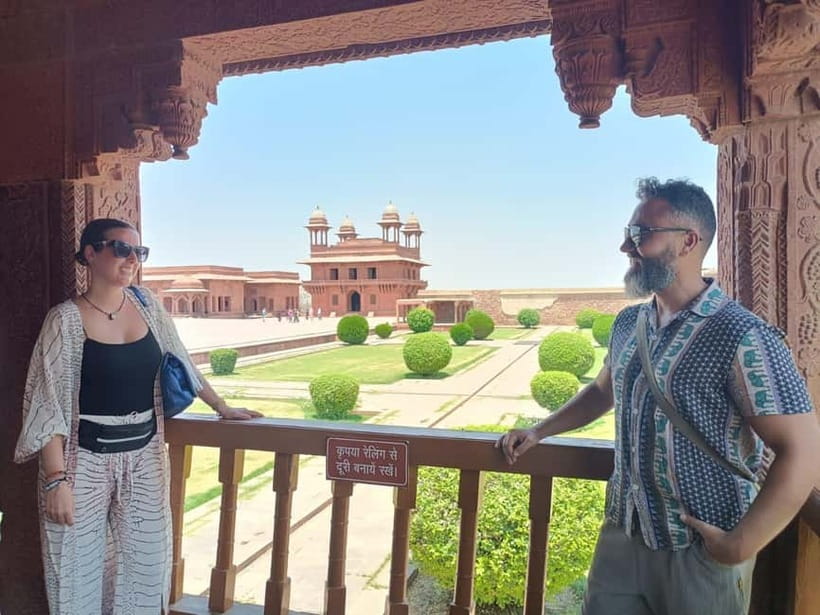
Buland Darwaza is the main showpiece at Fatehpur Sikri, and your first encounter is usually the most dramatic. It’s a monumental gate tied to the idea of victory and imperial confidence, and the scale hits you right away—especially when you’re standing at the base and seeing how the structure commands the entry approach.
What I like about having a guide here is not just pointing at height, but explaining why it’s placed where it is. You start to notice how Mughal architecture used sight lines like tools: big entrances create an instant mood, then the rest of the complex slowly teaches you how power and faith were displayed side by side.
Jama Masjid: Mosque Architecture That Rewards Careful Looking
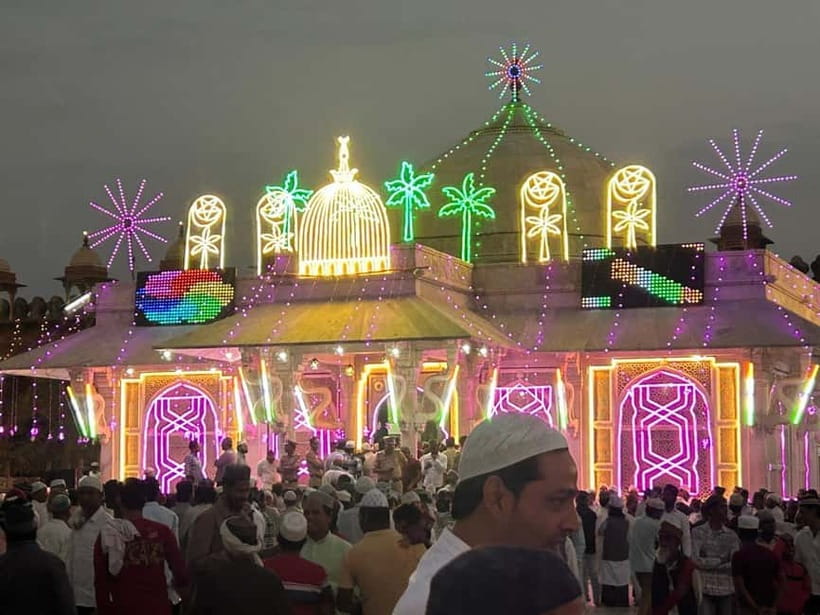
Next comes Jama Masjid, described as one of the architectural marvels of the Mughal era. Even if you’re not a “mosque person,” the buildings here are designed for viewing angles—arched surfaces, symmetry, and the way light plays across stone.
This is also a good moment to slow down just a touch. If you’re quick to move on, you can miss the small transitions between spaces: entrances, prayer area proportions, and how the complex feels like it was built for ceremony. A knowledgeable guide can help you spot what to pay attention to, and you’ll get more out of those repeated arches than if you’re walking through on autopilot.
Diwan-i-Khas: Where the Royal Inside Story Lives
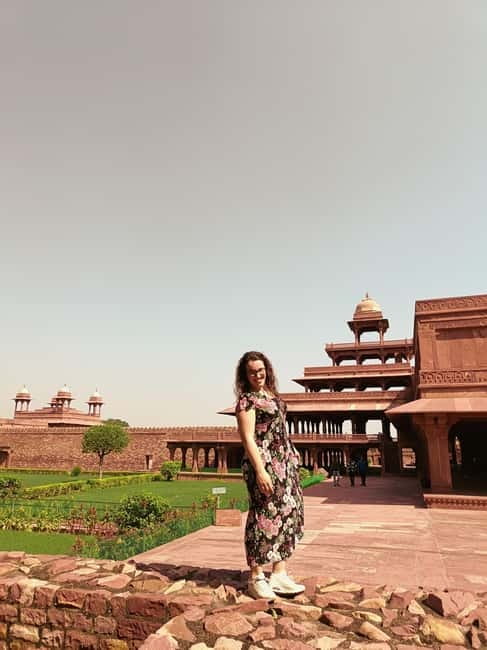
Diwan-i-Khas is the Hall of Private Audiences, linked to Akbar meeting closest advisors. This stop is interesting because it shifts the feeling from open public spectacle to controlled, curated decision-making.
What you’ll appreciate with a guide is the context—how a hall’s layout reflects authority. You’re not just looking at a room; you’re looking at how rulers wanted conversation and counsel to happen: space, access, and the impression of proximity. It’s one of the parts where a quick explanation can turn into a clearer mental picture of court life.
Panch Mahal: The View That Makes You Understand the Layout
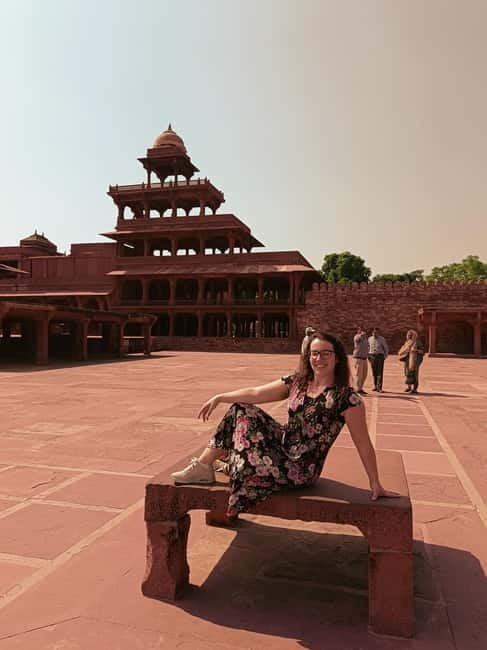
Panch Mahal is a five-story palace area with spectacular views over the surroundings. The name alone hints at vertical layering, and once you’re there, it becomes obvious how the palace was meant to be seen and experienced from multiple angles.
Even with limited time, you should make a point of climbing or pausing long enough to get the perspective. From higher levels, the complex’s layout reads differently. You start to see the “logic” of where structures sit, where movement would have flowed, and how architects guided attention without needing modern signage.




Tomb of Salim Chishti: Spiritual Space Inside an Imperial Site
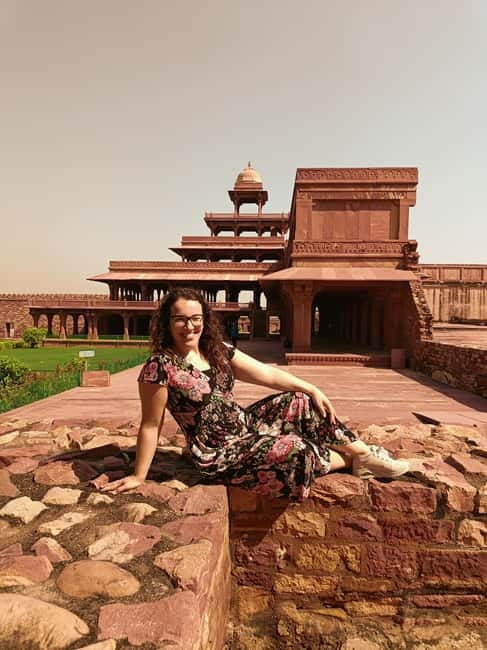
The Tomb of Salim Chishti is a sacred Sufi saint’s tomb and one of the most prominent spiritual landmarks in the complex. It adds a different tone to the day: less about palace power, more about reverence and the emotional gravity of a holy place.
If you’re the type who likes to photograph quietly, this is often where you’ll feel the most reason to slow down. You’ll see how the same Mughal building tradition could express spirituality through layout and atmosphere. A guide can help connect why this tomb matters within the larger Fatehpur Sikri story—so it doesn’t feel like a detour.
Jodhabai’s Palace: Mughal Architecture Seen Through a Personal Lens
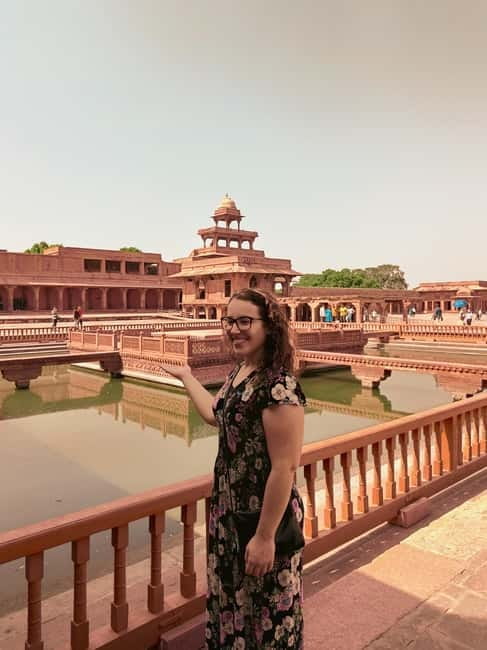
Jodhabai’s Palace is often described as a fascinating example of Mughal architecture, believed to be the residence of Akbar’s wife, Jodha Bai. This stop is useful because it brings the day back toward daily life and domestic space, not only administration and worship.
The architecture here helps you understand how court life expressed status at different scales. You’re looking at an area meant for residence and comfort, and that changes how you interpret details. Instead of thinking only in terms of “monument,” you start noticing how comfort and design can coexist with royal authority.
A Real-World Look at the Timing (5–8 Hours Isn’t a Lot)
This tour runs about 5–8 hours, depending on your pickup timing, the pace your guide sets, and how much you want to pause for photos. That duration is long enough to see the main Fatehpur Sikri highlights, but short enough that you should decide in advance what matters most to you.
If you love architecture details, plan to linger at Buland Darwaza, Jama Masjid, and Panch Mahal just a little longer. If you prefer sweeping context, you’ll still get it—your guide can connect the dots between structures so it doesn’t become a list of buildings.
There’s also an optional local bazaar stop. It can be a nice break from stone, giving you a glimpse of everyday momentum. Just be practical: bazaars can turn into a time sink if you get distracted by everything you see.
Transport and Comfort: The Quiet Luxury Is the Driver
The transfer is handled by a private air-conditioned car with a driver who accompanies you, which is a big deal in a day focused on walking and heat. It means you’re not juggling rides, not negotiating at the last minute, and not trying to read your way back to your hotel while your legs are done.
In the experience notes, drivers like Sahil are mentioned as punctual and polite, which tends to show up as less stress overall. If you’re visiting from outside Agra or you have a tight schedule, that reliability is part of what you’re paying for.
The Guide Makes the Site Make Sense
A Fatehpur Sikri tour lives or dies on interpretation. The tour includes an English-speaking guide, and the guide language options include English, French, and Spanish. That matters because the monuments are complex, and you’ll get more value if someone can explain what you’re seeing while you’re standing there.
From the experience details and names shared, you may be guided by people like Ansar, and there are references to guides such as Fesel and Ilsad as well. The consistent theme is clear communication and an engaging approach—exactly what you want when you’re trying to turn “cool buildings” into a real understanding of Akbar-era design and meaning.
The Optional Taj Mahal & Agra Fort Ticket: Worth It Only If It Fits Your Day
This tour can include skip-the-line entry tickets for Taj Mahal & Agra Fort if that option is chosen. That can be valuable because it reduces friction when you’re trying to pack major sites into one itinerary.
But keep one key fact in mind: the Taj Mahal is closed on Fridays. If your travel plans land on a Friday and you’re counting on Taj Mahal time, you’ll need a backup plan or a different focus day.
If you’re only doing Fatehpur Sikri, you still get plenty here. Fatehpur Sikri is not the sort of site you’ll regret spending your time on.
Price and Value: Why $16 Can Make Sense
At $16 per person, this feels like a bargain—especially when you factor in hotel pickup/drop-off, a private car, a tour guide, and included parking/taxes. The main reason the value works is that the tour isn’t trying to do everything in India’s grandest hits. It focuses on one major destination and makes it easier to experience it well.
One caution: at this price level, the day structure becomes important. You should be comfortable with a planned route and a pace that hits the big monuments without offering endless wandering time. If you want a slow, museum-style experience for every nook, you may want a tour format with more hours.
Who Should Book This Fatehpur Sikri Private Tour
This tour is a good fit if you want:
- A guided Fatehpur Sikri visit with clear explanations while you walk
- Skip-the-line entry to reduce waiting
- Hotel pickup and drop-off to keep the day smooth
- A small group setting that feels more controlled than huge buses
It also works well for first-time visitors to the Mughal architecture scene who don’t want to get stuck with a vague tour. If you’re the kind of person who likes to ask questions—about why a gate is placed there, why a hall’s layout matters, why the tomb is so central—you’ll get value fast.
Should You Book It?
If you’re in Agra and want a single-day anchor experience that feels worth your time, I’d say yes—with one key planning thought. Decide how much time you want to spend at Fatehpur Sikri itself. If you’re excited by the main monuments and you like guided context, this format fits neatly.
If you’re traveling on a Friday and you also want Taj Mahal time, double-check which parts you’re choosing, since Taj Mahal closure is real. And if you know you hate feeling rushed, consider whether you’d rather stretch this day longer or pair it with lighter activities later.
Bottom line: this is a practical, well-timed way to see Fatehpur Sikri with fewer headaches and more understanding.
FAQ
How long is the Fatehpur Sikri private tour from Agra?
The duration is listed as 5–8 hours, depending on the starting time and how the schedule runs for your pickup and visits.
Where will the pickup and drop-off happen?
Pickup and drop-off options include Jaipur, Fatehpur Sikri, and Agra. For an Agra departure, you’ll be picked up from your hotel (or a desired location) and returned to your chosen drop-off point.
Do you skip the line at Fatehpur Sikri?
Yes. You get skip-the-line entry through a separate entrance.
What sites are included at Fatehpur Sikri?
You’ll visit the main Fatehpur Sikri highlights such as Buland Darwaza, Jama Masjid, Diwan-i-Khas, Panch Mahal, the Tomb of Salim Chishti, and Jodhabai’s Palace.
What languages is the guide available in?
The live tour guide is available in English, French, and Spanish.
Do I need to bring anything, and are there day-of-week closures to know about?
Bring a passport or ID card. Also note that the Taj Mahal is closed on Fridays, and food and drinks are not included on this tour.