REVIEW · MUMBAI
Mumbai Kanheri Caves & Golden Pagoda – A Buddhist Settlement
Book on GetYourGuide →Operated by Navigate Mumbai Tours · Bookable on GetYourGuide
One day, thousands of carved stones. This guided outing pairs Kanheri Caves in Sanjay Gandhi National Park with Buddhist art and inscriptions that span many centuries, in a setting that feels calm even while you’re in Mumbai. I like that it’s not just sightseeing—this place was made for meditation, shelter, and learning.
I also like how the guide team stays practical and flexible, including Ravi with strong English, and the plan can pivot to the Golden Pagoda when conditions change. One drawback: you’re moving by local transport and doing a couple of stretches on foot, so wear comfy shoes and plan for a warm day.
In This Review
- What makes Kanheri Caves feel special
- Sanjay Gandhi National Park: the calm start before the caves
- The Kanheri Caves: Buddhist settlement carved into stone
- The guide makes the difference: what you’ll learn in real time
- Park bus rides and wildlife chances: small payoff, big atmosphere
- Golden Pagoda as the Plan B (and sometimes the best part)
- The mountain viewpoint: why the top matters
- Duration and pacing: what 2.5 to 7 hours means for you
- Price and value: what you get for about $23
- What to pack and wear (so the day stays pleasant)
- Who this Kanheri and Golden Pagoda day is best for
- Should you book this tour?
- FAQ
- Where is the meeting point for the tour?
- How long does the tour take?
- Is an English-speaking guide included?
- What’s included in the price?
- Are meals included?
- Can I skip the ticket line?
- Is this tour suitable for everyone?
What makes Kanheri Caves feel special
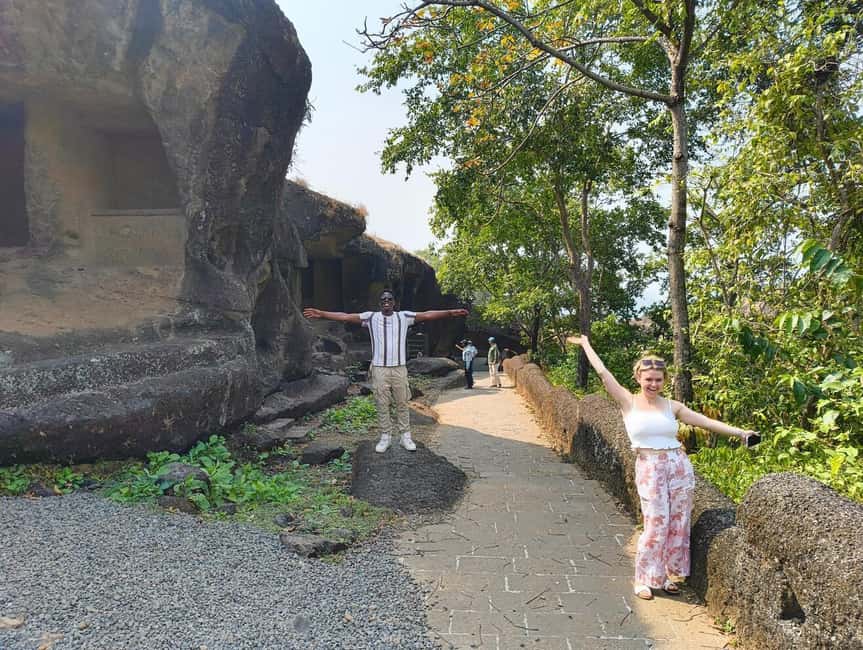
- Buddhist rock-cut artwork from 100 BCE to 1000 CE, including sculptures, inscriptions, and paintings
- A guided walk through a functioning monastery world, not just a pile of old rocks
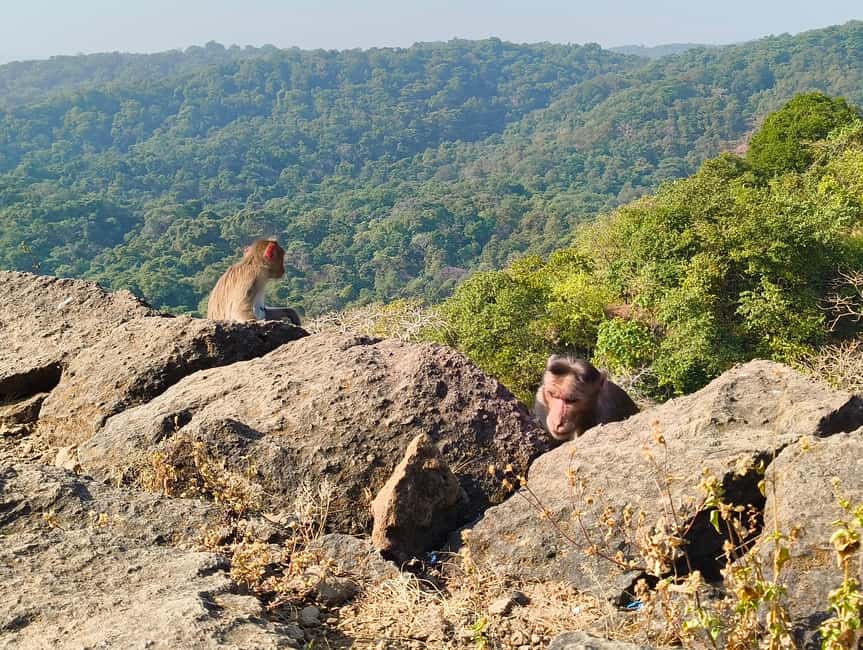
- Wildlife sightings potential in Sanjay Gandhi National Park (deer, monkeys, flying foxes, and even lions)
- Panoramic top-of-the-mountain views, tied to the spiritual feel of the complex
- A flexible swap to Golden Pagoda if Kanheri Caves are closed, with the guide adjusting your day
Sanjay Gandhi National Park: the calm start before the caves
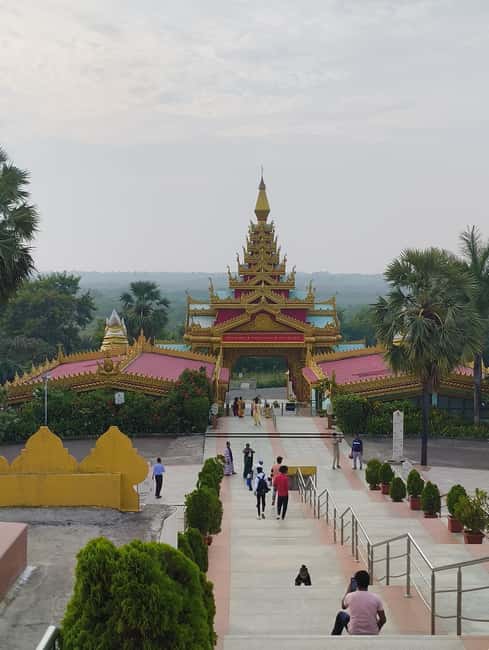
Before you hit the caves, you’re based in one of Mumbai’s rare “leave the noise behind” zones: Sanjay Gandhi National Park, often described as the city’s lungs. The big value here is contrast. You start at the main gate, then head into a greener pocket where the air feels cooler and the pace slows down.
You’ll travel about 8 km to the cave area by local bus. That ride matters more than you might think, because it puts you inside the rhythm of the park. Along the way, you may spot animals like deer and monkeys, plus flying foxes and other wildlife that this park is known for.
Wildlife spotting is never guaranteed, but the setup is. You get the day’s best chance of seeing animals in their normal habitat instead of watching from a distant bus window.
You can also read our reviews of more tours and experiences in Mumbai.

The Kanheri Caves: Buddhist settlement carved into stone
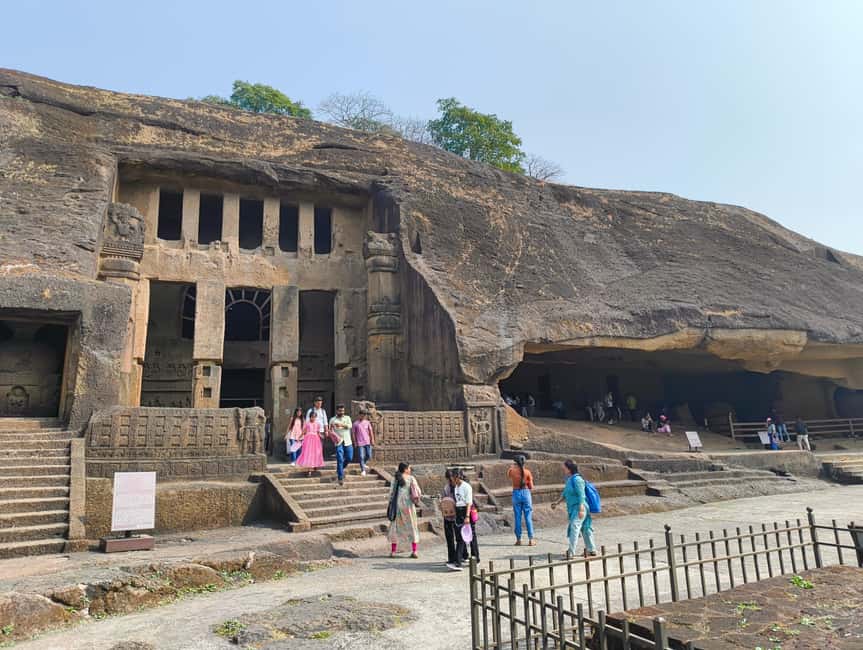
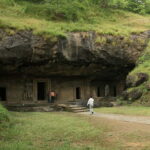
The real reason to come is Kanheri Caves—an extensive cluster of rock-cut spaces that served spiritual and practical purposes. You’re not only looking at sculptures; you’re walking through a whole system: places for meditation, shelter, meetings, and study.
Expect to spend roughly two hours on the guided cave route. Your guide leads you through stone chambers where you’ll see Buddhist sculptures, inscriptions, and paintings tied to the long timeline of the site—from 100 BCE to 1000 CE. That range is key. It means you’re looking at art that developed over centuries, not one single moment in time.
Here’s what I’d tell you to focus on while you’re inside: don’t rush the carvings. Spend a minute on each panel or statue, then let your guide connect the dots. The caves are visually impressive, but the added context is what makes them stick—how the community used these spaces and how Buddhism shaped the layout.
Also, the caves aren’t just “indoor museum rooms.” The complex sits in the park, so you’ll feel that you’re moving between nature and faith-based architecture. It’s a different kind of cultural experience than a city heritage site.
The guide makes the difference: what you’ll learn in real time
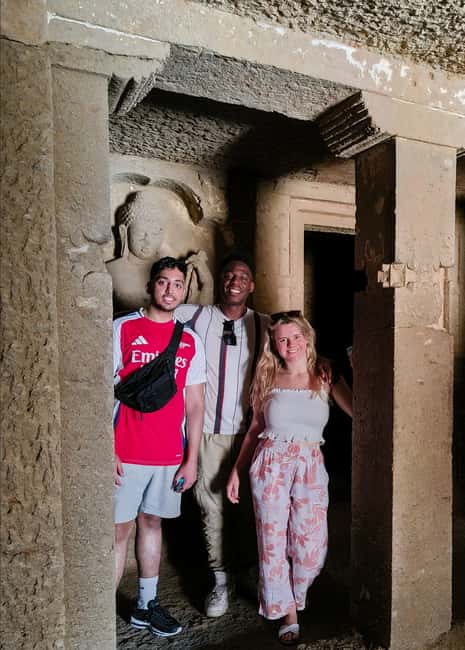
This tour is built around an English-speaking guide (and Hindi as well), and the strongest praise consistently points to how much the guide teaches. I’d choose this experience partly because you’re not left with a generic audio track. You get explanations as you walk, plus the chance to ask questions and get straight answers.
One name that comes up again and again is Ravi, described as professional, punctual, and very good with English. The tone is not academic for its own sake. The best guides here connect what you see to why it mattered to the people who lived with the caves—meditation spaces, learning areas, and meeting points.
If you’re the type who likes details—symbols, inscriptions, how different sections were used—this format will fit you. If you’re more casual, that’s fine too. You can ask for the “main takeaways” and still get a satisfying story without feeling dragged through every minor carving.
And yes, I appreciate the practical side. In warm weather, having someone who watches hydration and keeps the pace comfortable can make the difference between a good day and a sweaty blur. The guides here are known for caring about that.
Park bus rides and wildlife chances: small payoff, big atmosphere
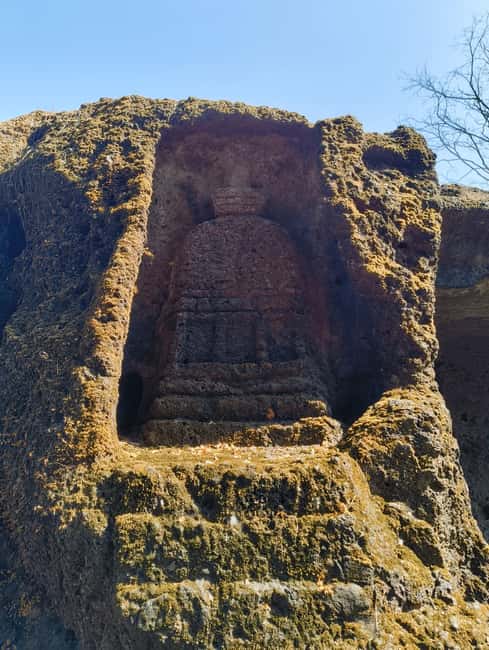
The tour uses public transport within the park, which sounds plain, but it adds realism. You’re not removed from the surroundings. You’re traveling like people who are used to this route.
That also means the ride can be as interesting as the stops, because you’re in a living ecosystem. The park is associated with animals such as deer and monkeys, and it’s also mentioned for bigger wildlife possibilities like lions. Flying foxes are in the mix too. You shouldn’t plan your day like you’ll definitely see every species, but you can be alert without feeling tense.
A practical note: since this is park transport, build in a little flexibility. Local buses can add waiting time, and the day’s rhythm depends on what’s happening on the ground.
The upside? You get more than just a “cave photo.” You get the feel of being in a functioning national park.
Golden Pagoda as the Plan B (and sometimes the best part)
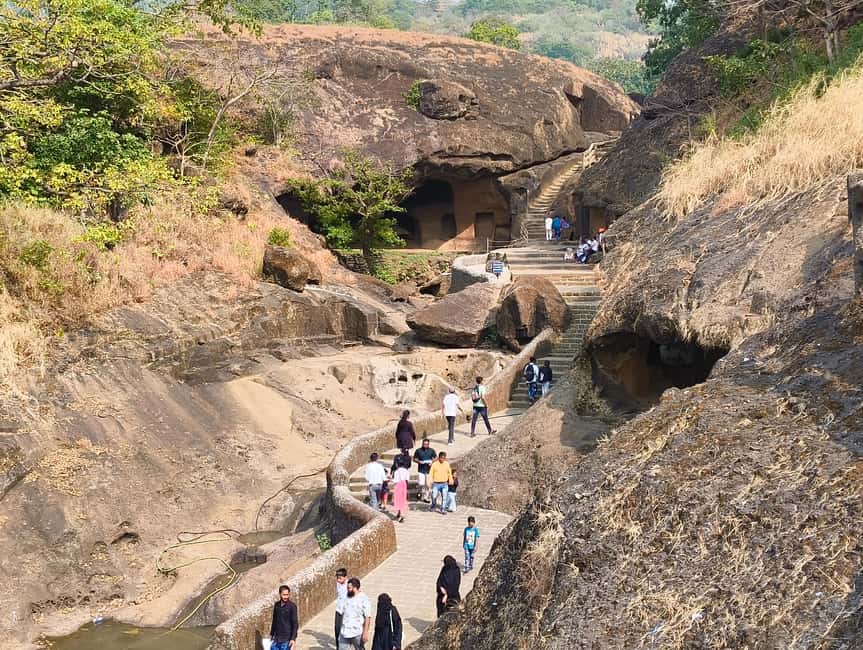
Here’s one of the most useful things about this experience: your guide may switch parts of the itinerary if Kanheri Caves are closed due to major causes. In at least one case, when Kanheri didn’t work out, the guide let the group choose an alternative and went to the Golden Pagoda.
That flexibility is a real value-add. Caves are a nature-and-operations situation, not a studio set. If something blocks your first choice, you don’t just lose the day—you pivot.
If you end up at the Golden Pagoda, it’s a helpful reminder that this region’s Buddhist connections aren’t limited to rock-cut chambers. The experience can widen from ancient carvings into a more current spiritual landmark—still connected to the broader Buddhist theme of the tour.
So if you’re booking with the mindset of “I want a cultural Buddhist day plus nature,” this tour fits that goal better than rigid-only sightseeing plans.




The mountain viewpoint: why the top matters
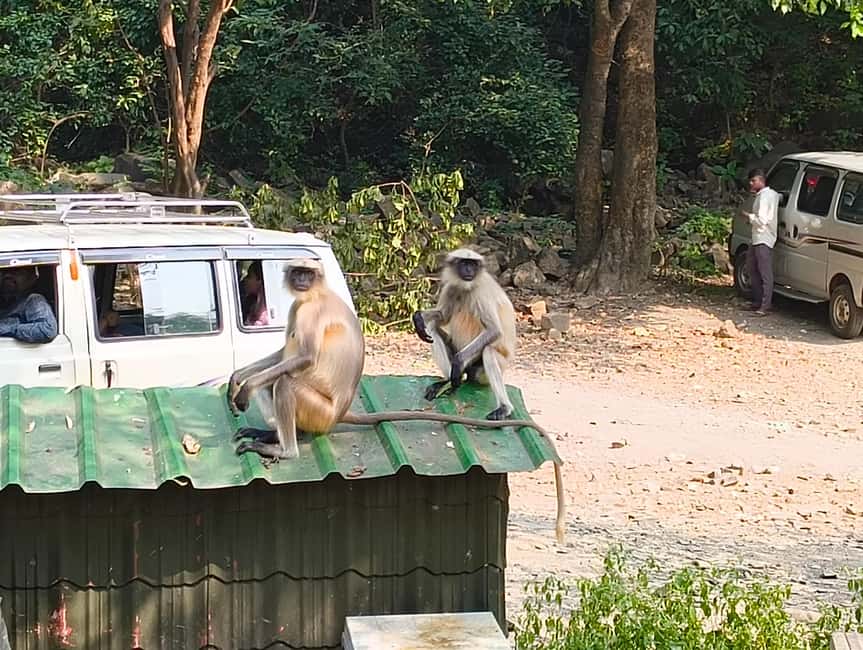
One of the highlights is the panoramic view of the city from the top of the mountain. That viewpoint isn’t a random photo stop. It helps you understand the site’s scale and setting. You get to see how the caves sit above the park environment and how the city spreads out below.
For many people, this is where the day clicks. You can connect the spiritual purpose of the caves—quiet, elevation, stillness—to the reality of Mumbai’s reach.
Bring your patience for the climb and any waiting time. Views tend to take time, and the best payoff comes when you slow down enough to actually look at what’s around you.
Duration and pacing: what 2.5 to 7 hours means for you
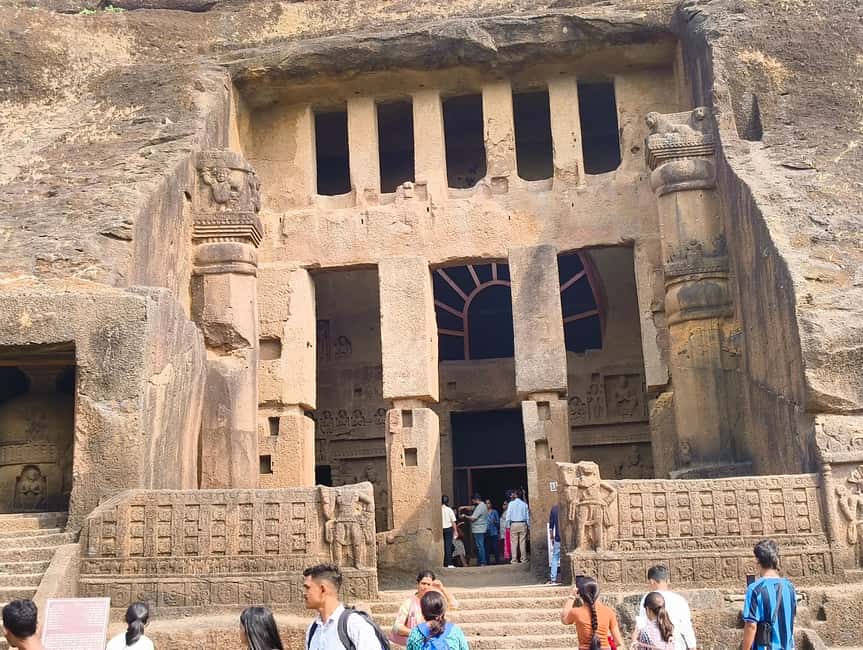
The tour runs 2.5 to 7 hours, which is a wide range. That range usually reflects day-to-day factors like transport timing, how the cave visit flows, and whether Kanheri is fully accessible or needs an alternate plan.
If you want a half-day experience, this can work. If your schedule is more relaxed, the flexibility can actually be a plus, because it lets the guide adapt while still keeping the day meaningful.
Inside the caves, you’re looking at about two hours of guided time. After that, there’s transit back to the main gate and the return route. In practice, that means you should plan meals outside the tour.
Price and value: what you get for about $23
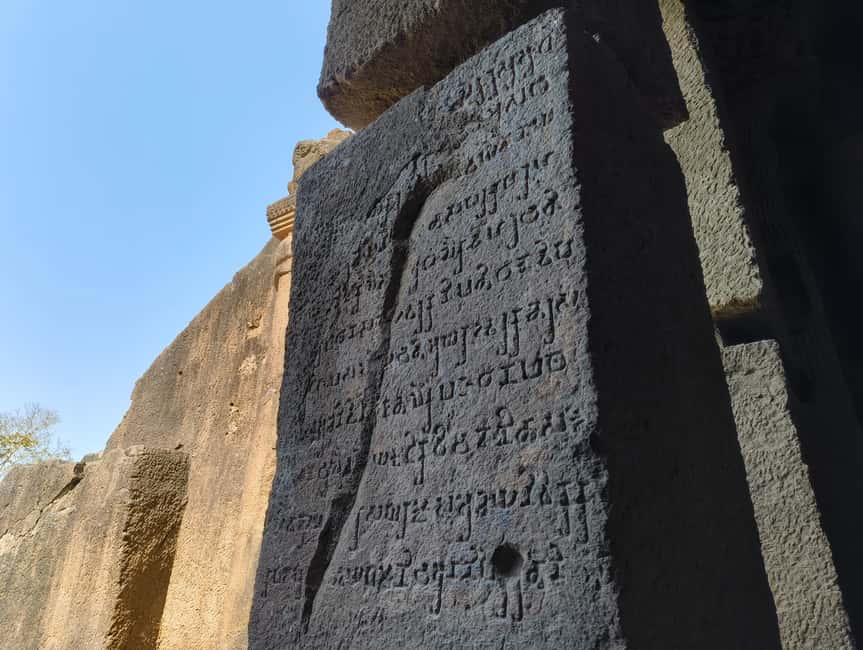
For $23 per person, you’re getting more than “a ticket to a place.” You’re also paying for an English-speaking guide, entry tickets, transport fees within the day, and bottled water. If you’d otherwise try to figure out transportation on your own, that guide-led setup can save stress.
You’ll notice the tour includes pickup & drop-off from a given location only if you choose that option. Either way, entry and park transport are covered. Meals aren’t included, so you should budget for food timing yourself.
Is it a luxury-style outing? Not really. It’s value-focused. And that matches the vibe of the site. You’re there to see old stone and live nature, not to sit in air-conditioned comfort the whole time.
One more value detail: even on private group options, transport may still be public. The benefit of privacy is more about your guide attention and group flexibility, not about swapping to private vehicles.
What to pack and wear (so the day stays pleasant)
The tour is straightforward, but you should show up ready to walk.
Bring:
- Comfortable shoes
That’s the big one. You’ll spend time inside the caves and walk between the cave entrance and other points on the route. Also, expect warm conditions in Mumbai, especially outside of cooler months.
The tour includes bottled water, which helps. Still, I’d treat water as your friend and pace your photos and pauses.
Also note: pets aren’t allowed. And this isn’t listed as suitable for pregnant women, so if that applies to you, it’s best to choose another option.
Who this Kanheri and Golden Pagoda day is best for
This is a great fit if you want a day that blends:
- Ancient Buddhist art (caves with sculptures and inscriptions)
- Nature in a major city (Sanjay Gandhi National Park wildlife chances)
- Live guidance that turns carvings into stories
It’s especially good for people who like asking questions. The tours are designed for an English-speaking experience, with Hindi also available, and the guide approach seems built around conversation and clear answers.
If you want a fast, checklist-style visit with zero explanation, you might feel like two hours in the caves is too long. But if you want context—why these spaces existed, how they functioned, and what the art represents—this is the right kind of tour.
Should you book this tour?
Yes, I think you should book it if you’re planning to spend time in Mumbai and you want a real cultural day outside the city core. For the price, you’re getting guided access to Kanheri Caves, park transport support, and a built-in chance to still have a strong day via the Golden Pagoda option if access changes.
Just go in with realistic expectations: this isn’t a car-and-pamper tour. You’ll rely on local park transport and you’ll walk. If that’s your kind of trade, you’ll come away with images of carved stone and the context that makes them matter.
FAQ
Where is the meeting point for the tour?
Meet at the Main Gate of Sanjay Gandhi National Park.
How long does the tour take?
The duration is listed as 2.5 to 7 hours, depending on the starting time and conditions.
Is an English-speaking guide included?
Yes. The tour includes a live tour guide in English and Hindi.
What’s included in the price?
The price includes entry tickets, transport fees, packaged water bottles, and the guide. Pickup & drop-off is included only if you select that option.
Are meals included?
No. Meals are not included.
Can I skip the ticket line?
Yes, the tour includes skip the ticket line.
Is this tour suitable for everyone?
It’s not suitable for pregnant women, and pets are not allowed.