REVIEW · NEW DELHI
From Delhi: 3-Day Private Golden Triangle Tour India
Book on GetYourGuide →Operated by Ayesha Holidays · Bookable on GetYourGuide
Sunrise at the Taj Mahal sets the tone fast. In just 3 private days, you’ll see Delhi, Agra, and Jaipur with guided sights, a comfortable driver, and the kind of early start that makes the Golden Triangle feel like more than a checklist.
I especially like the sunrise Taj Mahal plan, with skip-the-ticket-line entry and a guide who can explain what you’re actually seeing. I also enjoy that Old Delhi gets a proper street-level moment, including a rickshaw ride, plus smooth car transfers in between.
One thing to think about: you’ll want cash for some monuments, and entry tickets aren’t included—so your final spend depends on what you buy on-site.
In This Review
- Key highlights that make this tour work
- Why this 3-day Golden Triangle route feels efficient
- Day 1: Old and New Delhi highlights, then Agra by fast highway
- Morning and early afternoon: Delhi’s top stops
- The drive to Agra: 3 to 4 hours, with fewer headaches
- Day 2: Sunrise Taj Mahal, Agra Fort, and the road toward Jaipur
- Taj Mahal at sunrise: skip-the-line entry plus guidance
- After breakfast: Agra Fort
- Fatehpur Sikri stop en route: a Mughal-era break from the highway
- Evening arrival in Jaipur
- Jaipur Day 3: Amber Fort by jeep, then Jal Mahal, Hawa Mahal, City Palace, Jantar Mantar
- Amber Fort: hilltop views with jeep ascent
- Jal Mahal and Hawa Mahal: Jaipur’s image-makers
- City Palace: where royalty meets the present
- Jantar Mantar: UNESCO observatory time
- Return to Delhi: about 5 to 6 hours
- Private car, guided stops, and what $41 per person really means
- Timing rules you should know before you lock dates
- Taj Mahal closure on Fridays
- Red Fort and Lotus Temple closed on Mondays
- New Year’s period gala dinner fee
- Credit-card limits and cash comfort
- Luggage policy
- What it’s like with real guide energy (not just names on a page)
- Who should book this Golden Triangle tour?
- Should you book this 3-day private Golden Triangle tour?
- FAQ
- What cities are included in this 3-day Golden Triangle tour?
- Does the tour include a sunrise Taj Mahal experience?
- Are hotel stays included in the price?
- Are entry tickets included for the monuments?
- Where can pickup happen in Delhi?
- What if I’m traveling on a Friday or Monday?
- Is luggage allowed?
Key highlights that make this tour work
- Sunrise Taj Mahal with skip-the-line entry and a guided start when the light is at its best
- Agra Fort right after breakfast, so you’re not rushing at the hottest part of the day
- A Fatehpur Sikri stop on the way to Jaipur to break up the drive with standout Mughal-era architecture
- Jaipur’s big sights in one flow: Amber Fort (with jeep ascent), Jal Mahal, Hawa Mahal, and City Palace
- UNESCO-listed Jantar Mantar included on Day 3 before you head back to Delhi
Why this 3-day Golden Triangle route feels efficient
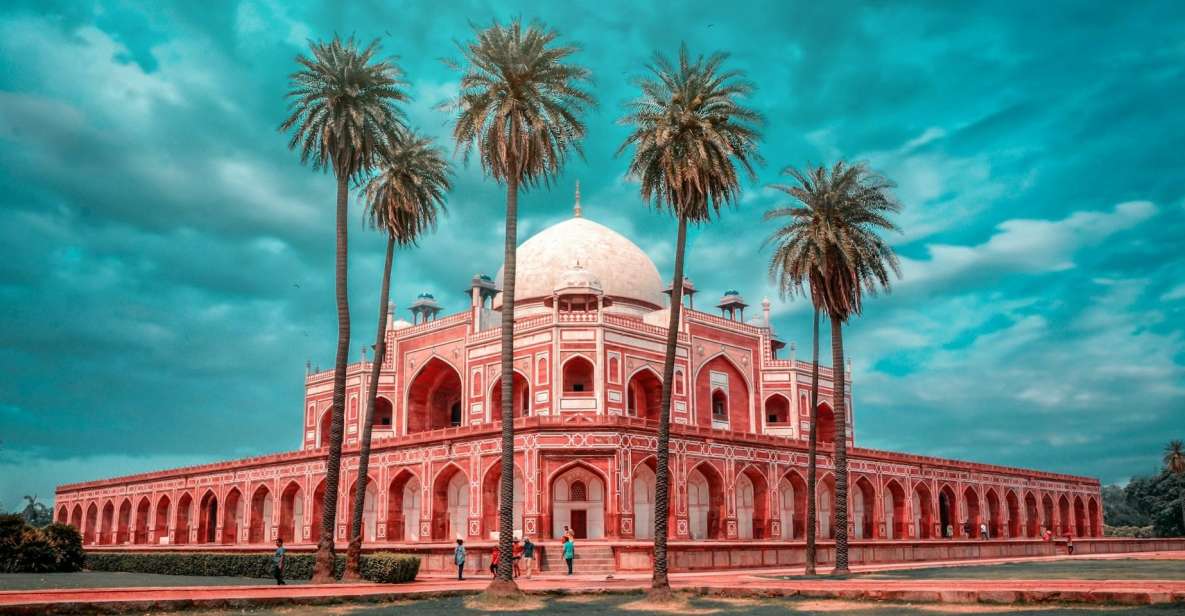
The Golden Triangle is famous for a reason. You hit India’s most high-impact cities—Delhi’s monuments, Agra’s Mughal icons, and Jaipur’s royal pink-city visuals—without the stress of changing trains or figuring out directions all day.
What makes this version practical is the private car with a personal uniformed driver. That means you can move on your schedule, arrive at sights when they’re most workable, and spend your energy on looking, not on logistics.
You also get guided tours at all the main attractions. On this kind of trip, a good guide can turn big landmarks into clear stories you can follow in real time. And from what I’ve heard from guides on this route—people like Saif and Nick—there’s a strong emphasis on walking you through what the buildings mean, not just reading a brochure.
You can also read our reviews of more private tours in New Delhi


Day 1: Old and New Delhi highlights, then Agra by fast highway
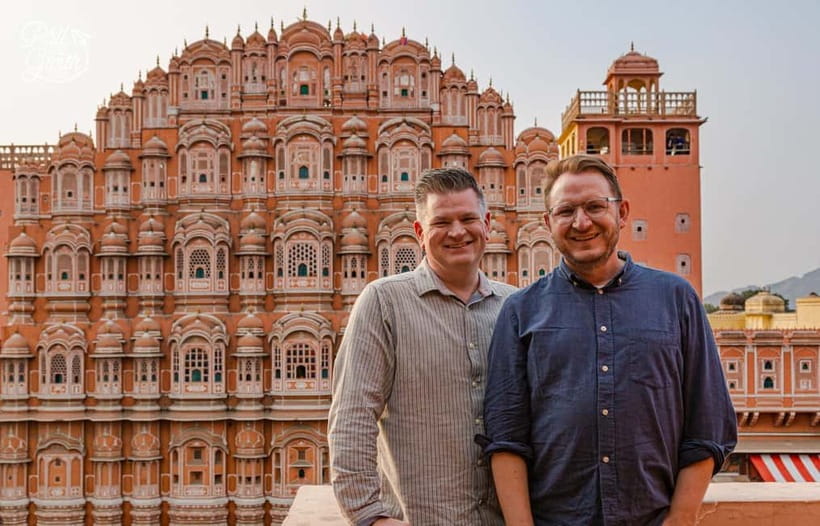
Your day starts with pickup in Delhi (or from the airport at Terminal 3, Exit Gate No. 4) and a drive that mixes “old city” energy with major government-and-empire landmarks.
Morning and early afternoon: Delhi’s top stops
You’ll cover several signature sites:
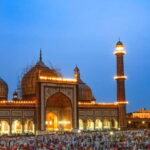
- Jama Masjid (a grand focal point of Old Delhi)
- India Gate (a must-see memorial landmark)
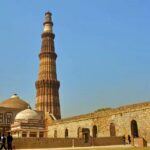
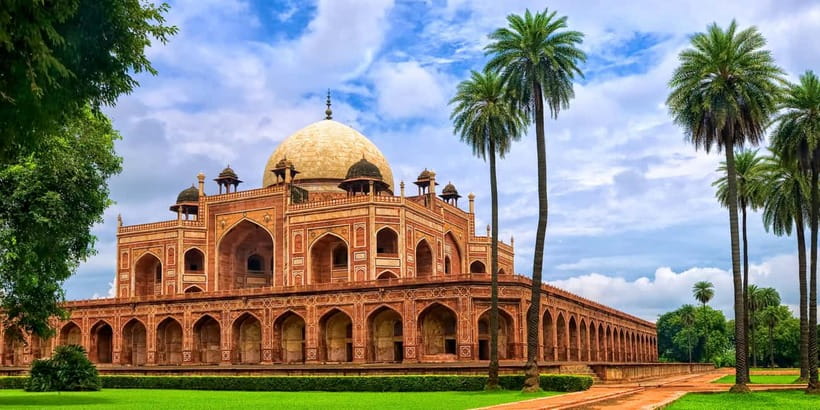
- Qutub Minar (classic Delhi history in stone)
- Parliament House (you’ll see it from the outside as part of the drive)
- A panoramic drive past Red Fort and the President’s House
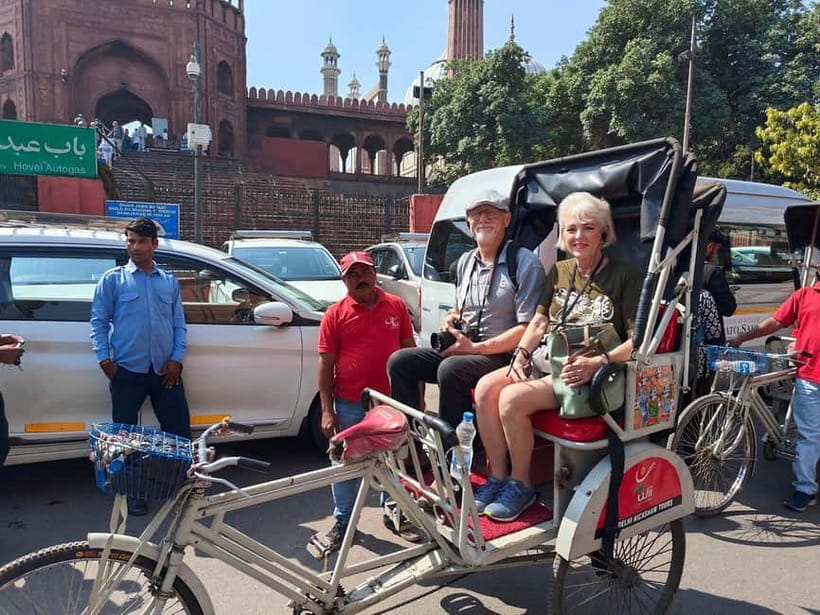
Then you get a rickshaw ride in Old Delhi. That’s one of those small add-ons that changes the feel of the day because it’s not just about monuments—you get a slice of street movement and local scale.
The drive to Agra: 3 to 4 hours, with fewer headaches
After Delhi sightseeing, you head to Agra via the Yamuna Expressway (about 3–4 hours). The value here is straightforward: you don’t lose a full day to travel wrangling, and the route is fast enough that you can still enjoy the evening when you arrive.
You’ll check in at your hotel in Agra, then you’re done for the day. That’s helpful because Day 2 starts early.
Day 2: Sunrise Taj Mahal, Agra Fort, and the road toward Jaipur
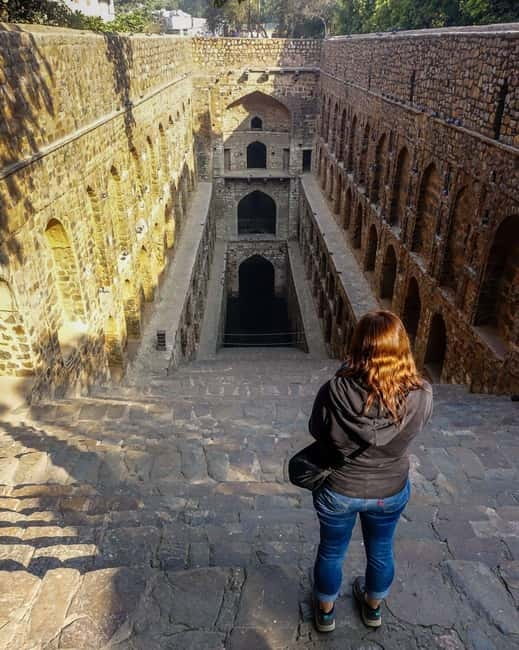
If your goal is to see the Taj Mahal at its best, this itinerary is built around the right timing. Waking up early is never fun on paper, but sunrise changes everything: softer light, cooler temperatures, and a calmer feel in the early hours.
You can also read our reviews of more tours and experiences in New Delhi






Taj Mahal at sunrise: skip-the-line entry plus guidance
On Day 2, you’ll visit the Taj Mahal at sunrise with a live English guide (and other languages too). The tour includes skip-the-ticket-line entry, plus a golf cart ride from the parking area to the entrance.
That little golf cart detail matters more than people expect. It saves walking time when you’re starting before the sun is fully up, and it keeps the day from feeling like you’re sprinting just to arrive.
After breakfast: Agra Fort
Later, after breakfast, you’ll visit Agra Fort, described as a red sandstone marvel and once a royal residence. This is where the Taj becomes less of a single icon and more of part of a wider Mughal power story.
A strong guide can make this comparison click fast—how Agra Fort and the surrounding Mughal layout connect with the empire’s priorities. From the guides I’ve learned about on this route, you can expect real explanations of design choices and the everyday logic of court life, not just facts.
Fatehpur Sikri stop en route: a Mughal-era break from the highway
Then you travel to Jaipur. On the way, you stop at Fatehpur Sikri, often called a ghost city and known for its stunning Mughal architecture.
Even if your time there is limited, this stop breaks up the drive and gives you a contrast to Agra. It also adds variety: instead of more fort-and-palace images repeating, you get a different architectural mood and a different kind of site.
Evening arrival in Jaipur
You’ll reach Jaipur by evening and check into your hotel. That timing is good because it gives you a buffer for settling in—especially if you choose the optional 2-night hotel stay with daily breakfast.
Jaipur Day 3: Amber Fort by jeep, then Jal Mahal, Hawa Mahal, City Palace, Jantar Mantar
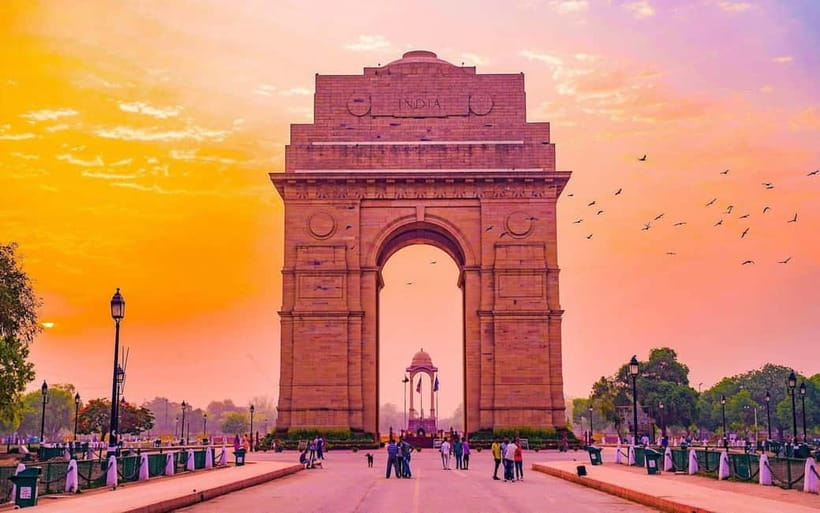
Jaipur is the place where the architecture looks almost too perfect in photos. The trick is to see it at real human speed. This itinerary does that by stacking the key sites in one flowing day, while still giving you time to move between them.
Amber Fort: hilltop views with jeep ascent
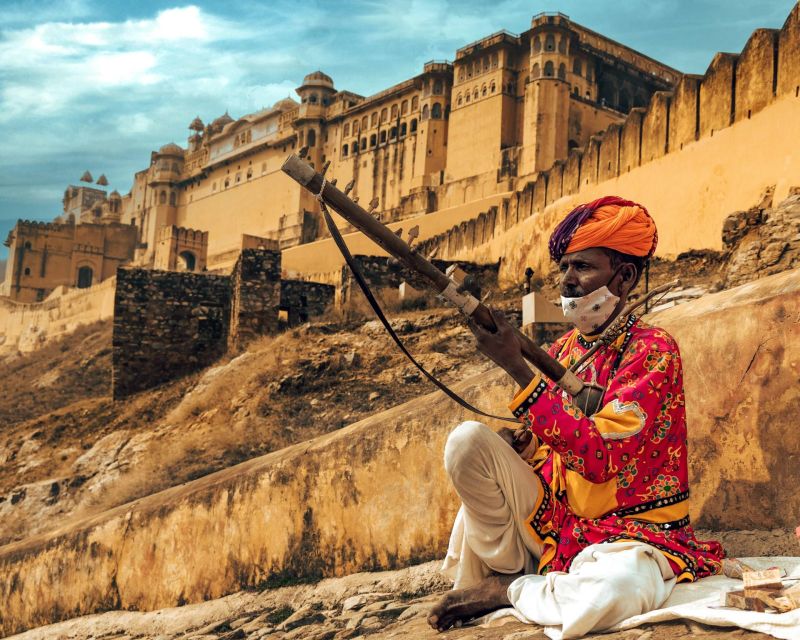
First up: Amber Fort, set up for you to go up by jeep for panoramic views. That jeep ascent is a smart inclusion because it keeps the day from turning into a long uphill slog.
At Amber Fort, you’re looking at a fort that’s also a statement of power. A guide can help you read the defensive design and the ceremonial intent together, so it doesn’t feel like you’re just staring at walls.
Jal Mahal and Hawa Mahal: Jaipur’s image-makers
After Amber, you’ll see:
- Jal Mahal (Water Palace)
- Hawa Mahal (Palace of Winds)
These aren’t the kind of monuments where you need hours to “complete the experience.” They’re more about visual impact and understanding why Jaipur’s royal aesthetic is so identifiable. Seeing them on the same day as Amber also helps because you get a clearer picture of the city’s layout and court life patterns.
City Palace: where royalty meets the present
Next is City Palace, home to Jaipur’s royal heritage. This is one of the best places to slow down a bit, because it connects the look of the city to the lived identity of its rulers.
Jantar Mantar: UNESCO observatory time
You finish with Jantar Mantar, a UNESCO-listed observatory. This is a different flavor than forts and palaces. Instead of architecture-as-power, it’s architecture-as-science.
If you like explanations that make patterns make sense, a good guide really pays off here. A clear walkthrough helps you connect instruments, measurements, and the goals behind them.
Return to Delhi: about 5 to 6 hours
In the afternoon you head back to Delhi in the private car, roughly 5–6 hours, with drop-off at your hotel or the airport. This keeps the trip compact and makes sure you don’t lose half of your last day trying to travel.
Private car, guided stops, and what $41 per person really means
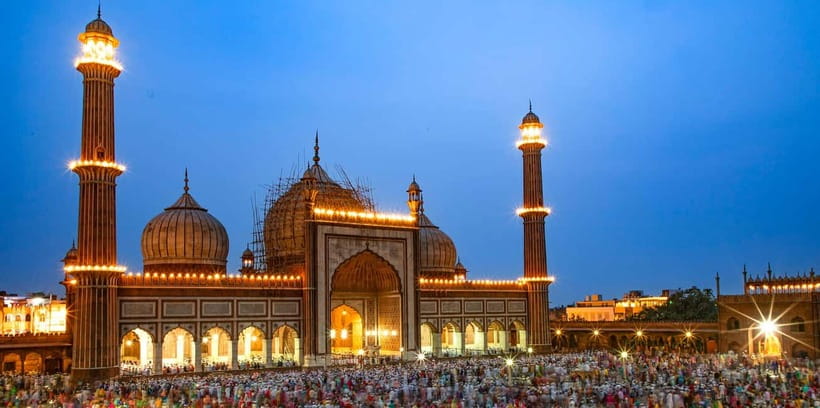
Let’s talk value in plain terms. The listed price is $41 per person for a 3-day private Golden Triangle tour. That’s strong if you remember what’s built into the package:
- Hotel pickup and drop-off service
- Private air-conditioned vehicle for sightseeing
- A personal, uniformed driver
- Guided tours at all attractions
- Bottled water
- Rickshaw ride in Old Delhi
- Golf cart ride to and from Taj Mahal entrance
- Optional 2-night hotel stay with daily breakfast (if you pick that option)
Two costs to watch:
- Entry tickets are not included. So monuments fees can add up once you decide what to purchase at each stop.
- Some monuments don’t accept credit cards, so bring cash in INR. Your guide can help you find an ATM if needed, but the simplest move is to arrive prepared.
Also note the vehicle choice depends on group size:
- 1–2 people: Toyota Etios or similar
- 3–5 people: Toyota Innova or similar
- 6–10 people: Tempo Traveler
That means the comfort level stays appropriate for your group size instead of squeezing everyone into the smallest option.
Timing rules you should know before you lock dates
This route is well planned, but India’s schedule changes based on closures. Here’s what you need to keep in mind so you’re not surprised.
Taj Mahal closure on Fridays
The Taj Mahal remains closed on Friday, so your tour is modified to a Delhi–Jaipur–Agra–Delhi order instead.
Red Fort and Lotus Temple closed on Mondays
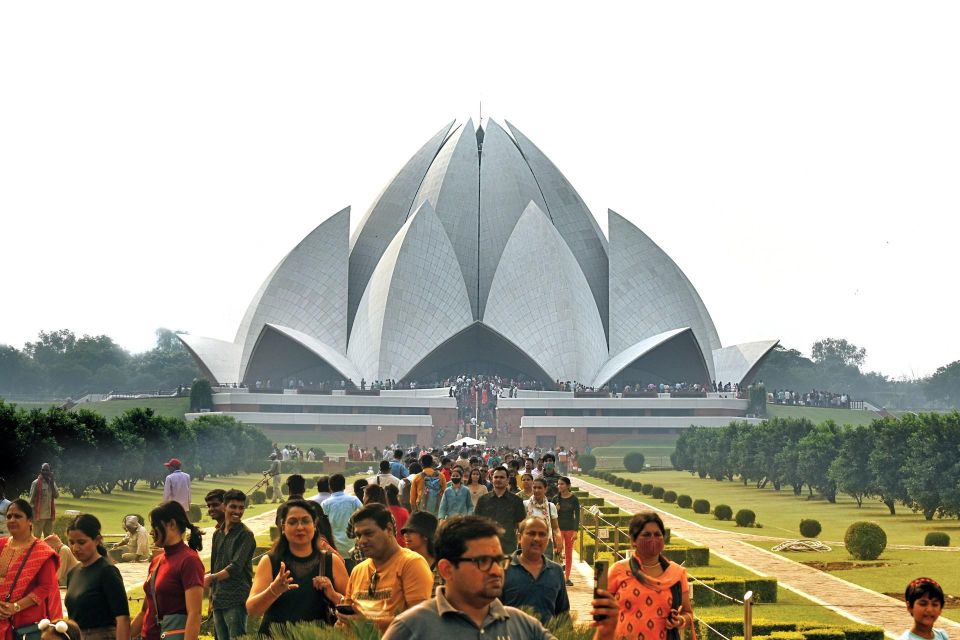
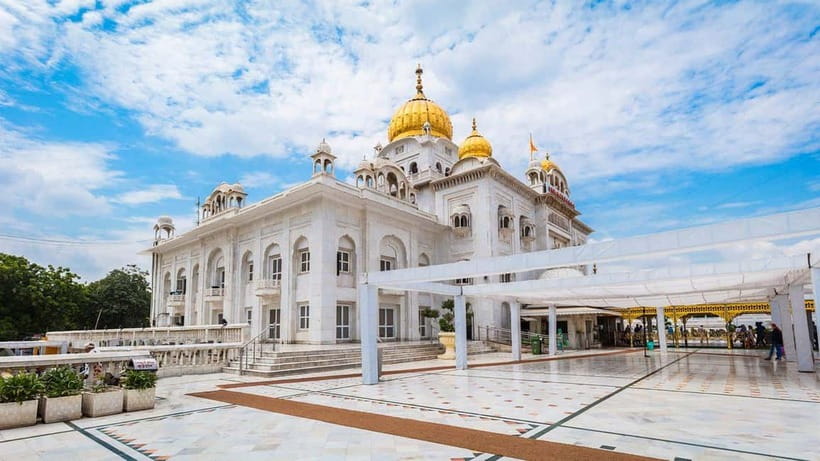
On Mondays, the Red Fort and Lotus Temple are closed. The itinerary swaps in Gurudwara Bangla Sahib instead.
New Year’s period gala dinner fee
There’s a mandatory gala dinner fee on New Year’s Eve from December 24 to January 4. If your dates overlap, budget for it.
Credit-card limits and cash comfort
Some monuments don’t take credit cards. Carry cash in INR for ticket purchases. Comfortable shoes help too, because even with golf cart transfers, you’ll still be walking at most stops.
Luggage policy
Large bags aren’t allowed. If you’re traveling with bulky luggage, plan to keep it minimal.
What it’s like with real guide energy (not just names on a page)
This tour format rises or falls on interpretation, and the guides on this route sound like they take that seriously.
I’ve heard examples like Saif, who explains the Taj Mahal and Agra Fort with storytelling that connects art, power, and everyday beliefs. People also mention Jeetu, the driver, adding Hindi music during the drive and offering cultural context—small touches that make long road time feel less like travel and more like the trip itself.
Nick is another guide name connected to the experience, with a clear focus on bringing history together so you understand why the Taj Mahal is one of the Seven Wonders of the World.
None of that changes the monuments. It changes how fast they start making sense.
Who should book this Golden Triangle tour?
This is a great fit if:
- You want the classic Triangle highlights without planning a thing
- You prefer private pacing over group bus chaos
- You like guided explanations more than just taking photos
- You can handle an early morning for the Taj sunrise
If you’re traveling solo, couples, or small groups, the private setup is especially appealing because you’re not waiting on other people. If your group is larger, the vehicle option scales up accordingly.
Should you book this 3-day private Golden Triangle tour?
Yes, if you want a smooth, guided “best of” route that protects your time. The sunrise Taj Mahal component, the skip-the-line entry, and the built-in comfort of a private AC car make a real difference in a tight 3-day schedule.
I’d hesitate only if:
- You hate early starts (Day 2 is early by design)
- You don’t want to manage entry-ticket add-ons and carry some cash in INR
- You’re bringing large luggage that might not fit the policy
If that sounds workable, book it and spend your mental energy on the experience—because the logistics are mostly handled for you, and the timing is chosen for maximum payoff.
FAQ
What cities are included in this 3-day Golden Triangle tour?
The tour covers Delhi, Agra, and Jaipur over three days with guided sightseeing and private transfers.
Does the tour include a sunrise Taj Mahal experience?
Yes. Day 2 includes a sunrise Taj Mahal guided visit with skip-the-ticket-line entry.
Are hotel stays included in the price?
A 2-night hotel stay with daily breakfast is included only if you select the hotel option. Otherwise, you’ll still get pick-up and drop-off services and sightseeing guidance.
Are entry tickets included for the monuments?
No. Entry tickets are not included, so you’ll need to pay monument fees separately on-site.
Where can pickup happen in Delhi?
Pickup is available from any hotel in Delhi, Gurgaon, or Noida, and also from Delhi Airport (Terminal 3 Arrivals, Exit Gate No. 4).
What if I’m traveling on a Friday or Monday?
The Taj Mahal is closed on Friday, so the route is modified to Delhi–Jaipur–Agra–Delhi. On Monday, the Red Fort and Lotus Temple are closed, and the itinerary includes Gurudwara Bangla Sahib instead.
Is luggage allowed?
Large bags are not allowed on the tour. You’ll want to pack light and bring essentials like your passport/ID, comfortable shoes, and cash for on-site ticket purchases.