REVIEW · NEW DELHI
From Delhi: 4-Days Golden Triangle Tour & Ranthambore Safari
Book on GetYourGuide →Operated by Tajmahal Tours · Bookable on GetYourGuide
Four days is enough for the highlights. What makes this one work is the hit list plus a true wildlife-morning in Ranthambore, capped by sunrise Taj Mahal and a real shot at Ranthambore tiger safari in the wild.
I like that the day-by-day flow is built around the moments you want most: guided monuments in the morning light and a focused safari drive early, when wildlife activity is best. The one thing to factor in is the pace: you’ll be in the car a lot, with early starts, and this isn’t a great fit if you have back problems or want long free afternoons.
On top of that, you’re not just dropped at landmarks. You get a live guide (with options like English, Italian, Japanese, French, German, Spanish, Russian), a private AC car for the transfers, and even the small local stop that makes Delhi feel real, like a rickshaw ride through Chandni Chowk lanes. One Agra guide named Jitendra was specifically praised for making the Taj Mahal visit calmer and more meaningful, even with crowds swirling around.
In This Review
- Key moments you’ll remember
- How a 4-day Golden Triangle actually fits (Delhi, Agra, Jaipur, Ranthambore)
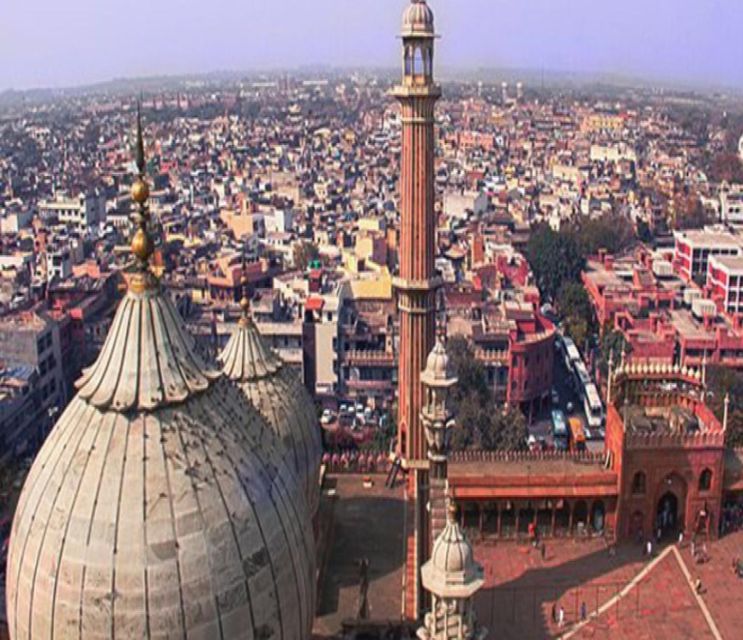
- Delhi highlights: Jama Masjid, Chandni Chowk rickshaw, Qutub Minar, Lotus Temple
- Agra at dawn: Taj Mahal first, plus Agra Fort and Mughal stops
- Ranthambore safari: what the morning drive is really about
- Jaipur’s major sights in one go: Amber Fort, Hawa Mahal, City Palace, Jantar Mantar
- Price and logistics: is $97 good value for this route?
- Who this tour suits best (and who should skip it)
- Should you book: my straight answer
- FAQ
- What cities does this 4-day tour cover?
- What’s the main wildlife activity on the trip?
- When do you visit the Taj Mahal?
- Are hotels and breakfast included?
- Do I need to pay for monument entrance fees?
- Is pickup available from my hotel?
- What language will the live tour guide speak?
- What should I wear and bring?
Key moments you’ll remember
- Sunrise Taj Mahal: early timing helps you see it without the worst crowd crush.
- Chandni Chowk by rickshaw: narrow lanes, street energy, and quick cultural immersion.
- Ranthambore morning jeep/canter safari: your best chance to spot tigers (and other wildlife) in action.
- Fatehpur Sikri stop on the way: Mughal architecture you’ll feel in your feet as much as your eyes.
- Jaipur’s Big Four: Amber Fort, Hawa Mahal, City Palace, and Jantar Mantar in one route.
- AC car + live guide: the schedule runs better when someone else handles the timing and explanations.
How a 4-day Golden Triangle actually fits (Delhi, Agra, Jaipur, Ranthambore)
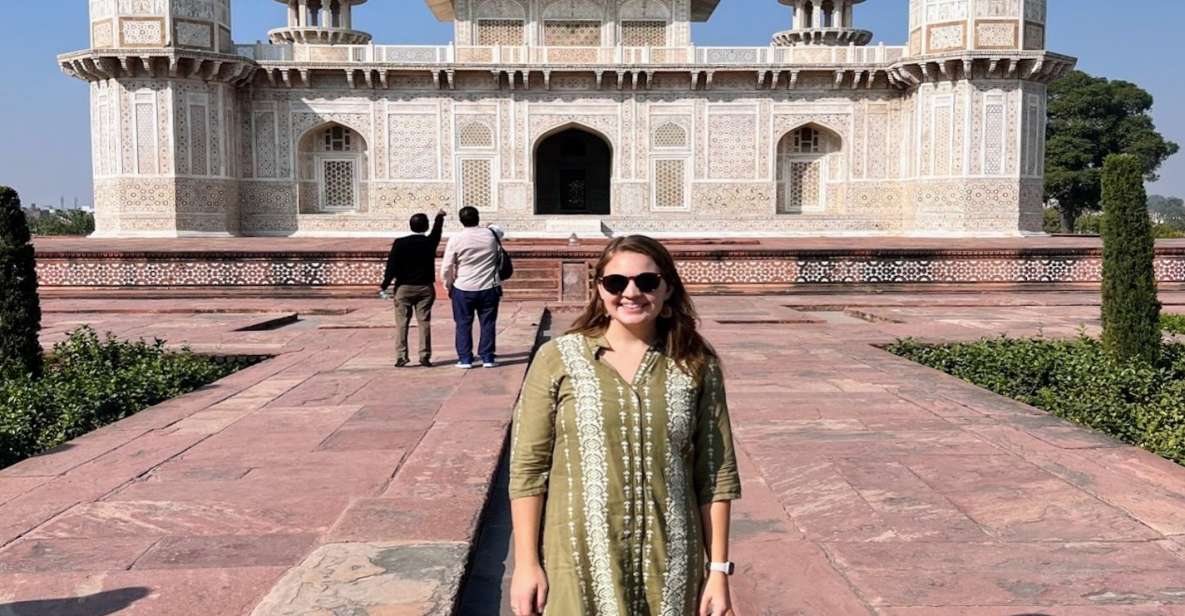
This is a classic Golden Triangle layout with a wildlife add-on, and the smart part is how the route is stitched together. You start in Delhi, then swing to Agra, carry on to Ranthambore (with a heritage stop), and finish in Jaipur before heading back to Delhi. It’s busy, but it’s not random.
What you get is a tour that mixes “wow” monuments with a different kind of Indian day: safari tracks, early forest light, and the quiet tension of scanning for motion. If you’ve done India city travel before, you know the biggest risk in short trips is wasted time. This route tries to protect your mornings and keep transfers efficient with a private SUV or sedan and a professional driver.
There’s also a helpful realism here: the safari is a chance to see tigers, not a guarantee. That matters because you’ll judge the day based on how well you manage expectations. If you’re okay with that, Ranthambore becomes one of the most memorable days of your whole trip.
You can also read our reviews of more tours and experiences in New Delhi



Delhi highlights: Jama Masjid, Chandni Chowk rickshaw, Qutub Minar, Lotus Temple
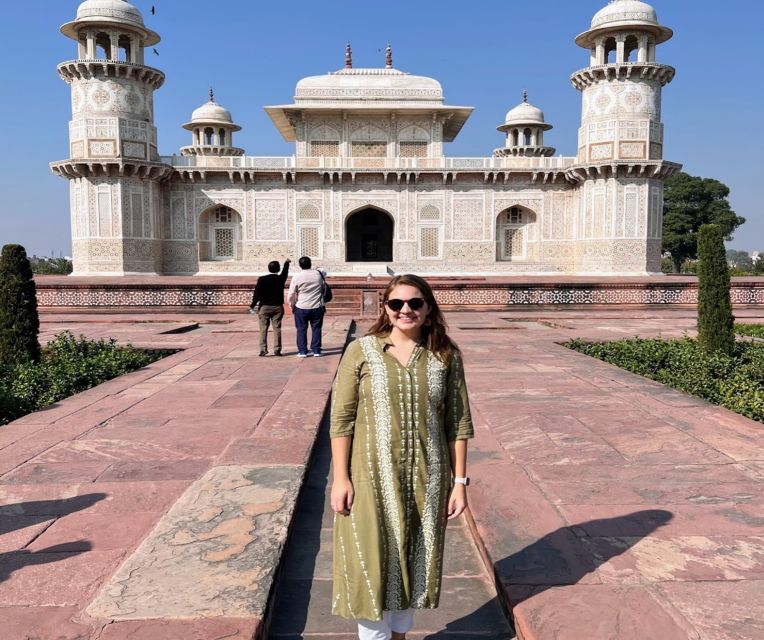
Delhi can be overwhelming on your own, so I like the way this starts with landmark-to-local rhythm. You begin at Jama Masjid, one of India’s largest mosques. It’s a huge, working place of worship, and the scale lands fast—everything from the courtyard space to the surrounding bustle.
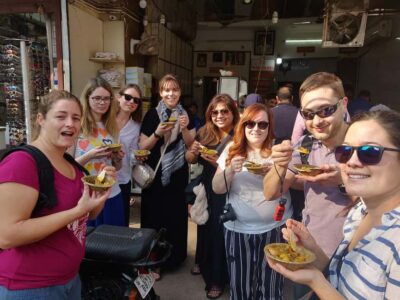
Next comes the Chandni Chowk experience by rickshaw. This isn’t just a photo stop. It’s a practical way to feel how the city moves in tight lanes, where cars won’t make sense and foot traffic rules. You’ll also see the kind of daily trade that keeps these lanes alive, even if you only get a short ride.
Then you shift from street-level Delhi to major monuments seen both by walking and by drive-through. You’ll pass the Red Fort area and Raj Ghat (Gandhi’s memorial), and you’ll also see India Gate and the presidential buildings from the road. It’s an efficient way to get orientation without chewing up the whole day in transit.
Two more big-ticket spiritual/architectural stops follow: Qutub Minar and the Lotus Temple. Qutub Minar gives you an instant sense of age and stonework ambition, while the Lotus Temple (the Bahá’í House of Worship) feels calmer and more modern in style. Together, they show Delhi’s different eras without needing extra detours.
A detail I appreciate: you also visit a Gurudwara (Sikh temple) and can enter the community kitchen that feeds thousands daily. That’s one of those experiences that doesn’t look dramatic on paper, but it’s genuinely moving because it’s practical compassion, running every day.
One small heads-up: the tour follows a smart casual dress code, and sleeveless shirts aren’t allowed. If you want comfortable photos without getting stuck at a checkpoint, plan your outfit early.
Agra at dawn: Taj Mahal first, plus Agra Fort and Mughal stops
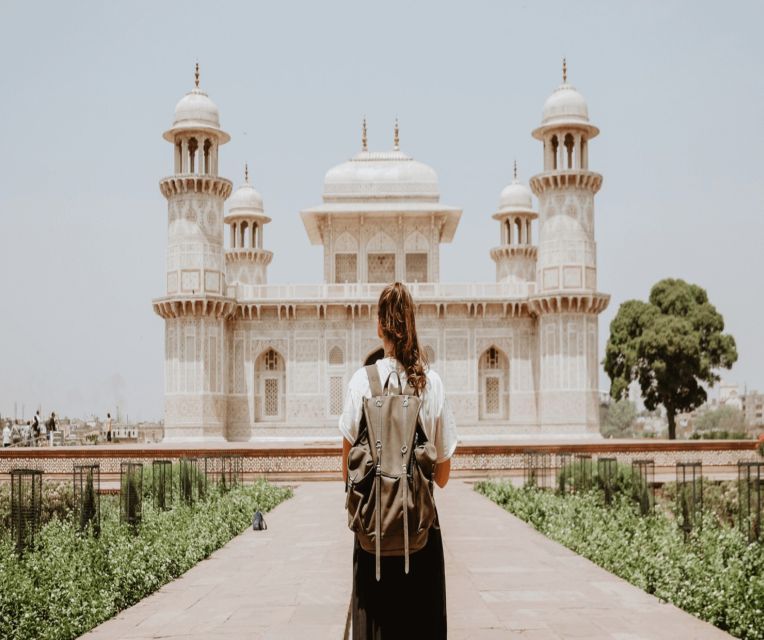
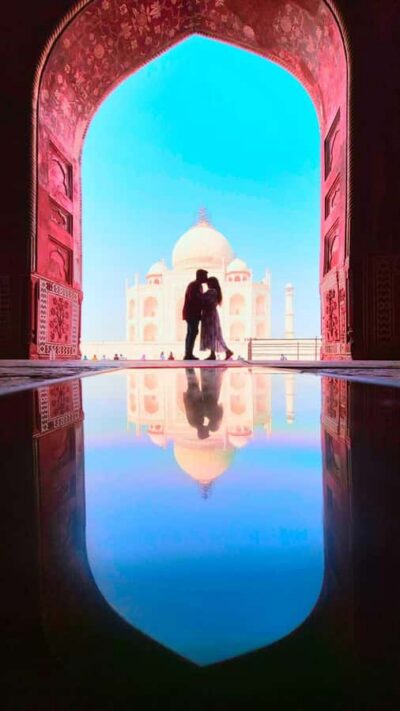
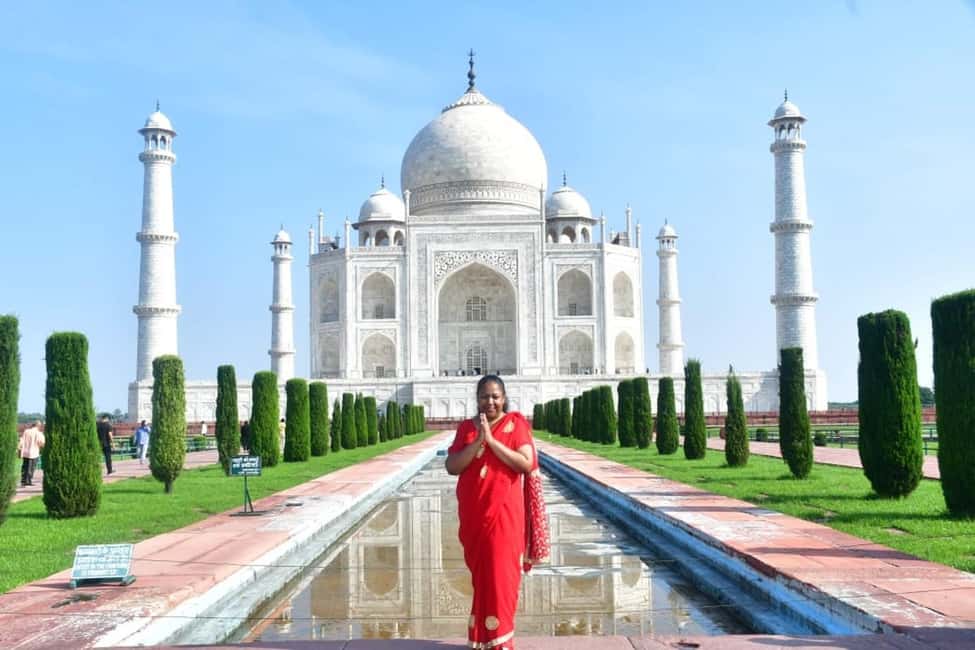
Agra is where this trip turns from “famous” to “why are we lining up at 6 a.m.?” The Taj Mahal visit is scheduled at sunrise, which is the right call. Early light softens everything—the marble, the shadows, the crowd noise—and it’s simply easier to take in the details without fighting for space.
You’ll have the classic Taj Mahal moment, but what makes the visit more satisfying is the guide approach. One Agra guide, Jitendra, was praised for keeping the experience calm in the middle of the busiest parts. That kind of guidance matters because it helps you understand what you’re seeing and where to look first, instead of just drifting.
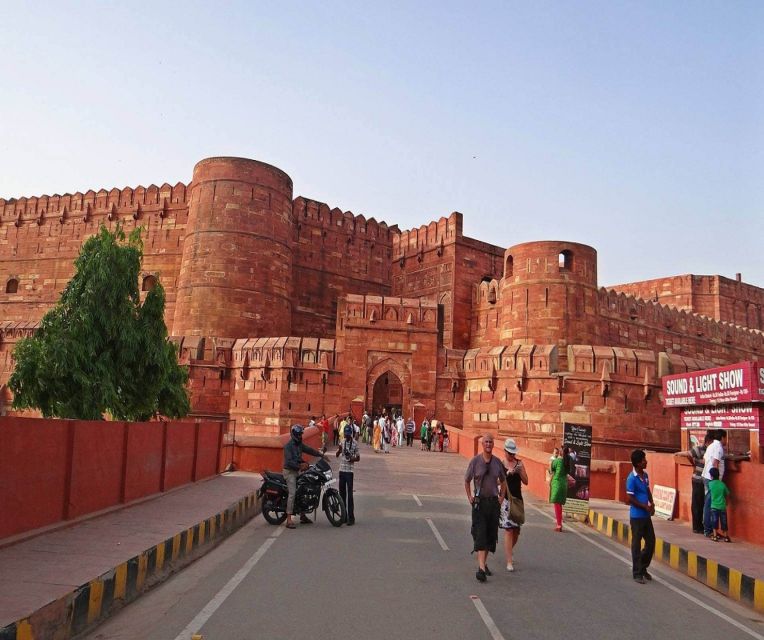
After the Taj, you return for breakfast, then move to Agra Fort. This fort is Mughal royalty territory, not a decorative stop. Expect a more “power and control” feeling here than the romantic garden vibes of the Taj. It’s one of the best ways to balance the trip: after the most famous monument in India, you get the political architecture behind the monument.
On the way toward Ranthambore, you’ll also stop at Fatehpur Sikri, the former Mughal capital. The architecture can take your breath away, but the real value is understanding why this place was important. It also breaks up the driving, so the transition from palace cities to wildlife country doesn’t feel like one long blur.
Ranthambore safari: what the morning drive is really about
Ranthambore National Park (Tiger Reserve area) is the wildlife “centerpiece,” even if you’re only there one night. You go early, and you ride in a sharing jeep or canter depending on the option selected. That shared setup is important: you’re not controlling where you drive, and you’re not guaranteed a tiger sighting.
But you are in tiger country. The park is home to tigers, plus leopards, jackals, crocodiles, foxes, antelopes, and many bird species. The practical takeaway is this: you’ll enjoy the safari more if you treat it as a wildlife search mission, not a one-animal checklist.
During the drive, what helps is patience and attention. Tigers can be a few seconds away one minute and invisible the next. The value of an organized safari is that someone else knows the rules, the routes, and the rhythms of the reserve, so you can focus on scanning and listening.
Also, the safari day is early. This tour builds the day around it: safari first, then breakfast and onward travel to Jaipur. That means you won’t spend your whole day waiting around in a lodge. If you like action and tight timing, Ranthambore fits your travel style.
If you’re sensitive to long drives or early mornings, plan how you’ll handle that transition. And if you’re dealing with back issues, don’t ignore the warning—this trip isn’t designed for comfort in that area.
Jaipur’s major sights in one go: Amber Fort, Hawa Mahal, City Palace, Jantar Mantar

Jaipur is where the Golden Triangle gets its full-color identity. The tour covers the core landmarks that you’d aim for even on your own, but the order and guidance help you understand how they connect.
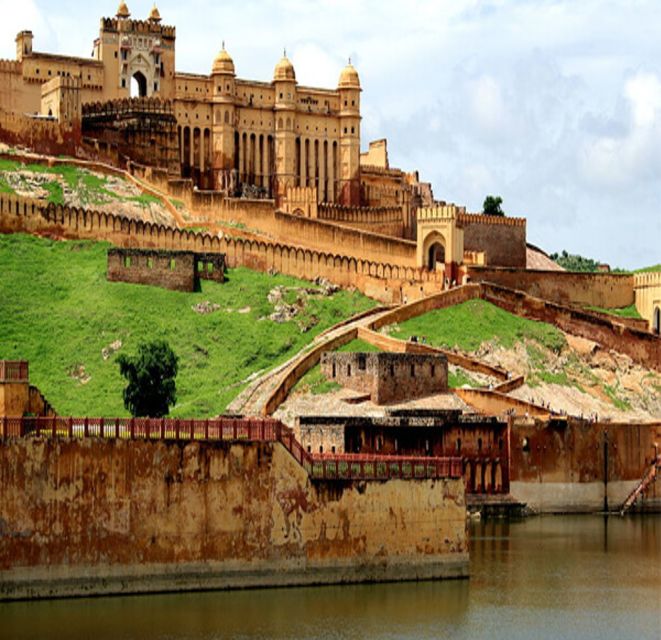
Start with Amber Fort. This place is famous for a mix of Indo-Islamic style and flashy craftsmanship—mirror work, gold-painted halls, and European touches in the design story. You’ll feel the layers here: it isn’t just one aesthetic. It’s a patchwork of influences that makes the fort feel human, not museum-still.
From there, you stop at Jal Mahal, the Water Palace in Man Sagar Lake. You’ll have a photo opportunity, and even if you’re not standing in the palace halls (you’re not here), the location is the point: it looks dramatic and unusual, like a postcard you can walk toward.
Then comes Hawa Mahal, the Palace of Winds. The big idea is the high screen walls that let royal women view street activity while staying sheltered. You’re not just looking at a facade. You’re seeing a design that’s built around watching the city, like a built-in balcony system.
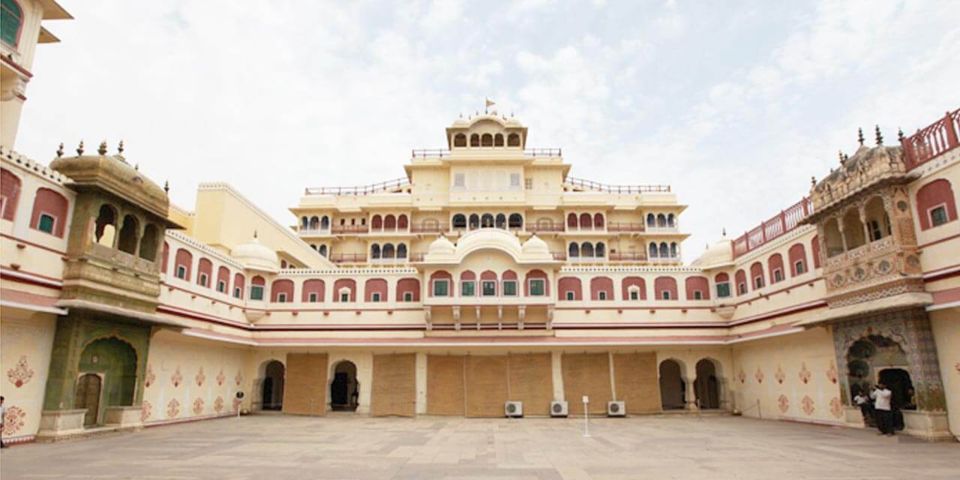
Next is City Palace, the seat of the Maharajas of Jaipur. A chunk of it is now museum space showing royal collections, so it’s part architecture, part cultural archive. It’s a useful counterpoint to Amber Fort: Amber feels like a fortress experience; City Palace feels like daily life of a ruling household, translated into exhibits.
Finally, you’ll visit Jantar Mantar, a set of nineteen astronomical instruments built by Maharaja Sawai Jai Singh and completed in 1734 CE. You can also see the world’s largest stone sundial, and that site is UNESCO-listed. If you like “how did they calculate that” moments, this is a satisfying stop because it turns science into visible architecture.
You’ll also include Birla Temple (white marble, dedicated to Lord Vishnu) and time to explore local arts and markets. That market time can be your decompression window—pick up small souvenirs, snack on something you choose yourself, and just reset before the last drive back toward Delhi.



Price and logistics: is $97 good value for this route?

At around $97 per person for a 4-day circuit, you’re likely looking at a strong deal, but the real value depends on what you choose to include. The price you see is tied to options like hotel category (3-star, 4-star, 5-star), daily breakfast, monument entrance fees, and whether your Ranthambore safari is included.
Here’s how I’d judge value in plain terms:
- You’re paying for transport, a live guide, and coordinated timing across three major cities plus one safari day.
- You also get a rickshaw ride in Chandni Chowk and bottled water, which are small costs that add up on your own.
- Meals and drinks aren’t included, so you should budget for lunch and dinner separately.
If you’re a traveler who wants to see the “big monuments” without figuring out trains, ticket queues, and day-by-day logistics, this package can be a bargain. If you hate structured days or you want lots of solo free time, $97 won’t feel like value once you’re stuck in traffic too often.
One more practical consideration: the itinerary assumes you can handle a schedule built around early starts. It’s not a gentle holiday. It’s a “maximum highlights” trip with a wildlife reward at the end.
Who this tour suits best (and who should skip it)
This tour makes sense if you’re:
- Visiting India for the first time and want an organized first-pass through Delhi, Agra, and Jaipur
- Interested in history, monuments, and how Islamic and Mughal eras shaped the built environment
- Also serious about wildlife, and willing to treat safari as a chance game with a strong morning routine
It’s not ideal if you:
- Have back problems, since the day involves driving and early starts
- Want lots of downtime or flexible pacing between stops
- Prefer to fully control lodging and meals. You can still do it, but this is designed as a package with guided structure.
Should you book: my straight answer
If your goal is a tight, high-impact first trip—Delhi streets, Taj Mahal at sunrise, Jaipur’s core sights, and a morning safari shot at tiger country—this tour is an easy yes. The combination of guided monument time and wildlife morning is the winning formula.
Book with extra care if you’re sensitive to pace. You’ll be doing a lot in four days. But if you’re okay with that tradeoff, you’ll come away with the kind of photos and memories that don’t need a second trip just to see the basics.
If you want, tell me your hotel star level preference and whether you want the safari option included, and I’ll help you sanity-check what you’re really getting for the money.
FAQ
What cities does this 4-day tour cover?
It covers Delhi, Agra, Jaipur, and Ranthambore (with time at Ranthambore National Park).
What’s the main wildlife activity on the trip?
You’ll go on a morning safari in Ranthambore National Park in a sharing jeep or canter (depending on the option you select).
When do you visit the Taj Mahal?
The Taj Mahal visit is scheduled for sunrise, which is early morning.
Are hotels and breakfast included?
Hotel stay and daily breakfast are included if you select the 3-star, 4-star, or 5-star hotel option. (Meals and drinks are not included.)
Do I need to pay for monument entrance fees?
Monument entrance fees are included only if you select that option.
Is pickup available from my hotel?
Yes. Pickup and drop-off at your hotel are included, and pickup is optional depending on your location.
What language will the live tour guide speak?
Live guides are available in English, Italian, Japanese, French, German, Spanish, and Russian.
What should I wear and bring?
Bring a passport or ID card and comfortable shoes. The dress code is smart casual, and sleeveless shirts aren’t allowed.