REVIEW · MUMBAI
Dharavi: Daily Life inside Asia’s Largest Slum walking tour
Book on GetYourGuide →Operated by Mumbai with Locals · Bookable on GetYourGuide
Waste becomes work in Dharavi. This Dharavi daily-life walking tour is interesting because you watch industries survive in tight spaces and you also meet the people whose routines keep the whole place running. I love the hands-on feel of plastic recycling in action, and I love how the walk balances daily scenes with real local stories. One drawback to plan for: you’ll cover narrow, uneven lanes on foot, so it’s not a good fit if you have mobility needs.
You start at Third Wave Coffee, get a quick briefing from your local guide, and then head into one of the most misunderstood neighborhoods in Mumbai. The first stretch in Dharavi’s industrial area can surprise you: it’s loud, busy, and skill-based, with people making products and keeping materials in motion instead of throwing them away. Expect respectful walking and careful street crossings, not a classic sightseeing pace.
Along the route, you’ll also see the human side of Dharavi—children playing in tight alleys, women chatting from doorsteps, and families preparing food in small spaces. You’ll end in Kumbharwada, a potters’ colony tied to artisans originally from Gujarat, with kilns and drying pots that slow things down. Photography is allowed, but ask permission before photographing people and keep your focus on learning, not collecting pictures.
In This Review
- Key Highlights You’ll Actually Notice
- Finding the Right Mindset at Third Wave Coffee
- The Industrial District: Where Dharavi’s Economy Runs
- Residential Lanes: Real Daily Life, Not Just Side Streets
- Kumbharwada Potters: Clay Craft and Kilns in the Middle of the City
- Dhobi Ghat: Hand Laundry and the Work of Washerfolk
- Price and Value: Why $7 Works Here
- What to Bring (and How to Dress so You Don’t Stand Out for the Wrong Reason)
- Who This Tour Is Best For (and Who Should Skip It)
- A Few Small Details That Make the Difference
- Should You Book This Dharavi Daily-Life Walk?
- FAQ
- How long is the Dharavi daily-life walking tour?
- What does the tour cost, and what’s included?
- Where does the tour start and end?
- Is photography allowed?
- Is the tour suitable for people with mobility issues?
- What should I bring, and how should I dress?
- Can I cancel for a refund?
Key Highlights You’ll Actually Notice
- Plastic recycling in action: waste handled as raw material, not trash
- Small factories close to home: work happening beside daily routines
- Residential lanes and social challenges: sanitation, schools, healthcare, and housing
- Kumbharwada potters’ colony: kiln rows and clay craft tied to Gujarat roots
- Dhobi Ghat open-air laundry: hand washing and the work of washerfolk
Finding the Right Mindset at Third Wave Coffee
The meeting point is Third Wave Coffee, a relaxed starting spot where your guide greets you and keeps things organized from the first minute. You’ll get a short introduction and a briefing about what you’ll see—how the walk works, what to expect in different areas, and how to move respectfully through people’s neighborhoods.
I like that the tone is set early: this is a learning walk, not a “look at everything fast” tour. Your guide is English-speaking (with Hindi also available), and that matters because Dharavi isn’t readable at a glance. You need someone who can translate what you’re seeing into context—why a shop exists here, how jobs connect across the community, and what daily life demands of residents.
A practical tip: arrive on time. The route involves walking through tight lanes and active areas, and you’ll want to start together so the whole group stays together and safe.
You can also read our reviews of more walking tours in Mumbai


The Industrial District: Where Dharavi’s Economy Runs
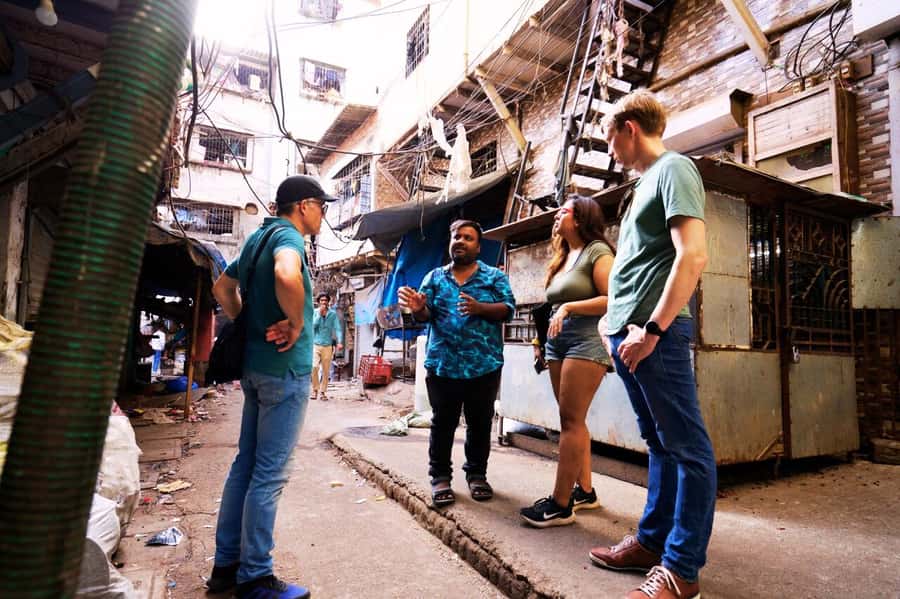
Once you reach Dharavi, the walk often starts in the industrial district. This is the part that can catch people off guard, because it doesn’t feel like a single “slum view.” It feels like work—constant activity, skill, and the pressure of production.
Here’s what you can expect to see as you walk:
- people recycling plastic and metal
- small workshops making items like leather goods
- snack baking and food prep happening nearby
- crafting related to pottery, soaps, and textiles
Many operations are family-run and have been going for generations. The guide explains how Dharavi fits into Mumbai’s wider informal economy—where small industries can generate serious turnover even though space and resources are limited.
One thing I’d underline: watching recycling isn’t just a scene. It’s a system. You’ll see how waste becomes input, and how that turns into products people use every day. You also start to understand why the community has the momentum it does—because business and daily life aren’t separated by walls. They share the same narrow streets.
If you care about street-level sustainability, this is the most direct place to see it. If you care about human resilience, this is where you can feel it through work rhythms.
Residential Lanes: Real Daily Life, Not Just Side Streets
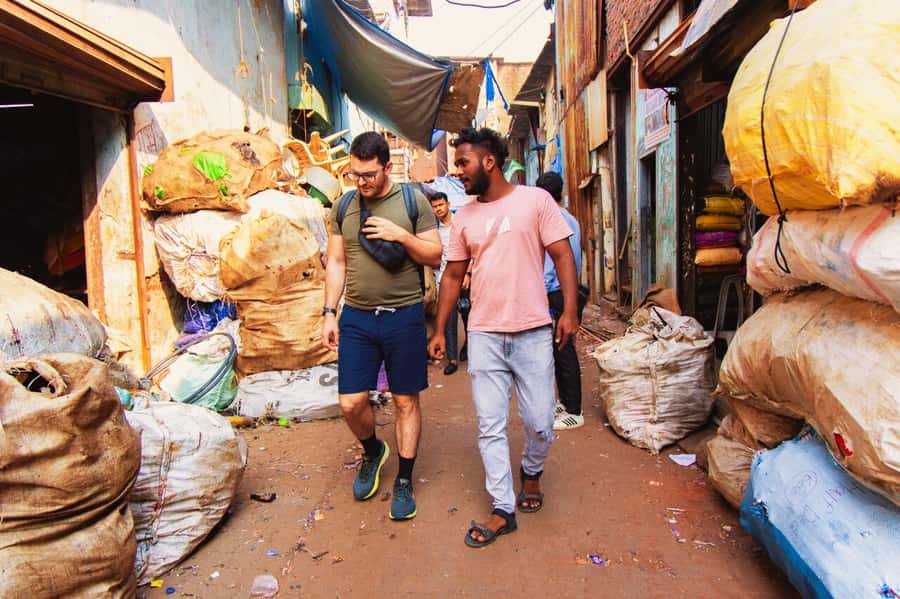
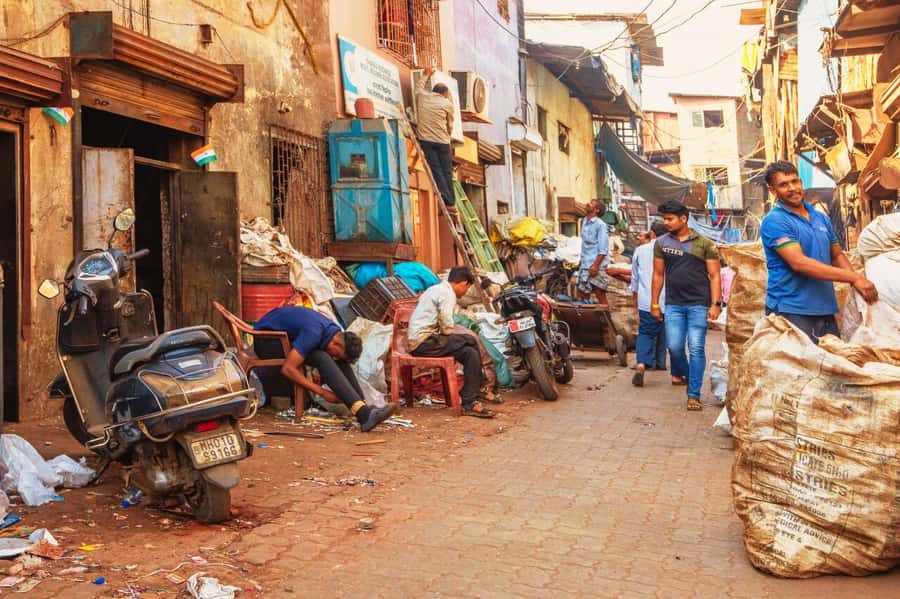
After the industrial area, you move into the residential zone: a network of narrow lanes, small homes, and everyday moments that feel much more personal. This portion is less about products and more about people—how neighbors live close together, how families manage constraints, and how community support shows up in daily habits.
You’ll see everyday scenes like:
- kids playing cricket in tight alleyways
- women chatting from doorstep to doorstep
- food being prepared and shared
Your guide will also talk about challenges residents face, including sanitation, education, healthcare, and housing. It’s important that this isn’t framed as pity. The tour’s approach is to walk with empathy and respect, and to listen.
That “listen” part is key. Many guides here tailor their explanations to help you understand what life requires day to day. In the examples you may hear from your guide, you’ll often get a mix of practical detail—how schooling and jobs work—and a sense of pride residents have in their identity and neighborhoods.
You might meet a guide like Bala, who many people describe as very good with communication and making sure everyone feels safe while crossing streets. Other guides you could run into include Segidi, Ravi, and Abhishek—names that have come up for clear organizing, strong English, and a focus on safety and explanation.
Kumbharwada Potters: Clay Craft and Kilns in the Middle of the City
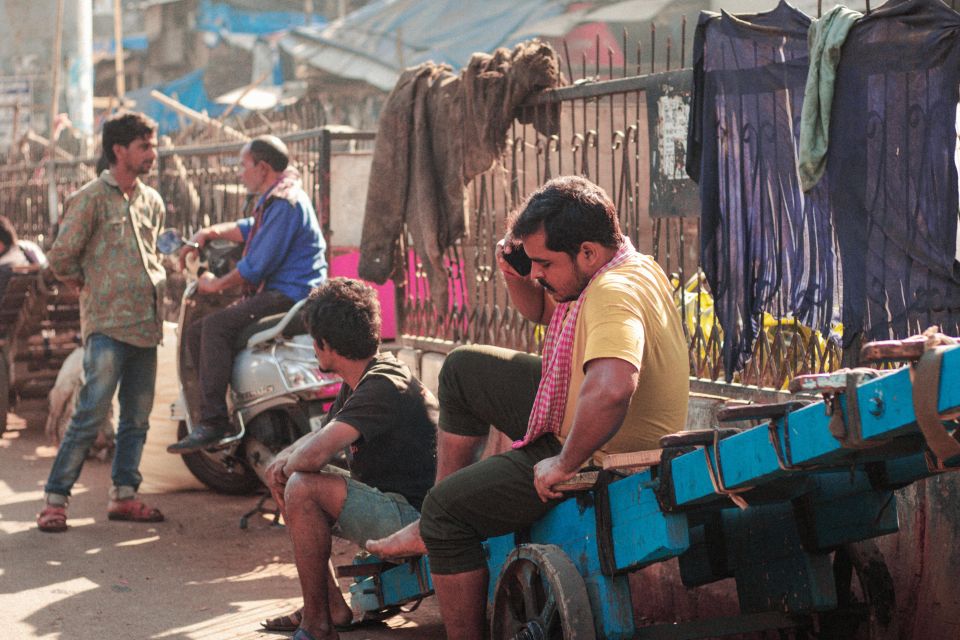
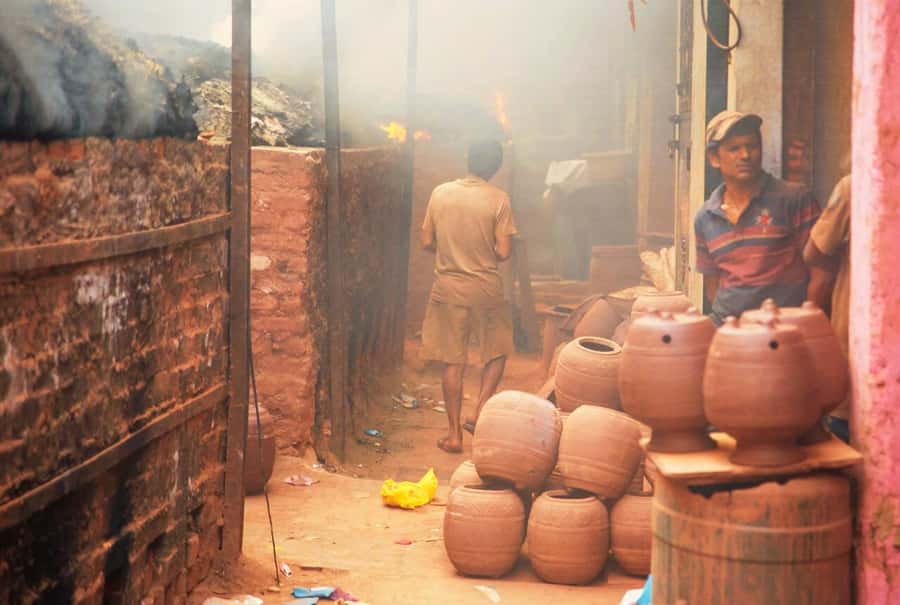
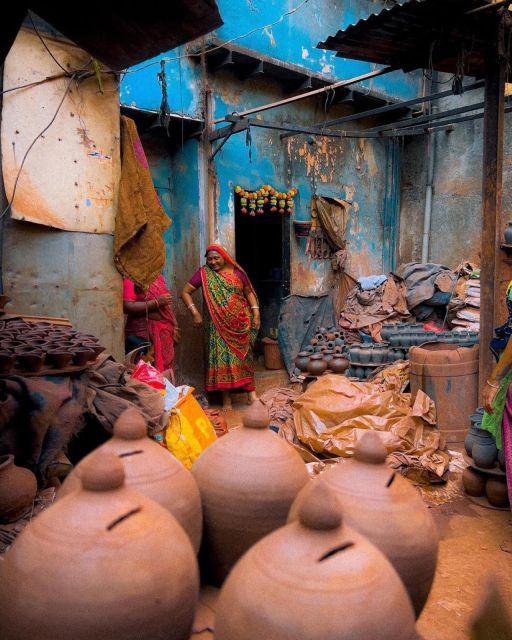
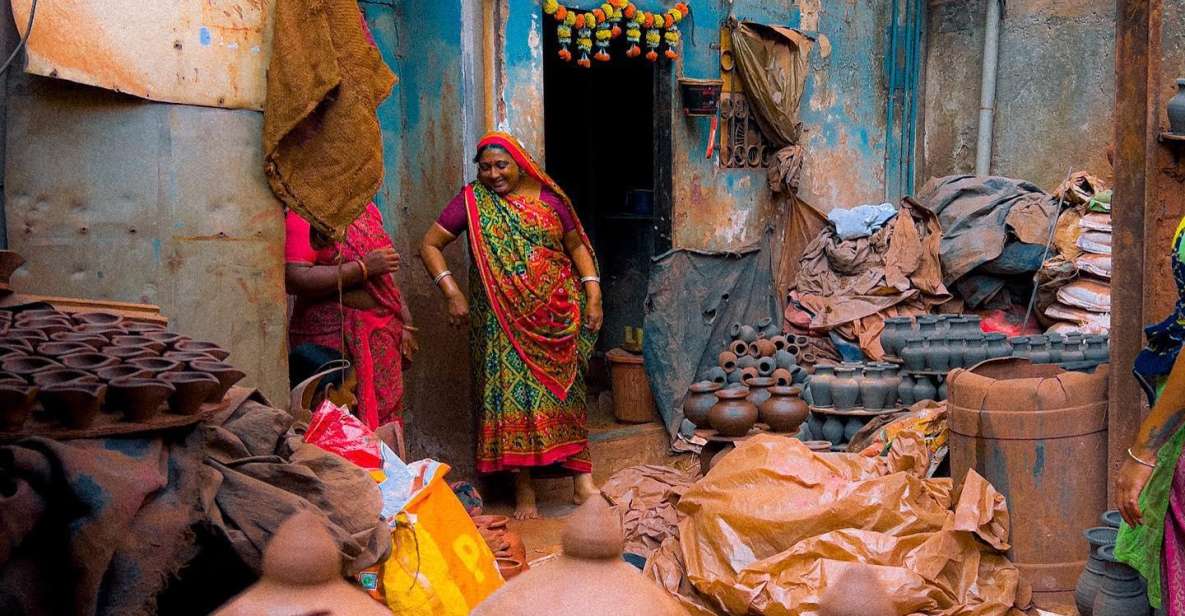
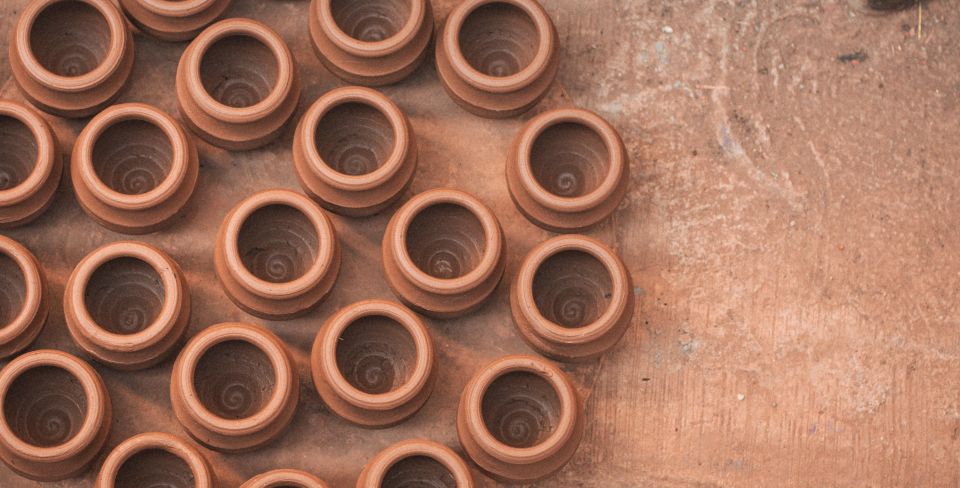
Your final stop is Kumbharwada, one of Dharavi’s most historic and distinctive neighborhoods. This is the potters’ colony, where artisans originally from Gujarat have been making clay pots for generations. The shift here is noticeable: the atmosphere becomes quieter and more reflective compared to the industrial zone.
As you walk through Kumbharwada, you can expect to see:
- rows of kilns
- stacks of freshly molded pots drying in the sun
- artisans shaping clay with skilled hands
This part is a strong reminder that Dharavi isn’t only about recycling and resale. It also preserves craft. When you watch the potters at work, you get a different angle on how tradition continues even as the city changes around it.
If you like tourism that doesn’t feel like a checklist, Kumbharwada is a good cap. It gives you a slower, more human-feeling finish, and it helps you connect what you learned earlier (industries, materials, work) to a craft tradition that still matters.
Dhobi Ghat: Hand Laundry and the Work of Washerfolk
One of the highlights built into the experience is Dhobi Ghat—Mumbai’s open-air laundry—where washerfolk clean clothes by hand. Even if you don’t linger for long, the sight of open-air washing explains a lot about Mumbai: how labor happens in public space, how jobs are organized, and how water and routine shape daily life.
The key is how your guide frames it while you’re there. Dhobi Ghat isn’t presented as a photo stop. It’s presented as labor in motion—people doing work that requires hands, time, and skill.
If you’ve ever wondered how clothes get cleaned at scale in a city this dense, this is where you get your answer. Just be respectful of work areas and keep your attention on what’s happening around you.


Price and Value: Why $7 Works Here
At around $7 per person for a 2-hour walking tour, this is one of the more affordable ways to get a structured look at Dharavi. The price covers an English-speaking guide and packaged water if you need it.
That low cost matters because it changes the vibe. You’re not being sold a big “attraction.” You’re buying access to local understanding: how the community works, what the challenges are, and what the daily routines mean. With small groups, you’re less likely to feel rushed, and more likely to ask questions.
Also, you’ll spend the money on something practical: safe guidance through a dense neighborhood plus context that you’d struggle to get on your own. You’re paying for translation—between what you see and what it means.
One note on value: because you’re walking and the route includes narrow, uneven lanes and outdoor exposure, your personal comfort affects your enjoyment. Plan clothing and footwear like you’d plan for a long day on foot.
What to Bring (and How to Dress so You Don’t Stand Out for the Wrong Reason)
This tour asks a bit of preparation, and that’s fair. You’ll be walking through narrow lanes and uneven ground, so:
- bring comfortable shoes and closed-toe footwear
- wear comfortable clothes
- bring a scarf (useful for modesty and sun/air comfort)
- consider sunscreen and a hat since you’re out in the elements
- bring water (the tour includes packaged water if needed, but you’ll still feel better if you’re prepared)
Modest dress is recommended out of respect for the community. And when it comes to photos, photography is allowed—but ask permission before photographing people. It’s a small rule that keeps the experience humane.
If you have respiratory issues, avoid this tour. If you have mobility issues or use a wheelchair, it’s not suitable.
Who This Tour Is Best For (and Who Should Skip It)
This is best for you if you:
- enjoy guided, story-based walking
- want to understand informal economies and local industries in a concrete way
- like meeting real people and learning how daily life works under pressure
- want craft and hands-on scenes, especially recycling and pottery
It’s not for you if:
- you need wheelchair-friendly routes or have mobility impairments
- you have respiratory issues
- you need a visually accessible route
- you’re expecting a traditional sightseeing itinerary
Also, it helps if you can handle dense, close streets. This tour is about getting near the real pace of life. If you’re looking for wide views, it’s not built that way.
A Few Small Details That Make the Difference
Your guide will keep things respectful, but your behavior matters too. Here’s how to make the walk feel good for everyone:
- Ask questions, especially ones that start with how and why
- Don’t treat people like scenery; keep your focus on your guide’s explanations
- Be ready for uneven lanes and quick street crossings
- Keep your phone use in check if it distracts you from listening
Safety also tends to be part of the experience. People who have taken the tour have mentioned guides taking extra care while crossing streets, and even helping with getting to the next step afterward (for example, some guides have helped with transport coordination). That kind of attention is a good sign that the operator takes more than just photos seriously.
Should You Book This Dharavi Daily-Life Walk?
Book it if you want a low-cost, 2-hour walk that gives real context to a place most people only see through headlines. The strongest reason to go is simple: you don’t just look at Dharavi, you learn how work, community, and limited space shape daily life.
Skip it if you can’t manage a walking route with narrow, uneven lanes or you have health needs like respiratory issues. Also skip it if your idea of a tour is big sights and lots of open viewing. This is close, human, and practical.
If you’re willing to walk, listen, and follow your guide’s lead, it’s one of the most honest ways to see Mumbai’s informal world up close—plastic recycling workshops, open-air laundry, potters making clay by hand, and a residential maze where everyday life continues despite hard limits.
FAQ
How long is the Dharavi daily-life walking tour?
It’s a 2-hour walking tour inside Dharavi.
What does the tour cost, and what’s included?
The price is $7 per person. It includes an English-speaking guide and packaged water if needed.
Where does the tour start and end?
The tour starts outside Third Wave Coffee, and it ends back at the meeting point.
Is photography allowed?
Photography is allowed, but you should ask permission before photographing people.
Is the tour suitable for people with mobility issues?
No. It isn’t suitable for people with mobility impairments or wheelchair users. It also isn’t suitable for people with respiratory issues or visually impaired people.
What should I bring, and how should I dress?
Bring comfortable shoes, comfortable clothes, and a scarf. Closed-toe shoes are recommended, and since you’ll be outdoors, bring water, sunscreen, and a hat if needed. Dress modestly out of respect for the local community.
Can I cancel for a refund?
Yes. You can cancel up to 24 hours in advance for a full refund.