REVIEW · JAIPUR
Heritage Walk & Street Food Tasting in Jaipur
Book on GetYourGuide →Operated by Rajasthan Cultural Tours · Bookable on GetYourGuide
Jaipur tastes like a story. I love how this tour pairs street food with quick, clear context about old neighborhoods, and I love that guides like Vivek keep it straightforward and transparent. You’re not just eating on autopilot; you’re walking through markets, lanes, and craft areas, learning why the place looks the way it does.
One thing to consider: it’s a steady walking tour (about 3 hours), so you’ll want comfortable shoes and you should plan around weather and temple dress rules.
In This Review
- Key Things That Make This Tour Worth Your Time
- Why This Jaipur Street-Food Walk Feels Like the Real City
- At a Glance: Price, Timing, and What You’re Really Paying For
- Meeting Point at Golcha Cinema: Your First Advantage Is Being Early
- Chaura Rasta Stop: Tea and Street Snacks to Warm You Up
- Badi Chaupar and the Old-City Structure: Markets Meet Architecture
- Tripolia Bazar: A Local Market Intermission (Food + Craft Context)
- Choti Chaupar and Chhoti Chopad: Temples, Thatheras, and Bangle-Making Detail
- What You’ll Actually Eat (And Why the Stops Feel Thoughtful)
- Pace, Comfort, and How to Avoid Common Day-Of Problems
- Who This Tour Is Best For
- Should You Book This Heritage Walk & Street Food Tasting?
- FAQ
- Where is the meeting point?
- How long is the tour?
- What does the tour cost?
- How large is the group?
- What street food and drinks are included?
- Is alcohol included?
- Is the guide available in English?
- What should I bring or wear?
- What’s the cancellation policy?
Key Things That Make This Tour Worth Your Time
- Small group, max 10 people means you get more attention and fewer bottlenecks at each food stop
- Tour starts at Golcha Cinema and gets you moving right into Chaura Rasta’s local rhythm
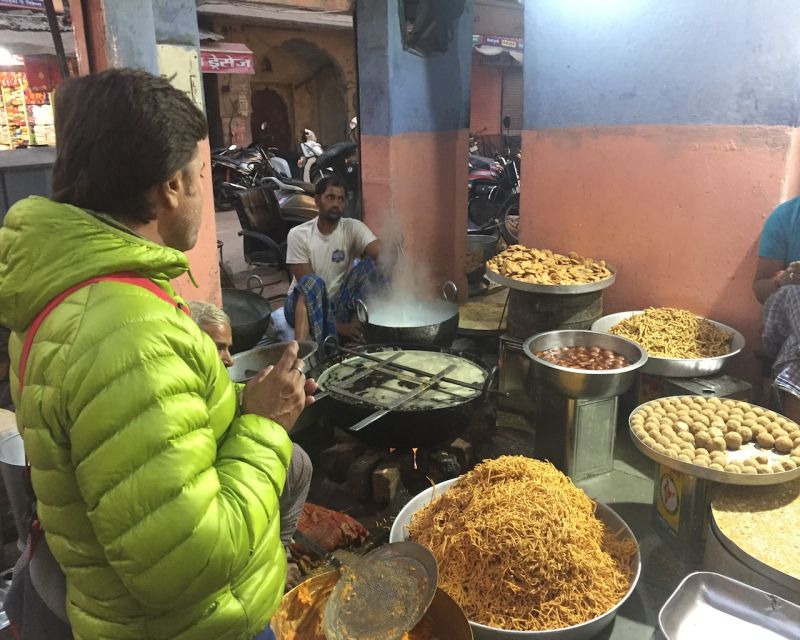
- You taste multiple classic foods like samosa, kachori, famous sweets, and masala chai, plus more stops along the way
- The walk includes culture beyond food such as a Hindu temple visit, a community well, and artisan work like bangle making
- Off-main-lane routes help you see Jaipur’s old-town pattern without feeling stuck in tourist lanes
- Guides are consistently praised for safety and flexibility—especially for solo travelers
Why This Jaipur Street-Food Walk Feels Like the Real City
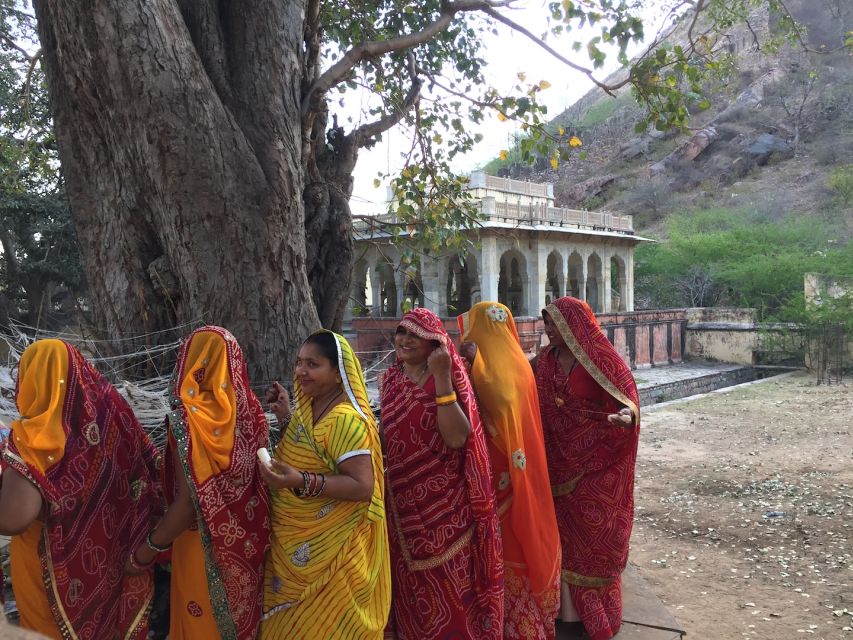
If you’ve ever done a food tour and wondered where the people actually buy lunch, this one is built for that answer. You’re moving on foot through the old city and getting directed toward busy local eating points, the kind of places that make Jaipur feel like a working city rather than a museum.
I also like that the tour message is simple: there’s no hidden agenda. The guide’s job is to guide you through flavors and context, and the route is designed so you understand what you’re seeing while you eat. The food part matters, but the walk part keeps it from turning into random sampling.
And yes, the food can be a lot—in a good way. One of the strongest themes is that you don’t leave hungry. People report tasting around 15 different items across roughly six stops, which is a smart setup for a 3-hour tour. You get variety without the feeling that you’re doing a full buffet marathon.
You can also read our reviews of more walking tours in Jaipur



At a Glance: Price, Timing, and What You’re Really Paying For
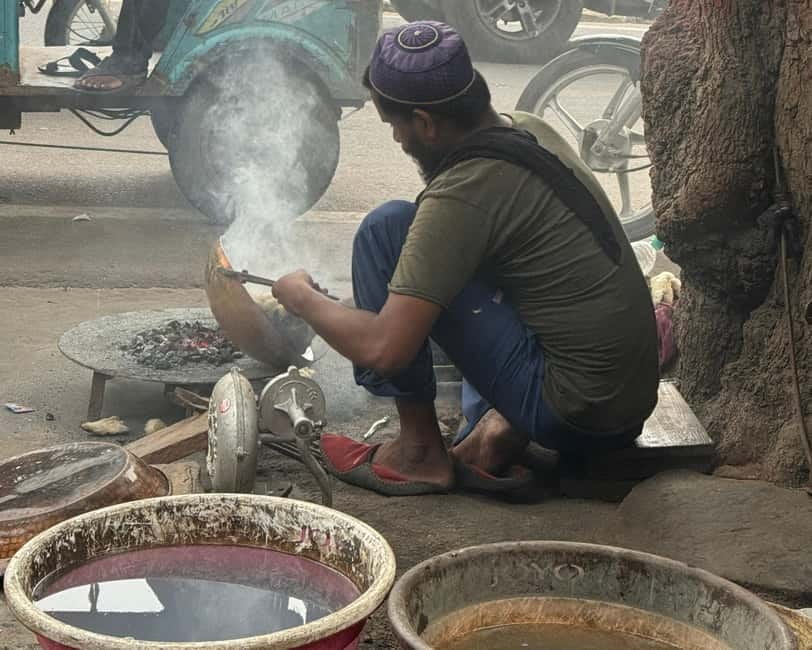
This experience runs about 3 hours and costs $21 per person. On paper, that’s a small price tag, but what you’re buying is access and pacing: a guided route through historic lanes, plus multiple tastings at local shops and street stalls.
Here’s what’s included that actually adds value:
- Street food tastings (samosa, kachori, famous sweets, masala chai, and more)
- A bottle of water
- A live English-speaking guide
- A heritage walking tour tied to what you’re eating and seeing
Not included:
- Hotel pickup/drop-off
- Alcohol
The main tradeoff is simple: you’re paying for an efficient local route and curated stops, not for transport. If you’re staying close to the old city, you’ll feel like you got a bargain. If you’re far out, plan your own way to the meeting point at Golcha Cinema.
Group size is limited to 10 participants, which helps with two things you’ll care about: comfort while walking and time to get explanations instead of just being herded from stall to stall.
Meeting Point at Golcha Cinema: Your First Advantage Is Being Early
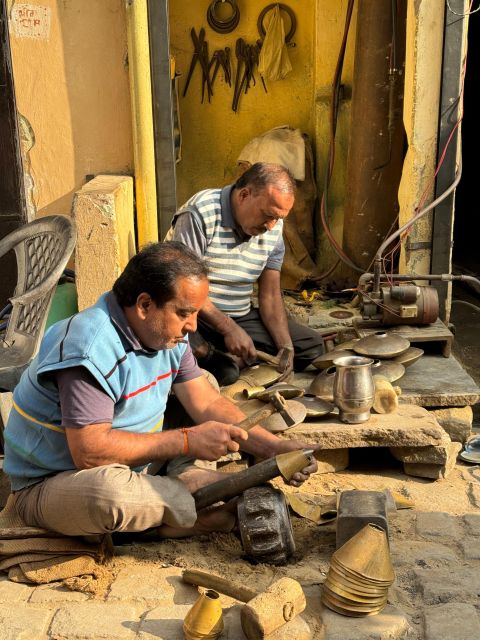
The tour meets at the entry gate of Golcha Cinema. Getting there a few minutes ahead matters, because the guide typically uses that early moment to set expectations—what you’ll taste, how the walk will flow, and the basic safety rhythm for moving through busy old-city streets.
From that starting point, the tour quickly goes into the old market grid. That matters because you start experiencing Jaipur’s texture right away. No long intro lectures. Just movement, then food, then context as you go.
Chaura Rasta Stop: Tea and Street Snacks to Warm You Up
One of the first scheduled stretches is Chaura Rasta (about 45 minutes). This is where you’ll get your first tastes and your first dose of Jaipur street energy.
What you can expect here:
- Masala chai at a local tea stop
- Early street food tastings that help you get oriented fast
Why this start works: chai and a couple of early bites help you find your footing before the route gets more intense. If you’re traveling with a picky eater or you’re cautious about spice, starting with tea and familiar items can help you settle in without feeling forced into mystery flavors.
There’s also a practical side benefit. Eating earlier means you’re less likely to wander hungry later in the city. Jaipur’s food scene can lure you into extra snacking if you’re underfed.
Badi Chaupar and the Old-City Structure: Markets Meet Architecture
Next is Badi Chaupar for another 45-minute segment. Expect a mix of walking, local snack tastings, and short scenic views while the guide connects the neighborhood layout to Jaipur’s heritage.
This is a good place to pay attention to the city’s design logic. Jaipur is famous for its planning, and this part of the route helps you notice how streets, gates, and community spaces connect. You may hear about the significance of entry gates and the city’s geometrically precise look—those ideas become easier to grasp when you’re seeing them at walking speed.
Tradeoff: if you prefer only food and minimal history, this segment can feel like “a lot of walking plus talking.” But if you like understanding why something exists, the architectural context makes the food stops hit differently.
You can also read our reviews of more food & drink experiences in Jaipur






Tripolia Bazar: A Local Market Intermission (Food + Craft Context)
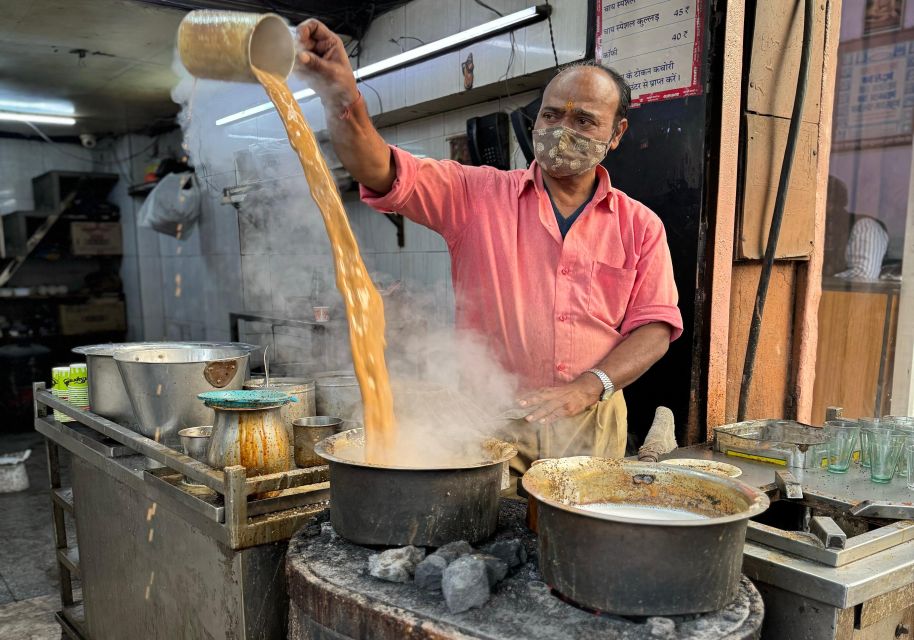
Tripolia Bazar is another stop where the schedule calls for guided walking and time passing through the area (around 45 minutes). This is typically where you’ll feel the market tempo most strongly—people moving, vendors working, and the city functioning in real time.
You’re also likely to get more cultural context here, including how local shops and artisans fit into everyday life. Even when you’re not fully focused on architecture, you’ll still understand Jaipur’s “who does what” logic, because the guide points out the people behind the work.
This is one reason the tour gets praised so often: you’re not just ordering food—you’re learning what you’re looking at. And when you see crafts or community areas later, the earlier market orientation makes everything easier to place.
Choti Chaupar and Chhoti Chopad: Temples, Thatheras, and Bangle-Making Detail
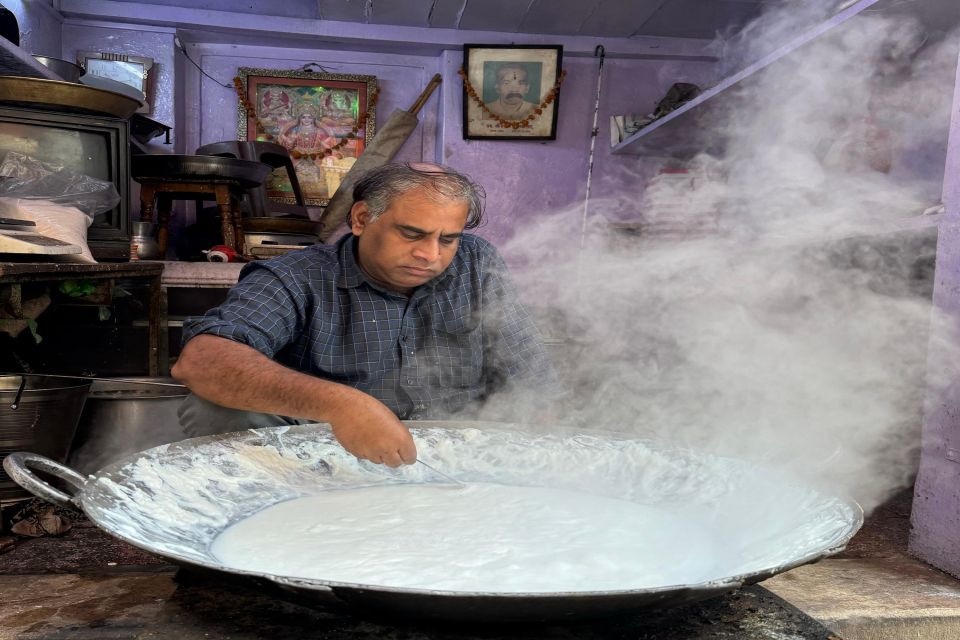
The late part of the tour is where the experience becomes more memorable, because you start mixing food tastings with specific cultural sights.
You’ll walk through Choti Chaupar, with street food and local snacks included (again, about 45 minutes). Then the tour finishes at Chhoti Chopad. Along the way, the route can include several distinct cultural moments:
- A Hindu temple visit (and you’ll want modest dress and careful photo etiquette)
- A visit to a community well
- Time seeing a community of Thatheras, where metal work is part of daily craft
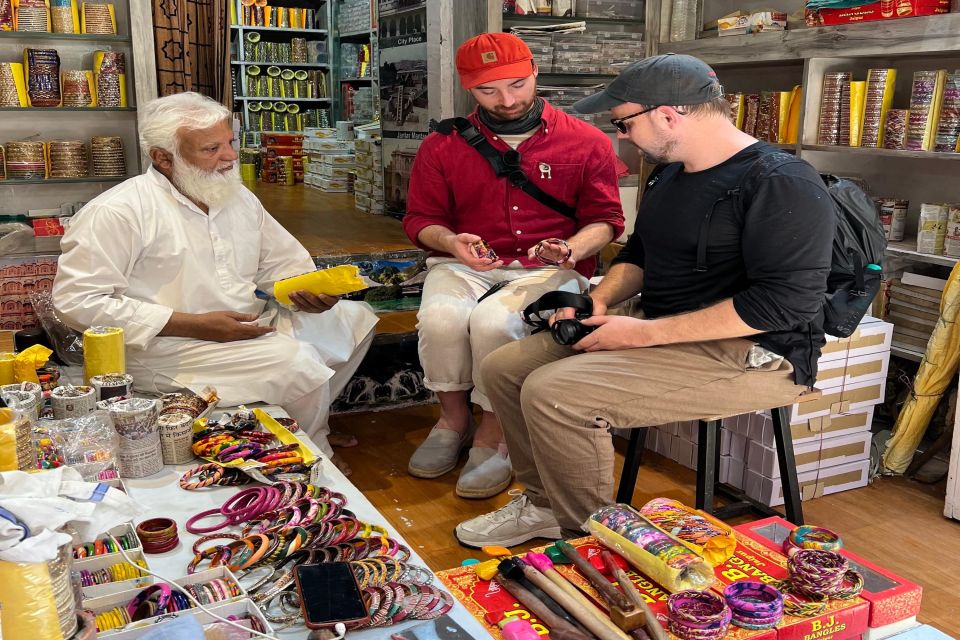
- An observation of bangle making using sealing wax
Why this matters for a food tour: crafts and food come from the same long-term skill culture. When you see how artisans work—carefully, repeatedly, by hand—you get a better sense of why Jaipur’s food traditions also feel precise and consistent from vendor to vendor.
Possible drawback: if you dislike temples or crowded community spaces, you might find these segments less appealing than pure market-stops. Still, these visits are short, and they add a lot of “why Jaipur is Jaipur” clarity.
What You’ll Actually Eat (And Why the Stops Feel Thoughtful)
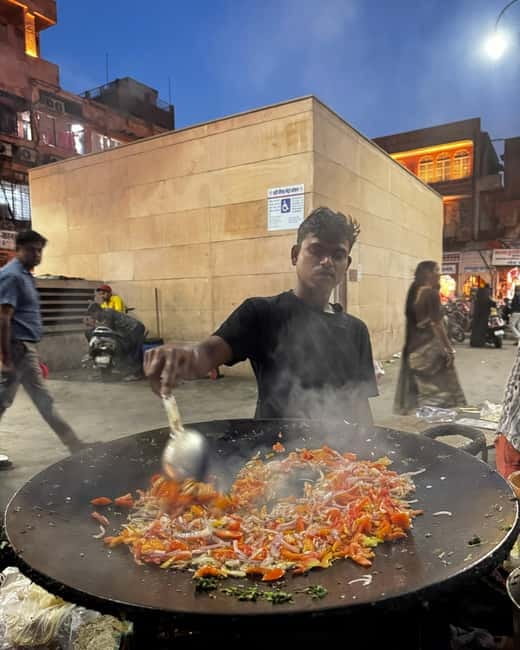
The tour is built around real Jaipur staples. You should expect tastings such as:
- Samosa
- Kachori
- Famous sweets
- Masala chai
- Plus additional local snacks at multiple stops
One of the most consistent things people say is that there are plenty of options, so you won’t feel trapped into one flavor profile. Guides are also praised for tailoring choices when needed and for helping you navigate spice tolerance, which matters if you’re cautious.
Another repeated theme: the food is presented in a way that helps you feel safe. That doesn’t mean you’ll forget stomach realities exist, but it does mean the route is guided toward busy, established vendors. If you’re worried about hygiene, prioritize confidence: follow the guide’s lead and don’t try to take over the ordering yourself.
If you want a simple strategy: plan to eat lightly before the tour. You’ll get full, and you’ll likely still want dinner later without feeling like you need to “recover.”
Pace, Comfort, and How to Avoid Common Day-Of Problems
This is a walking experience, about 3 hours. Wear comfortable shoes you can handle on uneven pavement and busy lanes. Comfortable clothes also matter for temple stops, where modest dress is expected.
You should also come prepared for weather changes:
- Carry water (a bottle is included, but you’ll still want to sip regularly)
- Bring sunscreen and a hat if the sun is strong
- Be ready for varying conditions
Photography is allowed, but avoid flash photography inside temples. That’s not just etiquette—it helps keep the visit respectful for everyone sharing the space.
One more practical note from people who’ve done this: arriving at the meeting point and being on time helps the guide keep the flow. If you’re running late, message ahead if possible, since the tour starts at Golcha Cinema and moves quickly into the route.
Who This Tour Is Best For
This experience is especially good for:
- Food lovers who want street food with context
- First-time visitors who want to understand old Jaipur without getting lost
- Solo travelers who care about feeling comfortable while walking through busy lanes
- People who like crafts and culture, not just photos of monuments
It’s less ideal if:
- You have trouble walking for 3 hours
- You’re looking for a mostly vehicle-based tour (there’s no pickup/drop-off, and the format is on foot)
- Temples and community craft areas aren’t your thing
Should You Book This Heritage Walk & Street Food Tasting?
If you want Jaipur that feels lived-in—markets, lanes, tea breaks, temple visits, and craft details—this is a strong buy for the time and price. The $21 cost becomes more meaningful because the guide’s role is doing the heavy lifting: choosing food stops, managing the route, and tying the sights to stories you can actually use.
Book it if you:
- Want a guided way to eat street food confidently
- Like learning while you walk
- Want a small group with an English-speaking guide
Skip it if:
- Walking long distances stresses you out
- You only want major ticket attractions and minimal side streets
In short: if you’re the type who likes your travel with both flavor and meaning, this is one of the easiest ways to get that in Jaipur without turning your day into a chaotic solo scavenger hunt.
FAQ
Where is the meeting point?
You’ll meet at the entry gate of Golcha Cinema.
How long is the tour?
The tour lasts about 3 hours.
What does the tour cost?
The price is $21 per person.
How large is the group?
It’s a small group limited to 10 participants.
What street food and drinks are included?
You’ll taste street food such as samosa, kachori, famous sweets, and masala chai, plus additional items at local shops.
Is alcohol included?
No. Alcoholic drinks are not included.
Is the guide available in English?
Yes. The tour has a live guide in English.
What should I bring or wear?
Wear comfortable shoes and comfortable clothes. Bring passport or ID card, plus anything you need for medication. If weather is hot, bring sunscreen and a hat, and carry water to stay hydrated. Dress modestly for temple visits and avoid flash inside temples.
What’s the cancellation policy?
There is free cancellation up to 24 hours in advance for a full refund. You can also reserve now & pay later to keep plans flexible.