REVIEW · JAIPUR
Jaipur: Cooking Class with a Local Family
Book on GetYourGuide →Operated by Jaipur Pink city Cooking Class · Bookable on GetYourGuide
Home cooking in Jaipur beats restaurant food.
In a real Pink City household, I love how this small-group class turns “watching” into hands-on cooking, and I love that you can choose recipes based on what you want to learn. The focus stays on Rajasthan comfort food like dal baati churma and ker sangri, plus everyday staples such as chapatis and vegetable curries—taught with stories behind spices, not just steps.
The main consideration: you’ll need to handle your own way to the meeting point, since transportation isn’t included, and the class starts from a specific address in Johari Bazar area.
In This Review
- Key things to know before you go
- A Jaipur home kitchen, not a restaurant line
- What you cook in 3 hours: chai, breads, curries, and Rajasthan staples
- Step 1: Welcome drink and conversation
- Step 2: Chapatis and the bread skills that matter
- Step 3: Vegetable curries and the spice work underneath
- Step 4: Chosen favorites and Rajasthan dishes
- Step 5: Dessert
- Spices have stories: how the class teaches more than recipes
- Food, family, and the Pink City feeling you get in one sitting
- Price and value for $19: what you really get
- Practical notes: what to expect at the meeting point and in the kitchen
- Who this class suits best (and who might want another option)
- Should you book this Jaipur cooking class?
- FAQ
- How long is the Jaipur cooking class?
- How much does it cost?
- What’s included in the class?
- Can the class accommodate dietary needs?
- What languages are used during the class?
- Is transportation to and from the class included?
- Is the activity wheelchair accessible?
Key things to know before you go
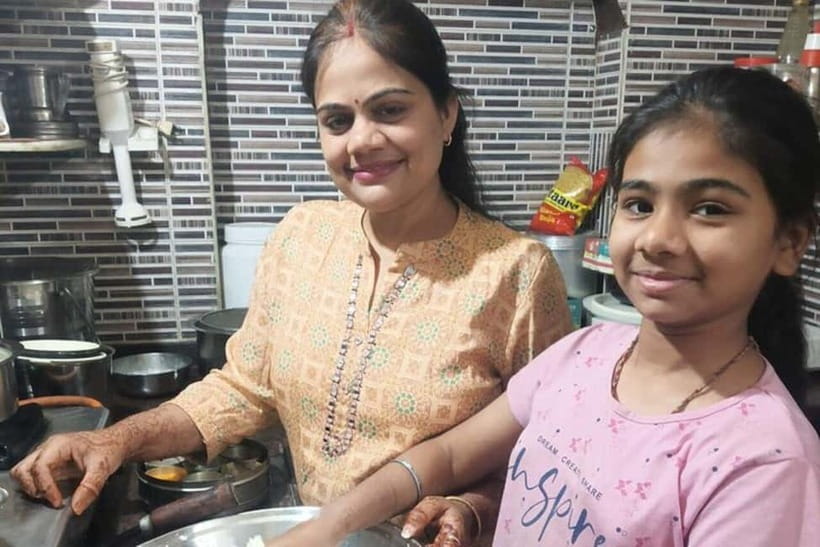
- A real Jaipur home with the host family cooking alongside you, not a commercial kitchen.
- Hands-on from the start, including chapatis and vegetable curries, plus dessert.
- Rajasthan specialties on the menu, with options that can include dal baati churma and ker sangri.
- Spice explanations with purpose, so you understand what each ingredient is doing.
- Dietary needs can be accommodated, including gluten-free menus and allergy/intolerance requests.
- You leave with recipes in e-form (sent after the class).
A Jaipur home kitchen, not a restaurant line
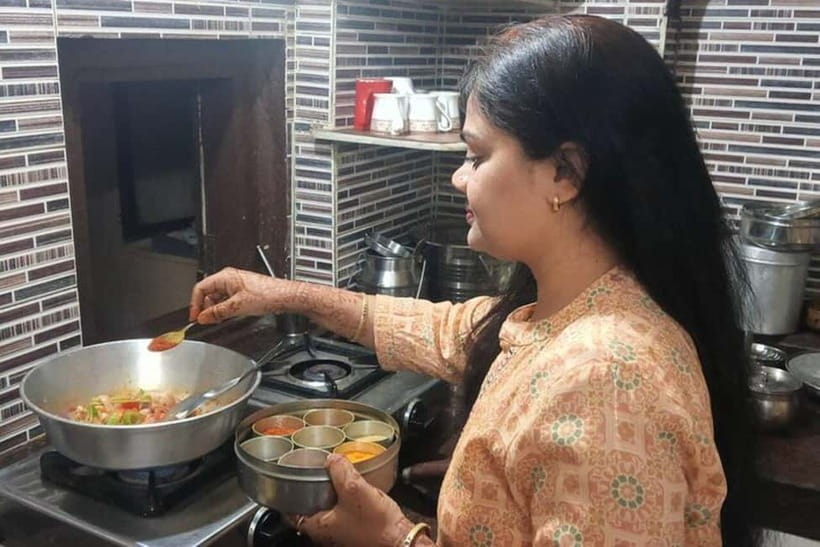
Jaipur cooking classes can be two kinds: the show-and-tell kind, where you mostly stand back, and the real-home kind, where you roll up your sleeves. This one is firmly in the second camp.
You meet inside a local family setup in Jaipur’s Johari Bazar area, at 3664, Motisingh Bhomiyon Ka Rasta, Fourth Crossing, Johari Bazar, Jaipur 302003. Plan to arrive a bit early and take your time finding the exact spot. Once you’re there, the atmosphere is calm and practical—people are cooking, people are chatting, and you’re part of it.
The class runs for about 3 hours and caps at 6 participants, which matters. In a big group, you can end up waiting your turn. Here, you get enough attention to fix issues in real time—like dough texture, spice balance, or frying temperature—so the food you make doesn’t just look right. It tastes right.
You can also read our reviews of more cooking classes in Jaipur
What you cook in 3 hours: chai, breads, curries, and Rajasthan staples
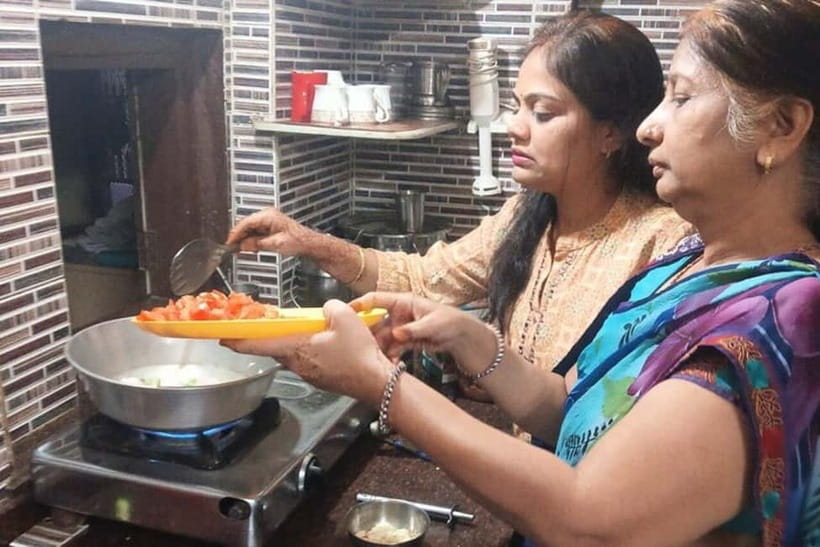
The structure is simple: you start with a welcome drink, get oriented with spices and ingredients, then cook several dishes you can actually reproduce later at home. The exact menu can vary, but the core experience is consistent—comforting, homestyle North Indian cooking with a Rajasthan twist.
Step 1: Welcome drink and conversation
Many classes kick off with chai, and this one does too—masala chai or similar spiced tea. You sit down, sip, and get your first taste of how the family teaches: relaxed, interactive, and responsive. It’s a good way to settle into Jaipur rhythms instead of rushing straight into the stove.
Step 2: Chapatis and the bread skills that matter
Hands-on bread is a highlight. You can expect to make chapatis, and in some menus also parathas. This is where the class becomes useful beyond the trip. Chapati technique is not mysterious, but it is specific: how you roll, how you handle heat, and how you know the dough is ready.
In the kitchen, you learn the small signals that help bread come out soft instead of tough: the look and feel at each stage. That’s the difference between cooking a dish and simply following a recipe.
Step 3: Vegetable curries and the spice work underneath
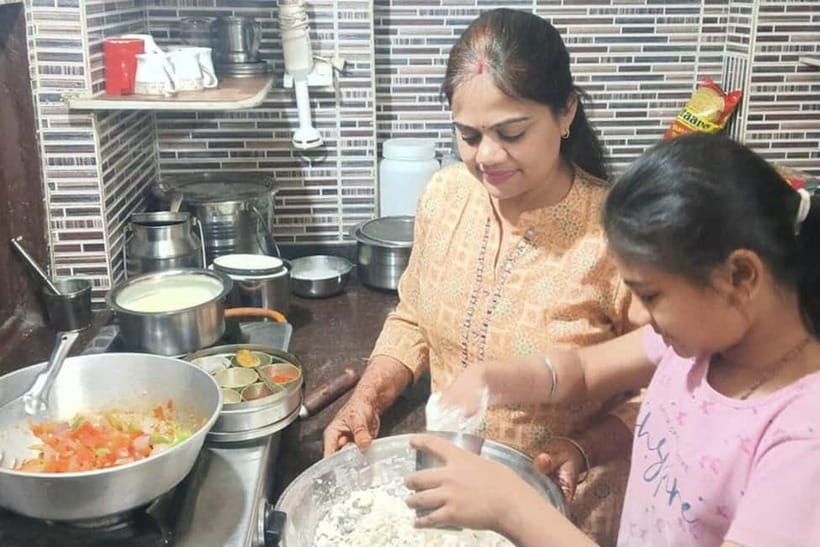
After the bread, you move into vegetable curries. Expect dishes in the dal and vegetable-curry universe—things like dal tadka, palak paneer, aloo ghobi, or similar mixed vegetables. You’ll learn how spices get used in sequence, and how the base changes once onions, tomatoes, and aromatics hit the pan.
One useful part: you’re not just stirring. You’re learning why you add certain spices at certain times. That’s what helps you recreate flavor later, even if you don’t have the exact same kitchen tools.
You can also read our reviews of more tours and experiences in Jaipur





Step 4: Chosen favorites and Rajasthan dishes
Rajasthan cuisine is a big selling point here, and the class is set up to make it practical. You may learn time-honored items such as dal baati churma and ker sangri. You might also see other North Indian plates depending on what you and your group choose.
Several reviews mention the class letting people pick what they want to cook. That flexibility is valuable if you don’t eat everything. It also means your time goes toward skills you’ll actually use after your trip.
Step 5: Dessert
Dessert is included, and popular examples from the menus shared include gulab jamun. If sweets are your thing, this part is worth showing up hungry for. It also helps you see how Indian sweets balance flavor (saffron/rose notes, sweetness, syrup texture) rather than just sugar.
And yes, there can be extra small tastes, like homemade lemon pickle or crunchy sides such as poppadoms, depending on the day and what’s available.
Spices have stories: how the class teaches more than recipes
If you only learn recipes, you still need confidence in the kitchen. The smartest part of this class is that it teaches ingredient purpose—so you understand what you’re doing.
The teaching approach is built around:
- Spice meaning, not just spice names
- Ingredient function, like what makes a curry thicken or why a spice tastes sharper when heated
- Technique, like timing and texture cues during cooking
That matters for two reasons.
First, Jaipur-style food uses a lot of layering. Once you understand the order—what gets toasted, what simmers, what finishes—you can adjust to your own pantry.
Second, this class makes space for real-world diet needs. Multiple reviews mention gluten-free menus and accommodations for allergy/intolerance. So instead of forcing you into one fixed menu, the host family works with your needs and preferences and then still teaches the cooking logic behind the dishes.
Food, family, and the Pink City feeling you get in one sitting
This is not a classroom vibe. The host is Swati, and her family is involved throughout—often including her mother-in-law and children. You’re welcomed as more than a customer, and that changes the tone of the entire experience.
Here’s what you’ll likely notice during the class:
- People explain while they cook, so you don’t feel rushed.
- There’s room for questions in plain language (the instructor can teach in English and Hindi).
- You may end up chatting about culture while the food cooks, which makes the time pass faster.
One small detail that I really like: the focus on food safety and comfort for people adjusting to local cooking conditions. Reviews mention using mineral water for cooking when needed, which shows care—not just enthusiasm.
Price and value for $19: what you really get
At $19 per person for about 3 hours, this is priced like a thoughtful local activity, not a tourist markup fantasy. The value comes from the mix of what’s included and what’s not.
Included:
- Welcome drinks
- Cooking class with the local family
- Introduction to Indian spices and ingredients
- Hands-on cooking (including chapatis and vegetable curries)
- Indian dessert
- E-recipes of the cooked dishes
Not included:
- Transportation to/from the activity
- Personal cooking equipment
So the math is pretty clear. You’re paying for a guided, hands-on meal-making session plus recipes you’ll actually want to use later. And because the group is capped at 6, you’re buying attention—not just entertainment.
If you’re comparing this to a sit-down lunch that only fills your stomach, the difference is you leave with skills and a shopping list for your next curry night.
Practical notes: what to expect at the meeting point and in the kitchen
This activity is in a residential-family setting, so treat it like a home stop, not a studio. You’ll want to be mindful with shoes and personal comfort, and follow whatever simple instructions you’re given when you arrive.
A few practical tips that can make your morning smoother:
- Use the exact address: 3664, Motisingh Bhomiyon Ka Rasta, Fourth Crossing, Johari Bazar, Jaipur 302003.
- If you get lost, ask for help quickly. The class includes English/Hindi support, and many experiences like this work best when you confirm directions right away.
- Bring a mindset for hands-on cooking: you’ll touch dough, handle spices, and stand at the stove area.
Also, there’s a clear rule: pets aren’t allowed, so plan around that if you’re traveling with animals.
Who this class suits best (and who might want another option)
This is ideal if you:
- Want homestyle Indian cooking over generic buffet learning
- Like the idea of Rajasthan specialties like dal baati churma and ker sangri, but still want practical skills
- Have dietary needs or preferences and want real accommodation (including gluten-free menus mentioned in class experiences)
- Enjoy cultural conversation as part of the meal, not as an awkward add-on
You might consider something else if:
- You really want a high-volume tasting tour with a long list of dishes and no hands-on work
- You don’t want to manage your own transportation to the local meeting point
For most people, the small group size and home-kitchen access are exactly what make the class feel worth it.
Should you book this Jaipur cooking class?
Yes—if you want Jaipur food you can cook again at home. This class checks the boxes that actually matter: you cook, you learn why flavors work, and you leave with recipes delivered after the session.
Book it especially if:
- You’re a food-focused traveler who likes technique, not just taste.
- You want a personal connection with the host family (Swati and her family teach with warmth and flexibility).
- You care about dietary accommodations and want a menu that can adapt.
My only “wait and think” moment is transportation. Since it isn’t included, make sure you’re comfortable with getting yourself to Johari Bazar area. If that’s manageable, this is one of the most practical cultural experiences you can do in Jaipur.
FAQ
How long is the Jaipur cooking class?
The class lasts 3 hours.
How much does it cost?
It costs $19 per person.
What’s included in the class?
You get welcome drinks, the cooking class with the local family, an introduction to Indian spices and ingredients, hands-on cooking for items like chapatis and vegetable curries, Indian dessert, and e-recipes of the dishes you cook.
Can the class accommodate dietary needs?
The experience can cater to dietary requirements and preferences, including gluten-free menus and allergy/intolerance accommodations mentioned in feedback.
What languages are used during the class?
The instructor teaches in English and Hindi.
Is transportation to and from the class included?
No. Transportation is not included.
Is the activity wheelchair accessible?
Yes, the activity is wheelchair accessible.