REVIEW · JAIPUR
Jaipur: Full Day Sightseeing Tour By Car & Local Tour Guide
Book on GetYourGuide →Operated by Jaipur Pinkcity Tours · Bookable on GetYourGuide
Jaipur in one day, minus the guesswork. This full-day tour strings together the big-ticket sights of the Pink City with a local tour guide and a private air-conditioned car, so you spend less time negotiating and more time seeing. Along the way, guides like Akram, Imran, and Ashraf tend to explain what you’re looking at in a way that actually makes it stick.
I especially like the mix of signature monuments and practical, meaningful stops. Amber Fort gives you the royal scale up close, and Panna Meena ka Kund adds a stepwell story that feels different from the usual fort-only circuit. I also love the pay-off at Jantar Mantar, where ancient stone instruments turn into a real lesson on how people measured the sky.
One drawback to plan for: entry tickets and meals aren’t included, and the day includes stairs and walking at several sites, plus sun. If you’re sensitive to heat or mobility limits, this schedule can feel a bit full.
In This Review
- Key things that make this Jaipur day tour work
- A full day route that keeps Jaipur understandable
- Hawa Mahal: the Palace of Winds up close
- Panna Meena ka Kund: a stepwell you’ll remember
- Amber Fort: royal architecture with a clear story
- Jal Mahal: the “floating palace” moment
- Lunch plus a shopping hour: plan your priorities
- City Palace: where Jaipur’s royal center becomes a visit
- Jantar Mantar: when astronomy feels practical
- Royal Gaitor Tombs: calmer end-of-day history
- Price and logistics: what $8 really means for your day
- Guides and driving: the small things that make the day easy
- What to bring (and what to skip) so Jaipur stays comfortable
- Who this tour suits best
- Should you book this Jaipur full-day tour?
- FAQ
- How long is the Jaipur full-day sightseeing tour?
- What’s included in the price?
- Are entry tickets included?
- Are meals included?
- Does the tour include a skip-the-ticket-line option?
- Is this a private group tour?
- What languages are the guide options?
- What should I bring?
- Is it suitable for wheelchair users or pregnant women?
Key things that make this Jaipur day tour work
- Private A/C car for long hops between stops, with bottled water to keep you steady.
- Hawa Mahal’s window façade is more interesting when your guide explains why so many openings mattered.
- Amber Fort + nearby Panna Meena ka Kund gives you both power and water-smart engineering.
- Jal Mahal viewpoint offers a calm, photogenic break at Man Sagar Lake.
- City Palace + Jantar Mantar pairs royal life with UNESCO astronomy in one route.
- Royal Gaitor Tombs end the day quietly, with a good spot for slower photos.
A full day route that keeps Jaipur understandable
Jaipur can overwhelm fast: forts, palaces, temples, and a lot of color. What I like about this style of tour is that it lays out a logical sweep of the city’s main “why” moments—royal power, city planning, water management, and even astronomy—without making you figure it out alone.
The whole day is built around comfort. You get pickup and drop-off, travel in a private sedan/SUV with air-conditioning, and you’ll have an authorized guide with you. That matters in Rajasthan, where midday sun can turn “just one more stop” into a sweaty slog.
You’re also not stuck in a rigid museum-only pace. The schedule includes photo time, guided time, and breaks like lunch plus a shopping hour, so you get a chance to reset instead of sprinting from one ticket gate to the next.
You can also read our reviews of more guided tours in Jaipur


Hawa Mahal: the Palace of Winds up close
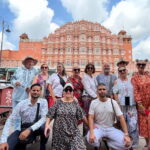
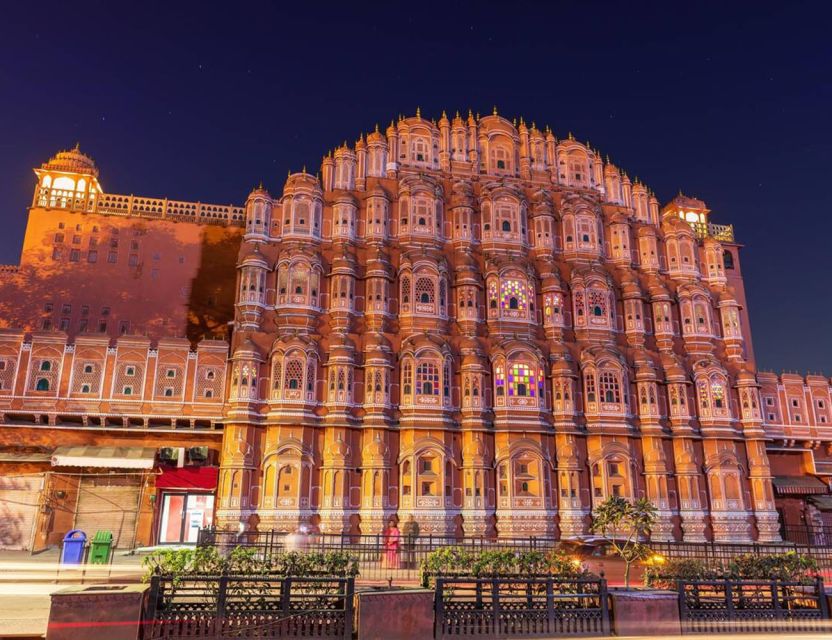
The day often starts with Hawa Mahal, the iconic pink façade with hundreds of windows. From the outside, it’s easy to admire the shape. With a guide, it becomes a clever piece of design: those openings were meant to give royal women a discreet way to watch street life below.
Give yourself time to look from angles. Stand close enough to notice the repeating window pattern, then step back to see how the façade stacks into five levels. If you wear sunglasses, you’ll feel more comfortable here—Jaipur light can be sharp.
A practical note: this stop is mostly viewing and walking around the front area, not a long indoor museum experience. So it’s a good “first hit” when you still have energy.
Panna Meena ka Kund: a stepwell you’ll remember
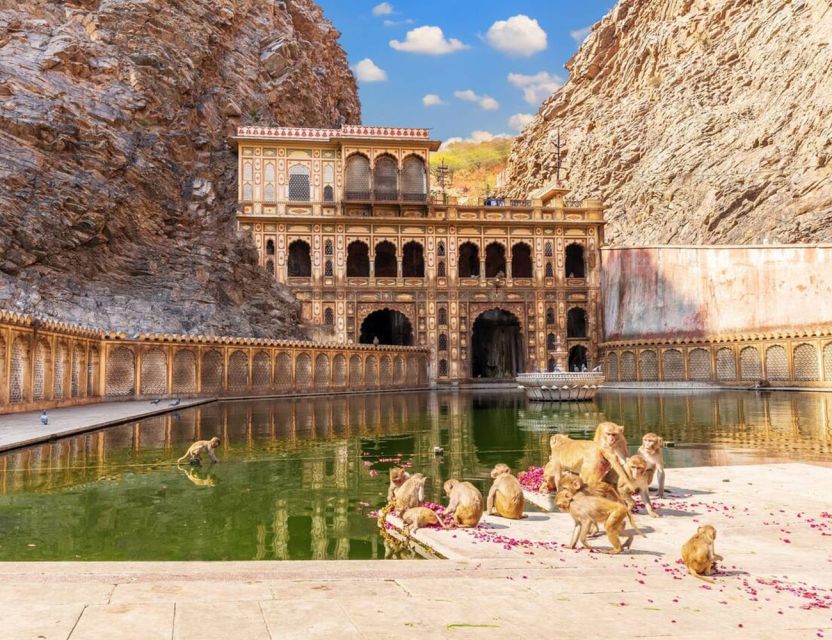
Next you’ll head toward Panna Meena ka Kund, a historic stepwell near Amber Fort. Stepwells are not just old architecture here; they’re a lesson in water conservation in a dry region. The structure’s tiered stairways and symmetry make it feel almost designed for slow attention.
I like that this stop changes the tone of the day. You go from royal spectacle to practical engineering. If you enjoy photography, you’ll likely find good angles from above and along the steps, and it’s a place where the guide’s explanations can help you “see” the purpose of what you’re looking at.
Bring the right shoes. Even when the time here is short, stepwells involve uneven surfaces and stair-like steps, and you’ll want sure footing.
Amber Fort: royal architecture with a clear story

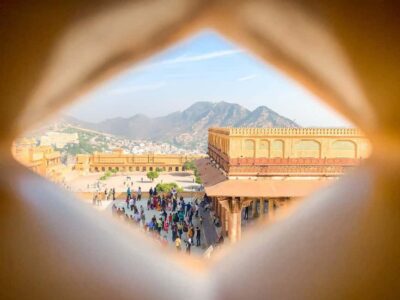
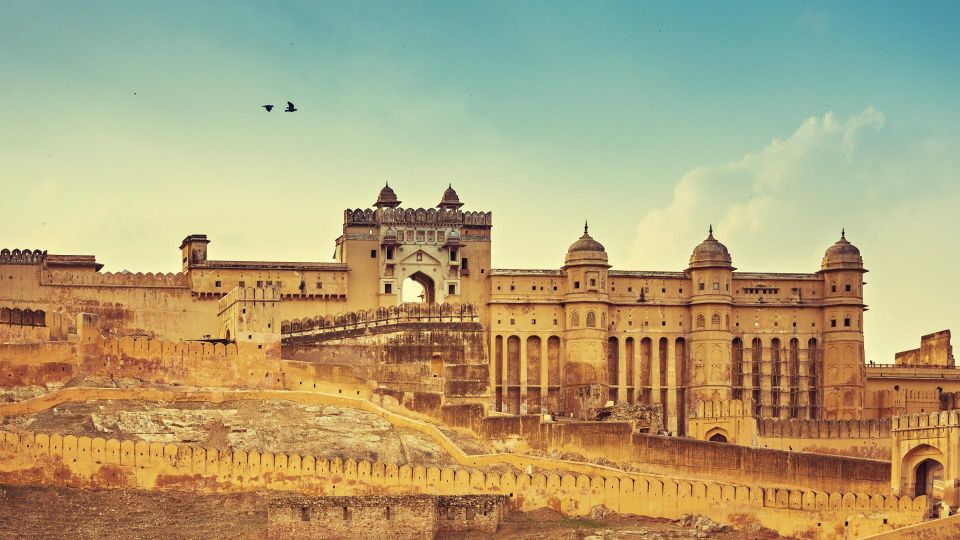
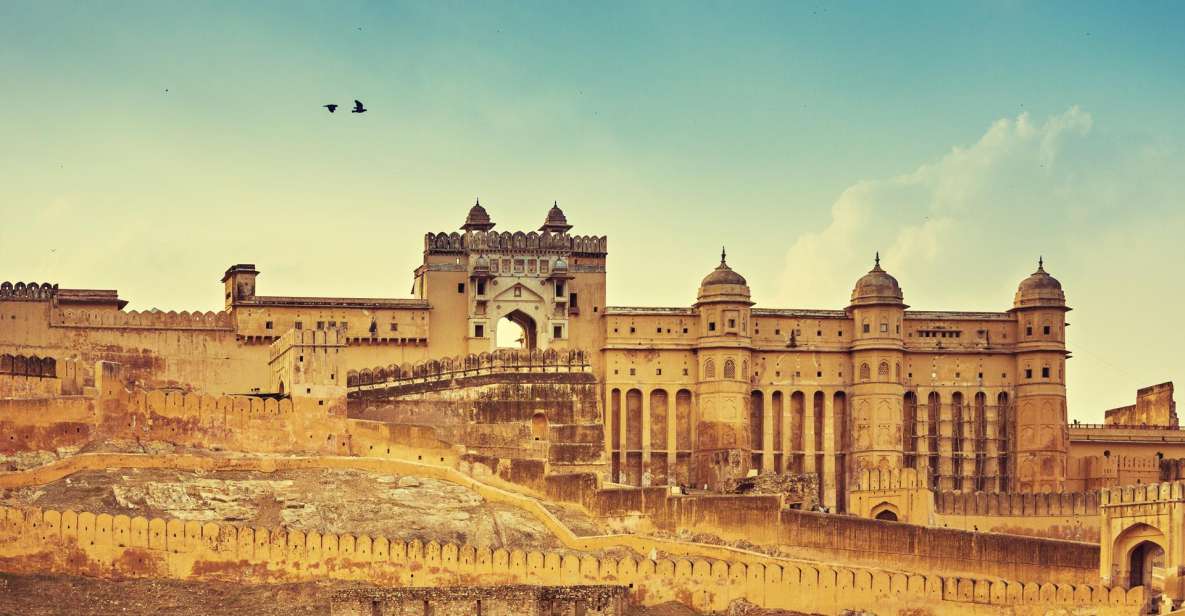
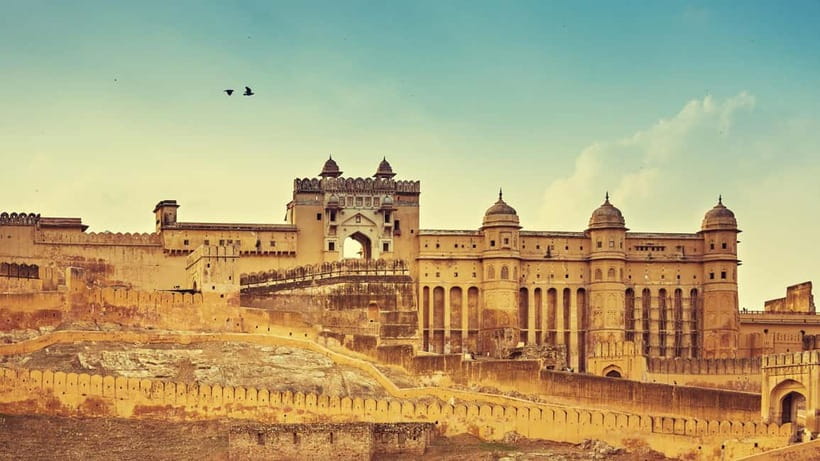
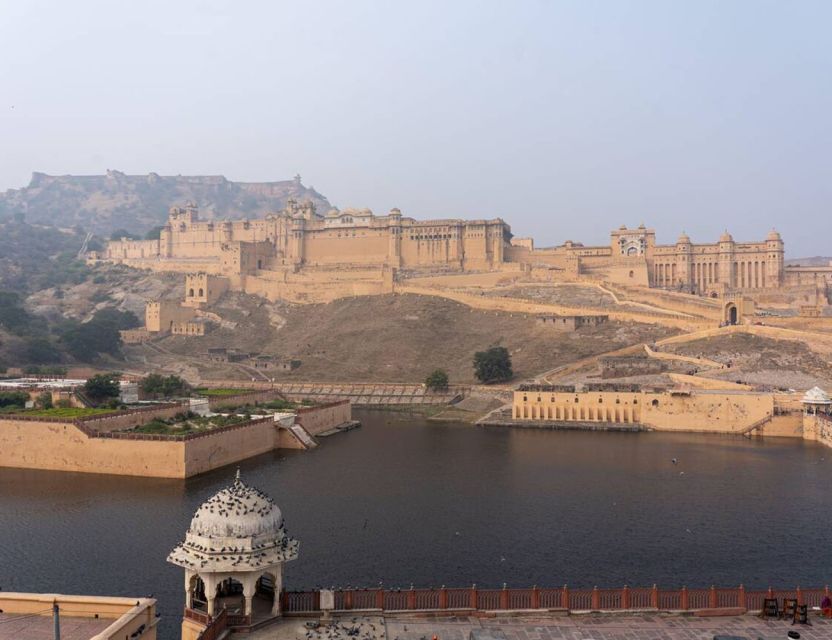
Then comes Amber Fort, usually the main anchor of the day. It sits on rugged hills in the Aravalli range, with a blend of Hindu and Mughal architectural influences. The red sandstone and white marble aren’t just pretty surfaces; the materials and design signal the wealth and power that built this place.
What makes Amber Fort worth the time is the way it reads like a timeline of taste and authority. Your guide can connect what you see—courtyards, ornamentation, and design choices—to how rulers wanted to project control. This is where an expert guide earns their keep.
Expect this to be the most active stop. You’ll spend about 1.5 hours with guided time, and you’ll likely walk around viewpoints and courtyards. If you’re traveling with elderly folks, many groups appreciate that the guide can manage pace and waiting for slower travelers. (In past experiences, guides like Akram have been praised for patience when someone needs extra time.)
Jal Mahal: the “floating palace” moment
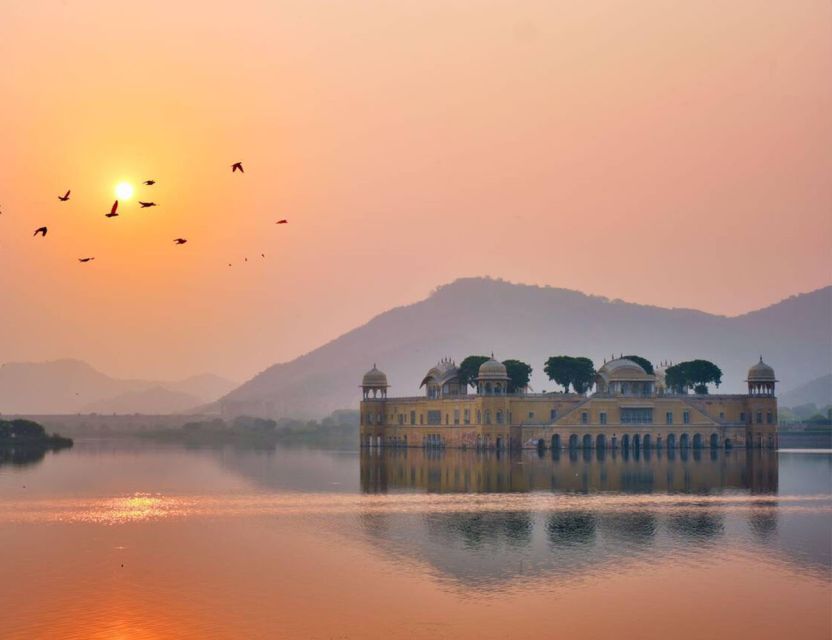
Jal Mahal at Man Sagar Lake is the kind of stop you appreciate most when you keep expectations realistic. You’re not going to tour the whole palace complex here. Instead, you get a pause for the view of the red-sandstone façade appearing to rise from the water.
This works because it’s a breather. After Amber’s scale and walking, Jal Mahal gives you a slower, scenic reset. Plan to take a couple of photos, then let your guide point out what you’re seeing so the moment doesn’t turn into just another pretty picture.
Timing matters too. During the hottest hours, you’ll appreciate that this stop is shorter on your feet while still delivering that classic Jaipur look.
You can also read our reviews of more tours and experiences in Jaipur




Lunch plus a shopping hour: plan your priorities
The day includes lunch time (about 1 hour) and a shopping hour (about 1 hour). Meals are not included in the price, so you’ll pay for your own lunch when you reach the restaurant stop.
This is also where you should decide what kind of day you want. If you’re a pure-sightseeing person, that shopping hour is the block you’ll notice most. If you like textiles, crafts, or just want to buy a few practical souvenirs without hunting, it can be a useful add-on. Some guides have been praised for steering people toward shops away from the most pushy tourist lanes, including stops tied to textiles or cottage-industry work.
If you do shop, keep it simple: choose what you’ll actually use back home, and don’t let shopping eat the energy you need for the afternoon monuments.
City Palace: where Jaipur’s royal center becomes a visit
Next up is City Palace, the heart of Jaipur’s royal heritage. It’s a complex with Rajasthani and Mughal architectural blends, plus courtyards and museum spaces. Even if you’re not the type to love museum rooms, City Palace is a good place to understand how rulership turned into lived-in space.
Your guide’s job here is helpful: they can connect the palace’s design choices to the larger story of Jaipur as a planned power center. You’ll usually get around 1.5 hours at City Palace, which is enough to explore without feeling trapped.
This is also a strong spot for photos, especially if you’re careful about timing and shade. The carvings and color will reward you if you slow down for a few minutes instead of rushing to the next gate.
Jantar Mantar: when astronomy feels practical
Then you’ll reach Jantar Mantar, a UNESCO World Heritage Site and an ancient observatory built by Maharaja Sawai Jai Singh II. The big story here is that Jaipur wasn’t only about forts and palaces—people were measuring the sky using stone instruments designed for observation.
A standout detail is the presence of the world’s largest stone sundial, along with a collection of instruments used to study celestial bodies. If you’ve ever looked at a sundial and wondered what’s so special about it, your guide can help translate it into something you can picture—how shadow, angles, and time connect.
This stop is usually about 1 hour with guided time. It’s long enough to learn, but not so long that it turns into boredom. If you’re traveling with kids, it can also be fun because it gives them something hands-on to imagine, even though the instruments are stone.
Royal Gaitor Tombs: calmer end-of-day history
To close, you’ll visit Royal Gaitor Tombs (often called Gaitor Ki Chhatriyan). This is an 18th-century burial site for Jaipur’s royals, with domed pavilions and carved details. Where Amber and City Palace feel grand, Gaitor feels quieter and more reflective.
The tour style here includes a walk and time for photos. If you’ve been pushing hard through forts and palaces all day, you’ll likely enjoy the slower rhythm at Gaitor. It’s also a good place to let your guide’s explanations sink in, because the setting gives you time to think rather than just look.
Price and logistics: what $8 really means for your day
At about $8 per person for an 8-hour private tour, the value is mostly about what you avoid. You’re not paying for a ticket booth circuit. You’re paying for authorized guidance, hotel pickup/drop-off, air-conditioned transport, parking fees, fuel, and bottled water.
Two things to keep in mind. First, entry tickets are not included, so budget for those separately. Second, meals are not included, even though lunch time is built into the schedule.
Compared to hiring separate transport and trying to piece together guides on your own, this kind of packaged day can be a smart deal—especially if you want to see multiple UNESCO-worthy stops without losing time on coordination.
The “skip the ticket line” note also matters. It can reduce waiting, which is key when the heat spikes and your schedule is tight. Still, keep some patience for the reality that popular sites can have lines.
Guides and driving: the small things that make the day easy
This is the part I care about most, because a good itinerary can still feel stressful if the basics fall apart. Across guides and drivers you’ll likely encounter names like Akram, Imran, Tahir, Ali, Ashraf, and Eski, with frequent praise for being prompt, friendly, and flexible.
Flexibility shows up in practical ways: slowing down for elders, handling a toddler’s needs, or adjusting how much time you spend exploring on your own once your guide explains what you’re looking at. It’s also reflected in careful driving. Many comments mention safe, attentive driving and working air-conditioning inside a clean car—exactly what you want after a couple of hours in Jaipur sun.
If you’re a solo traveler, having a guide who can answer questions and keep the day flowing can turn “I hope I understand this” into “I get it.”
What to bring (and what to skip) so Jaipur stays comfortable
Keep it light. The tour notes say no luggage or large bags and you should avoid alcohol and drugs and glass objects. It also lists sunglasses, sunscreen, and sports shoes as key items.
In plain terms:
- Wear shoes with grip because steps and uneven surfaces show up more than you’d expect.
- Use sunscreen early, not after you’ve already started sweating.
- Bring an ID or passport for checks.
Also, keep water handy even though bottled water is included. Jaipur days can get intense, and small sips help you keep pace.
Who this tour suits best
This is a strong fit if you want a full-day snapshot of Jaipur’s major icons without the mental load. It’s especially good for:
- First-time visitors who want the top sights in an organized order
- Travelers who value a local guide’s explanations of design and meaning
- Families with mixed energy levels, since guides have been praised for handling elders and toddlers with patience
It’s not suitable for wheelchair users or pregnant women, based on the tour’s stated limitations. And because it involves walking and time at multiple sites, if you have mobility constraints, you’ll want to be extra realistic about stamina.
Should you book this Jaipur full-day tour?
I’d book it if your priority is to see a lot of Jaipur’s key sites in one day with a guide who can explain more than just the photo spots. The private A/C car, authorized guide, and thoughtfully chosen mix—Amber Fort, Panna Meena ka Kund, Jal Mahal views, City Palace, Jantar Mantar, and Royal Gaitor—make it a practical way to understand the city fast.
Skip the tour if you prefer a slow, unstructured schedule with long indoor museum time, or if you don’t want any shopping block at all. Also, if heat and walking are big issues for you, you’ll need to adjust expectations.
If you want a smart, efficient Jaipur day that actually connects the dots, this is a solid choice.
FAQ
How long is the Jaipur full-day sightseeing tour?
It lasts 8 hours.
What’s included in the price?
You get hotel pickup and drop-off, transportation in an air-conditioned sedan/SUV, a professional authorized guide, parking fees, fuel, and bottled water.
Are entry tickets included?
No. Entry tickets are not included.
Are meals included?
No. Meals are not included, even though lunch time is part of the day.
Does the tour include a skip-the-ticket-line option?
Yes, it notes a skip-the-ticket line option.
Is this a private group tour?
Yes, it’s listed as a private group.
What languages are the guide options?
English, French, German, Hindi, Italian, Japanese, Portuguese, Russian, and Spanish.
What should I bring?
Bring your passport or ID card, sunglasses, sunscreen, and sports shoes.
Is it suitable for wheelchair users or pregnant women?
No. The tour is not suitable for wheelchair users or pregnant women.