REVIEW · JAIPUR
Jaipur: Private Half-Day Instagram Tour with Guide
Book on GetYourGuide →Operated by Rajasthan India Tour Driver · Bookable on GetYourGuide
Jaipur looks better through a camera lens. This private half-day photo tour is built around big, photogenic stops plus a few calmer corners—so you get usable shots without spending the whole day lost. I love the personalized photo pacing and the fact that you have real local help on the ground; I also love the added block-print workshop that turns your photos into something you can remember later. One thing to consider: you’ll walk a moderate amount, and some sites are quick photo stops, so bring comfortable shoes and don’t plan on lingering forever.
A good chunk of the value is the logistics. You get hotel pickup and drop-off, plus transport options like a tuk-tuk for tight lanes or a sedan/SUV depending on your group size. If you book the guided version, you may get an English/French/Spanish/Hindi-speaking guide and driver—on my end, I’ve heard guides like Mustak Ahamed explain monuments in good French, while drivers like Suresh keep things moving safely.
And yes, this is Instagram-friendly, but it’s also cultural. You’ll see Hawa Mahal’s honeycomb façade, stepwell geometry, temple carvings, Amer Fort viewpoints, and Jal Mahal in Man Sagar Lake—then end with block printing in Jaipur’s Pink City. In one review I saw, Vinod even helped with practical choices like where to eat and how to avoid overpaying, plus advice about tips, which is exactly the kind of real-world help that makes a short tour work.
In This Review
- Key points that matter for your photos
- A short, private tour that actually fits a photo day
- Pickup and transport: why the vehicle choice matters in Jaipur
- Hawa Mahal: the façade that turns into a grid of photos
- The flower market: your color source for the whole day
- Stepwells and geometry: where your photos look like design
- Shri Jagat Shiromani Ji Temple: carvings that deserve close attention
- Amer Fort: big interiors, courtyards, and picture-perfect viewpoints
- Jal Mahal (Water Palace): the reflection shot you’ll remember
- Royal Gaitor: architecture with a quieter mood
- Block print art workshop: when the tour becomes more than photos
- Price and value: how $5 can still make sense
- Who should book this (and who should skip it)
- Should you book this Jaipur Instagram photo tour?
- FAQ
- How long is the Jaipur private Instagram photo tour?
- Where do you pick me up and where do you drop me off?
- Is this tour private?
- What transport options are available during the tour?
- Which stops will we visit?
- Are monument entry fees included?
- Is a guide included?
- What should I bring, and what’s not allowed?
Key points that matter for your photos
- Private, small-group feel with hotel pickup so you spend less time figuring out routes and more time framing shots
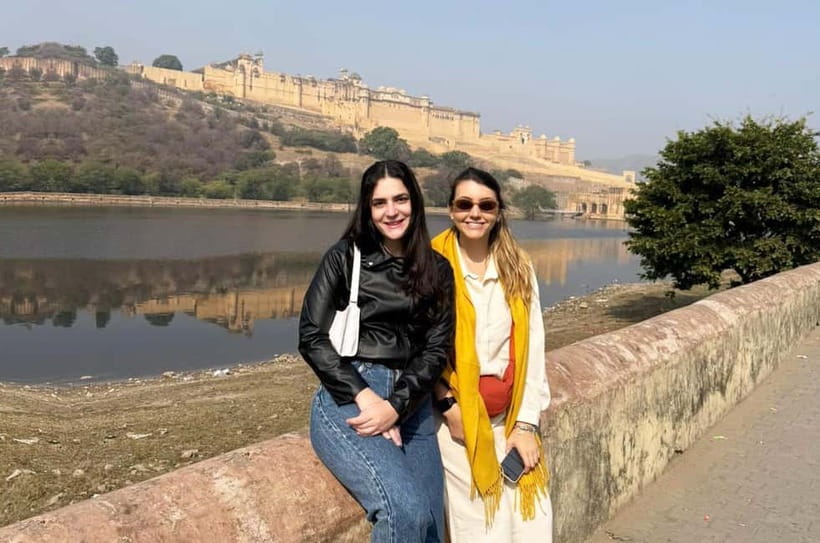
- Hawa Mahal + Amer Fort + Jal Mahal gives you the classic Jaipur “wow” in one compact day
- Stepwell stop with strong symmetry (Panna Meena Stepwell or Chand Baori-style geometry, depending on the route) for clean, graphic photos
- Short cultural stops with carvings and details like Shri Jagat Shiromani Ji Temple and Royal Gaitor
- Block-print workshop in the Pink City adds texture and context behind your pictures
- Photography rules are clear: comfortable walking, no flash, and bring a hat and sunscreen for long sun stretches
A short, private tour that actually fits a photo day
Five hours sounds tight—until you see how it’s structured. This is not a sightseeing marathon. It’s a “hit the strongest photo angles first” plan that keeps each stop tight and purposeful, with photo time plus a bit of guided context so your pictures mean something.
I like that the pacing is realistic. You’re not just rushing between monuments; you’re also getting moments for walking, brief exploration, and the kind of “wait for the right angle” that turns a mediocre photo into a keeper. And because it’s private, you can move at your speed—slow down for a façade detail, speed up when you’re chasing light.
The main tradeoff is also the point: some places are brief. If you’re the type who wants hours inside Amer Fort halls or you like to do long sit-down breaks, you’ll feel the clock. Still, for a first Jaipur visit or a photo-focused day, this format is excellent.
You can also read our reviews of more guided tours in Jaipur
Pickup and transport: why the vehicle choice matters in Jaipur
Jaipur streets can be tricky. The big advantage here is that you’re not stuck hiring multiple rides or wrestling with parking. Pickup and drop-off are included from Jaipur or Kukas.
Transport options are based on your group size:
- Tuk-tuk for up to 2 passengers (great for narrow streets)
- Toyota Etios or Dzire sedan for 2–3 passengers
- Toyota Innova SUV for up to 6 passengers
- Mini van for groups larger than 6
I’m a fan of the tuk-tuk option when you want flexibility. It’s easier to get close to busy areas without the parking headache, and it can make short photo stops feel smoother. One review specifically highlighted a clean, comfortable tuk-tuk setup as a big plus—so if you’re traveling with one partner, that’s often the sweet spot.
Practical note: this tour isn’t for wheelchair users or people with mobility impairments. The walking is described as moderate, and some stops require stepping around uneven ground.
Hawa Mahal: the façade that turns into a grid of photos
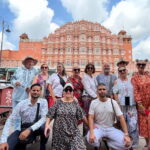
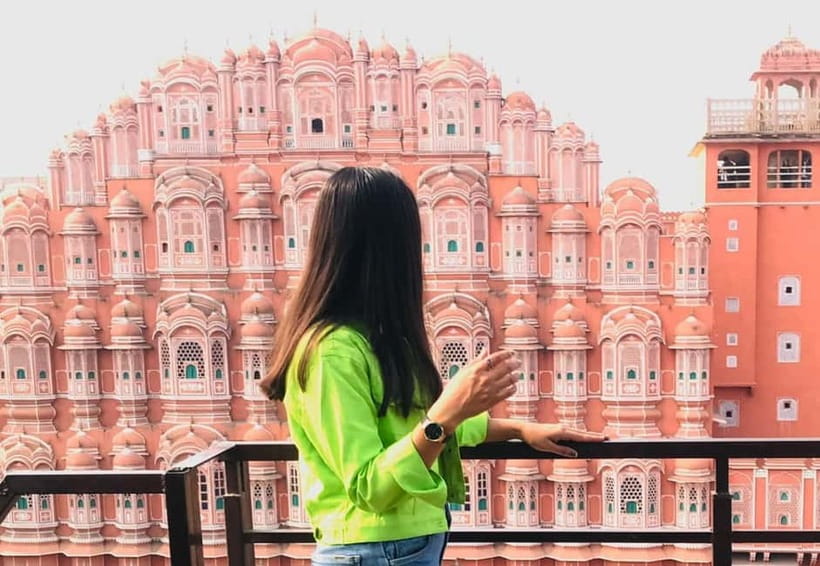
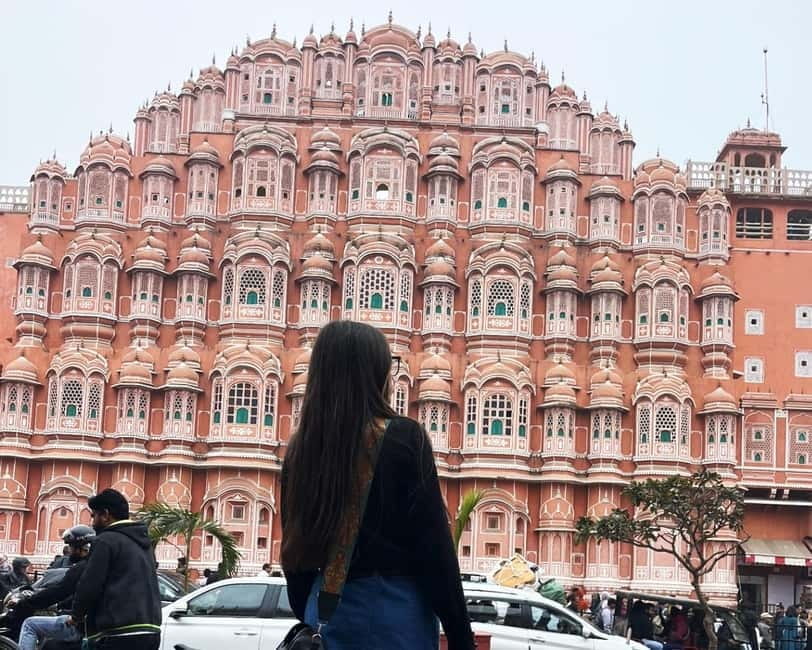
Hawa Mahal is the classic opener, and it earns the hype. It’s a five-story palace with a honeycomb façade and 953 windows—a design that was meant for royal women to view street life discreetly. That mix of architecture + daily-life viewpoint is why it photographs so well.
You get a focused photo stop, plus time to visit and get a guided walkthrough. With this place, the key isn’t just shooting from one spot. If your guide gives you pointers, you’ll end up with a better mix:
- wider shots that show the façade
- close-ups on windows and decorative patterns
- street-adjacent angles that make the scale feel real
Expect some foot traffic. Even if you’re not chasing crowds, plan for it. Bring your camera strap on the outside of your bag (you’ll be moving) and remember that flash photography isn’t allowed.
The flower market: your color source for the whole day
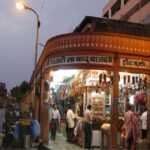
After Hawa Mahal, you’re sent toward a flower market stop. Flowers sound simple, but for photos they’re powerful: they give you color layers, movement, and a sense of everyday Jaipur life.
This stop includes a photo pause plus walking and guidance. The best photos tend to come from a mix of:
- vendor hands and arrangements
- close-ups of petals and saturated colors
- shots that include people and stalls, not only blooms
Also, if you like shooting portraits or candid moments, this is often where your camera can switch gears from “architecture mode” to “culture mode.” Just keep it respectful, move slowly, and let your guide show you where it’s easiest to stand without blocking anyone.
Stepwells and geometry: where your photos look like design
Then you hit a stepwell area—listed as Chand Baori Step Well in the scheduled route, and also included in the tour’s highlights are stepwell stops like Panna Meena Stepwell, known for its symmetrical, multi-tier design. Either way, you’re chasing the same photo payoff: repeating lines and strong symmetry.
Why stepwells work so well:
- The architecture gives you natural “frames” for your camera.
- You can shoot the stairs leading lines inward.
- Details stay interesting even when you repeat the angle from different heights.
The tour includes photo time, walking, and guided context. For photography, I’d treat it like a mini lesson in perspective. Try a top-down shot if possible, then move to a mid-level perspective so you get depth. If there’s water or shadow patterns, wait a minute—light changes fast.
One more practical thing: stepwells can be sun-strong and walking can feel uneven. I’d treat hat + sunscreen as non-negotiable.
You can also read our reviews of more private tours in Jaipur


Shri Jagat Shiromani Ji Temple: carvings that deserve close attention
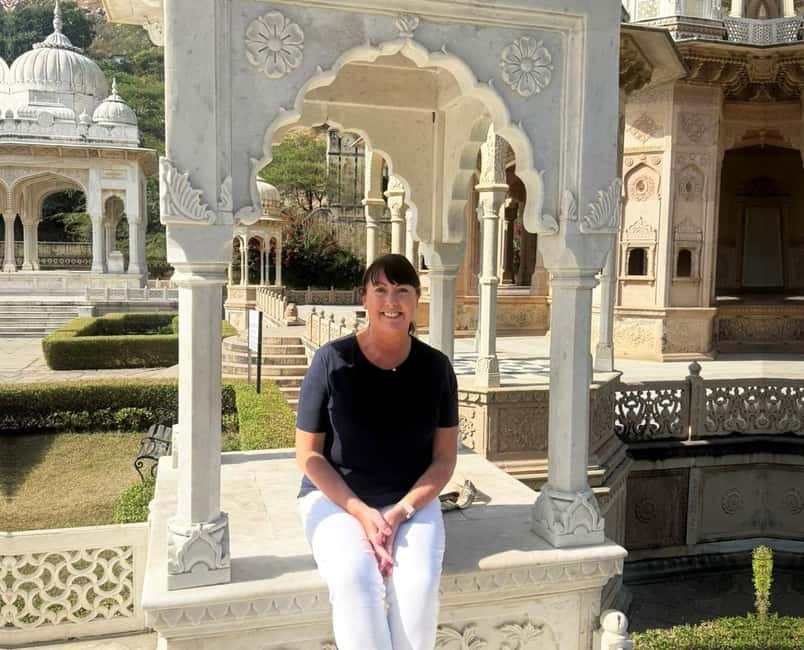
Next comes Shri Jagat Shiromani Ji Temple, dedicated to Lord Vishnu and associated with Meera Bai. This isn’t just a pass-through. The stop includes a photo pause and a guided visit, with time for walking and sightseeing.
This is a great place to slow your shooting down. At temples like this, your best results often come from detail hunting:
- carved surfaces and patterns
- doorway and column shapes
- softer, quieter corners where the light falls gently
You may only have a short time here, but the temple mood is worth it. The pace stays more calm than some of the exterior monuments, and that contrast helps your photo set feel balanced.
Amer Fort: big interiors, courtyards, and picture-perfect viewpoints
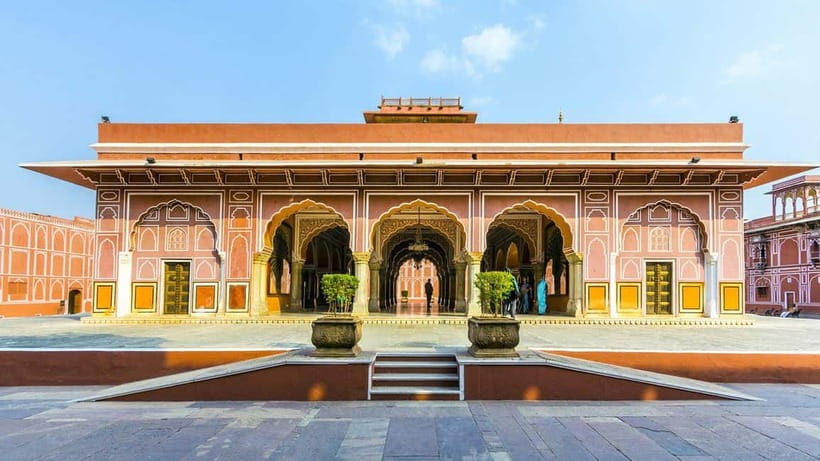
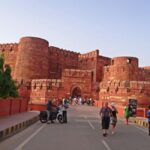
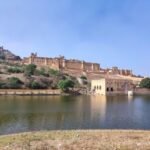
Amer Fort is where Jaipur’s architecture turns into a full photo story. You get around 1.5 hours here, which is enough to do more than one loop: courtyards for scale, halls and corridors for detail, and viewpoints for distance shots.
The biggest photo advantage at Amer Fort is variety. One moment you’re photographing walls and arches. The next moment you’re shooting open courtyards where the fort frames the view beyond. The guided part helps because it can point out where certain angles look best and how to read the spaces.
If you’re into photography, Amer Fort is also a good place to change your “lens mindset.” Instead of only wide architectural frames, look for:
- repeating patterns along corridors
- doorway symmetry
- human scale cues (people against carvings, if your comfort level allows)
The only drawback is time. Amer Fort tempts you to keep going, and you may want more than what a half-day tour gives. Still, for a first visit, it’s a smart hit.
Jal Mahal (Water Palace): the reflection shot you’ll remember
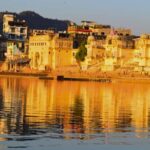
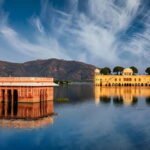
Water Palace, also called Jal Mahal, sits in the center of Man Sagar Lake, surrounded by the Aravalli hills. Even if your stop is short—around 15 minutes—it’s one of those Jaipur scenes that sticks in your head.
This is prime territory for “wow, that actually looks like the postcard” photos. The surrounding hills help frame the palace and make your image feel layered rather than flat.
Tip for your shot: if you can, aim for the best light you get during your specific time window. The tour description points you toward golden-hour type photography, and that makes sense here. Light on water changes quickly, and a minute of waiting can improve your reflection and contrast.
Royal Gaitor: architecture with a quieter mood
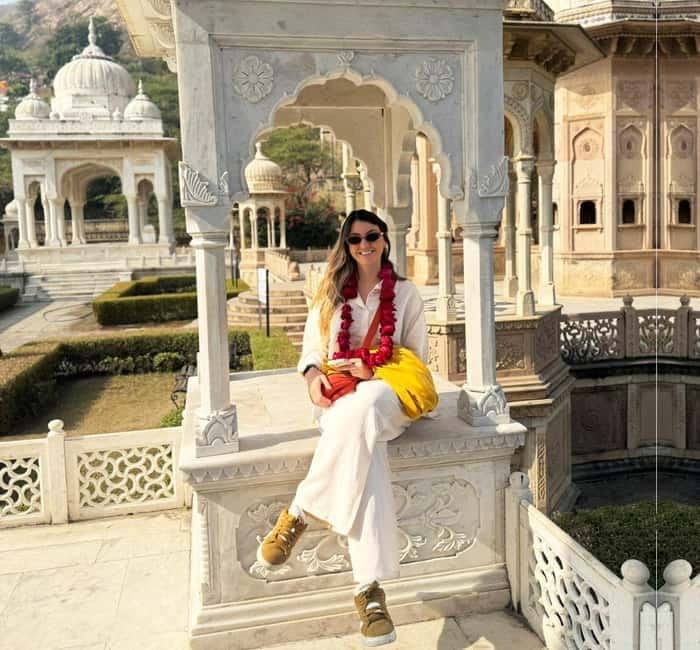
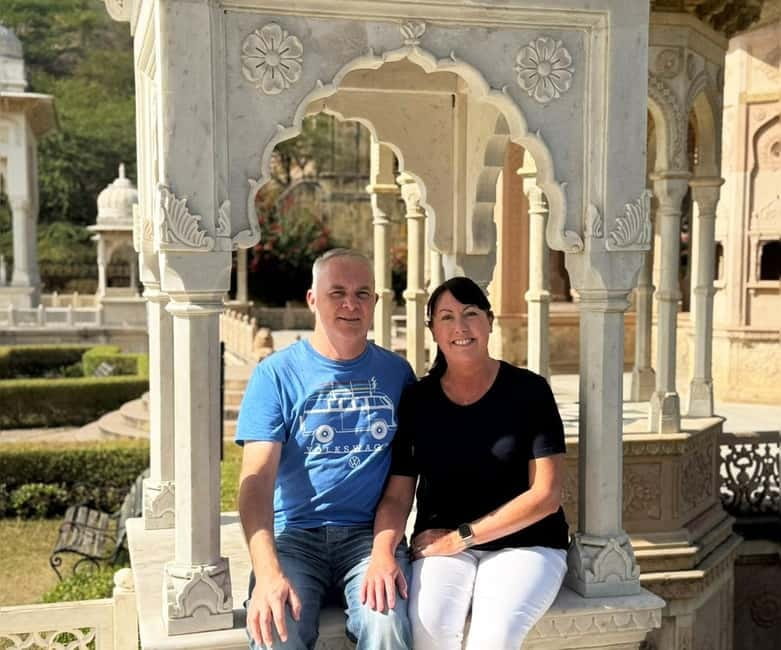
After the big sights, the tour moves to Gaitor Ki Chhatriyan, a royal cremation site famed for its exquisitely carved cenotaphs. This stop includes a photo pause, guided visit, and time for walking.
I like this stop because it shifts the tone. Instead of chasing the largest crowds or the most famous façade, you’re photographing carved memorials with a more peaceful feel. That gives your set a calmer chapter, which makes the whole collection look more intentional.
For photos, focus on the carvings and the geometry of the cenotaph shapes. If the light is harsh, wait for softer patches of shade. Even in short stops, this site rewards careful framing.
Block print art workshop: when the tour becomes more than photos
The final stop is a traditional block print art workshop in the Pink City area. This is one of the best value add-ons because it changes what you carry home.
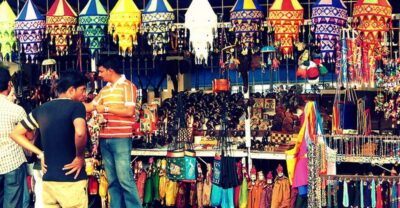
Instead of only images, you get a glimpse into how Jaipur’s craft work is made—how patterns get transferred and how textiles and carpets relate to the larger design language of the region. The tour includes time to visit the workshop along with the shopping-friendly environment around vibrant textiles.
I like that this doesn’t feel like a forced sales stop in the way some tours do. You can look, ask questions, and buy only if it truly fits what you need. And based on review feedback, guides like Vinod often help visitors with practical advice on what’s reasonable to pay and how to avoid getting steered toward overpriced items.
If you’re a photographer, block printing also gives you details you can photograph that are different from temples and fort walls: pattern close-ups, hands working with tools, and fabrics with repeating motifs.
Price and value: how $5 can still make sense
At $5 per person, this tour is priced like a deal, not a full-on luxury experience. The good news: the structure supports that value. You get hotel pickup and drop-off, a guided photo-focused route, bottled water, and the block print workshop visit.
The main caution is that monument entry fees may apply if the option is selected. So before you assume the final cost is only the sticker price, check what’s included for your specific booking choice. Also, meals aren’t included—so plan a light snack or dinner later.
What makes it feel worth it anyway is the private guide/driver setup for a compact route. Many people waste half a day paying for separate transport and trying to time photo locations alone. Here, your time is the product. If you want the classic Jaipur highlights plus one craft stop without spending a whole day, this is a strong fit for the money.
Who should book this (and who should skip it)
This is a smart choice if:
- You want Jaipur landmarks in a short window and you care about photography
- You like having a guide for photo angles and context, not just a driver
- You want a mix of architecture, temples, stepwell geometry, and a craft workshop
- You enjoy tuk-tuk style travel, especially for quick stops
You might want to skip or change expectations if:
- You have limited walking tolerance (the tour isn’t suited for wheelchair users)
- You need long sit-down time at each site
- You’re hoping for a slow, in-depth museum-style experience everywhere
Also note the photography rules: flash photography isn’t allowed. If you rely on flash for night or indoor shots, plan to use natural light and camera settings instead.
Should you book this Jaipur Instagram photo tour?
If your goal is a tight, photo-driven Jaipur day—Hawa Mahal, Amer Fort, Jal Mahal, a stepwell stop, and a finishing craft workshop—this one makes sense. The strongest reasons to book are the private pace, the mix of classic and less common settings (like stepwell geometry and Royal Gaitor), and the fact that you end with block printing, which gives your trip a tangible connection.
I’d book it if you:
- have about half a day and want maximum “usable photo” output
- like local help (guides such as Mustak Ahamed and Vinod show up in the experience through strong communication and practical tips)
- appreciate clear rules like no flash and the comfort of bottled water
I wouldn’t book it if you need a slow tour, extensive time inside every monument, or step-free access. For everyone else, it’s a practical, good-value way to turn Jaipur into a photo story you’ll actually post.
FAQ
How long is the Jaipur private Instagram photo tour?
It lasts about 5 hours.
Where do you pick me up and where do you drop me off?
Pickup options include Jaipur and Kukas, and drop-off is also available in Jaipur or Kukas.
Is this tour private?
Yes. It’s described as a private group experience.
What transport options are available during the tour?
You may travel by tuk-tuk (up to 2 passengers), Toyota Etios or Dzire sedan (2–3 passengers), Toyota Innova SUV (up to 6 passengers), or a mini van for groups larger than 6.
Which stops will we visit?
You can expect stops for Hawa Mahal, a flower market, a stepwell (Chand Baori Step Well is listed), Shri Jagat Shiromani Ji Temple, Amer Fort, Water Palace (Jal Mahal), Gaitor Ki Chhatriyan, and a block print art textile workshop.
Are monument entry fees included?
Entry fees for monuments apply if that option is selected. It’s not automatically guaranteed as included for every booking.
Is a guide included?
A professional guide is listed as optional. The driver is available in English, French, Spanish, and Hindi.
What should I bring, and what’s not allowed?
Bring comfortable shoes, a camera, hat, sunscreen, and water. Flash photography is not allowed. Pets and luggage or large bags are also not allowed.