REVIEW · JODHPUR
Jodhpur: Blue City Walking Tour
Book on GetYourGuide →Operated by Yo Tours · Bookable on GetYourGuide
Jodhpur’s blue lanes are a visual cheat code. This 2-hour walking tour threads you through the old city’s indigo-toned houses and historic streets, with a story-first guide helping you see what most people miss. I especially love how the walk mixes photo-worthy blue havelis with real, lived-in corners of the neighborhood.
I also like the guide style: you’re not just watching scenery, you’re getting local anecdotes and practical tips as you go. One thing to consider is that it’s a walking tour and it isn’t suitable for wheelchair users, so wear solid shoes and be ready for uneven old-street surfaces.
In This Review
- Key highlights at a glance
- Blue City Walking Tour: what makes Jodhpur feel like a postcard
- Where you start: Chandpole Gate and the practical flow of the walk
- Navchowkiya: blue havelis, temples, and streets you can actually photograph
- The blue house stories: why the color matters beyond the aesthetic
- Ranisar Lake inside the city wall: a calmer pause with a strong sense of place
- Mehrangarh Fort periphery: connecting street-level color with Rajput power
- The guide experience: bilingual storytelling that keeps the walk moving
- Price and value: why $18 can make sense for a short, story-led tour
- What to bring (and what to skip) so your walk stays comfortable
- Who this tour suits best (and who might prefer something else)
- Should you book the Jodhpur Blue City Walking Tour?
- FAQ
- Where is the meeting point for the tour?
- How long is the Jodhpur Blue City Walking Tour?
- How much does it cost?
- What languages are the guides?
- Is hotel pickup or drop-off included?
- Is water provided during the tour?
- What should I bring for the walk?
- Is the tour wheelchair accessible?
Key highlights at a glance
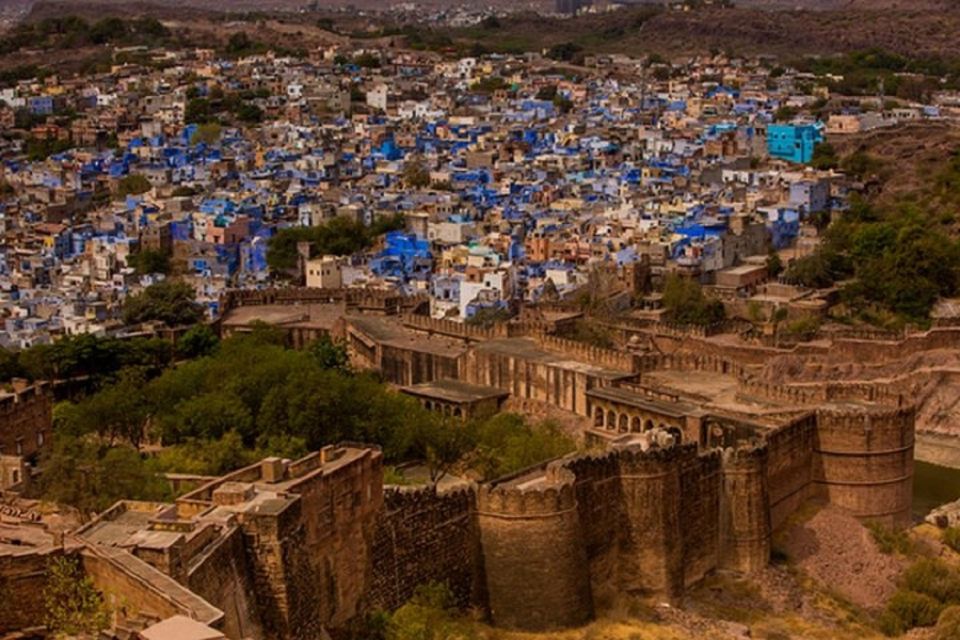
- Indigo architecture you can actually see up close along the old walled-city area
- A story-led guide in English and Hindi, with hidden-lane access
- Navchowkiya locality: temples, local markets, and famous blue havelis
- Ranisar Lake inside the city wall—a stop that adds a breather from rooftops and alleys
- Mehrangarh Fort periphery views to connect street-level color with the city’s power center
Blue City Walking Tour: what makes Jodhpur feel like a postcard
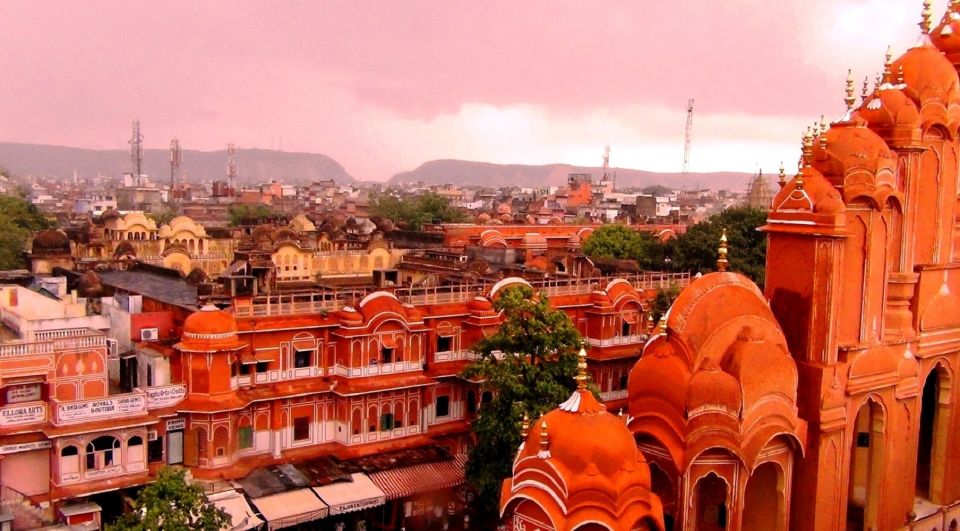
Jodhpur earns the nickname Blue City for a reason: the old city is lined with long stretches of boxy indigo houses that run for more than 10 kilometers along the walls. In person, it doesn’t look like a color filter. It feels like the whole neighborhood has a tone.
What you get on this tour is more than a quick look. You start in the older lanes where the city’s history still shows itself in the architecture—then you move through areas like Navchowkiya where the houses, temples, and everyday market life sit side by side. That mix is why the walk works even if you are not a “history person.” You’re always looking at something you can point at.
And the guide component matters. You’ll hear why locals paint homes in blue (including local legends and cultural reasons), plus stories about this former princely state and the people who live in it now. It turns a pretty neighborhood into a place with context.
One more practical note: this is a short tour. At 2 hours, you’ll come away with strong visual memories without eating an entire day—useful in Jodhpur, where you may also want time for forts and viewpoints.
You can also read our reviews of more walking tours in Jodhpur


Where you start: Chandpole Gate and the practical flow of the walk
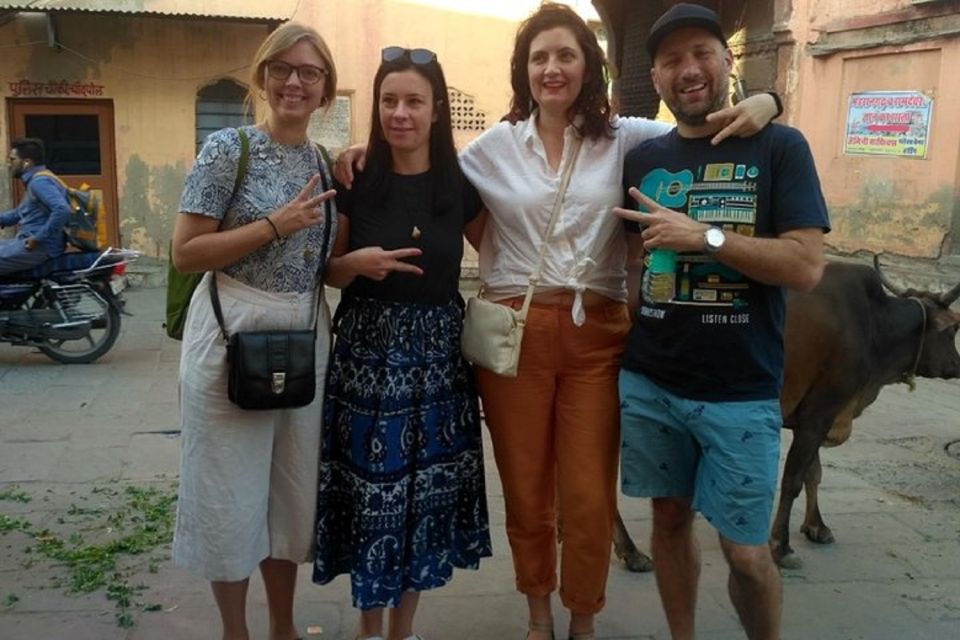
You meet your storyteller at Chandpole Gate, identifiable by a Yo Tours ID card. This is a good setup for a walking tour because it gets you into the old-city grid fast, before your shoes and your patience are both tired.
Since there’s no hotel pickup or drop-off, plan to get yourself to the meeting point on your own. If you’ve been moving around Rajasthan earlier in the trip, this is also a nice change: no waiting for a vehicle, no schedule ping-pong. You simply start walking and let the guide steer.
The tour is a private group, so the pacing usually feels less rigid than large group walks. That can be helpful for photo stops—especially because you’ll be stopping repeatedly to capture the right angle of blue houses, temples, and street scenes.
Navchowkiya: blue havelis, temples, and streets you can actually photograph
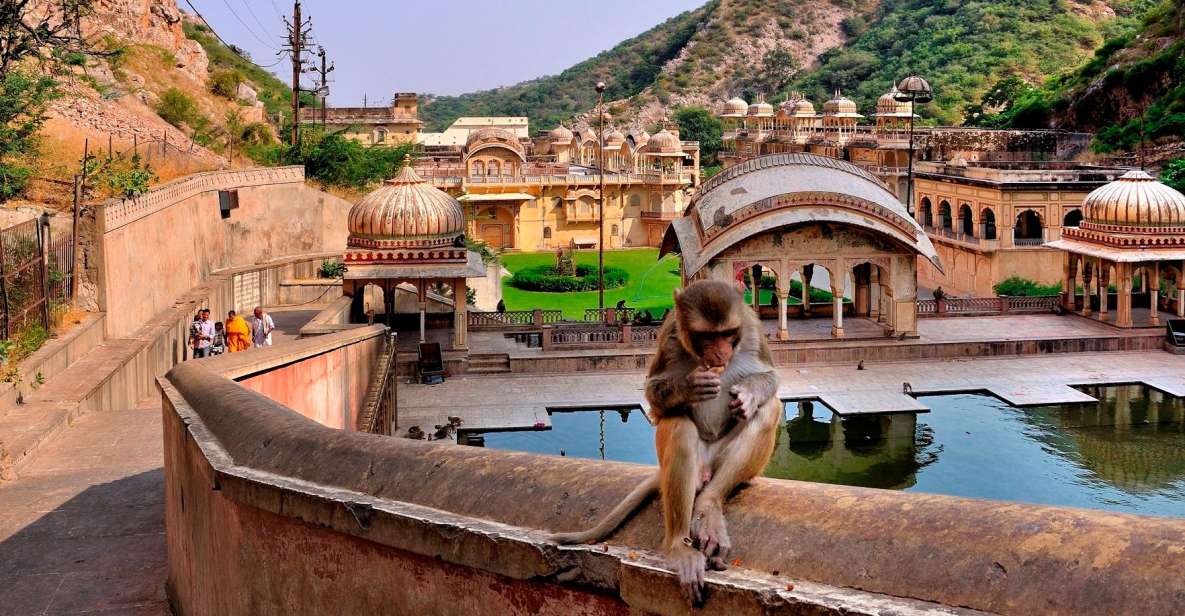
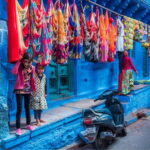
Your first big neighborhood focus is Navchowkiya, a pocket where the city’s look and daily rhythm show up quickly. Expect to move through streets with temples, local markets, and well-known blue havelis—places that look good in any light, but especially when the sun is high enough to show texture on the walls.
Here’s how I’d think about this stop: it’s where the tour stops being “Jodhpur is blue” and becomes “why this blue layout makes sense.” You’ll notice that the colors aren’t random. They cluster along lanes and within older building blocks, creating that signature sea-of-blue effect when you look down longer stretches.
Photo-wise, this is where you’ll want to slow down for framing. Look for:
- Blue facades with architectural detail, not just solid color
- Temple fronts and doorways that add shape and depth
- Street corners where the market activity gives the scene scale
You’ll also have time to interact with locals. That’s not about forcing conversation—it’s about letting your guide help you ask better questions, so you get answers that connect the architecture to people.
In the reviews, guides named Ali and Firoz come up as especially friendly and attentive, with strong English skills in at least one case. That matters because Navchowkiya can feel visually dense. A good guide helps you focus, then explains what to look for.
The blue house stories: why the color matters beyond the aesthetic
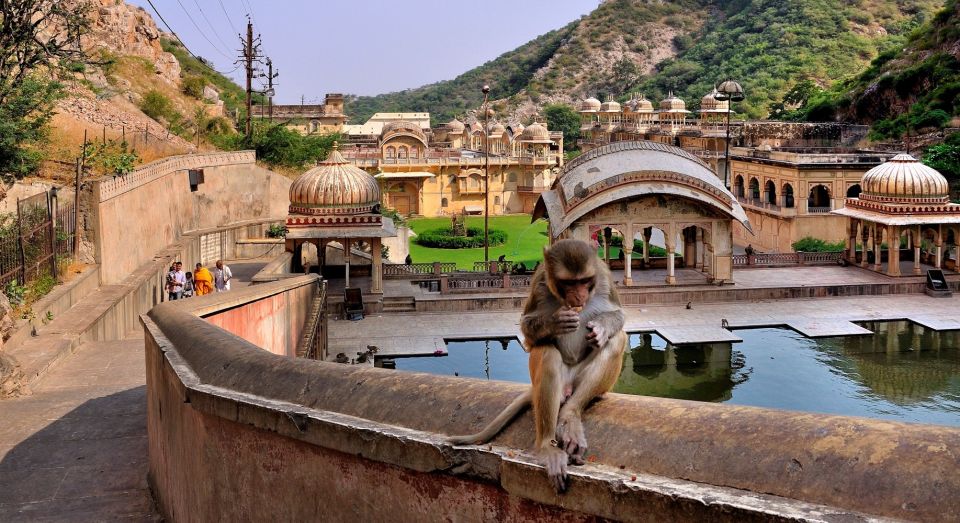
The blue paint is the headline, but the point of this tour is the meaning behind it. Your guide will share reasons locals paint homes blue—often a mix of cultural legacy and local explanations. You may hear stories tied to the city’s identity and the long influence of the princely past, plus how the tradition has been maintained by everyday residents.
This is one of those experiences where the “history talk” is not just trivia. It helps you read the neighborhood. When you understand what the color represents, you stop treating it like a theme park palette.
And because the guide uses an entertaining, story-forward style, you won’t feel like you’re stuck in lecture mode. Some guides start quieter and then warm up as they get rolling—one review mentioned a guide who was quiet at first before speaking more about the old city. That’s worth knowing if you prefer instantly chatty guides; it can help to give it a few minutes.
Ranisar Lake inside the city wall: a calmer pause with a strong sense of place
After the lane-and-havelis intensity, the tour includes a stop that changes the texture of the experience: Ranisar Lake, a historic man-made lake inside the city wall.
Why it’s a great inclusion:
- It breaks up constant walking and constant visual color
- It gives you a different “Jodhpur” angle—less about rooftops and more about how the city manages water and space
- It provides a natural setting for your brain to reset before you head toward the fort area
Even if your main goal is photography, this stop helps your images. You’ll capture the city’s color in relation to a landmark that reads as infrastructure, not just decoration. That balance makes your photo set feel more complete.
It’s also a nice moment to put the guide’s stories into a bigger context. The lake is part of the old city’s planning logic—one more clue that Jodhpur’s beauty is tied to how it was built.
You can also read our reviews of more city tours in Jodhpur



Mehrangarh Fort periphery: connecting street-level color with Rajput power
The tour doesn’t take you all the way up inside Mehrangarh Fort, but it does include the periphery of the fort—one to many forts, palaces, and mansions in the broader area. Even from the edge, the fort zone helps you connect two halves of your Jodhpur day:
1) What you saw at street level: blue homes, temple corners, and daily life
2) What the fort represents: the city’s historical authority and the larger Rajput legacy
This is a smart move for a 2-hour format. Forts can swallow time. Here, you get the visual and emotional link without turning the whole tour into a long ticket line or a steep climb.
Use this section to orient yourself. If you later decide to visit Mehrangarh more thoroughly, you’ll have a better sense of where everything sits and how the city layers outward from the stronghold.
Also keep an eye on your shots: the fort area can give you better vantage cues for where the blue blocks run and how the neighborhood wraps around the older walls.
The guide experience: bilingual storytelling that keeps the walk moving
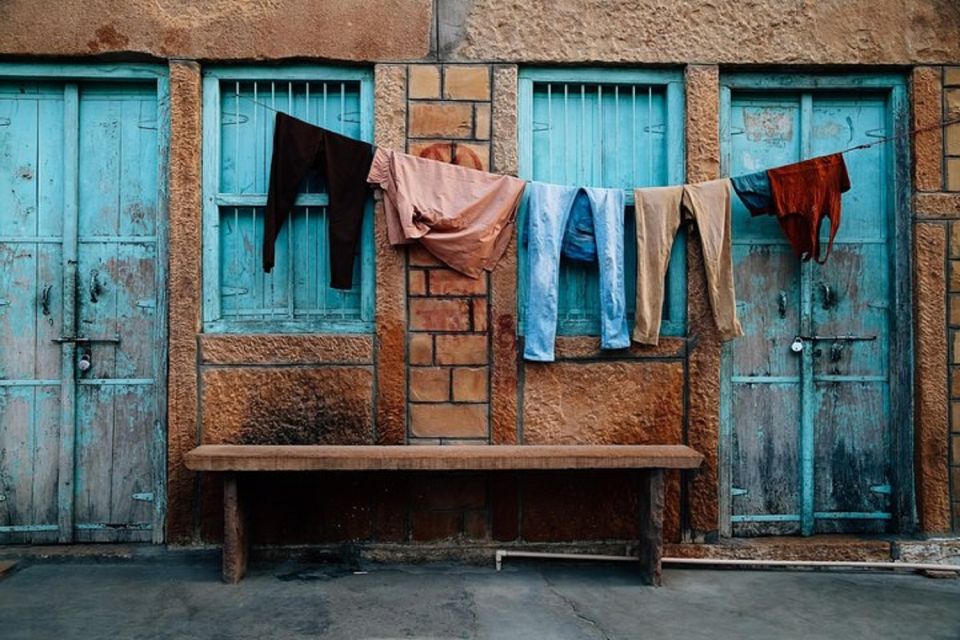
The core included feature is the guide: a storyteller who speaks English and Hindi, described as friendly and trained. The big advantage here is pacing and translation. In a place like Jodhpur, architecture details can mean different things to different people. A guide bridges that gap fast.
You’re also promised local tips and recommendations to save money and explore the best of the city. That’s valuable because it helps you plan the rest of your time in Jodhpur better than guessing. In practical terms, you’ll likely leave with a short list of what to prioritize next, plus some smart ways to avoid wasting time.
What I like most is that the tour includes access to hidden lanes and places. That’s the difference between “walk past a few pretty streets” and “see the old city from angles that aren’t obvious.” If photography is your thing, those lanes are where your pictures start to feel personal.
From the reviews, there’s also a recurring theme of guide kindness—Ali is praised for being welcoming and smiling while showing lots of pretty things. Another review specifically calls out excellent attention and very good English. A second review notes a guide who became more talkative later on. Put those together and you get a realistic picture: generally strong guidance, with the only potential issue being that a slower start can happen.
Price and value: why $18 can make sense for a short, story-led tour
At $18 per person for a 2-hour walking tour, you’re paying for three things that are hard to replicate on your own: a bilingual storyteller, interpretation, and access to smaller lanes. Jodhpur is visual, but meaning is the multiplier. Without a guide, it’s easy to come home with a few nice photos and not much else.
This price also feels reasonable because the tour includes:
- Hidden-lane access
- Storytelling with anecdotes and explanations (like the reasoning behind blue houses)
- Photo stop opportunities across temples, homes, and markets
- Money-saving local tips for the rest of your trip
What’s not included is also part of the value equation. There’s no water included, and there’s no hotel pickup/drop-off. That means you’ll want to plan your own essentials (and start hydrated). If you bring water and meet at Chandpole Gate, the tour stays simple.
Bottom line: if you want a guided intro that helps you read the city quickly, this is good value. If you only want scenery and you’re comfortable self-guiding with minimal context, you could skip it. But if you want Jodhpur to make sense as you walk, $18 is a fair trade for two hours.
What to bring (and what to skip) so your walk stays comfortable
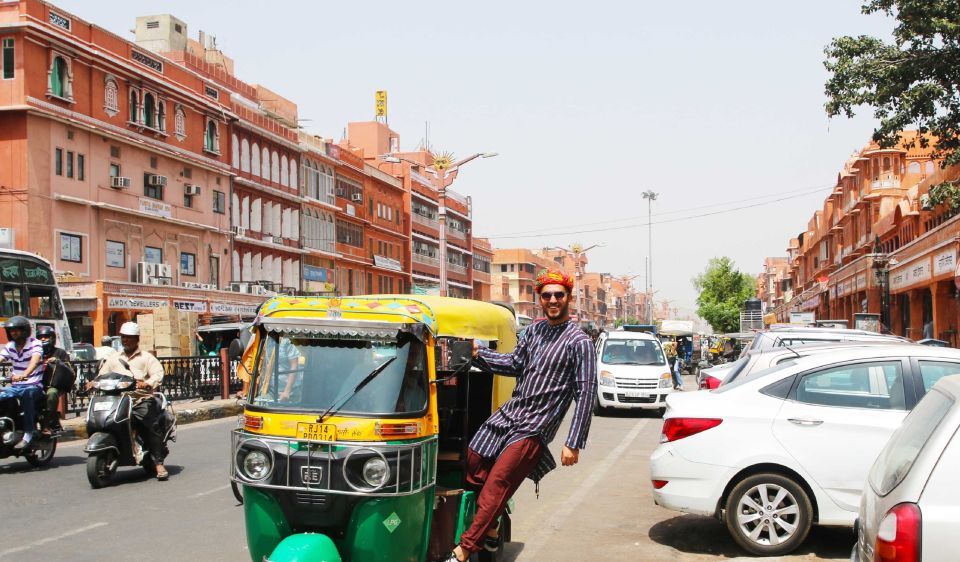
This is not a long hike, but it is an old-city walk. Pack for sun and for your feet. You should bring:
- Comfortable shoes
- Sunglasses
- Sun hat
- Water (since it’s not included)
If you’re the type who hates stopping to drink water, this is your moment to fix that. Carry it. It keeps the pace relaxed, especially in warmer daylight.
And because it isn’t suitable for wheelchair users, consider the surfaces and your comfort level before booking. If you have any mobility concerns, this one may not fit.
Who this tour suits best (and who might prefer something else)
This works best if you want:
- A fast, high-impact introduction to Jodhpur’s Blue City look
- A guided route that covers Navchowkiya, Ranisar Lake, and the Mehrangarh edge area
- A story-led experience that explains why things look the way they do
It’s especially a good fit for couples, friends, and solo travelers who want a local guide without a long day. It also fits photographers who want structure: you’ll get stops that make visual sense, not random wandering.
You might prefer a different kind of activity if:
- You don’t like talking much during tours (some guides start quieter, though they may warm up)
- You need wheelchair accessibility
- You’re hoping for a full Mehrangarh Fort visit inside the complex (this one focuses on the periphery)
Should you book the Jodhpur Blue City Walking Tour?
If you’re spending limited time in Jodhpur and you want the color story plus the city’s context, I’d say yes—book it. This is one of those walks where the guide changes the experience from pretty to meaningful, and the short duration helps you keep your day flexible.
Book it with confidence if photography matters to you and you like neighborhoods that feel lived-in. Bring your own water, wear comfy shoes, and plan to meet at Chandpole Gate on time. If your priority is a deep fort day, pair this with a separate fort ticket later. But as an introduction to Jodhpur’s blue old-city world, this walk is a smart, good-value start.
FAQ
Where is the meeting point for the tour?
You meet at Chandpole Gate, and you can identify your guide by the Yo Tours ID card.
How long is the Jodhpur Blue City Walking Tour?
The tour lasts 2 hours.
How much does it cost?
The price is $18 per person.
What languages are the guides?
The guide provides live commentary in English and Hindi.
Is hotel pickup or drop-off included?
No. Hotel pickup and drop-off are not included, so you’ll need to get yourself to the meeting point.
Is water provided during the tour?
No. Water is not included, so you should bring some.
What should I bring for the walk?
Bring comfortable shoes, sunglasses, a sun hat, and water.
Is the tour wheelchair accessible?
No. The tour is not suitable for wheelchair users.