REVIEW · JODHPUR
Blue City Heritage Walking Tour With Pick Up & Drop Off
Book on GetYourGuide →Operated by Balaji Forex Tours And Travels · Bookable on GetYourGuide
Jodhpur’s Blue City lanes make time feel slower. This tour is interesting because you get a guided story as you walk, plus help finding the best spots for photos. I especially like the hotel pickup/drop-off convenience (often in a clean, air-conditioned car) and the guide-led commentary that explains how Jodhpur became known as the Blue City, even if you only have a short stay. One thing to consider: the walk is not suitable for wheelchairs, people with back problems, or pregnant women, and the streets are narrow.
You’ll start at Pal Haveli near the Clock Tower, then head into the Blue City area with blue houses, busy markets, and famous blue havelis. The route also includes a historic lake inside the city wall, often Ranisar Lake, so the walk doesn’t feel like a nonstop sprint. If you care about heritage but also want breathing room to take pictures and talk with locals, this is a solid fit.
In This Review
- Key things you’ll notice on this tour
- Walking the Blue City Lanes from Pal Haveli Clock Tower
- Jodhpur’s Blue City story: what the guides explain
- Blue houses, markets, and famous havelis (and how the tour avoids rushing)
- Ranisar Lake inside the city wall: the calm counterpoint
- Pickup and drop-off logistics: why they make this tour easier
- Guide style matters here: English commentary plus photo help
- Price and value: why this is a smart buy
- Who this tour is best for (and who should skip it)
- Small practical tips to get better photos and a calmer walk
- Should you book this Blue City Heritage Walking Tour?
- FAQ
- How long is the Blue City Heritage Walking Tour?
- Where does the tour start and end?
- Does the tour include hotel pickup and drop-off?
- What is included in the price?
- Are monument entry fees included?
- Are food and drinks included?
- Is the tour suitable for wheelchair users or people with back problems?
- Are pets allowed on this tour?
- How flexible is cancellation?
Key things you’ll notice on this tour
- Hotel pickup and drop-off (when selected) saves you time on a maze-like old quarter.
- English-speaking guides keep the history clear and answer questions on the spot.
- Photo-focused stops and patient guidance help you get the shot without feeling rushed.
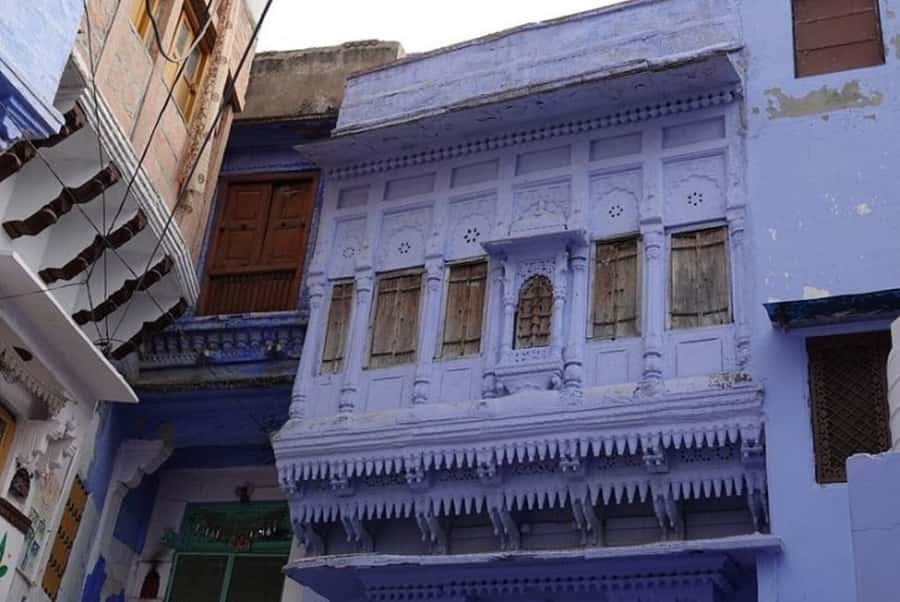
- Narrow lanes, blue facades, and lively markets give you that real Blue City atmosphere.
- Ranisar Lake inside the city wall adds a quieter, historic pause.
- Low base price (~$11) makes this an easy add-on, as long as you plan for extra entry fees.
Walking the Blue City Lanes from Pal Haveli Clock Tower
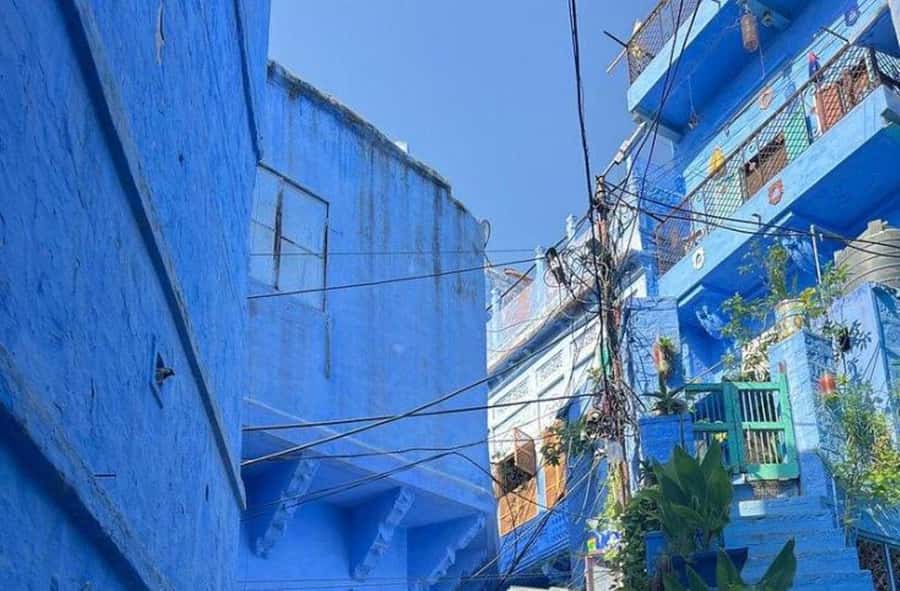
The tour starts in the old core of Jodhpur at Pal Haveli near the Clock Tower. That matters, because the Blue City is the kind of neighborhood where having a starting point and a guide reduces the mental load. Once you’re in motion, you’ll be following winding lanes that can look similar at first glance, especially if you’re arriving fresh from a day of driving.
If you select pickup from your hotel, you’ll be met and taken toward the Blue City area in an air-conditioned vehicle, and many guides also keep things practical with water along the way. You’ll then transition into the walking portion for about two hours total, ending back at the meeting point. That mix of car transfer plus on-foot exploring is a smart compromise for a place where the streets can be tight and uneven.
Tip for your comfort: wear shoes you can trust on uneven stone and small steps. Even if the group moves at a relaxed pace, you’re still walking through real neighborhood streets, not a polished tourist promenade.
You can also read our reviews of more walking tours in Jodhpur



Jodhpur’s Blue City story: what the guides explain
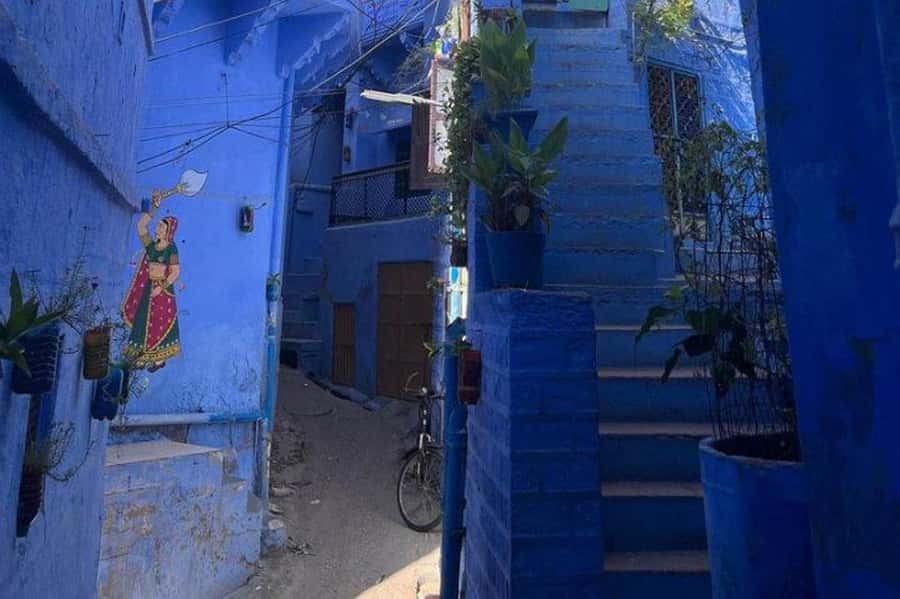
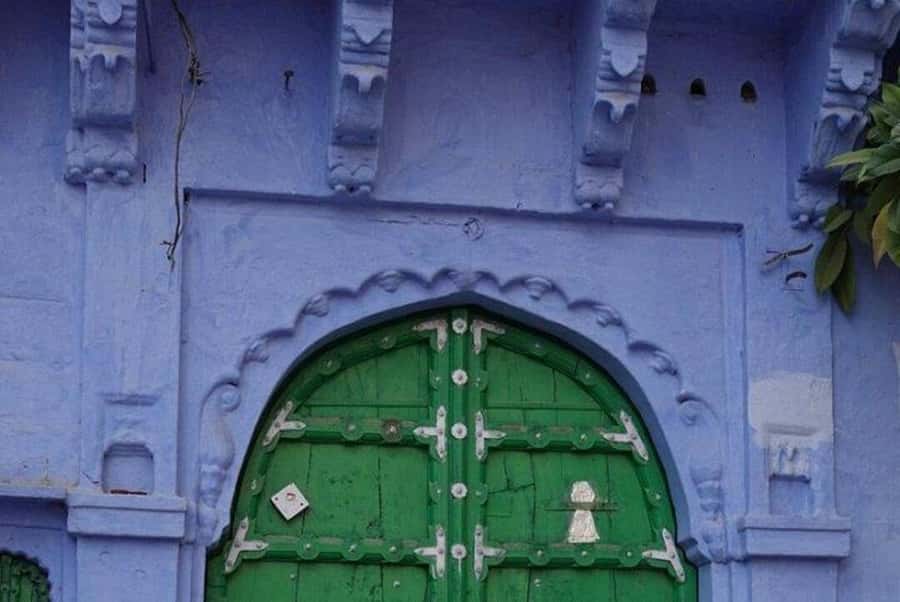
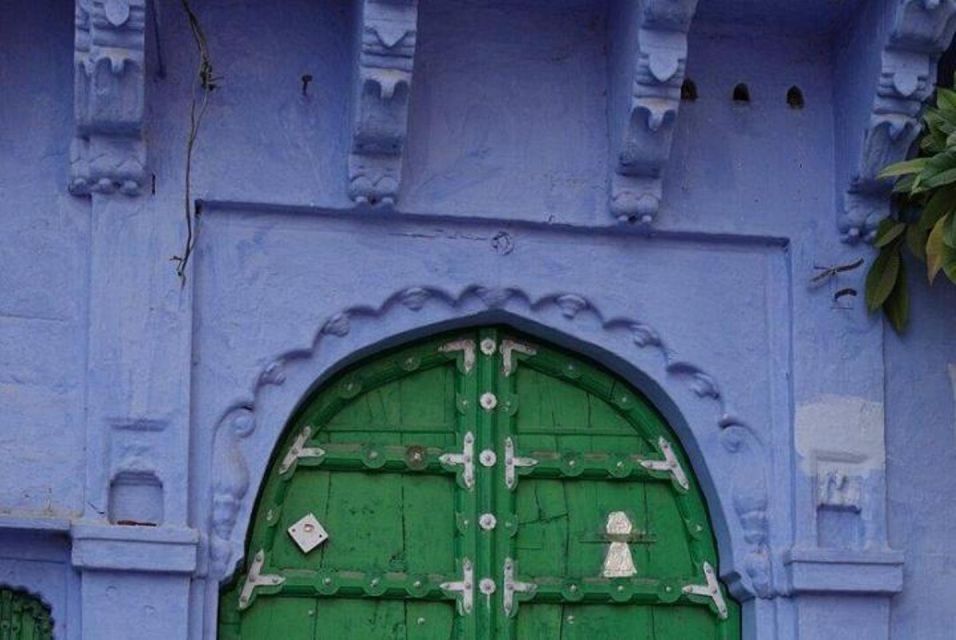
A big reason people book this tour is the question behind the color: why is Jodhpur so famously blue? The guide’s job is to connect the architecture you’re seeing with the explanation you’re hearing, so the walk turns into more than sightseeing. You’ll get commentary as you pass blue houses, blue havelis, and the small details on doorways and walls that make each lane feel like a snapshot of the city’s identity.
I like how guides keep it grounded and practical. In real terms, that means you’re not just staring at painted facades—you’re learning how the color connects to the neighborhood’s character and heritage. Several guides also build in moments for interaction, so you can ask questions and get a clearer sense of everyday life in the Blue City rather than treating it like a museum.
One helpful detail: guides are often willing to balance talking with letting you look and photograph. That’s especially useful here, because the best blue views come from angles you can only find if you have a second to stop, step back, and frame the scene.
Blue houses, markets, and famous havelis (and how the tour avoids rushing)
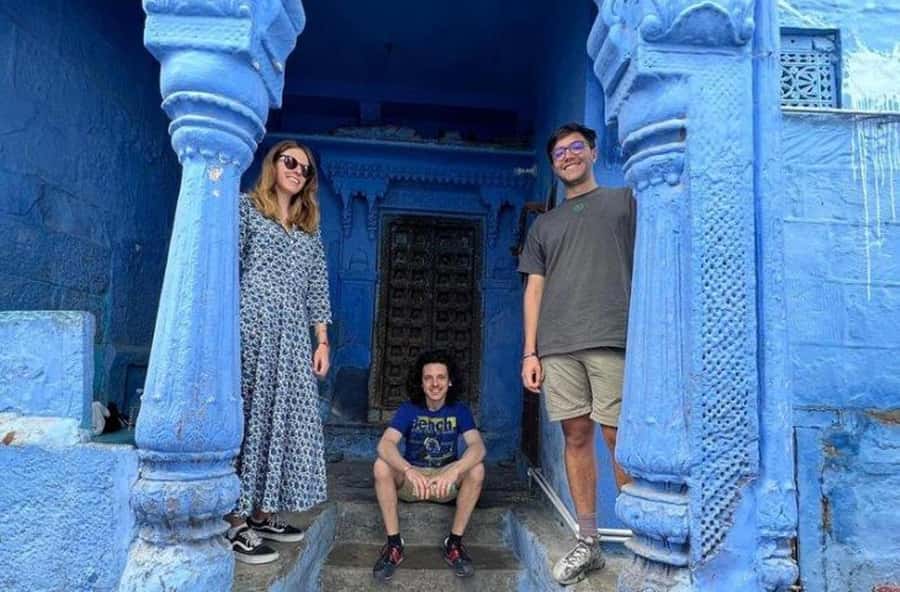
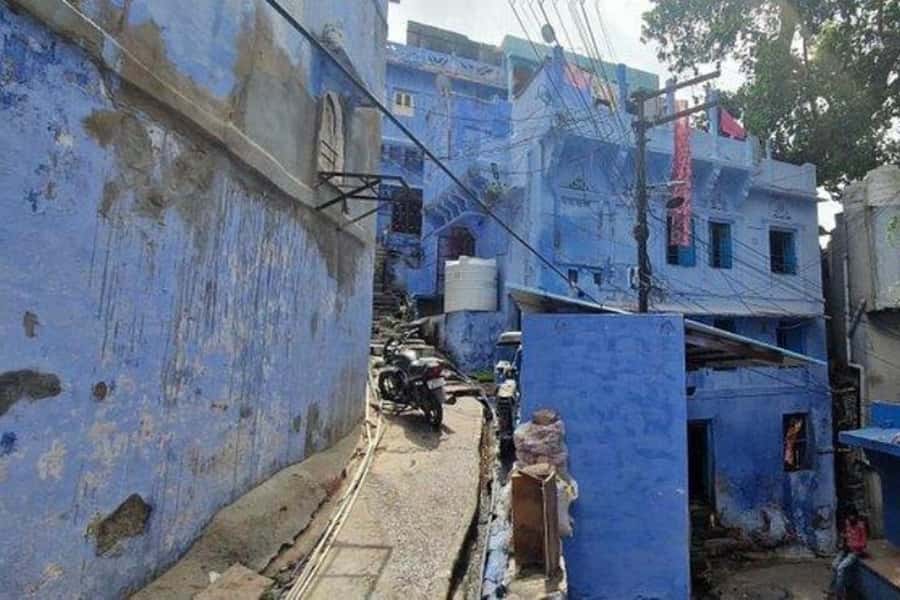
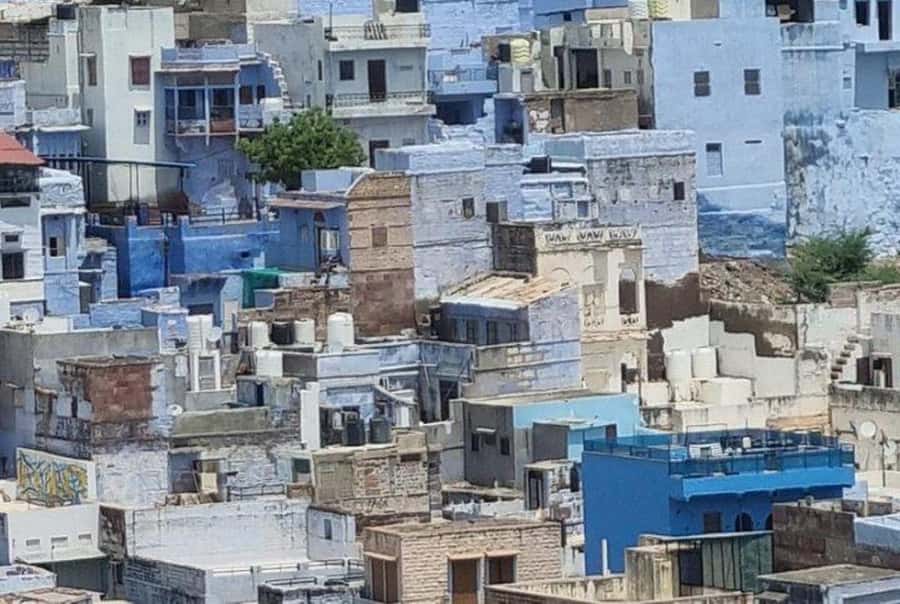
Your route moves through the Blue City locality with stops that typically include blue painted houses, busy markets, and well-known blue havelis. Even when you’ve seen photos online, the lanes can surprise you: the scale is different, and the buildings feel closer than you expect. The walking portion is where you notice how the neighborhood works—where people gather, how goods move through narrow streets, and how the houses line up along the walls.
Guides also tend to add small, real-time guidance for what to look for. You’ll often be told where to stand for a better view, which side of a lane gives the best light for photography, or how to spot the classic Blue City patterns on facades.
Some versions also include quick stops that fit naturally into a heritage walk. For example, you may pass through or stop near places like the Jungle Export Market for decor and fashion browsing, and you might also be guided toward antique and textile-related shops such as Maharani Antiques & Textiles. These are optional-feeling moments in the day, not a forced shopping parade, but they’re there if you want souvenirs or a chance to browse local craft and textiles.
You may also get a break at a rooftop cafe in a haveli-style setting, which is a nice reset. It’s not just a rest stop—it’s also a chance to look back at the lanes from above, which helps the whole layout click in your mind.
Watch for this: monument entry fees are not included. If your route includes ticketed sights, you’ll need to budget extra on the day.
Ranisar Lake inside the city wall: the calm counterpoint
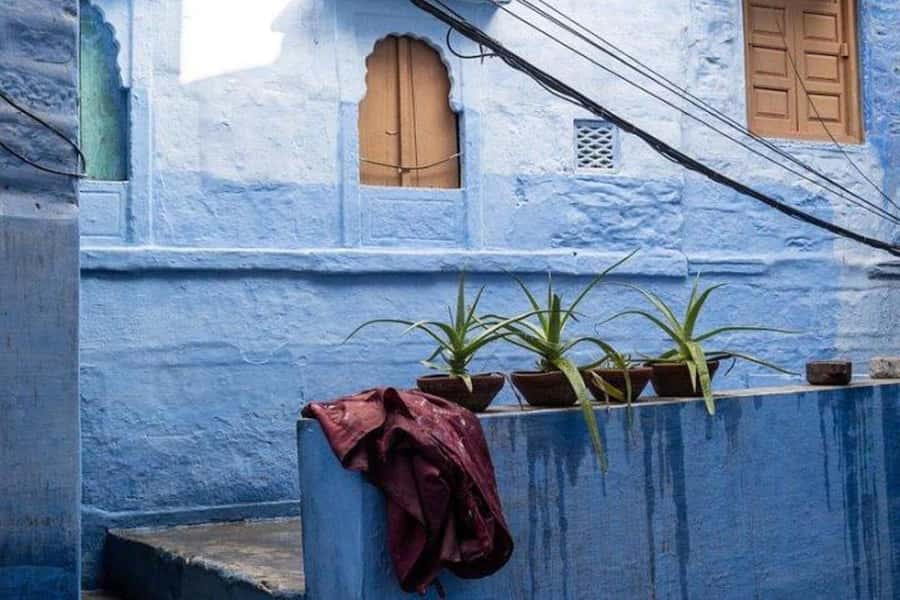
One of the strongest features of the itinerary is the inclusion of a historic lake inside the city wall, specifically Ranisar Lake. This is where the walk gets a slower, more reflective feel. Instead of only moving from facade to facade, you get a sense of the city’s older planning—water, fortification, and daily life built into the same space.
In practice, this stop helps you avoid the most common problem with heritage walks: nonstop motion with no change of rhythm. The lake area gives you time to stand, absorb the scene, and take photos without the pressure of immediately moving to the next street corner.
If you’re the kind of traveler who likes architecture but also enjoys atmosphere, this pause is a big win. It’s also a good point for your guide to answer bigger questions about how the city’s heritage is preserved and what challenges exist.
Pickup and drop-off logistics: why they make this tour easier
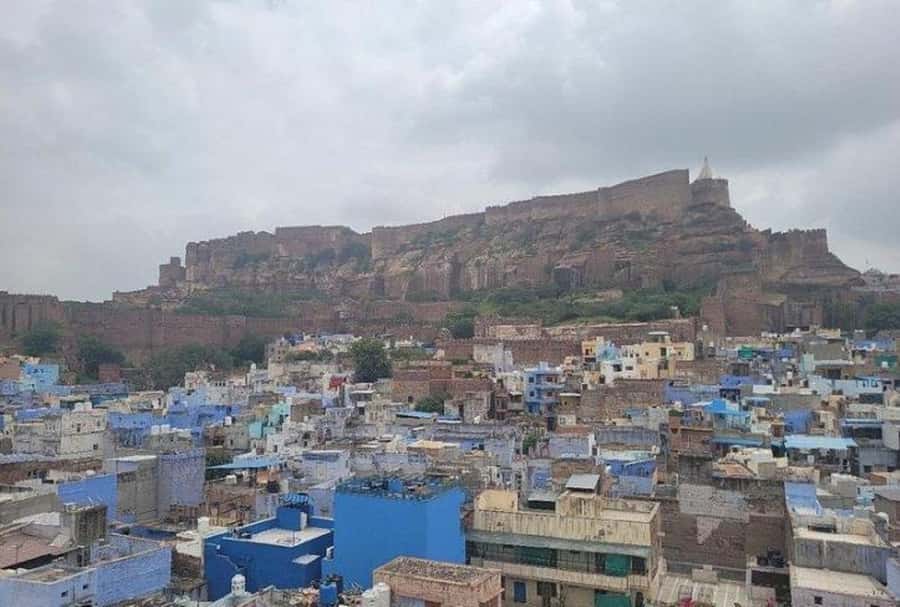
The most practical advantage is the pickup and drop-off from your hotel if you select that option on booking. That doesn’t just save time; it also reduces stress. The Blue City area is easier to explore with a guide, but getting there and back at the right moment is even easier when the tour handles the transfer.
You’ll start near Pal Haveli near the Clock Tower, and the end point is essentially back where you began. That means you don’t have to navigate your way back through the lanes when you’re tired or when the light changes late afternoon.
From the reviews, the vehicle side seems to be taken seriously. Many guides use a clean, air-conditioned car and even provide practical touches like fresh water. That matters in Rajasthan where heat and dust can make short walks feel longer than they should.
Simple planning advice: if you have a tight schedule, choose pickup. It gives you a more predictable start time and makes the Blue City fit neatly into a half-day.
You can also read our reviews of more city tours in Jodhpur




Guide style matters here: English commentary plus photo help
This is one of those tours where the guide can make or break the experience. The best part is not just the facts—it’s the delivery: guides walk at a pace that lets you look, ask questions, and take photos without feeling pushed.
You’ll see names come up repeatedly, and they follow a similar pattern of helpfulness:
- Prabhat is praised for clear explanations and a balanced walk that doesn’t feel rushed.
- Ray is repeatedly mentioned for being easy to talk with, answering extra questions beyond the immediate stops, and helping with photography.
- Vikas, Rishi, Ritesh, and others also show up in reviews as friendly, patient, and strong at making the Blue City feel understandable quickly.
What I like about this guide style is how it creates options. If you want to ask why something is blue, you can. If you want quiet time to photograph, you usually get it too. This tour seems to work well for couples and solo travelers because the guide can adjust to your rhythm.
One more detail: some guides tailor the walk toward personal interests, including photography. If you’re bringing a camera or phone and want better angles, you’ll likely appreciate that your guide doesn’t treat pictures as a distraction. They treat it as part of the experience.
Price and value: why this is a smart buy
The price is about $11 per person, which is remarkably low for a guided, structured two-hour walk with transfers when selected. On top of that, the tour includes an English-speaking local tour guide and all taxes, fees, and handling charges.
That’s where the value comes from: you’re paying for interpretation and logistics, not just steps on a map.
What’s not included is where you should do your quick mental math:
- Monument entry fees (if any ticketed stops come up on your exact route)
- Food and drinks, unless specified
If you want snacks or a proper sit-down break, plan to pay out of pocket. Still, because the base tour cost is low, you can usually afford a drink or small meal without wrecking your day’s budget.
My practical take: book this if you want a guided introduction that helps you understand what you’re seeing. If you’re the type who already knows the Blue City story and you’re happy wandering on your own, then it might feel optional. But for most first-timers, a guide at this price is a good deal.
Who this tour is best for (and who should skip it)
This tour is designed for walking, and the operator is clear about limitations. It’s not suitable for wheelchair users, people with back problems, and pregnant women. The streets in the Blue City are narrow and can include uneven ground, so this isn’t a “light stroll” tour in the accessibility sense.
It also states pets are not allowed.
Who it fits best:
- First-time visitors to Jodhpur who want a fast but meaningful orientation
- People who like photos and want help finding good views
- Travelers who enjoy history explained in everyday, street-level terms
- Couples or solo travelers who want a guided path but still want time to look around
If you’re unsure about fitness, consider how two hours of walking through lanes might feel for you on the day. If heat is a concern, start early in the day when possible and keep water handy.
Small practical tips to get better photos and a calmer walk
You’ll get the best experience if you treat this as a photo-friendly heritage walk, not just a history lecture. A few practical things to do before you meet your guide:
- Wear light layers and comfortable walking shoes.
- Bring a charged phone/camera and keep your settings ready before you hit the tight lanes.
- Be ready for close-up architecture—your best shots will come from stepping back, not just zooming in.
- Ask your guide about photo angles. Many guides in this program are happy to help you frame the Blue City views.
Also, don’t over-plan. This kind of neighborhood rewards small detours and short stops. Guides tend to build in time for pictures and for questions, so you’ll enjoy it more if you don’t treat every minute as a checklist.
Should you book this Blue City Heritage Walking Tour?
I think you should book it if you want the Blue City explained in a real, walkable way—especially if you like photography or you’re short on time. The combination of English guide commentary, a focused route through blue havelis and markets, and a historic pause at Ranisar Lake gives you a lot for a very reasonable price.
Skip it if you can’t do the walking portion comfortably or if you need wheelchair-friendly routes. Also, if you’re expecting food included, double-check your plans since food and drinks aren’t included unless stated.
If you want a straightforward first look at Jodhpur that turns into a deeper understanding of the city’s identity, this is an easy yes.
FAQ
How long is the Blue City Heritage Walking Tour?
The tour lasts about 2 hours.
Where does the tour start and end?
It starts at Pal Haveli near the Clock Tower, and it ends back at the meeting point.
Does the tour include hotel pickup and drop-off?
Pickup and drop-off from your hotel are included if you select the option during booking.
What is included in the price?
The tour includes an English-speaking local tour guide, all taxes/fees/handling charges, and (if selected) hotel pickup and drop-off.
Are monument entry fees included?
No. Monument entry fees are not included.
Are food and drinks included?
No. Food and drinks are not included unless specified.
Is the tour suitable for wheelchair users or people with back problems?
No. It is not suitable for wheelchair users and people with back problems.
Are pets allowed on this tour?
No, pets are not allowed.
How flexible is cancellation?
You can cancel up to 24 hours in advance for a full refund.