REVIEW · JODHPUR
Private Cooking Class in Jodhpur With Pick Up & Drop Off
Book on GetYourGuide →Operated by Jodhpur Camel Safari Private Day Tours · Bookable on GetYourGuide
A home kitchen in Jodhpur beats any cooking demo. This private class puts you in the middle of making a traditional Rajasthani meal with real guidance, not just watching someone else cook. I like that you can choose lunch or dinner, and I also like the way the chef-host keeps the focus on hands-on practice and clear explanations. One thing to consider: it’s a small, active kitchen experience, so it works best if you’re ready to cook (not just sample).
In This Review
- Key things I’d bet you’ll care about
- What Makes This Jodhpur Cooking Class Worth Your Time
- Pick-Up, Meeting Point, and the Clock Tower Trick
- Your 3-Hour Flow: Welcome, Cooking, Then Eating
- What You’ll Cook: Vegetarian Rajasthani Favorites (Not Tourist Copies)
- The Teaching Style: Practice, Questions, and Real Fixes
- Clean Home Kitchen and Small-Group Advantage
- Price and Value: About $20 for a Private Meal Lesson
- Who This Fits Best in Your Jodhpur Plan
- Small Cultural Touches Without Getting Too Stuffy
- Should You Book This Private Cooking Class in Jodhpur?
- FAQ
- How long is the cooking class in Jodhpur?
- Can I choose lunch or dinner?
- Is this a private class?
- Do you include pickup and drop-off?
- Where is the meeting point if I don’t want pickup?
- What language is the instructor?
- Are drinks included?
- Can the class handle gluten-free needs?
Key things I’d bet you’ll care about
I’d highlight two things right away: you get private time to ask questions, and the food is the goal, with you cooking the dishes and then eating them in an informal setting. Another plus is the “start-to-finish” structure, where you move from welcome and setup into cooking, then sit down to enjoy what you made. The possible drawback is timing: since it’s a 3-hour class, some prep steps may already be underway, so don’t expect a full slow tour through every tiny ingredient stage.
What Makes This Jodhpur Cooking Class Worth Your Time
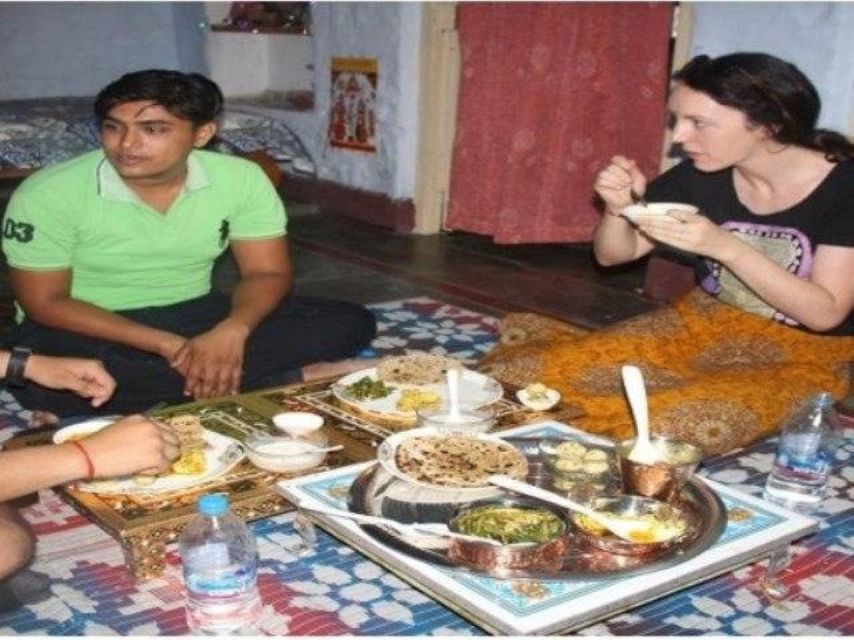
This is a 3-hour private cooking class in Jodhpur, focused on vegetarian cooking and classic Rajasthani dishes. You’ll be picked up from your hotel (or a nearby point like Clock Tower for small-street locations), driven to the host’s home, welcomed, and guided through a practical meal you can actually recreate later.
From the start, it feels personal. You’re not joining a huge group in a workshop that rushes everyone through the same moves. Instead, your instructor teaches in English, steps in when you need help, and keeps things interactive, so you can ask questions as they come up—whether it’s about getting chapati right or balancing how a lentil dish should behave.
The best part for most people is also the simplest: you finish hungry, not just informed. After cooking, you eat the dishes you made, while it’s still fresh and warm.
You can also read our reviews of more private tours in Jodhpur



Pick-Up, Meeting Point, and the Clock Tower Trick
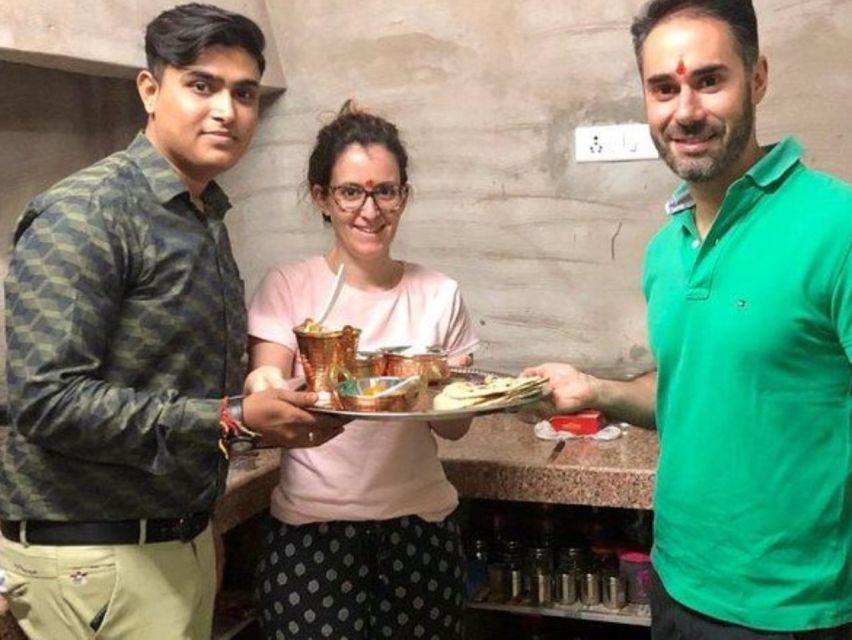
Logistics are handled well, and that matters more in Jodhpur than you’d think. The class includes pick up & drop off from a selected hotel. If your hotel is on narrow streets (the kind where bigger vehicles don’t want to go), pickup and drop off happen at the nearest practical point—listed as the Clock Tower.
If you prefer to meet directly, the meeting point is opposite Pal Haveli. Once you’re in transport, you’ll be taken to the host house for the cooking session.
A practical tip: when you book, double-check how your hotel’s street access works. If you’re near the old city lanes, plan to walk a bit to the clock-tower area. It’s not a problem, it’s just part of how Jodhpur runs.
Your 3-Hour Flow: Welcome, Cooking, Then Eating
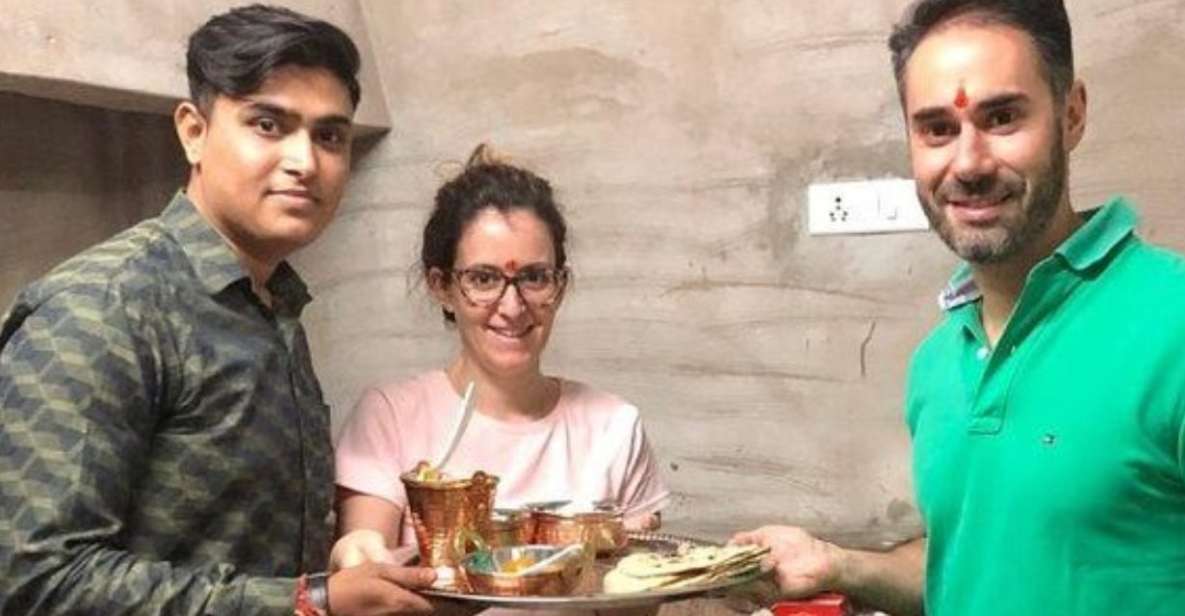
The class is structured like a real meal day, just compressed into three hours:
1) Welcome and setup at the host home
You arrive, get settled in a fully equipped workspace, and start the session. You’ll have water, and you’ll also get coffee and/or tea depending on the timing.
2) Cooking time with hands-on guidance
This is the core of the experience. You’ll learn and cook vegetarian dishes step by step with support as needed. It’s not a “stand back and watch” class. You’ll practice the actual techniques—things like rolling and cooking breads, working with spices, and assembling components for lentil or vegetable dishes.
3) Move to the dining area to eat
Once the cooking part is done, you sit down and enjoy what you prepared. This informal dining moment is more satisfying than you might expect, because you recognize what each dish took to make.
Then you’re dropped back at your hotel. If you stayed in a small-street property, you’ll be returned to the clock-tower area rather than deep inside the lanes.
One pacing note from real sessions: some ingredients and vegetable work may already be handled, which helps you actually finish multiple dishes within the 3-hour window. That’s a trade-off. You’ll likely spend more time learning technique and less time doing early prep.
What You’ll Cook: Vegetarian Rajasthani Favorites (Not Tourist Copies)
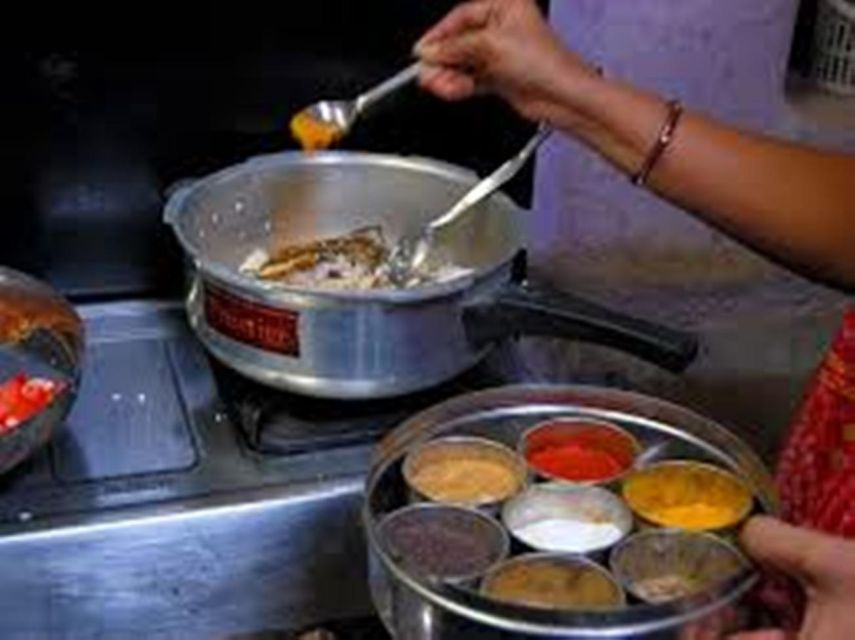
The class centers on traditional Rajasthani cooking, and your menu depends on the class type and flow that day. Still, the dishes listed across the experience are very specific, and you can expect the session to include a mix of breads and curries plus something comforting to drink.
From the practical examples people cooked here, you may make combinations like:
- Chapati/chapathi, with practice until it clicks
- Kitchdi/kitchdi (a rice-and-lentil style dish)
- Lentils like dal
- Vegetable curries such as okra curry
- Add-on breads and lessons like paratha (often explained during the chapati portion if there’s interest)
And for drinks:
- Ginger masala chai or spiced chai at the start, sometimes treated like its own lesson
A big reason this class gets such strong feedback is that it’s not watered down for tourists. You’re taught how to make the dishes the way they taste at home, and you get enough instruction to repeat the flavors later.
Also, dietary needs are taken seriously here. If someone in your group needs gluten-free options, the class makes room for it. One experience highlighted gluten-free chapati precautions for celiac needs, with careful attention to safety. Even if you don’t have dietary restrictions, you’ll feel the lesson is thoughtful, not generic.
The Teaching Style: Practice, Questions, and Real Fixes
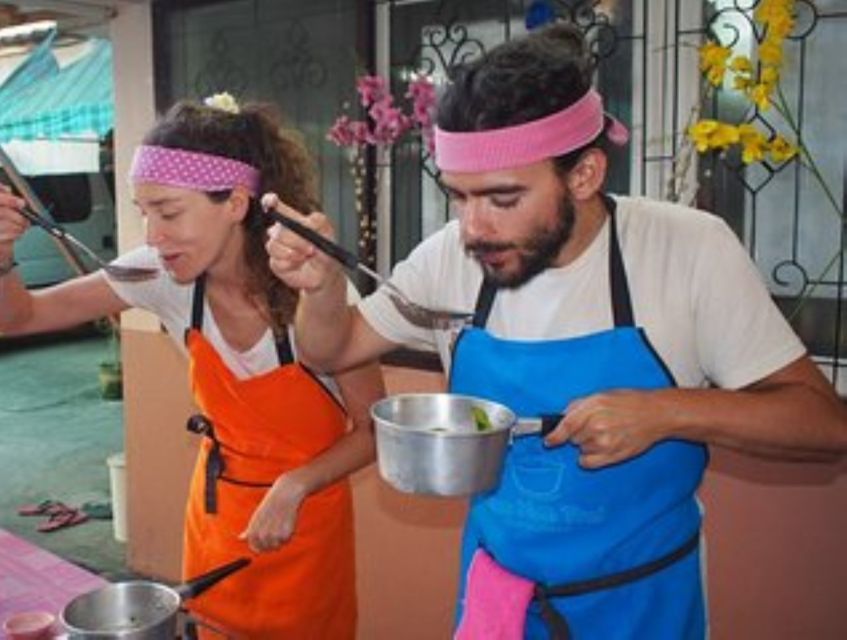
The value isn’t just that you cook. It’s how you’re coached while you cook.
In this class, the chef-instructor is English-speaking and works in a warm, clear style: you do the work, and she steps in to correct technique when needed. That’s why chapati is often a favorite part. It looks simple, but it’s also where mistakes show quickly—so having patient help can make the difference between frustration and skill.
You can also ask questions freely. That matters because Indian cooking has a lot of small cause-and-effect moments. If your dough isn’t behaving, or a spice blend smells off, or you’re unsure what the texture should be, this setup gives you immediate guidance instead of leaving you to guess later.
From the name examples people mention, the instructor is Dakshika, and her husband who handles transport is Ray. The experience often runs like a family home visit, with a tidy, clean kitchen and a relaxed pace that still stays on schedule.
You can also read our reviews of more cooking classes in Jodhpur

Clean Home Kitchen and Small-Group Advantage
This isn’t a cafeteria-style cooking studio. It’s a family home with a working kitchen setup. The upside is comfort and authenticity: you learn how real dishes are made, in a real space where food matters.
The downside is simple: the kitchen space means the experience tends to suit smaller groups best, with 2–4 people described as ideal based on practical realities. If you’re coming with a large group, expect limitations on movement and workspace.
If you care about cleanliness, this kitchen setup is repeatedly described as spotless and well arranged. That helps you focus on cooking rather than worrying about comfort.
Price and Value: About $20 for a Private Meal Lesson
At around $20 per person for a 3-hour private cooking class with pickup and drop off, this is strong value—especially because you’re not just getting instruction. You’re getting a cooked meal, coffee and/or tea, and bottled water included.
Here’s why the math often works for people:
- Private format: you’re paying for one-on-one attention and a slower teaching pace.
- Meal included: lunch or dinner happens at the end, and you eat what you cook.
- Transport included: pickup and drop off remove a common hassle in old-city areas.
- Recipes and notes: multiple experiences mention you receive recipes afterward with detailed preparation notes, so you’re not just buying entertainment.
There are two costs you should mentally account for:
- Alcoholic drinks are not included, though they’re available to purchase.
- If you’re far from the selected pickup points, your pickup location may be adjusted for narrow streets (clock-tower pickup/drop).
Overall, it’s one of those prices where you feel like you paid for an experience that keeps you busy for three full hours, then sends you home with food skills.
Who This Fits Best in Your Jodhpur Plan
This class is a great choice if you want your trip to connect with everyday life, not just landmarks. It’s also ideal if you’re a foodie who likes learning technique, especially for bread making and spice-based dishes.
I’d point to a few good fits:
- Couples or small friend groups who want privacy and time for questions
- People who want hands-on vegetarian instruction
- Anyone who cares about repeating dishes later, since recipes are shared afterward
- Travelers who have dietary needs like gluten-free/celiac considerations and want careful attention
You might not love it if you hate hands-on cooking or you’re looking for a casual tasting only. The session is built around doing the work, not hovering.
Small Cultural Touches Without Getting Too Stuffy
What makes this feel more than a cooking workshop is the welcome atmosphere. Some sessions include traditional hospitality gestures when you arrive, and there’s also time for conversation. People mention the instructor sharing cultural context around food, and the experience can feel like you’re visiting someone’s home rather than attending a ticketed activity.
If you like a travel day that includes both skill and human connection, this hits that balance. You cook, you eat, you leave with stories and practical notes.
Should You Book This Private Cooking Class in Jodhpur?
Book it if you want a memorable, practical Jodhpur food experience: a private vegetarian class, hotel pickup and drop off, real hands-on teaching, and a meal you actually made. The price also makes sense because you’re getting instruction plus lunch or dinner plus recipes afterward, and the transport quality is consistently rated highly.
Skip it only if you’re not in the mood to cook, or if your group size is too big for a home kitchen setup. If you’re flexible and ready to learn, you’ll likely come away with the kind of cooking confidence that survives jet lag.
FAQ
How long is the cooking class in Jodhpur?
The class lasts 3 hours.
Can I choose lunch or dinner?
Yes. You can choose lunch or dinner to fit your schedule.
Is this a private class?
Yes, it’s a private group experience.
Do you include pickup and drop-off?
Pickup and drop-off from a selected hotel are included. If your hotel is in a small street area, pickup and drop-off happen from the nearest point, listed as the Clock Tower.
Where is the meeting point if I don’t want pickup?
The meeting point is opposite Pal Haveli.
What language is the instructor?
The instructor teaches in English.
Are drinks included?
Coffee and/or tea are included, and bottled water is provided. Alcoholic drinks are not included (they can be purchased).
Can the class handle gluten-free needs?
Information from the experience indicates gluten-free precautions are taken seriously, including a gluten-free chapati option for celiac needs.